When considering what maintenance a gas generator needs, it is essential for buyers to understand the nuances of upkeep. Proper maintenance can significantly extend the lifespan of your generator. Neglecting small tasks can lead to major breakdowns. Common maintenance tasks include checking oil levels, replacing filters, and inspecting fuel lines.
Buyers often overlook detailing their generator’s maintenance schedule. This can result in costly repairs later on. Gas generators must be cleaned regularly to prevent dust and grime build-up. This ensures efficient operation and reliability. Additionally, keeping an eye on the battery is crucial. A weak battery can render your generator useless when you need it most.
Investing time in understanding these principles of maintenance is rewarding. A well-maintained generator provides peace of mind. You will find that staying proactive helps avoid unexpected failures. Buyers should set reminders for routine checks. Embracing a disciplined maintenance routine fosters both confidence and safety in your equipment.
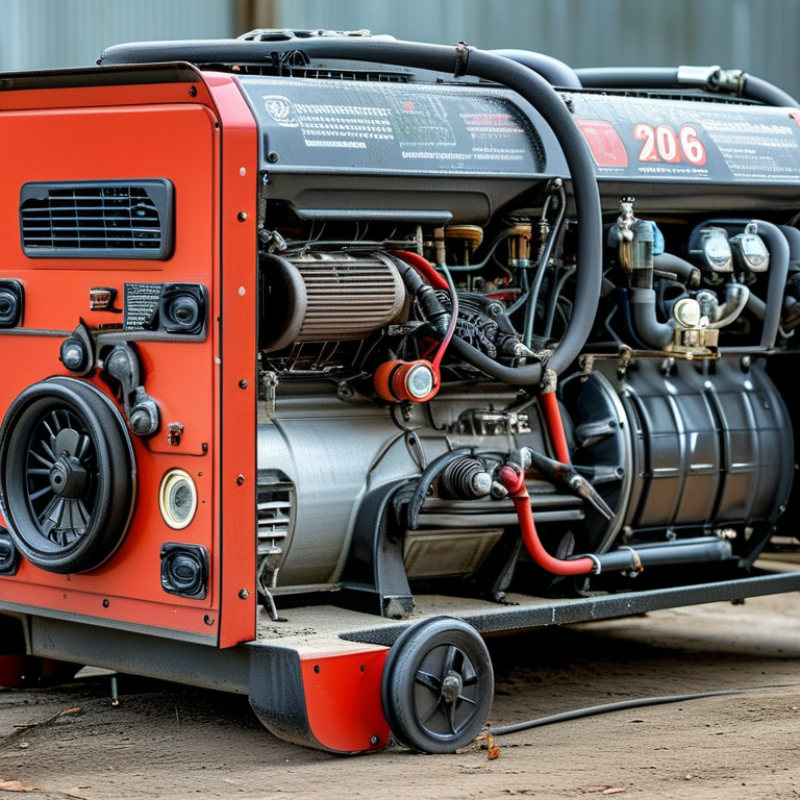
Understanding the Importance of Regular Gas Generator Maintenance
Regular maintenance of gas generators is crucial for optimal performance. According to the Electrical Generating Systems Association (EGSA), 30% of generator failures are attributed to inadequate maintenance. This statistic highlights the importance of establishing a regular maintenance schedule. Ensuring clean fuel filters and proper oil levels can increase the lifespan of a generator significantly. Neglecting these small tasks can lead to more significant problems later.
A report from the U.S. Department of Energy states that nearly 70% of energy outages are caused by equipment failure. This underlines the necessity of proactive care. Monthly inspections can identify issues before they escalate. Simple checks like inspecting the air intake and battery connections can prevent poor performance. Key components should not be overlooked; for instance, worn spark plugs can lead to increased fuel consumption and reduced efficiency.
Investing in tools for maintenance is worthwhile. Basic gauges for oil pressure and temperature can help track the generator's health. Some users might find this routine tedious. However, the long-term savings and peace of mind from reliable power justify the effort. Ignoring maintenance could mean facing inconvenient outages. A well-kept generator is essential for both safety and dependability.
Essential Tools Required for Gas Generator Maintenance Tasks
Maintaining a gas generator requires the right tools to ensure its longevity and efficiency. When tackling maintenance tasks, some essential tools stand out. A sturdy socket set is crucial for tightening or loosening bolts. A multimeter can help diagnose electrical issues. Don't underestimate the importance of a good fuel filter wrench. It makes replacing fuel filters much easier.
For regular maintenance, keep your space organized. This helps in accessing tools quickly. Check the oil level frequently; keeping it at the proper level can prevent major malfunctions. Always have spare spark plugs on hand. They help maintain optimal engine performance.
When performing maintenance, take care in your approach. Read the owner’s manual for specific instructions. Track your maintenance history to identify patterns of wear and tear. This can help you anticipate issues before they arise. Proper maintenance isn't just about tools; it requires diligence and consistency. This may involve inconvenient tasks, but each is a step toward greater reliability.
2026 Best Gas Generator Maintenance Tips
Step-by-Step Guide to Clean and Inspect Your Gas Generator
Keeping your gas generator running efficiently requires regular maintenance. This step-by-step guide will help you clean and inspect your generator thoroughly. According to a report by the U.S. Consumer Product Safety Commission, proper maintenance can extend the lifespan of your generator by 50%.
Start by disconnecting the fuel supply. Inspect the air filter and clean it with compressed air if necessary. Check the spark plug and replace it if it shows signs of wear. A clean spark plug ensures better combustion and efficiency. Regular oil changes are essential as well. The oil should be changed every 100 hours or at least once a year, whichever comes first.
Tips for effective generator maintenance include keeping it in a dry and clean environment. Dust and moisture can cause damage over time. Perform a fuel system check to avoid leaks. Use fuel stabilizers to prevent degradation. Regular inspections can save you from costly repairs and ensure safety. Follow these practices to maximize performance and reliability. The small effort you invest now will pay off later.
Common Issues and Troubleshooting Tips for Gas Generators
Gas generators are valuable tools, but they can face issues over time. One common problem is starting difficulties. If your generator won’t start, check the fuel level first. Old fuel can lead to engine problems. Draining stale fuel is essential. Keep the fuel fresh by replacing it regularly.
Another frequent issue is inadequate power output. If your generator is struggling to supply sufficient power, inspect the load being drawn. Overloading the generator can cause it to trip. Make sure to balance the load according to the manufacturer’s specifications. Additionally, faulty spark plugs may contribute to this issue. Regularly inspecting and replacing spark plugs can prevent many headaches.
Furthermore, noise can become a nuisance. If your generator suddenly becomes louder, it might indicate a malfunction. Loose components can lead to excessive vibration. Tightening any loose screws or bolts may help. If noise persists, consider professional service. Remember, maintaining your generator doesn’t just ensure reliability; it also enhances safety. Keeping a maintenance log holds you accountable for routine checks and repairs, making life easier in the long run.
Best Practices for Storing and Protecting Your Gas Generator
When it comes to storing and protecting your gas generator, proper maintenance is crucial. A well-maintained generator can last over 10,000 hours, according to industry reports. Neglect can lead to serious performance issues. Proper storage ensures longevity.
Fuel stability is essential for gas generators. Use fuel stabilizers to prevent breakdown. Store your generator in a dry, cool place to avoid corrosion. A temperature-controlled environment minimizes condensation, which can lead to rust. Inspect the fuel lines frequently; damaged lines can cause leaks.
Another aspect to consider is the battery. Batteries should be removed during long-term storage. Regularly check the charge level. Full batteries can lose capacity over time, especially in extreme temperatures. Regular inspections can save money in the long run.
Additionally, cover your generator with a breathable material. This prevents dust accumulation. A dust cover can keep the components functioning well. Ensure air vents are not obstructed. It's small details like these that make a significant difference in performance. Ignoring them could lead to larger issues down the road.
FAQS
: Regular maintenance ensures optimal performance and can prevent about 30% of generator failures.
Neglecting tasks like checking fuel filters can lead to significant problems and inconvenient outages.
Monthly inspections are recommended to identify issues before they escalate into bigger problems.
Essential tools include a sturdy socket set, multimeter, and fuel filter wrench for effective maintenance.
Store it in a dry, cool place and use fuel stabilizers to prevent fuel breakdown.
Remove the battery and regularly check its charge level to avoid capacity loss over time.
An organized space allows for quick access to tools, making maintenance tasks easier and more efficient.
Regularly check fuel lines for damage, as leaks can lead to performance issues.
Use a breathable cover to prevent dust accumulation on the generator components.
It helps identify wear patterns and anticipate potential issues, allowing for timely interventions.
Conclusion
Regular maintenance is crucial for ensuring the longevity and efficiency of your gas generator. Understanding what maintenance does a gas generator need involves several key tasks, including routine inspections and cleaning to prevent common issues. It's important to have essential tools on hand, such as wrenches, spark plug socket, and fuel stabilizers, to carry out these maintenance tasks effectively.
A step-by-step guide can help users clean and inspect their gas generators, focusing on areas such as the air filter, spark plugs, and fuel system. Additionally, knowing how to troubleshoot common issues can save time and enhance performance. Finally, adhering to best practices for storage and protection, such as keeping the generator in a dry, safe place, will ensure that the generator remains in optimal condition for future use.

 Gods Power