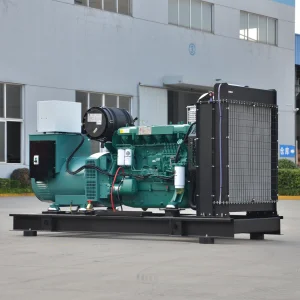
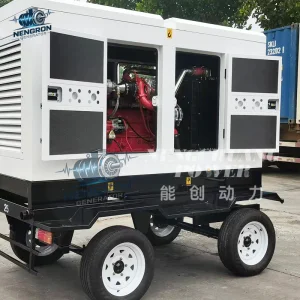
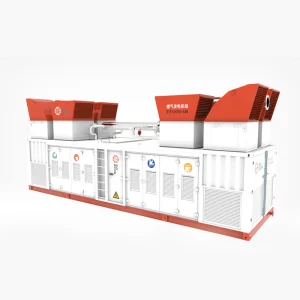
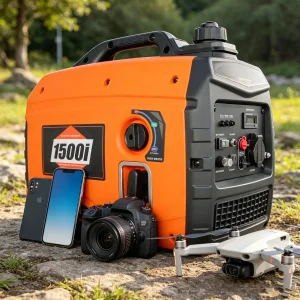
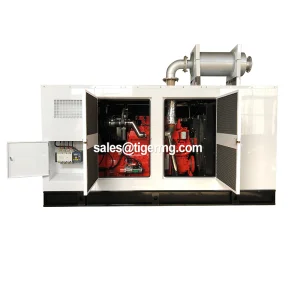
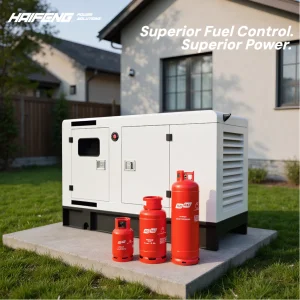
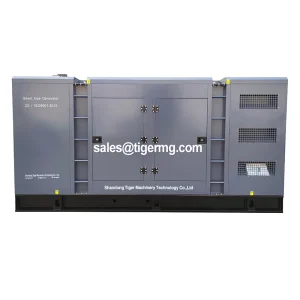
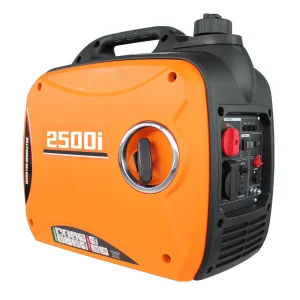
Explore high-efficiency, multi-fuel, and low-emission gas generator configurations customized for standard backup power and continuous base load generation.
Analyzing the paradigm shift from heavy liquid fuels to gaseous hydrocarbons in critical utility and industrial base-load systems.
The global transition toward decentralized, highly resilient, and low-carbon energy systems has pushed gas generator engineering into a central role. Historically, diesel generators dominated commercial emergency standby applications due to their rapid load pick-up capability. However, modern environmental strictures (such as EPA Tier 4 Final and EU Stage V directives) combined with volatile liquid fuel pricing and the structural supply chain risks of storing volatile diesel fuels on-site have created a major pivot toward gaseous alternatives.
Natural gas generator sets, running on gaseous hydrocarbon variants including raw natural gas, pipeline-quality CNG (Compressed Natural Gas), LNG (Liquefied Natural Gas), and bio-derived Methane (Biogas), offer an efficient path toward continuous power distribution. When integrated with Combined Heat and Power (CHP) loops, these systems recover thermal waste energy from the engine exhaust and cooling jacket, pushing overall thermodynamic fuel efficiency from a standard 38-42% up to an impressive 85-90%.
In highly industrialized areas, gas generator sets act as decentralized microgrid nodes. They provide utility-scale peak shaving, grid balancing against intermittent solar/wind inputs, and high-security backup loops for high-density assets like hyperscale data centers, chemical plants, and municipal waste management structures. The ability to run continuously (COP - Continuous Operating Power duty cycle) with low emissions profile enables operators to capture long-term commercial savings while aligning with global carbon mitigation targets.
How technical parameter variations and mechanical packaging configure gas gensets for specific off-grid challenges.
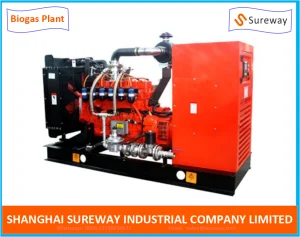
Large-scale cow farms, swine facilities, and agricultural biogas digesters generate raw methane mixed with highly corrosive hydrogen sulfide (H2S). Weifang Gods Power designs customized generator sets equipped with built-in biogas purification and desulfurization processes.
Remote oilfields and gas wells often flare raw hydrocarbons due to lack of pipeline connection. Heavy-duty gas generators convert this free associated petroleum gas directly into localized grid power, powering extraction pumps, drill sites, and camp infrastructure.
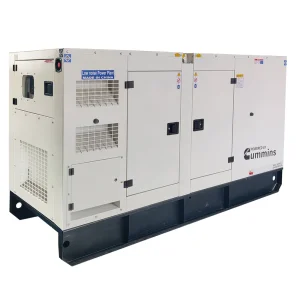
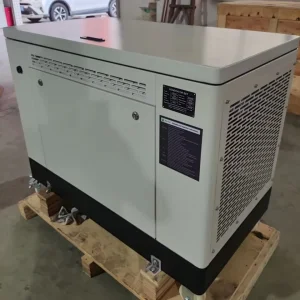
Municipal zones demand extremely low noise and zero localized particulates. By employing acoustic double-wall attenuation packages and advanced Cummins spark-ignited lean-burn technology, these systems work quietly near high-density residential blocks.
A gas engine's performance is strictly bound to the fuel's Methane Number (analogous to Octane rating in gasoline). Pipeline natural gas has a high MN (typically 70–90), enabling aggressive combustion timing and higher compression ratios. Bio-gases and oilfield associated gases have lower Methane Numbers (40–60) due to heavier fractions (propane, butane) or inert gases (CO2, nitrogen). Our engines utilize electronic closed-loop combustion management to dynamically adjust spark timing, preventing knock and ensuring maximum thermal output even when fuel quality fluctuates.
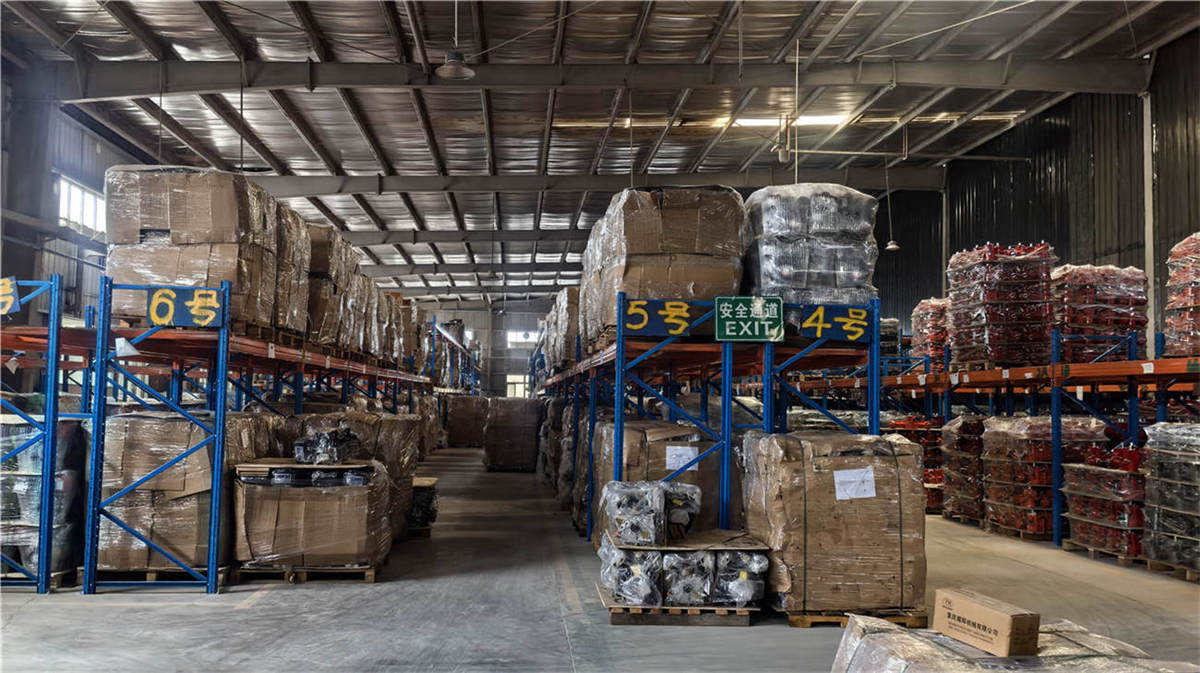
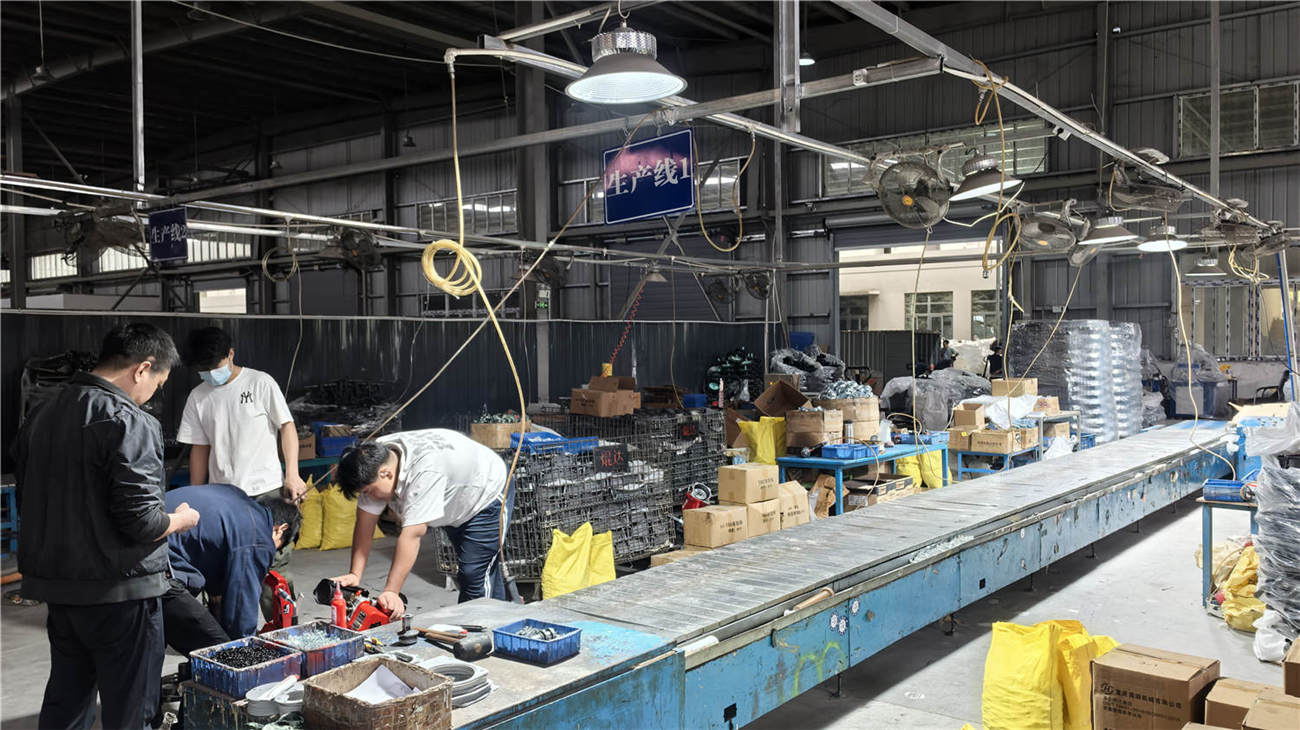
With a registered capital of 26 million Yuan and over 200 skilled professionals, Weifang Gods Power drives quality control throughout our localized production cycle.
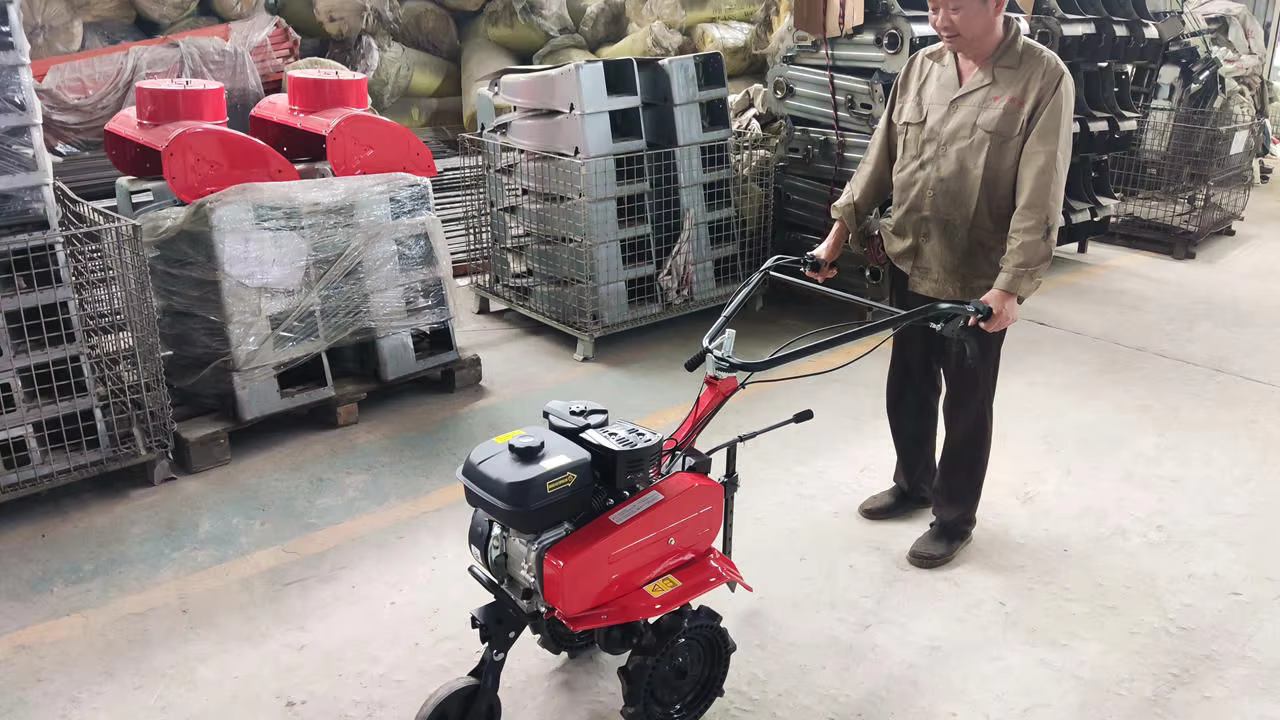
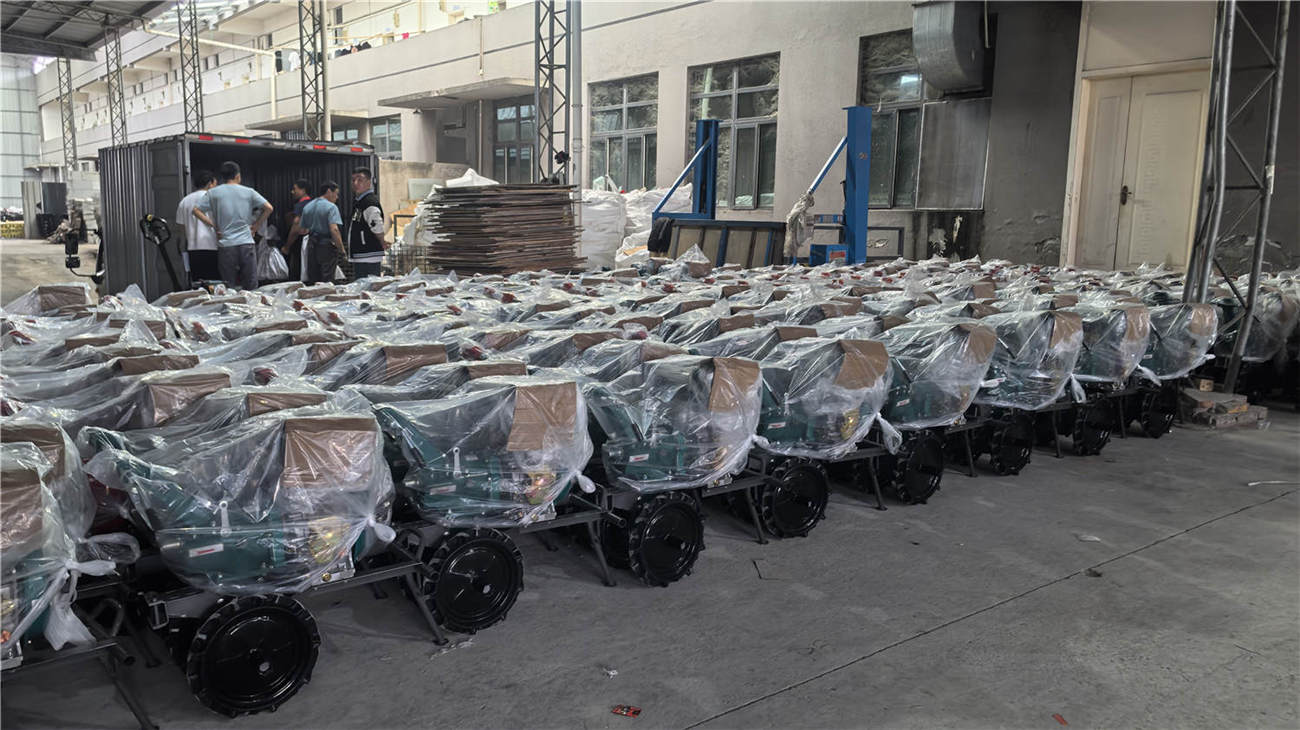
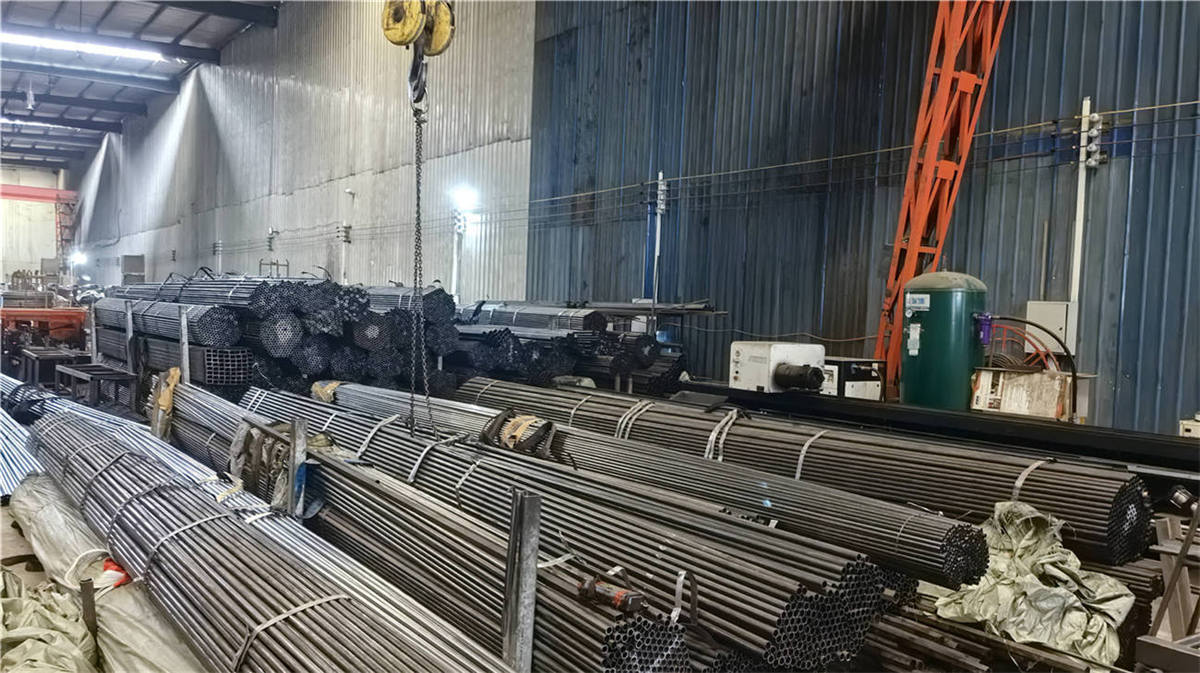
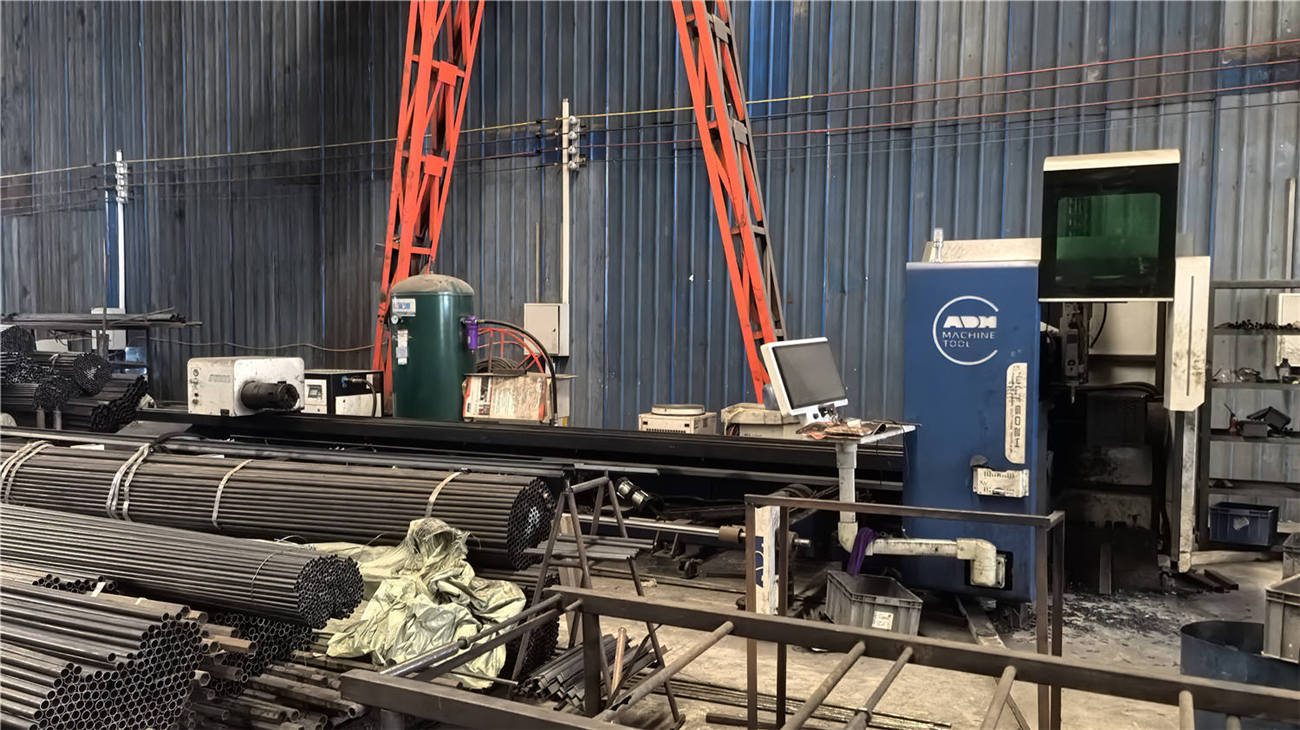
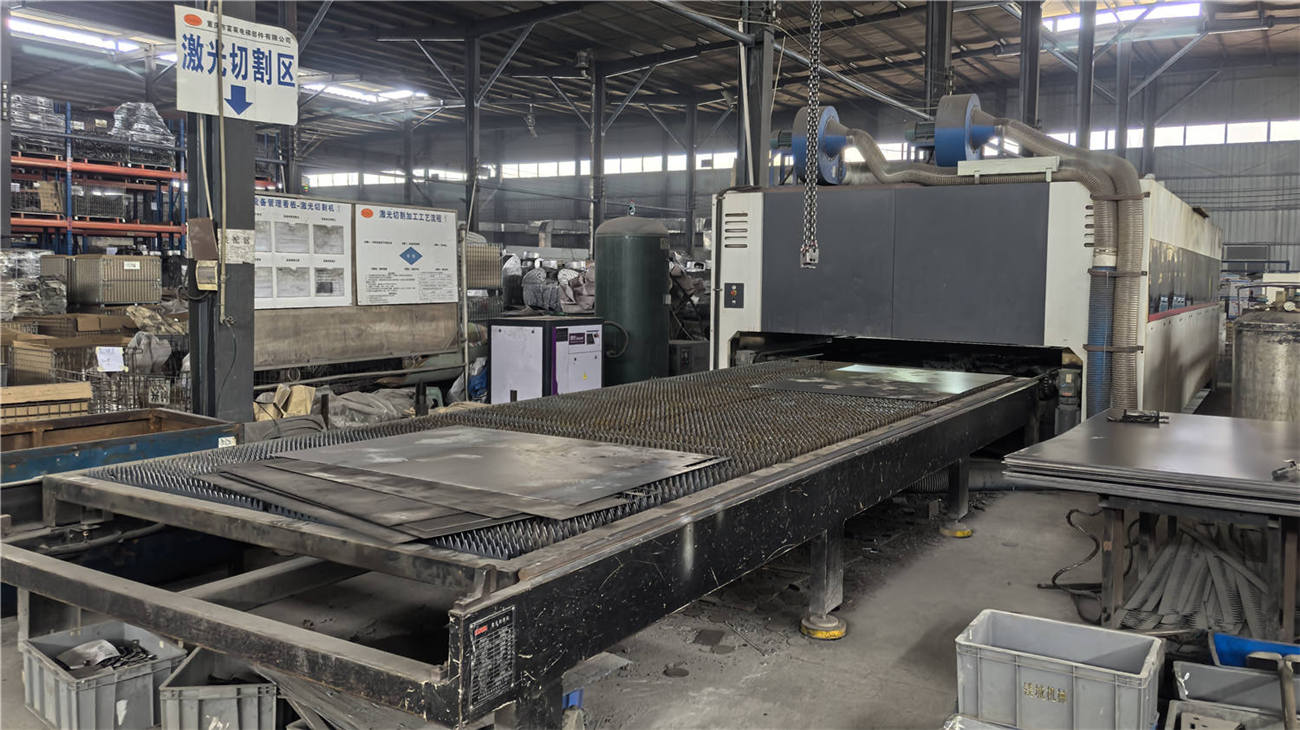
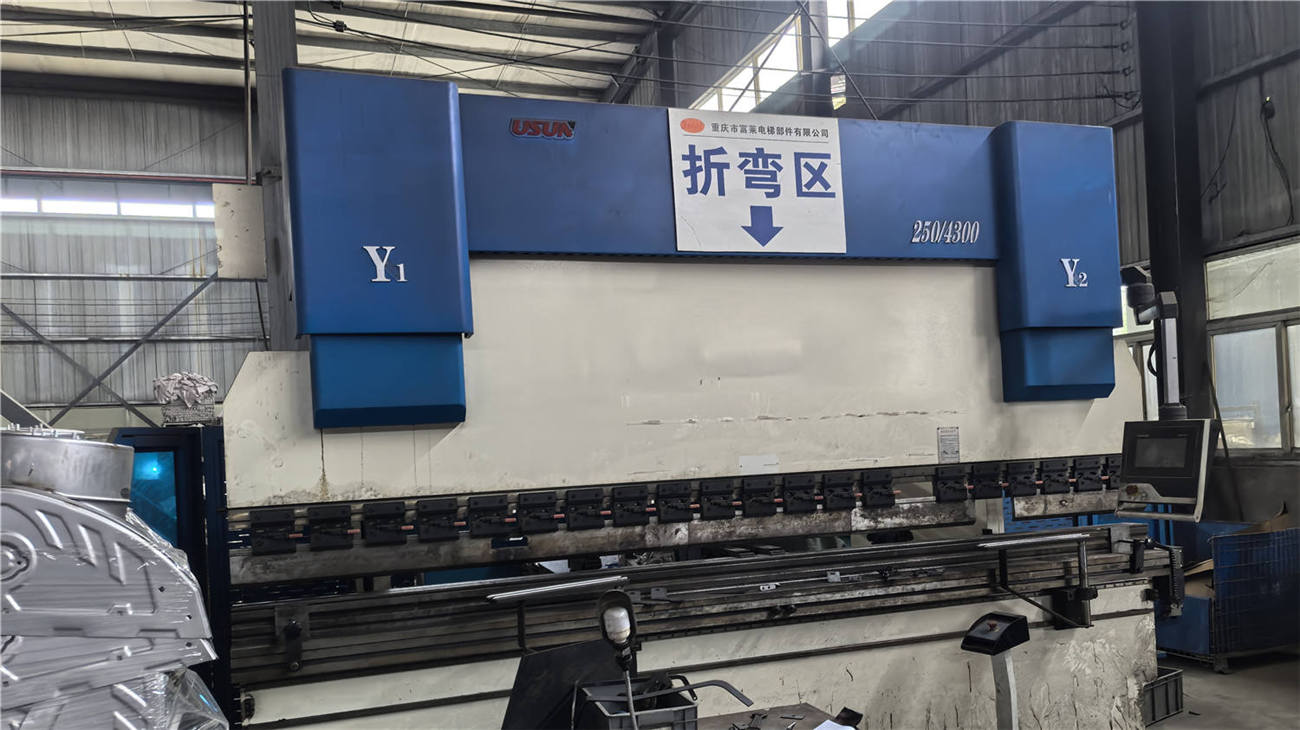
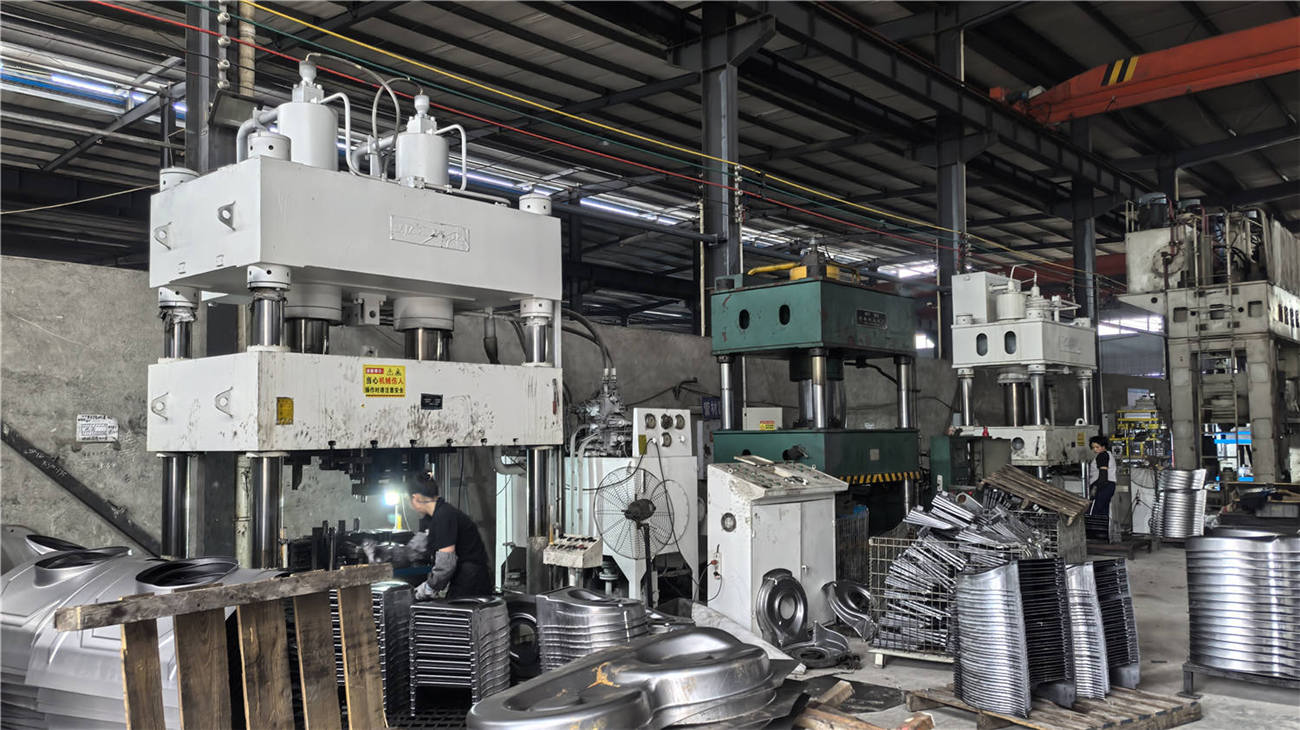
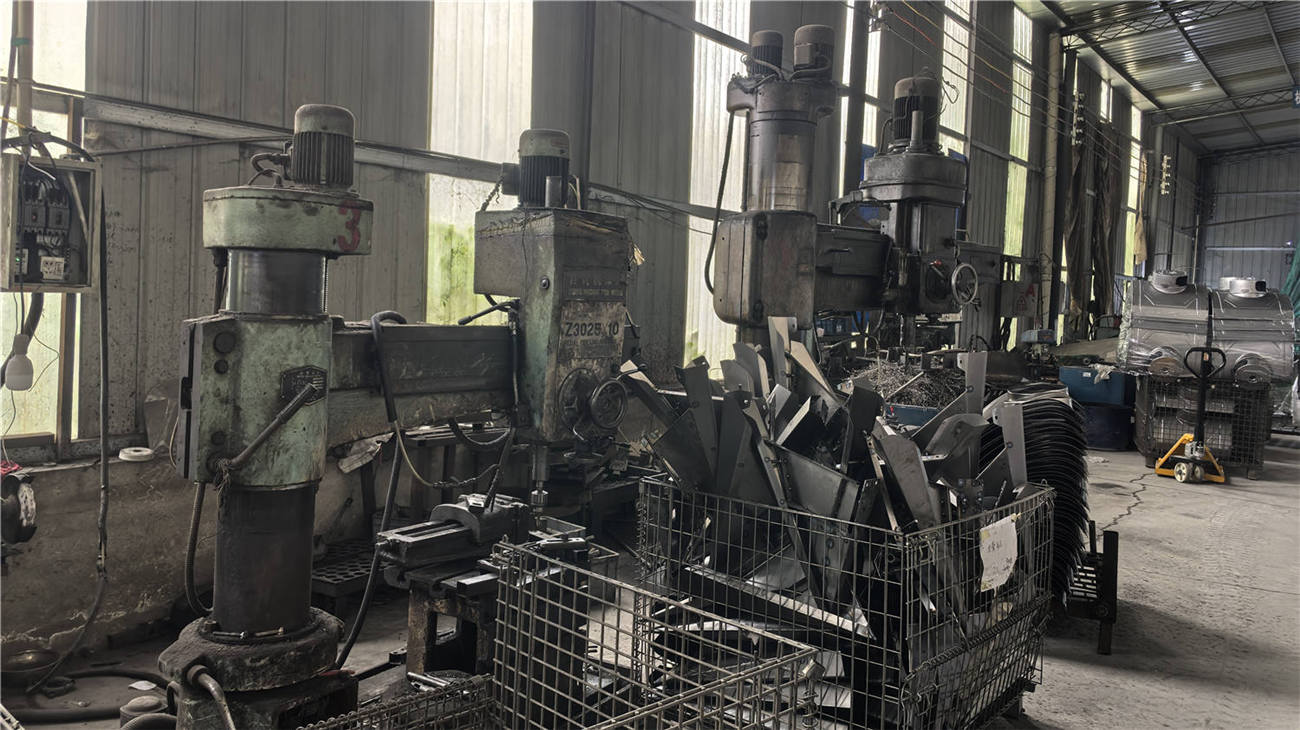
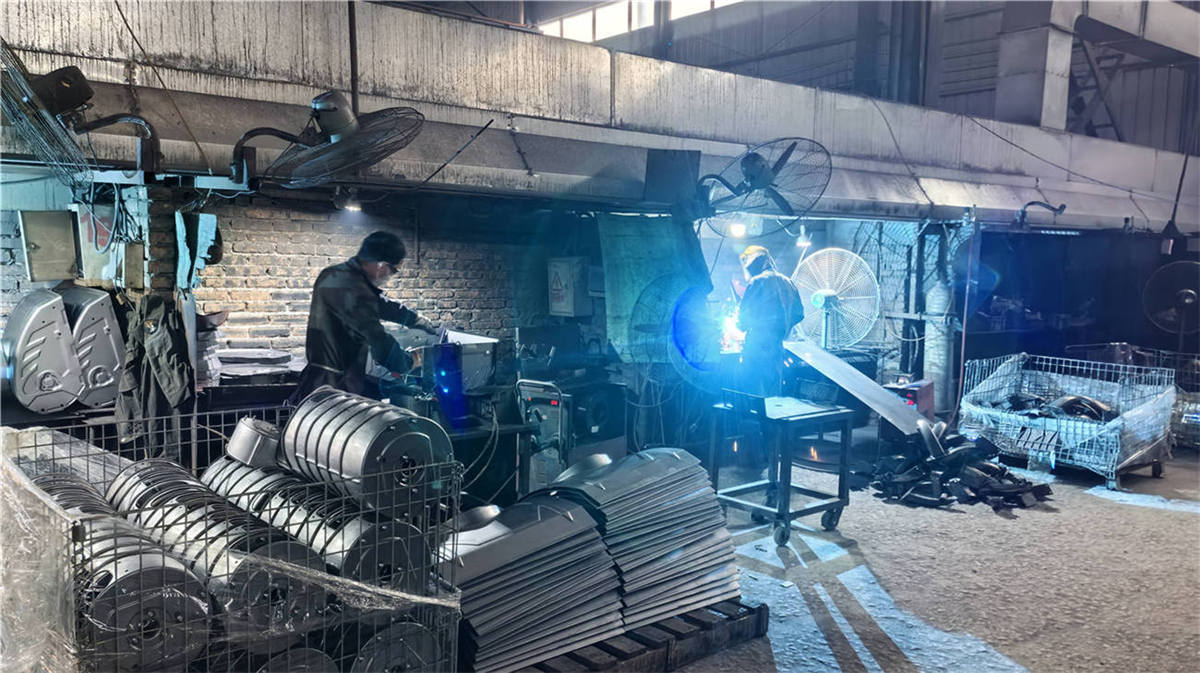
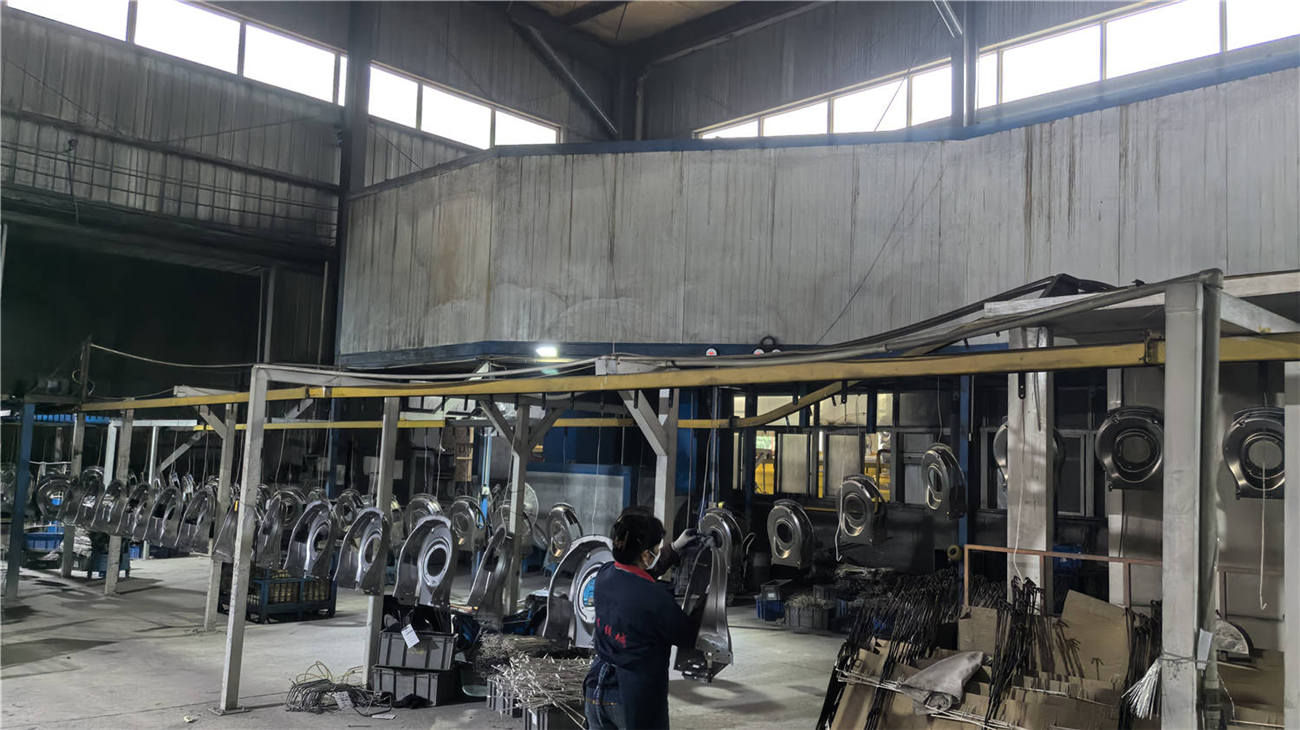
Our manufacturing complex in Weifang City, Shandong Province represents the pinnacle of Chinese heavy industrial coordination. By combining raw material processing, robotic cutting, hydraulic metal bending, engine assembly, precision machining, and rigorous load bank testing within a single facility, we eliminate intermediate supply chain delays and reduce overall cost overheads. Every generator canopy and base frame is constructed using high-tensile structural steel, treated via multi-stage powder coating for corrosion immunity in maritime and tropical climates.
Looking toward carbon neutrality: How Weifang Gods Power transitions from natural gas to hydrogen blends and multi-fuel flexibility.
The global regulatory framework for emissions is tightening, requiring continuous development of combustion technology. Our current R&D pipeline focuses on two core milestones: hydrogen blending and zero-methane slip. Currently, our heavy gas platforms are capable of accepting up to 20% hydrogen blend (H2) by volume without requiring modification to the fuel injection manifold or control software. In the future, we aim to deliver a fully carbon-neutral 100% hydrogen generator set.
In terms of emissions compliance, Weifang Gods Power provides optional Selective Catalytic Reduction (SCR) post-treatment systems. These systems convert nitrogen oxides (NOx) into harmless atmospheric nitrogen and water vapor using aqueous urea, achieving compliance with the most stringent global mandates, including the California Air Resources Board (CARB) and European regional clean air acts. Additionally, our intelligent generator monitoring system provides real-time telematics via cloud interfaces, allowing operators to track load profile adjustments, oil temperature, and exhaust emissions from anywhere in the world.
Get professional, authoritative answers to common engineering questions regarding the installation, fuel tolerance, and maintenance of gas gensets.
Our gas generator sets are configured with customizable fuel trains. For low-pressure fuel systems, the required inlet pressure is generally between 2.0 kPa and 10.0 kPa (0.3 to 1.45 psi). For utility-scale installations running on high-pressure pipelines or CNG storage cylinders, the pressure must pass through a secondary regulator stage to drop it to the recommended pressure before entering the engine's air-gas mixer.
Yes, models such as the BS Power 15KW to 30KW and selected larger configurations support dual-fuel operation (LPG/CNG/Gasoline/NG). These units utilize secondary fuel regulators and dynamic fuel selection valves that let operators switch fuel sources without turning off the system, making them ideal for areas with seasonal gas delivery delays or grid interruptions.
Every generator set undergoes rigorous function testing at our certified testing facility before shipment. This testing includes a comprehensive step-load test (0%, 25%, 50%, 75%, 100%, and 110% load capacity check), transient response verification, sensor diagnostics calibration, and vibration analysis. All core structural metals are formed using precise automated cutting and bending machines, ensuring durability in extreme operating conditions.
Due to clean-burning gaseous fuel, natural gas engines generally require less frequent maintenance than their diesel equivalents. Lubricating oil and filter changes are recommended every 500 to 750 operating hours, depending on oil analysis results. Major spark plug inspections and valve clearance adjustments are scheduled at 1,000 to 2,000 hours, with a complete top-end overhaul typically scheduled at 15,000 to 20,000 operating hours.
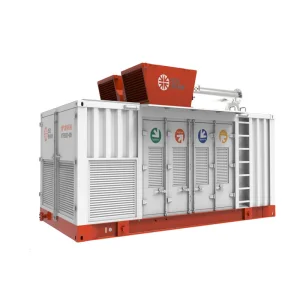
Explore our specialized options, ranging from factory-priced standard units to mega-watt, soundproof containerized power plants.
 Gods Power