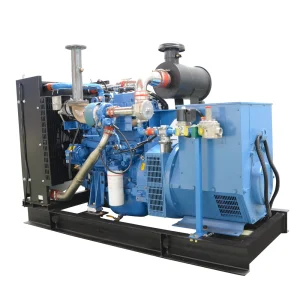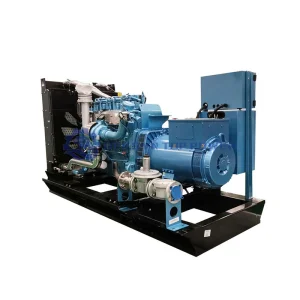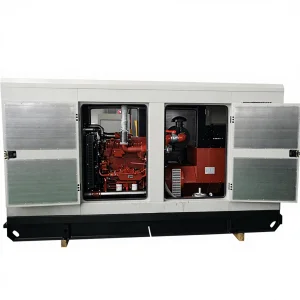
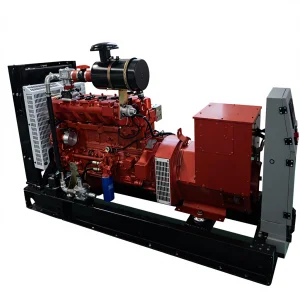
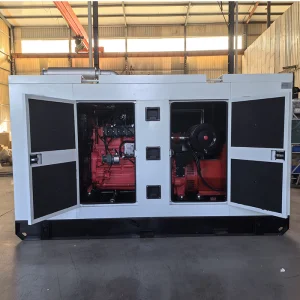
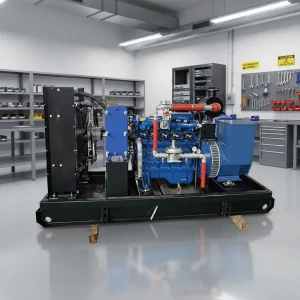
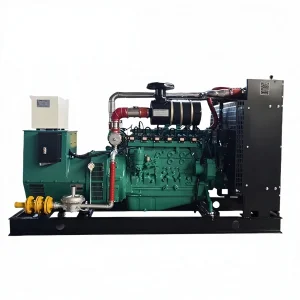
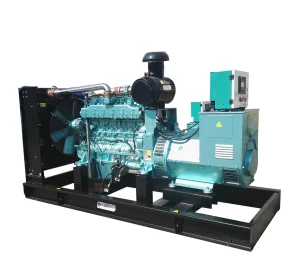
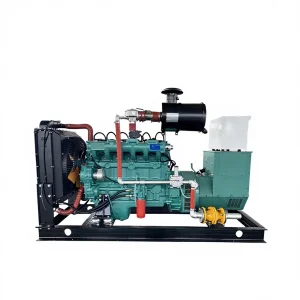
The global energy landscape is undergoing a structural transition toward decarbonization, driven by aggressive net-zero emissions mandates and the urgent need for local energy security. In this context, Biogas Generator Sets (Gensets) have evolved from simple back-up power equipment into core assets for circular economic models and decentralized industrial microgrids.
By capturing methane—a greenhouse gas with a global warming potential 28 times greater than carbon dioxide—from organic waste streams and converting it into stable base-load electricity and thermal energy, modern biogas systems solve two critical challenges at once: waste remediation and zero-carbon dispatchable power generation.
Today's market demands highly resilient, high-efficiency gensets capable of continuous base-load operation under fluctuating gas compositions. This shift is reshaping how engineering teams, municipal plant operators, and agricultural enterprises evaluate equipment manufacturers.
Enterprise buyers look past simple capital expenditures (CAPEX) to prioritize lifetime operational efficiency, system reliability, and localized engineering support. The selection of a biogas generator manufacturer rests on a few key technical milestones.
Biogas composition varies by source—agricultural waste, municipal sewage sludge, or food leftovers. Procurement teams demand gas engines equipped with advanced electronic fuel-metering and closed-loop lambda control systems to handle fluctuations in methane content (from 40% to 70%) without high-frequency tripping.
To maximize financial returns, modern biogas facilities require complete CHP integration. Reclaiming heat from engine exhaust gases and cylinder cooling water streams yields thermal energy for onsite anaerobic digesters or local district heating networks, boosting overall system efficiency to 95%.
Exporting surplus power to national grids requires strict synchronization compliance. International buyers prioritize manufacturers certified under CE, RoHS, and UKCA standards, which feature smart controllers (such as ComAp or Woodward) capable of automatic load sharing and grid decoupling protective systems.
In the global machinery sector, the integration of advanced smart manufacturing technologies—often categorized as Industry 4.0—has made Chinese factories critical links in global energy equipment supply chains. Weifang Gods Power Co., Ltd. is at the forefront of this industrial transformation.
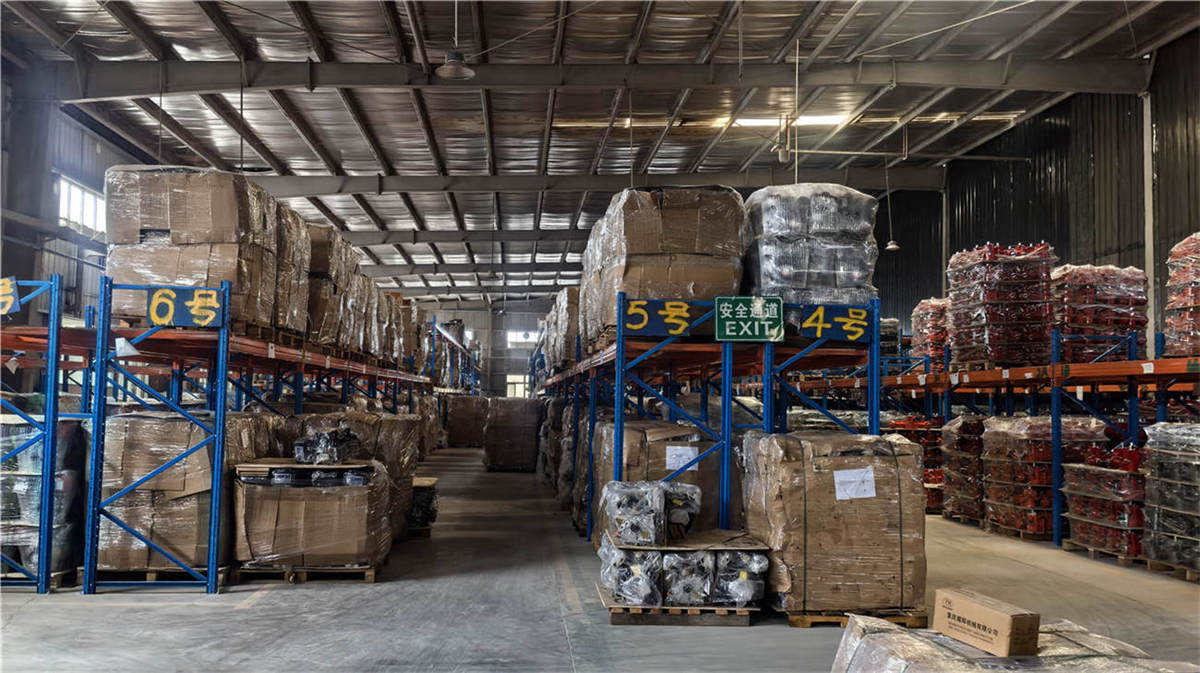
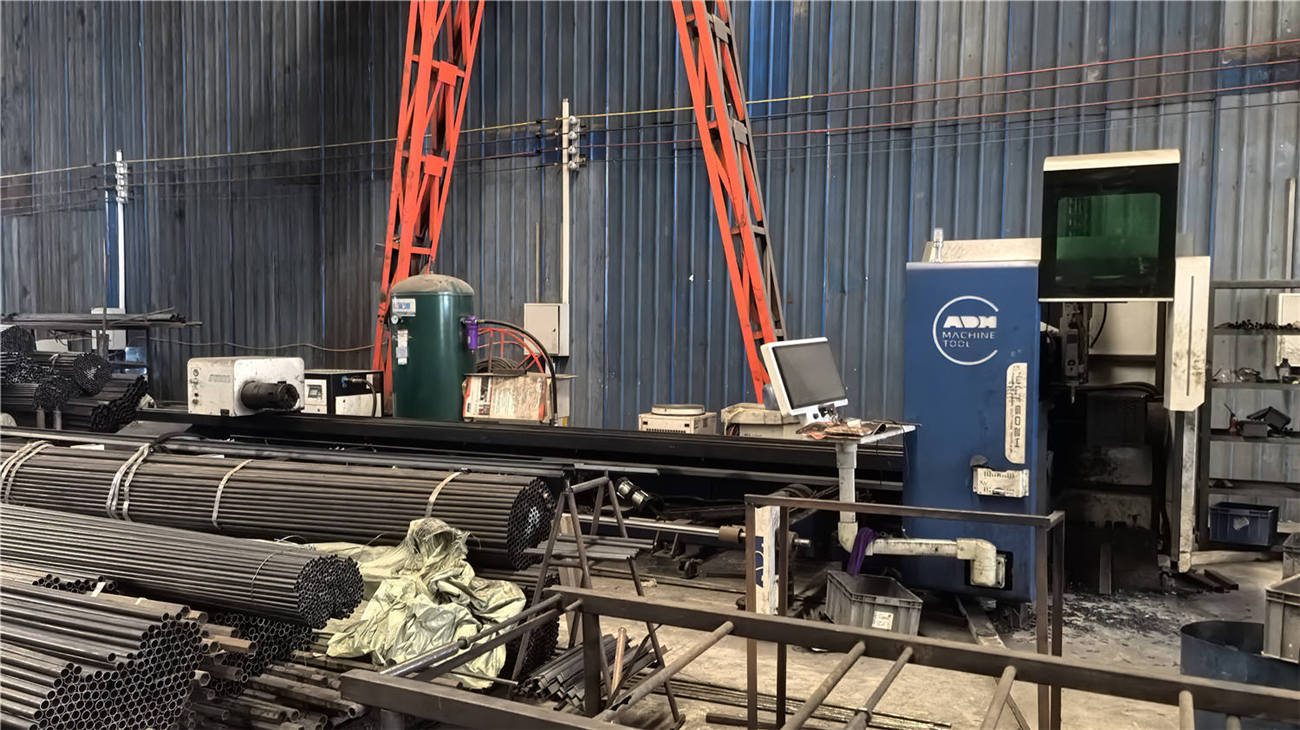
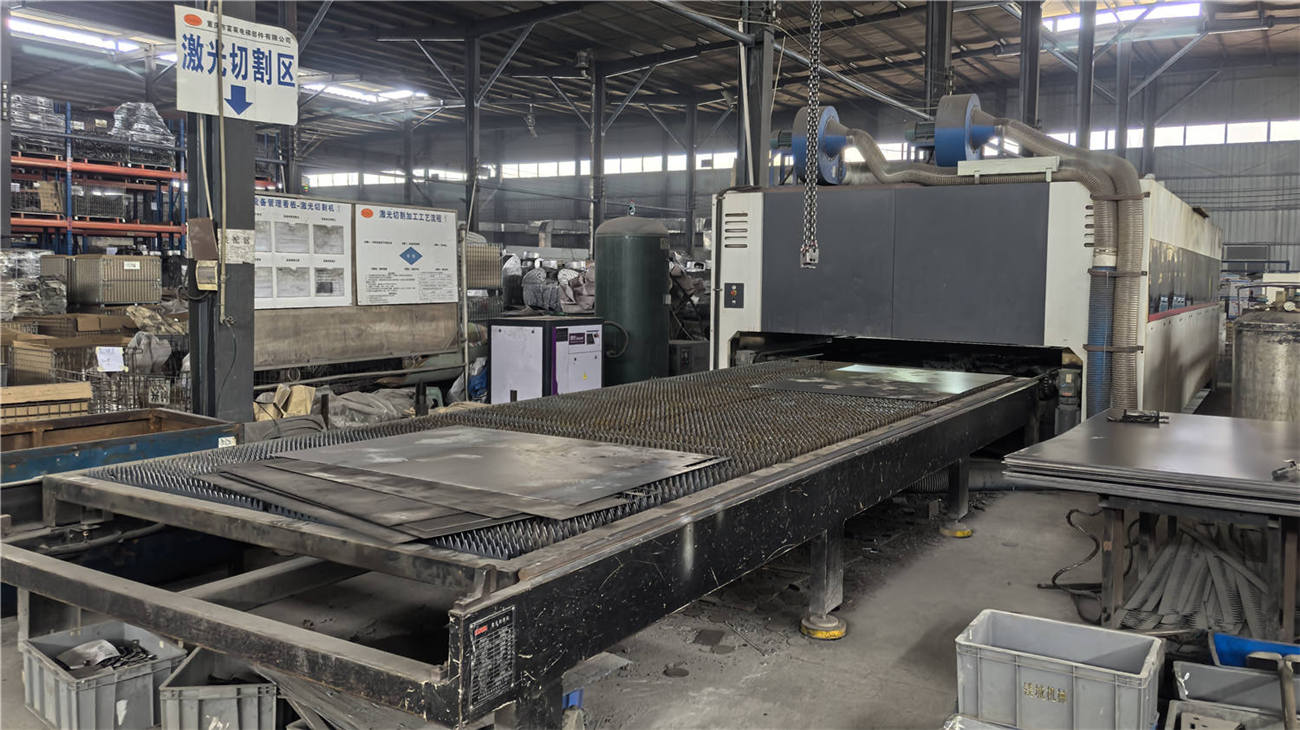
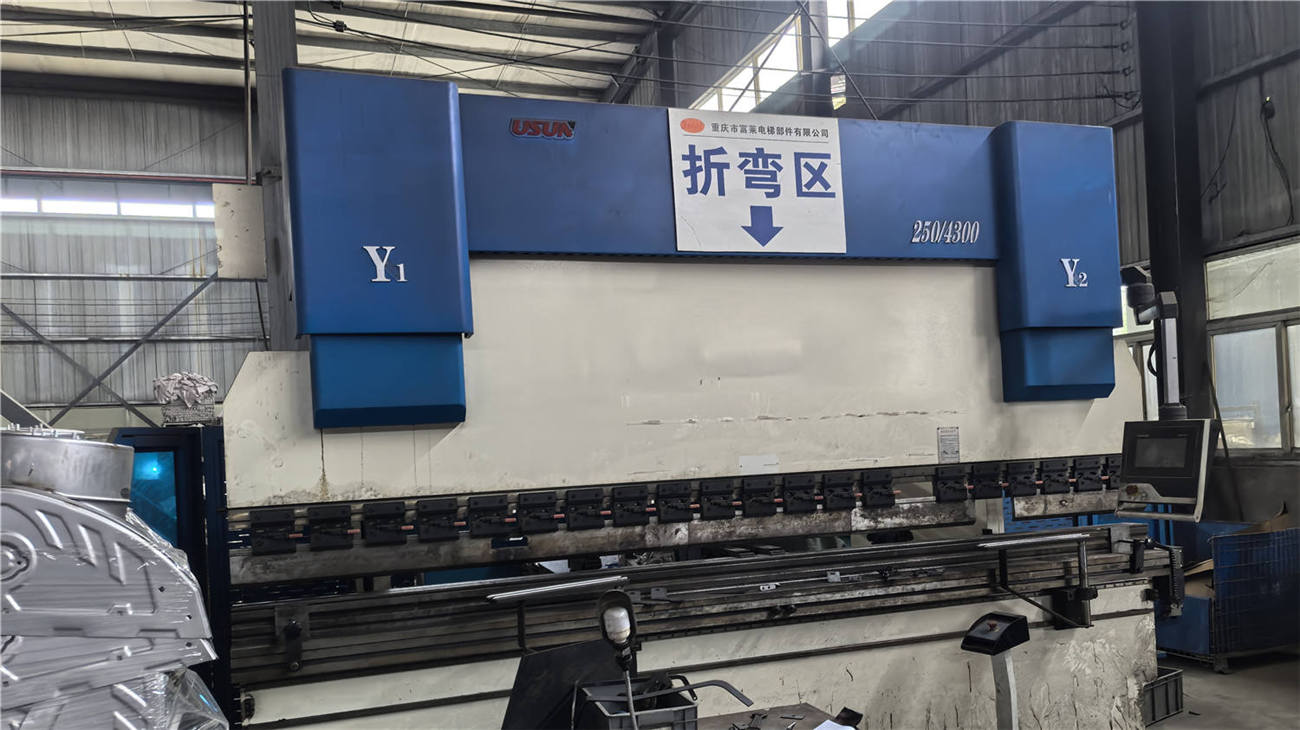
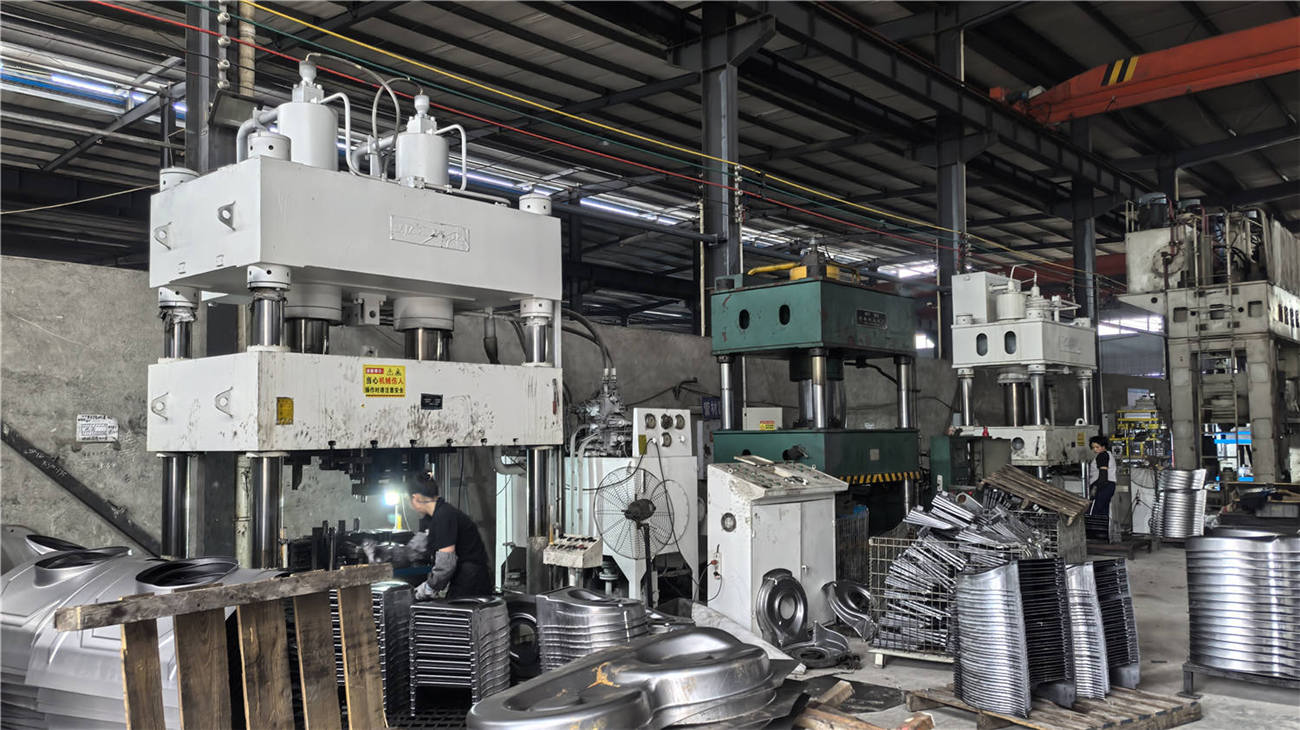
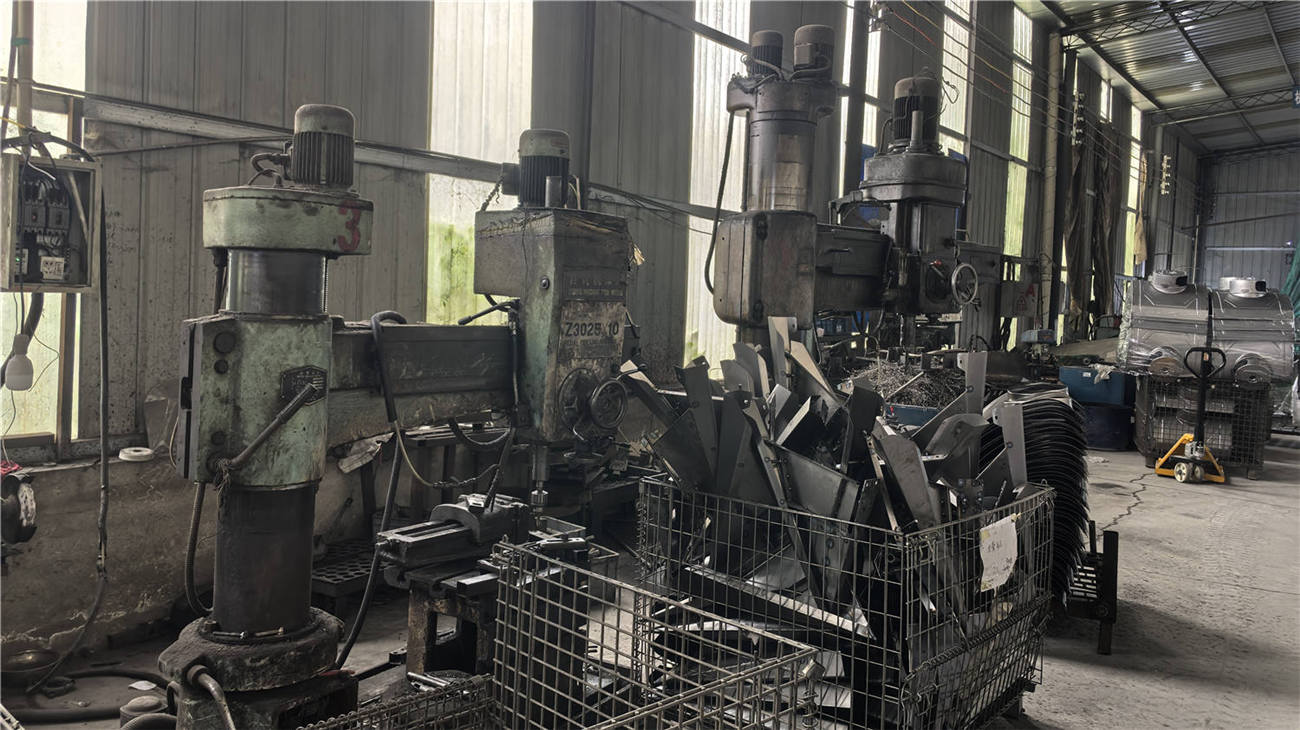
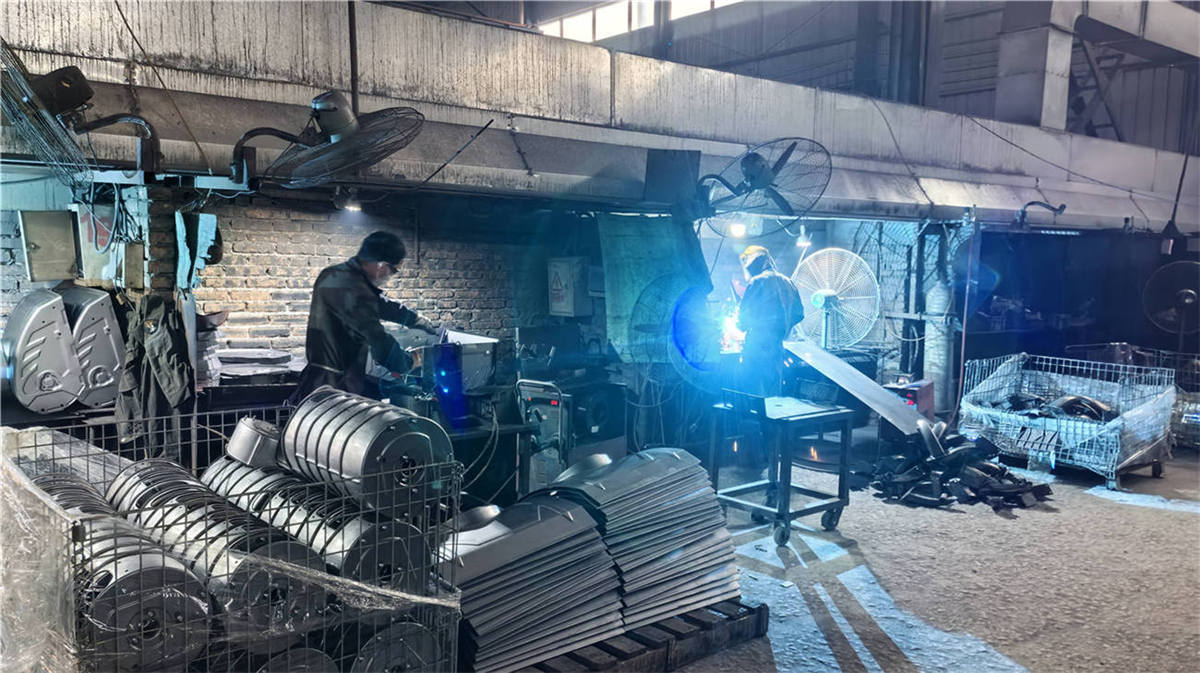
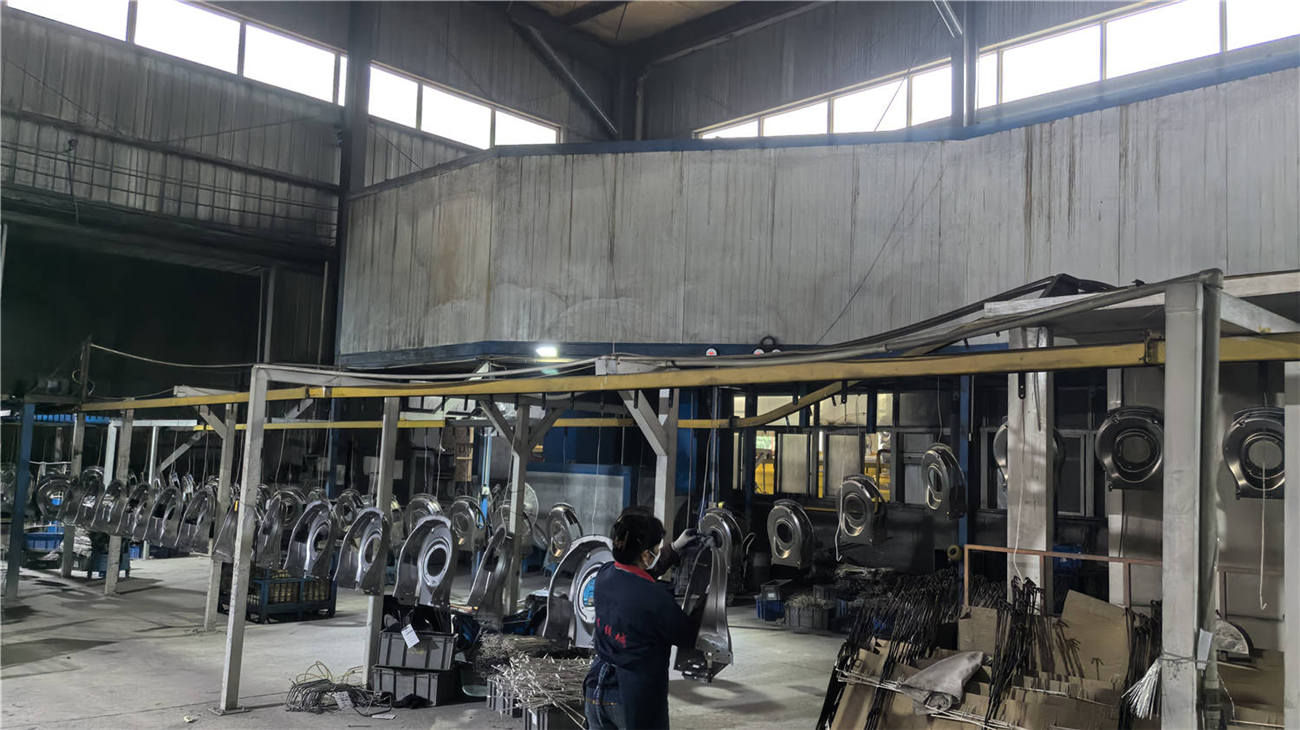
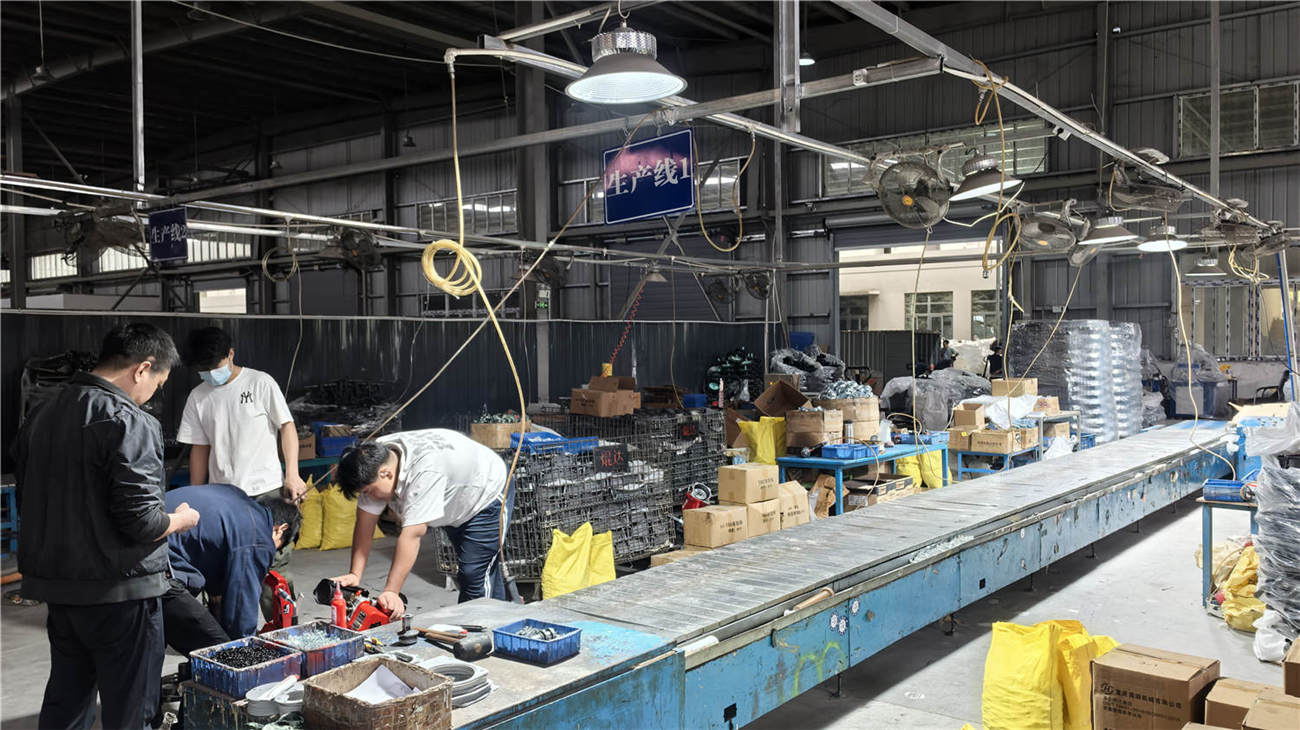
With a registered capital of 26 million yuan and a dedicated workforce of over 200 skilled manufacturing specialists, engineers, and quality assurance professionals, Weifang Gods Power combines structural metal fabrication, precision machining, high-capacity electrical testing, and final assembly under a single quality control system. Our integrated production model minimizes external supply chain dependencies and keeps manufacturing costs highly competitive.
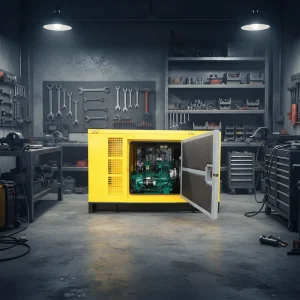
From automated steel plate cutting and high-tolerance robotic welding of soundproof enclosures to precision engine balancing and load-bank functional testing, every step is carefully monitored. The factory's quality management system guarantees that every biogas generator set leaving the facility is ready for continuous, heavy-duty operation in challenging conditions.
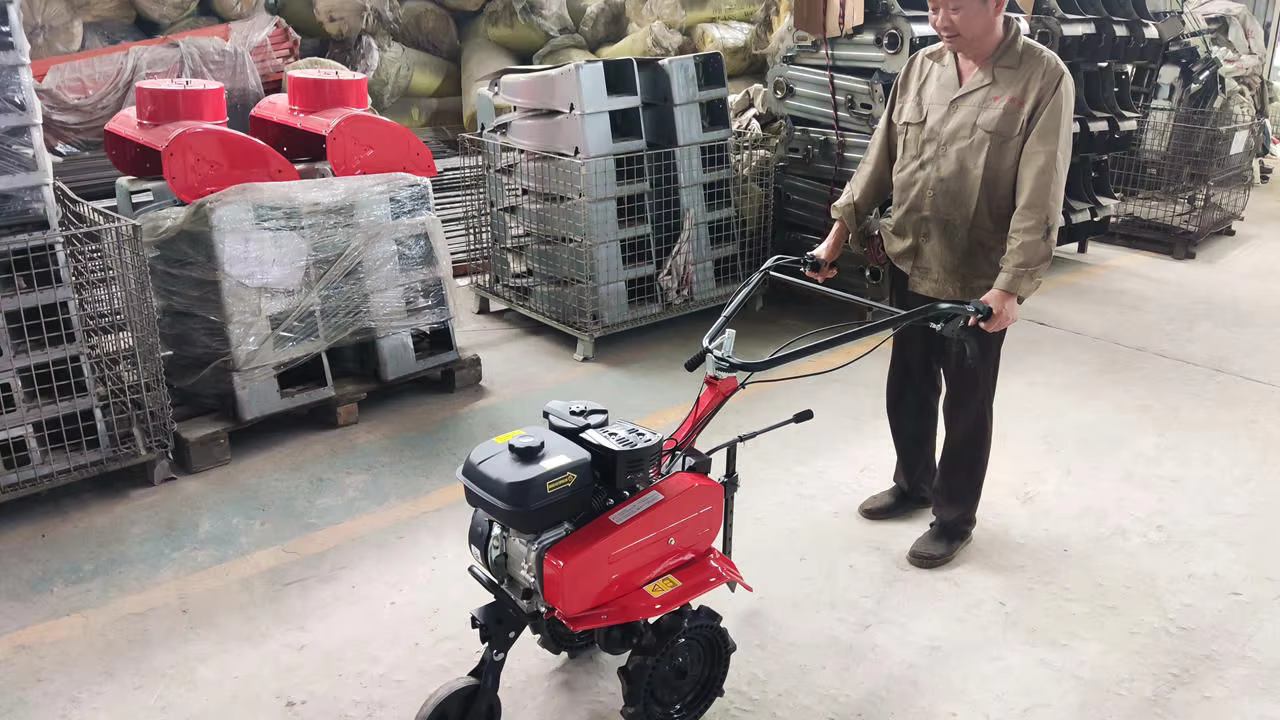
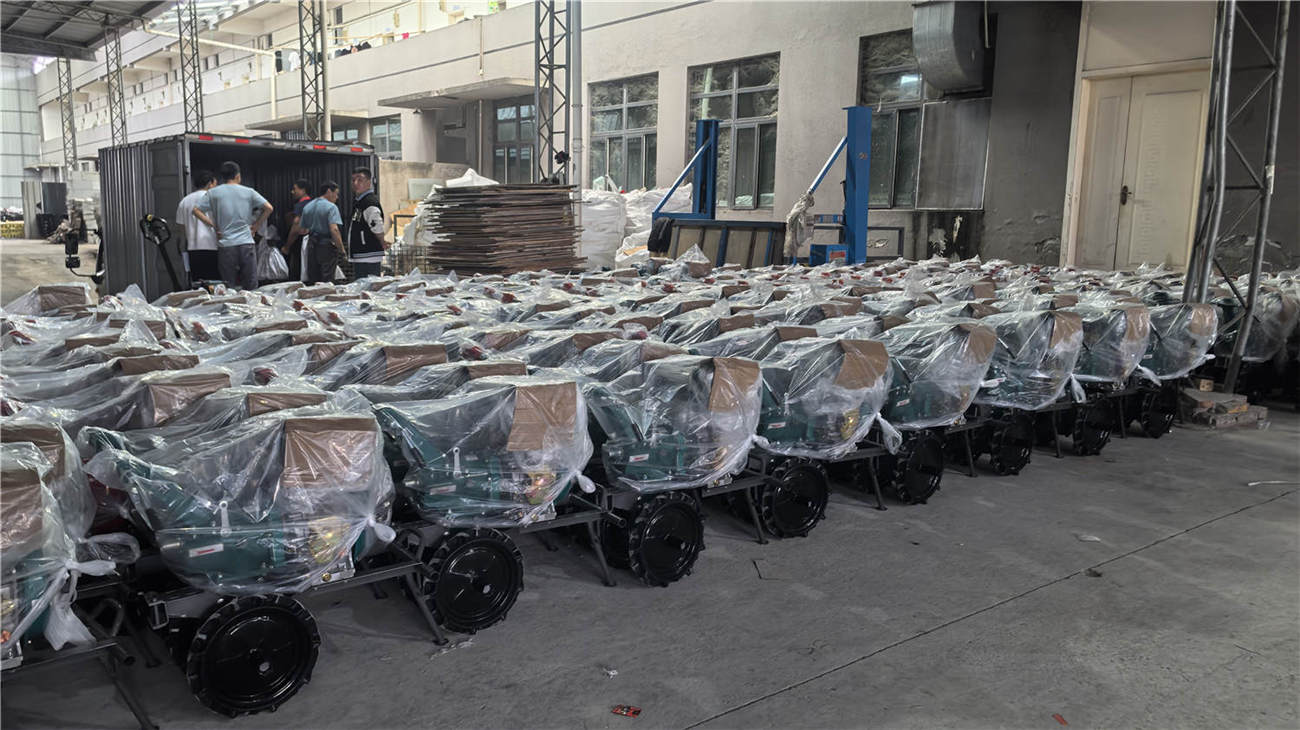
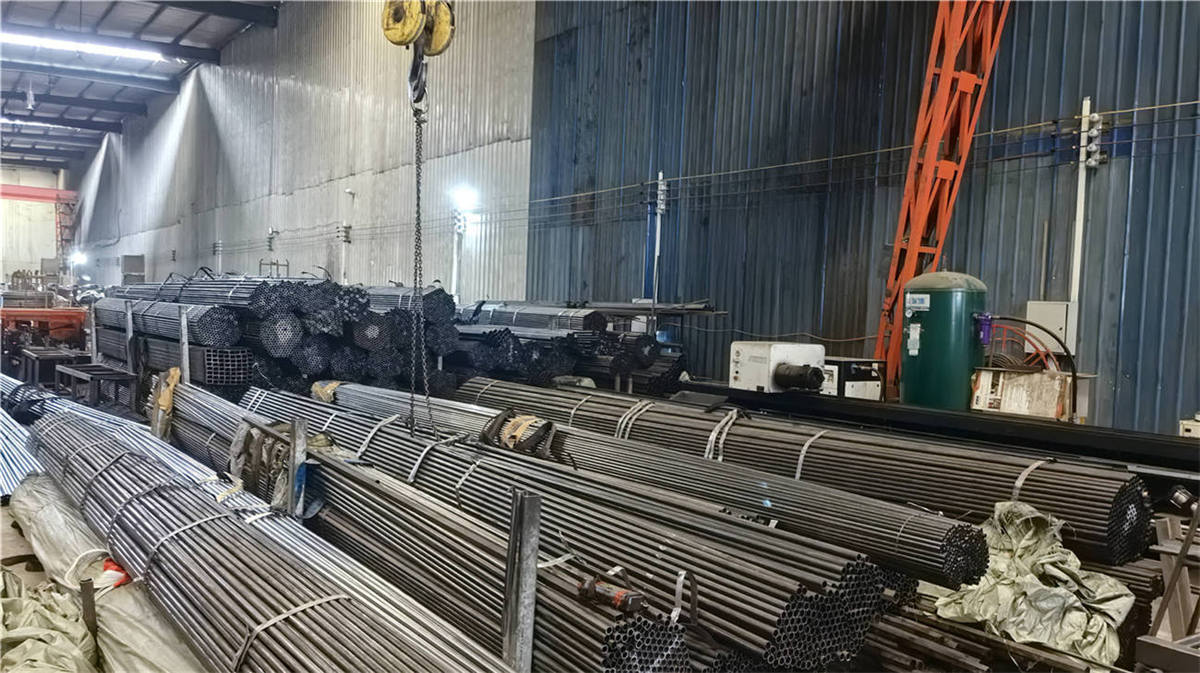
Different operating environments call for tailored engineering solutions. Our biogas generator sets are built to perform reliably across a variety of applications.
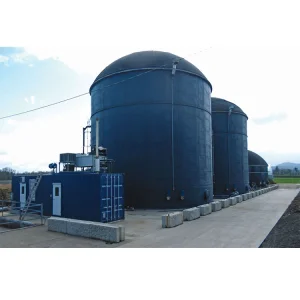
Large-scale livestock farms utilize anaerobic digestion systems to convert animal manure into energy. In these operations, our biogas generator sets provide reliable onsite electricity while recycling waste heat to warm the digesters, helping farms control odors and lower their carbon footprint.
Sewage treatment plants (STPs) produce sewage sludge gas rich in methane. Deploying a continuous-duty biogas generator set allows these facilities to generate their own power, significantly reducing utility operating expenses and helping them meet municipal environmental regulations.
In remote areas, small-scale biogas installations supply electricity and heating to community clusters, hotels, and agricultural cooperatives. These systems provide a reliable alternative to central power grids, improving regional energy resilience and reducing transmission losses.
Clear answers to technical questions commonly raised by system designers, electrical contractors, and plant engineers during project planning.
Raw biogas often contains H2S concentrations ranging from 500 ppm to over 5,000 ppm. High H2S levels can lead to sulfuric acid formation, causing rapid engine oil degradation and corrosive wear on cylinder walls, bearings, and exhaust components. We address this by applying protective coatings to key internal components and recommending external desulfurization systems (such as biological scrubbers or iron sponge dry filters) to reduce inlet H2S to under 200 ppm, protecting the generator and extending maintenance intervals.
Stoichiometric engines burn fuel with exactly the amount of air required for complete combustion, typically running hotter and producing higher NOx emissions unless paired with a three-way catalytic converter. Lean-burn engines use excess air, which lowers combustion temperatures, significantly reduces NOx emissions, and improves fuel efficiency. We offer lean-burn designs for larger installations to help customers meet strict environmental standards, and stoichiometric designs for smaller systems where simple emissions treatment is preferred.
In standard electrical generation, about 60% of the fuel's energy is lost as heat. A CHP system uses heat exchangers to capture thermal energy from the engine exhaust gas and the engine jacket cooling water loop. This recovered heat is then repurposed for industrial processes, space heating, or maintaining optimal temperatures in anaerobic digesters. Combining electrical output with recovered thermal energy increases the total efficiency of the system up to 95%.
Continuous operation requires a structured maintenance schedule. Lubricating oil and filters should typically be replaced every 250 to 500 operating hours, depending on gas quality and oil analysis. Spark plugs require adjustment or replacement every 1,000 to 2,000 hours, and valve clearances should be checked regularly. A top-end overhaul is recommended around 15,000 to 20,000 hours, with a major engine overhaul typically scheduled between 30,000 and 40,000 hours to ensure long-term reliability.
Yes, our generators feature electronic fuel-gas mixers and electronic governors that respond quickly to changing fuel characteristics. When methane concentration drops or pressure fluctuates, the engine's control unit adjusts the gas-to-air mixture ratio in real time. This maintains stable combustion, prevents engine knocking, and ensures reliable electrical output even when the fuel gas composition varies.
Exporting power to the utility grid requires precise synchronization of voltage, frequency, and phase angle. Our generators use digital controllers equipped with integrated protection relays (complying with standards like G99, IEEE 1547, or local grid codes). These systems protect against over/under voltage, over/under frequency, and vector shifts, automatically disconnecting the generator from the grid in the event of a utility outage to protect service personnel.
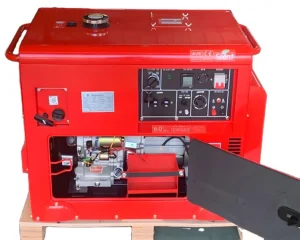
 Gods Power