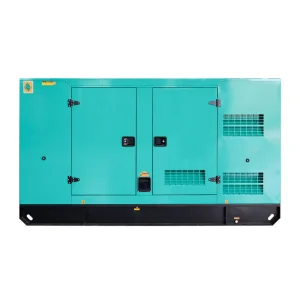
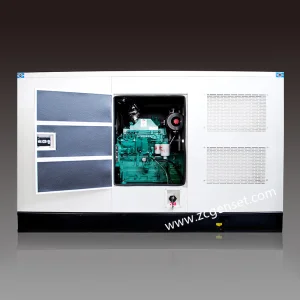
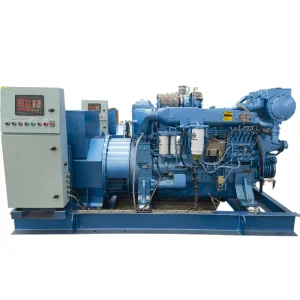
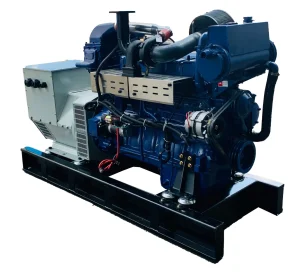
The contemporary maritime shipping, commercial fishing, and offshore exploration sectors are traversing a profound technological transformation. Strict environmental dictates mandated by the International Maritime Organization (IMO Tier III regulations) and local environmental protection authorities necessitate a paradigm shift in auxiliary power systems. Modern marine vessels no longer simply require backup power; they demand integrated, fuel-efficient, low-emission, and highly resilient power generation solutions that can operate continuously in high-salinity, high-humidity environments.
In this challenging macro landscape, the role of a specialized Marine Diesel Generator Set Manufacturer is vital. System architects must engineer gensets that integrate seamlessly with hybrid propulsion systems, handle variable loads with minimal transient response times, and run on alternative fuels (such as LNG, hydrogen, or biomass blends) to lower the vessel's carbon footprint. With operational costs heavily tied to fuel consumption, utilizing advanced thermodynamic tuning and electronic fuel injection systems allows vessel operators to realize immediate operational expenditure (OPEX) reductions while ensuring full compliance with port emission controls globally.
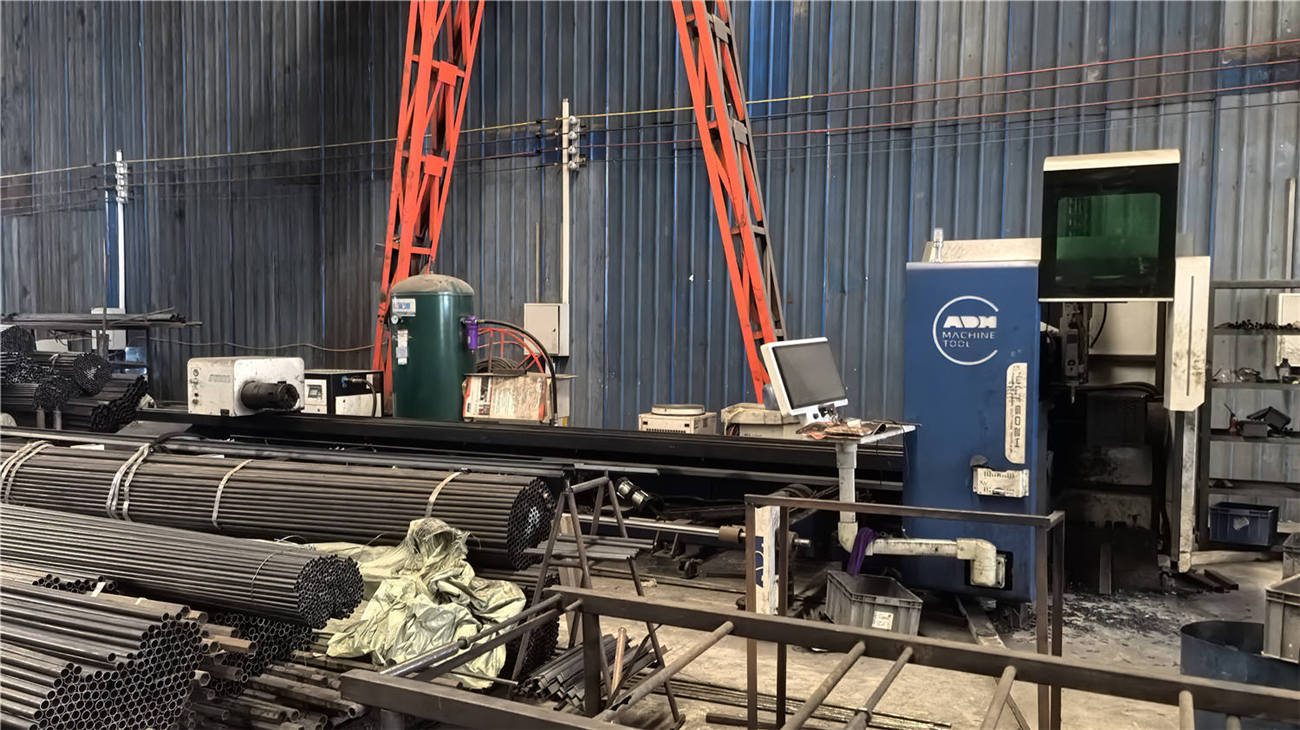
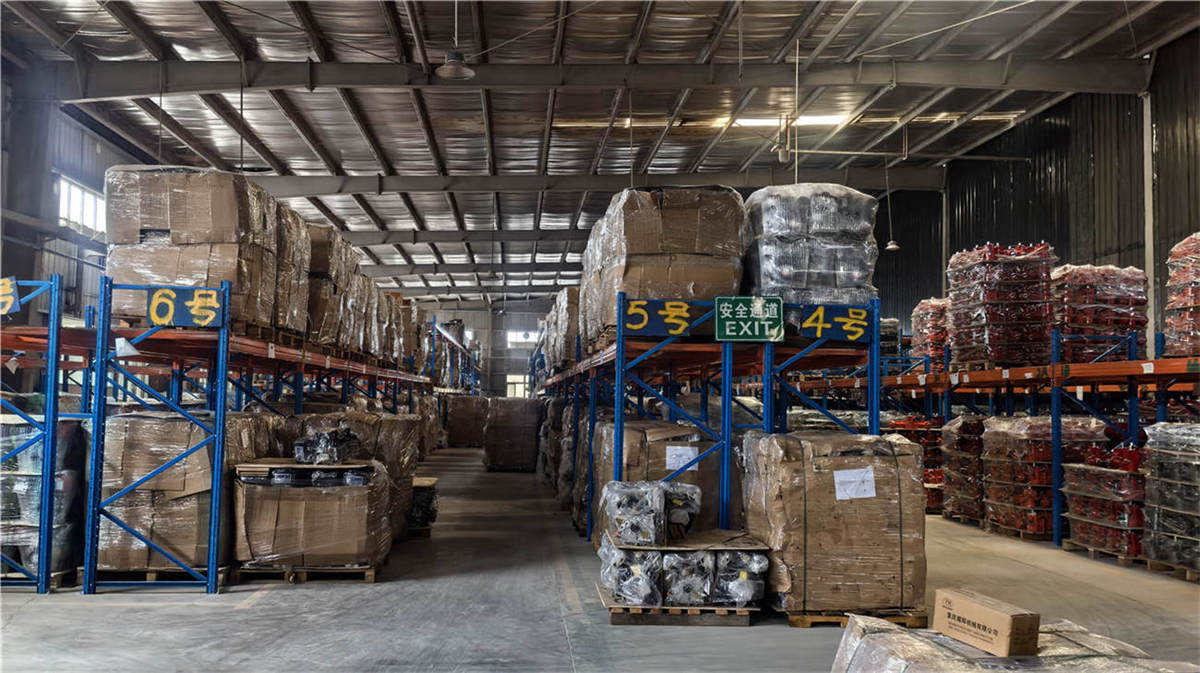
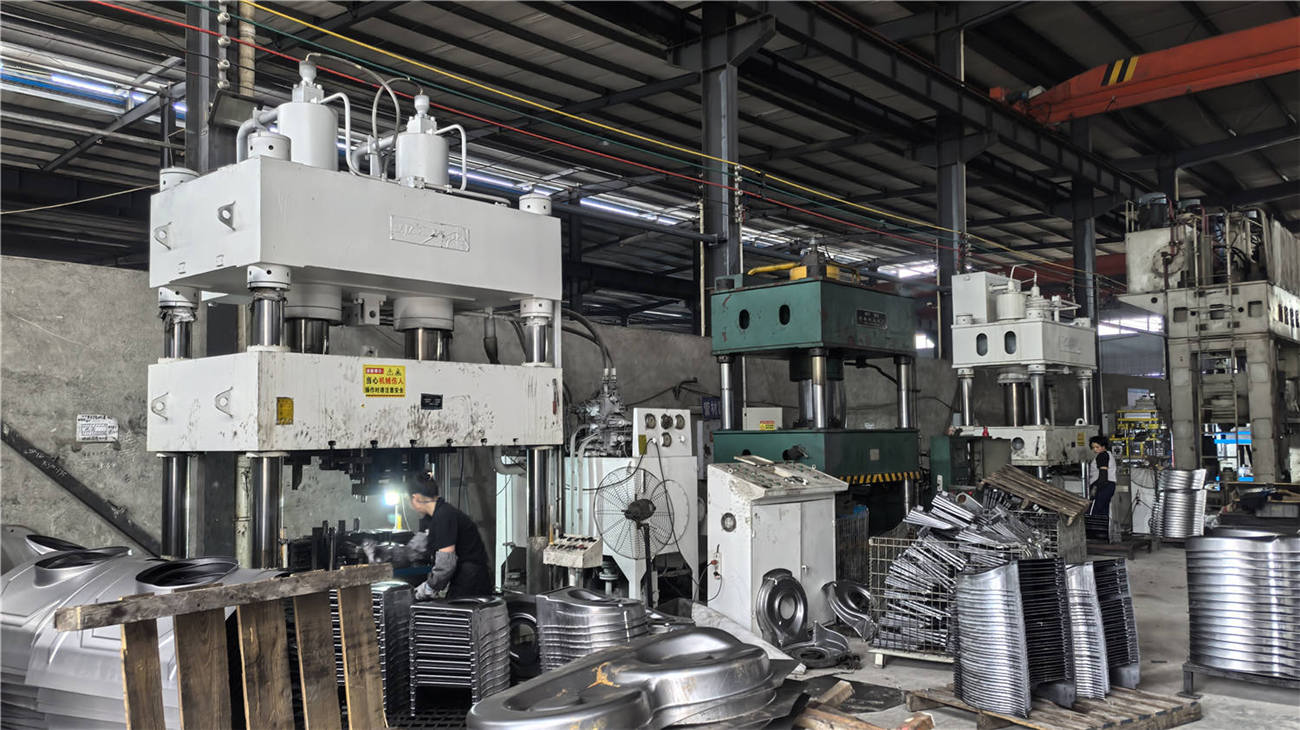
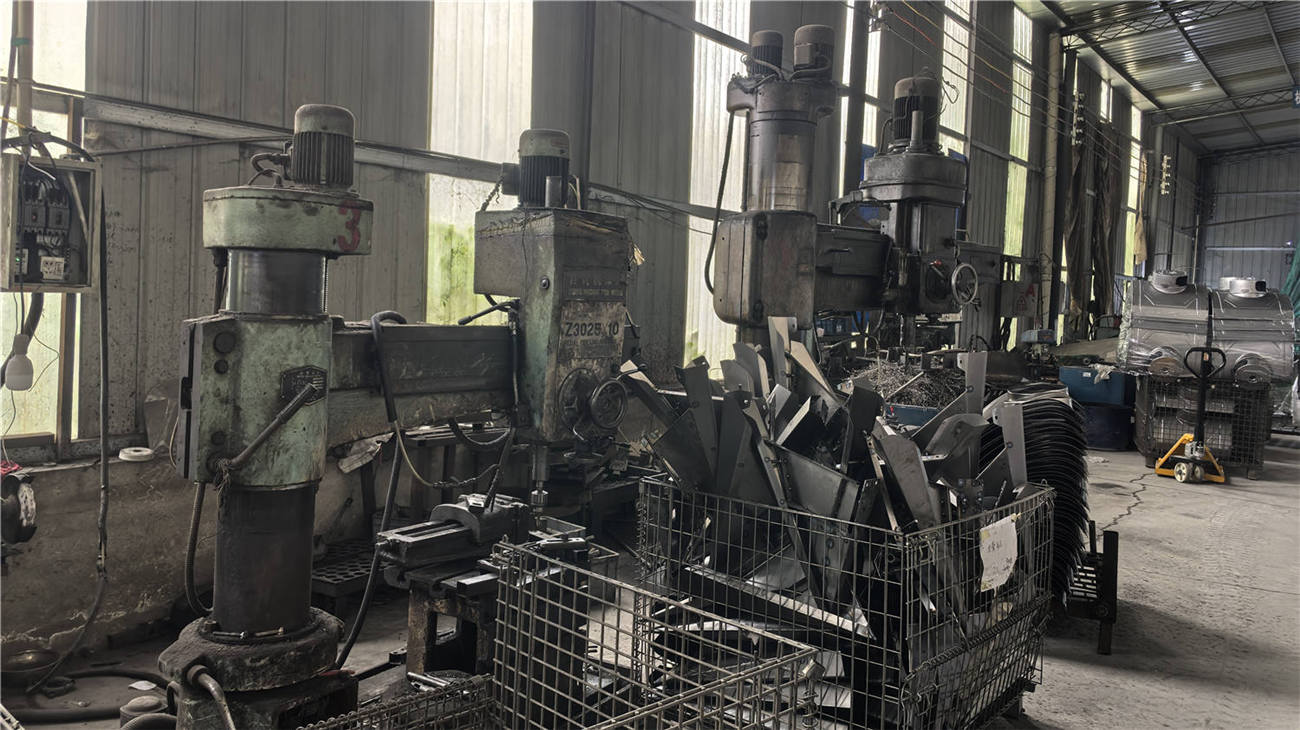
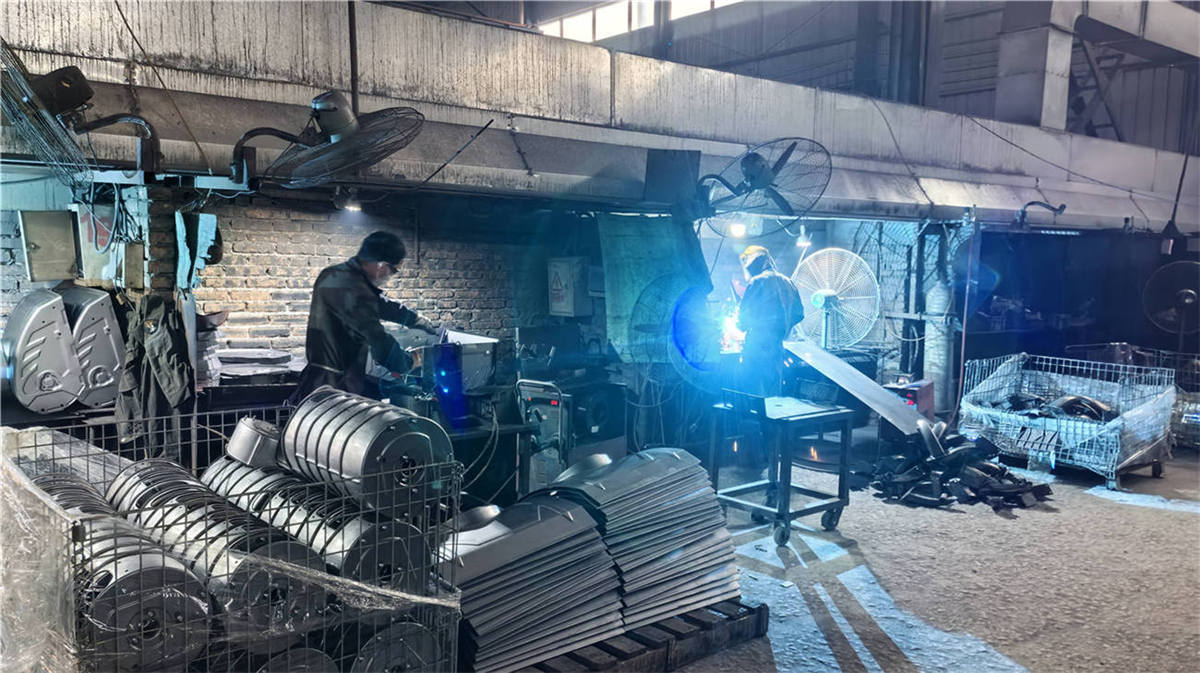
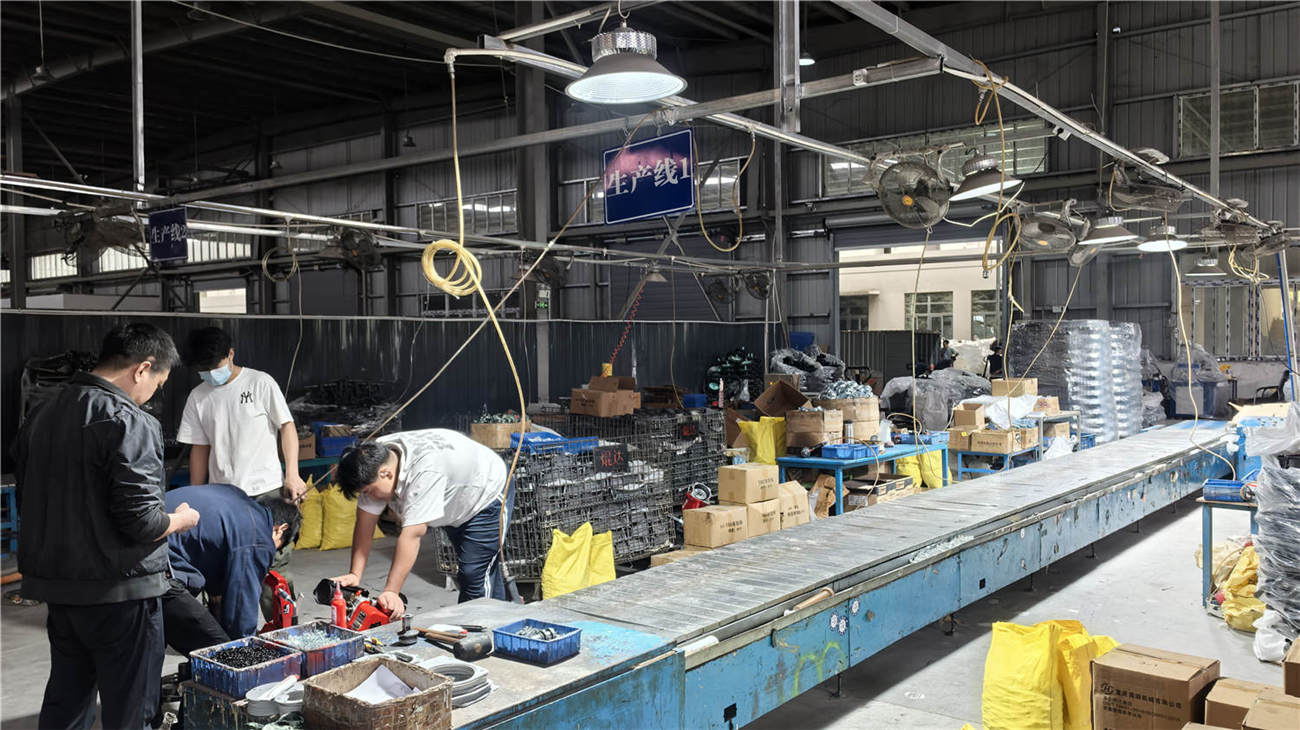
Weifang Gods Power Co., Ltd. is a leading enterprise specializing in the development, manufacturing, and sales of high-quality diesel generator sets. With a registered capital of 26 million yuan, the company is equipped with advanced testing facilities, complete product assembly lines, and sophisticated mechanical processing equipment. Weifang Gods Power employs over 200 skilled professionals and maintains a highly capable technical team, supported by a robust and mature quality management system, ensuring that every product meets the highest standards of reliability and performance.
As a technology-driven company, Weifang Gods Power is committed to continuous innovation and research, integrating product design, development, production, and sales to provide comprehensive power solutions tailored to customer needs. The company's strategic goal is to be market-oriented, technologically advanced, and guided by honesty and integrity, while continuously strengthening its technical capabilities and service excellence.
Guided by the business philosophy of "unity, diligence, pragmatism, and innovation," Weifang Gods Power emphasizes the importance of product quality, operational efficiency, and customer satisfaction. Every product is crafted with meticulous attention to detail, and the company provides comprehensive after-sales support to ensure long-term reliability and peace of mind for its clients.
Weifang Gods Power aims to create mutually beneficial and lasting partnerships with customers worldwide. Through a combination of advanced technology, professional expertise, and unwavering commitment to quality, the company strives to deliver cutting-edge energy solutions, drive innovation in the power industry, and contribute to sustainable development globally. With a clear vision for the future, Weifang Gods Power continues to expand its global presence, uphold the highest standards of excellence, and deliver reliable, efficient, and environmentally responsible power solutions to meet the evolving demands of modern industries.

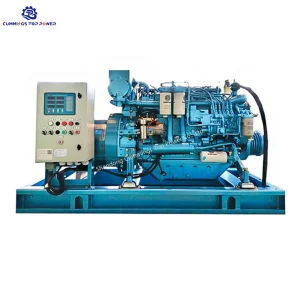
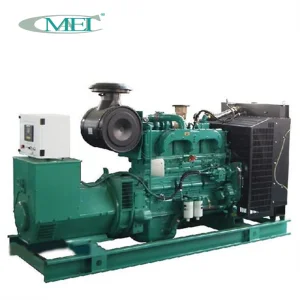
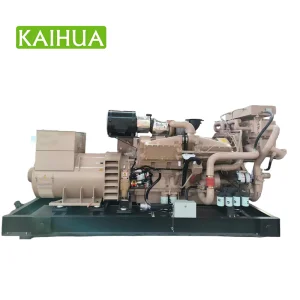
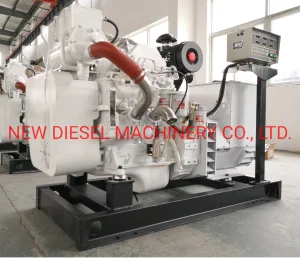
A high-performance marine generator is a complex combination of thermodynamic, structural, and electrical subsystems designed to perform reliably under continuous operation. The primary design considerations include vibration isolation, seawater cooling loop integrity, anti-corrosive wiring, and transient load response. The system must adapt quickly to sudden power demand changes—such as when starting heavy thrusters or deep-sea winches—without causing voltage drops or frequency instability.
Advanced marine gensets are equipped with smart digital control panels (such as ComAp, Deep Sea, or SmartGen) capable of automatic load sharing, synchronizing, and black-start operations. When multiple generator sets are paired, the system monitors total grid demand and automatically starts, syncs, or stops units to maintain optimal engine load profiles. Operating in this range—typically between 60% and 80% load—minimizes carbon build-up (wet stacking), maximizes thermal efficiency, and reduces specific fuel consumption.
| Component Type | Standard Configuration | Advanced Marine Configuration | Main Advantage / Purpose |
|---|---|---|---|
| Engine Base | Industrial cast-iron frame | Marine grade high-tensile casting, wet liner design | Resists high thermal stress & extends overhaul life |
| Exhaust Manifold | Dry exhaust, standard insulation | Water-jacketed exhaust manifold & turbocharger | Lowers surface temperature to meet SOLAS <220°C rules |
| Fuel Filtration | Single stage spin-on filters | Duplex switchable fuel filters with water separators | Allows filter maintenance during continuous engine operation |
| Alternator | Standard IP23, Class F insulation | IP23 protection, marine varnished, double bearing, Class H | Protects against moisture, humidity, and winding degradation |
Marine diesel generator sets operate under various conditions across the globe. From commercial vessels navigating open oceans to specialized platforms anchored in harsh offshore fields, the requirements for auxiliary power remain strict.
Providing reliable auxiliary power for reefers, winches, bow thrusters, steering gear, and onboard crew accommodations during transoceanic crossings.
Powering heavy-duty deck machinery, hydraulic pumps, refrigeration equipment, and processing plants in remote, cold, and challenging marine conditions.
Meeting strict safety standards (ATEX Zone 2 certifications) to deliver uninterrupted power for extraction machinery, emergency lighting, and life support systems.
Deploying marine equipment globally requires careful adherence to classification societies. Power plants must be verified by members of the International Association of Classification Societies (IACS). Systems manufactured by Weifang Gods Power Co., Ltd. are designed to meet or exceed standard compliance protocols, facilitating certification processes through recognized agencies including:
Additionally, our global service network ensures spare parts availability and technical assistance across major global shipping hubs. Whether navigating issues in Rotterdam, Shanghai, Singapore, or Houston, operators can access parts and engineering support to minimize downtime. From engine overhauls to electrical diagnostic services, our technicians are trained to restore system parameters to original specifications quickly.
As the shipping industry moves toward the IMO's target of net-zero greenhouse gas emissions by or around 2050, auxiliary power generation technology is adapting. The transition relies on key innovations:
Adapting injection technology to handle bio-diesel, methanol, LNG, and ammonia, allowing operators to transition smoothly to clean fuel regimes without replacing the entire power infrastructure.
Pairing diesel generators with lithium-iron-phosphate (LFP) energy storage systems. The batteries absorb sudden load fluctuations, enabling the engines to run steadily and efficiently.
Using cloud-connected telemetry systems to monitor variables like lube oil temperature, cylinder pressure, exhaust gas temperatures, and vibration signatures, predicting components issues before they happen.
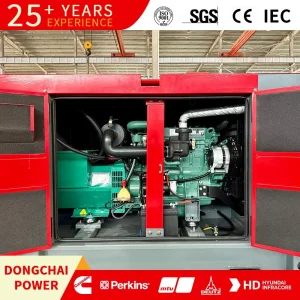
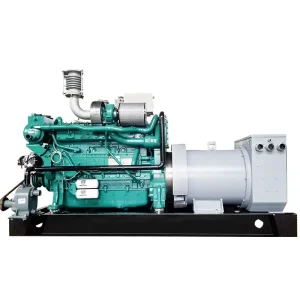
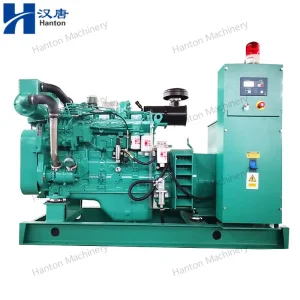
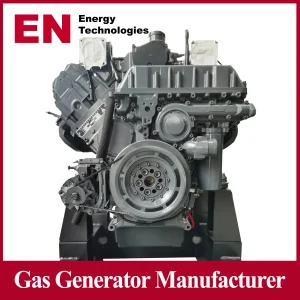
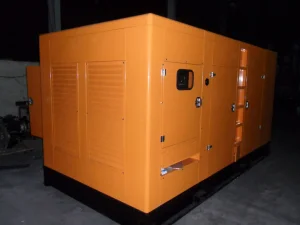
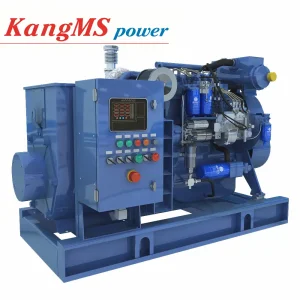
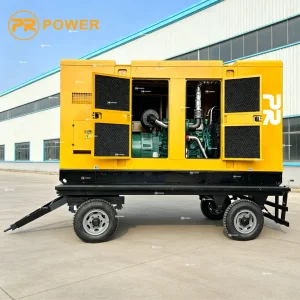
Marine diesel generator sets are specifically engineered to withstand harsh maritime environments. Key differences include: (1) Heat Exchangers & Sea-Water Pumps: Marine units use raw seawater cooling loops featuring corrosion-resistant copper-nickel (CuNi 90/10) tubes, rather than typical air-to-air radiators. (2) Corrosion Protection: Winding insulations are rated for class H and receive specialized anti-salinity varnishing treatment. Base frames are coated with high-build epoxy marine paints. (3) Safety Compliances: Standard systems feature water-jacketed manifolds to ensure surface temperatures remain below the 220°C limit specified by SOLAS, along with double-walled fuel lines to prevent leaks in unmanned engine rooms.
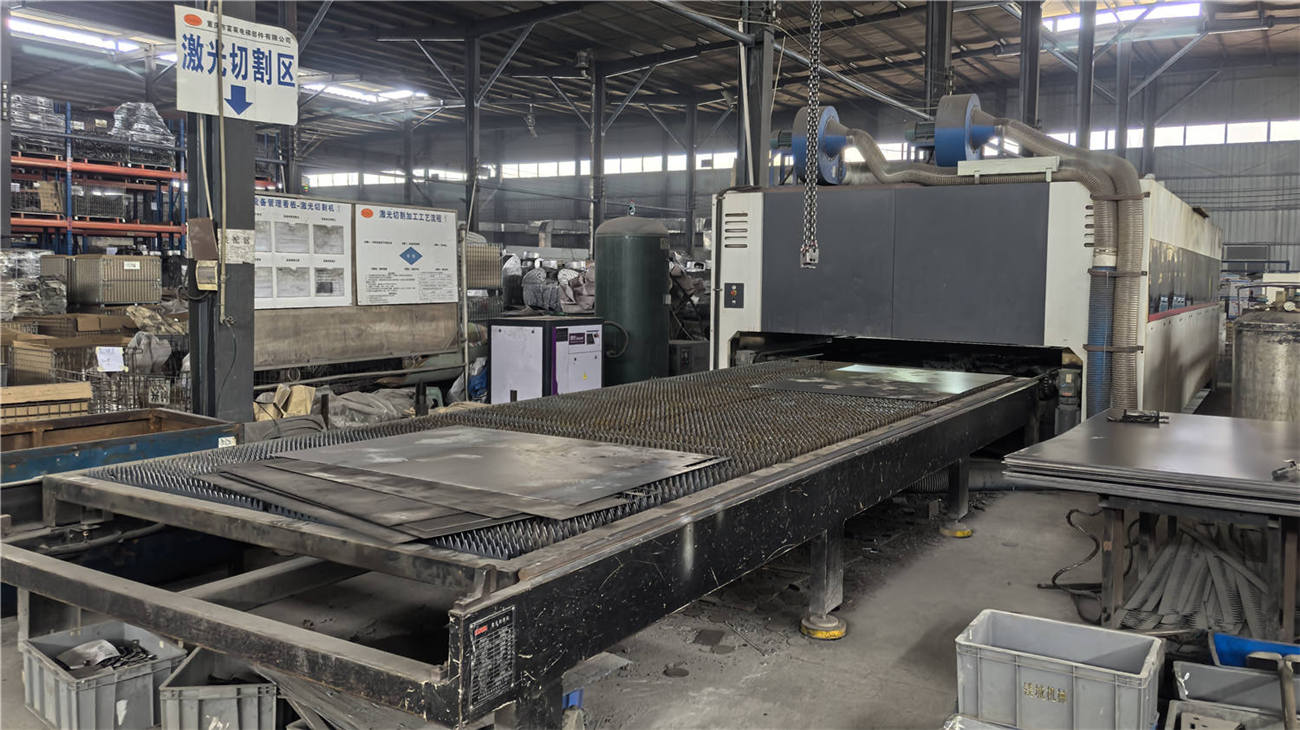
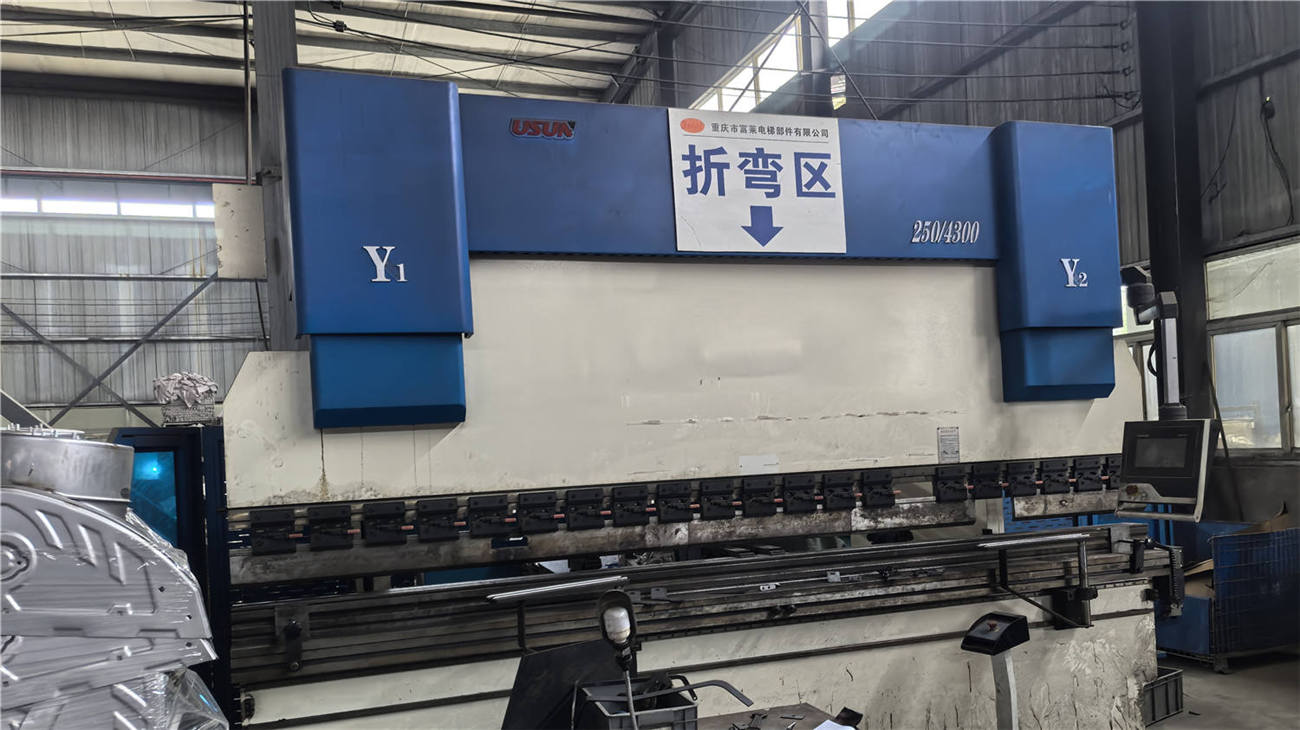
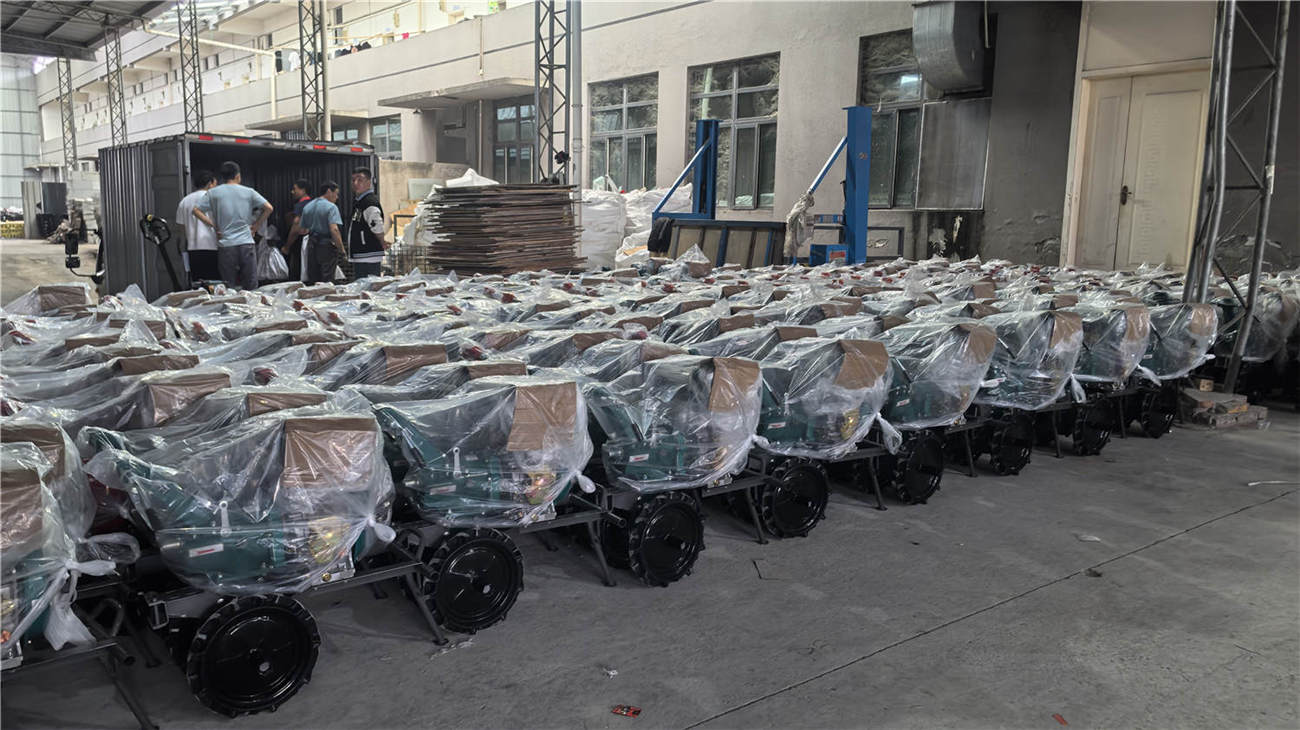
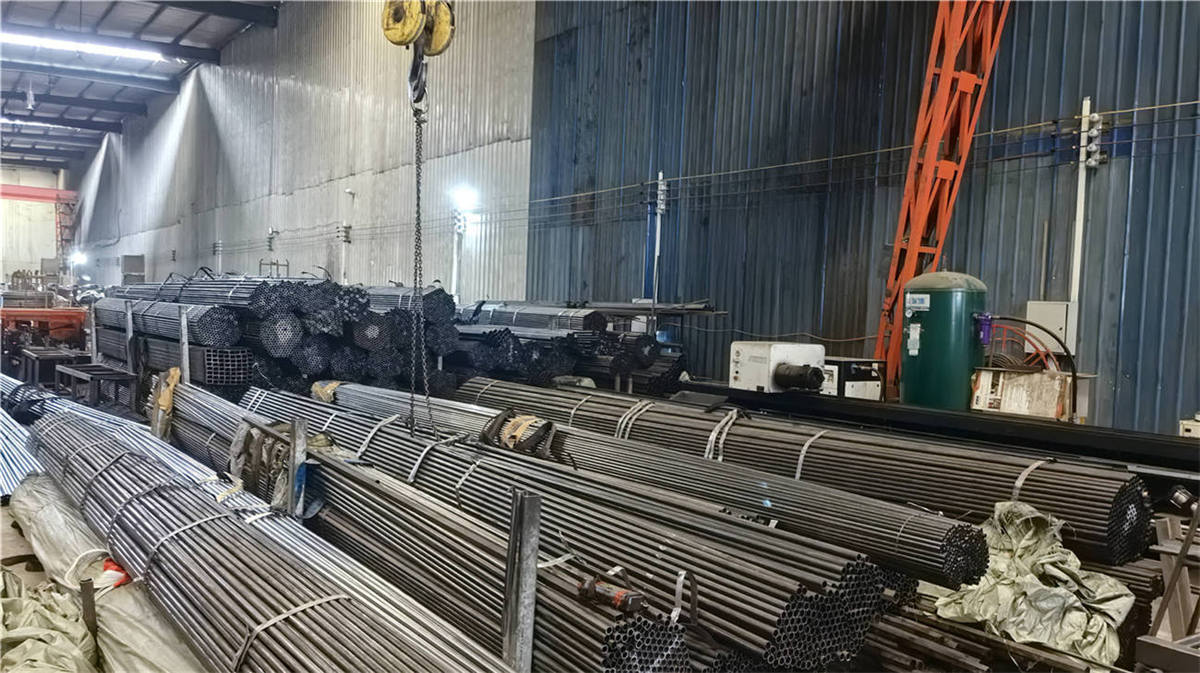
Quality control starts with material testing and continues through each stage of production. Fabrication uses CNC plate bending and high-precision laser cutting, followed by certified structural welding. After assembly with engines like Cummins, Weichai, Yuchai, or Ricardo, and Stamford alternators, each genset undergoes a comprehensive test run. We test performance under 0%, 25%, 50%, 75%, 100%, and 110% loads, monitoring parameters like transient speed, voltage regulation, vibration, oil pressure, and exhaust temperatures.
The International Maritime Organization (IMO) regulates NOx emissions. Tier II standards limit NOx emissions based on engine rated speeds. Tier III standards apply within Emission Control Areas (ECAs)—such as the North American and Baltic sea regions—and require up to a 75% reduction in NOx compared to Tier II limits. For exporters, providing gensets with certified Selective Catalytic Reduction (SCR) units or optimized combustion profiles is essential for vessels operating in these designated areas.
Wet stacking occurs when a diesel engine operates at light loads (typically below 30% capacity) for long periods. Low combustion temperatures prevent fuel from burning completely, leading to carbon build-up in the exhaust ports, turbochargers, and manifolds. This reduces engine performance and increases wear. Sizing the generator correctly and utilizing smart power management systems to parallel units ensures engines run within their optimal load range.
While Standard Marine Gas Oil (MGO) and Heavy Fuel Oil (HFO) remain common, current multi-fuel gensets can run on liquefied petroleum gas (LPG), natural gas, biomass-derived fuels, and hydrogen blends. These fuel options help operators lower emissions, meet regional regulatory standards, and utilize locally available resources to optimize operational costs.
 Gods Power