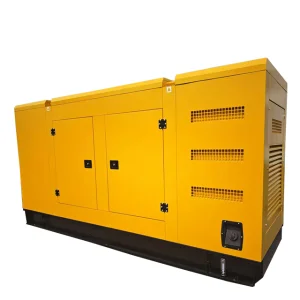
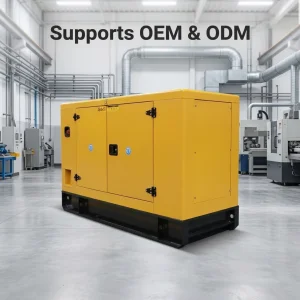
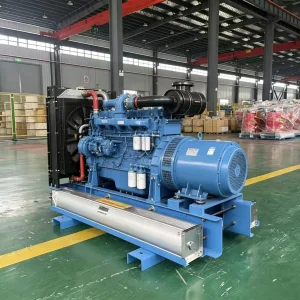
Engineered for immediate utility grid fallback, featuring advanced voltage regulation and rapid-start engines.
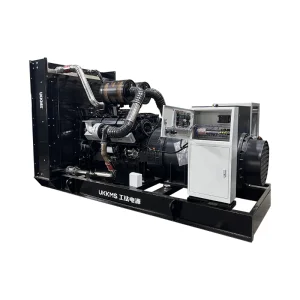
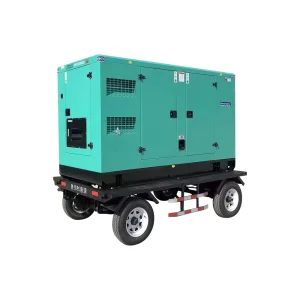
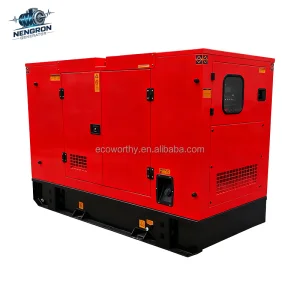
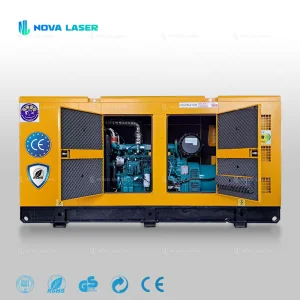
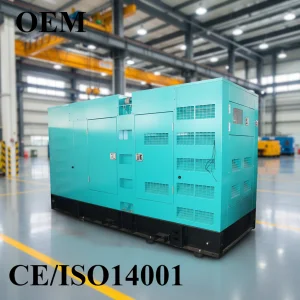
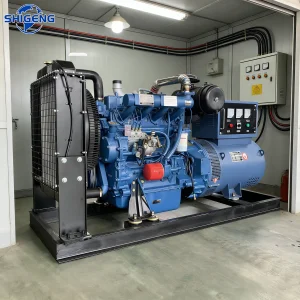
Providing resilient standby emergency generator sets built to secure high-consequence operations worldwide.
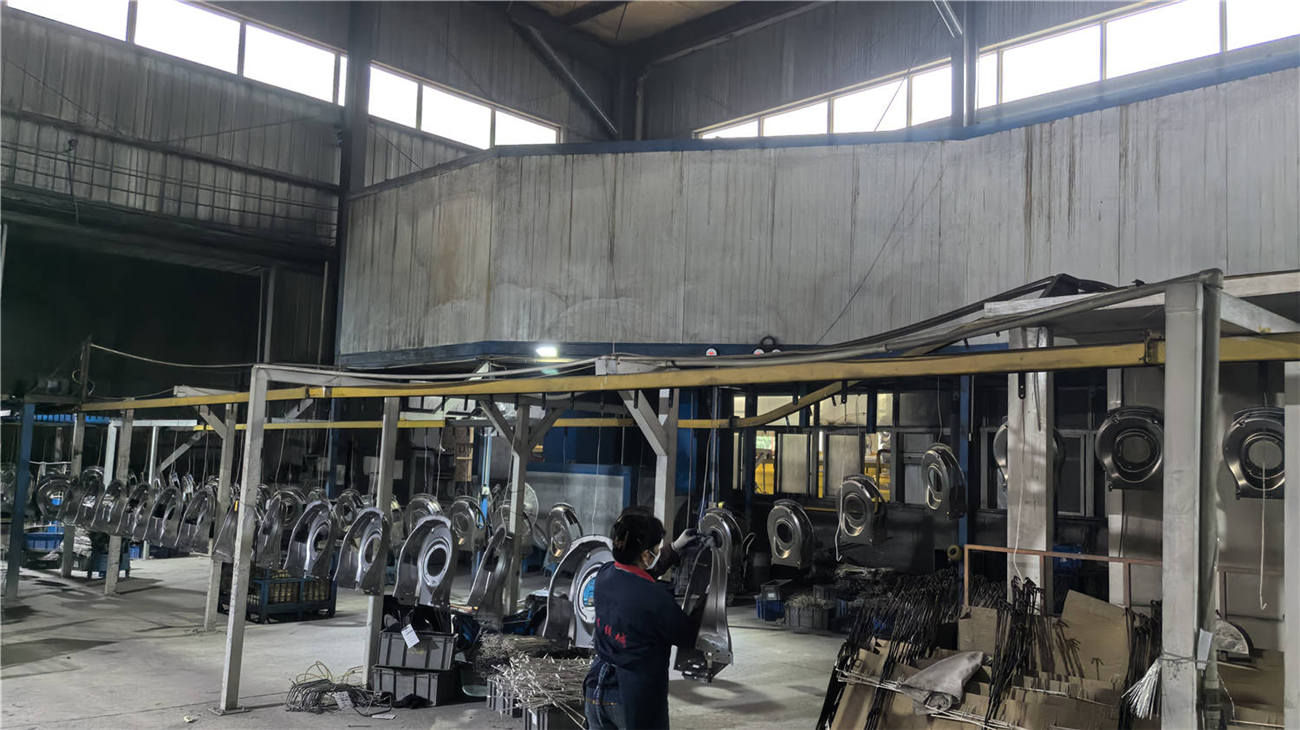
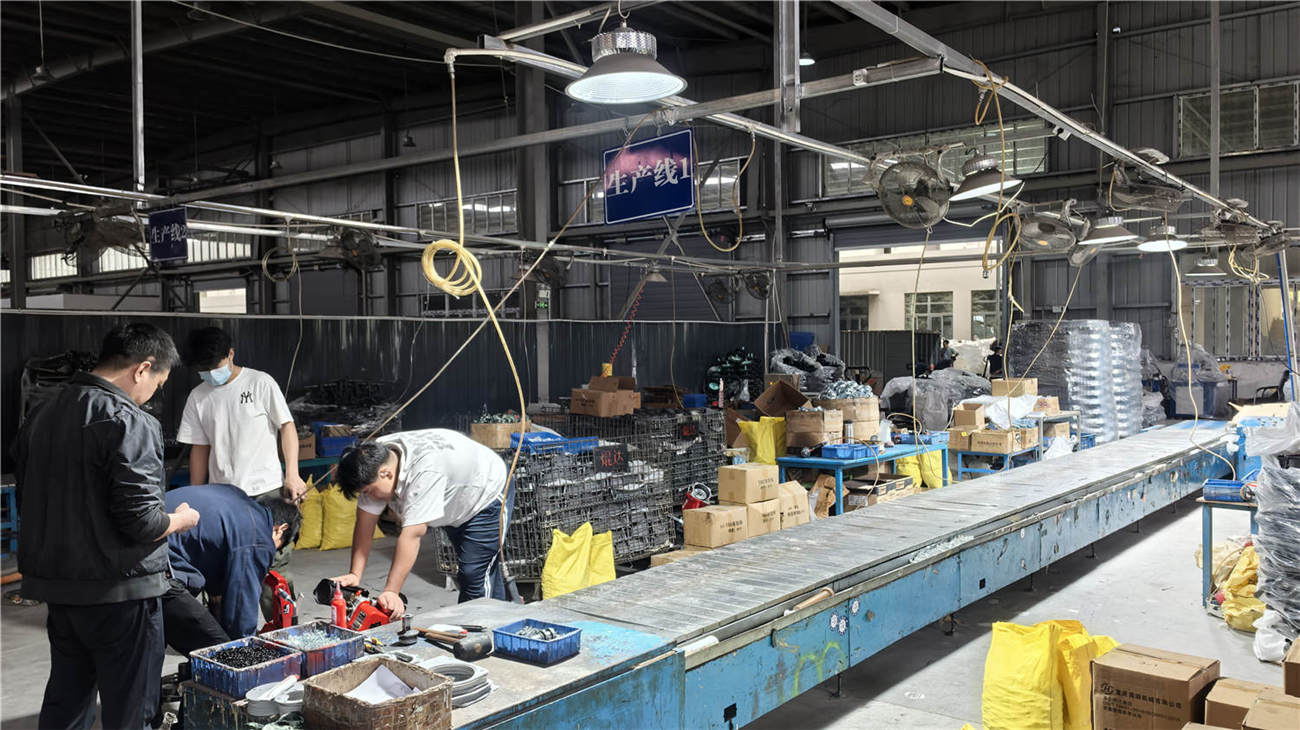
Weifang Gods Power Co., Ltd. is a leading enterprise specializing in the development, manufacturing, and sales of high-quality diesel generator sets. With a registered capital of 26 million yuan, the company is equipped with advanced testing facilities, complete product assembly lines, and sophisticated mechanical processing equipment. Weifang Gods Power employs over 200 skilled professionals and maintains a highly capable technical team, supported by a robust and mature quality management system, ensuring that every product meets the highest standards of reliability and performance.
As a technology-driven company, Weifang Gods Power is committed to continuous innovation and research, integrating product design, development, production, and sales to provide comprehensive power solutions tailored to customer needs. The company’s strategic goal is to be market-oriented, technologically advanced, and guided by honesty and integrity, while continuously strengthening its technical capabilities and service excellence.
Guided by the business philosophy of “unity, diligence, pragmatism, and innovation,” Weifang Gods Power emphasizes the importance of product quality, operational efficiency, and customer satisfaction. Every product is crafted with meticulous attention to detail, and the company provides comprehensive after-sales support to ensure long-term reliability and peace of mind for its clients.
Weifang Gods Power aims to create mutually beneficial and lasting partnerships with customers worldwide. Through a combination of advanced technology, professional expertise, and unwavering commitment to quality, the company strives to deliver cutting-edge energy solutions, drive innovation in the power industry, and contribute to sustainable development globally. With a clear vision for the future, Weifang Gods Power continues to expand its global presence, uphold the highest standards of excellence, and deliver reliable, efficient, and environmentally responsible power solutions to meet the evolving demands of modern industries.
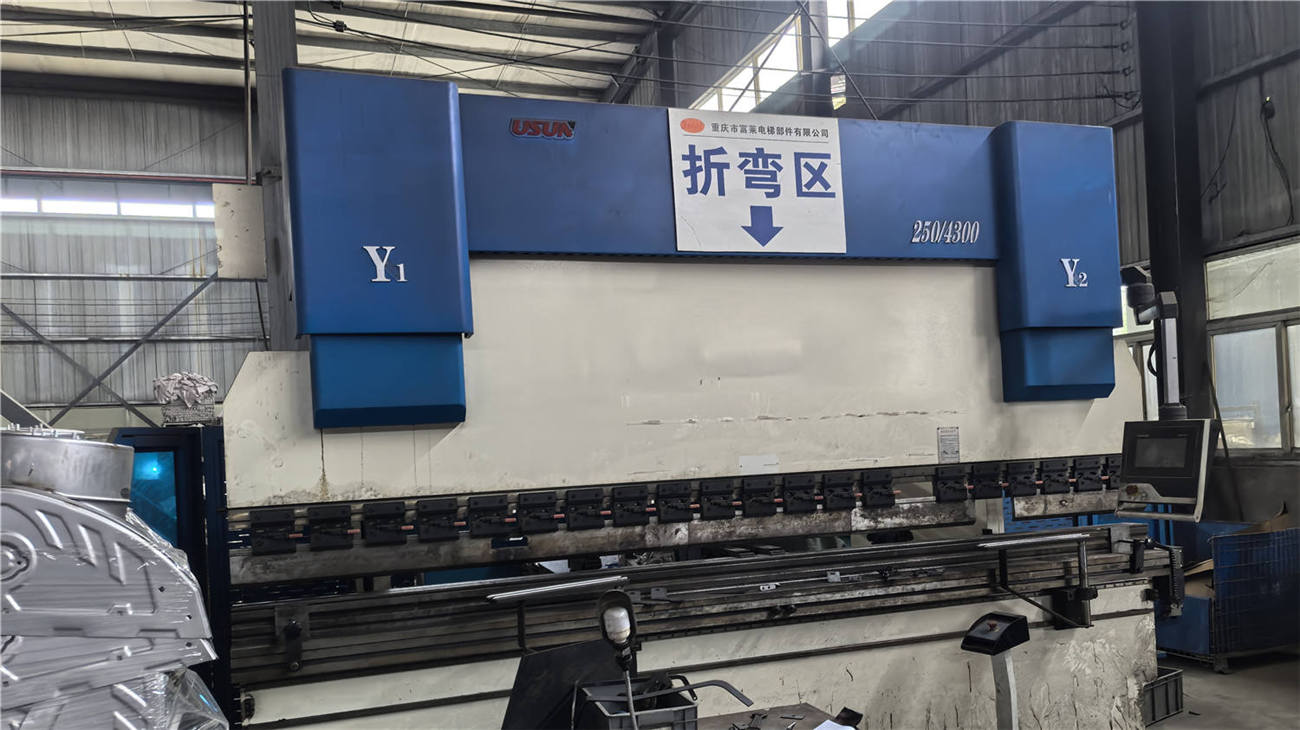
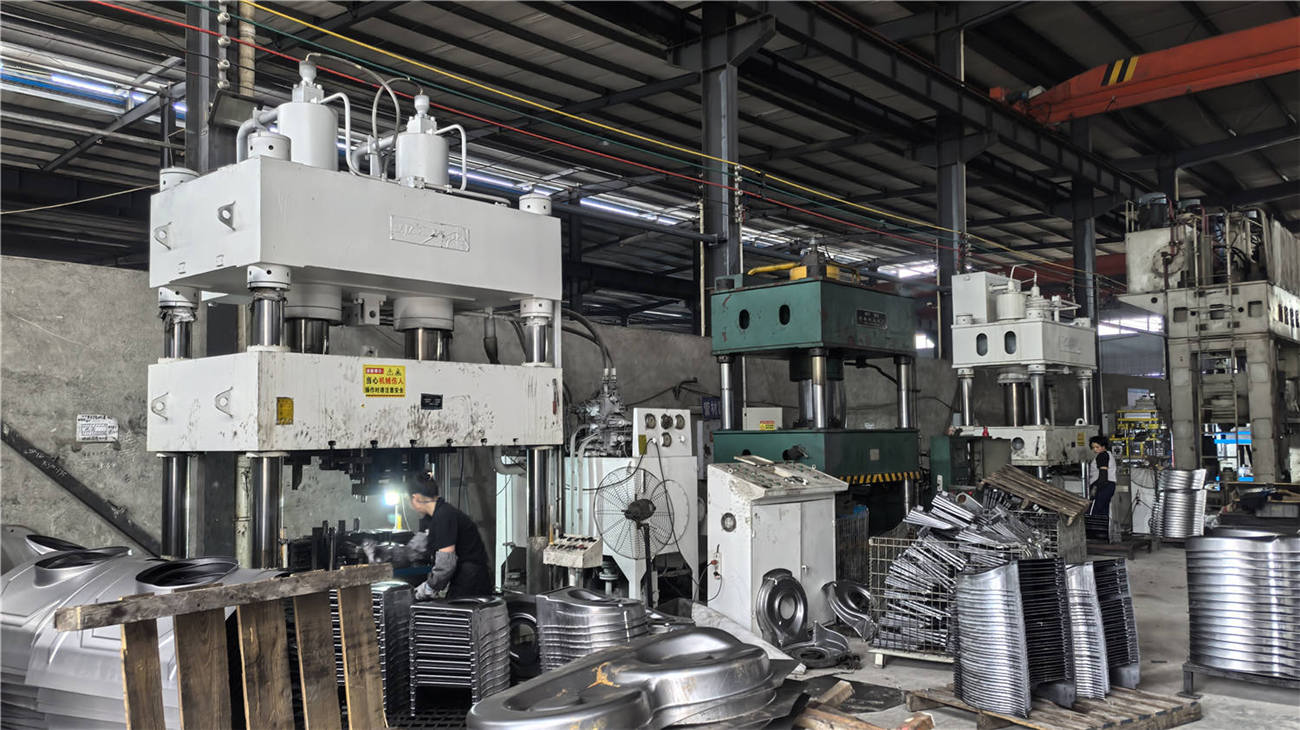
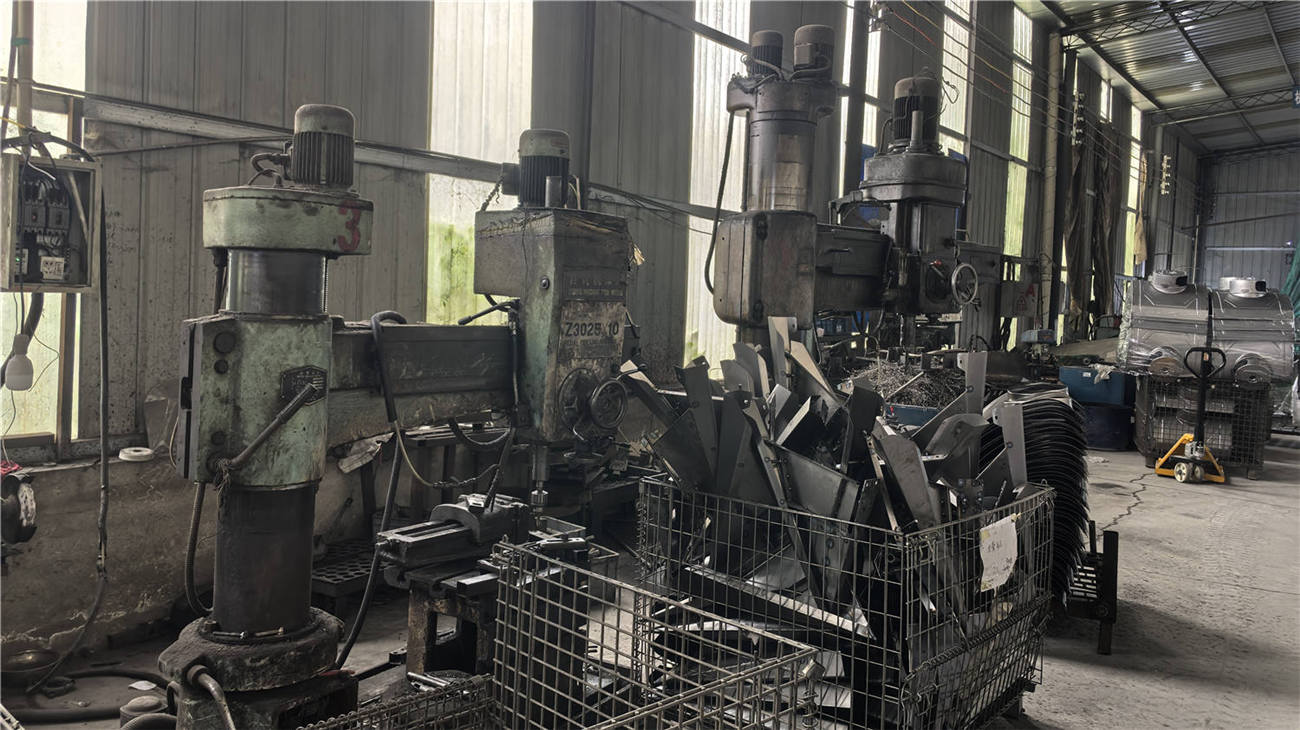
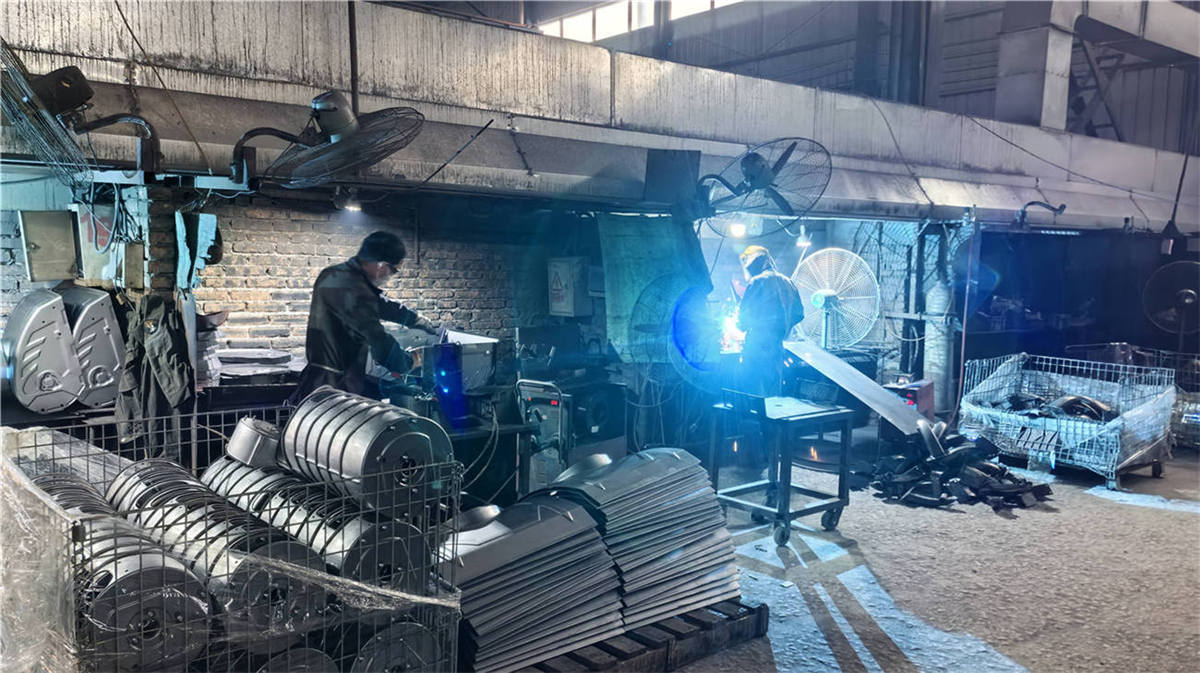
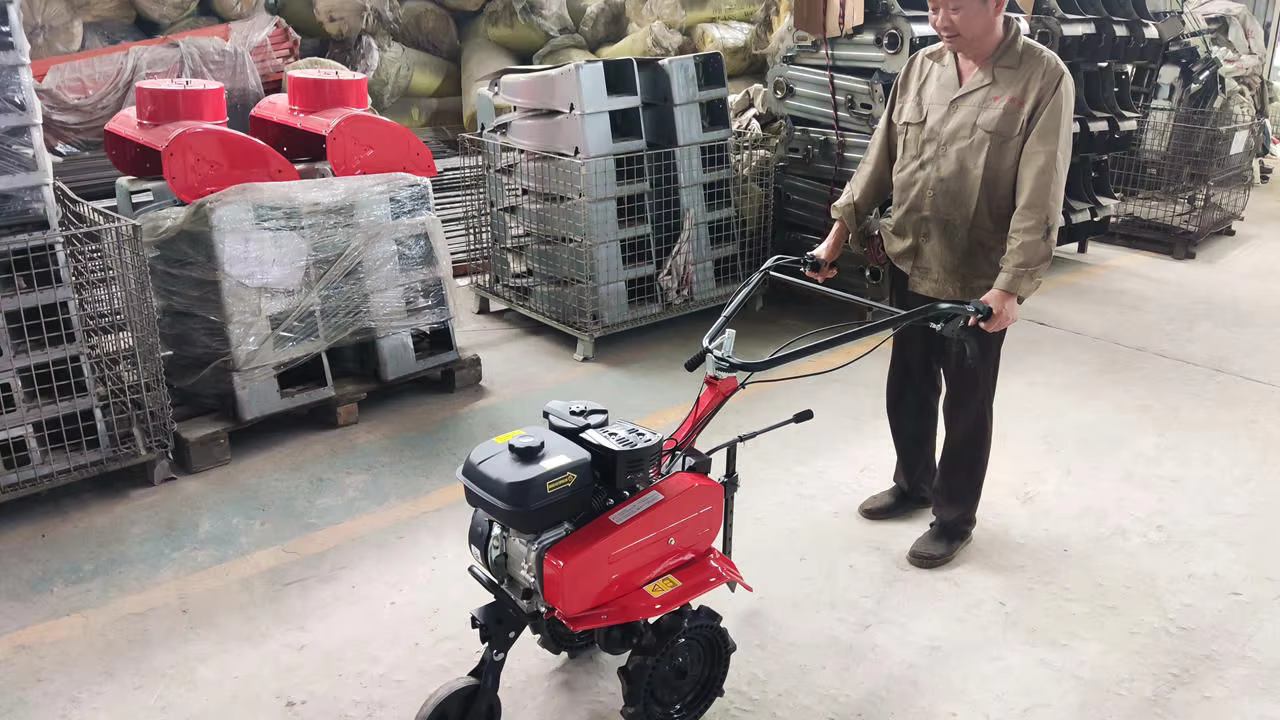
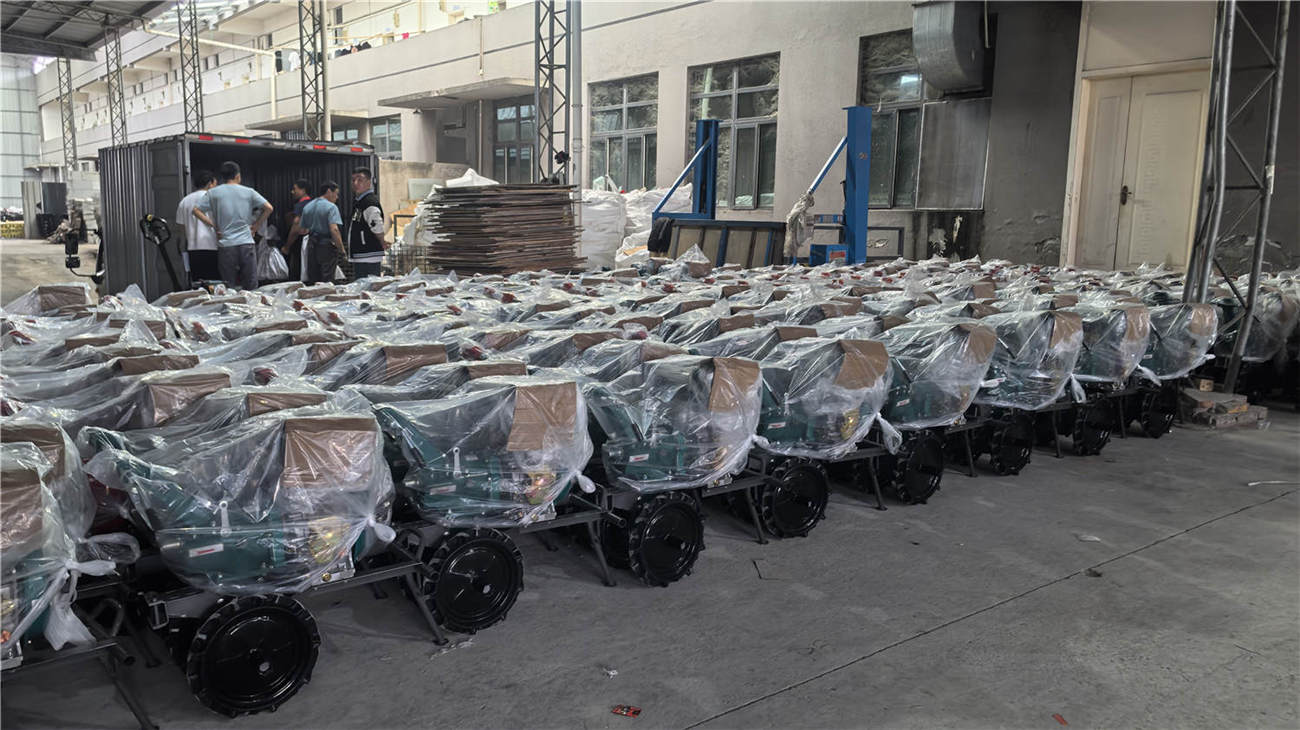
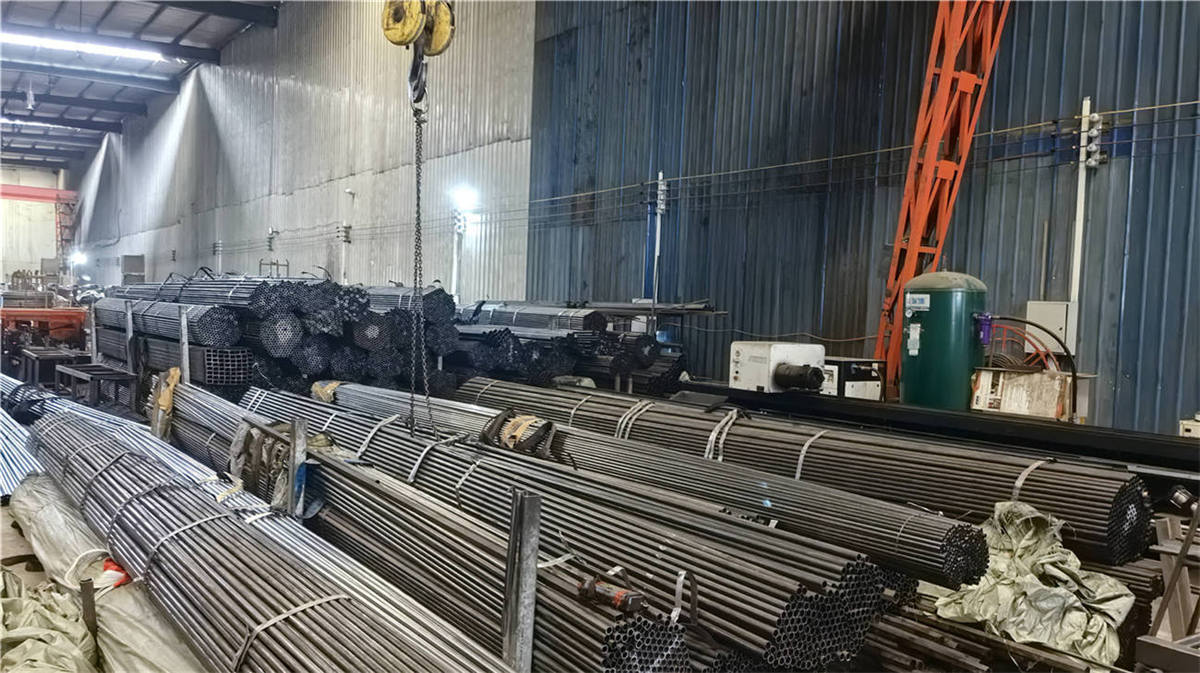
Tour our state-of-the-art facilities showing exact precision processing from raw materials to final functional testing.
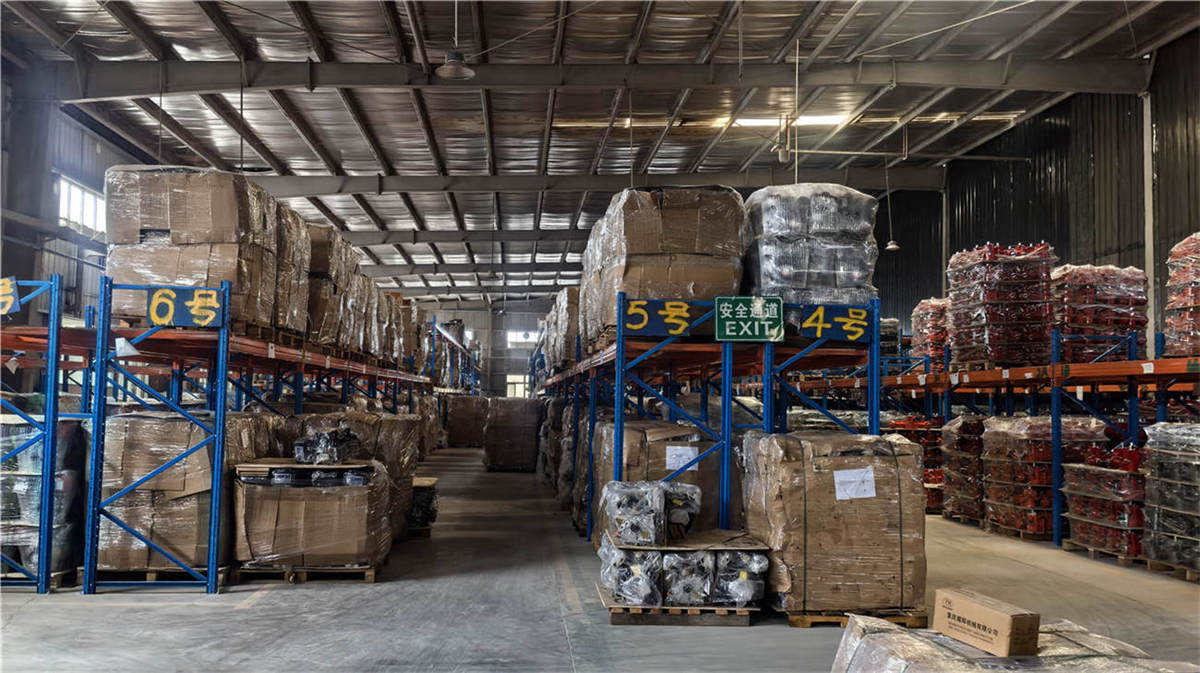
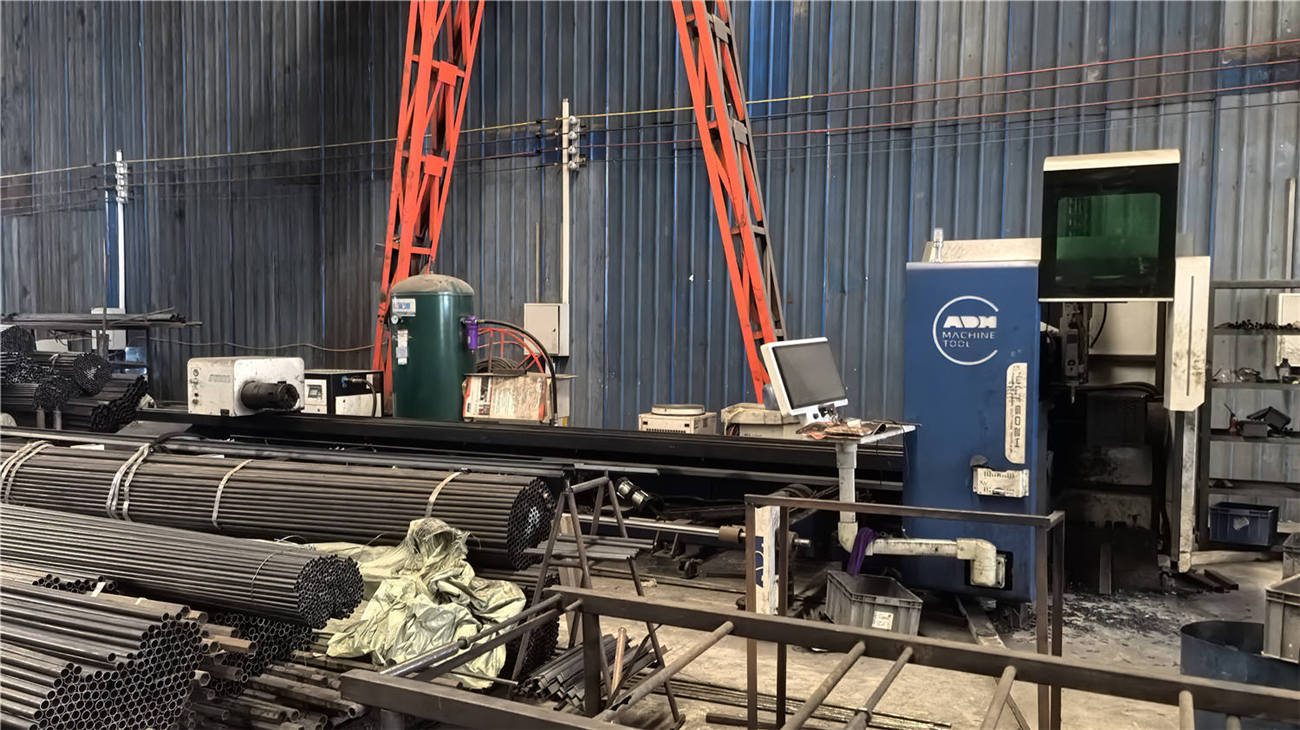
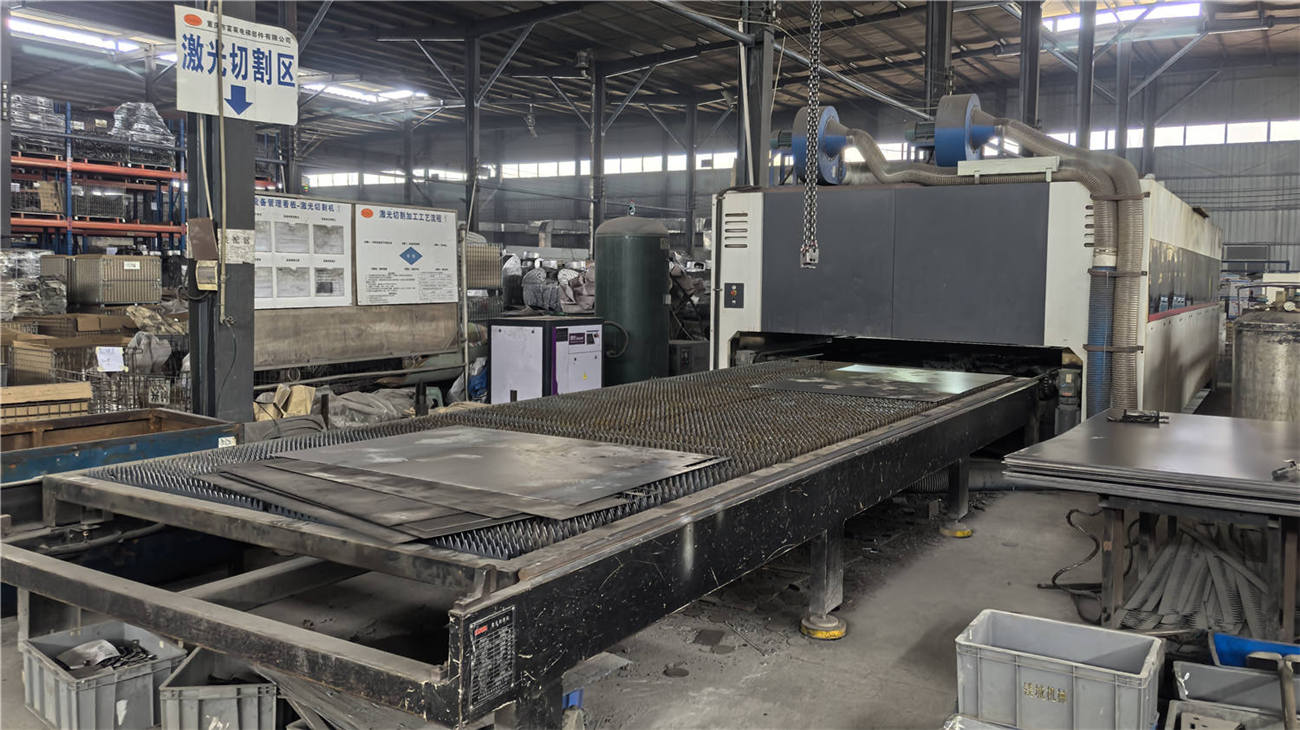
An authoritative analysis of design criteria, global export quality frameworks, and procurement engineering metrics.
In the contemporary digital economy, backup power is no longer a luxury—it is critical infrastructure. The proliferation of hyper-scale data centers, high-capacity automated manufacturing facilities, medical centers, and complex commercial hubs requires uninterrupted energy supply. Standby emergency generator sets function as the secondary line of defense against catastrophic power grid disruptions. As urban populations expand and extreme weather events become more frequent, public utility grids face unprecedented strain. A loss of electrical power for even a few minutes can lead to massive financial losses, compromised safety, and data corruption.
Globally, industrial organizations are transitioning to high-efficiency, multi-phase diesel generator sets that can start and synchronize with critical loads in less than ten seconds. The global demand is divided between prime power configurations, which run continuously in remote areas such as mines and construction zones, and standby configurations, which remain in a dormant state but must deliver reliable power instantly when the primary grid fails. Navigating this landscape requires understanding both mechanical engineering principles and regional compliance standards, including CE certification, EPA compliance, and local safety rules.
China has established itself as the dominant global hub for diesel generator manufacturing. This leadership is built on complete vertical integration, comprehensive supply chains, and highly optimized production systems. Factories in regions like Weifang utilize advanced engineering ecosystems where engine blocks, alternators, acoustic enclosures, control panels, and ATS (Automatic Transfer Switches) are produced in close geographical proximity. This vertical integration allows manufacturers like Weifang Gods Power Co., Ltd. to reduce lead times, maintain tight quality control, and adapt configurations to specific client needs.
In addition to cost efficiency, Chinese manufacturers have invested heavily in automation and testing facilities. Every step of production—from laser steel plate cutting, hydraulic bending, robotic welding, and automated powder coating to comprehensive load testing—is monitored to minimize human error. Advanced testing bays measure voltage stability, transient response, fuel consumption, and noise levels across various loads (25%, 50%, 75%, 100%, and 110% overload). This rigorous quality assurance ensures that exported units can operate reliably under harsh ambient conditions, whether in the humid climates of Southeast Asia or the cold environments of Northern Europe.
Standby generators must be configured to meet the specific requirements of their operating environment. Below are the primary application scenarios and their corresponding engineering requirements:
When selecting a standby diesel generator set, procurement managers should focus on several key components that define reliability, longevity, and efficiency:
The standby power industry is evolving to meet new environmental regulations and technological opportunities. Key trends shaping the future of backup power include:
Select the optimal mechanical and electronic configurations for your facility's requirements.
Equipped with SmartGen or Deep Sea controllers, supporting automatic mains failure detection, auto-start, and real-time remote monitoring via RS485.
Super-silent canopies lined with flame-retardant sound-absorbing cotton, reducing operational noise to under 70dB(A) at 7 meters.
Fully certified under CE, COC, ISO9001, and ISO14001 guidelines to meet strict export and safety regulations across international markets.
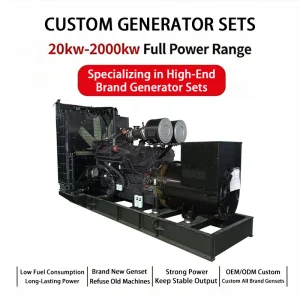
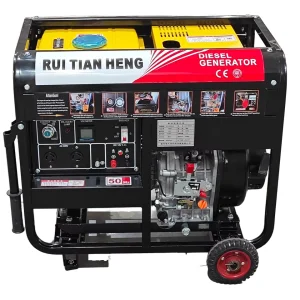
Heavy-duty industrial generator sets designed for harsh environments and demanding electrical loads.
Technical answers to help engineers and procurement managers evaluate standby emergency generator sets.
Emergency Standby Power (ESP): This is the maximum power available for a variable load during a utility power failure. ESP generators are designed for short-term use, typically up to 200 hours per year, with no overload capacity.
Prime Power (PRP): Designed for continuous operation under variable load conditions in areas without grid access. Overload capability (typically 10% for 1 hour out of every 12) is available depending on the manufacturer's specifications.
Continuous Power (COP): Designed for supplying constant power to a constant 100% load for unlimited hours. These units are typically used as base-load power sources where no utility grid is present.
The ATS continuously monitors utility grid voltage. When it detects a power drop or fluctuation, it signals the generator controller to start. Once the generator reaches the correct voltage and frequency, the ATS safely disconnects the building from the utility grid and connects it to the generator's output. When utility power is restored, the ATS reverses the process and initiates a cooling-down cycle for the generator engine.
All-copper brushless alternators offer several key advantages over aluminum alternatives:
Diesel engines require oxygen to burn fuel efficiently. High altitudes (low air density) and high ambient temperatures (warm, less dense air) can reduce engine output. This loss of capacity is known as de-rating. Standard generator configurations are typically rated for operation below 1,000 meters elevation and 40°C ambient temperature. Projects outside these parameters require adjustment of the engine size to ensure they can handle the target load.
To ensure startup reliability, standby generators require a regular maintenance schedule:
 Gods Power