10 Best Tips on How to Change Oil in a Portable Generator?

Time:2026-06-16 Author:Sophia
0%

Changing oil in a portable generator is crucial for its longevity and performance. According to Alex Johnson, a seasoned technician with over 15 years of experience, "Regular maintenance, like oil changes, can save you from costly repairs down the line." This sentiment highlights the importance of understanding how to change oil in a portable generator properly.

Many users underestimate the impact of oil on generator efficiency. Fresh oil keeps the engine running smoothly and prevents wear and tear. However, knowing how to change oil in a portable generator isn't just about following steps; it requires attention to detail. For instance, ensuring you have the right oil type can be the difference between optimal function and potential damage.

Moreover, many overlook the need for frequent checks. Ignoring signs like unusual noises or decreased power can lead to bigger issues. Keeping a generator in top shape involves more than just oil changes. It requires diligence and awareness of the machine's condition. Embracing this knowledge can empower you to take better care of your generator, ensuring its reliability when you need it most.
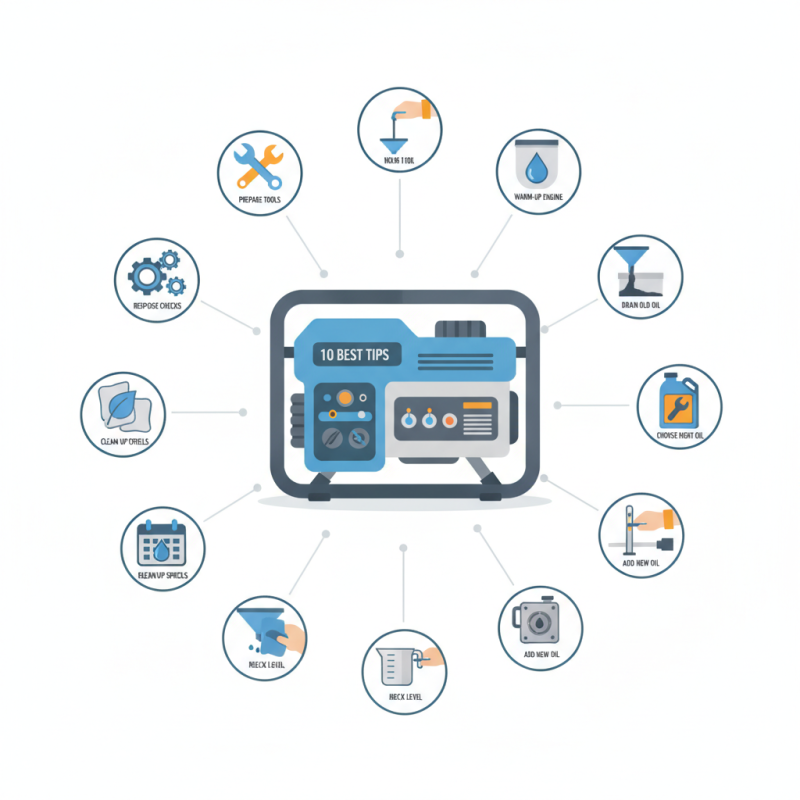
10 Best Tips on How to Change Oil in a Portable Generator?

Essential Tools Needed for Changing Oil in a Portable Generator

Changing the oil in a portable generator can be straightforward with the right tools. Here are the essential tools you’ll need for this task. A wrench set is crucial for removing the oil drain plug. Check for sizes that match your generator’s plug to ensure a fit. A funnel helps direct the oil into the tank without spills. Having an oil pan is important for collecting the old oil properly. You don’t want any mess on your workspace.

Don't forget to gather some clean rags or paper towels for spills or to wipe down your tools. Always wear gloves to keep the process tidy and protect your hands. Make sure you have the correct oil type, as specified in your generator's manual. After changing the oil, it’s good practice to run the generator for a few minutes. This helps circulate the new oil and ensures everything is working smoothly.

When changing the oil, learn from the process. If you notice leaks or difficulties during the task, take a moment to assess the issue. This might indicate a need for further maintenance or repairs. It’s essential to record your oil change dates for future reference. Keeping track helps prolong the life of your generator while ensuring reliability when you need power.

Step-by-Step Guide to Properly Draining Old Oil from the Generator

Changing the oil in a portable generator is crucial for its longevity and performance. The first step is to gather the right tools: an oil drain pan, a funnel, and fresh oil. Before starting, ensure the generator is off and cool. This prevents burns and ensures safety. According to the Portable Generator Manufacturers' Association, failing to change the oil regularly can lead to significant engine wear, affecting efficiency and lifespan.

Draining old oil requires attention to detail. Locate the oil drain plug, often found at the base. Place the drain pan underneath and remove the plug cautiously. Old oil can be hot and messy. Once drained, properly dispose of the used oil according to local regulations. Reports indicate that improper disposal can harm the environment. After draining, replace the plug tightly to avoid leaks. Adding fresh oil is next. Use a funnel to avoid spills, filling to the manufacturer’s recommended level. Regular checks on oil levels between changes can enhance performance.

Properly maintaining your generator is not just about changing oil. It's a ritual that demands consistency and care. Small oversights, like using incorrect oil types, can lead to complications. A survey from Energy Solutions found that 30% of generator issues stem from maintenance neglect. Keeping a maintenance log can help track oil changes and service intervals. This level of diligence ultimately leads to a reliable, ready-to-use generator when you need it most.

How to Safely Dispose of Used Oil After Changing Your Generator's Oil

Changing the oil in your portable generator is a crucial maintenance task, but disposing of used oil requires careful consideration. Many people underestimate the impact of improper disposal. Used oil can harm the environment, contaminate water supplies, and pose risks to wildlife. Proper disposal is not just responsible; it’s essential.

To start, collect your used oil in a sealed container. Avoid mixing it with any other substances. Check local regulations regarding used oil disposal. Many areas have designated drop-off locations. These facilities ensure the oil is recycled correctly. Some auto shops also accept used oil, which is another viable option.

Never pour used oil down the drain or onto the ground. Such actions may seem harmless at first. However, they can lead to significant ecological damage over time. It’s crucial to reflect on the choices we make regarding waste. Taking extra steps in safe disposal aligns with a commitment to protecting our environment. Each responsible act counts.

Selecting the Right Type of Oil for Your Portable Generator

Choosing the right oil for your portable generator is crucial for its performance. Most portable generators require either SAE 30 oil or a multi-viscosity oil like 10W-30. The type of oil affects how well your generator runs under different conditions. Always check the manufacturer’s recommendations before making a choice.

Viscosity plays a significant role in how oil flows at various temperatures. If you live in a colder climate, a multi-viscosity oil may perform better. However, using oil that’s too thick can cause issues. Make sure to examine your generator's oil level regularly. A routine check will help you catch any leaks or problems early.

Additionally, consider the oil's additive package. Some oils have detergents that can help keep the engine clean. However, not all oils are created equal. Using low-quality oil can damage your generator over time. Regular maintenance is essential, but even small choices in oil can have long-lasting effects.

10 Best Tips on How to Change Oil in a Portable Generator

Tip No. Tip Description Recommended Oil Type Change Frequency
1 Always consult the owner's manual for specific oil recommendations. SAE 30 Every 50 hours of use
2 Use high-quality oil to ensure engine performance. Synthetic Blend Every 100 hours of use
3 Check oil levels regularly. 10W-30 Every 25 hours of use
4 Warm up the generator before changing the oil. Multi-Viscosity Oil Every 50 hours of use
5 Use a funnel to avoid spills during oil changes. API certified oil Every 100 hours of use
6 Dispose of old oil properly. SAE 10W-30 Every 50 hours of use
7 Inspect the oil filter and replace as needed. High mileage oil Every 200 hours of use
8 Perform oil changes in a well-ventilated area. 10W-40 Every 50 hours of use
9 Keep track of your oil change schedule. Synthetic motor oil Every 100 hours of use
10 Use only the oil recommended by the manufacturer. From manufacturer's guidelines After 100 hours or at least once a year

Tips for Replacing the Oil Filter in Your Portable Generator

Changing the oil filter in your portable generator is essential for its longevity and performance. A clean oil filter ensures that the engine runs smoothly and efficiently. According to a report by the Portable Generator Manufacturers Association, maintaining generators properly can increase their lifespan by up to 50%. Regular oil changes are a key part of this maintenance.

To start, always consult the owner's manual for specific guidelines on oil filter replacement. Ensure that the generator is turned off and cooled down. Use appropriate tools to remove the old filter, taking care not to damage any components. Remember that the oil filter can contain hazardous materials; proper disposal is crucial. Industry standards recommend replacing the oil filter at least once a season, or after every 100 hours of use.

After installing the new filter, check for leaks and ensure a secure fit. It's an easy yet vital step that novice users sometimes overlook. Not replacing the oil filter can lead to engine damage and costly repairs. Regular inspection and maintenance can prevent these issues, ensuring that your generator remains reliable when you need it most.

FAQS

: What tools do I need to change oil in a portable generator?

: You will need a wrench set, funnel, oil pan, clean rags, and gloves.

Why is it important to wear gloves during oil change?

Gloves protect your hands and keep the process tidy, preventing unwanted mess.

How should I dispose of used oil from my generator?

Collect used oil in a sealed container and check local regulations for disposal options.

Can I mix used oil with other substances?

No, avoid mixing used oil. This can complicate recycling and disposal processes.

How often should I replace the oil filter in my generator?

It's recommended to replace the oil filter at least once a season or after 100 hours of use.

What happens if I don't change the oil filter?

Neglecting the oil filter can lead to engine damage and costly repairs, affecting generator performance.

Should I run the generator after changing oil?

Yes, running the generator for a few minutes helps circulate new oil and ensures proper function.

What do I do if I notice a leak after changing oil?

Take a moment to assess the issue, as it may indicate a need for further maintenance or repairs.

How can tracking oil change dates be beneficial?

Recording dates helps prolong the generator's life and ensures reliability when needed.

Is proper oil disposal really that important?

Yes, improper disposal can harm the environment, contaminate water, and endanger wildlife.

Conclusion

Changing the oil in a portable generator is essential for maintaining its performance and longevity. To effectively learn how to change oil in a portable generator, start by gathering the essential tools such as an oil filter wrench, a drain pan, and the appropriate type of oil. The process involves properly draining the old oil, which requires safely removing the drain plug and allowing the oil to flow into the pan.

Once the old oil has been drained, it's important to dispose of it responsibly, adhering to local regulations. Selecting the right type of oil is crucial for optimal performance, and if your generator is equipped with an oil filter, replacing it during this procedure is recommended. Following these steps will ensure your portable generator runs smoothly and efficiently, providing reliable power when you need it.

Sophia

Sophia

Sophia is a dedicated marketing professional with an exceptional depth of knowledge about her company's products and services. With a keen understanding of market trends and customer needs, she crafts insightful blog posts that not only inform but also engage readers, enriching the company’s online......