Installing a home backup generator is essential for preparedness. However, the process requires careful attention to safety protocols. John Smith, a seasoned electrician with over 20 years of experience, emphasizes, "Safety must come first when handling electrical systems." Understanding how to install a home backup generator safely is crucial for both efficiency and protection.
Every year, countless homeowners invest in backup generators. Unfortunately, many overlook proper installation techniques. A poorly installed generator can lead to dangerous situations. This makes it vital to follow established guidelines. Familiarize yourself with local codes and regulations before starting. Proper ventilation, distance from flammable materials, and secure connections can significantly reduce risks.
Installing a generator isn't just about placement. It involves understanding your home's electrical system. This helps ensure a seamless integration. Awareness of potential mistakes is also key. Ignoring safety measures can result in costly damages or injuries. So, equip yourself with knowledge. Focus on the right techniques to ensure safe and effective generator installation.
Understanding Different Types of Home Backup Generators and Their Applications
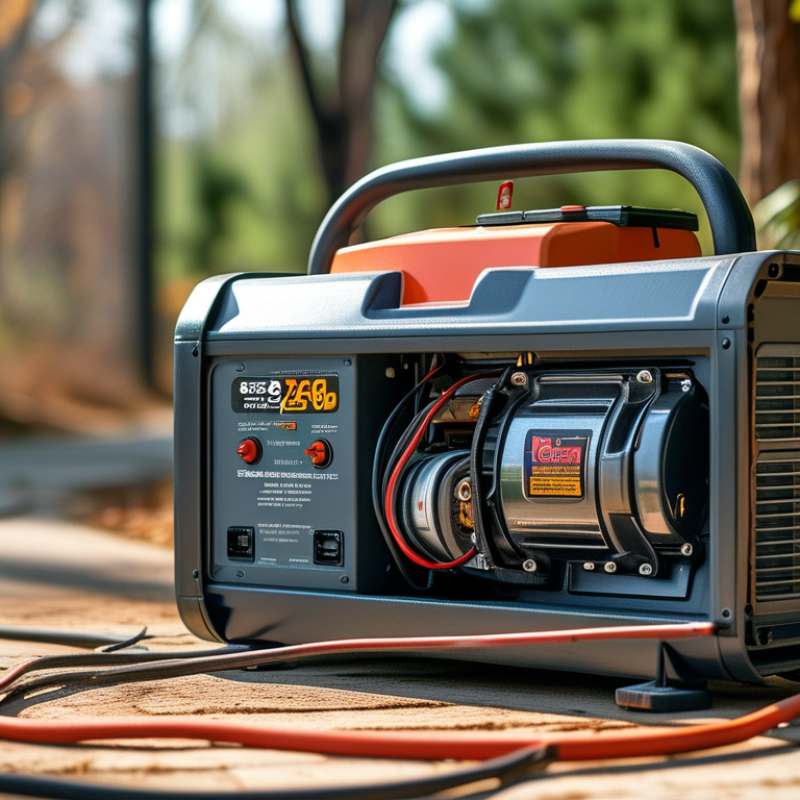
When considering a home backup generator, understanding the different types is crucial. Generators mainly fall into two categories: portable and standby. Portable generators offer flexibility for various applications, like camping or powering tools during an outage. Standby generators, however, provide a seamless solution. They stay permanently installed and automatically kick in during power failures.
Selecting the right type for your needs requires careful thought. Assess the size of your home and the appliances you frequently use. Ensure that you choose a generator capable of handling your electrical load. For instance, a generator with a power output of 7,000 watts can power essential appliances. This includes refrigerators, lights, and some HVAC systems.
A few tips for a safe installation include placing the generator outdoors to prevent carbon monoxide buildup. Connect it to your home’s electrical system with a transfer switch. This avoids back-feeding electricity, which can be dangerous for utility workers. Regular maintenance checks are essential to ensure your generator operates efficiently when needed.
Key Safety Codes and Standards for Installing a Backup Generator
When installing a home backup generator, adherence to safety codes and standards is paramount. The National Fire Protection Association (NFPA) sets guidelines to ensure proper installation. According to NFPA 70, electrical installations must comply with NEC requirements. This helps mitigate hazards, particularly regarding electrical shock and fire risks. Using a qualified electrician can enhance safety and ensure compliance with local codes.
Another critical standard comes from the Occupational Safety and Health Administration (OSHA). Their guidelines emphasize the importance of ventilation. Generators emit carbon monoxide, a colorless and odorless gas. It's crucial to install a generator outdoors, away from windows and doors. A well-ventilated area minimizes exposure. Surprisingly, data shows that many homeowners neglect this aspect. Inadequate ventilation can result in serious health risks, even fatalities.
Lastly, homeowners should consider load management. The Federal Emergency Management Agency (FEMA) suggests evaluating your power needs. Overloading a generator can lead to equipment failure and safety hazards. Understanding wattage requirements is essential. This practice not only prolongs the generator's life but also optimizes safety. Many people overlook this step, leading to unanticipated challenges during power outages. Being aware of these guidelines helps ensure a safer and more effective generator installation.
Essential Site Considerations Before Generator Installation
Installing a home backup generator requires careful planning and site assessment. The location is crucial for safety and efficiency. Choose a spot away from windows and doors to prevent harmful exhaust fumes from entering your home. Ideally, it should be on a flat, dry surface that can handle the generator's weight. Including a concrete pad may enhance stability and reduce noise.
Consider accessibility for maintenance purposes. Ensure the generator is reachable for repairs and fuel refills. It's essential to have enough space around the unit for good airflow and to comply with local codes. Ignoring these aspects can lead to operational failures and safety risks. Evaluate potential hazards nearby, such as trees or overhead power lines, which may pose threats during storms.
Lastly, always consult with professionals for site evaluations and compliance with regulations. Even a minor oversight can lead to significant issues down the line. Prioritize safety and functionality while accepting that perfect conditions rarely exist. A thoughtful approach can make the installation process smoother and lead to a more reliable power backup solution.
Installation Considerations for Home Backup Generators
This bar chart illustrates the importance level of various site considerations when installing a home backup generator. Each factor is rated on a scale from 1 to 10, indicating its significance in ensuring a safe and effective installation.
Avoiding Common Mistakes: Generator Installation Tips from Industry Experts
Installing a home backup generator can be a daunting task, especially for those unfamiliar with electrical systems. A common mistake is underestimating the importance of proper placement.
Generators should be installed outdoors, away from windows and air intakes. Failing to do this can lead to dangerous carbon monoxide buildup. Many homeowners overlook this aspect, exposing themselves and their families to serious hazards.
Another frequent error is ignoring local codes and regulations. Each area has specific requirements for generator installation. Consult local authorities or a licensed electrician to ensure compliance. Many assume they can install the unit without professional advice. This can result in costly repairs or worse, accidents.
Additionally, testing and maintenance are crucial but often neglected. Users might forget to run regular tests or change the oil, leading to ineffective performance during outages. Set a reminder every month to check your generator. A little diligence ensures your equipment remains reliable when you need it most.
Maintenance and Testing Protocols for Home Backup Generators
When it comes to home backup generators, maintenance is crucial. Regular checks can prevent malfunctions during power outages. A simple routine can ensure reliability. Inspect the fuel system often. Look for leaks and ensure it's filled properly. Remember, old fuel can cause issues. It’s best to replace it every few months.
Testing your generator is just as important. Run it at least once every month. This helps to identify any problems early. Listen for unusual sounds. They could indicate wear. It’s also wise to run appliances during these tests. This ensures the generator can handle the load. But be cautious. If something fails, take a moment to reflect on the cause.
Documentation can help create a reliable maintenance schedule. Keep records of any repairs. If issues arise, note them down. This practice builds a knowledge base. Over time, you’ll understand the generator better. Planning for repairs is part of responsible ownership. Remember, safety comes first. If you encounter substantial problems, get a professional opinion.
2026 Best Tips for Installing a Home Backup Generator Safely - Maintenance and Testing Protocols for Home Backup Generators
| Tip No. |
Installation Tip |
Maintenance Protocol |
Testing Frequency |
| 1 |
Choose a suitable location away from windows |
Inspect fuel lines for leaks and wear |
Monthly |
| 2 |
Install a transfer switch for safety |
Change oil and filter regularly |
Every 6 months |
| 3 |
Ensure proper ventilation during installation |
Clean air filters monthly |
Monthly |
| 4 |
Connect to a proper electrical system |
Check battery charge status quarterly |
Quarterly |
| 5 |
Follow local codes and regulations |
Inspect startup and backup systems |
Annually |
Conclusion
Installing a home backup generator safely requires a comprehensive understanding of various generator types and their specific applications. Key safety codes and standards must be adhered to during installation to ensure compliance and safety. Before beginning the installation process, essential site considerations such as location, ventilation, and access must be evaluated to create an optimal setup.
To facilitate a successful installation, it is crucial to avoid common pitfalls and follow expert tips on how to install a home backup generator safely. This includes proper positioning, securing electrical connections, and ensuring the generator is easily accessible for maintenance. Regular maintenance and testing protocols must also be established to keep the generator in peak operating condition, thereby guaranteeing reliability during power outages.

 Gods Power