How to Choose Between Diesel and Natural Gas Generators?

Time:2026-08-23 Author:Madeline
0%

When deciding how to choose between diesel and natural gas generators, it’s essential to consider several factors. Both options have unique advantages and drawbacks. Diesel generators typically offer better efficiency and durability, especially for heavy-duty applications. They are also known for their reliability in demanding conditions.

On the other hand, natural gas generators are often praised for their cleaner emissions and lower operating costs. They can be a sustainable alternative for those prioritizing environmental concerns. However, their performance can vary based on fuel availability and specific usage needs.

Understanding your energy requirements is crucial. Reflect on how often the generator will be used and under what conditions. This choice affects not just performance but also your broader sustainability goals. Making an informed decision requires weighing these aspects carefully. Consider these points as you embark on the journey to select the generator that best suits your needs.
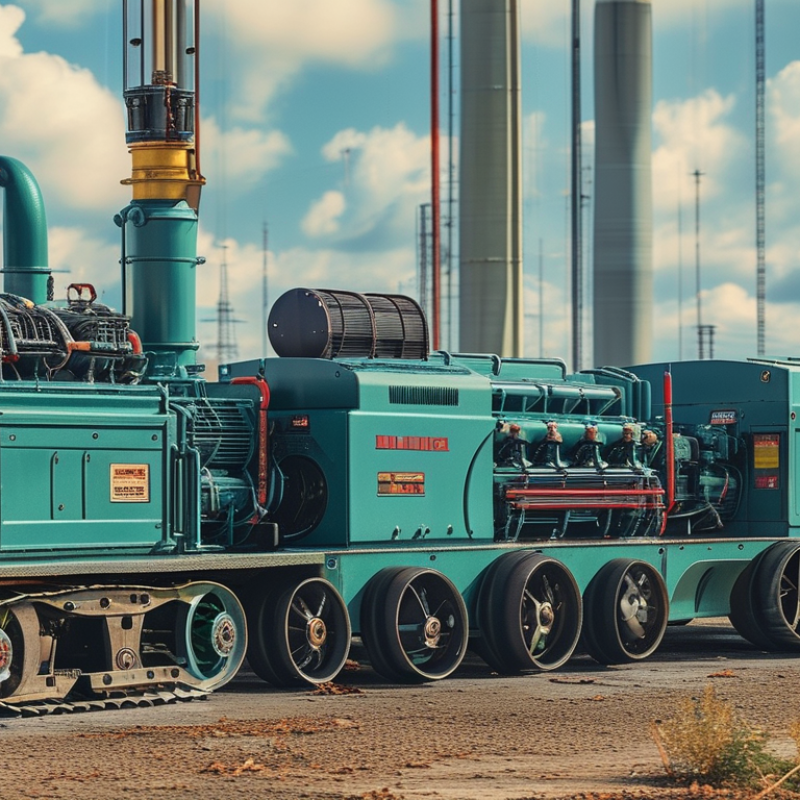
How to Choose Between Diesel and Natural Gas Generators?

Understanding the Basics of Diesel and Natural Gas Generators

When considering generators, understanding diesel and natural gas options is essential. Diesel generators are renowned for their reliability and fuel efficiency. They excel in power output and are often used in industrial settings. They require regular maintenance, which can be a downside. Oil changes and filter replacements add to operational costs. Users must stay ahead of maintenance schedules to prevent breakdowns.

On the other hand, natural gas generators offer cleaner emissions. They are quieter and have lower operational costs over time. However, natural gas is subject to market fluctuations. Power outages can be a concern if the supply is disrupted. Users should weigh this risk against the environmental benefits. In deciding between the two, consider operational needs and sustainability goals. Each option has its pros and cons, leading to reflections on preference and practical use.

Comparing Fuel Efficiency and Operating Costs of Each Generator Type

Choosing between diesel and natural gas generators can be challenging, especially when considering fuel efficiency and operating costs. Diesel generators typically provide higher energy density. This means they can generate more power from less fuel. However, natural gas generators have gained popularity due to their cleaner emissions. In some cases, users might prioritize environmental concerns over fuel efficiency.

Fuel efficiency also affects operating costs significantly. Diesel often has a lower initial cost per gallon, leading some to perceive it as more economical. However, the cost of maintenance for diesel generators can be higher over time. Natural gas systems generally require less upkeep, which may offset initial price advantages. In cities where natural gas is readily available, costs can be surprisingly low.

Choosing the right generator can be complex. Not every situation is straightforward. Users must weigh fuel availability against emissions regulations. Unpredictable fuel prices can also sway decisions. Evaluating the long-term impacts of each fuel type is crucial. Balancing initial costs with future expenses may require careful analysis.

Evaluating Environmental Impact and Emissions from Diesel and Natural Gas

When choosing between diesel and natural gas generators, evaluating their environmental impact is crucial. Diesel generators emit higher levels of nitrogen oxides (NOx) and particulate matter than their natural gas counterparts. According to the U.S. Environmental Protection Agency, diesel engines can produce up to 38% more NOx emissions than natural gas engines. This discrepancy impacts air quality, particularly in urban areas where pollution is a growing concern.

Natural gas generators are often perceived as the cleaner option. They typically emit about 30-50% less CO2 compared to diesel. In addition, they produce fewer volatile organic compounds that contribute to smog. However, the extraction and distribution of natural gas can lead to methane leaks, a potent greenhouse gas. The Environmental Defense Fund estimates that these leaks could offset some of the benefits gained by using natural gas.

Assessing your needs helps in making an informed decision. Consider your operation's location, potential emissions, and regulatory requirements. Factors like fuel availability and generator reliability also play a role. Analyze the cost-effectiveness of each option given your specific circumstances. Think about your long-term goals for sustainability and environmental responsibility.

Many operators have noted the importance of understanding local regulations and community standards. It’s essential to stay informed about evolving emission guidelines. Some industries face stricter requirements than others. This consideration can significantly impact the choice between diesel and natural gas generators.

Assessing Maintenance Requirements and Lifespan of Generators

When evaluating diesel and natural gas generators, maintenance requirements and lifespan are crucial. Diesel generators typically require more frequent oil changes. This can lead to higher maintenance costs over time. On the other hand, natural gas generators often have simpler designs, resulting in fewer moving parts. This simplicity can translate to less frequent maintenance and longer operational periods.

However, it’s essential to consider that both generator types need regular checks. Diesel models may need more care for fuel quality and filters. Natural gas options should focus on emissions systems and carburetion adjustments. Neglecting these can impact efficiency. For operators, understanding these details can improve generator reliability.

Lifespan varies significantly. Diesel generators often last 10,000 to 30,000 operating hours with proper care. In contrast, natural gas generators might go for 25,000 to 30,000 hours. It's important to reflect on usage conditions. Extended periods of inactivity in either type can lead to faster degradation. Regular inspections can uncover issues before they escalate.

How to Choose Between Diesel and Natural Gas Generators? - Assessing Maintenance Requirements and Lifespan of Generators

Criteria Diesel Generators Natural Gas Generators
Initial Cost Higher upfront cost Lower upfront cost
Fuel Supply Requires diesel fuel storage Piped gas supply preferred
Runtime Efficiency More efficient for heavy loads Suitable for varying loads
Maintenance Frequency Regular oil changes and filters Less frequent maintenance
Lifespan 15,000 - 30,000 hours 25,000 - 30,000 hours
Emissions Higher CO2 and NOx emissions Lower emissions, more environmentally friendly
Operating Noise Generally noisier Quieter operation

Identifying Applications and Situations for Optimal Generator Use

When selecting a generator, it’s crucial to understand your specific needs. Diesel generators are often preferred for heavy-duty applications. They provide higher power output and extended runtimes. However, they can be noisier and emit more pollutants. On the other hand, natural gas generators are cleaner and quieter. They work well in residential areas where noise and emissions are a concern.

Think about the location of use. For remote areas with limited access to natural gas pipelines, diesel may be more practical. Consider fuel availability as well. In emergencies, diesel fuel can be stored longer than natural gas. Assessing the site's needs helps determine the best option.

Don’t forget the maintenance aspect. Diesel engines typically require more upkeep. Natural gas systems may offer lower maintenance costs over time. Be prepared for that difference in commitment. Properly evaluating your situation ensures better long-term results. Listen closely to the needs of the environment and your operational goals.

FAQS

: What factors should I consider when choosing between diesel and natural gas generators?

: Consider fuel availability, emissions regulations, maintenance needs, and operating costs. Analyze your long-term sustainability goals too.

How do diesel generators compare to natural gas generators in terms of pollution?

Diesel generators emit higher levels of NOx and particulate matter. Natural gas produces fewer emissions, but extraction can lead to methane leaks.

Are diesel generators more economical than natural gas generators?

Diesel may seem cheaper initially, but higher maintenance costs can offset savings. Natural gas often requires less upkeep.

Where are diesel generators preferred over natural gas?

Diesel is favored for heavy-duty and remote applications. It provides higher power output and can be stored longer in emergencies.

What should I assess regarding generator location?

Consider the accessibility of fuel sources, environment impacts, and local noise regulations. Your choice should fit your site’s specific needs.

Are there any downsides to using natural gas generators?

While they are cleaner, natural gas systems can have methane leaks. It’s important to evaluate the overall environmental impact.

Why is it important to stay informed about emission regulations?

Many industries face varying requirements. Understanding local guidelines can influence your generator choice and operational compliance.

How can fuel efficiency impact operating costs?

Diesel may have a lower fuel cost, but higher maintenance may increase overall expenses. Evaluate each fuel's long-term financial impact.

What role does noise play in generator selection?

Diesel generators are typically noisier. Natural gas options are quieter and better suited for residential areas with noise concerns.

How important is maintenance in generator choice?

Maintenance demands can vary greatly. Diesel engines require more upkeep, which may affect your operational commitment and costs over time.

Conclusion

When considering how to choose between diesel and natural gas generators, it's essential to understand the fundamentals of each type. Diesel generators are often favored for their fuel efficiency and robust performance in heavy-duty applications, while natural gas generators are typically more environmentally friendly, producing lower emissions. Evaluating the operating costs of both options, along with their respective maintenance requirements and lifespan, is crucial for informed decision-making.

Moreover, the environmental impact of each generator type is a significant factor. Diesel generators may have higher emissions, making them less suitable for projects with strict environmental regulations. On the other hand, natural gas generators are increasingly popular in urban settings due to their cleaner operation. By assessing these criteria, one can effectively determine the most suitable generator for their specific applications and situations, ensuring optimal functionality and sustainability.

Madeline

Madeline

Madeline is a dedicated marketing professional with a wealth of expertise in our company's core offerings. With a keen understanding of the industry, she brings a unique perspective to her role, consistently delivering high-quality content that highlights the superior aspects of our products. As......