How to Choose the Right CHP Generator Set Efficiency Rating?

Time:2026-10-12 Author:Liam
0%

Choosing the right CHP generator set begins with a precise question: what is a CHP generator set efficiency rating? It measures how effectively a system converts fuel into electricity and useful thermal energy. Unlike a conventional generator, a CHP unit captures exhaust heat for steam, hot water, or process heating. The U.S. Department of Energy’s CHP Technology Fact Sheet reports total CHP efficiencies commonly reaching 60–80%, while electrical efficiency often ranges from 25–40%. These figures are useful benchmarks, not guarantees.

Tom Casten, a recognized CHP industry expert, has stated, “CHP is not a technology; it is an application.” His point matters during equipment selection. A 35% electrical rating may appear attractive, but a factory needing continuous hot water could gain more value from stronger heat recovery. The U.S. Environmental Protection Agency also emphasizes evaluating useful thermal output, fuel consumption, and emissions together. That broader view prevents an incomplete comparison.

Look beyond the nameplate.

Review the test standard, fuel basis, ambient conditions, and operating load. Manufacturers may report efficiency using different methods, including lower heating value or higher heating value. That difference can distort comparisons. A generator rated at full load may perform differently at 50% load, especially when heat demand changes hourly. Real projects also lose energy through pumps, fans, exhaust systems, and poorly insulated pipes. These details are easy to overlook. They should not be.

This guide examines electrical efficiency, total efficiency, part-load behavior, thermal matching, and lifecycle costs. It also questions a common assumption: the highest published rating is not always the best commercial choice.
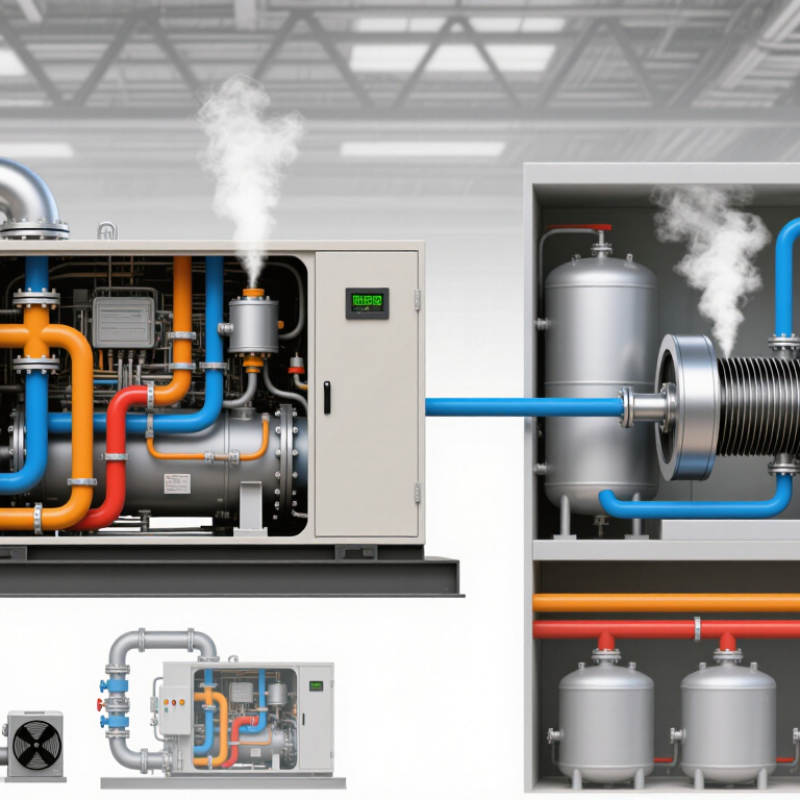
How to Choose the Right CHP Generator Set Efficiency Rating?

Understanding CHP Generator Set Efficiency Ratings

Understanding CHP Generator Set Efficiency Ratings

A CHP generator set has more than one efficiency number. Electrical efficiency shows how much fuel becomes usable electricity. Thermal efficiency measures recovered heat. Total efficiency combines both outputs, but only when the heat is actually used. The U.S. EPA’s Catalog of CHP Technologies reports typical total CHP efficiencies of about 65% to 85%, depending on the prime mover and operating conditions. Electrical efficiency alone may range from roughly 25% to 45%. These figures are useful benchmarks, not promises.

Real performance depends on load, fuel quality, exhaust temperature, and maintenance. A unit rated at 40% electrical efficiency may perform poorly if it operates at half load for long periods. Heat recovery also falls when hot water demand changes. The U.S. Department of Energy notes that CHP projects often achieve 60% to 80% total efficiency when electricity and thermal energy are properly matched. Still, a perfect rating on paper can disappoint. I have seen specifications hide pumping, cooling, and control-system losses. Those details deserve attention.

Tips: Compare net electrical efficiency, not gross output. Request part-load curves and parasitic-load data. Check whether recovered heat meets your actual temperature requirements. Review at least twelve months of site demand before selecting a rating. A smaller set running steadily may outperform a larger, impressive-looking unit. Mistakes happen. Better data reduces them.

How to Choose the Right CHP Generator Set Efficiency Rating? - Understanding CHP Generator Set Efficiency Ratings

CHP Generator Set Category Typical Electrical Efficiency Typical Recoverable Thermal Efficiency Typical Total CHP Efficiency Common Electrical Output Range Typical Applications Key Selection Consideration
Small reciprocating-engine CHP 30%–38% 40%–50% 70%–85% 10–500 kWe Small commercial buildings, farms, workshops, and small industrial facilities Choose a unit that can operate for long periods at a stable load and has suitable heat-recovery controls.
Medium reciprocating-engine CHP 35%–43% 40%–50% 75%–90% 500 kWe–5 MWe Hospitals, hotels, universities, food processing, and light manufacturing Compare full-load and part-load efficiency because annual operating hours and load variation strongly affect savings.
Large reciprocating-engine CHP 40%–48% 42%–50% 80%–92% 5–20 MWe Large industrial plants, district energy systems, and continuous-process facilities Prioritize fuel efficiency, service intervals, emissions compliance, and the ability to match a continuous thermal demand.
Microturbine CHP 25%–33% 45%–55% 65%–85% 30–500 kWe Commercial buildings, wastewater facilities, remote sites, and low-maintenance installations Evaluate performance at the expected ambient temperature, gas pressure, and operating load rather than at rated conditions only.
Gas-turbine CHP 28%–40% 45%–55% 70%–90% 1–50+ MWe Large facilities requiring high-temperature steam or process heat A strong option when high-grade heat is continuously required; electrical efficiency usually decreases at part load.
Fuel-cell CHP 40%–60% 20%–40% 60%–85% 50 kWe–3 MWe Sites needing low local emissions, quiet operation, and reliable distributed power Check fuel availability, stack replacement requirements, thermal demand, and total lifecycle cost.
How to interpret the ratings: Electrical efficiency is the useful electrical output divided by the fuel input. Recoverable thermal efficiency is the useful heat recovered from the engine, exhaust, or cooling system divided by the fuel input. Total CHP efficiency is the combined useful electrical and thermal output divided by the fuel input. Actual performance varies with load, ambient conditions, fuel quality, installation design, and heat-recovery temperature.

Identifying Your Site’s Heat and Power Requirements

How to Choose the Right CHP Generator Set Efficiency Rating?

Identifying your site’s heat and power requirements should come before comparing efficiency ratings. Record electrical demand at 15-minute intervals. Include weekdays, weekends, seasonal changes, and startup peaks. Review utility bills, boiler fuel use, and process schedules. A monthly average can mislead. It hides the cold morning peak.

Compare the site’s coincident electrical and thermal loads. CHP performs best when both outputs are useful at the same time. If a facility needs 500 kilowatts of electricity but only 200 kilowatts of usable heat, a large unit may waste energy. Measure hot-water temperatures, steam flow, and return temperatures where possible. Check whether thermal storage can absorb short-term differences. Small details matter.

In field assessments, a neat spreadsheet can still produce an oversized generator set. The error often comes from assuming full-load operation all year. Review minimum loads and planned maintenance periods. Ask operators how demand changes during holidays, shutdowns, and extreme weather. Also separate recoverable heat from heat that cannot reach the process. This distinction affects practical efficiency more than a headline rating. A lower-rated unit may deliver better annual results if it follows the site’s real load profile. Recheck the assumptions before approving the final size.

Comparing Electrical, Thermal, and Total Efficiency

Choosing a CHP generator set requires more than reading one efficiency percentage. Electrical efficiency shows how much fuel energy becomes usable electricity. Thermal efficiency measures recovered heat from exhaust, jacket water, and oil circuits. Total efficiency combines both outputs.

Numbers can mislead. A set may achieve 42% electrical efficiency at full load, but your facility may operate near 65% load for most of the year. Actual performance can then differ noticeably. Ask for test conditions, fuel basis, ambient temperature, and part-load curves. Confirm whether figures use lower or higher heating value. These details matter.

Thermal efficiency deserves closer inspection. Heat at 85°C may suit domestic hot water, but it cannot replace a high-temperature industrial process without additional equipment. I have seen projects report impressive thermal recovery while exporting excess heat during summer. That output has little practical value. Calculate annual heat demand, operating hours, and seasonal variation before selecting the set.

Total efficiency becomes meaningful only when electricity and heat are consumed effectively. A 90% total rating is not automatically better than an 80% rating with steadier heat demand. Measure parasitic loads from pumps, cooling fans, and controls as well. Their electricity use reduces the net result. A spreadsheet may still miss maintenance downtime, fouled heat exchangers, or changing production schedules. Review those uncertainties honestly before approving the final rating.

Evaluating Fuel Use, Operating Conditions, and Load Profiles

Choosing a CHP generator set requires more than comparing advertised efficiency percentages. Fuel efficiency depends on electrical output, recoverable heat, and the fuel’s lower heating value. The U.S. Environmental Protection Agency’s Catalog of CHP Technologies reports typical total CHP efficiencies of roughly 65% to 80% for reciprocating engine systems. Electrical efficiency alone is often much lower, commonly around 30% to 42%. That difference changes the purchasing decision.

Load profile matters every hour. A facility operating near full load can use fuel efficiently, especially when hot water or steam demand remains steady. A site with short peaks and long idle periods may experience poorer part-load performance. The U.S. Department of Energy notes that CHP economics improve when thermal energy is used consistently. A generator rated at 1,000 kW may look attractive, yet running it at 300 kW for most of the year can weaken the result. Real sites vary.

Review at least twelve months of interval data. Check weekday demand, seasonal heating needs, shutdowns, and minimum stable load. Compare fuel consumption per kilowatt-hour, not only the nameplate rating. The International Energy Agency’s Energy Efficiency 2023 report also emphasizes that measured operating conditions often determine actual savings. I would avoid selecting the highest-rated unit automatically. A slightly lower electrical rating may perform better if its heat recovery matches the building’s daily demand. That is an uncomfortable detail, but ignoring it can turn a technically impressive system into an expensive underused asset.

Selecting the Best Efficiency Rating for Long-Term Value

Choosing the right CHP generator set efficiency rating requires more than comparing brochure percentages. Long-term value depends on how often the system operates near its rated load. A highly efficient unit may underperform if the site needs less electricity or heat.

The U.S. Environmental Protection Agency’s CHP Partnership reports typical CHP systems achieving 60–80% total efficiency. The U.S. Department of Energy also identifies 65–75% as a common range for modern CHP performance. These figures include useful electrical and thermal output. However, they can change with fuel quality, ambient temperature, maintenance, and operating hours.

Payback needs careful testing.

A 2% efficiency gain may look attractive, but it may not recover its higher purchase cost. Annual fuel savings, heat demand, service intervals, and expected load should guide the decision. The IEA has repeatedly highlighted efficiency as a major factor in reducing energy costs and emissions. Still, real sites rarely perform perfectly. Part-load operation is often overlooked. That mistake can quietly erase projected savings.

Part-load operation is often overlooked. That mistake can quietly erase projected savings.

Tips:

Request verified part-load data, not only peak ratings.
Compare total efficiency and electrical efficiency separately.
Ask for test conditions and independent certification.
Model seasonal heat demand using hourly data.
Include downtime and maintenance costs.

A smaller unit running steadily may deliver better lifetime value than a larger, higher-rated set. That feels less impressive, but it is often more practical.

FAQS

What should be measured before choosing a CHP generator set?

Record electrical demand at 15-minute intervals for at least twelve months. Include weekdays, weekends, seasons, shutdowns, and startup peaks. Monthly averages can hide a cold morning surge.

Why must electrical and thermal loads be assessed together?

CHP works best when electricity and recovered heat are useful simultaneously. Compare electrical demand with hot-water or steam requirements. An oversized unit may waste heat.

What measurements help evaluate usable heat?

Measure hot-water temperatures, steam flow, and return temperatures. Check whether thermal storage can absorb short-term differences. Small details matter.

Is the highest efficiency rating always the best choice?

No. A lower-rated unit may produce better annual results when it matches the site’s real load. Advertised ratings do not show every operating condition.

How does part-load operation affect fuel efficiency?

Running far below the rated output can reduce practical efficiency. A 1,000-kilowatt unit operating near 300 kilowatts may perform poorly. Real sites vary.

What efficiency figures are common for CHP systems?

Total CHP efficiency commonly ranges from about 65% to 80% for reciprocating engine systems. Electrical efficiency alone is often around 30% to 42%. These figures are not interchangeable.

Which operating data should be reviewed before final sizing?

Review minimum loads, seasonal heating demand, maintenance periods, and holiday schedules. Compare fuel used per kilowatt-hour. Recheck every assumption.

How can a neat spreadsheet still produce a poor decision?

It may assume full-load operation throughout the year. It may also count unrecoverable heat as useful output. The estimate can still be wrong.

Conclusion

Choosing the right CHP generator set efficiency rating begins with understanding how efficiently the system converts fuel into useful electricity and heat. If you are asking, “what is a CHP generator set efficiency rating,” it refers to the performance measurement that combines electrical output, thermal recovery, or both. Electrical efficiency shows how much power is produced, thermal efficiency measures useful heat recovery, and total efficiency reflects the combined energy benefit.

The best rating depends on your site’s actual heat and power requirements, operating schedule, and load profile. Evaluate whether demand is steady or variable, how much recovered heat can be used, and how fuel consumption changes under different operating conditions. A system with a high total efficiency rating may not deliver the best value if its thermal output exceeds your needs. By matching efficiency characteristics with long-term energy demand, fuel costs, maintenance expectations, and future operating plans, you can select a CHP generator set that provides reliable performance and stronger overall value.

Liam

Liam

Liam is a dedicated marketing professional with a profound expertise in the industry, where he excels at highlighting the unique advantages of our core products. With a keen understanding of market trends and consumer needs, Liam frequently updates our company’s professional blog, providing......