When exploring how long can a diesel generator run continuously, several factors come into play. Diesel generators are known for their durability and efficiency. They can operate for extended periods, making them ideal for emergencies and industrial use. However, running a generator for too long without breaks may affect its performance.
The key to maximizing a generator's lifespan lies in proper maintenance and operational considerations. Cooling systems, fuel quality, and load balance significantly impact performance. If the generator runs under constant heavy loads for too long, it may overheat or experience mechanical failures.
Understanding how long a diesel generator can run continuously requires careful monitoring. Users often overlook the importance of regular checks. Neglecting maintenance can lead to breakdowns and costly repairs. By assessing each factor, you can ensure reliable operation while maximizing efficiency.
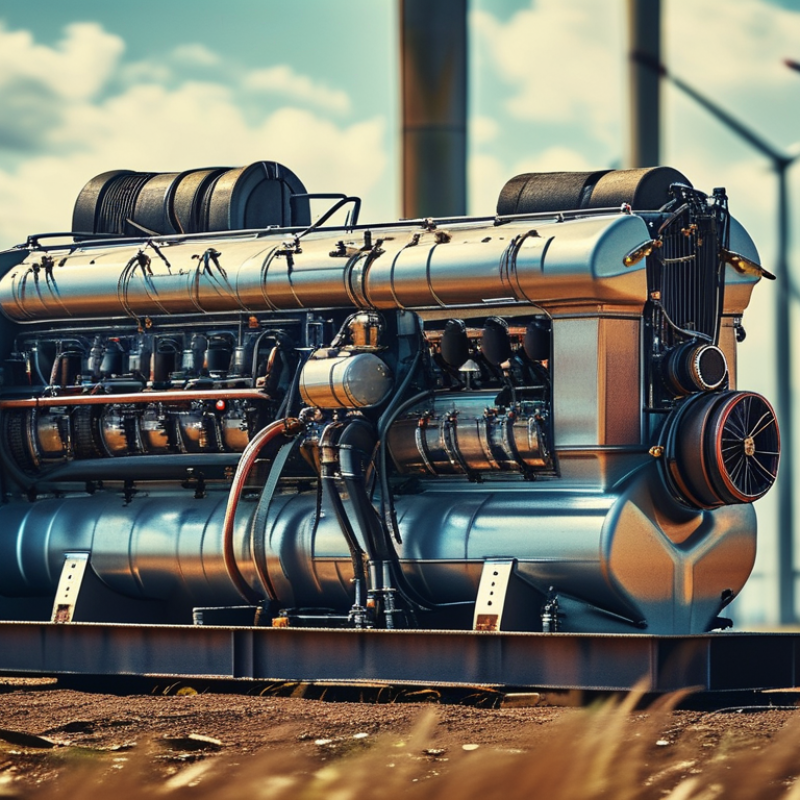
Understanding diesel generator operation and performance is crucial for maximizing efficiency. Diesel generators convert fuel into mechanical energy. This energy powers electrical systems. Understanding their operation helps users achieve reliable, consistent performance.
Continuous use should not exceed recommended limits, usually between eight to twelve hours. Running beyond this can lead to overheating and premature wear. Additionally, frequent maintenance is necessary for optimal function. Clean air and fuel filters help prevent clogging.
Tips: Inspect the oil level regularly to ensure smooth operation. Running the generator at optimal load enhances its lifespan. Monitoring exhaust emissions is vital for safety. A well-maintained generator runs more efficiently and can handle longer operational hours.
| Operating Time (Hours) | Performance Level | Maintenance Interval (Hours) | Cooling Requirement (Degrees Celsius) |
|---|---|---|---|
| 0-24 | Optimal | 24 | 50-70 |
| 25-48 | Good | 48 | 55-75 |
| 49-72 | Moderate | 72 | 60-80 |
| 73+ | Reduced Performance | 120 | 65-85 |
Diesel generators are known for their reliability, but several factors influence their continuous run time. One critical factor is the load it carries. Running a generator at high load continuously can lead to overheating and wear. Ideally, a diesel generator should operate around 70-80% of its rated capacity for optimal performance.
Another important consideration is cooling. Generators require proper ventilation to dissipate heat. Inadequate cooling can shorten runtime and damage components. Regular cleaning of air filters and ensuring unobstructed airflow helps maintain ideal operating temperatures.
Tips: Regularly check the oil and coolant levels. Changing them according to the manufacturer’s guidelines is essential. This practice enhances performance and longevity.
Fuel quality also plays a significant role. Contaminated fuel can cause engine issues, leading to reduced efficiency. Using clean, high-quality diesel ensures smoother operation and maximizes run time.
Finally, maintenance cannot be overlooked. Scheduled inspections and addressing minor issues promptly can prevent major breakdowns. Attention to detail in maintenance checks leads to better reliability and continuous performance.
When it comes to diesel generator operation, understanding the recommended limits is essential for optimal performance. Most experts suggest running a diesel generator continuously for 8 to 12 hours at a time. This timeframe allows the generator to operate efficiently without overheating. Continuous use beyond this period may strain the machinery.
Frequent inspections and maintenance are crucial. Check oil levels, coolant, and filters regularly. Neglecting these checks can lead to severe issues. For instance, running a generator for 24 hours straight without a break is often not advised, as this can compromise its longevity. Power output should also be monitored closely; exceeding the generator’s rated capacity can cause damage.
Pay attention to the specific environment where the generator operates. Factors like temperature and humidity influence performance. High temperatures may require more frequent breaks. Each generator is unique, so always refer to the operator's manual for tailored advice. Adjusting your operating practices based on these insights can enhance reliability and performance.
Regular maintenance is crucial for optimal diesel generator performance. Start by checking the oil levels weekly. Change the oil and filters as recommended. This practice prevents engine wear and extends the generator's lifespan. Inspect the fuel system regularly. Look for leaks or contamination. A clean fuel system ensures efficient combustion and reduces emissions.
Monitor the cooling system as well. Ensure coolant levels are adequate and the radiator is clean. Overheating can lead to significant damage. Battery maintenance is often overlooked. Keep terminals clean and connections tight to avoid starting issues. Address any corrosion promptly.
Finally, conduct load tests periodically. They reveal if the generator can handle operational demands. Document all maintenance activities. This record builds reliability and aids troubleshooting. It is easy to overlook small details, but they significantly impact performance. Each step counts toward a well-functioning diesel generator.
Operating a diesel generator continuously can lead to signs of overuse that every operator should recognize. It is essential to monitor the generator’s temperature. If the engine overheats, it may become less efficient. Unusual noises can also signal trouble. Listen for any irregular sounds, such as knocking or grinding. These noises often indicate mechanical issues.
Additionally, excessive smoke emissions are a clear sign of overuse. Black smoke shows that the engine is not burning fuel efficiently. This can lead to costly repairs if ignored. Regularly checking oil levels is also vital; low oil can cause serious engine damage. Operators should develop a routine for maintenance checks and not rely solely on the generator's automatic features.
It is crucial to understand when to shut down the diesel generator. Continuous running can reduce lifespan and performance. Following a consistent operating schedule can enhance longevity and efficiency. Taking breaks allows the generator to cool and reduces wear. Operators must be attentive to these signs and act proactively. Ignoring them can lead to significant problems down the line.
: The ideal load is 70-80% of its rated capacity for optimal performance.
Proper cooling prevents overheating and component damage, ensuring longer run time.
Regularly clean air filters and ensure unobstructed airflow to maintain ideal temperatures.
Check these levels weekly and change them according to guidelines for better performance.
Always use clean, high-quality diesel to ensure smoother operation and maximize run time.
It's best to run it for 8 to 12 hours at a time to avoid overheating.
This can strain the machinery and compromise its longevity significantly.
Regularly inspect oil, coolant, filters, and the fuel system to prevent severe issues.
High temperatures may require more frequent breaks to maintain efficiency and prevent damage.
Keeping records aids troubleshooting and helps build reliability over time, despite being easy to overlook.
Understanding how long a diesel generator can run continuously is crucial for maximizing its performance and efficiency. Several factors influence the continuous run time, including load capacity, ambient temperature, and fuel quality. To achieve optimal operation, it is recommended to follow specific operational limits and implement regular maintenance practices. This includes routine inspections and timely servicing to prevent breakdowns.
Signs of overuse, such as unusual noises or overheating, indicate when it may be necessary to shut down the generator to avoid damage. By adhering to these guidelines and recognizing the important indicators of performance, operators can ensure that their diesel generators provide reliable power for extended periods while maintaining their longevity.

Gods Power