Why Is My Diesel Generator Smoking Black Troubleshooting Tips?

Time:2026-06-12 Author:Oliver
0%

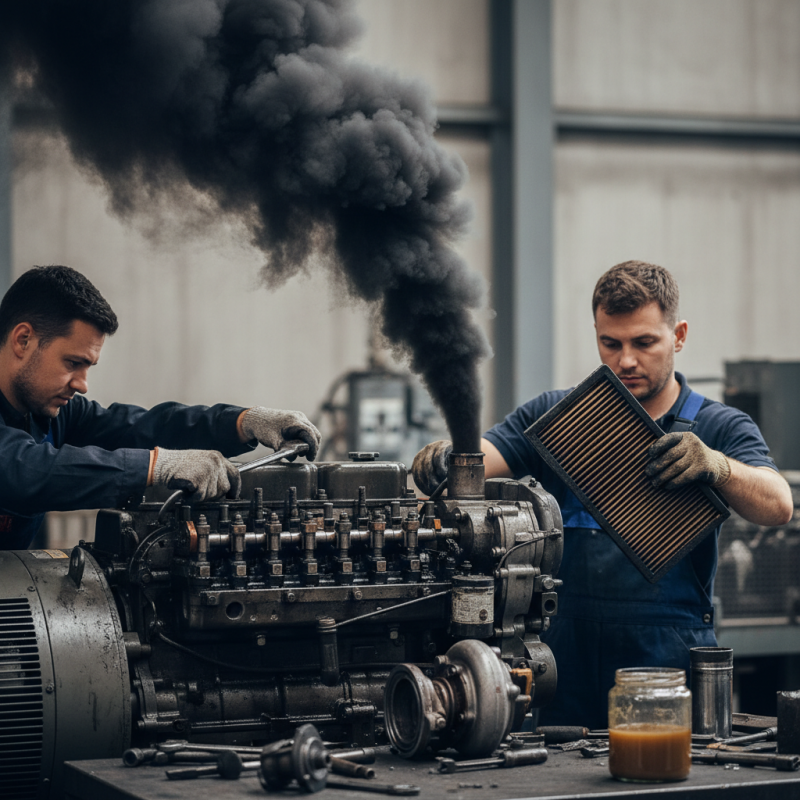
If you're noticing issues with your diesel generator, particularly when it begins to smoke black, it's essential to delve into the problem. Understanding "why is my diesel generator smoking black" is crucial for effective troubleshooting. Black smoke typically indicates an issue with fuel combustion. Fuel injectors, air filters, or turbochargers could be the culprits.

Addressing these issues involves proper diagnosis. In many cases, lack of air supply leads to incomplete combustion. This can be a direct result of clogged air filters. Furthermore, poor quality fuel may also contribute to the problem. Inspecting the fuel system is a logical step.

However, it’s worth noting that not every issue is straightforward. A generator might smoke black due to multiple factors working together. It's important to approach each symptom with a careful, analytical mindset. This will help you design a more comprehensive troubleshooting strategy for your generator's performance. Taking these steps will help you restore your generator to its optimal functioning state.
Why Is My Diesel Generator Smoking Black Troubleshooting Tips?

Common Causes of Black Smoke in Diesel Generators

Black smoke from a diesel generator is a common concern. It often indicates improper combustion. Understanding the causes can help in troubleshooting effectively.

One major reason for black smoke is an incorrect air-fuel mixture. If the engine receives too much fuel and not enough air, it leads to incomplete combustion. This often occurs in dirty air filters. A blocked filter restricts airflow. Regular maintenance checks can prevent this issue. Clean air filters ensure better performance.

Another factor could be worn injectors. Faulty injectors do not atomize fuel properly. This leads to larger fuel droplets, resulting in black smoke. Inspecting and replacing injector nozzles can improve combustion. It’s also essential to use the right fuel. Poor-quality or contaminated diesel may cause similar problems.

DIESEL GENERATOR BLACK SMOKE CAUSES

The bar chart above displays the common causes of black smoke from diesel generators as a percentage of total cases. The leading cause is poor fuel quality, followed by injector problems and air filter issues. Understanding these causes can help in effectively troubleshooting and maintaining your diesel generator.

Understanding the Function of Air-Fuel Mixture in Diesel Engines

The air-fuel mixture is crucial for the efficient operation of diesel engines. A well-balanced mixture ensures optimal combustion. If the mix is too rich, it can lead to incomplete combustion. This often results in black smoke from the exhaust. Understanding how air and fuel interact in the engine can help troubleshoot these issues.

In a diesel engine, the air-fuel ratio significantly impacts performance. Diesel engines require precise amounts of air and fuel to burn efficiently. An excess of fuel can occur for various reasons. A malfunctioning injector or clogged air filter can disrupt the balance. This can compromise the engine's efficiency and increase emissions. Observing the smoke can provide insight into the underlying problems.

When troubleshooting diesel smoke, inspect key components. Start with the air filter; a dirty filter limits airflow. Check the injectors for clogs or malfunctions. Sometimes, the issue lies in the fuel used; substandard fuel can worsen smoke problems. Understanding how these factors interplay allows for better diagnosis and improved engine performance.

Signs of Over-Fueling and Its Impact on Generator Performance

Diesel generators are workhorses, providing reliable power. However, black smoke is a common sign of over-fueling. This occurs when the engine receives too much fuel compared to the air needed for combustion. Over-fueling can lead to serious performance issues, including reduced efficiency and increased wear.

Signs of over-fueling can be quite noticeable. Black smoke indicates incomplete combustion. You might also notice a sluggish response from the generator. Excessive fuel can cause the engine to run hotter. It may also result in unburned fuel collecting in the exhaust. These symptoms require prompt attention. Ignoring them could lead to engine damage.

Maintenance is key to preventing these issues. Regularly check the fuel system for leaks. Fuel injectors should be clean and functioning properly. The air filter must be unobstructed, ensuring adequate airflow for combustion. Reflect on your current maintenance routine. Are you inspecting these critical components regularly? Taking these steps can help you maintain your generator’s performance and extend its lifespan.

Troubleshooting Steps for Identifying Black Smoke Issues

Black smoke from a diesel generator is a sign of underlying issues that need addressing. When your generator emits thick black smoke, it indicates incomplete combustion of fuel. This could be due to several factors that require careful examination.

One of the first steps is to check the air filter. A clogged filter restricts airflow, causing an improper fuel-to-air ratio. This imbalance often results in black smoke. Ensure the filter is clean; replace it if necessary. Additionally, inspect the fuel injectors. Dirty or malfunctioning injectors can spray too much fuel, leading to excessive smoke.

Regular maintenance is crucial. Keep track of servicing and fuel quality. Poor fuel can lead to impurities that affect combustion. If you notice persistent smoke after routine checks, consider consulting a professional. Sometimes, there may be deeper mechanical issues at play—these require expert analysis. Don't ignore the smoke; it can signal problems that, if left unresolved, could lead to costly repairs.

Preventive Measures to Reduce Black Smoke Emissions

Black smoke from diesel generators is a common issue that requires attention. Many factors can contribute to this problem, including fuel quality and engine tuning. According to a report by the U.S. Environmental Protection Agency, improper combustion accounts for nearly 70% of black smoke emissions in diesel engines. Therefore, understanding preventive measures is crucial.

One effective way to reduce black smoke is by ensuring optimal air-to-fuel ratios. Research suggests that maintaining a 14.7:1 ratio is ideal for complete combustion. Regularly inspecting and maintaining fuel injectors can also help. Clogged injectors lead to poor atomization of fuel, which results in incomplete combustion. This can increase smoke output significantly.

Using high-quality fuel is another important preventive measure. Low-quality diesel often contains higher levels of sulfur and particulates, which contribute to smoke. The American Society for Testing and Materials (ASTM) provides standards for diesel fuel quality. Adhering to these standards can lead to better engine performance and lower emissions. Continued monitoring and adjustments are necessary. Operators should remain vigilant and responsive to engine performance metrics.

Why Is My Diesel Generator Smoking Black Troubleshooting Tips? - Preventive Measures to Reduce Black Smoke Emissions

Issue Description Preventive Measure Recommended Action
Fuel Quality Using contaminated or poor-quality fuel can cause black smoke. Use clean and high-quality diesel fuel. Regularly check and replace fuel filters.
Air Filter Clogged air filters restrict airflow, contributing to improper combustion. Inspect and replace air filters regularly. Clean the air intake system frequently.
Injector Issues Malfunctioning or dirty injectors can lead to uneven fuel spray. Perform periodic injector maintenance and cleaning. Consider professional cleaning or replacement if needed.
Engine Timing Incorrect engine timing can cause fuel to ignite at the wrong moment. Ensure proper timing adjustments in the engine. Consult a technician for timing checks.
Load Management Running at too low or too high a load can affect combustion efficiency. Operate the generator within the recommended load range. Regularly monitor load and adjust as necessary.

FAQS

: What is the importance of the air-fuel mixture in diesel engines?

: A well-balanced air-fuel mixture ensures optimal combustion and efficient engine operation.

What happens if the air-fuel mixture is too rich?

An overly rich mixture can cause incomplete combustion, resulting in visible black smoke.

How can I troubleshoot diesel smoke issues?

Start by checking the air filter and fuel injectors for clogs or malfunctions.

Why is a clean air filter important?

A dirty air filter restricts airflow, leading to an improper fuel-to-air ratio and black smoke.

What role does fuel quality play in engine performance?

Low-quality fuel can create impurities, worsening smoke problems and affecting combustion efficiency.

What preventive measures can reduce black smoke emissions?

Optimizing the air-to-fuel ratio and using high-quality fuel can significantly help.

How often should I perform maintenance on the diesel engine?

Regular maintenance is crucial to track performance and prevent smoke-related issues.

Can deep mechanical issues cause excessive smoke?

Yes, persistent smoke may indicate deeper mechanical problems requiring professional analysis.

How can I maintain effective fuel injectors?

Regular inspections and cleaning of fuel injectors promote better fuel atomization and reduce smoke.

What is the ideal air-to-fuel ratio for diesel combustion?

Maintaining a 14.7:1 ratio is suggested for achieving complete combustion and minimizing emissions.

Conclusion

Understanding "why is my diesel generator smoking black" involves exploring several common causes, primarily related to the air-fuel mixture in diesel engines. An improper mixture can lead to over-fueling, where excessive fuel is injected, resulting in black smoke emissions. It's crucial to recognize the signs of over-fueling, such as decreased performance and increased fuel consumption, as these can significantly impact generator efficiency.

To troubleshoot black smoke issues, one should follow systematic steps, including checking the fuel filters, injectors, and air intake systems. Additionally, implementing preventive measures like regular maintenance and air filter replacements can significantly reduce black smoke emissions. By addressing these factors, generator owners can improve performance and extend the life of their diesel generators.

Oliver

Oliver

Oliver is a seasoned marketing professional with a wealth of expertise in driving brand awareness and engagement. With a deep understanding of our company's product offerings, he consistently delivers high-quality content that enriches our professional blog. His insights not only shed light on......