Understanding how to calculate generator fuel consumption per hour is crucial for both efficiency and cost management. According to the U.S. Energy Information Administration, generators typically consume between 0.4 to 0.5 gallons of fuel per hour for every kW of power produced. This statistic underscores the significant impact fuel consumption can have on operational costs.
Accurate calculations can help organizations optimize their fuel efficiency. Many factors influence fuel consumption, such as load capacity, generator type, and maintenance. For instance, a well-maintained diesel generator can perform at a higher efficiency compared to an older model. Therefore, knowing how to calculate generator fuel consumption per hour not only aids in budget planning but also in reducing environmental impact.
However, achieving precise calculations is not always straightforward. Variability in fuel quality and environmental conditions can lead to deviations in expected consumption rates. Thus, continuous monitoring and adjustment are necessary for accuracy. The complexity of these factors should not deter users; instead, it should encourage diligence in learning and applying effective calculation methods.
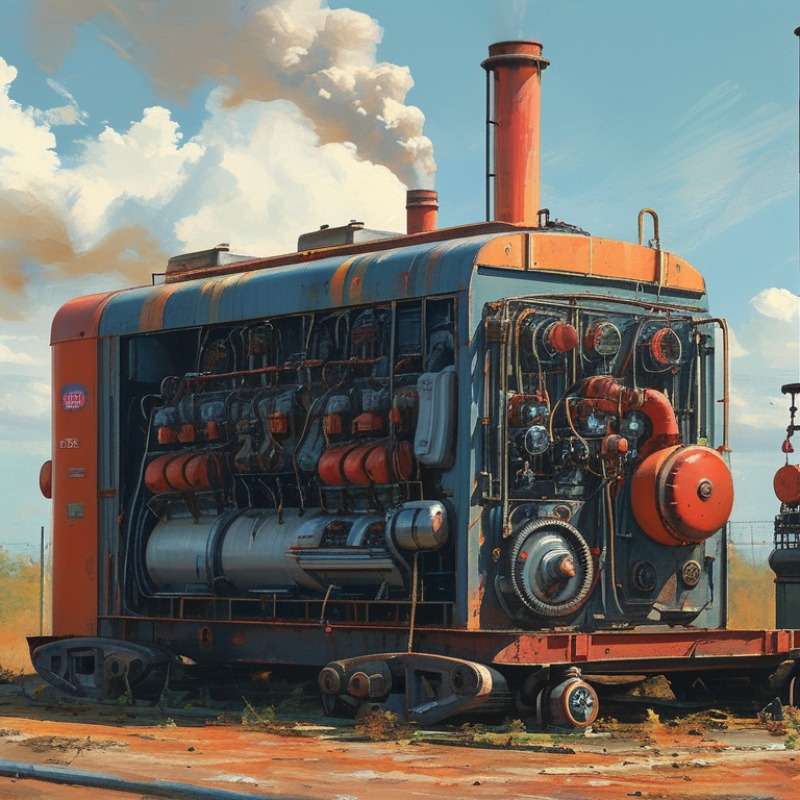
Understanding generator fuel consumption is essential for efficient operations. A generator’s fuel consumption directly impacts operating costs and environmental effects. According to a report by the U.S. Department of Energy, fuel consumption varies by generator size, load capacity, and efficiency. Small portable generators might consume around 0.5 gallons of fuel per hour at a 50% load. In contrast, larger industrial generators can consume as much as 10 gallons per hour at full load.
The efficiency of generators also plays a crucial role. Generators often have an optimal load range where they operate most efficiently. Outside this range, fuel consumption can increase significantly. A study shows that operating a generator below 30% of its capacity can lead to up to 20% extra fuel usage. This aspect begs a deeper reflection on operational practices to minimize waste and costs.
Not all generators are created equal. Factors such as age, maintenance, and operating conditions can influence fuel consumption rates. Regular maintenance can alleviate many issues that cause excessive fuel consumption. However, inadequate attention to these factors can lead to inefficient fuel use that strains budgets and increases carbon footprints. Understanding these nuances is vital for any generator operator.
This chart illustrates the average fuel consumption of generators based on their power output. Understanding how different generators consume fuel can help you choose the right unit for your needs, ensuring efficiency and cost-effectiveness.
When calculating the fuel consumption of generators, several key factors come into play. The generator’s load capacity plays a crucial role. A unit running at full capacity will consume more fuel compared to one operating at a lower load. It's essential to monitor how much electricity is needed at any given time. Variability in demand can lead to significant fluctuations in fuel usage.
Another important factor is the type of fuel being used. Different fuels have varying energy densities, impacting how efficiently a generator operates. Diesel generators, for example, are often more efficient than gasoline models. Engine condition also matters. A well-maintained generator will run more efficiently and consume less fuel. Regular checks can prevent performance issues that lead to increased consumption.
Environmental conditions can’t be overlooked, either. Extreme temperatures can affect engine performance. For instance, cold weather may require more fuel for optimal operation. Awareness of these elements can sharpen your approach to fuel management. Observing consumption patterns can lead to better strategies for reducing waste and enhancing efficiency. The goal is not just to monitor usage but to understand the underlying reasons for any significant changes.
Calculating the hourly fuel consumption of a generator is essential for efficient operation. Start by understanding the generator's capacity, usually measured in kilowatts (kW). This capacity helps you estimate how much fuel will be consumed based on the load. Many generators have a fuel consumption specification, often listed as liters or gallons per hour at different load levels.
To calculate fuel consumption, you'll need to know the generator's efficiency and the type of fuel used. For instance, if a generator consumes 0.4 liters per kWh, and you plan to run it at a 50 kW load for an hour, your calculation would be straightforward. Multiply 0.4 liters by 50 kW, resulting in 20 liters for one hour.
Remember, these calculations can vary. Factors like maintenance, age, and ambient temperature can affect fuel efficiency. If you notice an unexpected increase in fuel consumption, it may signal a need for servicing or adjustments. Keep track of your generator's performance over time for accurate predictions and cost management. Strive for precision, but accept that estimations might not always align perfectly with actual usage.
When assessing generator fuel consumption, understanding the units of measurement is crucial. Commonly used units include gallons per hour (GPH), liters per hour (LPH), and cubic meters per hour (CMH). These units allow users to gauge how much fuel their generator consumes. Comparatively, GPH is prevalent in the United States, while LPH is common in many other regions.
Different generators will exhibit varying fuel consumption rates based on load and efficiency. A smaller generator may consume around one gallon per hour under half-load, while a larger model can consume several gallons under full capacity. It’s vital to consider these figures when planning fuel purchases. Compressing this information can be challenging, especially when trying to apply it practically.
Reflecting on fuel consumption can reveal deeper insights. Users often underestimate their generator's needs, leading to unexpected runouts. Regular monitoring helps to avoid such oversights. Miscalculating can result in costly downtime. Understanding unit conversions is also important. It fosters a better grasp of fuel efficiency, helping users make informed choices.
When it comes to optimizing fuel efficiency in generators, understanding the mechanics is crucial. Regular maintenance can significantly improve performance. For instance, a clean air filter allows for better airflow. This directly affects fuel consumption. Checking and replacing worn parts can prevent excessive fuel use. These checks should be routine and systematic.
Operating your generator under optimal load can also enhance fuel efficiency. Running a generator at around 70% capacity tends to yield better performance. Additionally, using high-quality fuel can make a noticeable difference. It might be tempting to choose cheaper options, but they might lead to higher consumption.
Another tip is to monitor fuel usage regularly. Keep a log of how much fuel is consumed during operation. Analyzing this data can reveal patterns. If fuel costs rise unexpectedly, it may indicate an issue. Sometimes, your generator might need minor adjustments to run more efficiently. Noticing these details can save costs. Each step you take, no matter how small, contributes to better fuel management.
: Fuel consumption varies by generator size, load capacity, and efficiency.
Small portable generators can use about 0.5 gallons per hour at 50% load.
Operating below 30% capacity can increase fuel usage by up to 20%.
Regular maintenance ensures efficient operation and can reduce excessive fuel use.
Generators at full capacity consume more fuel than those at a lower load.
Extreme temperatures can affect engine performance and increase fuel needs.
Common units include gallons per hour (GPH), liters per hour (LPH), and cubic meters per hour (CMH).
Regular monitoring and understanding usage patterns can prevent unforeseen shortages.
Different fuels vary in energy density. Diesel units are usually more efficient than gasoline ones.
Miscalculations can lead to costly downtime and operational delays.
To effectively determine how to calculate generator fuel consumption per hour, it is essential to grasp the fundamental principles of fuel consumption in generators. Various factors, such as load demands, generator efficiency, and environmental conditions, can significantly influence fuel usage. Understanding these elements will provide a clearer picture of consumption patterns.
The process of calculating hourly fuel consumption involves straightforward steps, including assessing the generator's output and fuel type. Familiarity with common units of measurement, such as gallons or liters per hour, is also necessary. To enhance overall fuel efficiency, implementing strategies like regular maintenance and load management can lead to substantial savings and optimal performance in generator operation.

Gods Power