Generator overspeed can lead to serious equipment failure. Understanding "what causes a generator to overspeed" is crucial for prevention. Dr. Alex Thompson, a leading expert in power systems, states, “Overspeed events can occur due to various operational factors, often linked to improper load conditions.”
When a generator operates beyond its design speed, it risks catastrophic damage. Common causes include loss of load, mechanical faults, and control system failures. Each factor can create imbalances that push the generator toward overspeed. For instance, a sudden drop in electrical demand can leave the generator spinning too rapidly.
Prevention is key. Regular maintenance checks can identify weaknesses. Also, incorporating advanced control systems helps manage load fluctuations better. Operators must stay vigilant. It's not just about fixing problems; it's about understanding them. Awareness of potential overspeed issues is essential in the industry.
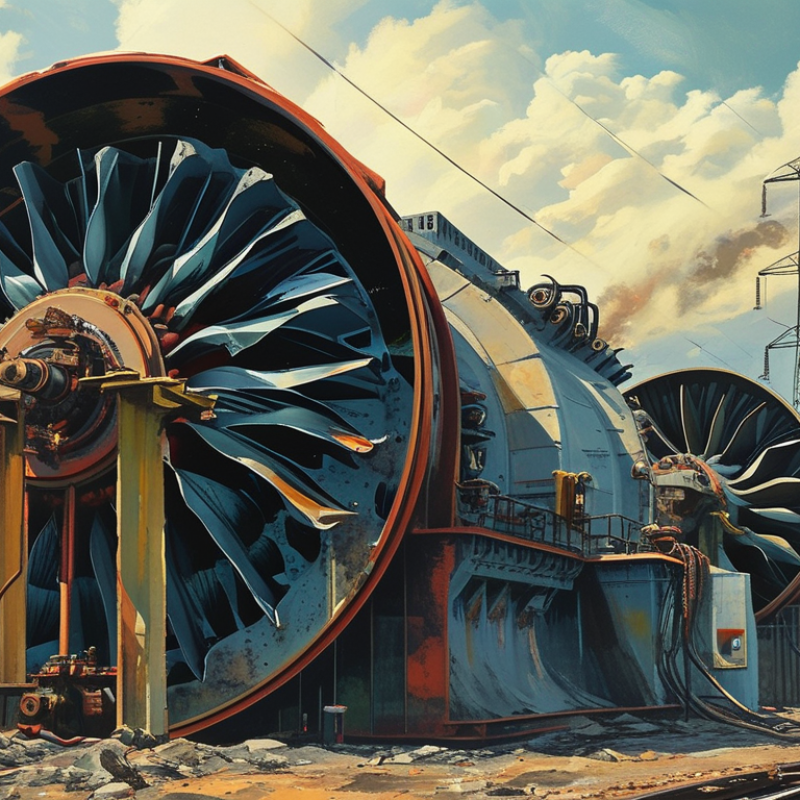
Generator overspeed refers to a condition where a generator's rotational speed exceeds safe limits. This phenomenon can lead to severe mechanical failures. Understanding generator overspeed is crucial in power generation systems. It can result in significant damage, impacting safety and financial losses. Monitoring and controlling the speed of generators is vital for operational integrity.
Several factors contribute to generator overspeed. One common cause is a loss of load. When the electrical load decreases suddenly, the generator may run faster than intended. Faulty governor systems can fail to regulate speed properly. Environmental factors, such as temperature fluctuations, also play a role. Operators must be vigilant and proactively address these issues.
Preventive measures are essential. Regular inspections and maintenance can help identify potential problems early. Staff training on managing unexpected load changes is critical. Implementing automatic speed control systems ensures a swift response to overspeed conditions. Remember, oversight in these areas can lead to costly repairs and downtime, highlighting the importance of continuous monitoring.
| Cause | Description | Prevention Method |
|---|---|---|
| Fuel Control Malfunction | Inaccurate fuel delivery can cause the generator to exceed its nominal speed. | Regular maintenance and testing of fuel systems. |
| Load Shedding Issues | Sudden changes in load can lead to overspeed if not managed correctly. | Implement automatic load shedding controls. |
| Governor Failure | A malfunctioning governor can fail to regulate speed properly. | Routine checks and adjustments of governor settings. |
| Mechanical Load Problems | A sudden decrease in the load may lead to an increase in generator speed. | Ensuring consistent load conditions. |
: Generator overspeed occurs when the generator exceeds its designed speed, risking mechanical failures.
Load rejection happens when the generator suddenly loses its load, leading to increased speed.
Fuel control failure disrupts the generator's speed regulation, resulting in potential overspeed conditions.
Risks include mechanical failures, excessive heat, and potential explosions from uncontrolled energy.
Regular maintenance checks are vital. A consistent inspection schedule is recommended.
Yes, improper calibration can lead to overspeed, causing mechanical stress and reducing lifespan.
These systems provide accurate data to adjust settings and prevent load rejection effectively.
Operators should receive proper training in equipment calibration and monitoring to minimize risks.
No, some causes may arise unexpectedly, making it hard to anticipate failures.
Well-maintained generators can last up to 25% longer than those without proper oversight.
Understanding what causes a generator to overspeed is crucial for ensuring reliability and safety in industrial applications. Generator overspeed is defined as a condition where the generator operates above its designated speed, which can lead to significant performance issues and safety hazards. Common causes include mechanical failures, control system malfunctions, and load imbalances, each of which can result in dangerous operational conditions.
The effects of overspeed on generator performance can be severe, potentially leading to equipment damage, increased wear, and even catastrophic failure. To prevent these situations, implementing preventative measures such as regular maintenance, proper monitoring, and establishing best practices for speed stability is essential. By understanding the root causes and effects of overspeed, operators can effectively safeguard their systems and maintain optimal generator performance.

 Gods Power