2026 Best How to Convert a Gasoline Generator to Propane?

Time:2026-09-22 Author:Amelia
0%

Converting a gasoline generator to propane can improve fuel flexibility, storage convenience, and emergency readiness. Yet the process is not simply a matter of attaching a hose. The real question is how to convert a gasoline generator to propane without damaging the engine or creating a dangerous fuel leak.

The U.S. Energy Information Administration reports that propane contains roughly 91,000 Btu per gallon, while motor gasoline contains about 120,000 Btu per gallon. That difference matters. A propane generator may use more fuel for the same electrical output, although actual performance depends on engine design, altitude, load, and regulator settings. The U.S. Department of Energy’s Alternative Fuels Data Center also identifies propane as a widely used alternative fuel with established storage and handling practices. Safer conversion begins with a generator-approved dual-fuel or propane conversion kit. Check the engine model carefully.

Small details matter. A cracked hose, loose fitting, or poorly adjusted demand regulator can turn a useful upgrade into a serious hazard. NFPA 58 and manufacturer instructions emphasize proper cylinders, ventilation, leak inspection, and ignition control. Never test for leaks with a flame. Use an approved leak-detection solution instead.

This guide explains compatible equipment, regulator placement, fuel-line checks, starting procedures, and maintenance considerations. It also questions common online advice, because some “universal” kits are not truly universal. A certified technician should inspect complex installations, especially where local fire codes or warranty requirements apply. Propane is practical, but it is not effortless.
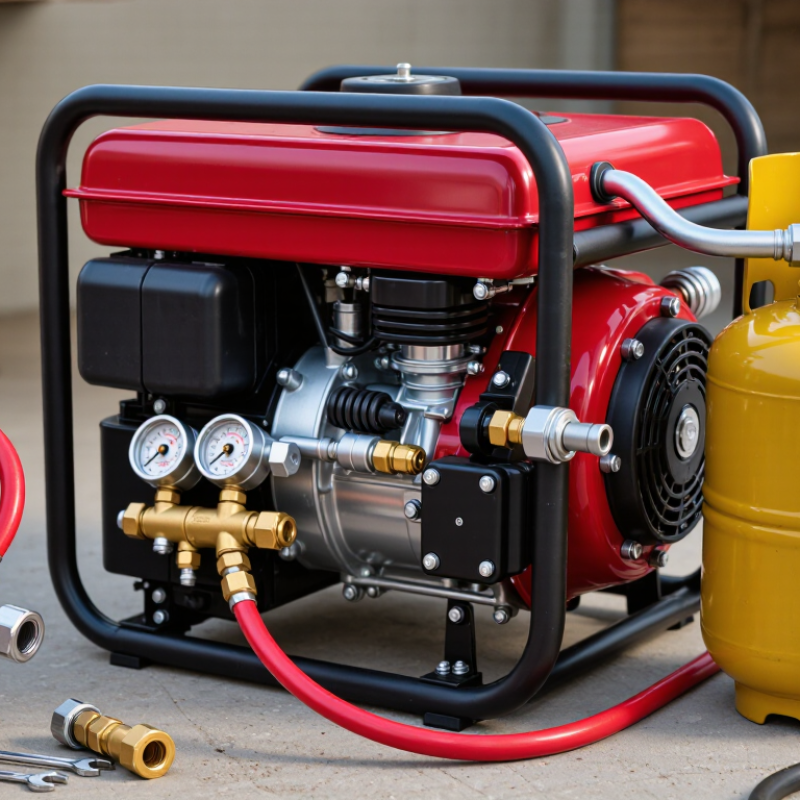
2026 Best How to Convert a Gasoline Generator to Propane?

Understanding Propane Conversion Options for Gasoline Generators

Understanding Propane Conversion Options for Gasoline Generators

Converting a gasoline generator to propane usually involves installing a compatible conversion kit. The kit may include a demand regulator, fuel hose, fittings, and a carburetor adapter. Some systems support dual-fuel operation, allowing gasoline and propane use. Dedicated propane systems are simpler but offer less flexibility.

Compatibility matters more than advertised convenience. Check the generator’s engine design, fuel system, power rating, and operating manual before buying parts. Propane burns differently from gasoline, so output may decrease slightly under heavy loads. A certified technician should inspect connections, ventilation, and regulator pressure. Never test for leaks with a flame. Use approved leak-detection solution instead. No shortcut is worth it.

Tips: Keep the cylinder upright and outside living spaces. Inspect hoses for cracks before each use. Start the generator outdoors, far from doors and windows. Allow the engine to cool before changing fuel sources. Record unusual sounds, weak starting, or unstable power. These details can reveal a poor adjustment early. I would not assume a universal kit fits every engine, because small differences can cause large problems. A careful installation may take longer, but it reduces uncertain repairs later.

Checking Generator Compatibility and Preparing the Required Equipment

2026 Best How to Convert a Gasoline Generator to Propane?

Checking compatibility must come before buying parts. Read the engine and generator manuals carefully. Some gasoline generators support gaseous fuel conversion, while others do not. Confirm the engine’s rated wattage, fuel system design, warranty limits, and emissions requirements. A fitting may look correct and still be unsafe. I learned that the hard way during an equipment inspection.

The U.S. Energy Information Administration reports approximately 91,452 Btu per gallon for propane and 120,214 Btu per gallon for gasoline. Propane therefore provides less energy by volume, so output can decrease under heavy loads. Check the generator’s propane-rated capacity, not only its gasoline rating. Prepare an approved conversion kit, compatible mixer or carburetor adapter, certified hose, regulator, shutoff valve, leak-detection solution, and properly sized propane cylinder. NFPA 58 provides professional guidance for LP-gas storage and handling. Keep the generator outdoors, away from doors, windows, and ignition sources. Propane vapor is heavier than air and can collect in low areas. Do not improvise fittings or regulators. A qualified technician should verify pressure, connections, ventilation, and engine operation before loading the generator. I would also record the starting wattage of every appliance, because small calculation errors become expensive surprises.

Installing a Propane Conversion Kit Step by Step

2026 Best How to Convert a Gasoline Generator to Propane?

Installing a Propane Conversion Kit Step by Step

Choose a conversion kit designed for your generator’s engine model. Read both instruction manuals before touching the fuel system. Work outdoors, away from flames, sparks, and damp ground. Let the generator cool completely. Turn off the gasoline valve, disconnect the spark plug wire, and drain leftover gasoline safely.

Remove the air filter housing if the instructions require it. Install the propane adapter between the carburetor and air intake. Attach the regulator firmly, then connect the approved propane hose. Keep the hose away from hot exhaust parts. Check every fitting with soapy water after opening the propane valve. Bubbles mean a leak. Stop and repair it. Never test for leaks with a flame.

Tips: Start with the generator’s fuel selector in the propane position. Open the cylinder valve slowly. Use the choke only as directed, because propane engines often need less choking. Let the engine run without a load for several minutes. Listen for hunting, coughing, or unusual vibration. Shut it down if anything feels wrong. A second inspection is worthwhile. I still recheck hose clearance after the first test, because heat can reveal mistakes that a cold inspection misses.

Use the generator only in a well-ventilated outdoor area. Do not operate it inside garages, sheds, or near windows. Propane equipment needs careful maintenance. If the engine will not start, close the valve and consult a qualified technician rather than forcing adjustments.

Adjusting Fuel Flow and Starting the Converted Generator

2026 Best How to Convert a Gasoline Generator to Propane?

Adjusting fuel flow is the most delicate part of a gasoline-to-propane conversion. Use a conversion kit approved for the generator’s engine, not a homemade hose connection. Propane needs a demand regulator, correct orifice, and a sealed fuel path. The U.S. Energy Information Administration reports approximately 91,500 Btu per gallon for propane, compared with about 120,000 Btu for gasoline. Therefore, the engine may need different fuel metering and load expectations.

Work outdoors with the generator stopped and the gasoline supply removed. Install the regulator upright, then inspect every connection. Apply an approved leak-detection solution. Bubbles mean stop. Never continue testing.

Open the propane cylinder valve slowly. Start with the choke setting recommended for a cold engine, then reduce the choke after ignition. Let the engine warm for several minutes before applying electrical load. A tachometer can confirm stable speed, while a voltmeter can reveal hunting or voltage drift. Adjust fuel flow only within the conversion kit’s instructions. Too little fuel causes surging and overheating; too much creates rough running and wasted propane. The National Fire Protection Association’s NFPA 58 guidance emphasizes approved components, ventilation, and leak control for LP-gas systems.

My first adjustment would not be “more fuel.” It would be measurement. A generator that starts easily may still run poorly under load. Test with a modest load, record voltage and frequency, then increase demand gradually. If the engine stalls, smells strongly of fuel, or hunts repeatedly, shut it down and have a qualified technician inspect the regulator and mixture.

Testing Performance and Maintaining Safe Propane Operation

Converting a gasoline generator to propane is not only a fuel change. It changes starting behavior, fuel delivery, and load response. A qualified technician should install the approved conversion parts and inspect every connection before testing.

Test the generator outdoors, far from doors, windows, and combustible materials. Start with a cold engine and record the starting time, sound, voltage, and frequency. Then connect a measured electrical load, such as heaters or workshop lights. Increase the load gradually. Watch for hunting, stalling, unusual vibration, or a sharp exhaust smell. Propane may produce slightly different power results. My first test would not rely on one reading; temperature, hose length, and cylinder pressure can affect performance.

Safety checks deserve more attention than peak wattage. Apply an approved leak-detection solution to fittings while the propane valve is open. Bubbles mean stop immediately, close the valve, and repair the connection. Never use a flame to find leaks. Keep cylinders upright, secured, and away from heat. Inspect hoses for cracking before each use. Store the generator outdoors only, and keep carbon monoxide alarms active near occupied areas. Before shutdown, close the fuel valve and let the engine consume the remaining fuel in the line. This step may feel unnecessary, but skipping it can leave pressure in the system. Recheck the equipment after several operating hours, because fittings can loosen after vibration.

FAQS

Can every gasoline generator be converted to propane?

No. Check the manual, engine design, rated wattage, warranty limits, and emissions requirements first. Some models are incompatible.

What equipment is needed for a propane conversion?

Use an approved conversion kit, compatible adapter, certified hose, regulator, shutoff valve, and leak-detection solution. Choose a correctly sized cylinder.

Will propane produce the same power as gasoline?

Not always. Propane contains less energy by volume, so output may decrease during heavy loads. Check the propane-rated capacity.

Who should install the conversion equipment?

A qualified technician should install and inspect it. They should verify pressure, ventilation, connections, and engine operation before testing.

Where should a propane generator operate?

Operate it outdoors, away from doors, windows, combustible materials, and ignition sources. Propane vapor can collect in low areas.

How should the first performance test be conducted?

Start with a cold engine and record starting time, voltage, frequency, and sound. Add measured loads gradually, such as heaters or workshop lights.

What warning signs require immediate shutdown?

Stop for bubbles, stalling, hunting, unusual vibration, or a sharp exhaust smell. Close the valve and repair leaks before restarting.

How can propane equipment be maintained safely?

Keep cylinders upright and secured. Inspect hoses for cracks before every use. Recheck fittings after several operating hours because vibration can loosen them.

What should happen before shutting down the generator?

Close the fuel valve and let the engine consume fuel remaining in the line. This may seem unnecessary, but skipping it leaves pressure inside.

Is one successful test enough?

No. Temperature, hose length, cylinder pressure, and appliance starting wattage can change results. I would repeat the check under realistic loads.

Conclusion

Learning how to convert a gasoline generator to propane begins with understanding the available conversion options and confirming that the generator is compatible with propane use. Before starting, gather a suitable conversion kit, fuel hose, regulator, fittings, leak-detection solution, and basic hand tools. Review the generator’s manual, work outdoors in a well-ventilated area, shut down the engine completely, and allow it to cool before removing or modifying any components.

Installation typically involves connecting the propane mixer or adapter to the carburetor, attaching the regulator and hose, and securing every connection carefully. After installation, adjust the fuel flow gradually according to the kit instructions, then start the generator and observe its operation. Check for leaks, unstable running, unusual sounds, or overheating, and stop immediately if any problem appears. Regularly inspect hoses, fittings, and the regulator, keep propane cylinders upright and away from heat, and perform routine maintenance to support safe, reliable performance.

Amelia

Amelia

Amelia is a seasoned marketing professional with a wealth of expertise in our company’s core offerings. With an unwavering passion for driving growth and innovation, she plays a pivotal role in shaping our marketing strategies and enhancing brand visibility. A key aspect of her responsibilities......