In today’s world, reliable power sources are essential for various needs. Many people turn to inverter generators for their efficiency and convenience. But how does an inverter generator work? Understanding its mechanics can help you determine if it meets your requirements.
Inverter generators convert mechanical energy into electrical energy. They use an engine to power an alternator, which produces electricity. This output is then converted into stable, high-quality power. Many users appreciate this stability, especially for sensitive electronics. However, the technology is not without its complexities. The balance between power output and fuel efficiency can sometimes challenge users.
As you explore your options, consider your specific needs. Inverter generators are known for being quieter than conventional models. Yet, they may not always deliver the same power output as larger generators. This creates a dilemma for consumers: prioritize power or enjoy the quiet. Understanding how these machines operate will empower you to make informed choices.
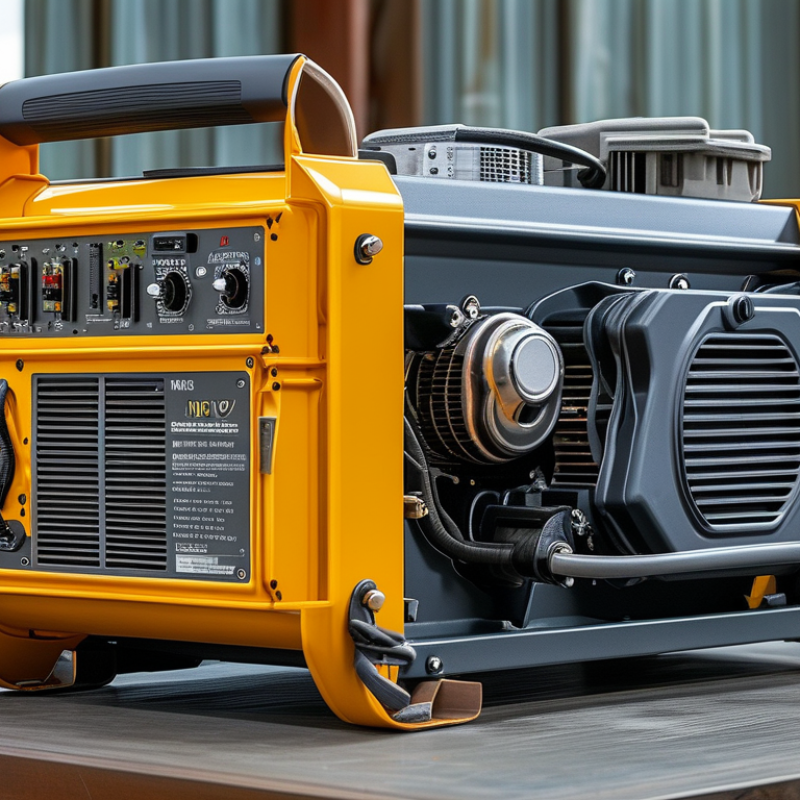
Inverter generators are known for their efficiency and versatility. They produce clean, stable power, making them ideal for sensitive electronics. These generators use advanced technology to convert DC power into AC power smoothly. The process involves a rectifier and an inverter, ensuring minimal fluctuations in voltage and frequency.
One key advantage of inverter generators is their ability to adjust engine speed based on the load. Research shows they can be up to 40% more fuel-efficient than traditional models. This is crucial for extended use, as it translates to less fuel consumption. For instance, a 2000-watt inverter generator can run for approximately 10 hours on just one gallon of fuel.
However, inverter generators typically have a higher upfront cost. Some users may find this challenging when choosing a generator. The trade-off comes from their superior performance and quieter operation. Noise levels are often reduced to around 50 decibels, making them suitable for camping or residential use. Users need to weigh these factors against their immediate needs and budgets.
Inverter generators are unique tools that convert DC power to AC power efficiently. They are designed with key components, allowing stable and clean energy production. One major component is the inverter module, which ensures smooth voltage output. This helps protect sensitive electronics from damage caused by surges.
Another essential component is the engine. It powers the entire system and plays a vital role in determining fuel efficiency. Typically, smaller engines can be quieter and more portable. However, this may lead to reduced power output. Balance is crucial when selecting the right engine size for your needs.
Tips: When using an inverter generator, consider your power requirements carefully. Overloading the generator can lead to performance issues. Additionally, regular maintenance is critical for longevity. Clean air filters and check oil levels often. This ensures optimal operation and extends the life of your equipment.
Inverter generators have gained popularity due to their unique benefits. These compact units provide portable power, making them ideal for camping, tailgating, and emergency use. They generate electricity by converting DC power into AC power. This process ensures a stable voltage output, crucial for sensitive electronics like laptops and smartphones. You will find inverter generators quieter than traditional generators, which enhances comfort during outdoor activities.
Another advantage is their fuel efficiency. Inverter generators can adjust their power output based on demand. This capability means they consume less fuel when running low-demand appliances. However, it is essential to note that their initial cost can be higher than conventional models. Some users may also discover that finding repair services can be more complicated, as they are less common in certain areas.
Maintenance is vital for optimal performance. Regularly checking the oil levels, cleaning the air filters, and ensuring proper ventilation are critical. Overlooking these can lead to issues down the line. While inverter generators offer many advantages, they are not always perfect. Users must weigh their needs against potential challenges. Consider your specific requirements before deciding if an inverter generator is the right choice for you.
Inverter generators have gained traction in recent years, particularly for their efficiency and quiet operation. Unlike conventional generators, which run at a constant speed, inverter generators adjust their engine speed to match the electrical load. This dynamic adjustment leads to 40% better fuel efficiency, according to the U.S. Department of Energy. Additionally, inverter generators produce cleaner power, with reduced harmonic distortion, making them safer for sensitive electronics.
When choosing a power source, consider the benefits of inverter generators. They are lightweight and portable, making them ideal for camping or emergencies. They can start with as little as 1,000 watts, suitable for running small appliances. In contrast, conventional generators generally start at about 3,000 watts and can be significantly heavier. This weight can be a burden in urgent situations.
Tip: Always evaluate your power needs before purchasing. Determine what appliances you must run simultaneously. This assessment can guide you in selecting the right generator type for your needs. Maintaining your generator is equally important. Regular checks can ensure optimal performance and prolong its lifespan. Not all inverter generators perform equally in all conditions, so read reviews and comparisons extensively before making decisions.
Inverter generators play a crucial role in various daily life applications. They provide reliable power for outdoor activities such as camping and tailgating. Many users appreciate their lightweight design, making them easy to transport. According to industry reports, inverter generators are preferred by 75% of campers due to their quieter operation compared to traditional generators.
Homeowners also find inverter generators useful during power outages. They can power essential appliances without the noise and emissions of larger models. Studies show that inverter generators produce cleaner power, which is gentler on sensitive electronics. Around 60% of homeowners who invest in generators cite this benefit as a top priority.
However, it's important to choose the right model based on individual needs. Some users may struggle with capacity requirements. Many entry-level models may not support high-wattage appliances. Investing in an inverter generator that fits one's lifestyle is key. Doing so can lead to a seamless experience while still having the flexibility to adapt to varying demands.
| Application | Benefits | Power Output (W) | Noise Level (dB) | Portability |
|---|---|---|---|---|
| Camping | Silent Operation, Lightweight | 2000 - 3000 | 50 - 60 | Easy to Carry |
| Home Backup | Clean Energy, Automatic Start | 3000 - 5000 | 55 - 65 | Compact Design |
| Construction Sites | Reliable Power Source, Versatile | 2000 - 6000 | 70 - 80 | Moderate |
| Tailgating | Portability, Sufficient Power for Appliances | 1000 - 2000 | 50 - 55 | Highly Portable |
| Outdoor Events | Quiet Operation, Easy Setup | 1500 - 4000 | 55 - 65 | User-Friendly |
: An inverter generator converts DC power to AC power efficiently.
It ensures smooth voltage output, protecting sensitive electronics from damage.
Smaller engines are quieter and more portable but may have reduced power output.
Regularly clean air filters and check oil levels for optimal operation.
They are great for camping, tailgating, and during power outages at home.
Assess your power requirements carefully to avoid overloading the generator.
Their lightweight design and quieter operation make them more appealing.
They power essential appliances during outages with less noise and emissions.
Choosing a model that doesn’t meet their capacity needs.
Investing in a generator that fits your lifestyle and varying power demands.
In understanding how does an inverter generator work, one must recognize its function of converting mechanical energy into electrical energy with the help of advanced technology. These generators use a two-step process: first, they produce AC power through the engine, which is then transformed into DC power and finally inverted back to clean AC power. This unique method not only ensures stable power output but also allows for efficient fuel use.
The key components of inverter generators, including the engine, alternator, and inverter, work together to provide numerous advantages, such as quieter operation, lighter weight, and enhanced portability compared to conventional generators. These generators are ideal for various applications in daily life, from camping trips to providing backup power for home appliances, making them a versatile choice for many users seeking reliable power solutions.

Gods Power