Generators can be incredibly useful, but they often come with a significant downside: noise. Understanding how to quiet down a noisy generator is essential for many users. According to John Smith, a renowned expert in generator technology, “A quieter generator not only improves comfort but also increases the longevity of the machine.”
Many people struggle with the disruptive sounds from their generators. This noise can disturb family gatherings, outdoor activities, and even your neighbors. To make the most out of your generator, you should focus on reducing its noise levels. This involves using soundproofing techniques and understanding the generator's design elements that contribute to noise.
Even with the best methods, achieving complete silence may not be possible. Users often need to experiment with various strategies to find the most effective solution for their specific generator. Through persistence and creativity, you can significantly improve your generator's performance while enjoying a quieter environment.
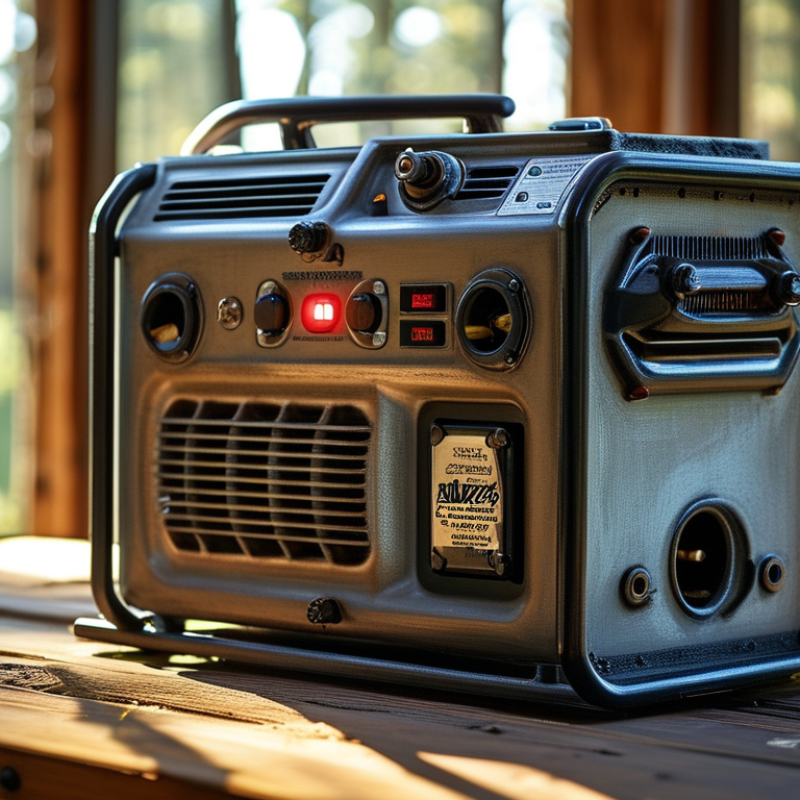
Choosing the right location for your generator setup is crucial for minimizing noise. Noise can be a significant issue, especially in residential areas. Select an outdoor space that is shielded from neighbors and nearby structures. A secluded corner of your property can help reduce sound transmission. Consider placing the generator on a gravel base. This can absorb vibrations and lessen noise.
Avoid areas with poor ventilation. Proper airflow is essential for the generator's performance and longevity. Ensure you keep it away from windows and doors to prevent sound from penetrating your living spaces. Be mindful of local regulations and zoning laws regarding generator placement. Understanding these rules can prevent future problems.
You may need to adjust your setup over time. Sometimes, despite careful planning, the noise level may still be high. Experiment with barriers like wooden fences or shrubs. They can provide additional sound insulation. Don't forget to evaluate your generator's operational frequency. A quiet model may still have its drawbacks. Listening closely can guide your adjustments.
Using noise-reducing enclosures and barriers can significantly improve the operation of noisy generators. According to industry studies, noise levels from generators can reach 100 decibels, which is as loud as a chainsaw. This level of noise can cause discomfort and even lead to hearing loss over time. Implementing a sound-absorbing enclosure can reduce noise by up to 50%.
Enclosures are typically constructed with dense materials like acoustic panels. These materials absorb sound waves and prevent them from escaping. Additionally, barriers can be placed around the generator to help deflect sound away from living areas. Research shows that even simple barriers can decrease noise levels by approximately 10 to 15 decibels. This reduction can make outdoor spaces more enjoyable and reduce disturbances to neighbors.
Considering the costs, these solutions might seem high upfront. However, they offer long-term benefits. Poorly managed noise can lead to complaints, stressful environments, and even legal issues. Investing in noise reduction solutions creates a favorable atmosphere, promoting peace and productivity. Ultimately, addressing generator noise is not just about compliance; it’s about community well-being.
Generators are often essential for outdoor events or in areas without electrical access. However, the noise they produce can be quite disruptive. Implementing mufflers and soundproofing techniques can significantly reduce this noise, enhancing your overall experience.
Mufflers are a common solution. They can be attached to the exhaust system to minimize sound output. Choosing the right muffler design is crucial. Some designs focus on absorption, while others utilize reflection. It's important to research which option best fits your generator's needs. DIY muffler installations can be tricky. It might be worth seeking professional advice to ensure proper function.
Soundproofing is another effective method. Building an enclosure around the generator can help contain noise. Use materials like plywood or sound-dampening foam. Ensure proper ventilation to avoid overheating. This structure can significantly lower sound levels. However, poorly executed soundproofing may trap heat or cause operating issues. Careful planning and materials selection are vital. Balancing noise reduction with efficient airflow can be challenging but rewarding.
Regular maintenance is crucial for minimizing generator noise. Over time, dirt and debris can accumulate in the engine, affecting its efficiency. A clean generator runs smoother and quieter. Regular oil changes help to keep the internal components lubricated. This reduces friction, which can be a significant source of noise. It's easy to overlook, but ignoring this routine can lead to louder operations.
Checking and tightening loose components is also essential. Vibration can cause parts to rattle, creating unwanted noise. Inspect the frame and any bolts regularly. Additionally, replacing worn-out fuel filters can improve performance. Dirty filters restrict fuel flow, causing the generator to work harder and louder. Sometimes, a simple cleanup makes a substantial difference.
While performing these tasks requires effort, the benefits are evident. A quieter generator enhances comfort, especially in residential areas. All these details matter. Reflect on your maintenance practices. Are they sufficient? Neglect can lead to frustrations later. Every effort you make now pays off in reduced noise and longer generator life.
Generators can be quite noisy, often disturbing the peace of a serene environment. While many rely on them for reliable power, finding quieter alternatives is key. Solar panels offer a remarkable solution. They harness sunlight and convert it into energy without any sound. A small solar system can power lights and devices while remaining completely silent.
Wind turbines are another option. They capture wind energy, providing power without much noise. Even smaller wind generators are available for residential use. Their installation may require some space, but the long-term benefits often outweigh the initial challenges. However, the consistency of wind can vary, which requires careful planning.
Battery power systems are also gaining popularity. These systems can store energy from solar or wind sources. They provide power when needed, keeping noise to a minimum. While the technology is improving, costs can be a barrier for some. The effectiveness can also depend on local geography and sunlight availability. Exploring these quieter alternatives could enhance your experience and reduce discomfort from generator noise.
: A muffler minimizes sound output from the generator's exhaust system.
DIY installations might not function correctly, risking noise issues or generator damage.
Plywood or sound-dampening foam can effectively reduce noise when building an enclosure.
Regular cleaning and oil changes help the generator run smoother and quieter over time.
Loose components can rattle, resulting in increased unwanted noise during operation.
Dirty filters restrict fuel flow, causing the generator to work harder and create more noise.
Yes, solar panels provide quiet energy without any sound, ideal for residential use.
Wind turbines require space and planning, as wind consistency can vary by location.
Yes, battery systems store energy quietly and can reduce reliance on noisy generators.
Proper planning is vital; poor execution can lead to overheating or operational issues.
When considering how to quiet down a noisy generator, one of the first steps is to choose the right location for its setup. Positioning the generator away from living spaces and using natural barriers, such as trees or walls, can significantly reduce noise levels. Additionally, utilizing noise-reducing enclosures can further dampen sound, creating a more peaceful environment.
Implementing mufflers and other soundproofing techniques is also crucial in minimizing generator noise. Regular maintenance helps ensure that the generator operates efficiently, reducing unnecessary sounds. Lastly, exploring alternative power sources, such as solar or battery systems, can provide quieter options for energy needs while enhancing overall comfort in your surroundings.
Gods Power