Understanding why is my generator backfiring can be crucial for maintaining optimal performance. Backfiring is a common issue that many generator owners face. It can leave users frustrated and unsure about the root cause.
Several factors can lead to this problem. The generator may have fuel system issues or ignition problems. These can cause the engine to misfire, resulting in backfire sounds. Other reasons could include improper ventilation or exhaust leaks. Users often overlook simple maintenance steps that help prevent these issues.
Learning to spot the signs early can save time and money. Ignoring the problem can lead to more severe damage. A thorough inspection can reveal underlying issues. Being proactive about generator care is vital. Addressing these concerns promptly ensures your generator runs smoothly.
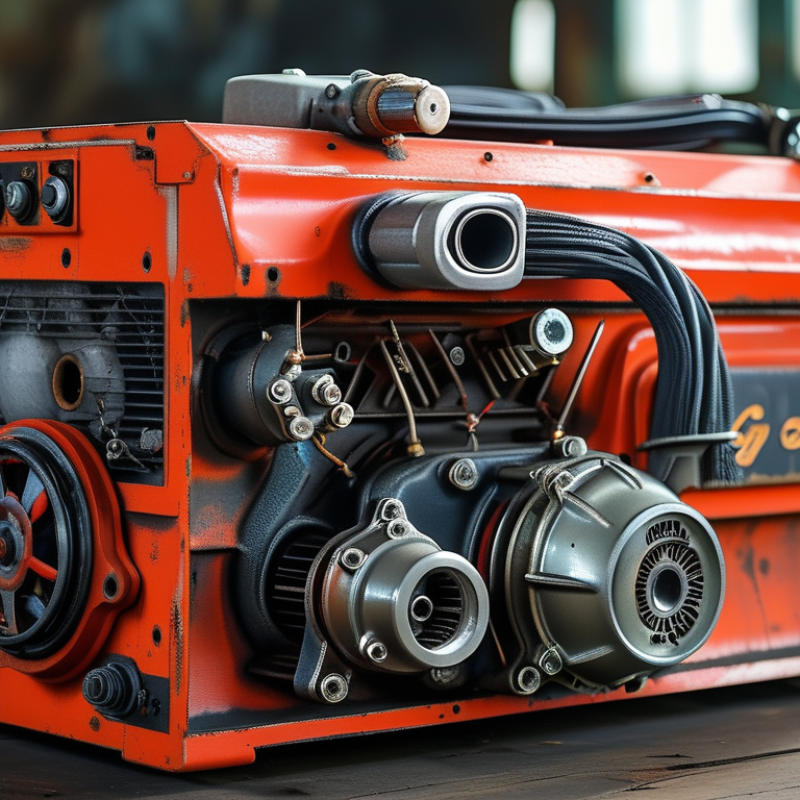
Generator backfiring can be frustrating and puzzling. Understanding the common causes can help you diagnose the issue effectively. One prevalent cause is an incorrect fuel-air mixture. If the mixture is too rich, excess fuel ignites in the exhaust system, leading to backfiring. This can happen due to clogged air filters or issues with the carburetor.
Another reason for backfiring is timing issues. If the spark plug fires too late, it causes combustion to occur in the exhaust system. Regularly checking spark plug condition is crucial. Worn or dirty plugs can lead to inefficient combustion. Fuel quality also matters. Using contaminated or old fuel may contribute to backfiring.
Exhaust leaks can lead to backfiring as well. They allow oxygen to enter the exhaust system, facilitating ignition of leftover fuel. Inspecting the exhaust for cracks or loose fittings is essential. Lastly, engine overheating can create backpressure, causing backfiring. Always ensure your generator has adequate cooling.
Generator backfires can be alarming. Recognizing the symptoms early can save time and money. Common signs include loud popping noises and visible flames from the exhaust. A backfire occurs when fuel ignites in the engine’s intake. This can lead to serious engine damage if not addressed promptly.
Data from industry studies shows that around 30% of generator owners experience backfiring issues. Poor maintenance is often the culprit. Clogged air filters or faulty spark plugs can disrupt the proper fuel mixture. Additionally, customers reported that inconsistent fuel quality contributed to backfire incidents. These factors highlight the need for regular inspections and preventative measures.
Monitoring your generator’s performance is critical. A fuel mix that is too rich can cause backfires. Essential maintenance tasks like replacing filters can mitigate this risk. Simple changes, like using high-quality fuel, can improve engine efficiency. These actions demonstrate a proactive approach to generator upkeep. Regular checks can ensure that your generator runs smoothly and safely.
Fuel quality plays a critical role in generator performance. Low-quality fuel can lead to a range of issues, including backfiring. Inconsistent fuel composition often results in improper combustion. This can create excess pressure within the engine, leading to backfires during operation.
Using contaminated fuel is another common problem. Water and debris can find their way into fuel tanks. This can cause misfiring and inefficient fuel burning. Inadequate filtration systems may not filter out these impurities effectively. Over time, these contaminants can damage the engine and affect performance.
Moreover, the octane rating of fuel can impact generator function. If the fuel doesn't meet certain specifications, it may not ignite properly. This can lead to misfires and backfiring. Regular maintenance and fuel testing can help identify such issues. Ignoring fuel quality often leads to costly repairs and inconsistencies in performance.
The ignition system is crucial for generator efficiency. A well-maintained ignition ensures smooth operation. Reports indicate that improper ignition can lead to a 30% reduction in performance. This is significant considering how essential generators are for backup power.
One common cause of backfiring is faulty spark plugs. When spark plugs wear out, they fail to ignite the fuel properly. This misfire can create back pressure, causing backfires. Regularly checking spark plugs can prevent these issues. A study by the National Institute of Standards and Technology found that 80% of generator failures are related to the ignition system.
Additionally, fuel quality plays a role. Poor quality fuel can lead to incomplete combustion. This not only affects the ignition but also the overall efficiency of the generator. It's important to use clean, high-quality fuel. A clean fuel system, combined with a proper ignition system, can enhance generator reliability. These factors must be considered to avoid costly repairs down the line.
This bar chart represents the common reasons why generators backfire, illustrating the frequency of each issue based on a survey of generator users.
When it comes to generator maintenance, preventing backfiring should be your priority. Proper care can significantly reduce the chances of this issue. Regularly inspect the fuel system. Ensure that fuel lines are intact and clean. Contaminated fuel can lead to improper combustion, causing backfiring.
Keep an eye on the spark plugs. Worn-out or dirty spark plugs can misfire, creating frustrating backfires. Replacing them regularly is a simple but effective measure. Also, monitor the air filter condition. A clogged filter restricts airflow, contributing to combustion problems.
Tips for maintenance include checking the engine’s oil level frequently. Low oil can lead to increased friction and potential damage. Another suggestion is to run your generator under load periodically. This practice helps identify issues before they escalate. Focusing on these preventive measures can streamline your generator's performance and improve its longevity.
| Reason | Description | Preventive Measures |
|---|---|---|
| Improper Fuel Mixture | Using incorrect fuel can lead to backfiring. | Ensure the correct fuel-to-oil ratio is maintained. |
| Clogged Air Filter | A dirty air filter restricts airflow, leading to combustion issues. | Regularly clean or replace the air filter. |
| Worn Spark Plug | Old or damaged spark plugs can cause misfiring. | Inspect and replace spark plugs as needed. |
| Faulty Carburetor | Malfunctions can lead to improper fuel delivery. | Maintain and clean the carburetor regularly. |
| Blocked Exhaust | Obstructions in the exhaust can trap gases. | Check and clear any blockages in the exhaust system. |
| Overheating | High temperatures can cause backfiring. | Ensure proper cooling and maintenance of the generator. |
| Ignition Timing Issues | Timing issues can disrupt the firing sequence. | Regularly check and adjust ignition timing. |
| Old Fuel | Fuel can degrade over time, reducing performance. | Use fresh fuel and store it properly. |
| Electrical Issues | Problems with the electrical system can cause backfiring. | Inspect wiring and connections regularly. |
| Incorrect Load | Exceeding the generator's load capacity can lead to issues. | Avoid overloading the generator. |
: Fuel quality is crucial. Low-quality fuel can cause backfiring and improper combustion, leading to engine issues.
Contaminated fuel can contain water and debris. This leads to misfiring and damage over time, affecting performance.
Inadequate filters allow impurities to enter. This can severely impact combustion and overall generator function.
An inappropriate octane rating can cause fuel not to ignite properly. This often results in misfires and backfiring.
Regular maintenance, like inspecting fuel lines and spark plugs, is essential. It reduces the likelihood of backfiring significantly.
Inspect fuel lines for cleanliness, check spark plug conditions, and ensure the air filter is not clogged.
Low oil can increase friction and lead to engine damage. Regular checks can help avoid potential failures.
Periodically running the generator under load helps identify problems early. This practice can prevent future issues.
Ignoring fuel quality can lead to costly repairs. It's vital to prioritize fuel testing and regular inspections.
Worn spark plugs can cause misfires, leading to backfires. Regular replacement is a simple way to mitigate this risk.
Generator backfiring can be a frustrating issue for many users, leading to the question, "why is my generator backfiring?" There are several common causes that can contribute to this phenomenon, including fuel quality problems, ignition system malfunctions, and improper maintenance. Symptoms of a backfire may include loud popping sounds and poor generator performance, which can signal underlying issues that need attention.
To ensure optimal generator performance, it is crucial to maintain a high-quality fuel supply and keep the ignition system in good working condition. Regular maintenance and preventive measures, such as checking for air leaks and ensuring proper fuel mixtures, can significantly reduce the likelihood of backfiring. By addressing these factors, generator owners can mitigate potential problems and enhance the longevity and efficiency of their equipment.

Gods Power