Choosing the right fuel for your standby generator is crucial. Many homeowners and businesses face this decision. A reliable fuel type can ensure effectiveness during power outages. In fact, according to the U.S. Energy Information Administration, natural gas accounts for about 38% of total energy consumption in the U.S. This makes it a common choice among standby generator users.
When considering what fuel is best for a standby generator, factors like availability, cost, and environmental impact come into play. Propane and diesel are also popular options. A 2021 report from the National Renewable Energy Laboratory highlights that while diesel is efficient, it comes with higher emission levels compared to natural gas and propane. This raises questions about sustainability and long-term viability.
Different fuels have distinct characteristics. Some are more readily available in certain regions. Reliability is a key factor. However, the ongoing shift towards renewable energy sources must be considered. Evaluating each option's pros and cons is essential. Striking a balance between performance and sustainability remains a challenge for many users today.
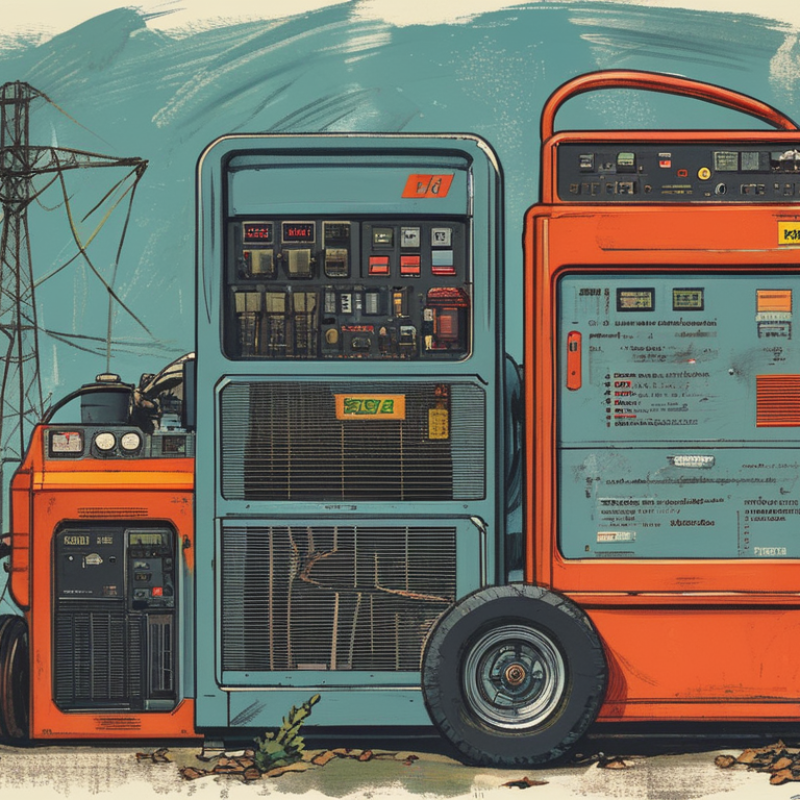
When selecting the right fuel for standby generators, understanding the options is crucial. Each fuel type has unique benefits and drawbacks. Gasoline is common due to its availability, but it has a short shelf life. Diesel, on the other hand, can be stored longer and offers better energy density. However, its emissions are a concern for many users.
Natural gas is often preferred for its clean-burning properties and convenience. It connects directly to utilities, reducing storage hassles. Propane provides portability, making it ideal for remote locations. Ethanol-blended fuels can also be used but may cause engine issues over time.
Consider your location, usage, and environmental impact when choosing. Reliability is essential. Each fuel option has trade-offs, making knowledge crucial for informed decisions. Research and testing are key to ensuring the right choice suits your needs.
Diesel fuel remains the most common choice for standby generators. Its popularity comes from its energy density. Diesel engines can run for longer periods without frequent refueling. This characteristic is crucial during extended power outages. In some cases, a diesel generator can run for days on a single tank.
However, there are downsides to consider. Diesel engines can be noisy when operating. This noise may disturb your neighbors or even your family. Another aspect is maintenance; diesel generators require regular servicing. Ignoring maintenance can lead to breakdowns and costly repairs.
Despite its benefits, some users report difficulty in starting diesel generators in extremely cold weather. Fuel gelling can be a problem, making it hard to ignite. It's essential to choose the right additives if you anticipate cold conditions. Overall, understanding these challenges can help ensure a reliable backup power solution.
Natural gas has become a popular choice for standby generators. Its efficiency and availability make it appealing. According to the U.S. Energy Information Administration, natural gas accounted for about 40% of total U.S. energy consumption in 2022. This high usage rate reflects its prominence in the energy landscape.
One of the main advantages of natural gas is its lower emissions. Compared to diesel or gasoline, natural gas emits significantly less carbon dioxide and pollutants. This aligns with growing environmental concerns. However, the infrastructure for distribution can be a drawback. Areas without natural gas pipelines may face challenges. Also, prices can fluctuate, making budgeting difficult for users.
Reliability is another crucial factor. Natural gas systems can provide a continuous power supply during outages. Yet, they depend on uninterrupted gas supply. Disturbances in gas lines or service interruptions can occur. This raises questions about consistent availability. The choice of fuel for generators should consider these factors deeply.
Propane is an excellent choice for standby generators. Its efficiency shines in emergency situations. When power goes out, propane provides a reliable alternative. It can be stored in tanks, ensuring availability when you need it most. Ease of access is crucial during a crisis. Propane is often readily available at local gas stations or suppliers.
One of the benefits of propane is its clean-burning nature. It produces fewer emissions compared to diesel or gasoline. This means less pollution, which is essential for the environment. Many users appreciate propane's odorless and non-toxic properties. However, safety precautions are necessary when handling it. Proper storage and installation can prevent accidents.
Efficiency is another vital aspect. Propane-powered generators often run longer on a single tank compared to gas alternatives. The fuel-to-energy ratio is favorable. Still, it’s essential to monitor fuel levels and usage. Unexpected drops in supply can leave you unprepared. Investing in a gauge or monitor can assist in preventing this issue.
Biodiesel has emerged as a viable fuel option for standby generators. Its sustainable characteristics are noteworthy. According to the National Biodiesel Board, biodiesel reduces greenhouse gas emissions by up to 86% compared to traditional fossil fuels. This makes it an eco-friendly choice.
Performance metrics indicate that biodiesel can operate efficiently in various generator types. It has a high cetane number, enhancing combustion efficiency. However, it can absorb more water and may require additional maintenance. A study by the Department of Energy highlights that biodiesel blends can impact generator performance. Generators may experience filter clogging due to biodiesel's chemical properties.
Cost is another factor. While biodiesel can be competitive, fluctuating feedstock prices can influence its affordability. Reliability of supply chains is also a concern, as biodiesel production is dependent on agricultural outputs. Users must consider the impact of seasonal variations on availability. Sustainability is important, yet the practicality of biodiesel in standby generators invites further exploration.
| Fuel Type | Renewable | Energy Content (BTU/gal) | Emissions (g CO2/kWh) | Performance Rating (1-10) |
|---|---|---|---|---|
| Diesel | No | 140,000 | 900 | 8 |
| Biodiesel | Yes | 120,000 | 700 | 9 |
| Natural Gas | Yes | 1,000 | 500 | 8 |
| Propane | Yes | 91,500 | 550 | 8 |
| Ethanol | Yes | 76,000 | 820 | 7 |
| Renewable Diesel | Yes | 130,000 | 600 | 9 |
| Waste Vegetable Oil | Yes | 120,000 | 650 | 8 |
| Biogas | Yes | 600 | 400 | 7 |
| Hydrogen | Yes | 60,000 | 0 | 10 |
| Jet Fuel (Sustainable) | Yes | 135,000 | 760 | 9 |
Gasoline is a popular choice for standby generators due to its wide accessibility. It is commonly available at gas stations and provides reliable power during outages. However, using gasoline in standby power applications comes with inherent risks. One concern is its volatility. Gasoline can ignite easily, leading to potential hazards if not handled properly.
Moreover, gasoline has a shorter shelf life compared to other fuels. Typically, gasoline can start to degrade within three to six months. This degradation affects the generator's performance and can lead to costly repairs. Industry reports suggest that improper storage can result in engine damage and reduced efficiency.
Tips: Always store gasoline in approved containers. Keep it away from direct sunlight and extreme temperatures. Regularly check the fuel quality and rotate your stock.
Another risk is environmental impact. Gasoline emits carbon monoxide, a hazardous gas that can accumulate in enclosed spaces. Proper ventilation is crucial when operating gasoline-powered generators. Neglecting this can pose serious health risks.
Tips: Install carbon monoxide detectors in areas where the generator operates. Ensure that the generator is placed outdoors to safeguard your well-being.
This bar chart displays the accessibility scores of various fuels suitable for standby generators. A higher score indicates better availability and suitability for standby power applications.
: Natural gas offers lower emissions and high efficiency, making it appealing for standby generators.
Users may encounter issues with distribution infrastructure and price fluctuations, complicating budgeting.
Natural gas provides reliable power, but issues like gas line disturbances can interrupt service.
Biodiesel can reduce greenhouse gas emissions by up to 86%, positioning it as an eco-friendly alternative.
Biodiesel may cause filter clogging and could require additional maintenance compared to traditional fuels.
Fluctuating feedstock prices can impact biodiesel costs, affecting its competitiveness in the market.
Biodiesel performs well in various generators, but its chemical properties require attention for optimal operation.
Users need to be aware of the seasonal variability in agricultural outputs affecting biodiesel availability.
While biodiesel is sustainable, its performance issues and maintenance needs may raise concerns for users.
Users must weigh reliability, emissions, pricing, and maintenance when deciding between these fuel options.
When considering what fuel is best for a standby generator, various options present distinct advantages and challenges. Diesel remains the most common choice due to its reliability and availability, making it a preferred option for many users. Natural gas offers convenience and lower emissions but poses some vulnerabilities in terms of supply during emergencies. Propane is highly efficient and readily available in crisis situations, while biodiesel presents a sustainable alternative with environmentally friendly metrics, though its performance can vary.
Gasoline, while easily accessible, carries inherent risks in standby power applications, particularly concerning safety and storage. Each fuel option has unique characteristics that affect operational efficiency, availability, and sustainability. Ultimately, the choice of fuel will depend on specific needs, making it essential for users to assess their priorities when deciding on the best fuel for their standby generator.

Gods Power