Diesel generators provide dependable power at construction sites, hospitals, farms, and remote facilities. Their exhaust, however, contains pollutants that can affect nearby air quality. Understanding what are the emission standards for diesel generators helps owners choose equipment responsibly, plan installations, and avoid costly surprises.
There is no single standard for every generator. Requirements may depend on engine size, model year, fuel, location, and whether the unit is stationary or mobile. In the United States, for example, federal rules include EPA engine requirements, while state and local permits may add conditions. A generator’s data plate, certification label, and emissions documentation offer useful starting points. So does the site permit. Small details matter.
Standards are not just paperwork. They can shape engine design, maintenance schedules, operating limits, and the choice between older and newer equipment. A neglected filter or poorly maintained engine may produce more smoke and undermine expected performance. Yet compliance does not automatically mean zero emissions. That distinction deserves attention.
As an environmental engineer and air-quality researcher, Dr. Chris Frey is a relevant expert on emissions and their effects. No verifiable quotation from him about diesel-generator standards was provided, so I will not invent one. The practical question remains: which rules apply to this specific engine, at this specific site? Check current requirements with the relevant regulator and a qualified emissions professional. A careful answer starts with the engine, the location, and how often the generator runs.
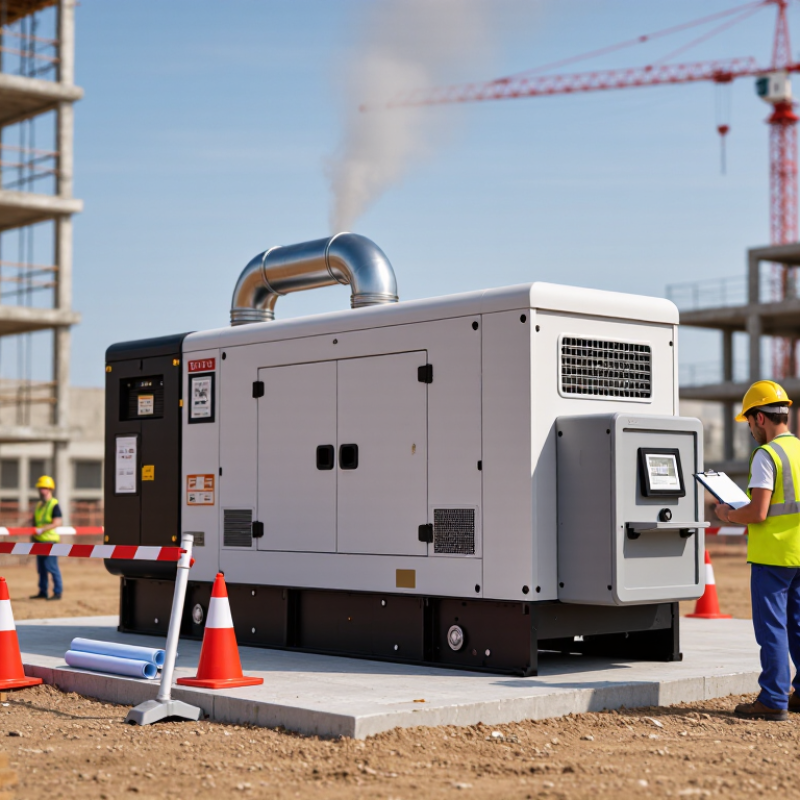
What Diesel Generator Emission Standards Regulate
Diesel generator emission standards regulate what comes out of the exhaust and how those emissions are measured. They commonly set limits for nitrogen oxides, particulate matter, carbon monoxide, and hydrocarbons. These pollutants form through combustion and can affect air quality near homes, workshops, and job sites. A faint haze above a generator is not a reliable measure of compliance.
Rules may also specify engine categories, rated power, model year, and approved test procedures. Results can depend on load, fuel quality, engine temperature, and maintenance. A generator tested under controlled conditions may behave differently when it runs for hours in cold weather or at low load. That detail matters.
Standards can require equipment certification, emissions labels, or records showing how a unit was tested and configured. They may also address crankcase emissions and the use of exhaust after-treatment systems. Operators should check the requirements that apply to their location and generator class, rather than assume one limit fits every machine. Even a small portable unit may be treated differently from a large stationary generator. Paperwork can feel tedious, and standards are not always easy to compare, but accurate records help identify the right equipment and spot changes after repairs.
Why Are Diesel Generator Emission Standards Important?
U.S. EPA Tier 4 Final Limits for Nonroad Diesel Engines, 130–560 kW
Diesel generator emission standards regulate pollutants that affect human health, climate, and air quality. For engines rated from 130 to 560 kW, U.S. EPA Tier 4 Final limits include 4.0 g/kWh for combined nitrogen oxides and non-methane hydrocarbons (NOx + NMHC), 3.5 g/kWh for carbon monoxide (CO), and 0.02 g/kWh for particulate matter (PM). NOx contributes to smog and respiratory problems, CO reduces the blood’s oxygen-carrying capacity, and PM can penetrate deep into the lungs. Actual requirements may vary by engine power category, test cycle, and jurisdiction.
Source: U.S. Environmental Protection Agency, 40 CFR Part 1039, Tier 4 emission standards for nonroad compression-ignition engines.
Which Pollutants Diesel Generator Standards Limit
Diesel generator emission standards commonly limit nitrogen oxides (NOx), particulate matter (PM), carbon monoxide (CO), and hydrocarbons (HC). Exact limits depend on the engine’s power, model year, operating conditions, and local rules. Check the applicable requirements before selecting or installing equipment.
Each pollutant has a different effect.
NOx helps form ground-level ozone and can worsen respiratory problems.
PM consists of tiny particles, including soot, that can travel deep into the lungs.
CO is an odorless gas produced by incomplete combustion, while unburned hydrocarbons contribute to smog.
These emissions may rise when an engine is poorly maintained or runs under unsuitable loads. Small details matter.
Standards may also address smoke opacity or require testing and maintenance records. Fuel sulfur limits can reduce sulfur emissions, though sulfur is not always treated as a primary engine-emission limit. The distinction can be confusing. A reading from one test does not necessarily describe performance across every load or operating condition, so measurements need context.
Operators should use qualified technicians and follow the engine’s maintenance guidance; clogged filters or worn injectors can affect emissions. Paper compliance is not the whole picture. Real operating conditions deserve attention too.
How Emission Standards Protect Health and the Environment
Diesel generators can keep clinics, construction sites, and backup systems running, but their exhaust carries fine particles and nitrogen oxides. These pollutants can worsen asthma and heart disease, especially for people living or working near operating equipment. The World Health Organization’s 2021 air-quality guidelines note that ambient air pollution caused an estimated 4.2 million premature deaths worldwide in 2019. That figure covers many pollution sources, not generators alone, but it shows why every avoidable exhaust plume matters. A worker standing beside a generator may notice the sharp smell first; harmful particles can be harder to see.
Emission standards set limits that push engines toward cleaner designs and effective exhaust controls. The U.S. Environmental Protection Agency’s 2004 Clean Air Nonroad Diesel Rule projected that its requirements would cut particulate matter and nitrogen oxide emissions from affected nonroad diesel engines by about 90 percent compared with engines meeting earlier standards. The gains depend on proper maintenance, suitable fuel, and controls that remain in working order. Standards are not magic. A neglected filter, poor ventilation, or long periods of idling can undermine real-world benefits. The details matter, and they are easy to overlook. For communities, lower emissions can mean less soot settling on nearby surfaces and less pollution in the air people breathe each day. WHO air-quality guidelines and EPA rule analyses offer useful reference points, though local exposure still depends on generator location, run time, and operating conditions.
How Standards Influence Generator Design and Operation
Diesel generator emission standards shape decisions long before a unit reaches a worksite. Engineers may adjust combustion timing, fuel injection, and exhaust treatment to reduce pollutants. These choices affect more than emissions. They can influence fuel use, heat, maintenance needs, and the space required around the engine. A compact generator may need room for additional exhaust equipment and service access.
Standards also guide how operators use and maintain equipment. A system designed for steady loads may behave differently during frequent starts or sharp demand changes. Operators need to follow the specified warm-up and load procedures, while technicians must keep filters, sensors, and exhaust components in working order. Small details matter. A blocked filter or poorly recorded service can affect performance, even when the generator sounds normal.
There are trade-offs, and they are not always obvious from a specification sheet. Exhaust treatment may add cost and create new maintenance tasks, while careful operation can help preserve efficiency. Site conditions matter too: dust, cold weather, and irregular loads can complicate upkeep. Standards encourage better design, but they cannot replace practical planning. I have seen equipment schedules look convincing on paper, then struggle when access for routine servicing was overlooked. That is worth questioning during selection.
How Diesel Generator Emissions Are Tested and Regulated
Diesel generator emission standards set limits for pollutants such as nitrogen oxides, particulate matter, carbon monoxide, and hydrocarbons. Testing usually begins with an engine configured to represent a defined family of generator engines. Technicians operate it through prescribed speed and load conditions, then collect exhaust through calibrated sampling equipment. Small details matter. Fuel quality, engine temperature, and instrument calibration can affect results.
Laboratory tests measure emissions across a defined operating cycle, rather than at one convenient moment. Some procedures include steady loads; others capture changes as demand rises or falls. Results are compared with limits set for the relevant market, equipment category, and regulatory stage. Requirements differ by location and can change over time, so the applicable test protocol matters as much as the reading itself. One reading rarely tells the whole story.
Compliance does not end at certification. Inspectors or operators may review records, check exhaust systems, and confirm that maintenance matches the equipment’s specifications. Field measurements can be less controlled than laboratory tests, especially when generators serve buildings under variable loads. That uncertainty deserves attention. A blocked filter, worn injector, or poor servicing can increase emissions and distort performance, even when the original test results were sound. Keeping clear service logs helps connect measured emissions with real operating conditions.
Conclusion
Diesel generator emission standards set limits on the pollutants released during operation and specify how generators must be designed, maintained, and tested. If you are asking, “what are the emission standards for diesel generators,” the answer depends on factors such as engine size, intended use, and location. In general, these standards address pollutants including nitrogen oxides, particulate matter, carbon monoxide, and hydrocarbons, which can affect air quality and human health.
By limiting these emissions, standards help reduce respiratory risks, smog, and environmental harm. They also influence generator design and operation, encouraging cleaner combustion, effective exhaust controls, and proper maintenance. Emissions may be assessed through approved testing procedures that measure pollutant levels under defined operating conditions. Regulators and other authorities use these results, along with equipment and maintenance requirements, to determine whether a generator meets the applicable standards.

 Gods Power