A generator may look ready when its engine starts smoothly and the lights come on. Yet safety depends on more than fuel, wiring, and output capacity. The frame, neutral point, transfer equipment, and connected loads need a controlled path for fault current. That path is grounding. Without it, a damaged cable can energize a metal enclosure while the generator continues running quietly.
So, why is generator grounding important for safety? Proper grounding helps protective devices detect faults and disconnect power faster. It can reduce shock risks, limit dangerous voltage differences, and support stable operation near workers, buildings, and sensitive equipment. In Chinese factories, construction sites, farms, and backup power rooms, grounding conditions may change with soil moisture, temporary cables, and equipment relocation. A system that worked yesterday may not remain dependable today.
Small details matter. A loose bonding connection, painted contact surface, corroded clamp, or undersized conductor can weaken the entire protection path. An experienced electrician checks the generator manual, system configuration, grounding electrode, bonding arrangement, and protection settings together. Testing should include visual inspection and suitable electrical measurements, performed by qualified personnel with appropriate instruments. Local requirements and project specifications must also be confirmed.
This subject is not only theoretical. A wet floor, a metal tool, and one damaged conductor can create a serious incident. Grounding is easy to overlook. It should not be. Our “China Top 10” guide examines practical reasons, common installation weaknesses, inspection habits, and questions that deserve careful review. No grounding method fits every generator. That is where mistakes begin.
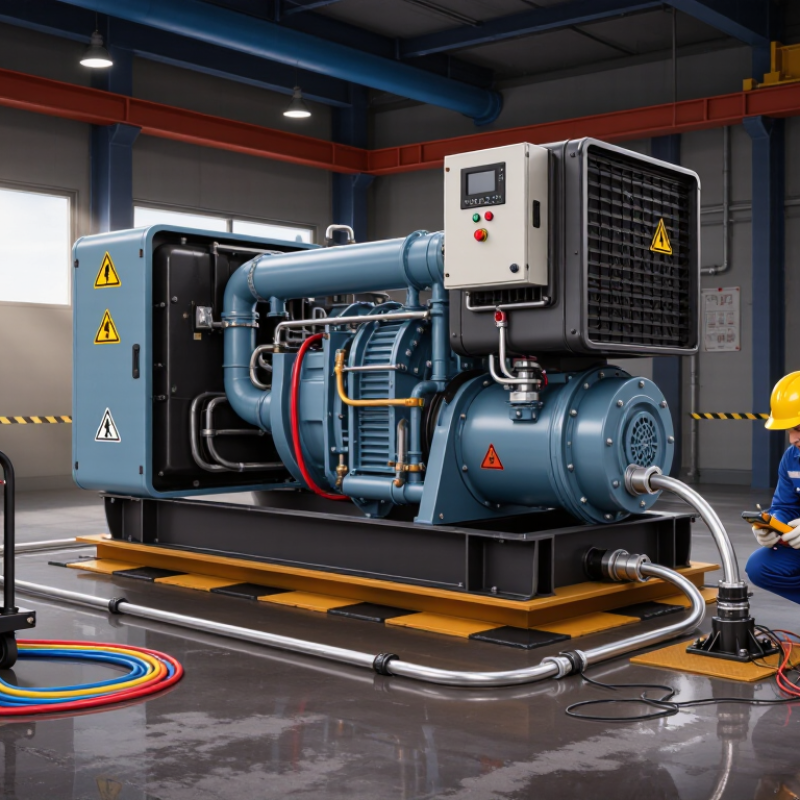
Generator grounding creates a controlled path for fault current. It helps protective devices operate during insulation failure. It also limits dangerous touch voltage on metal frames, panels, and fuel systems.
Generator grounding usually includes system grounding, equipment grounding, bonding, and an earth electrode. System grounding connects the neutral point to earth when the design requires it. Equipment grounding connects exposed metal parts to the protective conductor. Bonding joins conductive parts, reducing voltage differences between them. The electrode may be a foundation electrode, grounding grid, or approved driven electrode.
China’s GB standards provide the technical framework. GB 50054 addresses low-voltage electrical installation design. GB 50065 covers grounding design for AC electrical installations. GB 50169 focuses on construction and acceptance of grounding devices. GB/T 16895.21 addresses protection against electric shock. Current editions and local project requirements must be checked before installation. There is no universal resistance value for every generator. The required result depends on the supply arrangement, protective device, soil conditions, and neutral switching method.
During commissioning, technicians should inspect conductor size, connections, corrosion, and mechanical protection. They should also test continuity and verify protective-device operation. A loose bonding strap can look harmless. It is not. Rushed inspections sometimes measure the electrode but miss a broken frame connection. That is a practical weakness worth correcting. Keep the neutral and protective conductor arrangement consistent with the generator’s operating mode. Mistakes here can create unexpected current on metal parts. Safety depends on the complete system, not one grounding rod.
Grounding gives fault current a lower-resistance path away from people and metal frames. It can help protective devices disconnect power quickly. Poor grounding may cause shock, fire, equipment faults, or downtime.
A metal frame may become energized without visible damage. A worker might feel only faint tingling. That small warning should never be ignored. Heat can also build behind a panel.
No. Grounding reduces risk, but it does not make every shock harmless. Correct wiring, insulation, protective devices, and maintenance remain necessary. Wet hands make contact more dangerous.
It compares current leaving and returning through a circuit. A difference may indicate leakage through a person or grounding path. The device should trip rapidly, but it cannot repair poor wiring.
It is a widely used safety reference for exposed metal surfaces. Above 50 volts, contact can become dangerous. Local requirements may differ, so qualified inspection is still needed.
Inspect the frame, conductor, clamps, and electrode system. Test earth resistance with a suitable instrument. Check protective-conductor continuity while the generator is isolated. Fault-loop testing can show whether protection operates promptly.
No. A clean terminal may hide a loose connection beneath dust, paint, or corrosion. Visual checks are useful, but measurements provide stronger evidence. I once trusted one good reading too quickly.
Test it before major operation and after relocation, repair, flooding, or heavy rain. Outdoor cables face moisture, soil movement, and rust. Record dates, weather, methods, and readings. Small gaps matter.
Check metal enclosures, fuel-system components, nearby structures, and exposed generator parts. Connections should remain tight and protected from damage. An apparently tidy setup can still contain a broken earth path.
Generator grounding is essential because it creates a safe path for fault current, helping protective devices disconnect power before electric shock, fire, equipment damage, or unexpected downtime occurs. Understanding why is generator grounding important for safety begins with the basic purpose of bonding exposed metal parts to earth and maintaining reliable fault protection. In China, grounding design should also follow applicable GB requirements and consider common hazards such as loose connections, high earth resistance, damaged cables, incorrect neutral bonding, and unsuitable installation conditions.
The correct grounding configuration—TN, TT, or IT—depends on the generator system, site conditions, and protection strategy. A 30 mA residual-current device can provide additional protection against dangerous leakage, while keeping touch voltage below the 50 V limit helps reduce shock risk. Regular testing is equally important: technicians should verify earth resistance, protective conductor continuity, and fault-loop performance, then inspect connections and retest after maintenance or relocation. Proper design, installation, and scheduled verification together make generator operation safer and more dependable.

 Gods Power