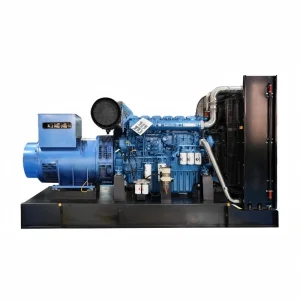
Reliable, efficient, and technologically advanced digital generator sets for global commercial, marine, and emergency power systems.
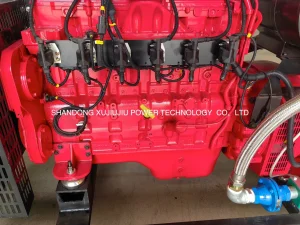
In the modern industrial landscape, energy stability, operational efficiency, and carbon reduction are no longer separate goals but rather integrated criteria. As traditional electrical grids experience increasing pressure from renewable energy fluctuations and extreme weather events, decentralized on-site power generation solutions have become critical. Digital generators, equipped with advanced electronic governors, microgrid synchronization modules, and real-time remote diagnostics, represent a major technological shift. These systems offer fast transient response, high fuel adaptability, and clean exhaust emissions, helping businesses maintain continuous power in challenging environments.
Weifang Gods Power Co., Ltd. is a leading enterprise specializing in the development, manufacturing, and sales of high-quality diesel generator sets. With a registered capital of 26 million yuan, the company is equipped with advanced testing facilities, complete product assembly lines, and sophisticated mechanical processing equipment. Weifang Gods Power employs over 200 skilled professionals and maintains a highly capable technical team, supported by a robust and mature quality management system, ensuring that every product meets the highest standards of reliability and performance.
As a technology-driven company, Weifang Gods Power is committed to continuous innovation and research, integrating product design, development, production, and sales to provide comprehensive power solutions tailored to customer needs. The company’s strategic goal is to be market-oriented, technologically advanced, and guided by honesty and integrity, while continuously strengthening its technical capabilities and service excellence.
Guided by the business philosophy of “unity, diligence, pragmatism, and innovation,” Weifang Gods Power emphasizes the importance of product quality, operational efficiency, and customer satisfaction. Every product is crafted with meticulous attention to detail, and the company provides comprehensive after-sales support to ensure long-term reliability and peace of mind for its clients. Weifang Gods Power aims to create mutually beneficial and lasting partnerships with customers worldwide. Through a combination of advanced technology, professional expertise, and unwavering commitment to quality, the company strives to deliver cutting-edge energy solutions, drive innovation in the power industry, and contribute to sustainable development globally.
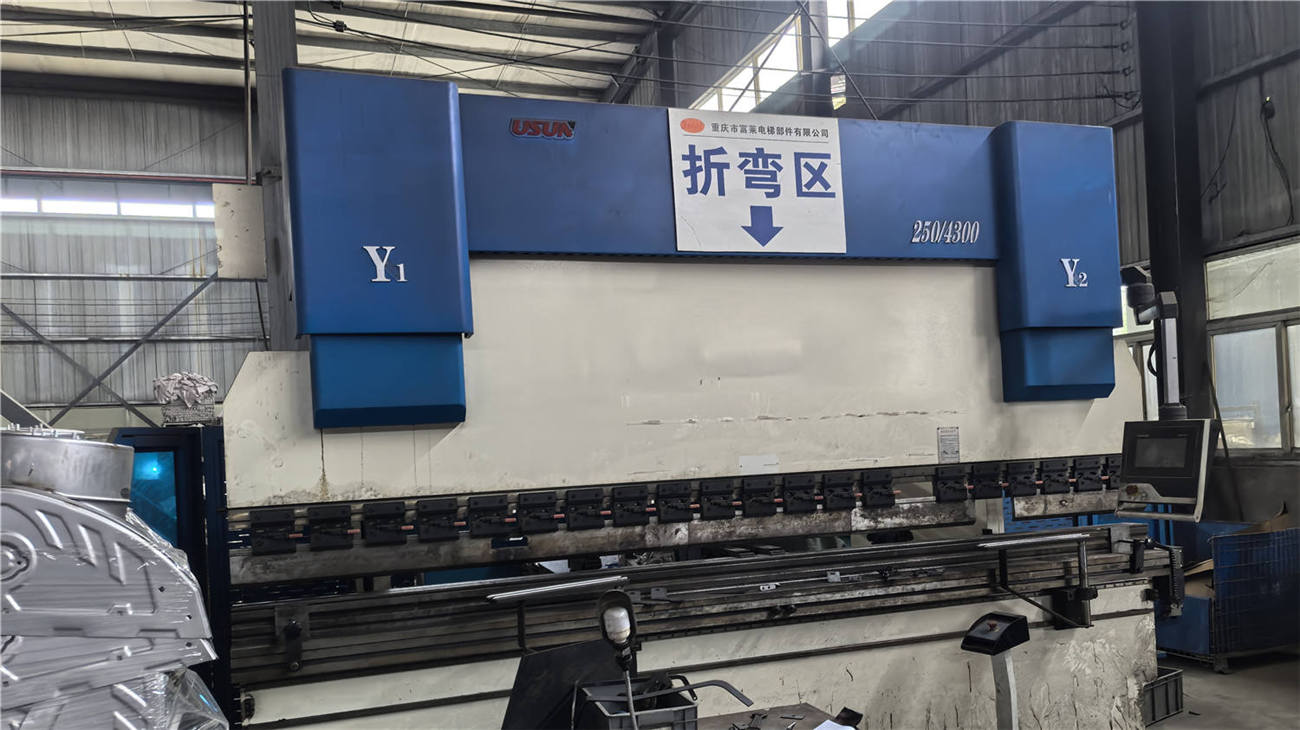
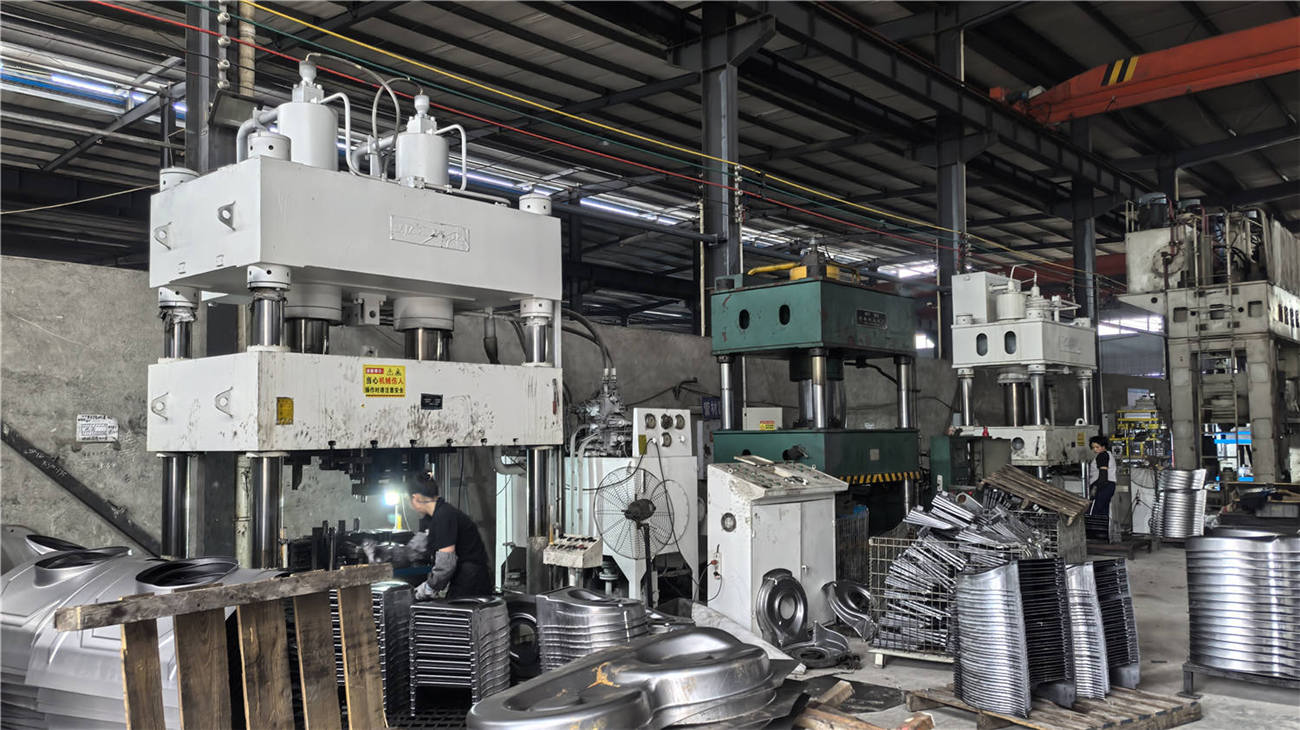
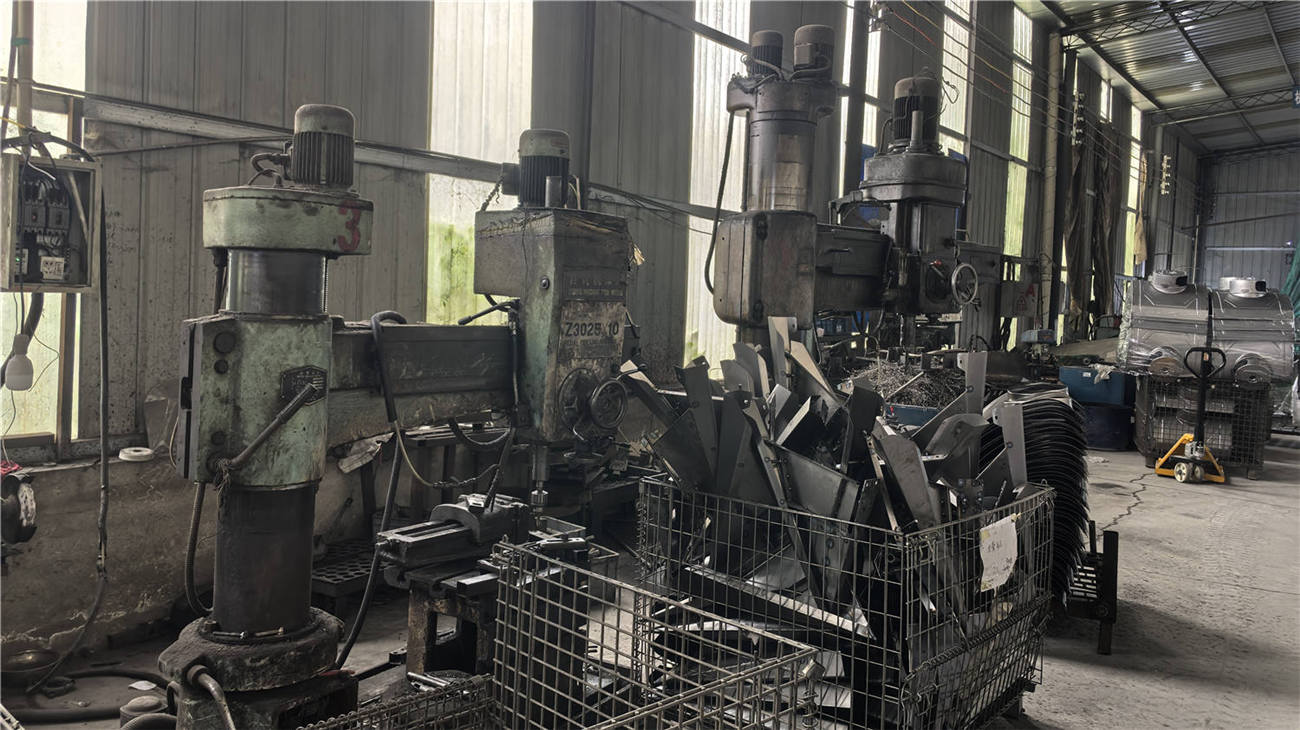
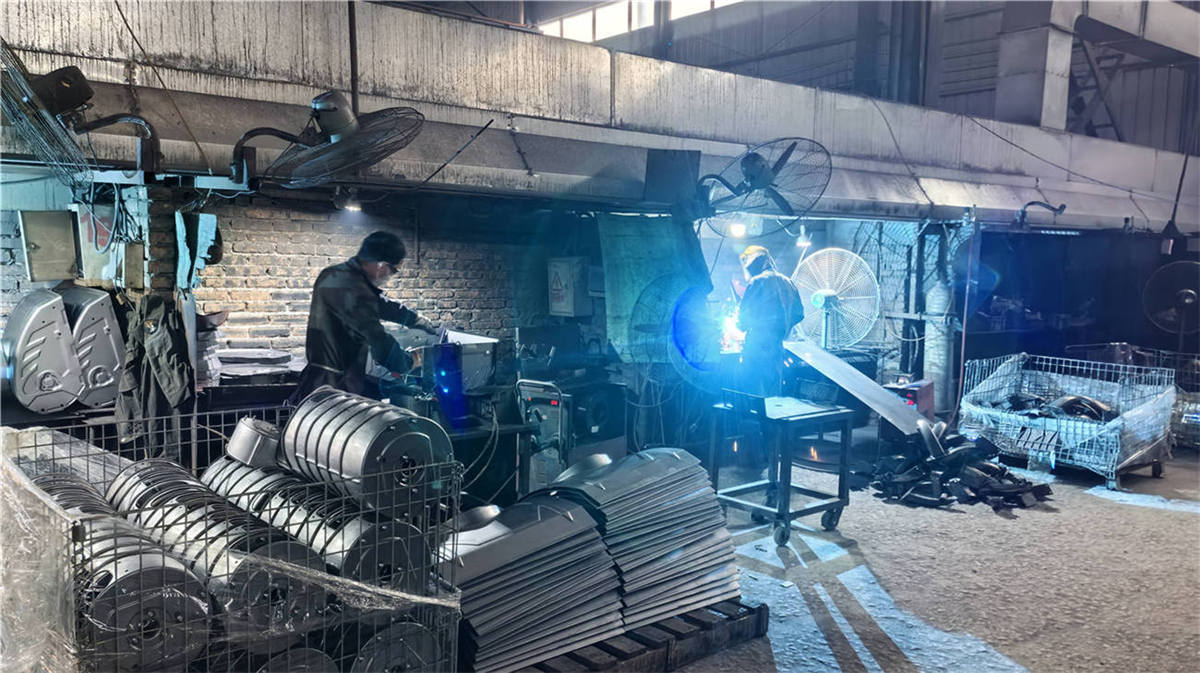
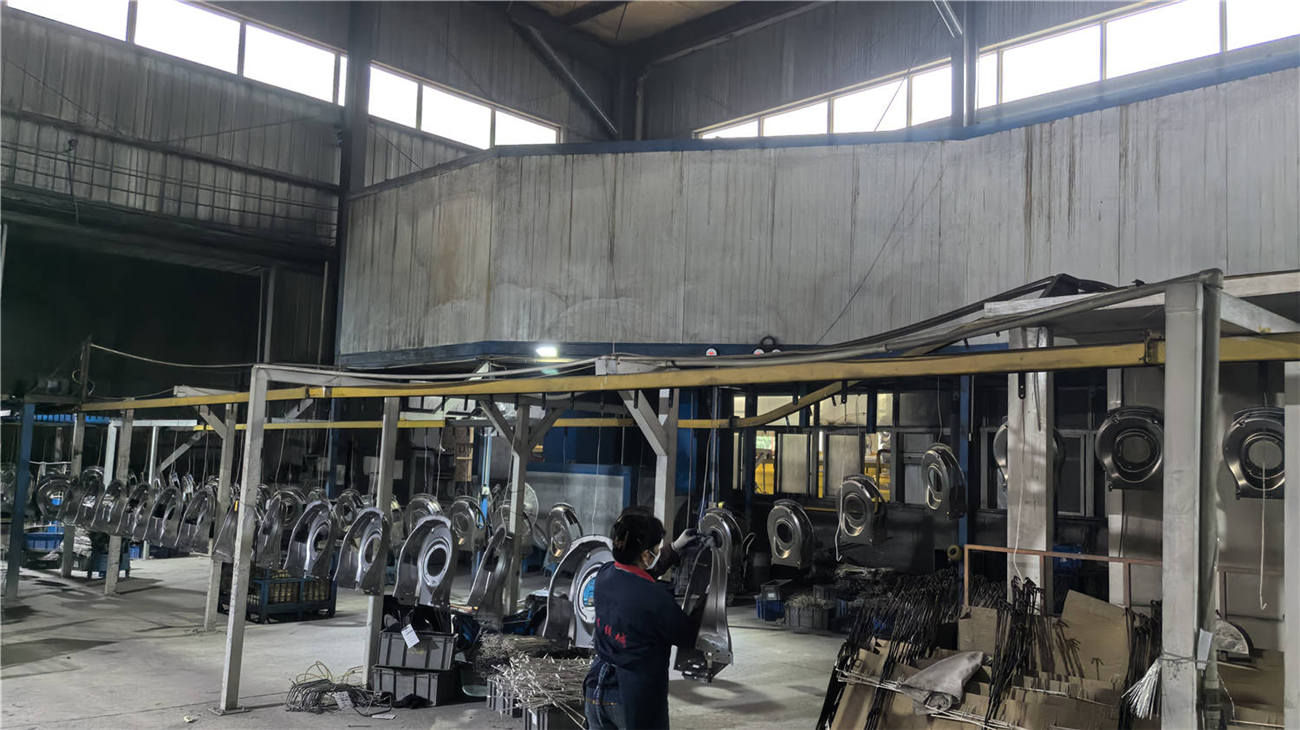
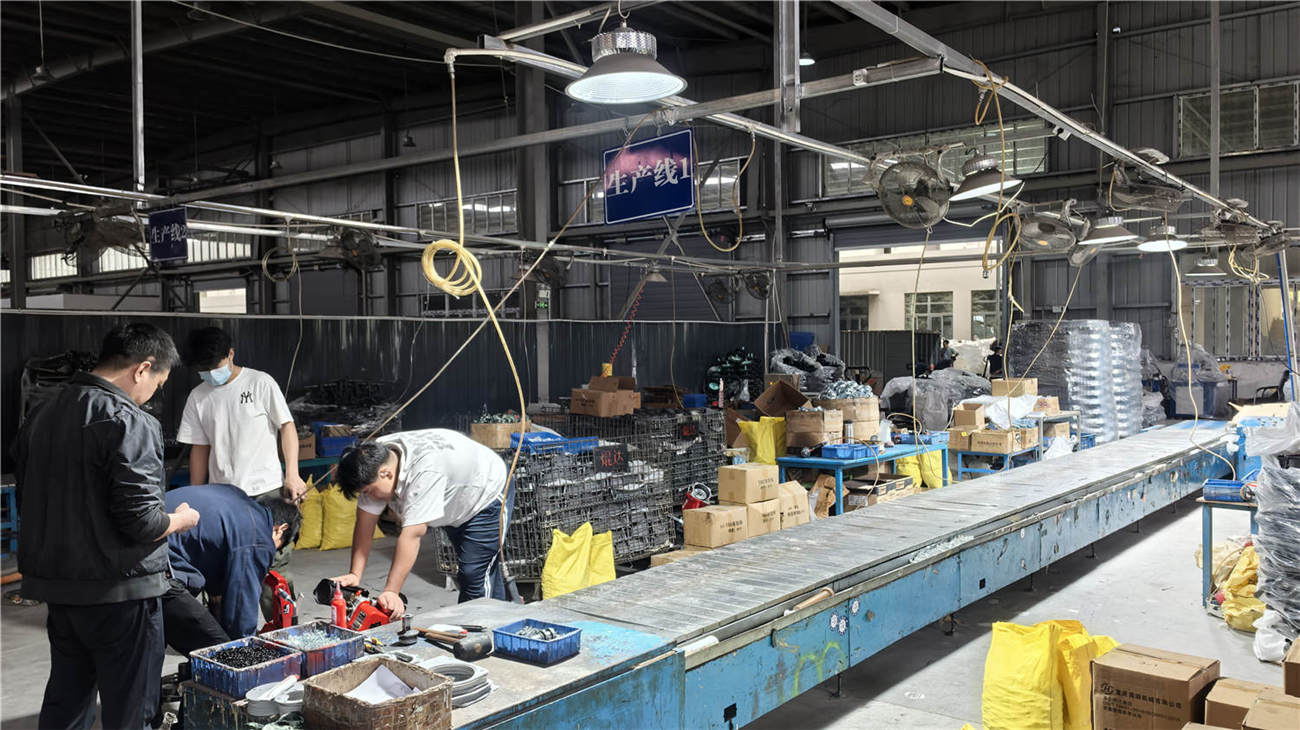
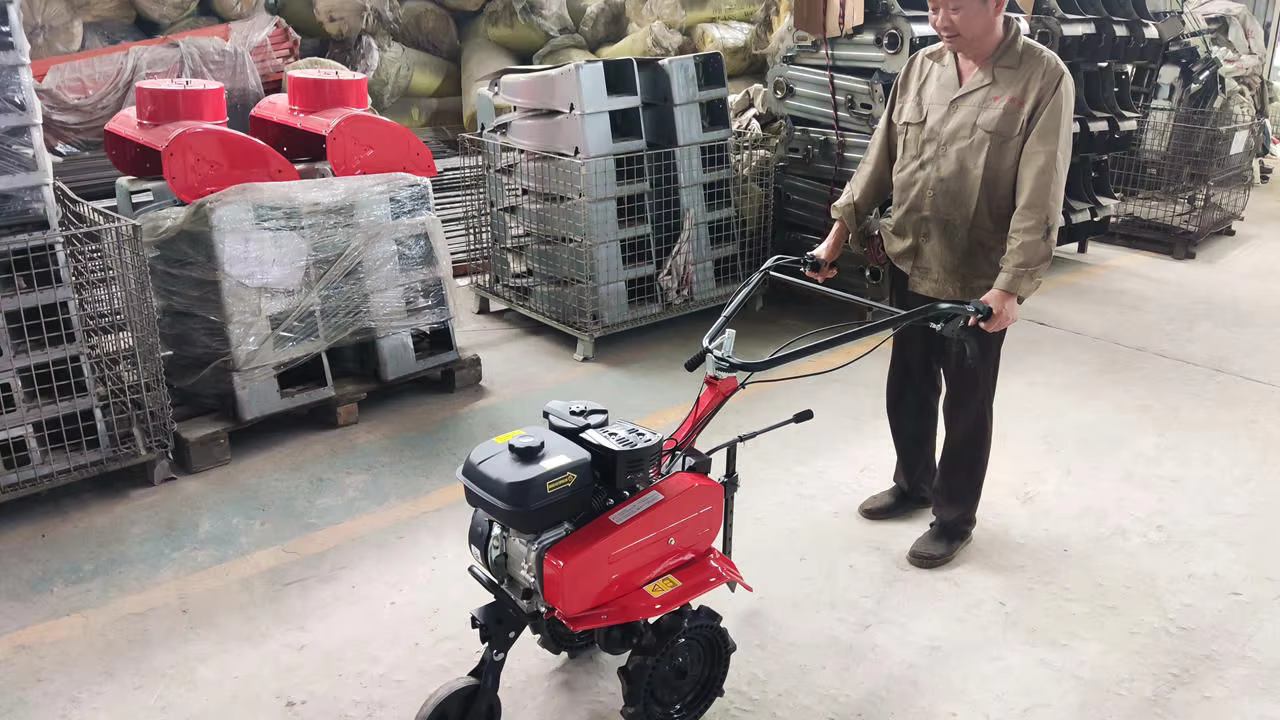
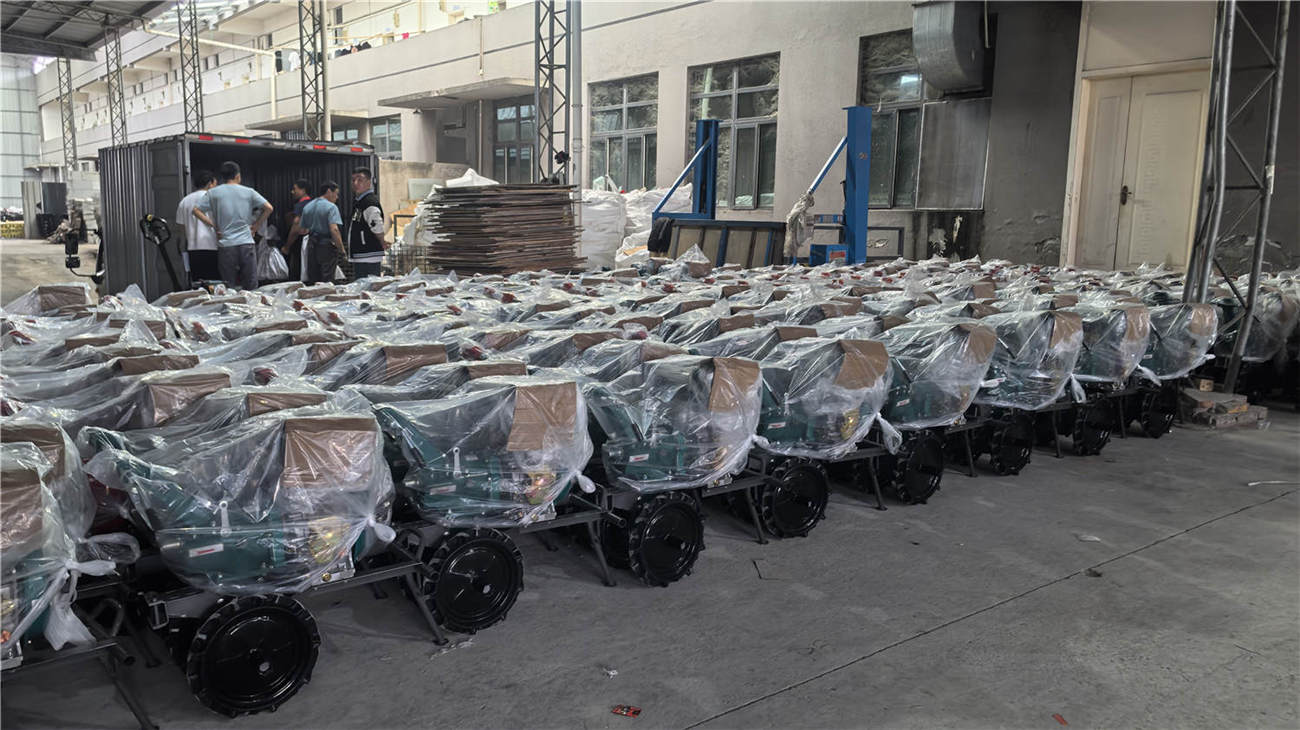
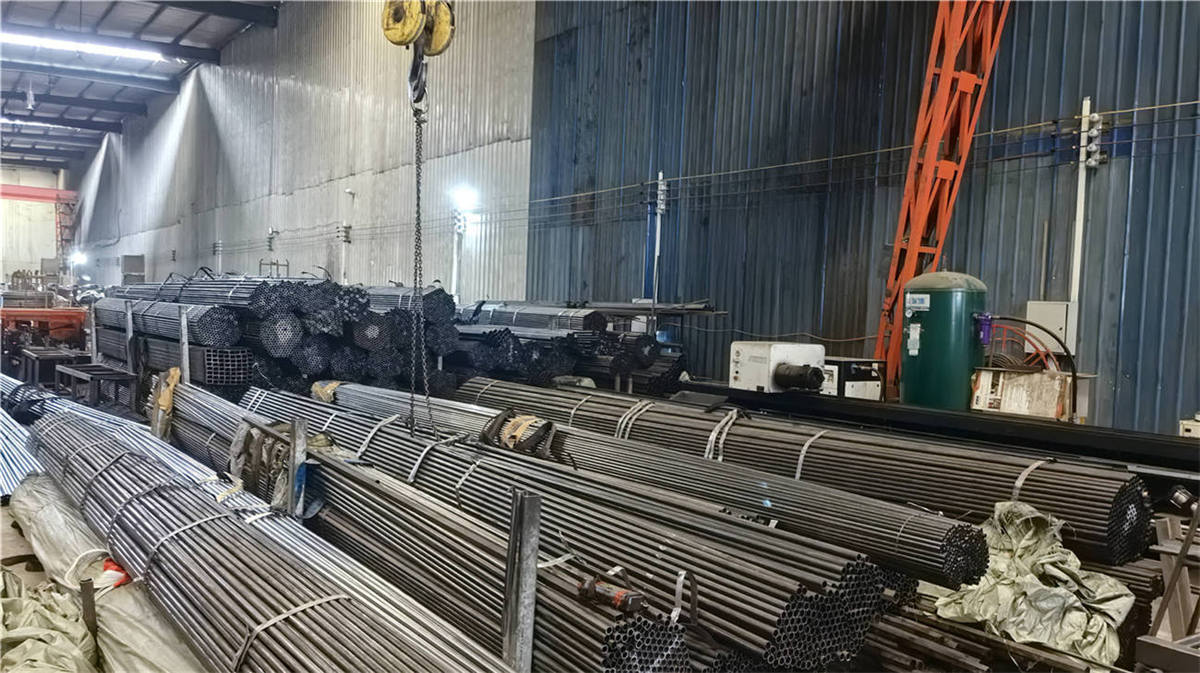
A visual walk-through of our industrial assembly and manufacturing processes, showcasing structural durability, precision cutting, and testing protocols.
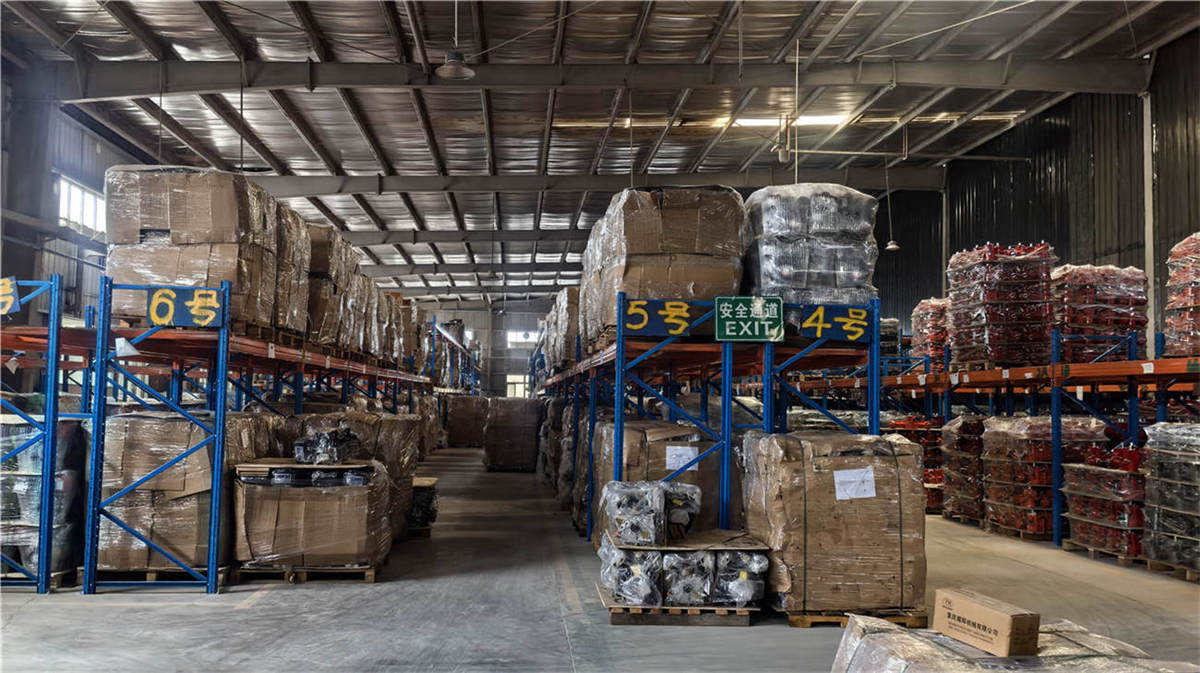
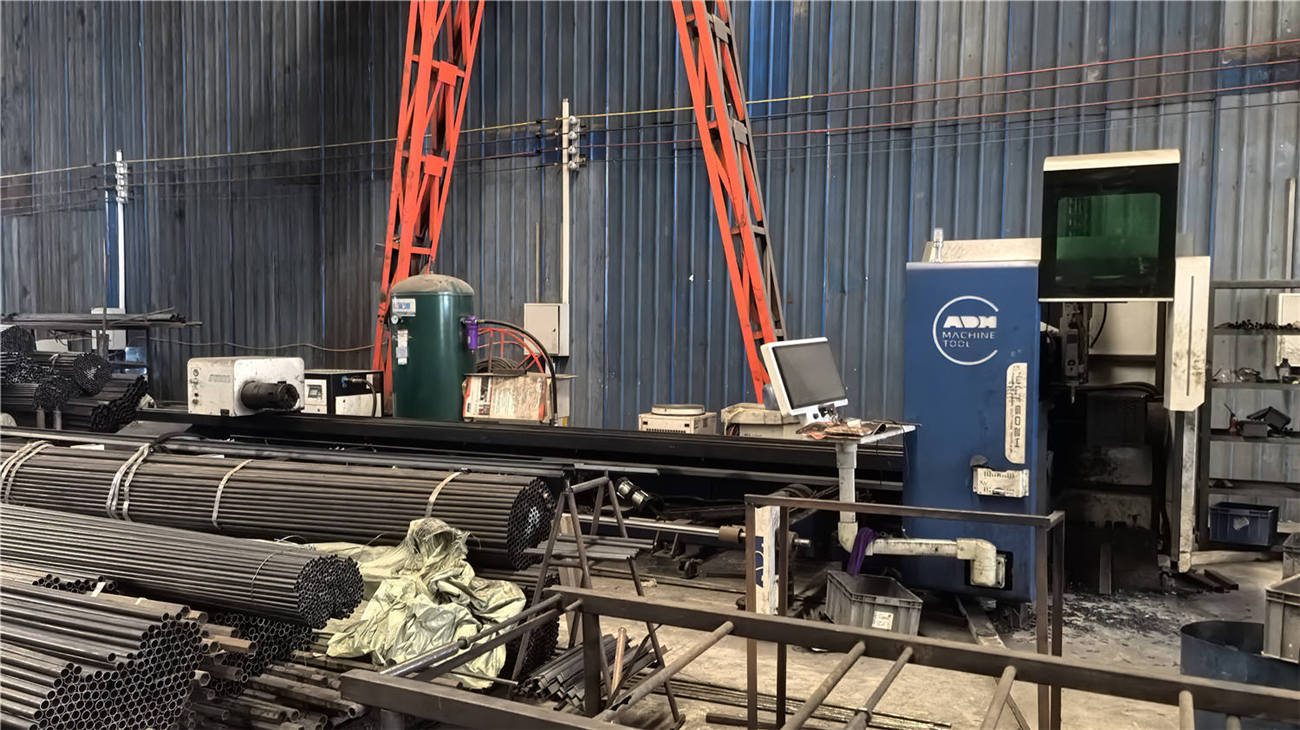
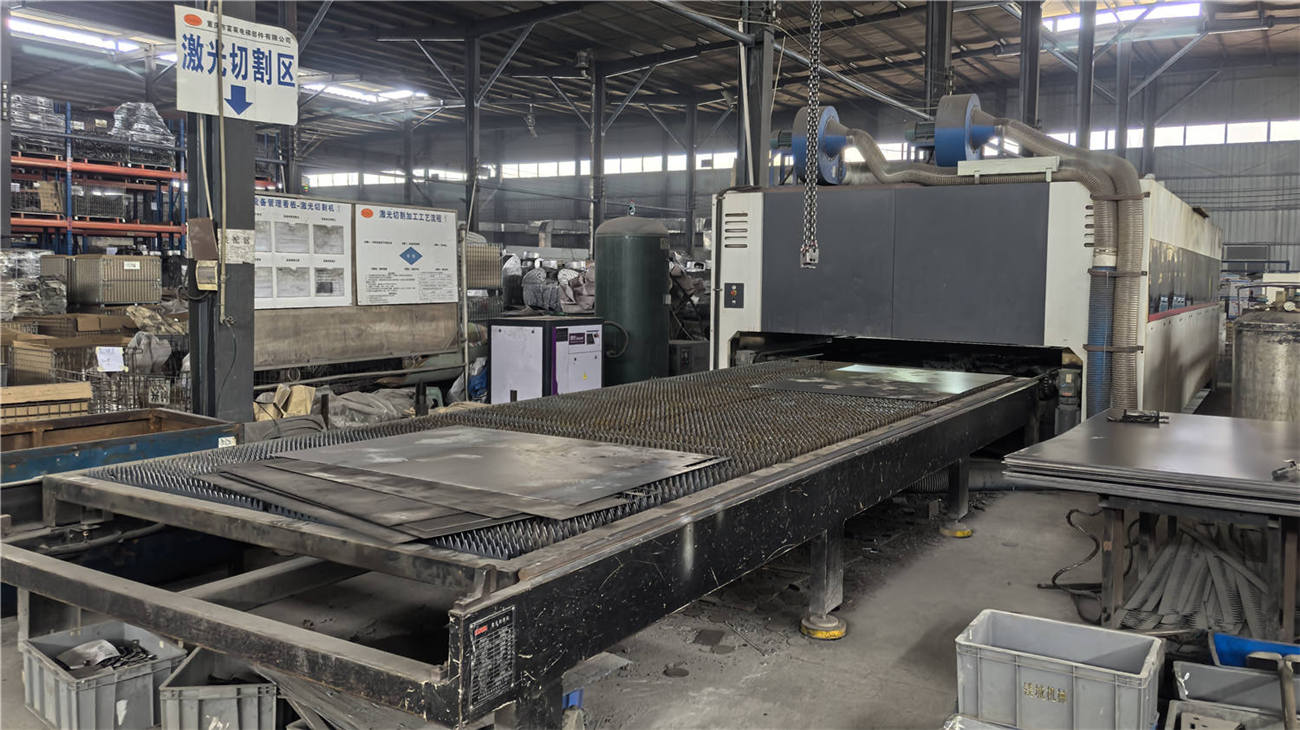
The transition from mechanical engines to modern, software-optimized digital generators is driven by the need for better fuel efficiency, reduced emissions, and smart grid integration. Weifang Gods Power focuses its engineering efforts on three core digital development paths:
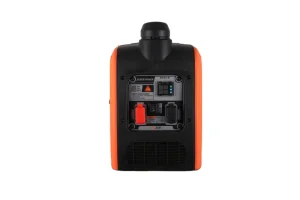
Standard generators run at a fixed RPM (typically 1500 or 1800 RPM) regardless of load, wasting fuel during periods of low demand. Our digital inverter units decouple engine speed from electrical frequency, adjusting engine RPM dynamically to match load requirements and saving up to 25% on fuel.
Modern industrial sites use multiple energy sources, including solar PV and battery storage. Weifang Gods Power generator controllers support modbus and CAN-bus protocols, allowing seamless integration with battery energy storage systems (BESS) for reliable hybrid power architectures.
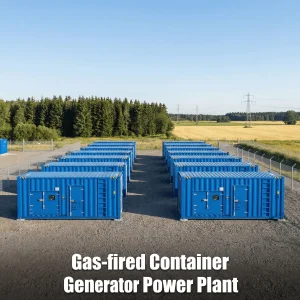
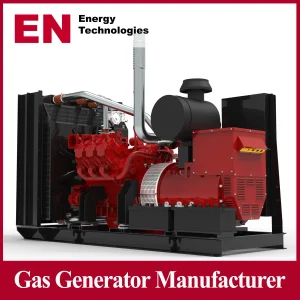
To support decarbonization, we design and manufacture engines compatible with alternative gases, including biogas, natural gas, methane, LPG, syngas, and hydrogen blends. These fuel systems lower direct carbon dioxide output while delivering high thermal output.
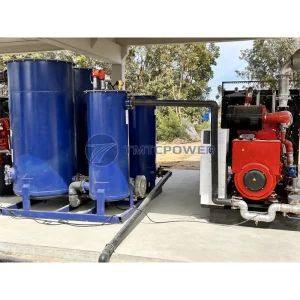
Standard generator setups release exhaust heat directly into the atmosphere, limiting fuel-to-electricity efficiency to about 35-40%. Our CHP systems recover thermal energy from exhaust gases and jacket cooling water, pushing overall system efficiency up to 90%.
Industrial generator systems must perform under diverse operational requirements. We design solutions for specific, high-demand sectors:
Purchasing power equipment requires compliance with regional safety, environmental, and import rules. Weifang Gods Power maintains certifications to support international shipping and installation requirements:
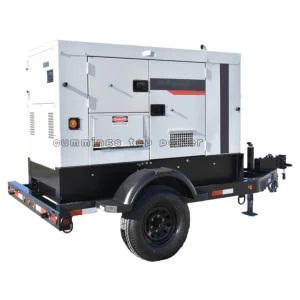
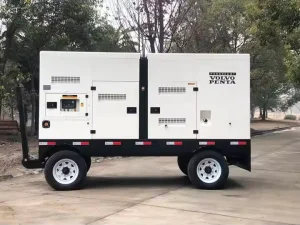
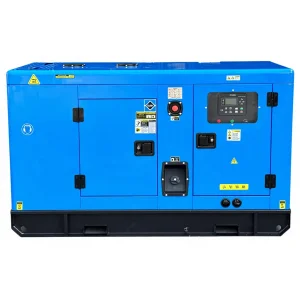
Our silent diesel and gas generators carry the CE mark, indicating compliance with European safety standards, and are certified under COC (Certificate of Conformity) protocols for import compliance in Middle Eastern and African markets. We integrate soundproofing techniques, using double-wall acoustic enclosures and fire-resistant rockwool insulation to keep noise levels below 65 dBA at 7 meters, making them suitable for urban locations.
Expert answers to common engineering and procurement questions regarding generator efficiency, fuel selection, and system configuration.
A standard generator set converts roughly 35% to 40% of fuel energy into electrical power, with the remaining 60% lost as waste heat. A Combined Heat and Power (CHP) system uses heat exchangers to capture thermal energy from the engine's exhaust and cooling system. This captured heat can be used for space heating, domestic hot water, or industrial steam, bringing the system's overall fuel efficiency close to 90%. This setup helps reduce fuel consumption and carbon emissions in thermal-intensive industrial processes.
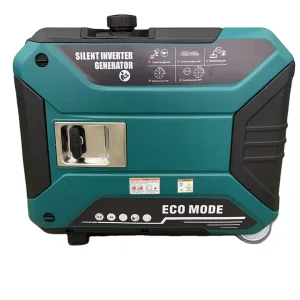
Traditional generators regulate voltage and frequency by matching the engine speed to the grid frequency, which can fluctuate under sudden load changes. This can lead to voltage spikes and total harmonic distortion (THD) of 5% to 15%, potentially disrupting sensitive electronics. Digital inverter generators use a multi-stage conversion process: they generate high-frequency AC, convert it to DC, and then invert it back to stable AC power. This produces a clean sine wave with THD under 2.5%, protecting servers, medical systems, and laboratory instruments.
Emergency standby systems must meet strict reliability standards. Key maintenance includes weekly no-load tests, monthly active-load runs at 30% of capacity to prevent wet stacking (unburnt fuel accumulation in the exhaust), annual load bank testing to verify cooling and fuel system integrity, and regular oil, coolant, and starter battery checks. Remote monitoring systems can track these parameters in real time, alerting maintenance staff to potential issues before an outage occurs.
The gas quality and methane content (represented by the Methane Number) determine the fuel's combustion characteristics and knock resistance. Biogas, which contains carbon dioxide and trace hydrogen sulfide, has a lower energy density than pure methane. We address this variation by using electronic air-to-fuel ratio controllers and gas pre-treatment systems (dehumidification and desulfurization) to maintain consistent combustion, protect components, and deliver stable power output.
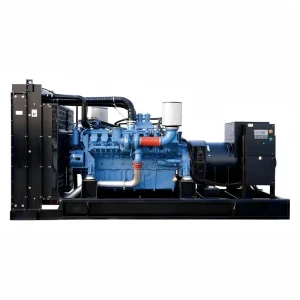
Heavy-duty, containerized, and high-efficiency backup generators configured for extreme reliability and remote applications.
 Gods Power