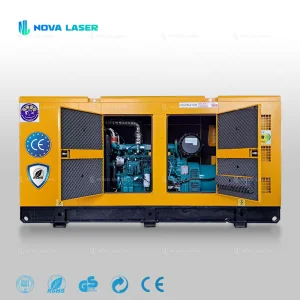
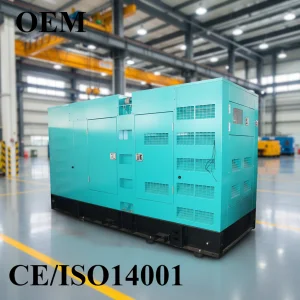
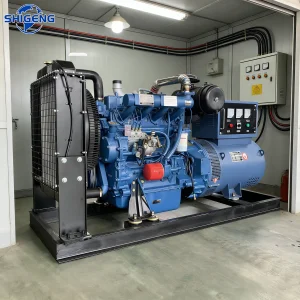
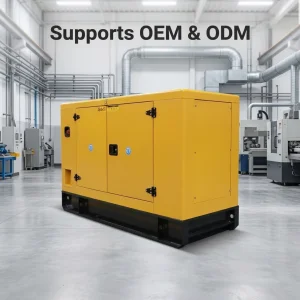
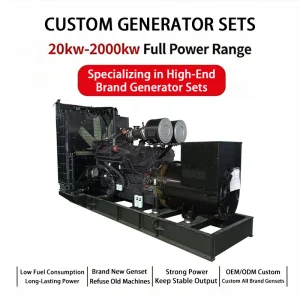
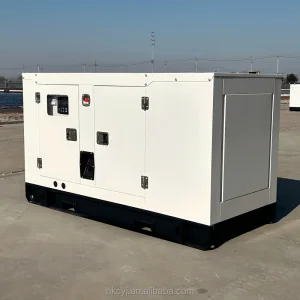
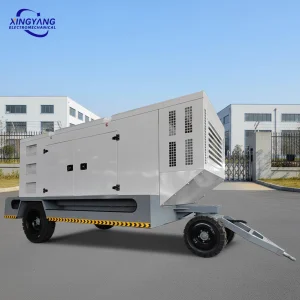
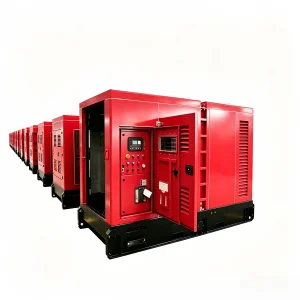
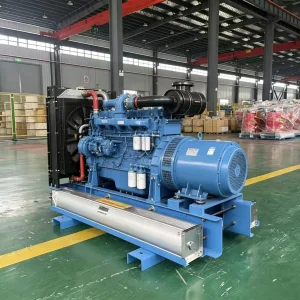
Our premier industrial standby lines, selected for their optimized cold-start capabilities, remote diagnostic systems, and structural enclosure durability.
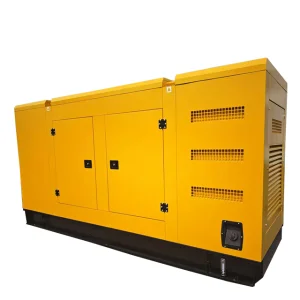
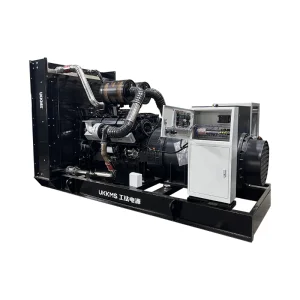
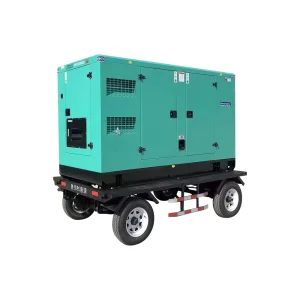
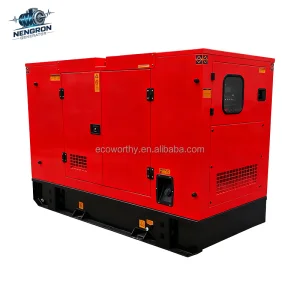
The Chicago metropolitan area, spanning Cook, DuPage, Will, and Lake Counties, represents one of the most complex power matrices in North America. Governed by the PJM Interconnection grid and managed locally by Commonwealth Edison (ComEd), the region is exposed to a dense combination of high-demand industrial processing, mission-critical data centers (especially in Elk Grove Village), and extreme seasonal weather.
From winter polar vortexes that strain transmission lines to lake-effect wind storms and severe summer supercell thunderstorms, Chicago-based organizations face distinct grid reliability profiles. In these severe conditions, standby generation is no longer an optional luxury—it is a mandatory asset required to prevent catastrophic pipeline freeze-ups, processing line interruptions, and server outages.
| Grid Risk Factor | Impact on Facility Operations | Generator Mitigation Strategy |
|---|---|---|
| Extreme Sub-Zero Storms | Battery failure, fuel gelling, air intake freezing | Smart heating jackets, fuel line heaters, winterized oil |
| Summer Peak Overload | Voltage drops, rolling utility curtailment loads | High-efficiency standby rating, fast-transition ATS |
| Zoning Sound Limits | Strict City of Chicago municipal noise limits | Super-silent acoustic enclosures (up to 65 dBA @ 7m) |
Designing standby power architectures for major metropolitan areas requires a deep understanding of multi-megawatt systems. For high-volume manufacturing facilities, pharmaceutical packaging hubs, and logistics storage warehouses in Chicagoland, our configurations integrate automatic transfer switches (ATS), paralleling switchgear, and dual-source main breakers.
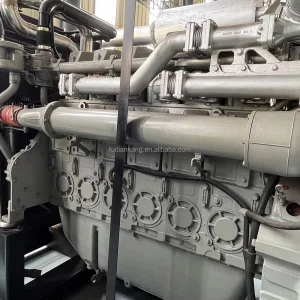
Modern hyperscale and colocation facilities rely on redundant architectures (such as N+1 or 2N designs) to secure continuous uptime. Because a momentary drop in voltage can crash server racks, we deploy generator groups with specialized engines that reach stable voltage and frequency within less than 10 seconds of grid disruption. These systems integrate with sophisticated remote monitoring tools and high-efficiency copper motors.
Life-safety standby systems are governed by NFPA 110 Level 1 regulations. In critical environments like operating rooms, ICU systems, and medical ventilation lines, emergency power must be restored almost instantly. Our specialized hospital standby generators incorporate reliable, fast-starting engine blocks paired with integrated water jackets to maintain warm engine fluids during downtime, facilitating rapid startup sequences.
Installing an industrial standby generator within the City of Chicago or across Cook County requires navigating complex local codes, zoning restrictions, and environmental requirements.
The Chicago Department of Public Health (CDPH) and the Illinois Environmental Protection Agency (IEPA) regulate emissions for stationary combustion engines. For emergency-standby systems, engines must comply with EPA Tier ratings matching their operational hours. For peak-shaving applications, EPA Tier 4 Final units with Selective Catalytic Reduction (SCR) systems and Diesel Particulate Filters (DPF) are required. Our product lines meet these regulatory standards, making permit approvals smoother for engineering teams.
Due to dense urban zoning in downtown Chicago, sound mitigation is a crucial engineering requirement. Residential and commercial boundaries are subject to strict dBA noise caps. Our silent canopy series uses high-density sound-absorbing rockwool, dual-critical silencers, and aerodynamic air intake baffles to lower noise levels to commercial limits while preserving natural cooling air flow.
As the industrial sector transitions toward decarbonization, standby power systems are evolving to integrate clean technologies. We are actively engineering next-generation control systems and alternative fuel architectures to support future clean energy initiatives.
Our modern diesel generator platforms are designed to run on HVO, a renewable paraffinic diesel fuel. Running on HVO reduces net greenhouse gases by up to 90% while delivering similar output, storage stability, and cold-weather performance as standard petroleum diesel.
For critical applications, combining lithium-ion Battery Energy Storage Systems (BESS) with heavy-duty diesel engines provides immediate, seamless power transitions while reducing diesel runtimes, lowering operating costs, and minimizing total emissions.
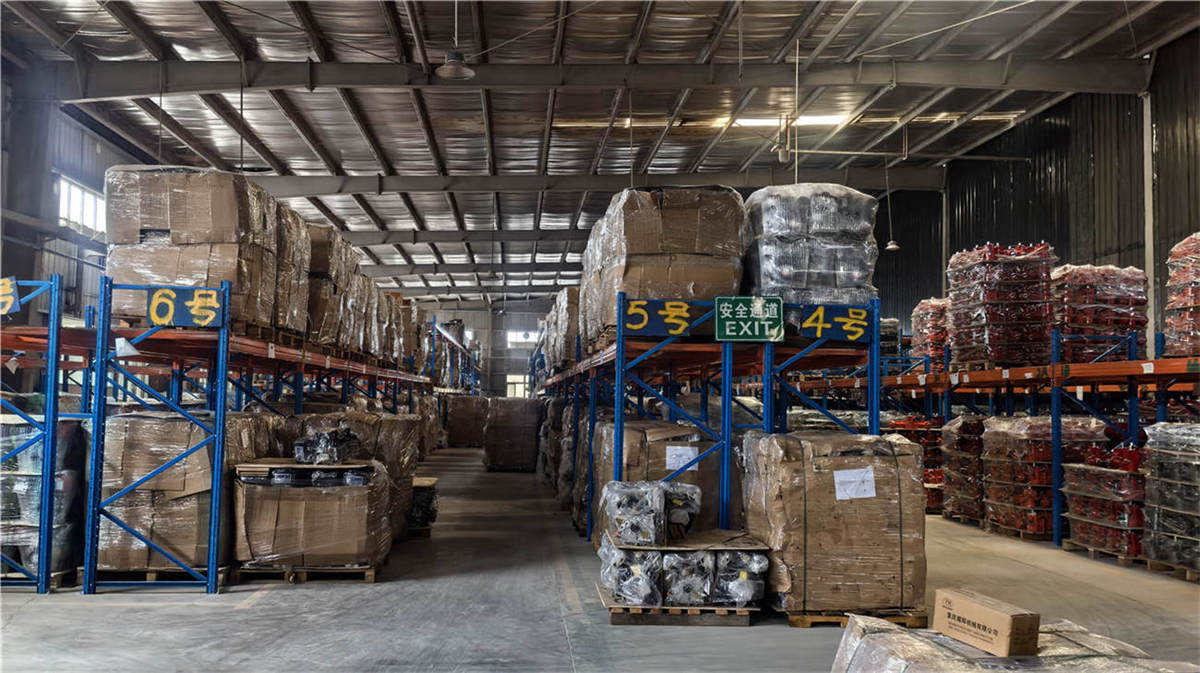
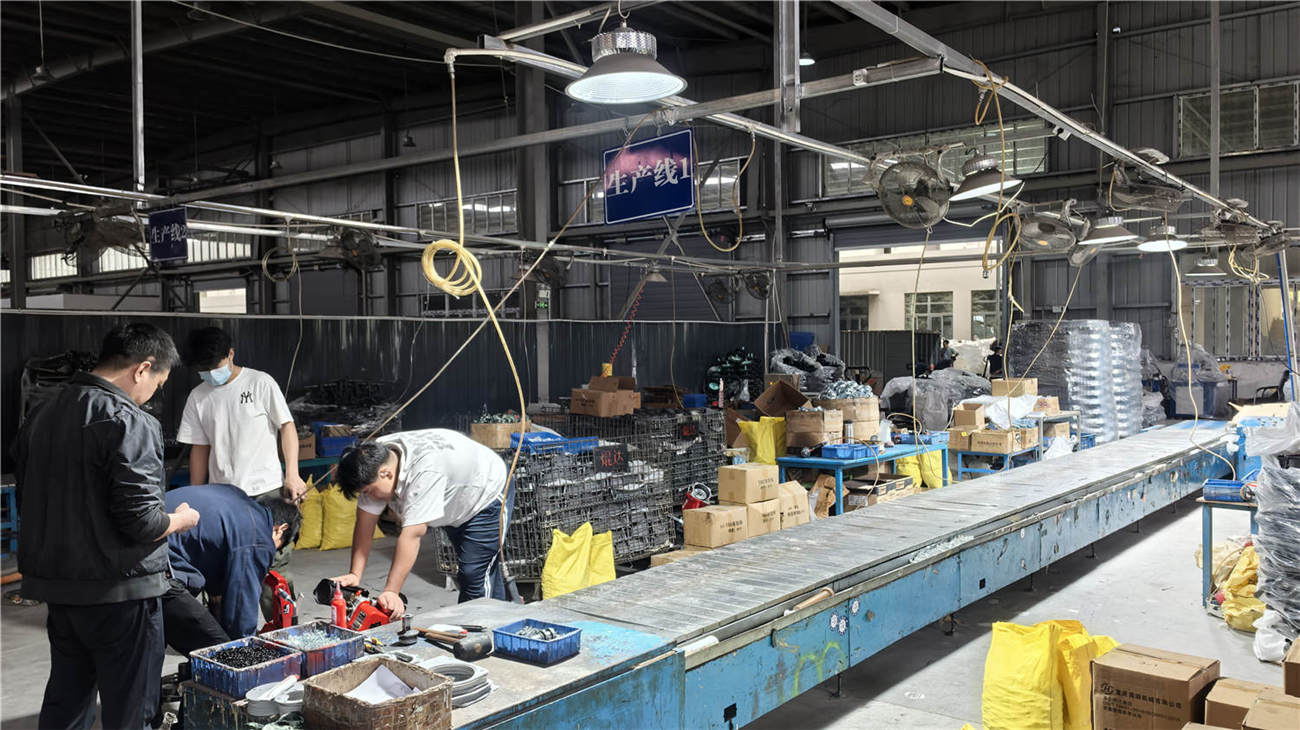
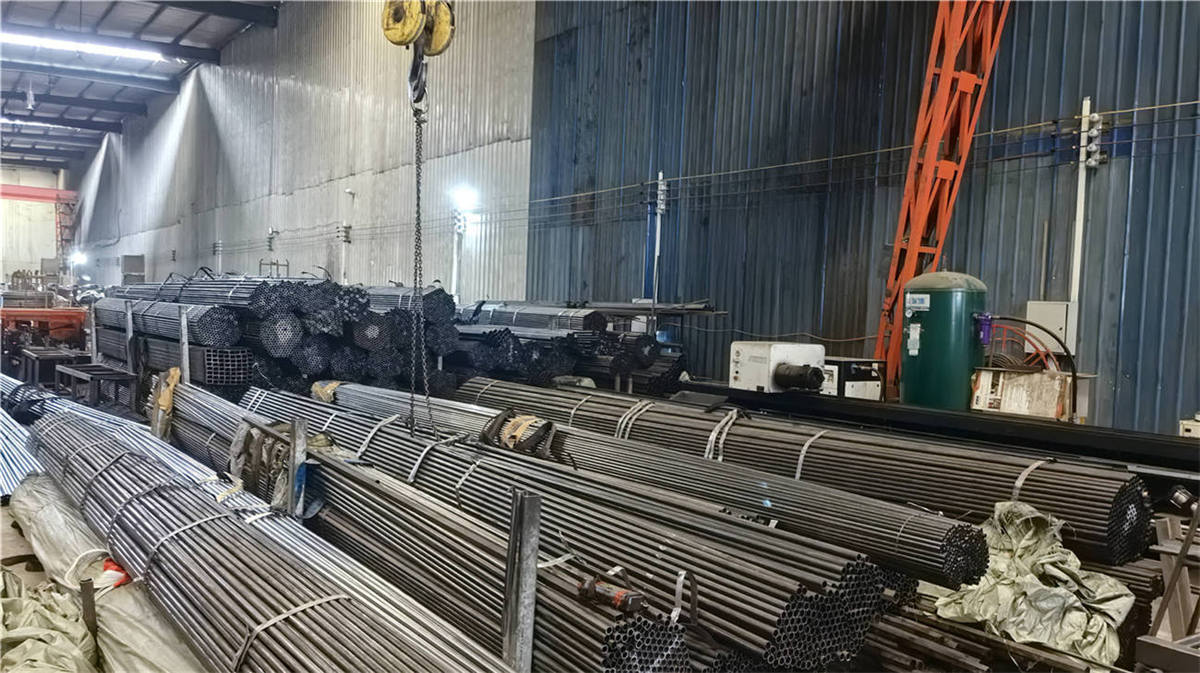
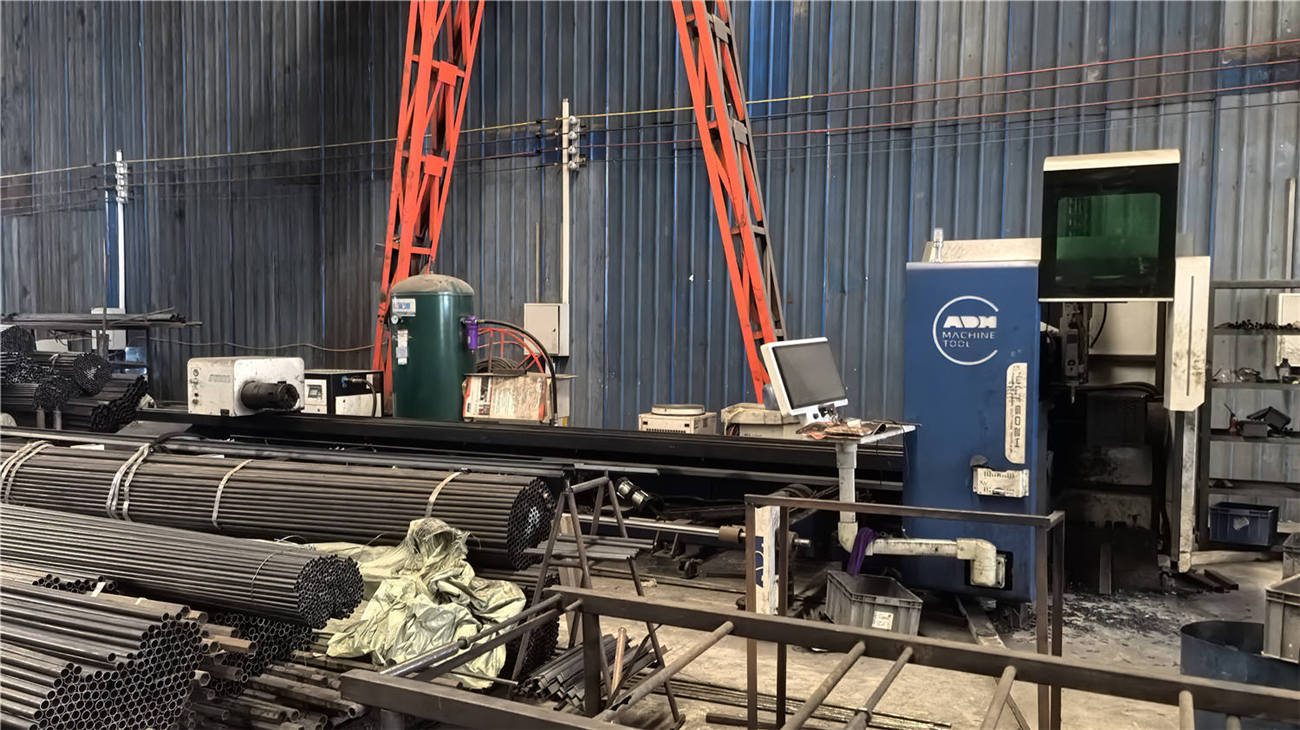
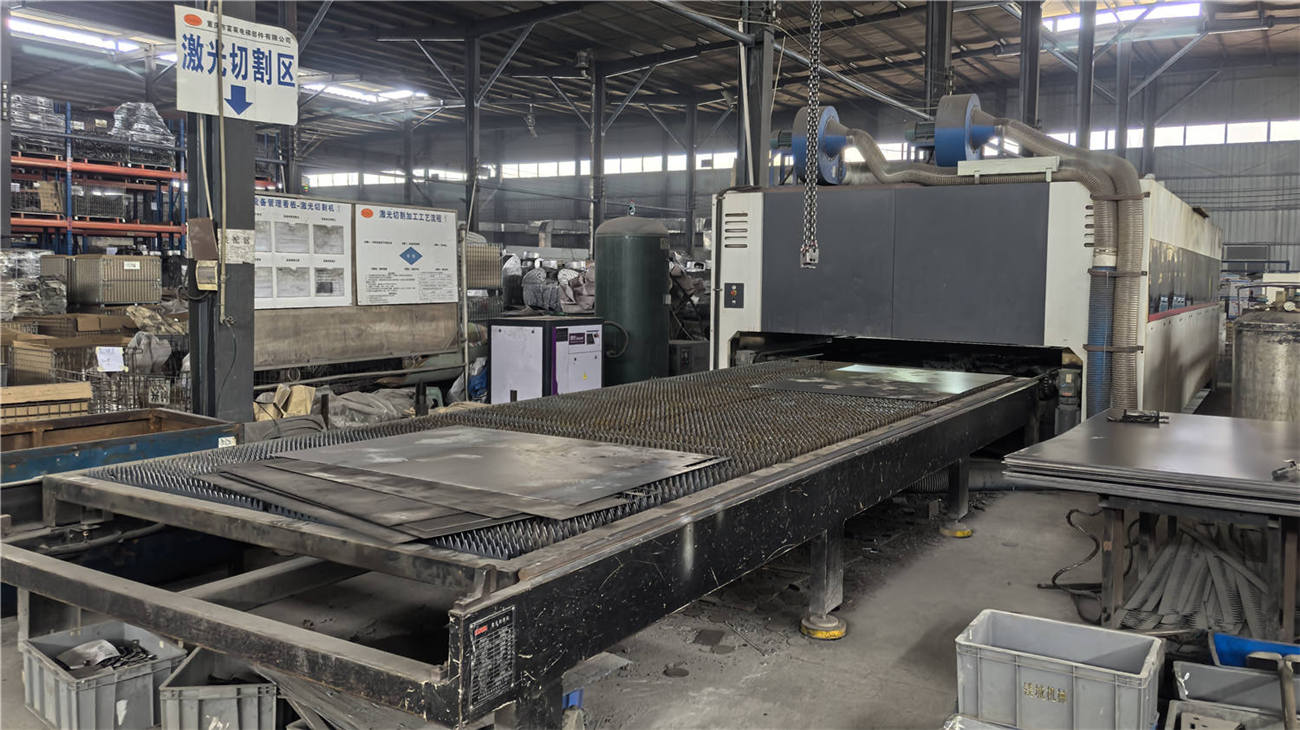
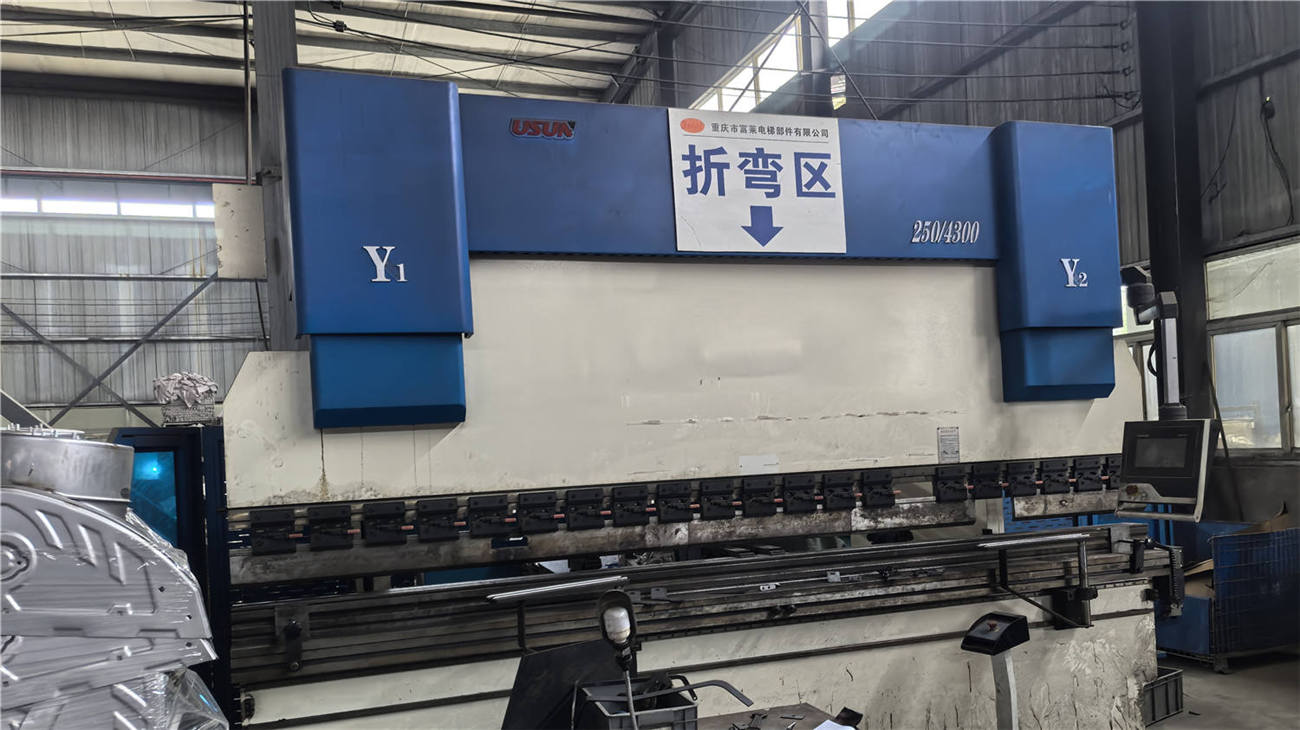
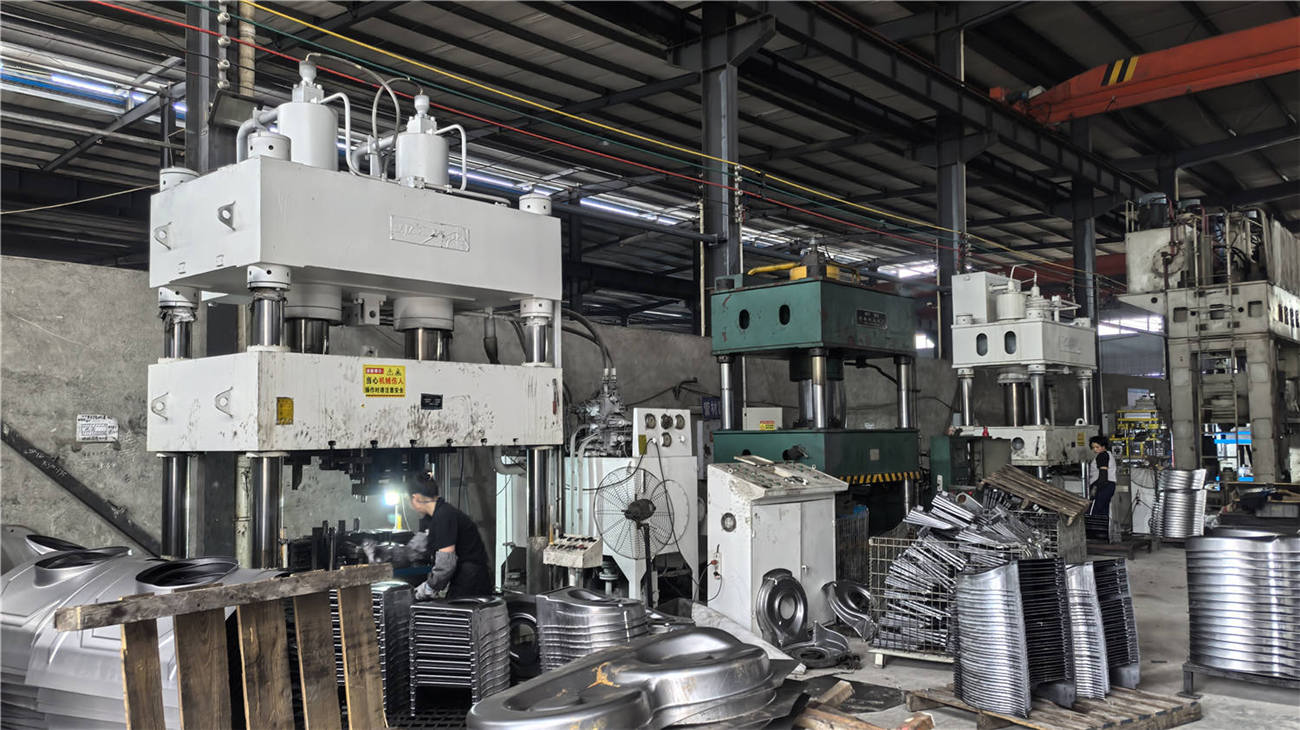
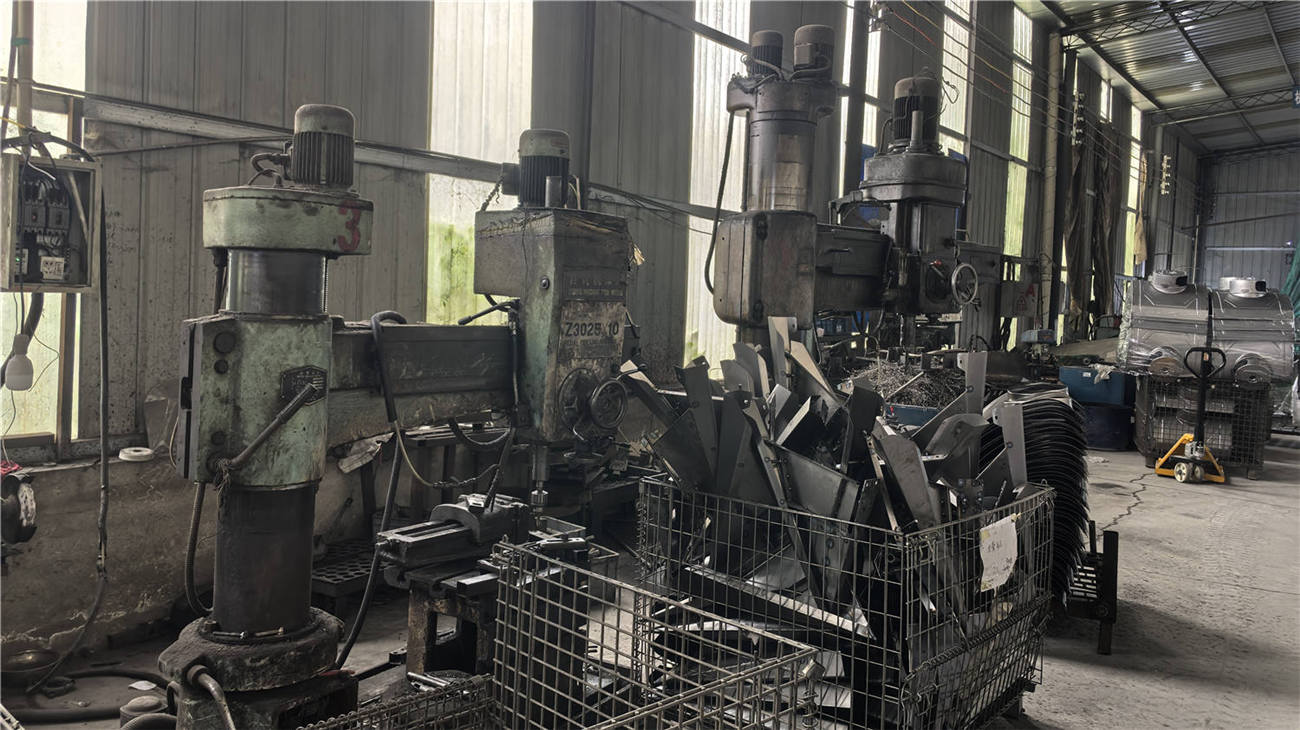
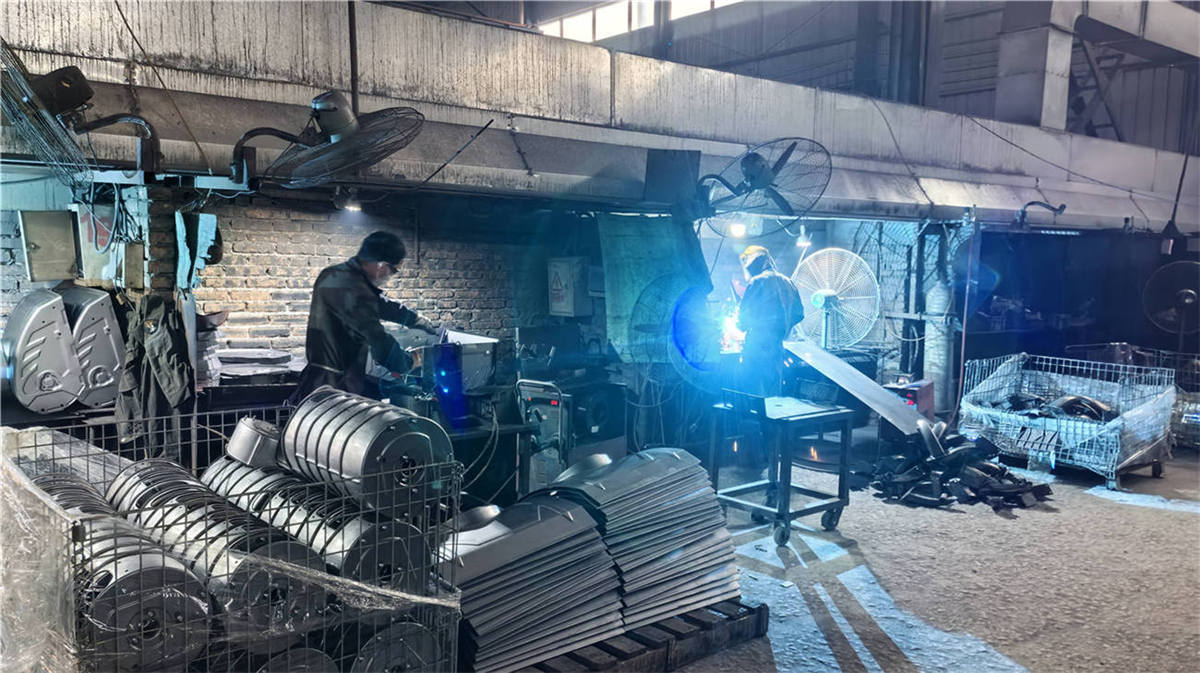
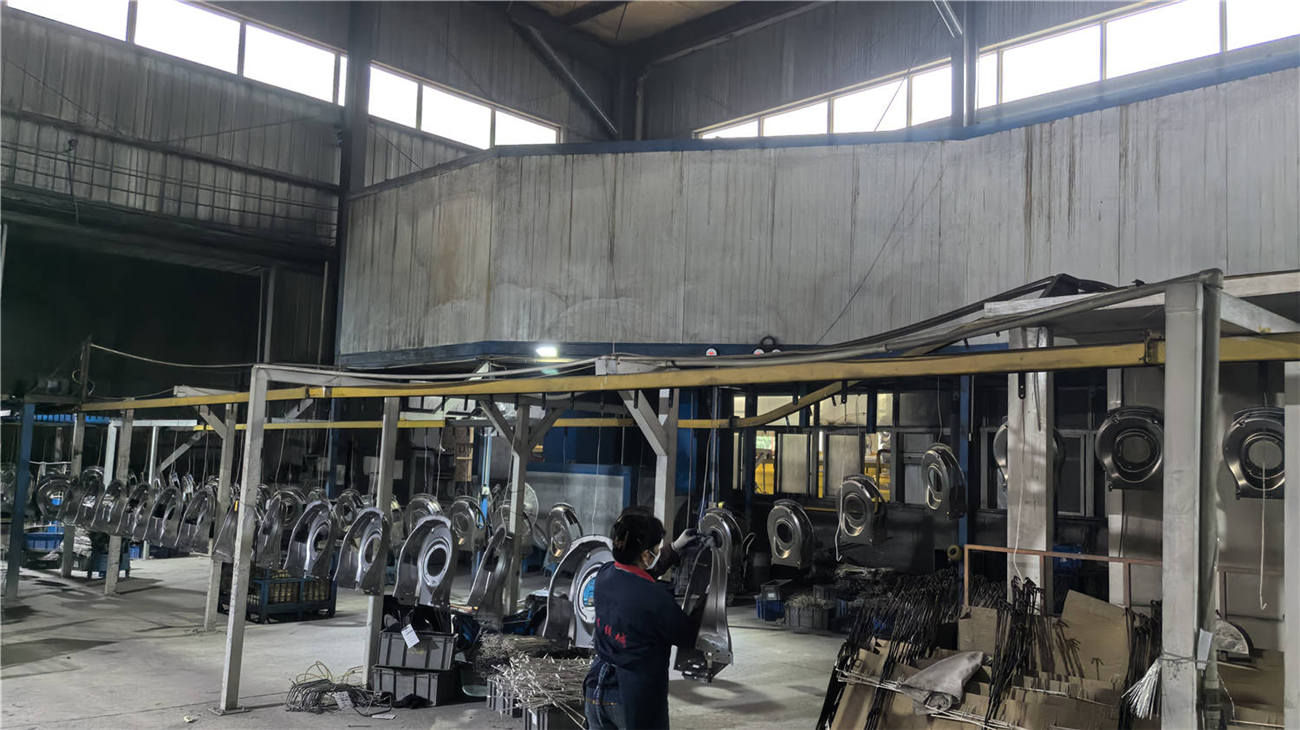
Weifang Gods Power Co., Ltd. is a leading enterprise specializing in the development, manufacturing, and sales of high-quality diesel generator sets. With a registered capital of 26 million yuan, the company is equipped with advanced testing facilities, complete product assembly lines, and sophisticated mechanical processing equipment. Weifang Gods Power employs over 200 skilled professionals and maintains a highly capable technical team, supported by a robust and mature quality management system, ensuring that every product meets the highest standards of reliability and performance.
As a technology-driven company, Weifang Gods Power is committed to continuous innovation and research, integrating product design, development, production, and sales to provide comprehensive power solutions tailored to customer needs. The company’s strategic goal is to be market-oriented, technologically advanced, and guided by honesty and integrity, while continuously strengthening its technical capabilities and service excellence.
Guided by the business philosophy of “unity, diligence, pragmatism, and innovation,” Weifang Gods Power emphasizes the importance of product quality, operational efficiency, and customer satisfaction. Every product is crafted with meticulous attention to detail, and the company provides comprehensive after-sales support to ensure long-term reliability and peace of mind for its clients.
Weifang Gods Power aims to create mutually beneficial and lasting partnerships with customers worldwide. Through a combination of advanced technology, professional expertise, and unwavering commitment to quality, the company strives to deliver cutting-edge energy solutions, drive innovation in the power industry, and contribute to sustainable development globally. With a clear vision for the future, Weifang Gods Power continues to expand its global presence, uphold the highest standards of excellence, and deliver reliable, efficient, and environmentally responsible power solutions to meet the evolving demands of modern industries.
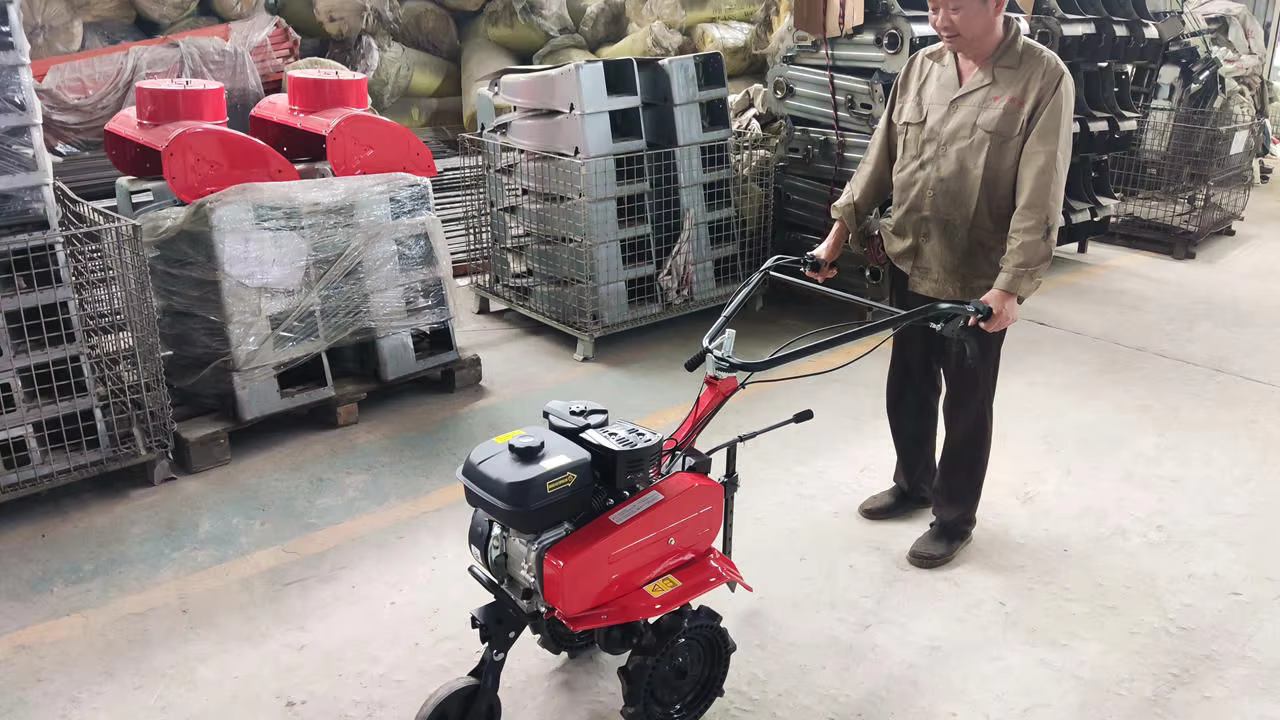
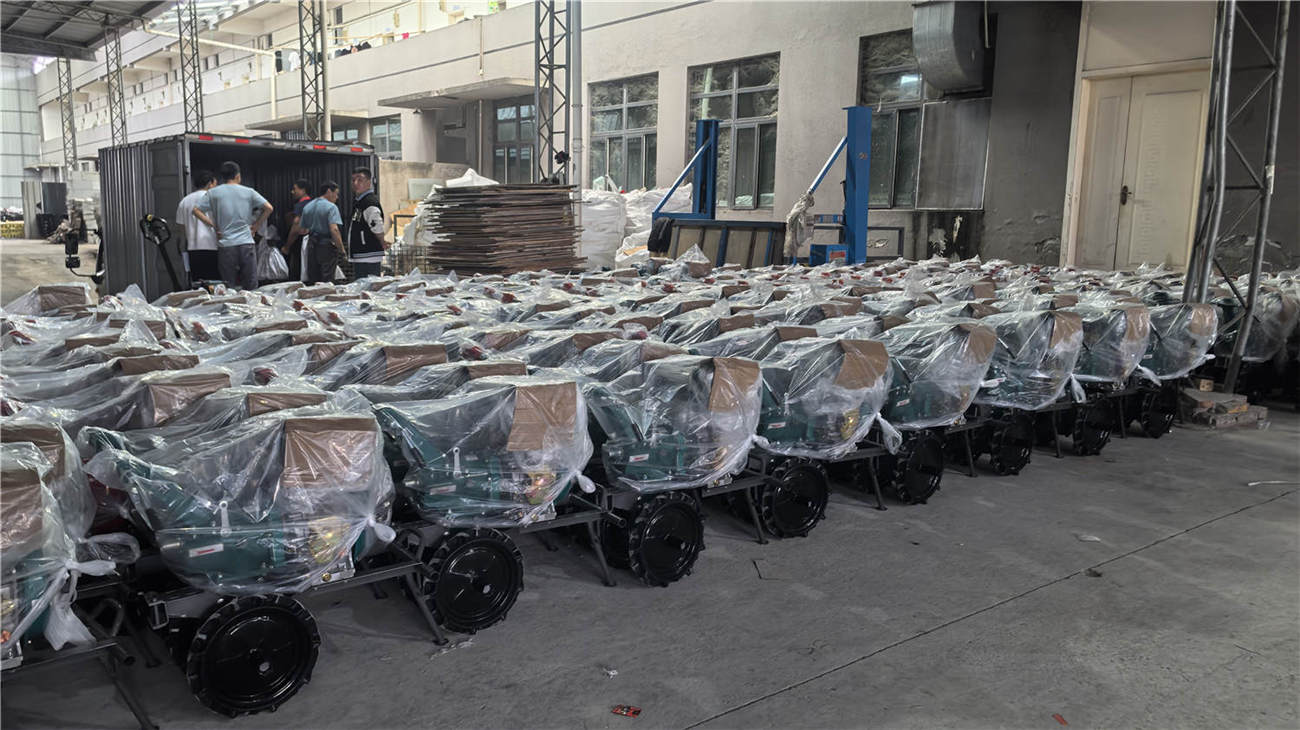
Our production processes follow strict QA checks, from checking incoming raw materials to final functional tests, ensuring reliable performance when connected to utility grids.
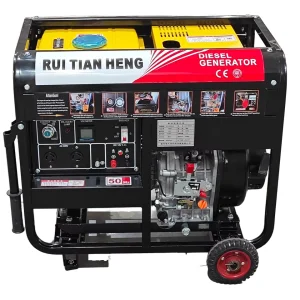
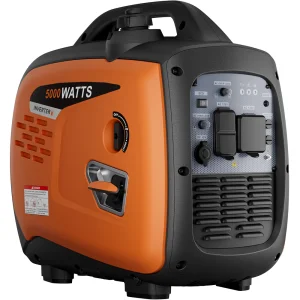
A comprehensive selection of commercial, residential, and emergency power plants. Optimized with high-torque copper motors and digital automation controls.
Key considerations for municipal planners, commercial real estate developers, and plant electrical engineers in the Chicago area.
Get in touch with our engineering team today to review your project specifications, request technical drawings, or get a custom quote.
 Gods Power