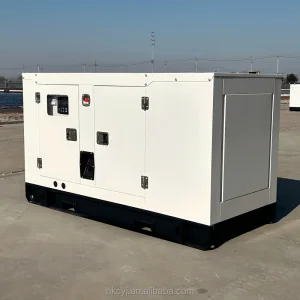
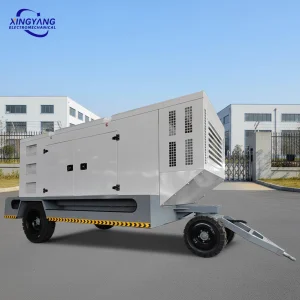
Engineered to meet South Korea's strict municipal guidelines and grid failure regulations, these initial units present robust configurations for local businesses.
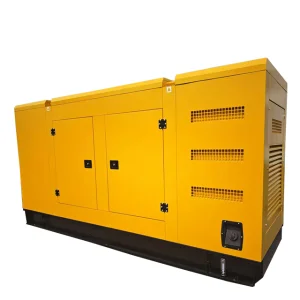
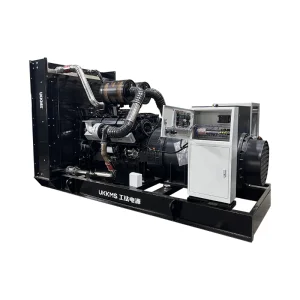
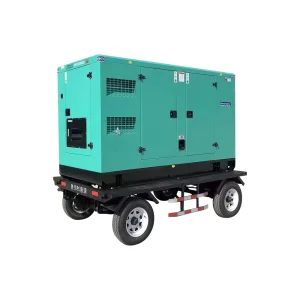
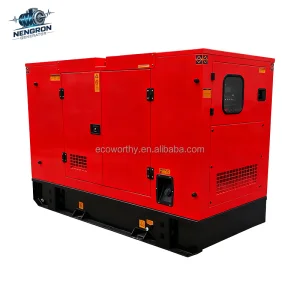
How South Korea’s leading commercial, technological, and medical nodes optimize electrical backup structures.
As one of the world's most hyper-connected megacities, Seoul serves as the nerve center for multinational conglomerates, advanced electronics production, massive hyper-scale data centers, and world-class medical facilities. The continuous, uninterrupted flow of high-voltage electrical energy is not merely a operational preference; it is a critical baseline for national security, economic stability, and human life preservation. While the Korea Electric Power Corporation (KEPCO) provides an exceptionally reliable national grid structure, localized disturbances, extreme weather patterns, and regional grid loads require high-capacity, rapidly deploying standby emergency generator sets.
In the dense commercial districts of Gangnam, Yeouido, and Gasan Digital Complex, the spatial footprint available for auxiliary machinery is extremely restricted. This necessitates engineered solutions that deliver massive power density within compact sound-attenuated enclosures. To maintain regional air quality under the Seoul Metropolitan Clean Air Conservation Act, these diesel systems must utilize advanced emissions mitigation systems. Standby emergency generators within Seoul must comply with strict criteria regarding particulate emissions, sound dampening, vibration control, and integration with local fire safety and building management systems (BMS).
In accordance with the Korean Building Code (KBC 2016) and structural provisions of KDS 41 17 00, all standby utility generators mounted in commercial developments over a certain elevation or classified under critical utility categories must undergo strict seismic bracing calculations. The system mounts, spring isolators, and sub-base fuel tanks are rated to withstand lateral seismic acceleration forces up to 2.5G, guaranteeing backup start-up efficiency during tectonic disruptions.
1. Hyper-scale Data Centers: The Pangyo Techno Valley and surrounding Gyeonggi province contain some of East Asia's most dense clusters of cloud computing server farms. These facilities operate on Tier III and Tier IV uptime configurations, requiring standby systems to take full load within 10 to 15 seconds of utility failure. Our specialized multi-megawatt systems, powered by highly optimized engines, integrate perfectly with local UPS topologies to eliminate transient voltage fluctuations.
2. Healthcare Complexes & Hospitals: Major medical institutions in Seoul (such as Seoul National University Hospital and Asan Medical Center) operate under national healthcare safety acts requiring secondary and tertiary power reserves. In clinical environments, a power interruption of milliseconds can compromise critical life support systems. The integration of fast-response Automatic Transfer Switches (ATS) with automated parallel generator banks ensures seamless continuity.
3. Semiconductor and Electronics Assembly: Sub-micron cleanrooms located just south of Seoul require continuous clean, regulated current. Even a minute voltage sag can ruin entire wafer runs. High-speed, high-transient-response diesel gensets acting as dynamic standby solutions protect massive capital investments in high-tech fabrication facilities.
A premier engineering and manufacturing partner providing reliable power generation assets to South Korea and the global market.
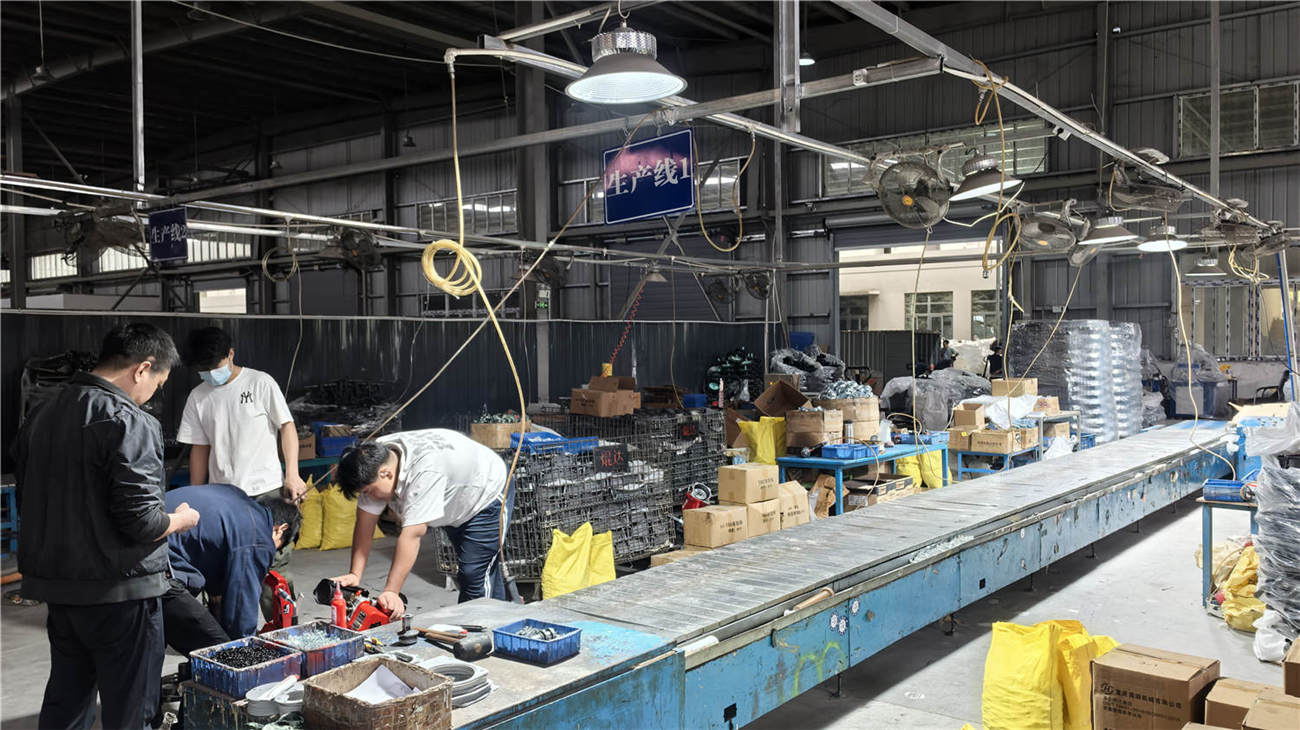
Weifang Gods Power Co., Ltd. is a leading enterprise specializing in the development, manufacturing, and sales of high-quality diesel generator sets. With a registered capital of 26 million yuan, the company is equipped with advanced testing facilities, complete product assembly lines, and sophisticated mechanical processing equipment. Weifang Gods Power employs over 200 skilled professionals and maintains a highly capable technical team, supported by a robust and mature quality management system, ensuring that every product meets the highest standards of reliability and performance.
As a technology-driven company, Weifang Gods Power is committed to continuous innovation and research, integrating product design, development, production, and sales to provide comprehensive power solutions tailored to customer needs. The company’s strategic goal is to be market-oriented, technologically advanced, and guided by honesty and integrity, while continuously strengthening its technical capabilities and service excellence.
Guided by the business philosophy of “unity, diligence, pragmatism, and innovation,” Weifang Gods Power emphasizes the importance of product quality, operational efficiency, and customer satisfaction. Every product is crafted with meticulous attention to detail, and the company provides comprehensive after-sales support to ensure long-term reliability and peace of mind for its clients.
Weifang Gods Power aims to create mutually beneficial and lasting partnerships with customers worldwide. Through a combination of advanced technology, professional expertise, and unwavering commitment to quality, the company strives to deliver cutting-edge energy solutions, drive innovation in the power industry, and contribute to sustainable development globally.
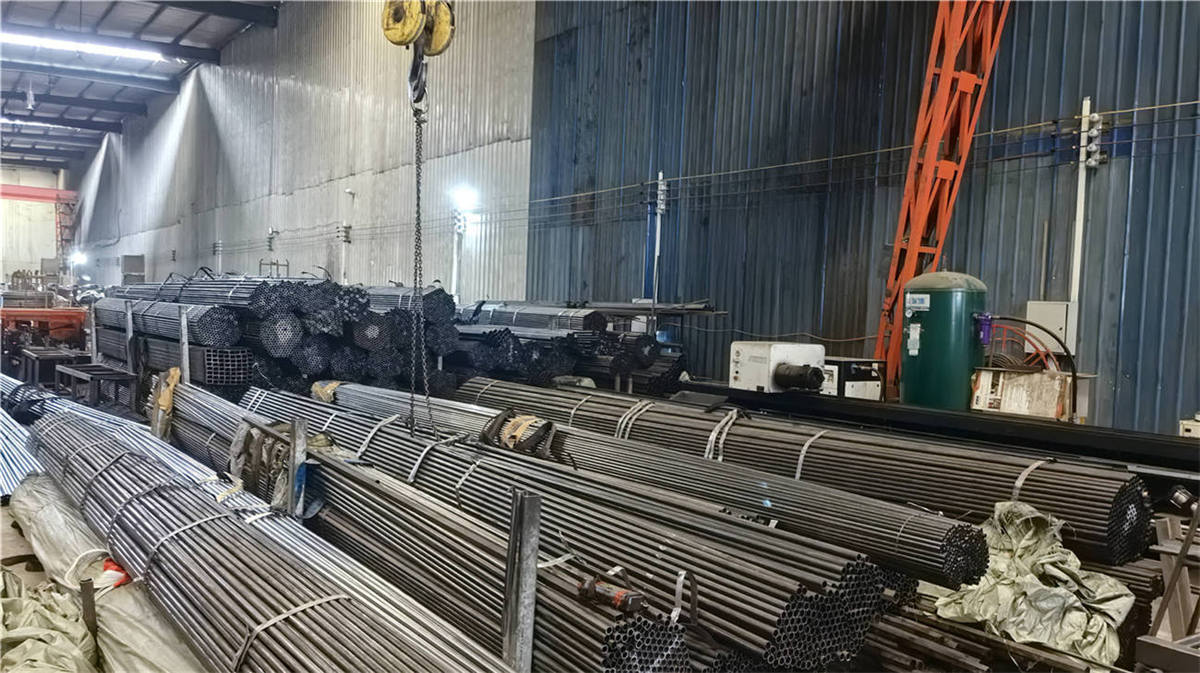
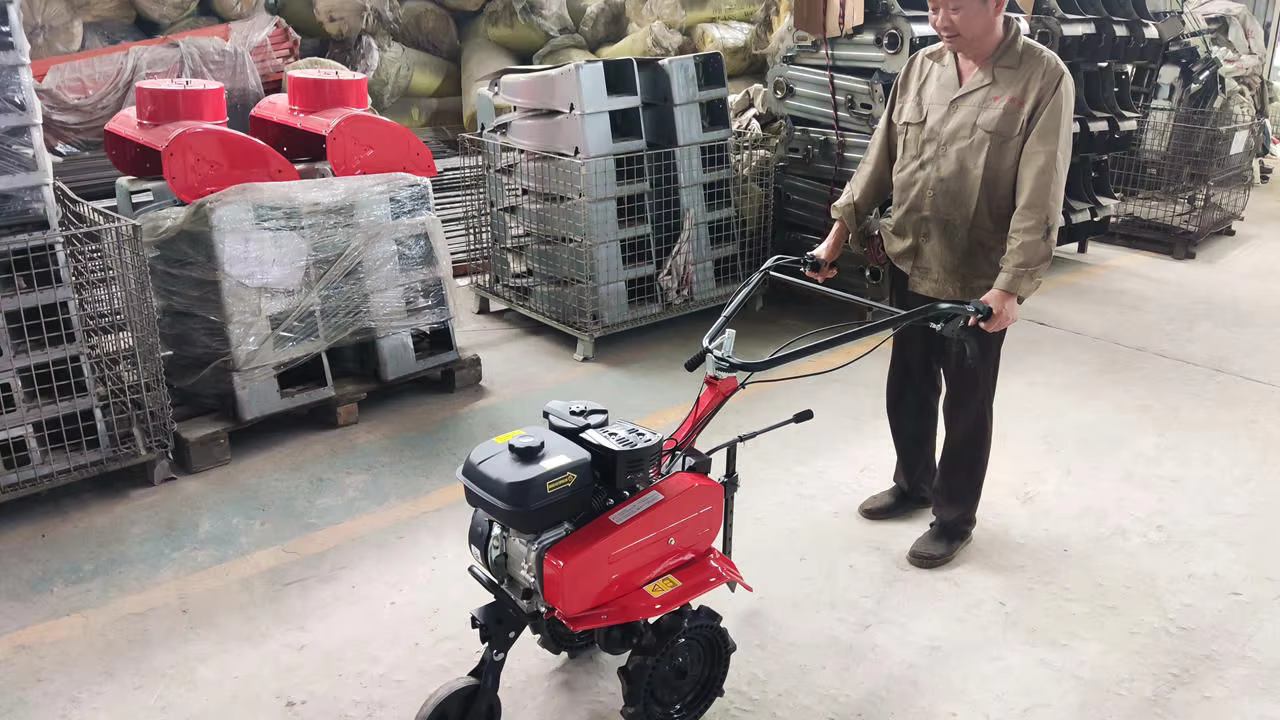
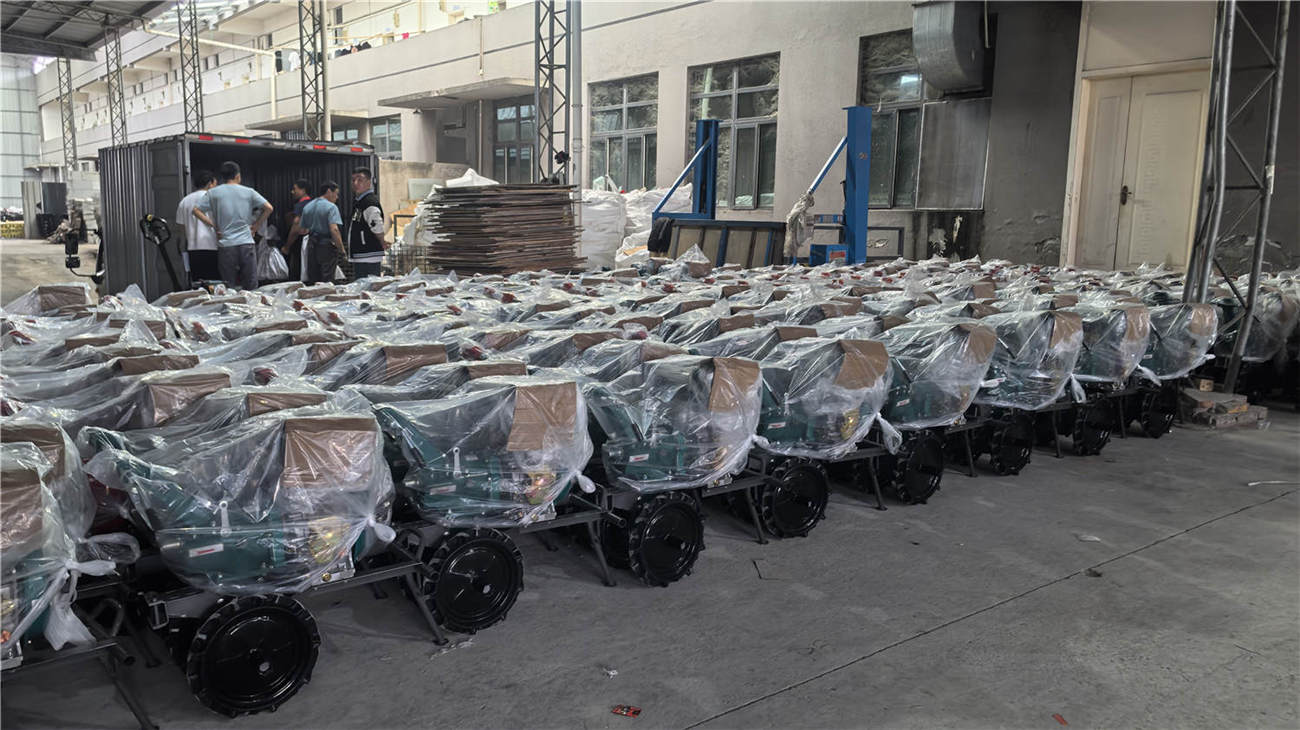
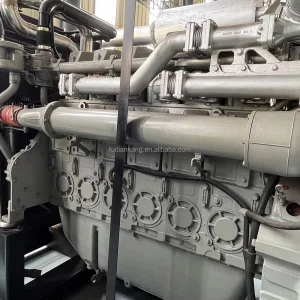
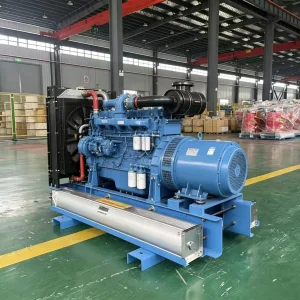
Every generator set manufactured by Weifang Gods Power undergoes a rigorous, vertically integrated 12-stage manufacturing and verification process, documented directly from our production plant floor:
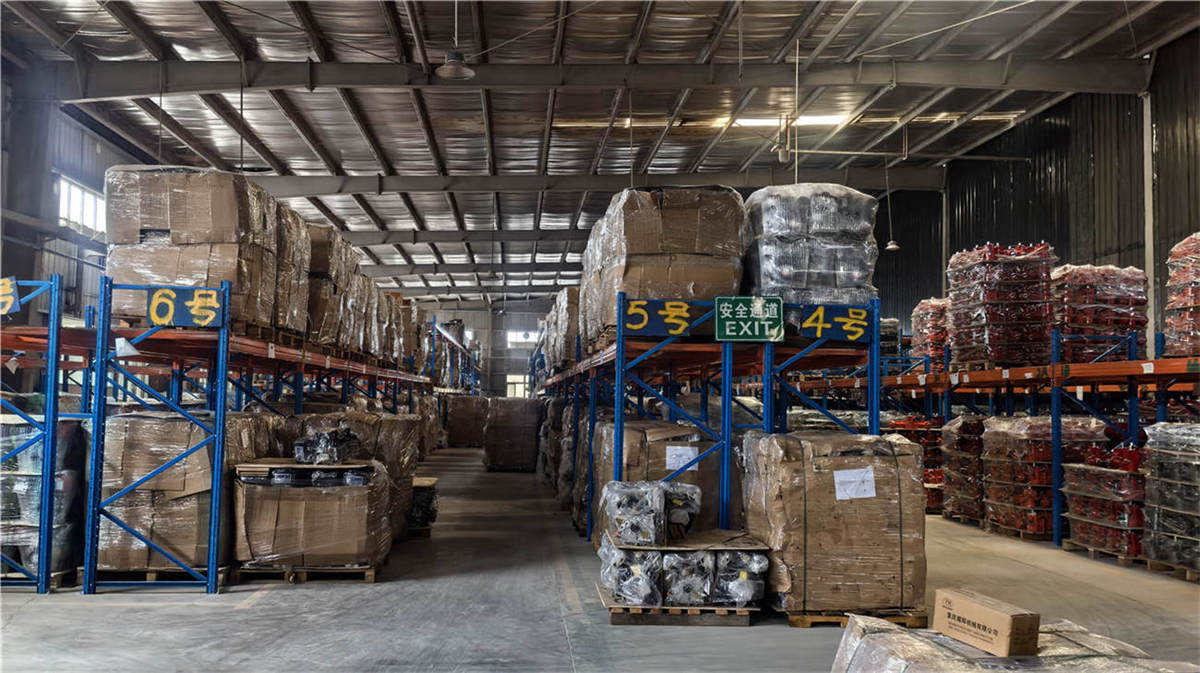
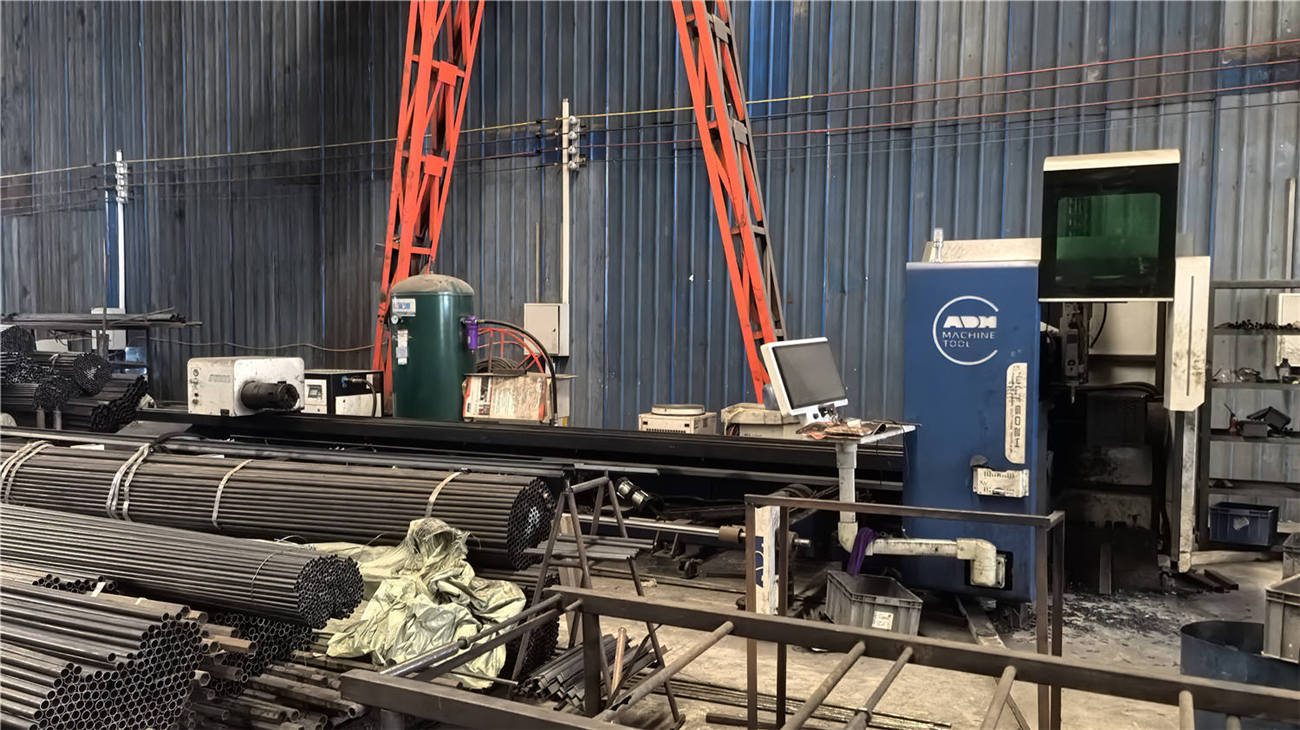
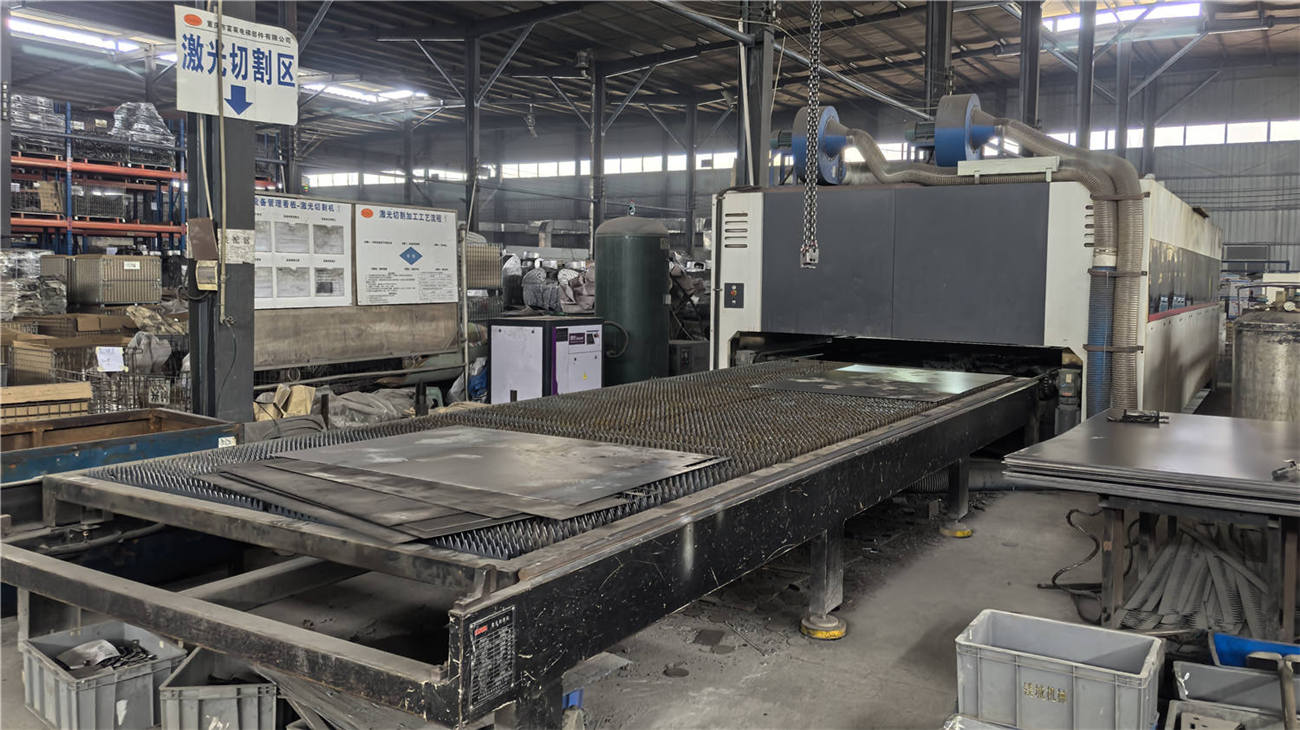
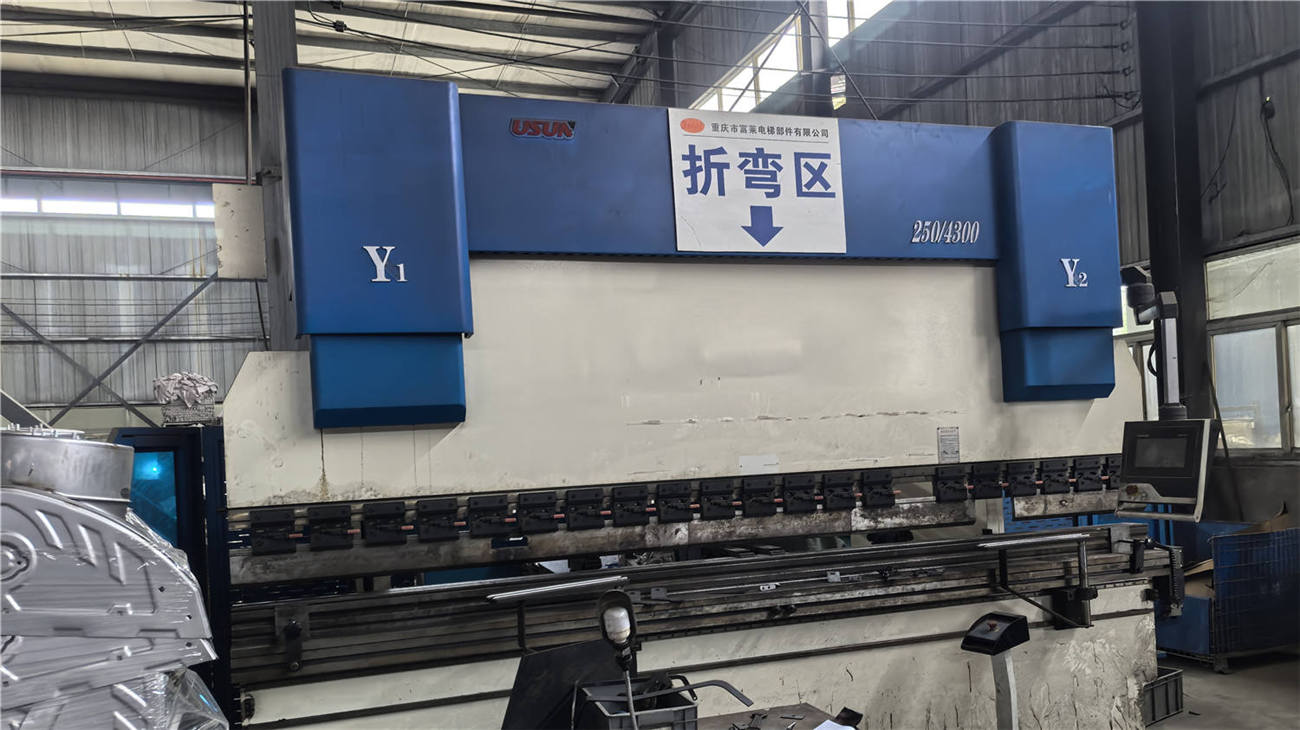
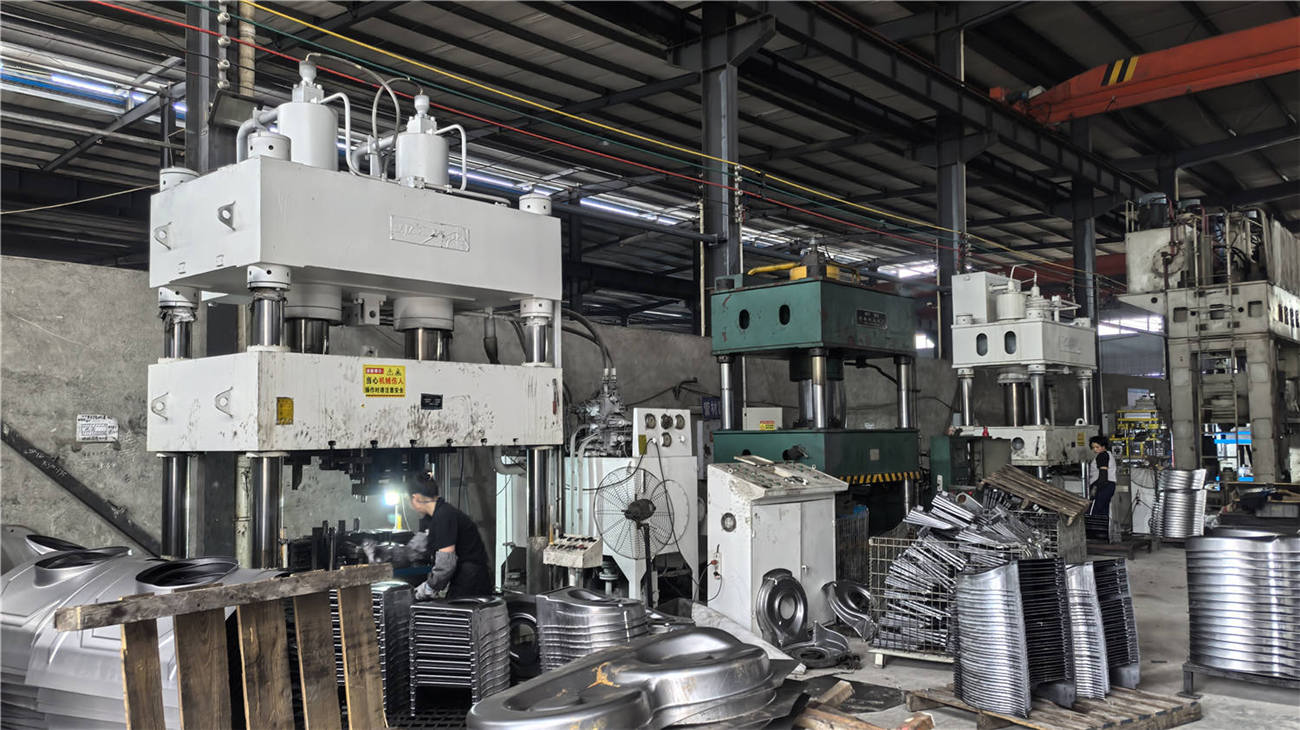
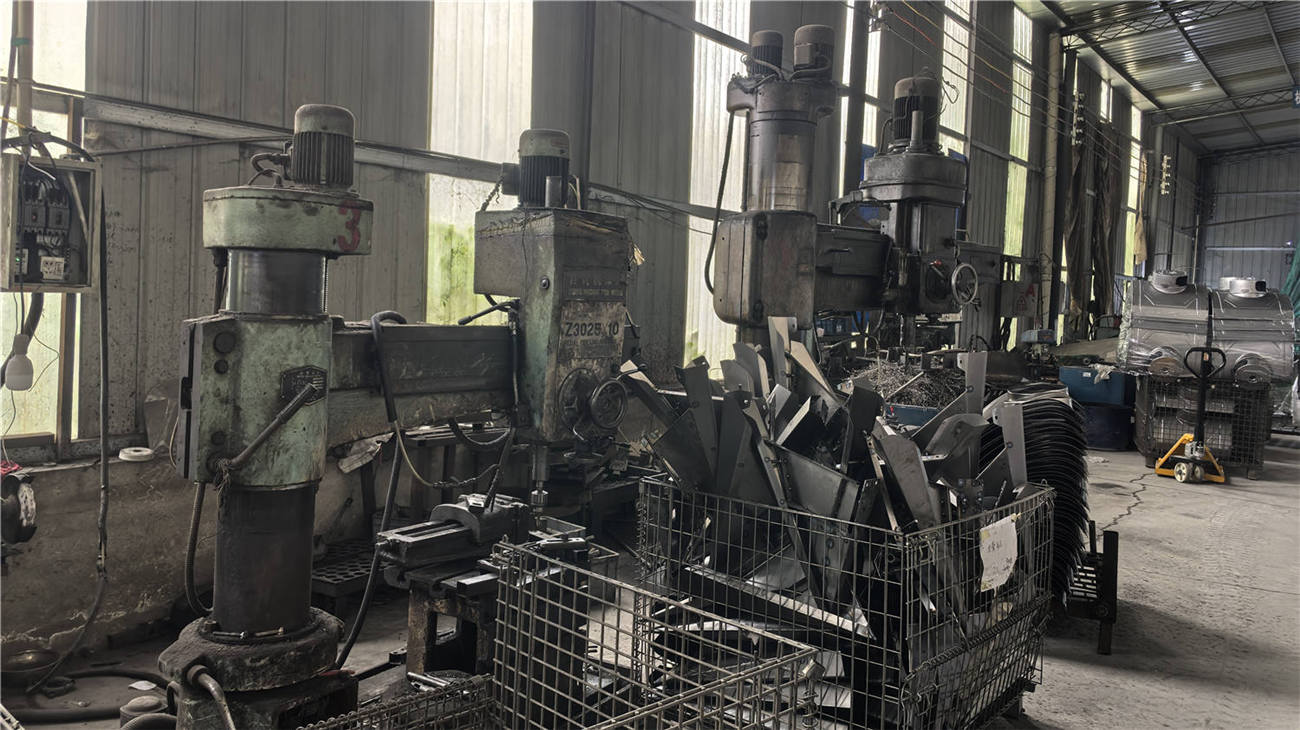
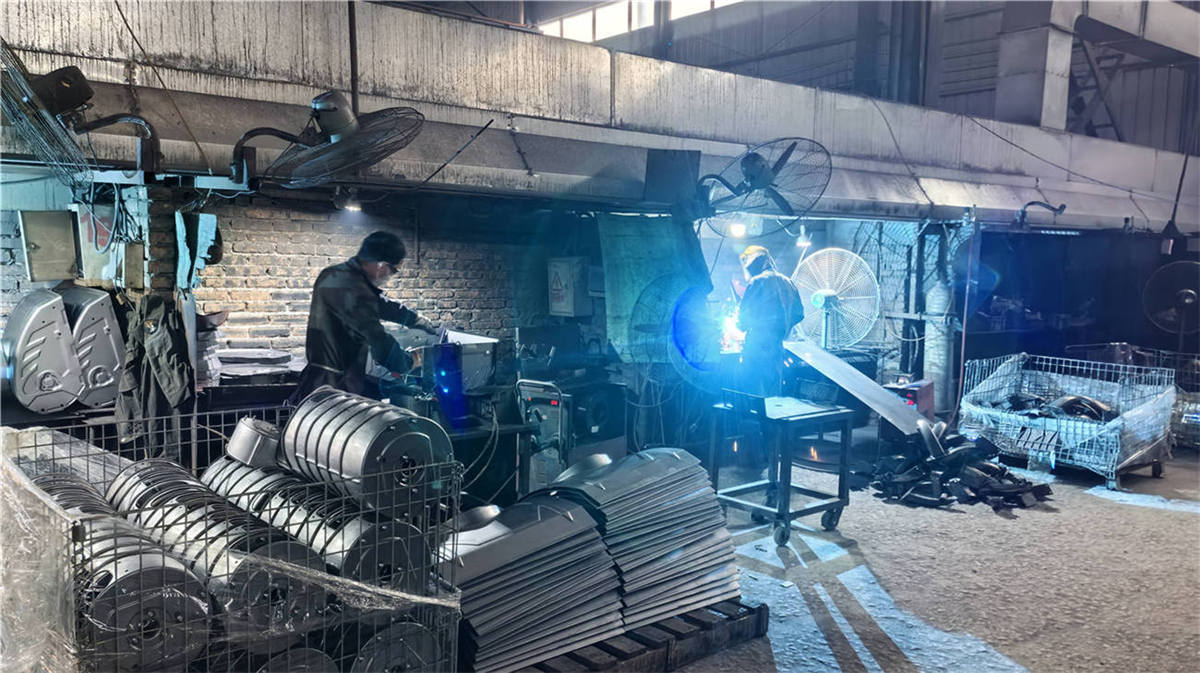
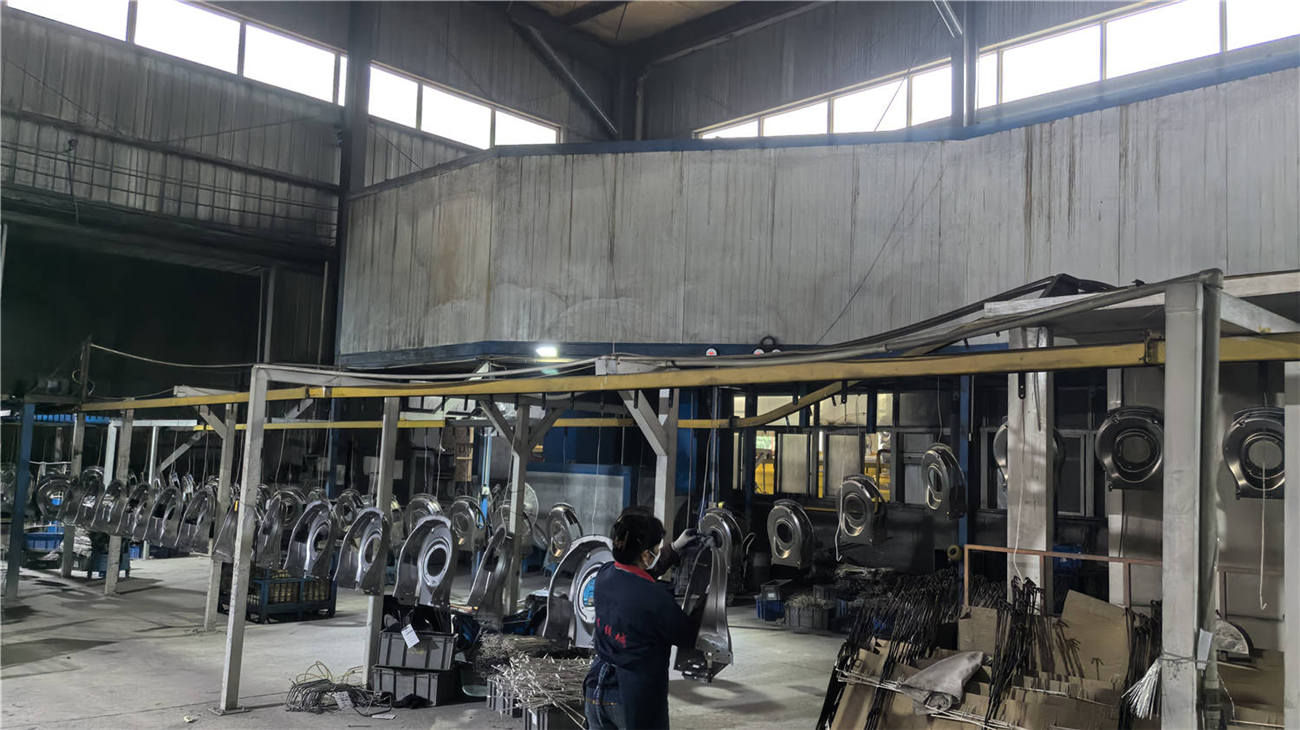
Exploring transient load optimization, smart parallels, and microgrid integrations.
As smart cities evolve, the role of standby generator sets is transitioning from isolated safety components to interactive nodes within a larger microgrid network. In Seoul, the integration of distributed energy resources (DERs) with the central KEPCO grid calls for smarter, more agile backup assets. Future-proof gensets are defined by three major technical vectors:
Equipped with specialized control systems (such as Deep Sea or SmartGen controllers), our generator sets offer predictive maintenance indicators. Real-time telemetry systems track key variables: winding temperatures, engine oil viscosity index, exhaust backpressure, and cranking battery health. These indicators are transmitted via secured cellular gateways directly to facilities management dashboards, shifting emergency preparedness from reactive schedules to data-driven predictive maintenance models.
For data centers and semiconductor manufacturing, sudden load steps (NFPA 110 Class 1 requirements) are common. Standard engines can experience severe voltage drops when taking on sudden, large loads. Our generator groups feature high-performance turbochargers paired with electronic isochronous governors, ensuring transient recovery times that keep voltage and frequency variations well within ITIC/CBEMA limits.
In accordance with Seoul's strict municipal guidelines, all industrial diesel power plants must be configured with selective catalytic reduction (SCR) systems and active diesel particulate filters (DPF). These post-combustion systems reduce NOx and particulate matter by up to 95%, ensuring compliance with the Ministry of Environment's standards for dense commercial districts.
Modern commercial buildings in Seoul are adopting hybrid power systems. In these environments, batteries absorb transient load spikes, while the diesel generator set starts and stabilizes to handle sustained outages. This layout reduces engine wear and minimizes fuel consumption during short power interruptions.
Essential insights for procurement managers and electrical engineering consultants.
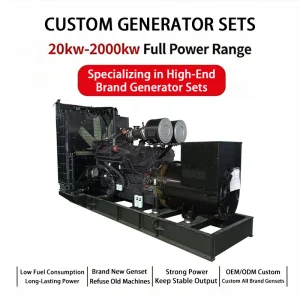
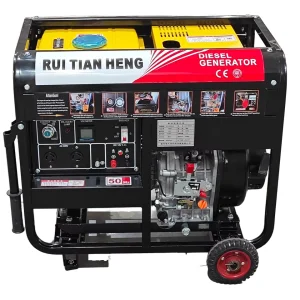
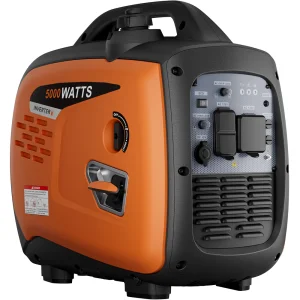
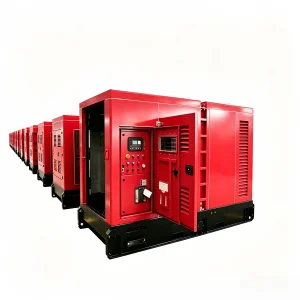
Explore our range of high-efficiency standby power units, built with high-specification engines for global procurement demands.
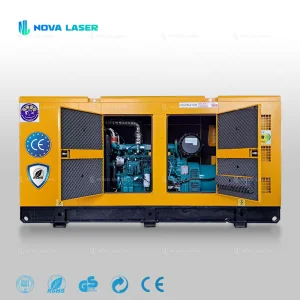
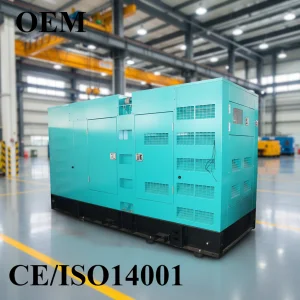
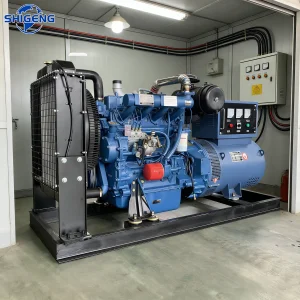
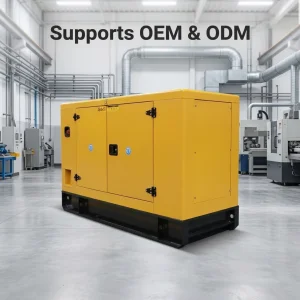
Connect with our expert engineering team to receive customized CAD layouts, transient load calculations, and tailored pricing for your facility in the Seoul Metropolitan Area.
Send Inquiry Now Gods Power