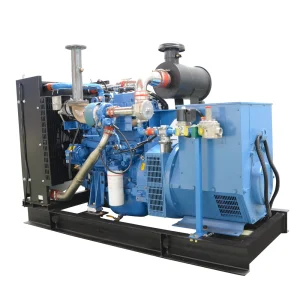
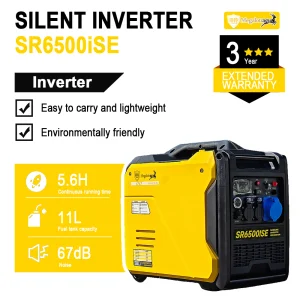
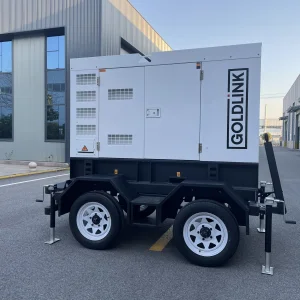
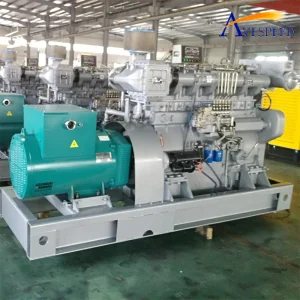
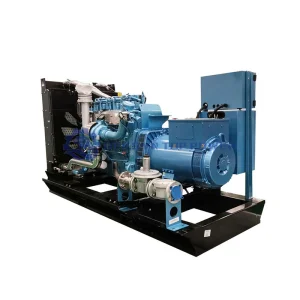
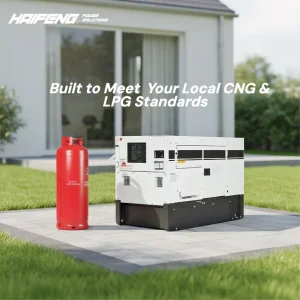
Explore our featured portable, silent, gas, and hybrid multi-fuel power generation solutions engineered for backup resilience and off-grid performance.
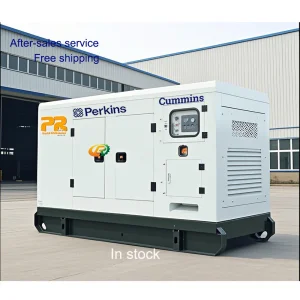
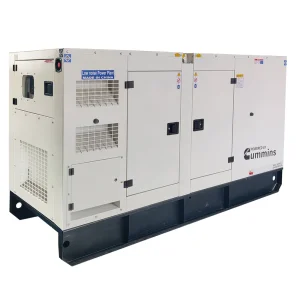
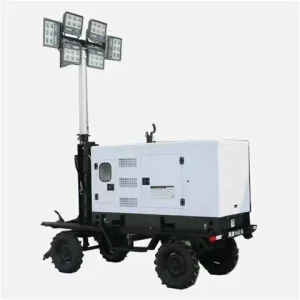

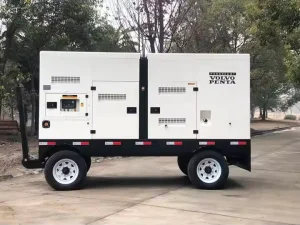
The international power supply sector is undergoing a profound paradigm shift. Modern requirements demand systems that transcend traditional hydrocarbon constraints. Across commercial, industrial, municipal, and humanitarian sectors, the implementation of clean, renewable, and hybrid portable microgrid generators is skyrocketing.
Portable Solar Generators have rapidly transitioned from casual consumer recreational products to critical infrastructural assets. Driven by advancements in Lithium Iron Phosphate (LiFePO4) battery chemistry, High-Efficiency Maximum Power Point Tracking (MPPT) regulators, and smart pure sine wave inverters, modern portable solar platforms offer an uninterrupted supply of electricity in remote locations.
Moreover, in demanding environments where continuous base loads are necessary, manufacturers now leverage hybrid synchronization architectures. By fusing localized solar array controllers with silent clean gas, biogas, or high-performance backup diesel generator sets, industrial operators construct off-grid networks capable of minimizing both fuel usage and environmental footprint.
Professional procurement departments, EPC contractors, and global distributors evaluate solar generator systems, hybrid gensets, and localized microgrids against strict criteria. Below is the blueprint of factors determining enterprise feasibility.
Total Harmonic Distortion (THD) must be restricted to <3% to guarantee the safe performance of industrial computing nodes, critical telemetry equipment, and variable frequency drive (VFD) motors. Systems utilize pure sine wave bi-directional architectures.
For operations deployed in harsh conditions (such as mining outposts or sub-Saharan telecommunication towers), the casing must meet minimum IP54 ratings, coupled with advanced liquid cooling loops or intelligent forced-air induction systems.
Hybrid platforms must feature automated load-shedding and multi-unit synchronization capabilities. Integration of clean gas/biogas and solar assets permits continuous, load-balanced operations while slashing levelized cost of energy (LCOE).
Weifang Gods Power Co., Ltd. is a leading enterprise specializing in the development, manufacturing, and sales of high-quality diesel generator sets. With a registered capital of 26 million yuan, the company is equipped with advanced testing facilities, complete product assembly lines, and sophisticated mechanical processing equipment. Weifang Gods Power employs over 200 skilled professionals and maintains a highly capable technical team, supported by a robust and mature quality management system, ensuring that every product meets the highest standards of reliability and performance.
As a technology-driven company, Weifang Gods Power is committed to continuous innovation and research, integrating product design, development, production, and sales to provide comprehensive power solutions tailored to customer needs. The company’s strategic goal is to be market-oriented, technologically advanced, and guided by honesty and integrity, while continuously strengthening its technical capabilities and service excellence.
Guided by the business philosophy of “unity, diligence, pragmatism, and innovation,” Weifang Gods Power emphasizes the importance of product quality, operational efficiency, and customer satisfaction. Every product is crafted with meticulous attention to detail, and the company provides comprehensive after-sales support to ensure long-term reliability and peace of mind for its clients.
Weifang Gods Power aims to create mutually beneficial and lasting partnerships with customers worldwide. Through a combination of advanced technology, professional expertise, and unwavering commitment to quality, the company strives to deliver cutting-edge energy solutions, drive innovation in the power industry, and contribute to sustainable development globally.
With a clear vision for the future, Weifang Gods Power continues to expand its global presence, uphold the highest standards of excellence, and deliver reliable, efficient, and environmentally responsible power solutions to meet the evolving demands of modern industries.
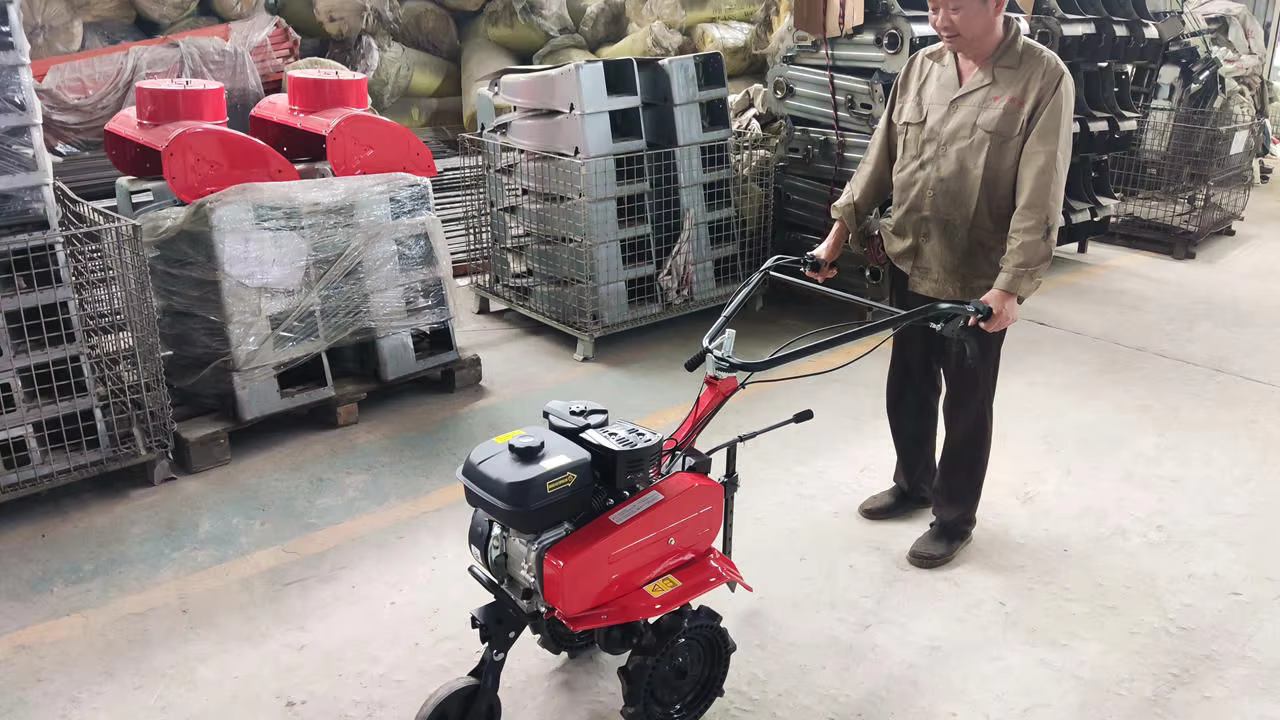
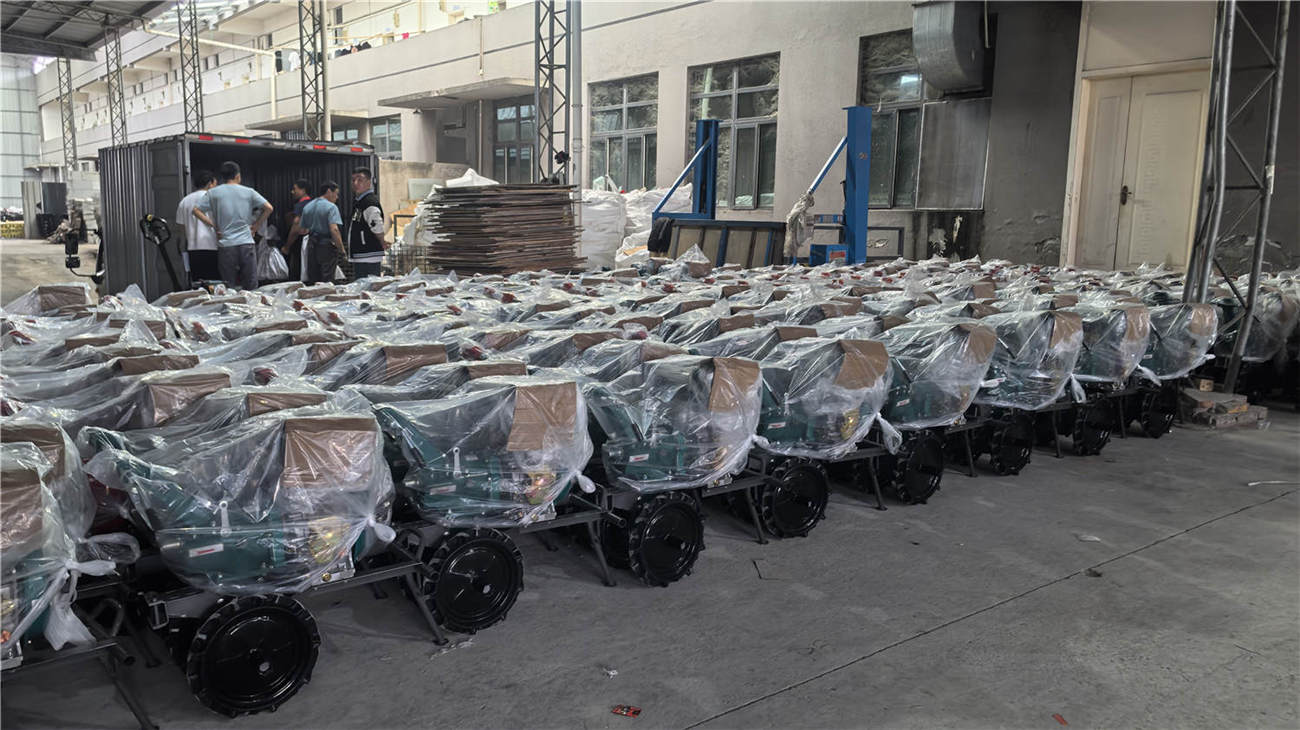
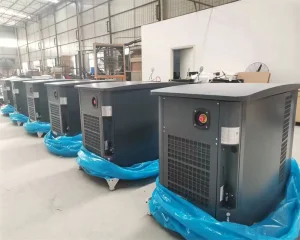
From raw steel panels to tested electrical assemblies, we maintain a complete trace-monitored manufacturing chain.
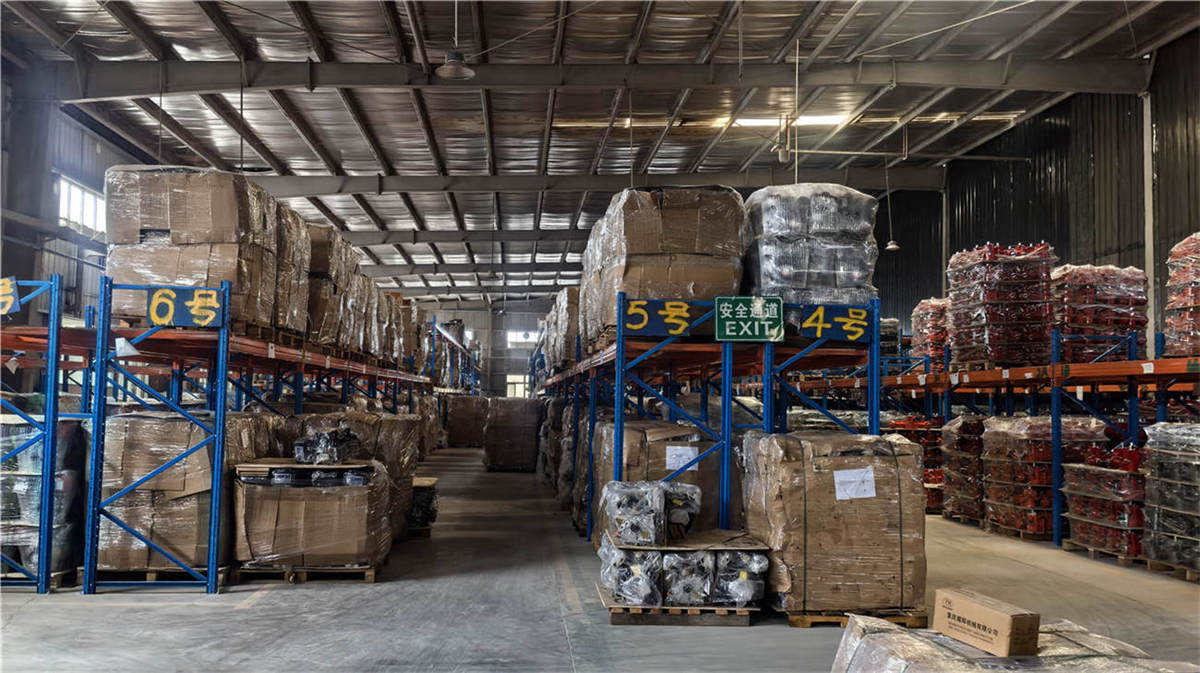
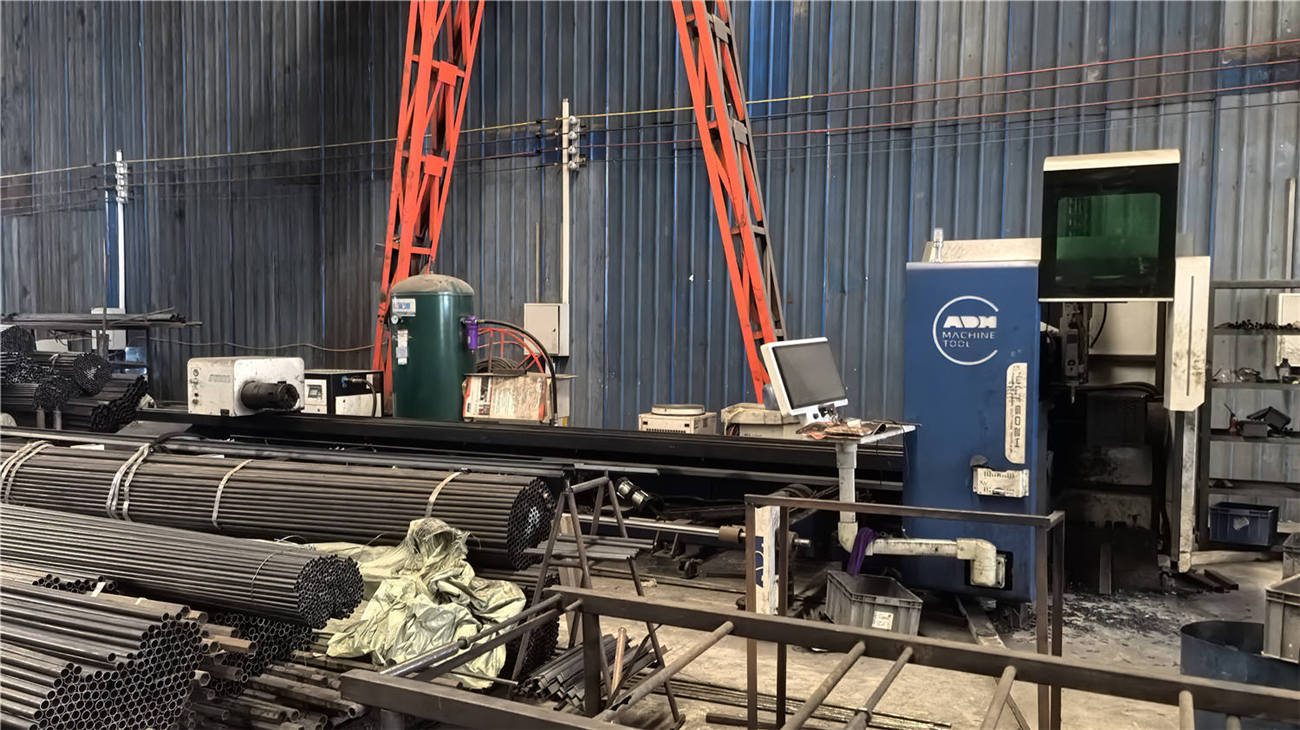
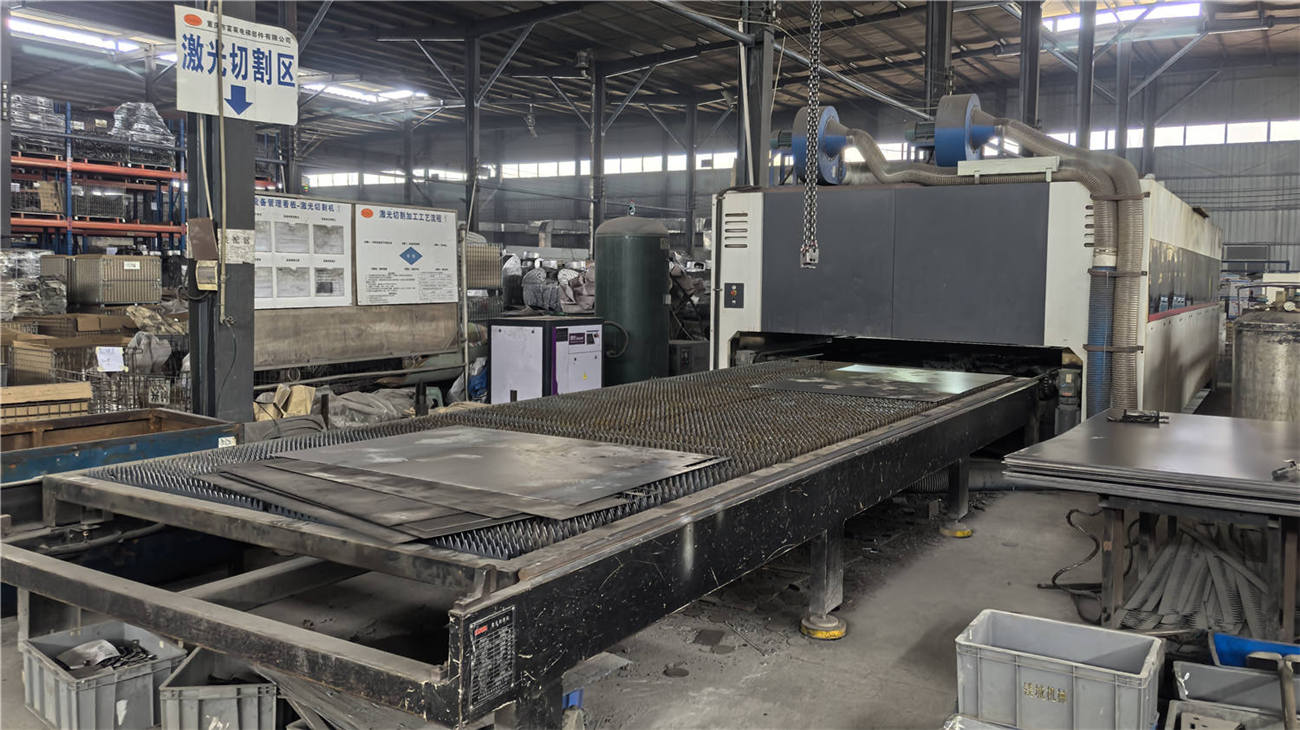
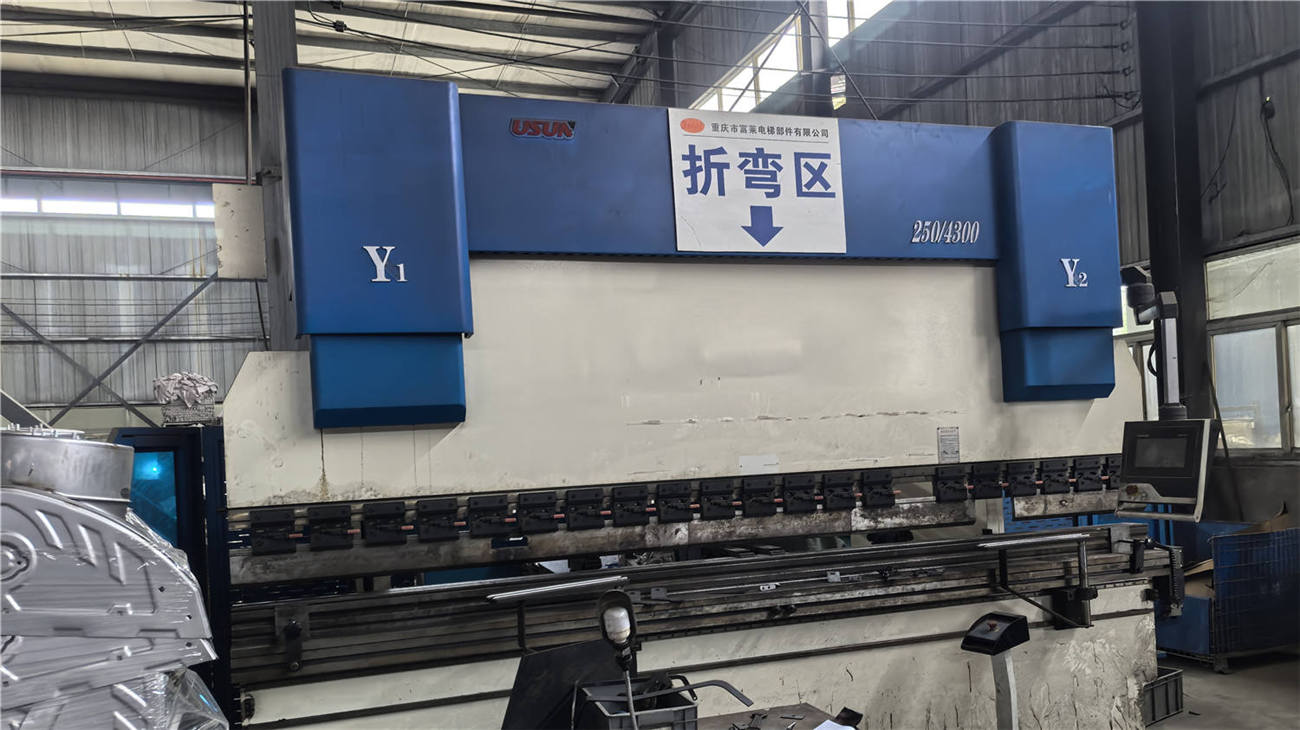
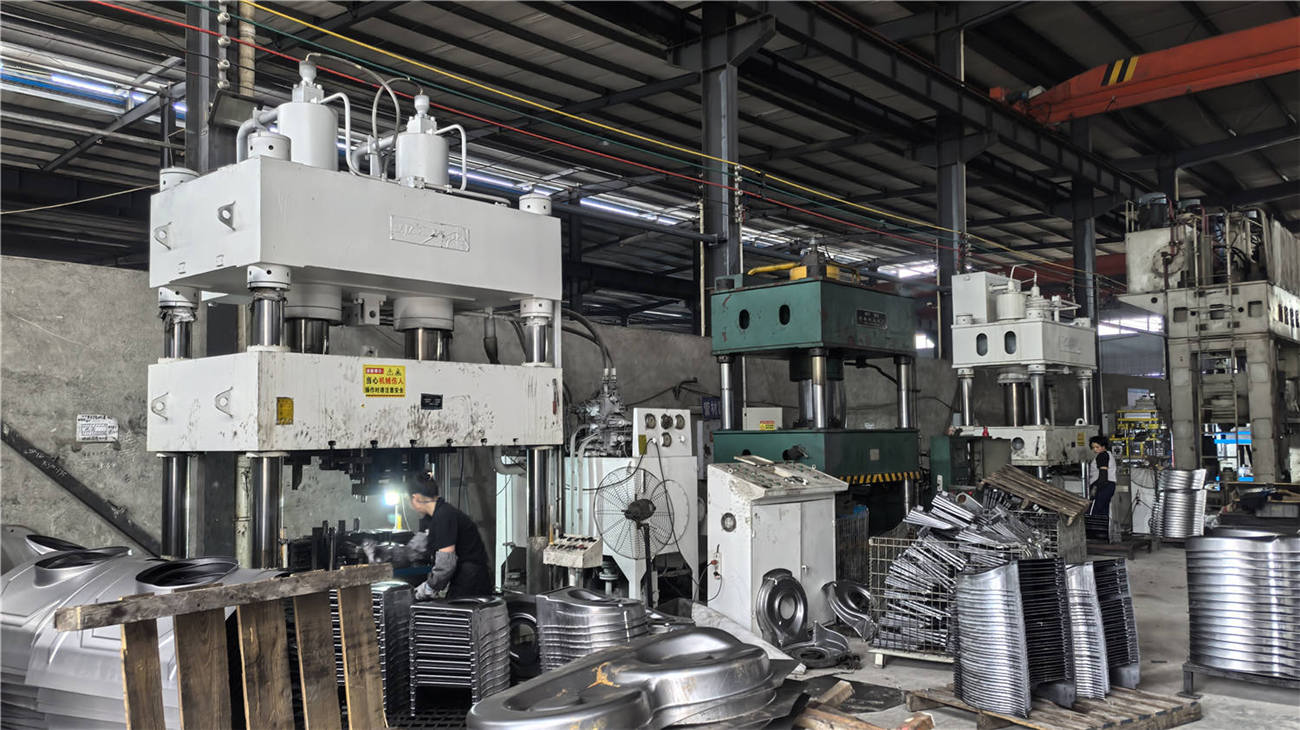
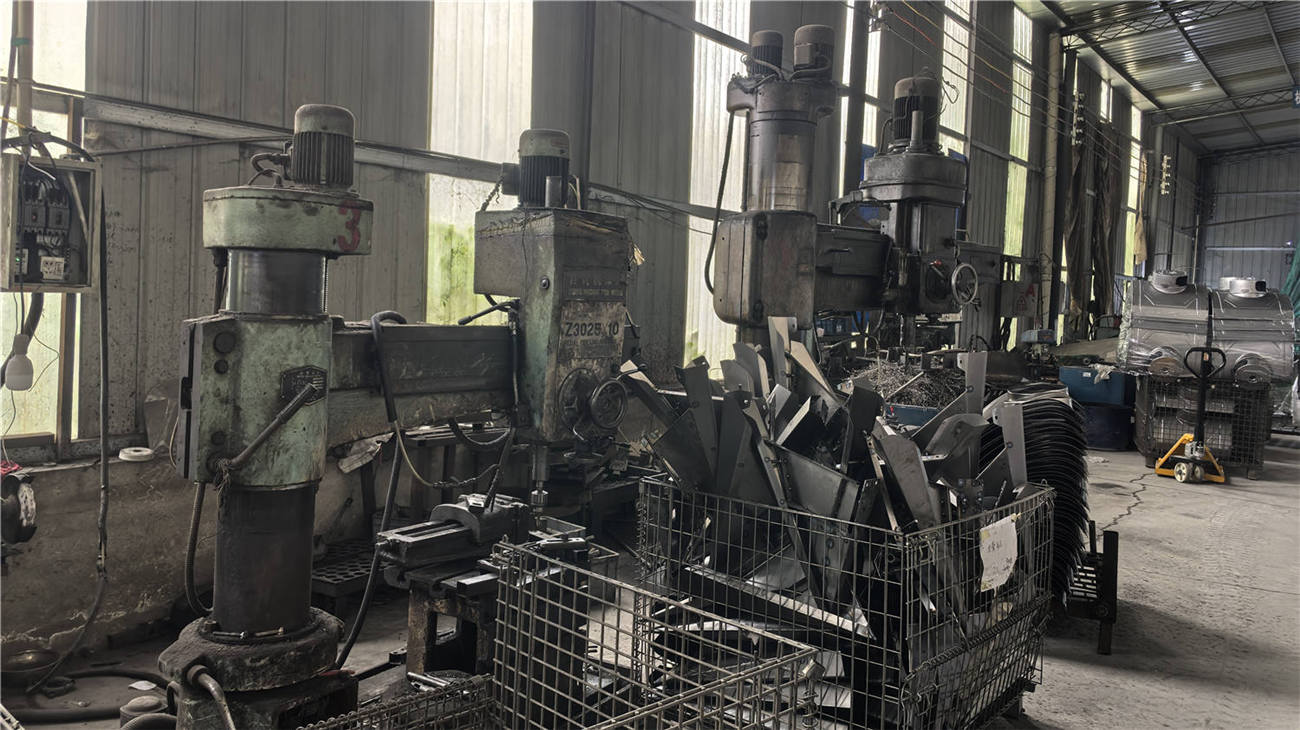
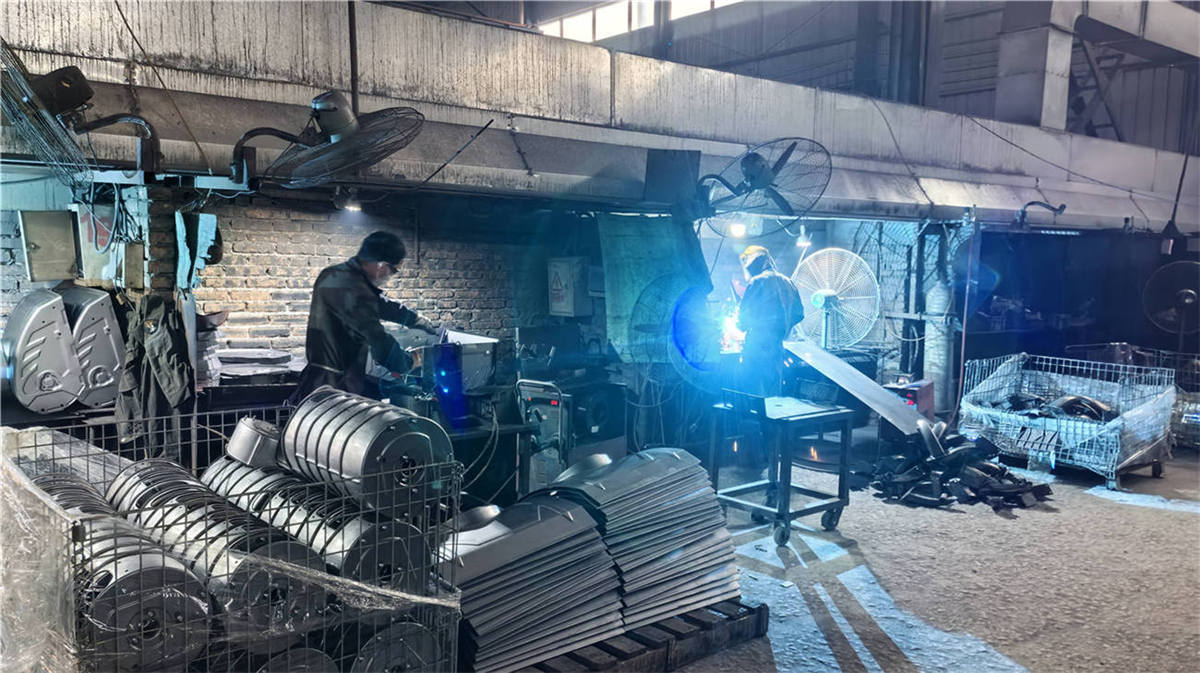
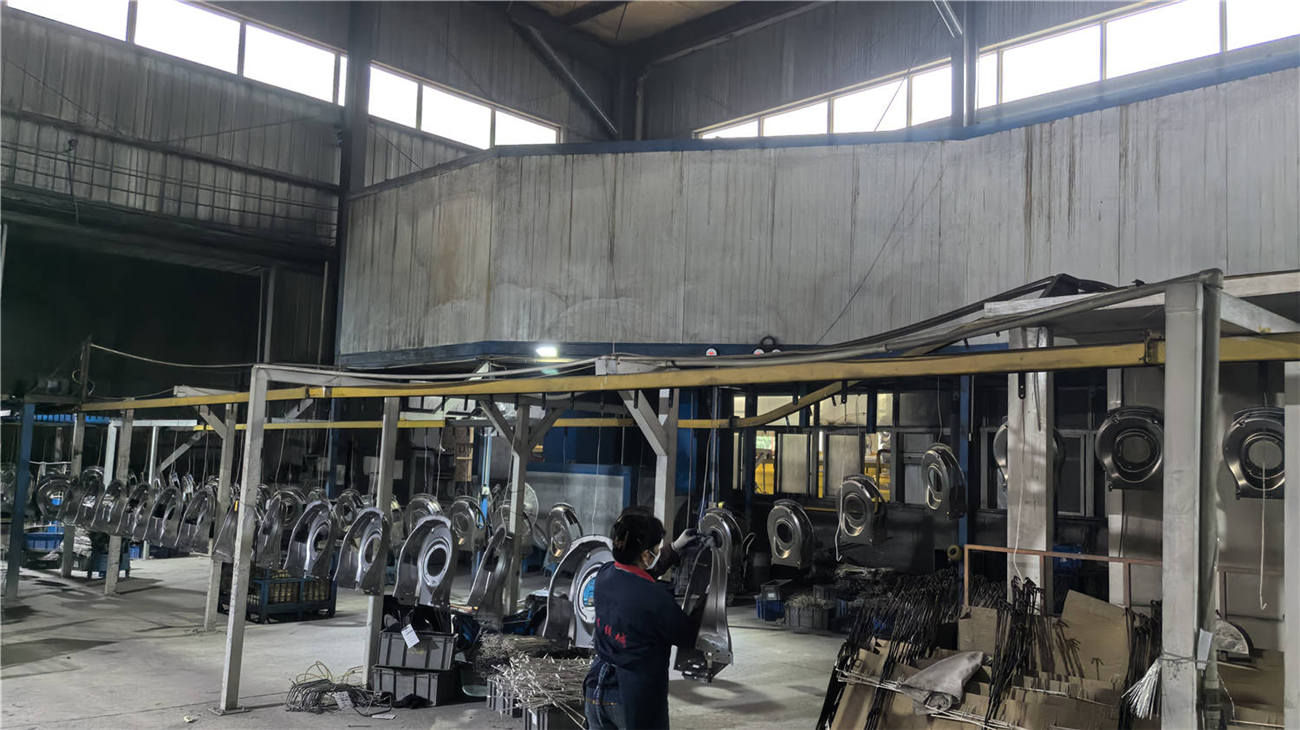
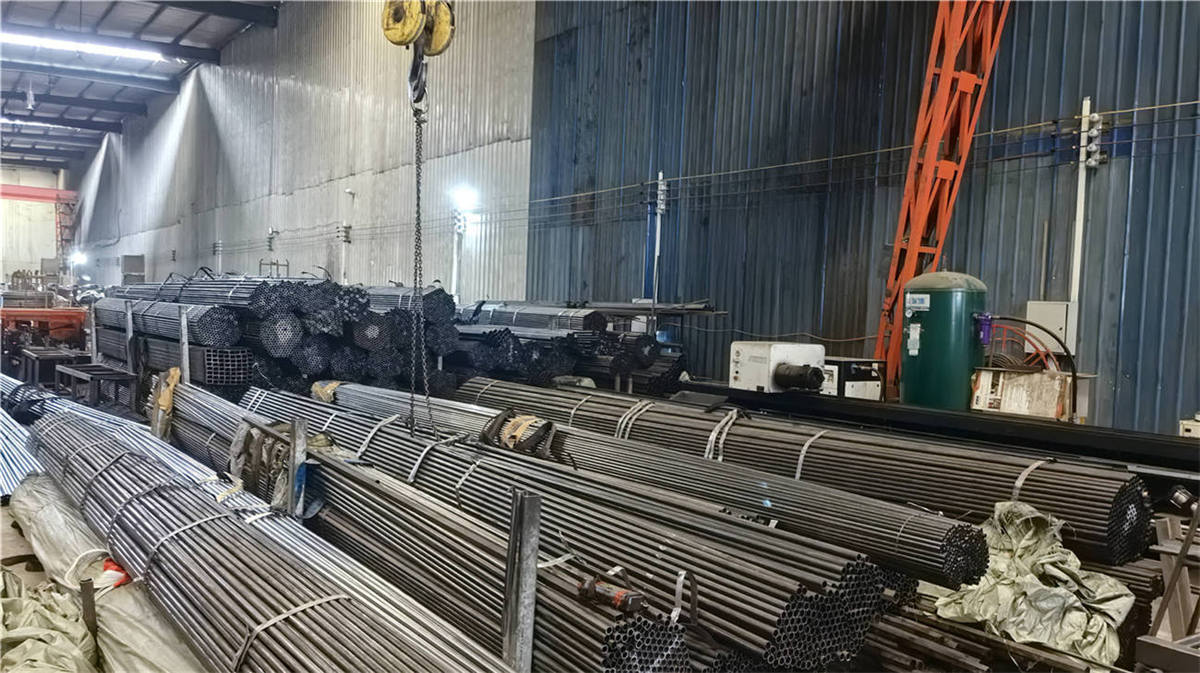
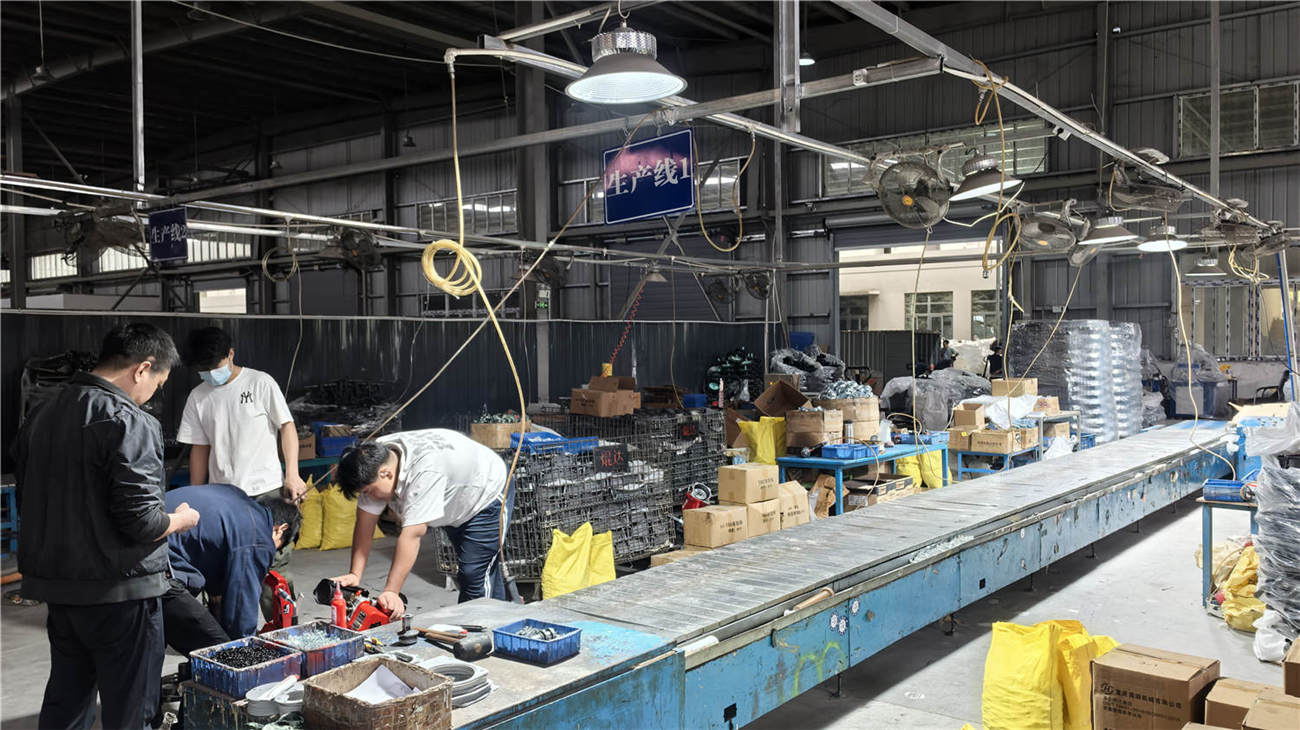
Power demands change dramatically based on geographic, climate, and infrastructure dynamics. The alignment of technical capabilities to physical parameters yields operational stability.
Telecommunication installations located in rural areas require uninterrupted continuous operation. Hybrid solar energy systems, augmented by smart brushless alternator backup generators, ensure a reliable configuration. Under peak sunlight hours, solar panels manage the primary load while charging high-capacity batteries. During heavy precipitation, low light, or maintenance intervals, the backup genset activates through automatic transfer switches (ATS), ensuring 99.99% uptime.
Modern agricultural complexes and livestock facilities optimize resource loops by generating electricity using organic waste streams. By deploying high-efficiency (up to 95%) biogas generators integrated with solar water heating arrays, farms establish circular energy profiles. These localized biogas generators run on low-emission gaseous fuel, providing stable night-time baseloads that balance out the intermittent nature of solar arrays.
Exploration camps and excavation zones require massive mechanical power. Heavy-duty 3-phase trailer diesel and natural gas power plants supply energy to pneumatic systems, extraction gear, and lighting towers. These mobile trailer generators are customized to function in dusty, vibration-intensive environments, operating in coordination with portable solar storage trailers that support command posts and telemetry networks.
During natural disasters, public grids are often disabled. Emergency response teams deploy compact multi-fuel quiet inverter generators alongside solar emergency kits. Because inverter generators produce refined electrical currents with minimal THD, they supply clean energy to field medical stations, communications hardware, and satellite uplink modules without risk of electrical damage.
Deep engineering explanations answering the most critical inquiries raised by global procurement officials and design engineers.
Integrating biogas generation with a solar photovoltaic (PV) system balances intermittent solar output. Solar power is highly dependent on weather patterns and time of day, whereas biogas generators provide stable, dispatchable baseload power. Using anaerobic digester gas maximizes efficiency, minimizes fuel costs, and qualifies installations for carbon offset credits, reducing overall Levelized Cost of Energy (LCOE).
Total Harmonic Distortion represents the deviation of an AC voltage waveform from a pure sine wave. High THD (>5%) causes overheating in electric motors, data errors in communication equipment, and failures in delicate digital processors. For clean energy setups, we target <3% THD using pure sine wave inverters or high-grade brushless alternators with advanced automatic voltage regulators (AVR).
An ATS monitors incoming power parameters from the primary utility line. If voltage levels fall below preset thresholds, the switch isolates the load from the grid and starts the standby generator. Once the generator reaches synchronized speed and voltage, the ATS connects it to the load center, all within fractions of a second to minimize operational downtime.
Brushless alternators do not require carbon brushes to transfer power, resulting in significantly lower maintenance costs, minimal heat generation, and reduced electrical noise. Additionally, they are much safer in volatile settings like oil refineries, chemical plants, or bio-digesting agricultural complexes since they do not produce electrical sparks.
Advanced Marine, Biogas, LPG, and Portable emergency power products built with precision mechanical and electrical engineering standards.
 Gods Power