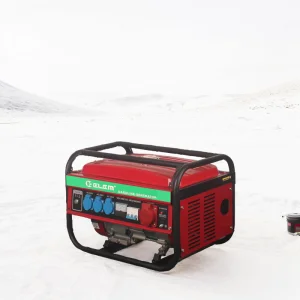
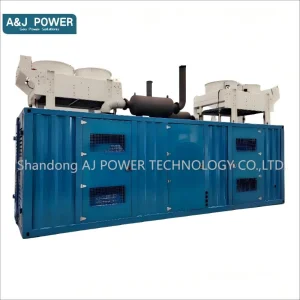
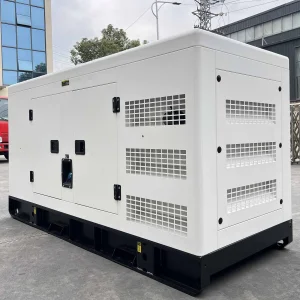
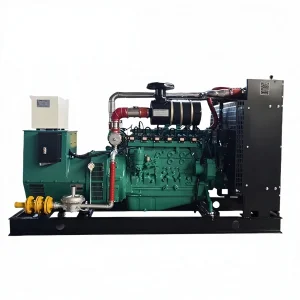
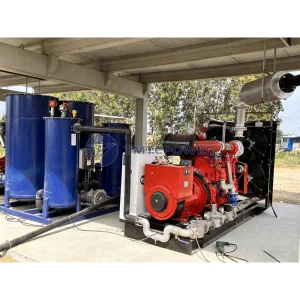
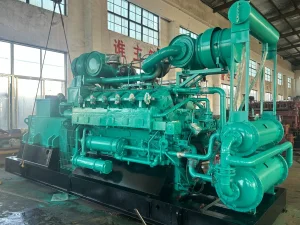
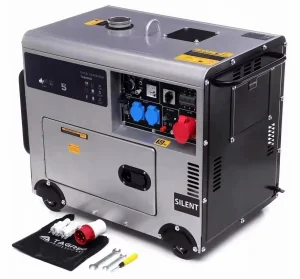
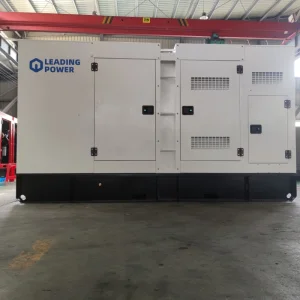
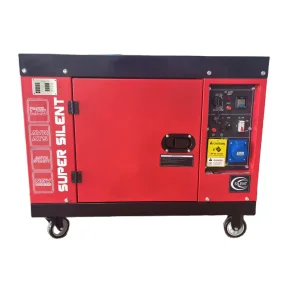
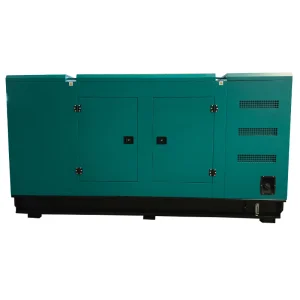
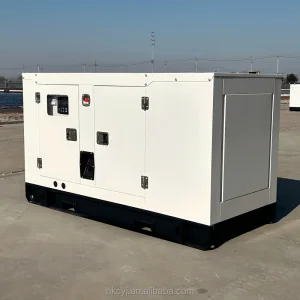
Explore our premium selection of diesel, gas, dual-fuel, and bio-gas generators designed for continuous operations in harsh environments, residential emergency backup, and remote microgrids.
In the contemporary industrial landscape, the stability of electrical power is the baseline for global operational viability. As centralized utility grids face mounting challenges from climate-driven outages, capacity constraints, and aging transmission infrastructure, global enterprises are transitioning toward independent, localized energy architectures. The market for off-grid generator systems is no longer driven solely by basic emergency standby requirements. It has evolved into a strategic operational framework centering on microgrid resilience, fuel versatility, and cost optimization.
Modern off-grid installations combine internal combustion engines with renewable arrays and Energy Storage Systems (ESS). To achieve an optimal Balance of Plant (BoP), engineers and procurement officers must select energy units capable of handling dynamic load variations, maintaining strict frequency controls, and operating with a high Tolerance for Fuel Impurities. From high-capacity marine generators to portable gaseous generators, the design demands structural robustness, sophisticated engine management controllers (ECUs), and strict compliance with local emission standards (such as CE, RoHS, UKCA, EPA Tier 4, and EU Stage V).
Industrial procurement departments cannot afford to evaluate backup and prime power systems based solely on upfront Capital Expenditure (CapEx). True operational resilience requires auditing key technical parameters that directly impact the Total Cost of Ownership (TCO) and system integration longevity.
Off-grid power setups face immediate voltage and frequency drops upon starting large electric motors (block loading). Premium suppliers design generators matching ISO 8528-5 Class G2 or G3 limits. This assures minimum recovery times for vital communication, automation, and processing systems. Integrated Automatic Transfer Switches (ATS) with Modbus, RS485, and CAN-bus protocol capabilities are mandatory for modern remote telemetry.
Dual-fuel (LNG/LPG paired with Diesel), bio-gas, and hydrogen-enriched power plants represent the leading edge of energy security. In isolated regions, utilizing local waste gases (such as landfill methane or agricultural manure-derived biogas) minimizes transport logistics, reduces carbon footprints, and secures an uninterrupted fuel supply.
Whether facing high-salinity marine air or sub-zero mining terrains, structural durability is critical. Marine units must feature seawater-cooled heat exchangers, anti-corrosive copper-nickel piping, and IP23 Class H insulated alternators. Sound enclosures require high-density acoustic cotton, reducing mechanical noise outputs below 70 dB(A) at 7 meters to comply with urban and commercial zoning restrictions.
China has long transitioned from a volume-centric assembler to a pioneer in advanced power engineering. The heart of this revolution lies in industrial clusters like Weifang, Shandong province—globally recognized as the hub of engine and generator manufacturing. By integrating raw material processing, precision casting, alternator winding, and digital control integration within a single geographical ecosystem, Chinese manufacturers offer unique advantages:
Access to domestic steel production, modern copper processing plants, and localized component sourcing dramatically shortens standard lead times while reducing the Bill of Materials (BOM) cost.
Advanced engineering facilities allow for rapid custom builds. Whether integrating unique ATS controllers, custom fuel-gas blending valves, or specialized trailers, design variations are executed swiftly.
State-of-the-art testing complexes evaluate engine load profiles, transient response times, thermal thresholds, and emission outputs. This guarantees that each unit delivers on its specified rating sheet.
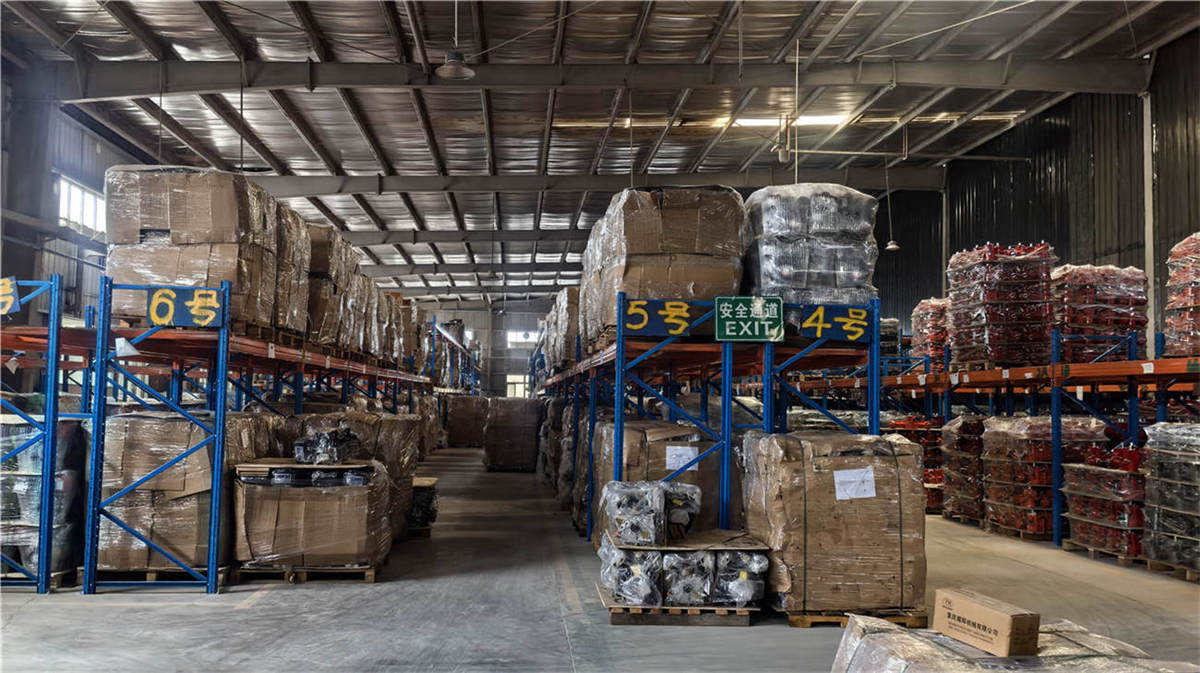
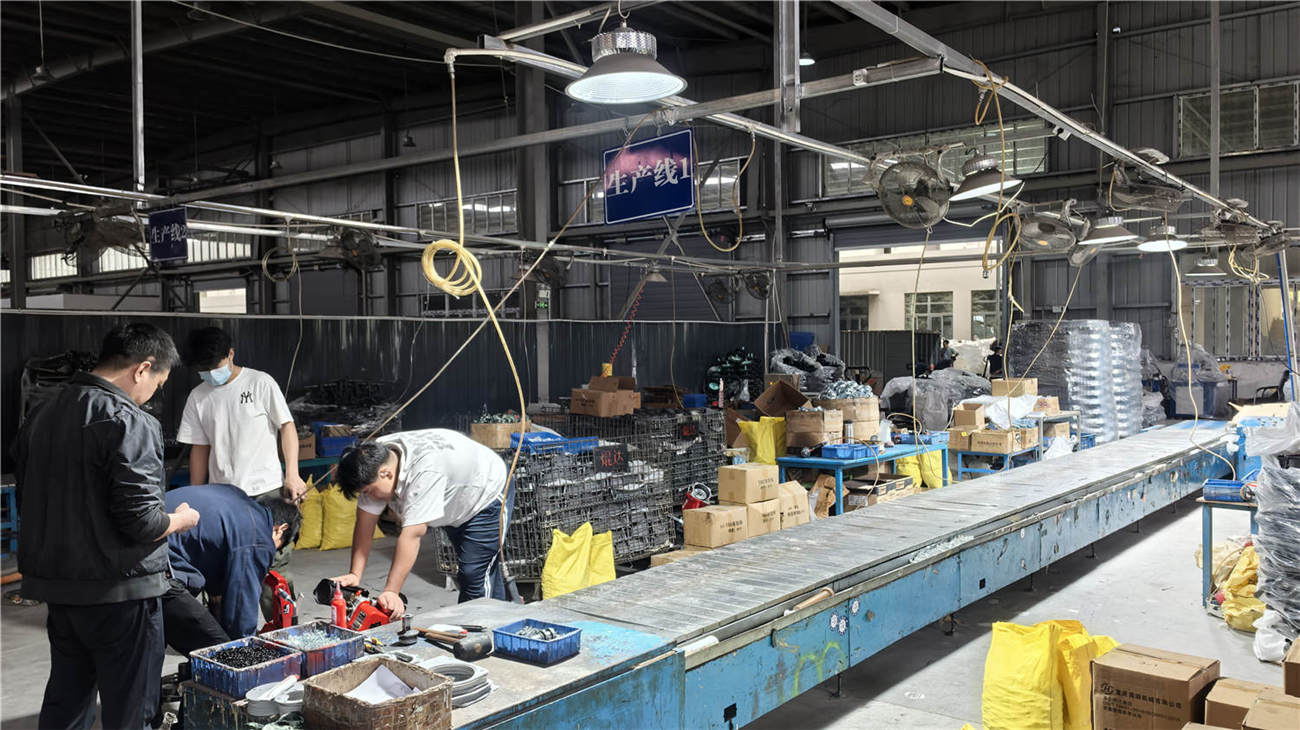
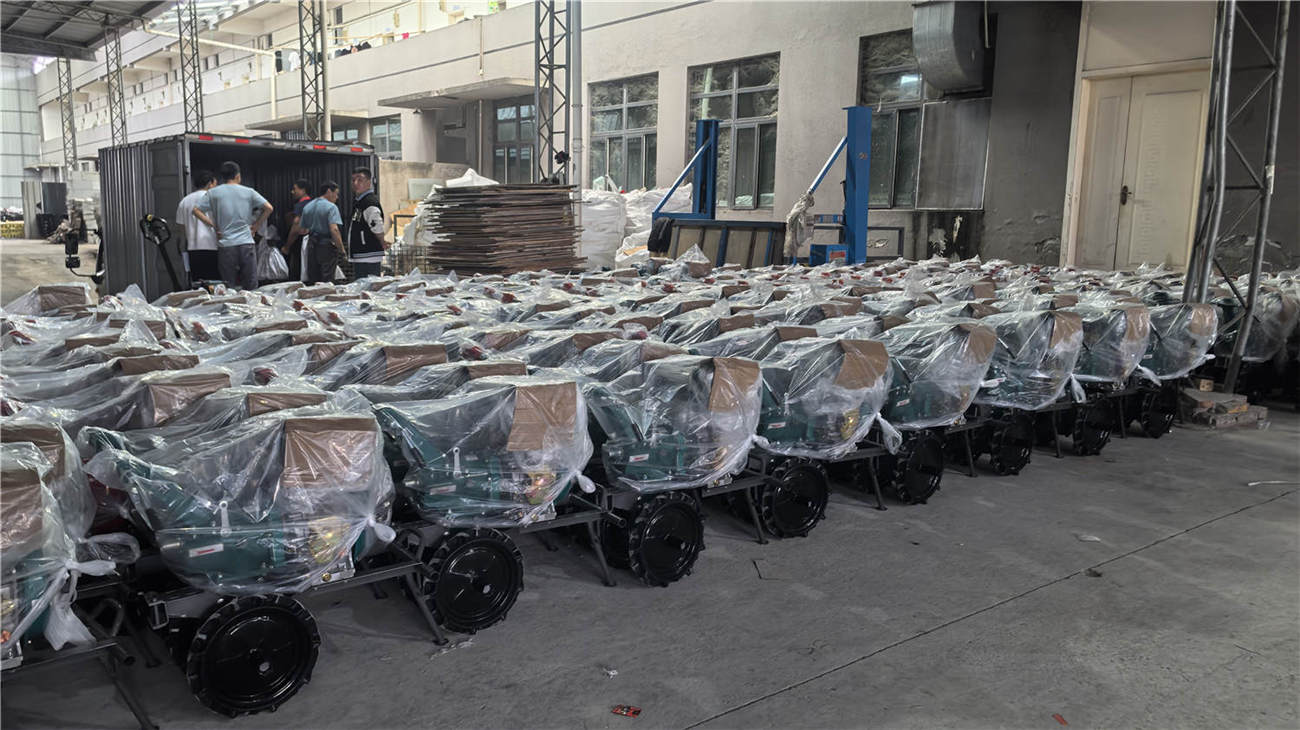
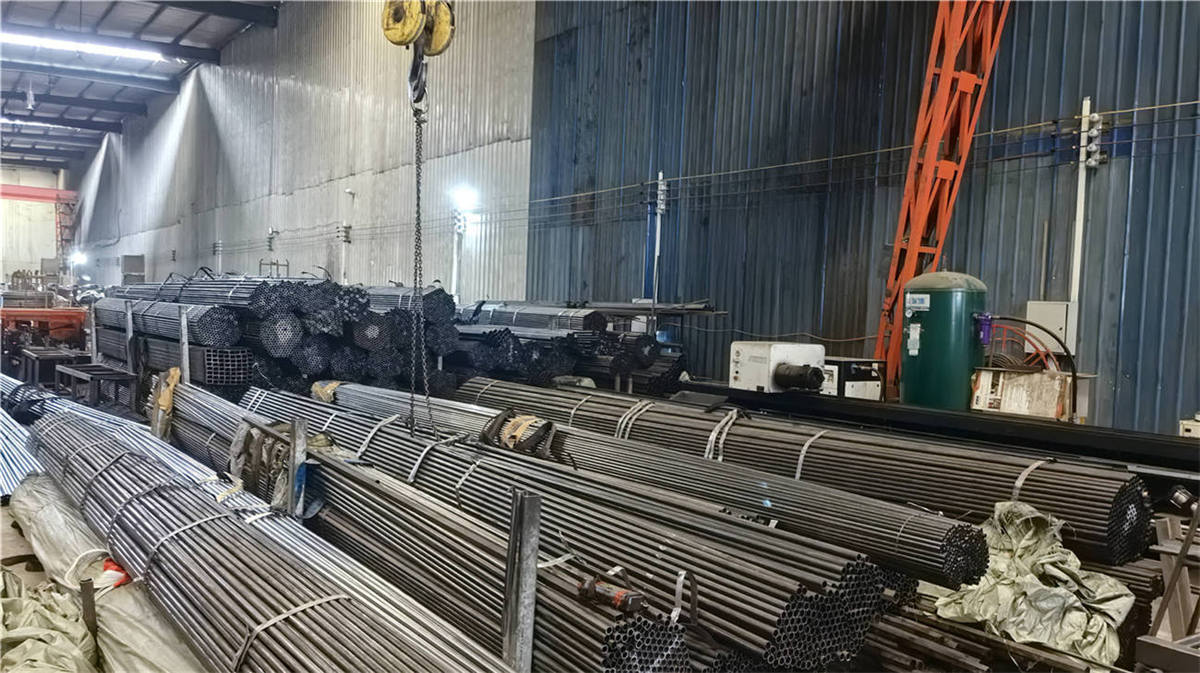
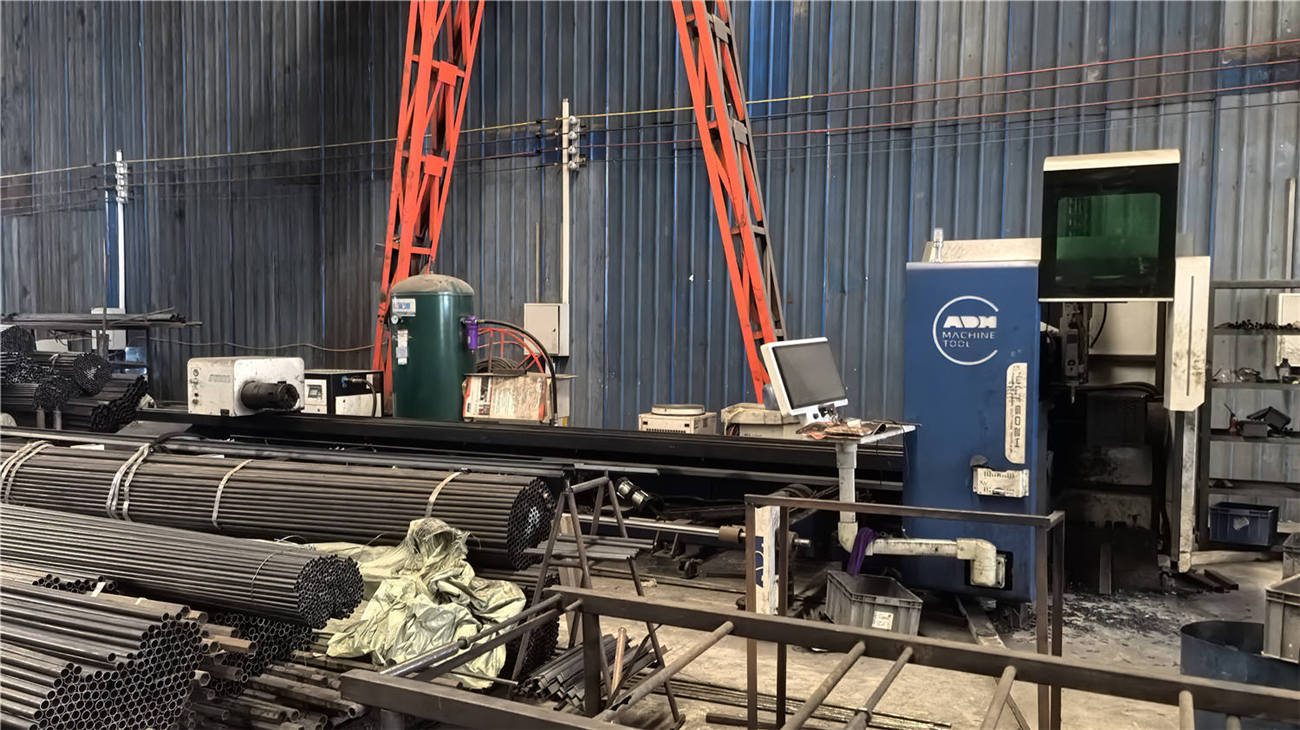
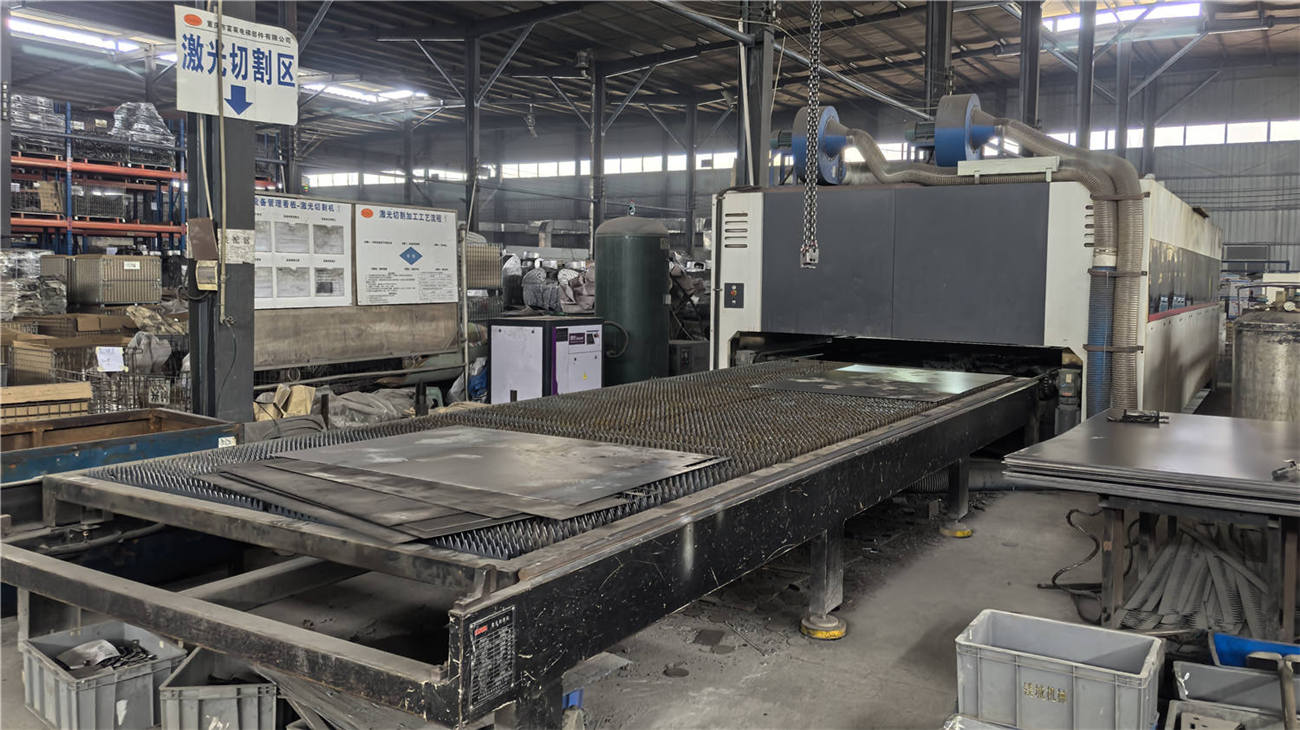
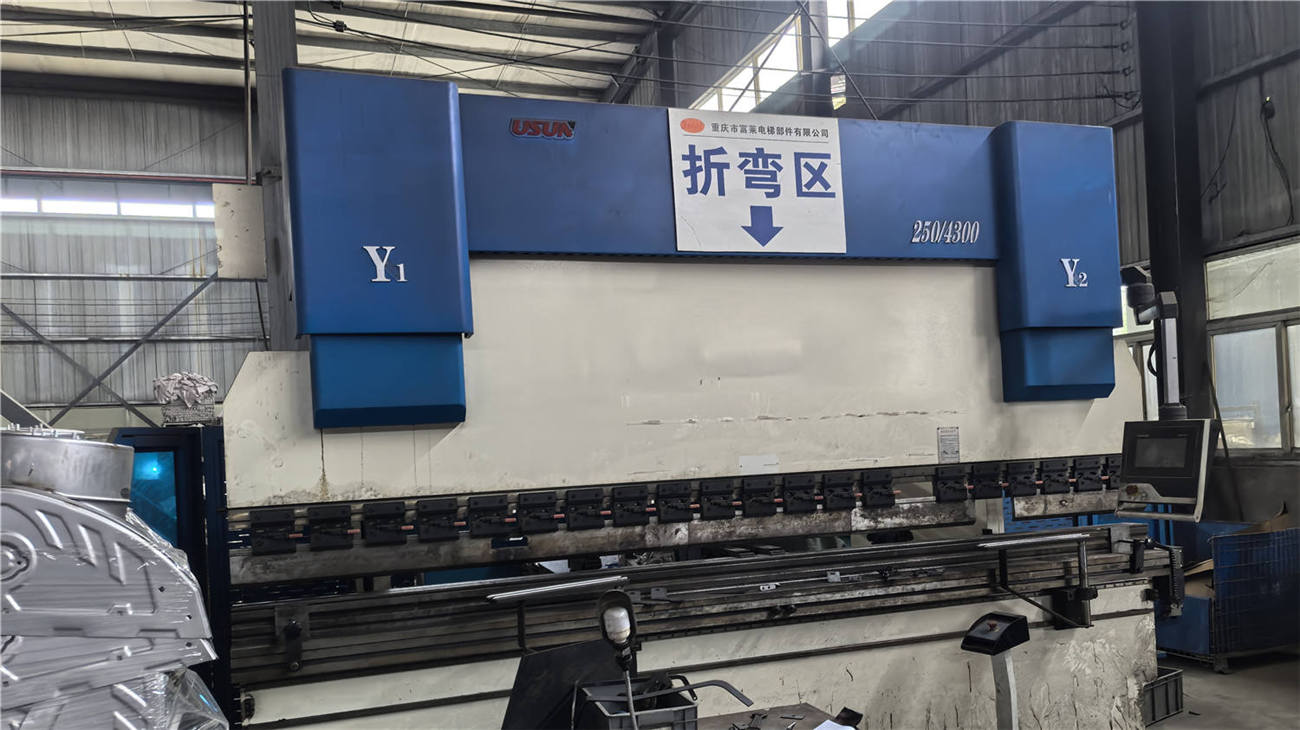
Weifang Gods Power Co., Ltd. is a leading enterprise specializing in the development, manufacturing, and sales of high-quality diesel, gas, and dual-fuel generator sets. With a registered capital of 26 million yuan, the company is equipped with advanced testing facilities, complete product assembly lines, and sophisticated mechanical processing equipment. Weifang Gods Power employs over 200 skilled professionals and maintains a highly capable technical team, supported by a robust and mature quality management system, ensuring that every product meets the highest standards of reliability and performance.
As a technology-driven company, Weifang Gods Power is committed to continuous innovation and research, integrating product design, development, production, and sales to provide comprehensive power solutions tailored to customer needs. The company’s strategic goal is to be market-oriented, technologically advanced, and guided by honesty and integrity, while continuously strengthening its technical capabilities and service excellence.
Guided by the business philosophy of “unity, diligence, pragmatism, and innovation,” Weifang Gods Power emphasizes the importance of product quality, operational efficiency, and customer satisfaction. Every product is crafted with meticulous attention to detail, and the company provides comprehensive after-sales support to ensure long-term reliability and peace of mind for its clients.
Weifang Gods Power aims to create mutually beneficial and lasting partnerships with customers worldwide. Through a combination of advanced technology, professional expertise, and unwavering commitment to quality, the company strives to deliver cutting-edge energy solutions, drive innovation in the power industry, and contribute to sustainable development globally. With a clear vision for the future, Weifang Gods Power continues to expand its global presence, uphold the highest standards of excellence, and deliver reliable, efficient, and environmentally responsible power solutions to meet the evolving demands of modern industries.
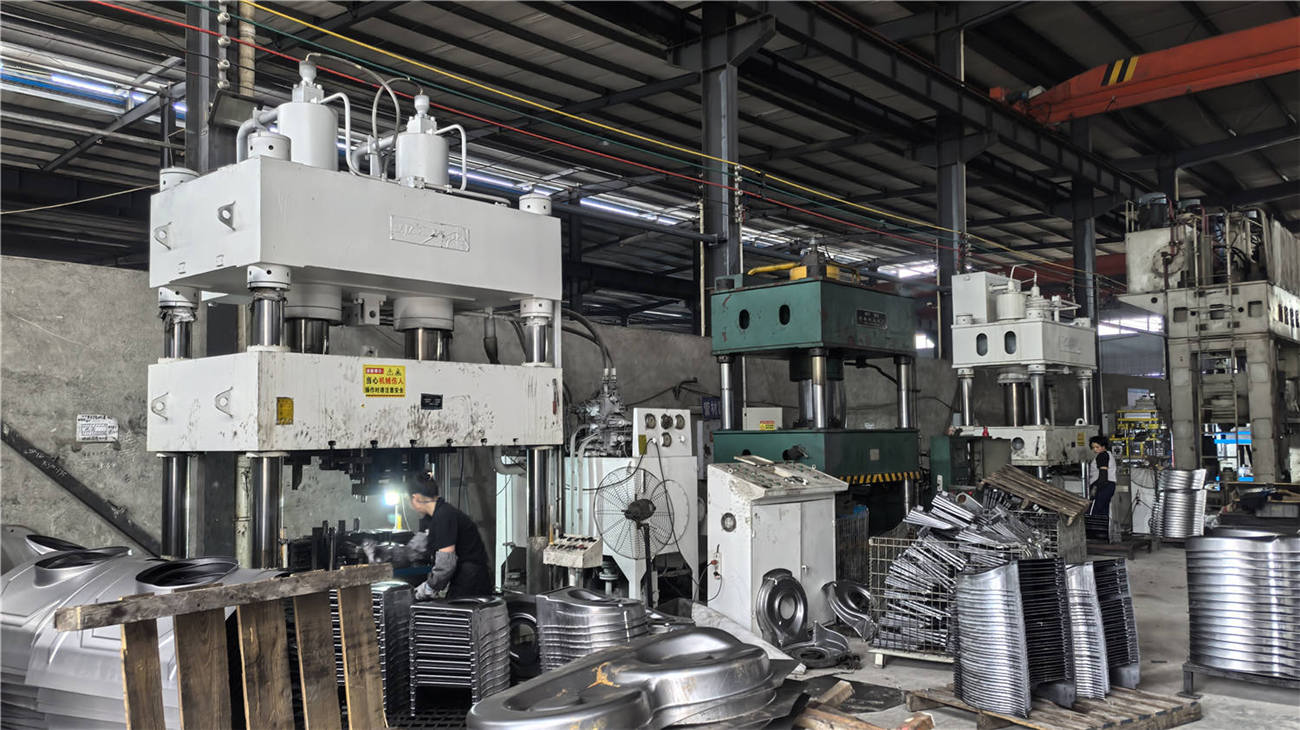
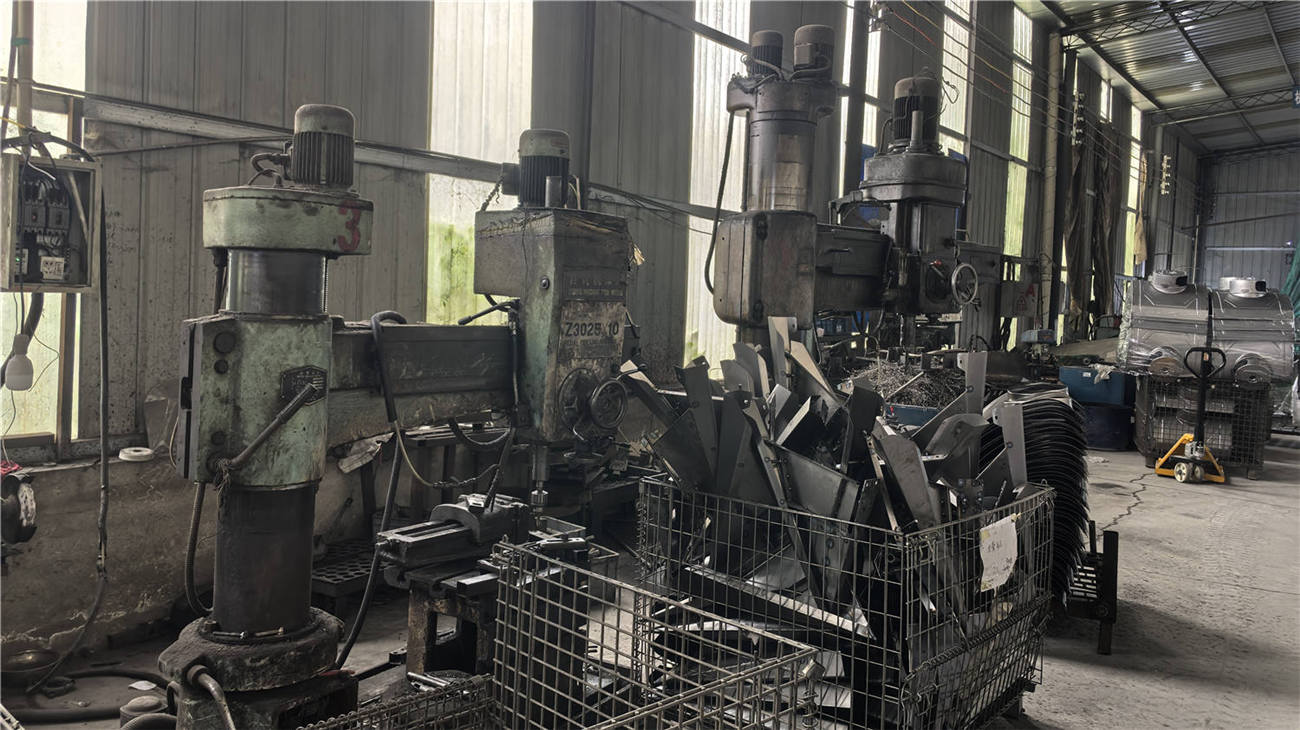
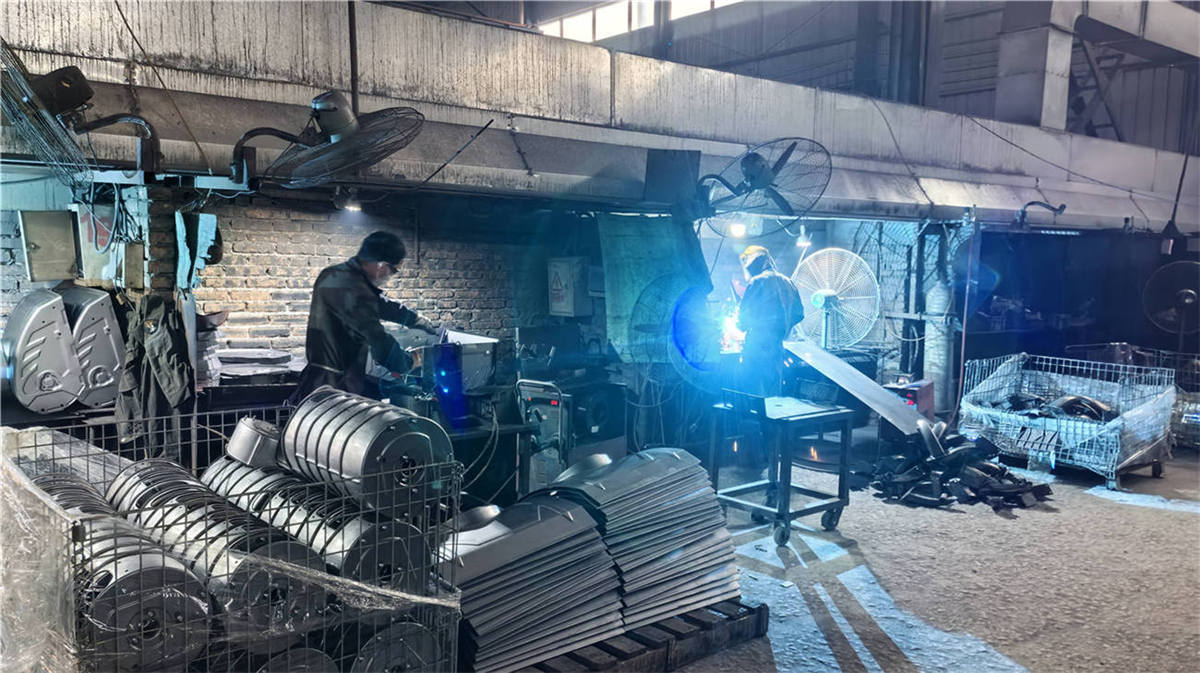
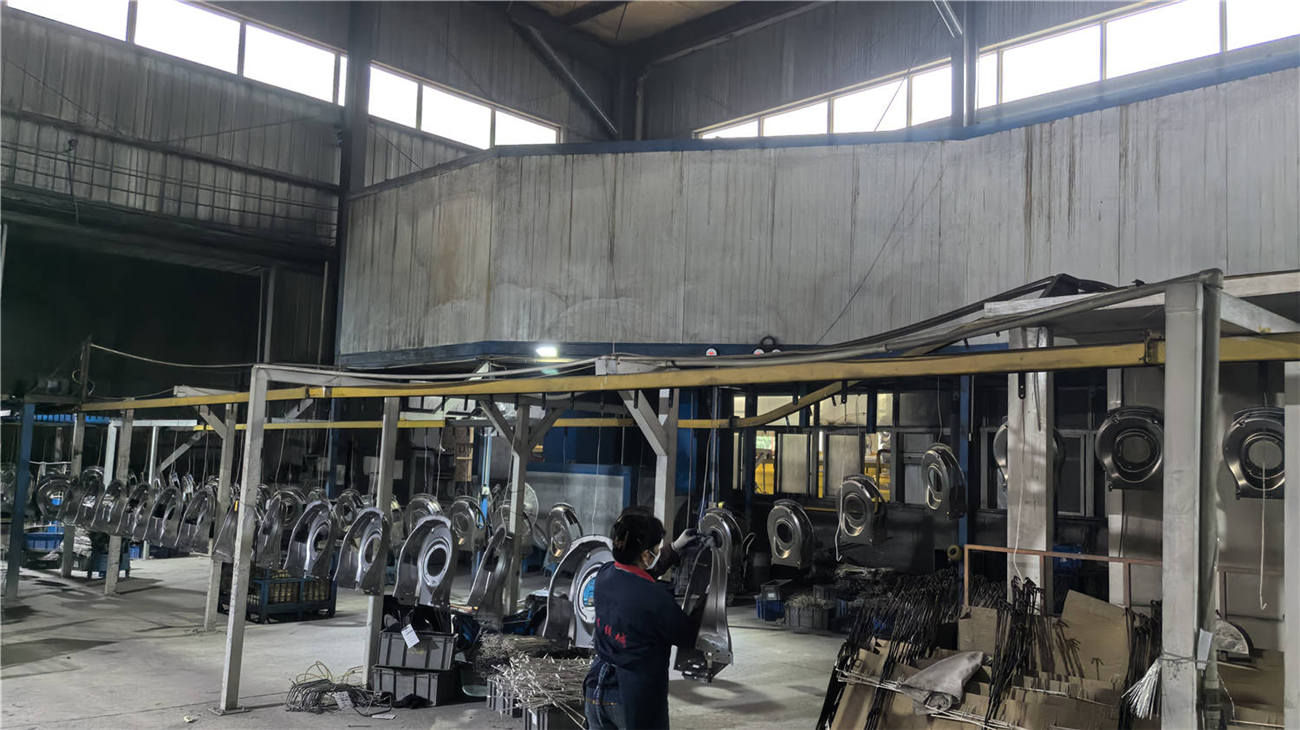
Industrial off-grid energy is rarely a one-size-fits-all scenario. Different fields demand specialized technical configurations to maintain uptime and economic viability.
Large-scale intensive farms face the double challenge of animal waste management and heavy energy demands. By installing biogas recovery systems and pairing them with high-efficiency 80KW biogas generator sets (achieving thermal/electrical efficiency up to 85%), farm operators turn environmental liabilities into continuous power and useful thermal energy.
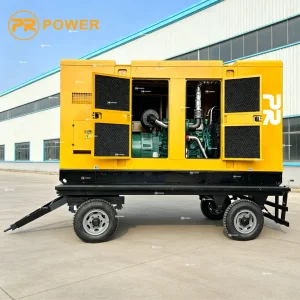
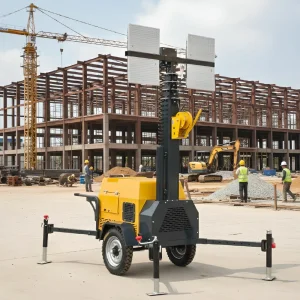
Remote operations require mobile power plants. Mobile diesel generator sets mounted on multi-axle heavy-duty trailers, complete with integrated light towers, allow crews to run mining rigs and illumination towers in harsh, changing terrains.
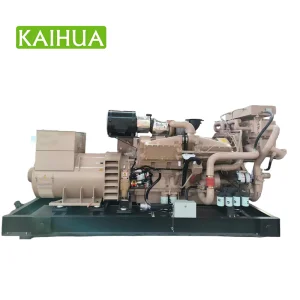
Corrosive, humid marine environments require specialized engines. Utilizing seawater-cooled marine gensets equipped with heat exchangers, anti-corrosive components, and approvals from classification societies prevents saltwater degradation.
Understanding key technical parameters helps procurement teams select the proper equipment configuration, avoiding system downtime or premature engine wear.
Explore our high-output industrial, marine, mobile, and emergency generator sets designed to meet strict B2B operating demands.
 Gods Power