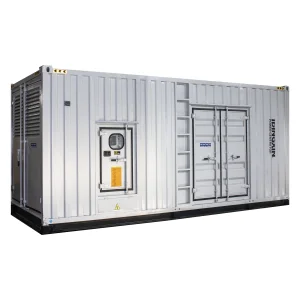
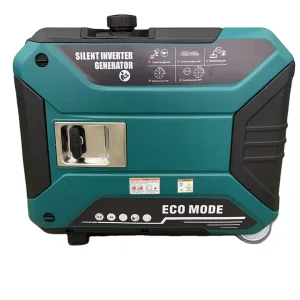
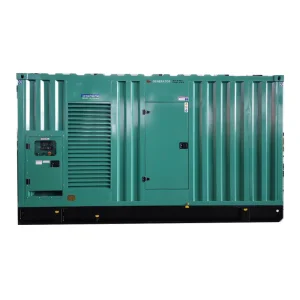
Explore our leading selection of smart inverter digital generators, heavy-duty mobile diesel trailers, and green biogas manure-to-energy power conversion plants.
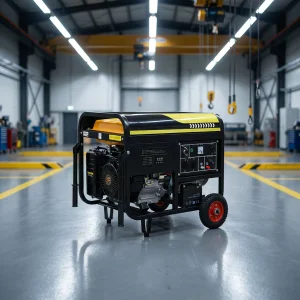
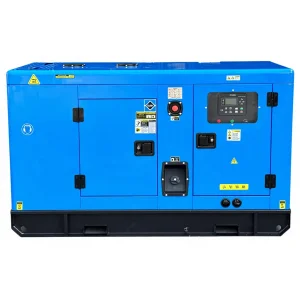
In the contemporary industrial era, the global power distribution network faces unprecedented vulnerabilities. Climate-induced extreme weather, rapid urban sprawl, and the aging electrical grid infrastructure place massive pressure on constant energy access. For key commercial and industrial entities, an interruption in power is not merely a temporary operational inconvenience—it represents systemic financial loss, supply chain disruption, and potential compromise to safety parameters. Thus, decentralized power systems, specifically high-efficiency portable gasoline generators and advanced digital inverters, have transitioned from emergency backstops to indispensable, proactive assets.
Macro-economically, the portable generator market is witnessing a major technological evolution. Traditional mechanical-governor units are rapidly being replaced by microchip-controlled digital inverter generators. This transition is motivated by the demands of delicate electronics: modern telecommunications nodes, field diagnostic medical kits, and local computer networks require high-grade electrical signals with extremely low Total Harmonic Distortion (THD). As trusted suppliers, Weifang Gods Power designs clean-power generation topologies that match the signal fidelity of central utilities, ensuring seamless operation for critical hardware.
Simultaneously, the global push toward carbon neutrality forces power manufacturers to achieve greater fuel utilization rates. By integrating smart throttle technology, 4-stroke overhead valve (OHV) engines, and dual-fuel systems (LPG/CNG/Gasoline), manufacturers can limit greenhouse gases and particulate emissions. The transition toward smart systems enables commercial operations to keep operating while meeting local environmental laws, bridging the gap between current energy needs and environmental goals.
Weifang Gods Power Co., Ltd. is a leading enterprise specializing in the development, manufacturing, and sales of high-quality diesel and gasoline generator sets. With a registered capital of 26 million yuan, the company is equipped with advanced testing facilities, complete product assembly lines, and sophisticated mechanical processing equipment. Weifang Gods Power employs over 200 skilled professionals and maintains a highly capable technical team, supported by a robust and mature quality management system, ensuring that every product meets the highest standards of reliability and performance.
As a technology-driven company, Weifang Gods Power is committed to continuous innovation and research, integrating product design, development, production, and sales to provide comprehensive power solutions tailored to customer needs. The company's strategic goal is to be market-oriented, technologically advanced, and guided by honesty and integrity, while continuously strengthening its technical capabilities and service excellence. Guided by the business philosophy of "unity, diligence, pragmatism, and innovation," Weifang Gods Power emphasizes the importance of product quality, operational efficiency, and customer satisfaction. Every product is crafted with meticulous attention to detail, and the company provides comprehensive after-sales support to ensure long-term reliability and peace of mind for its clients.
Through a combination of advanced technology, professional expertise, and unwavering commitment to quality, the company strives to deliver cutting-edge energy solutions, drive innovation in the power industry, and contribute to sustainable development globally. Our aim is to build mutually beneficial and lasting partnerships with customers worldwide, providing reliable, efficient, and environmentally responsible power solutions to meet the evolving demands of modern industries.
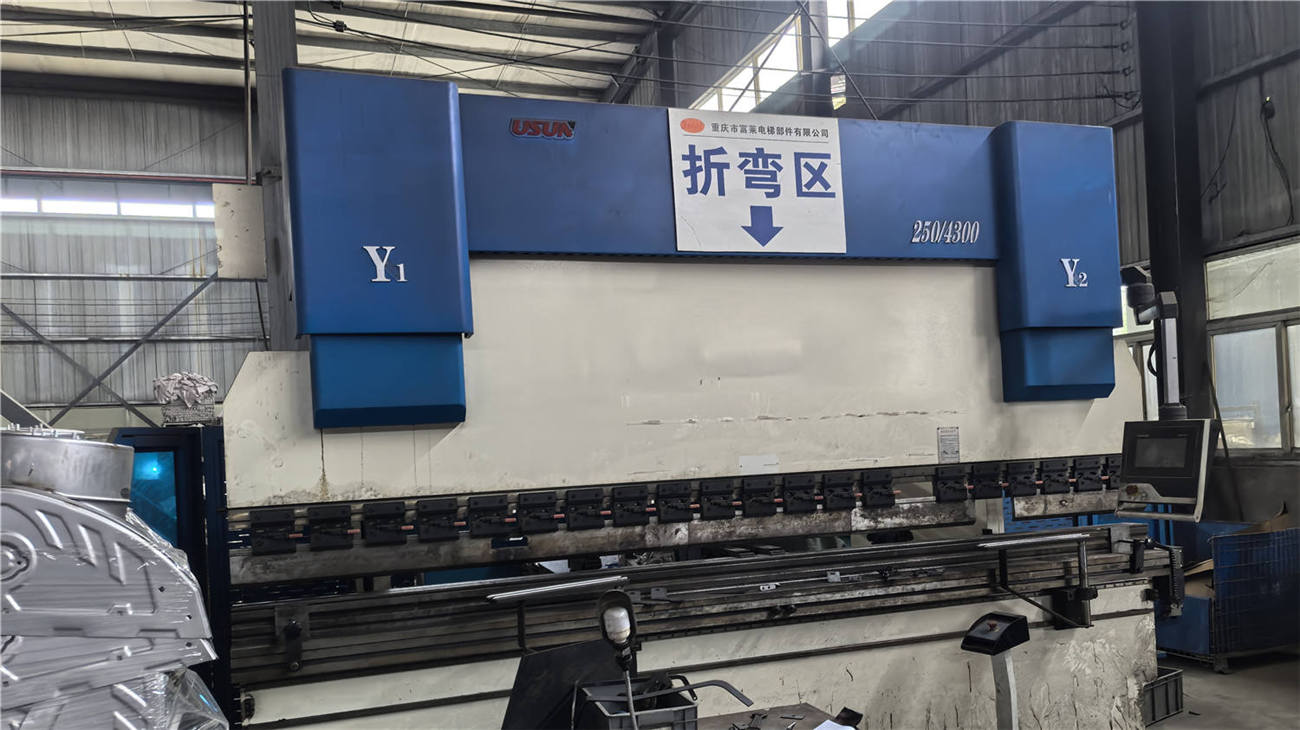
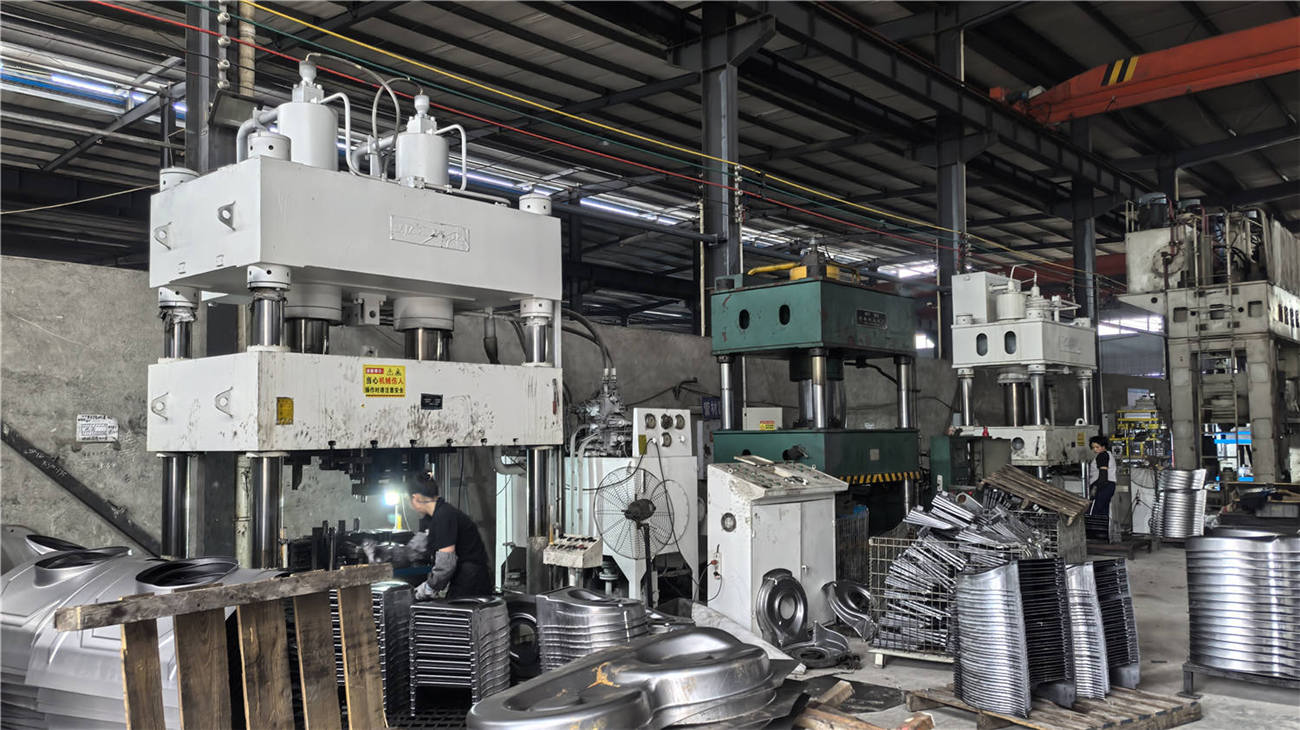
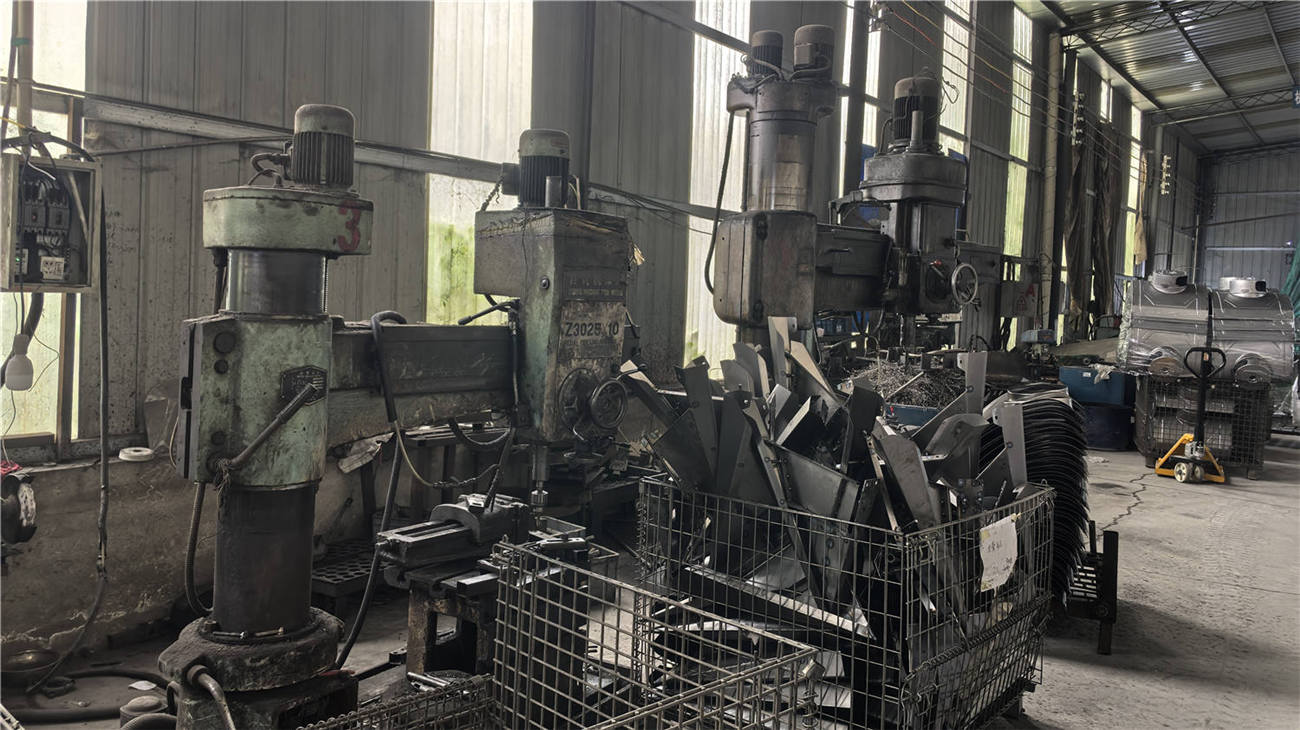
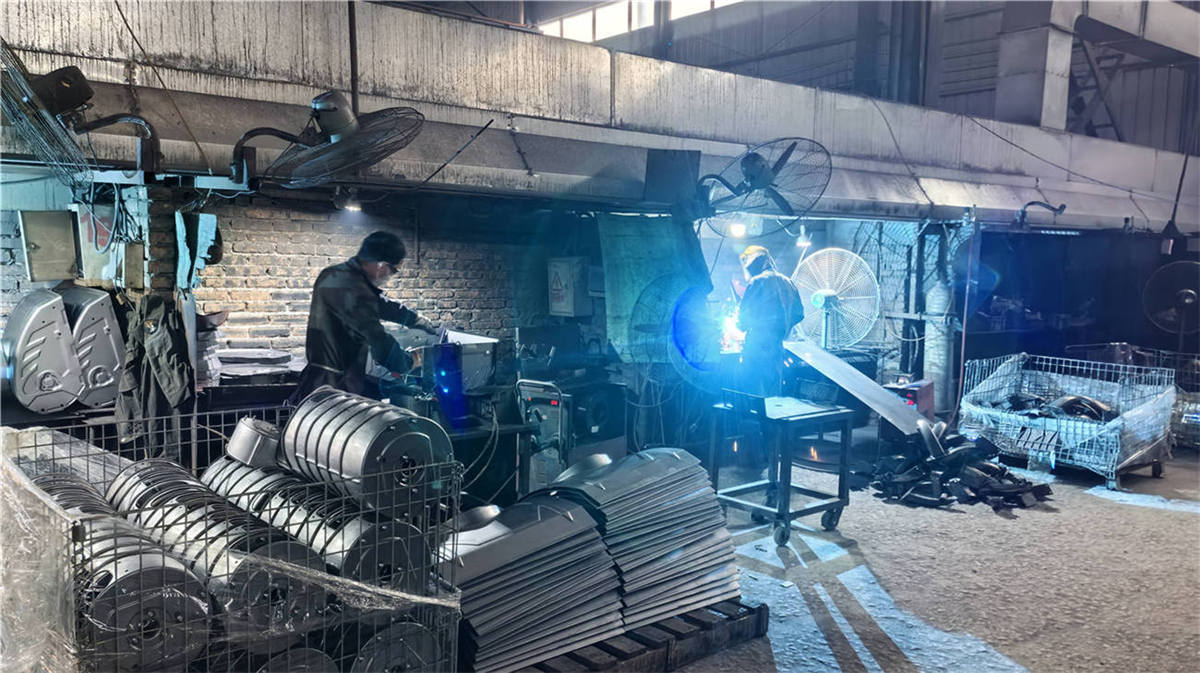
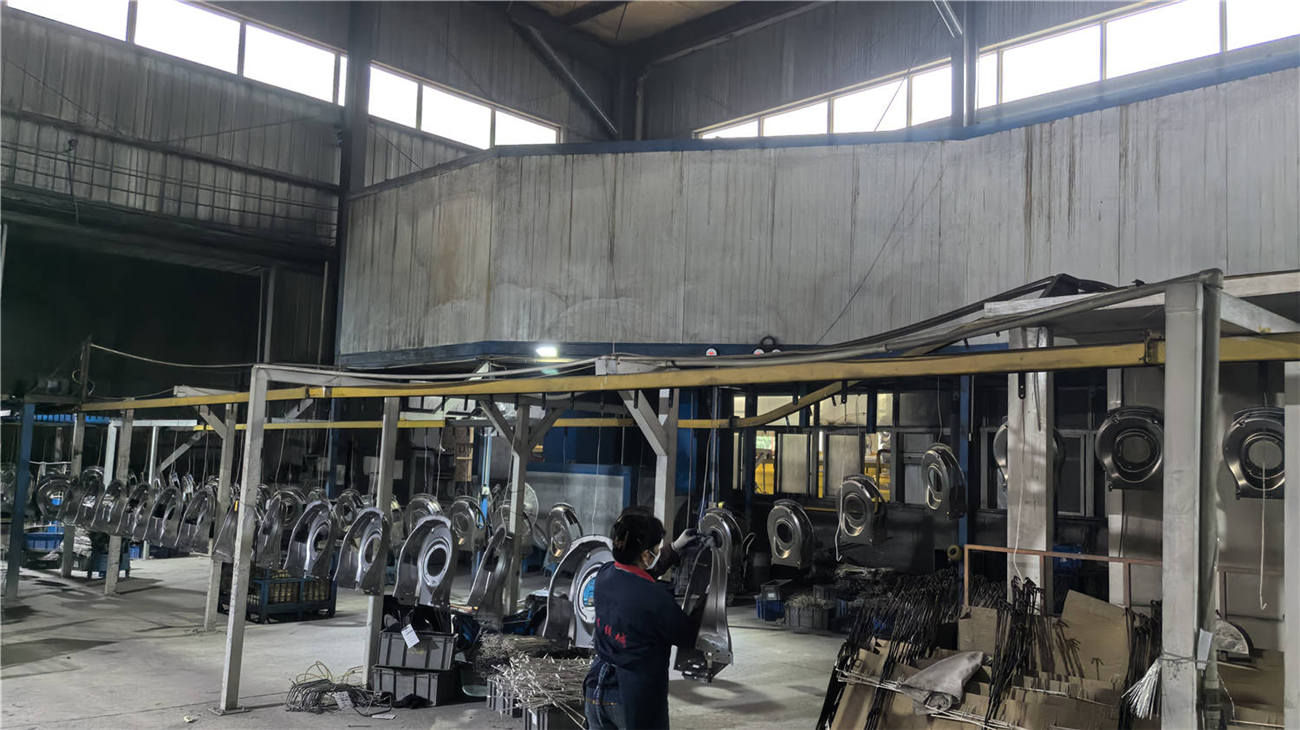
Integrating raw material inspection, precise computerized bending and hydraulic punching, expert robotic welding, and dynamic load-cell function testing. We guarantee that every generator departing our facility meets international mechanical and electrical standards.
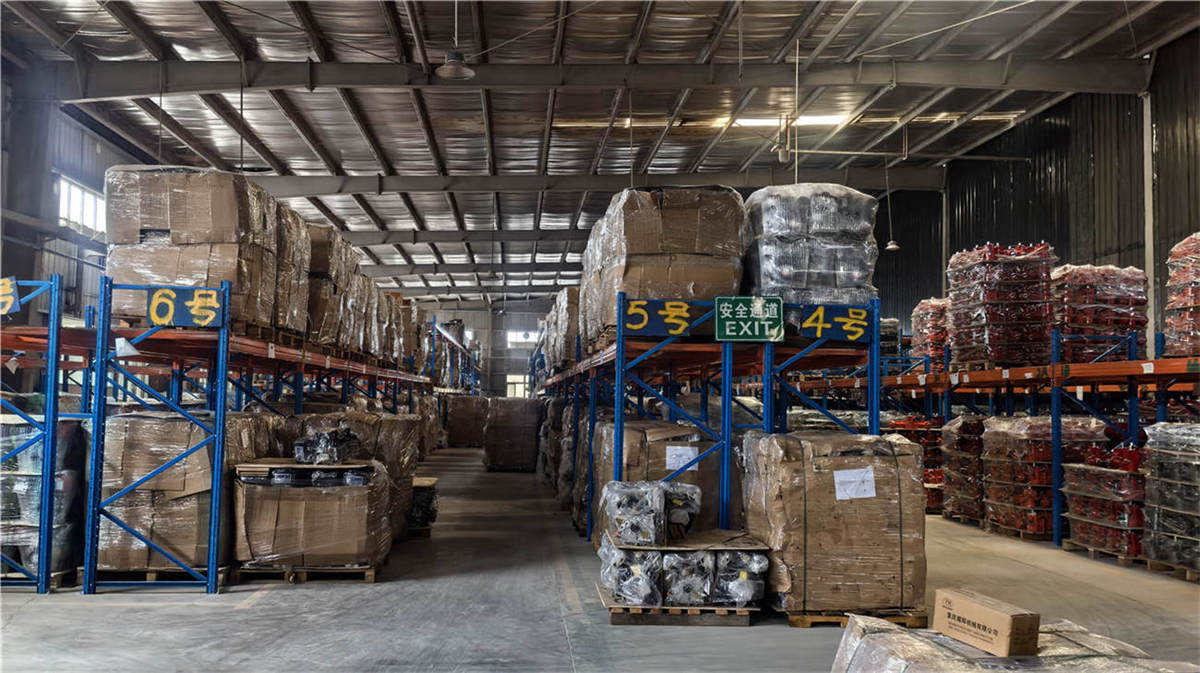
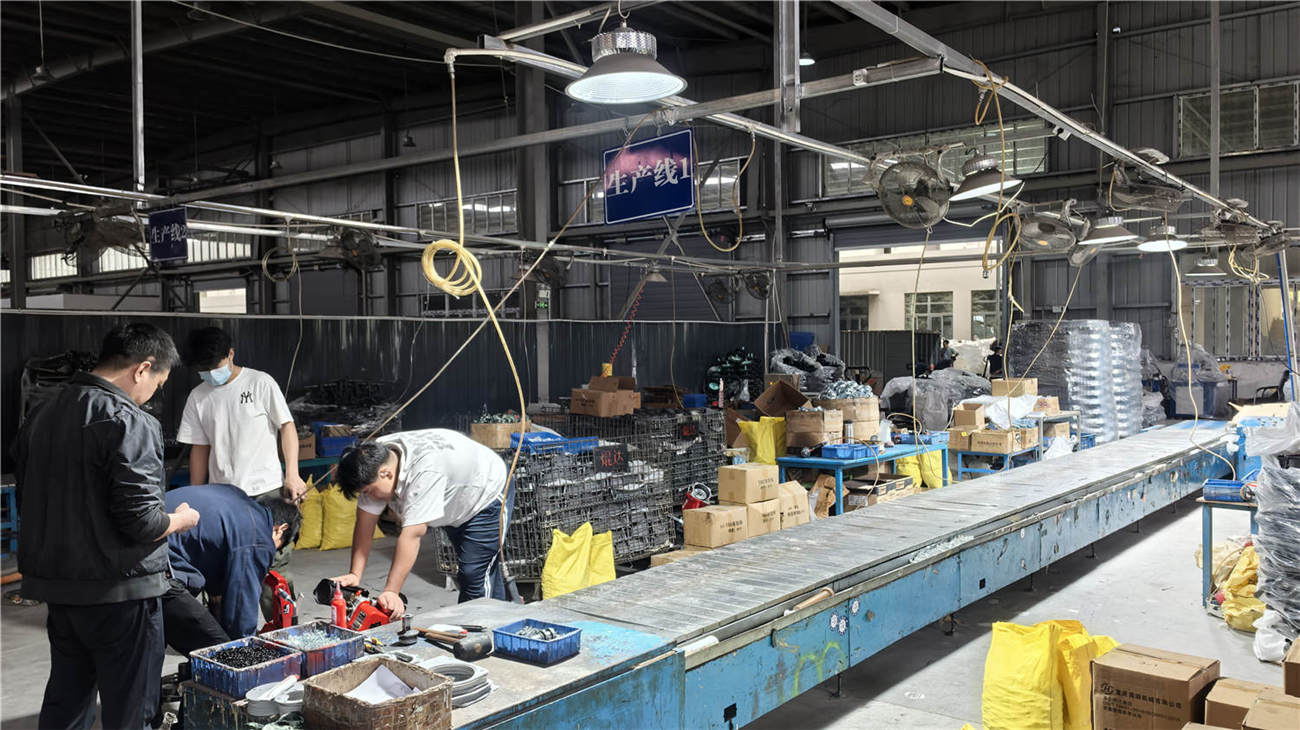
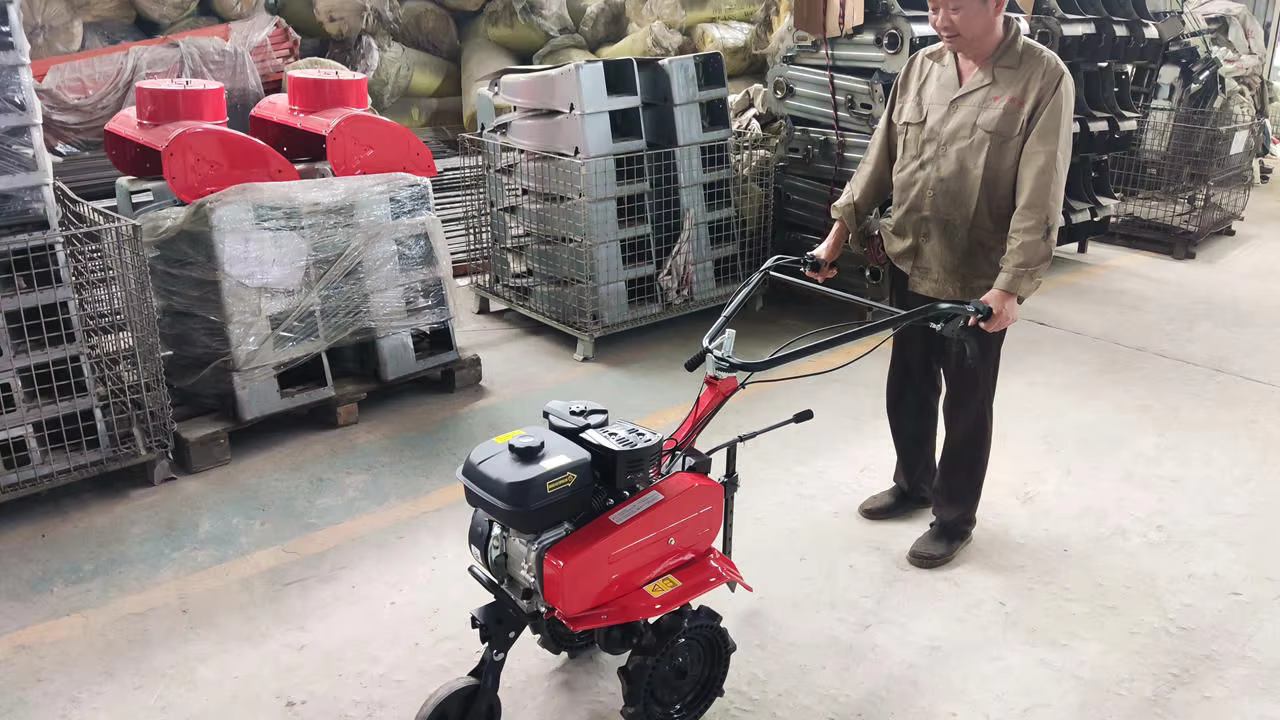
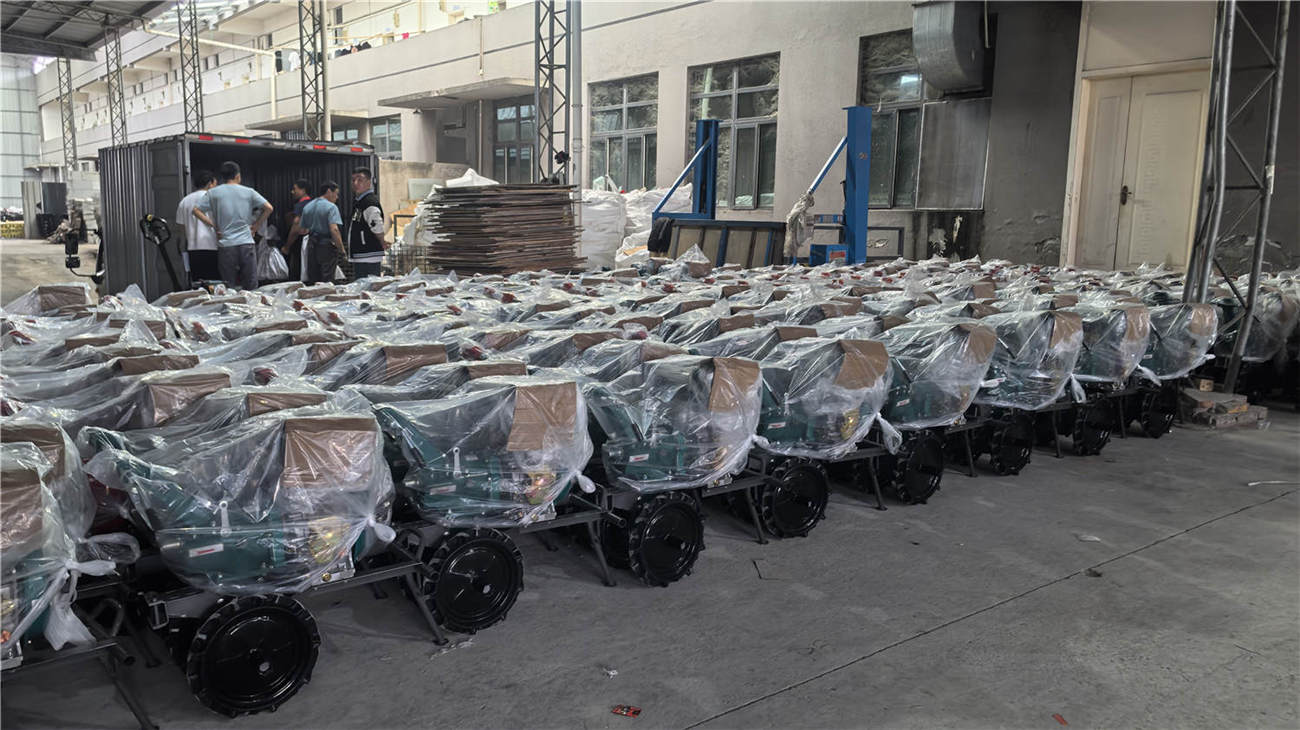
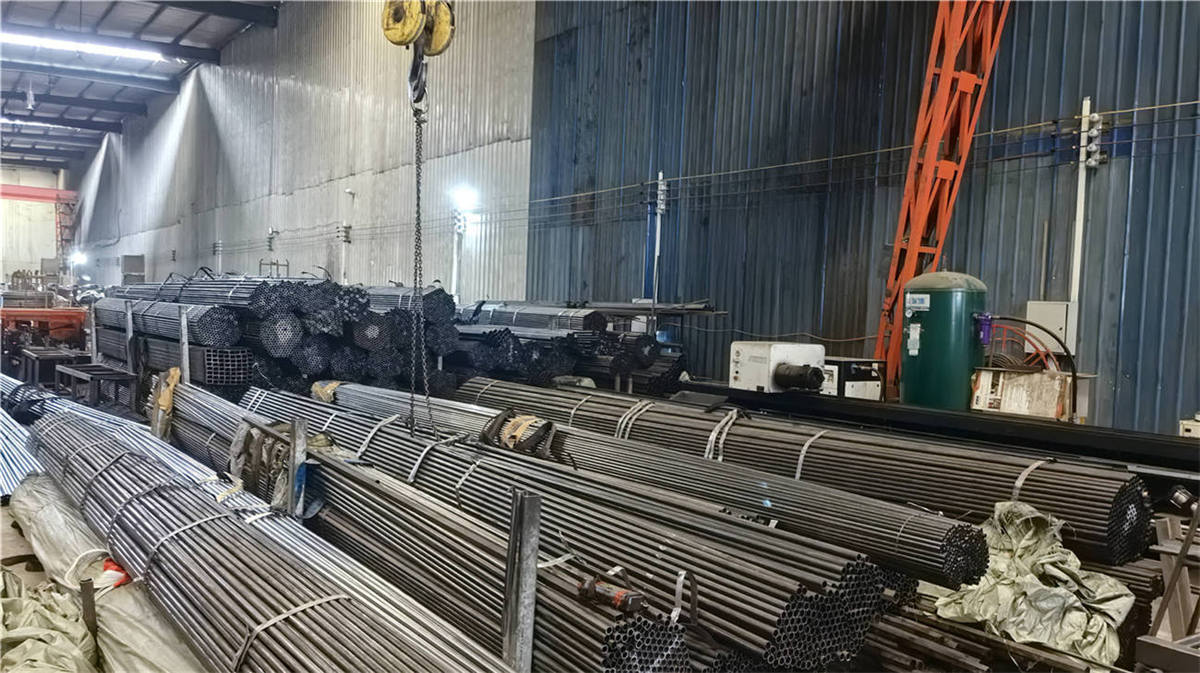
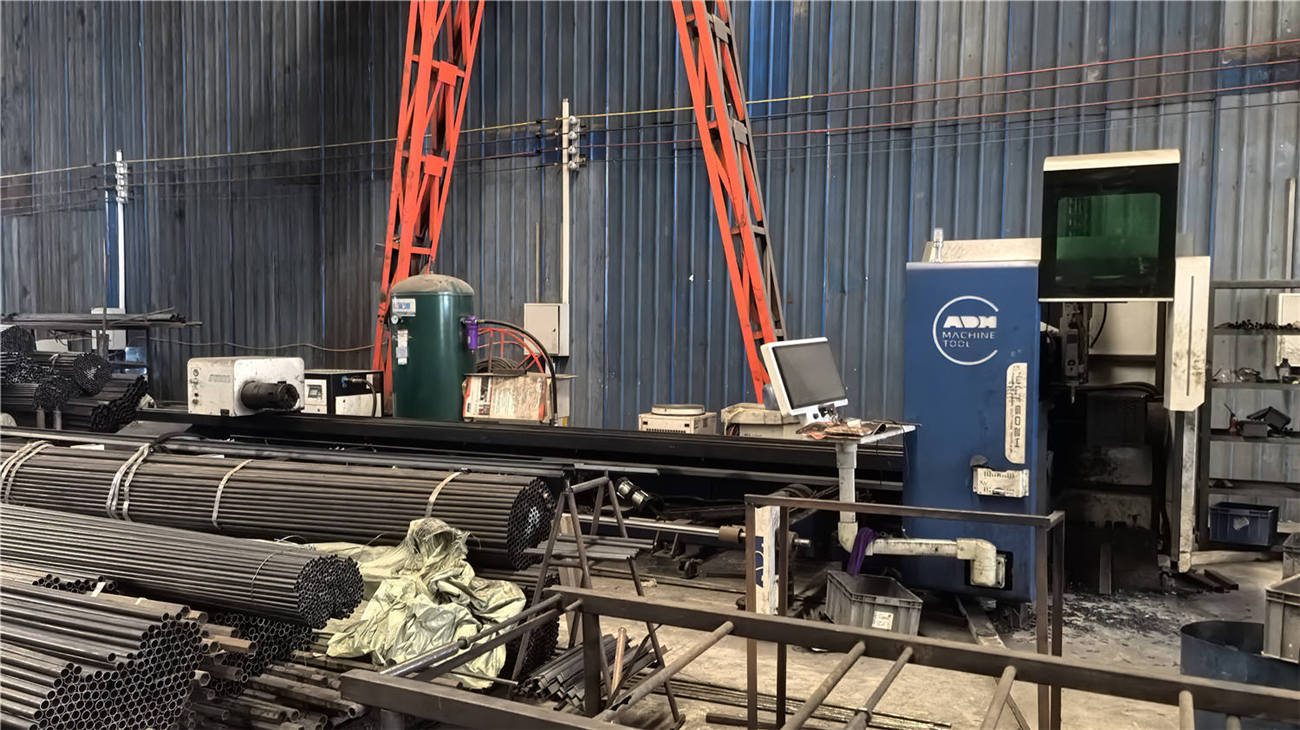
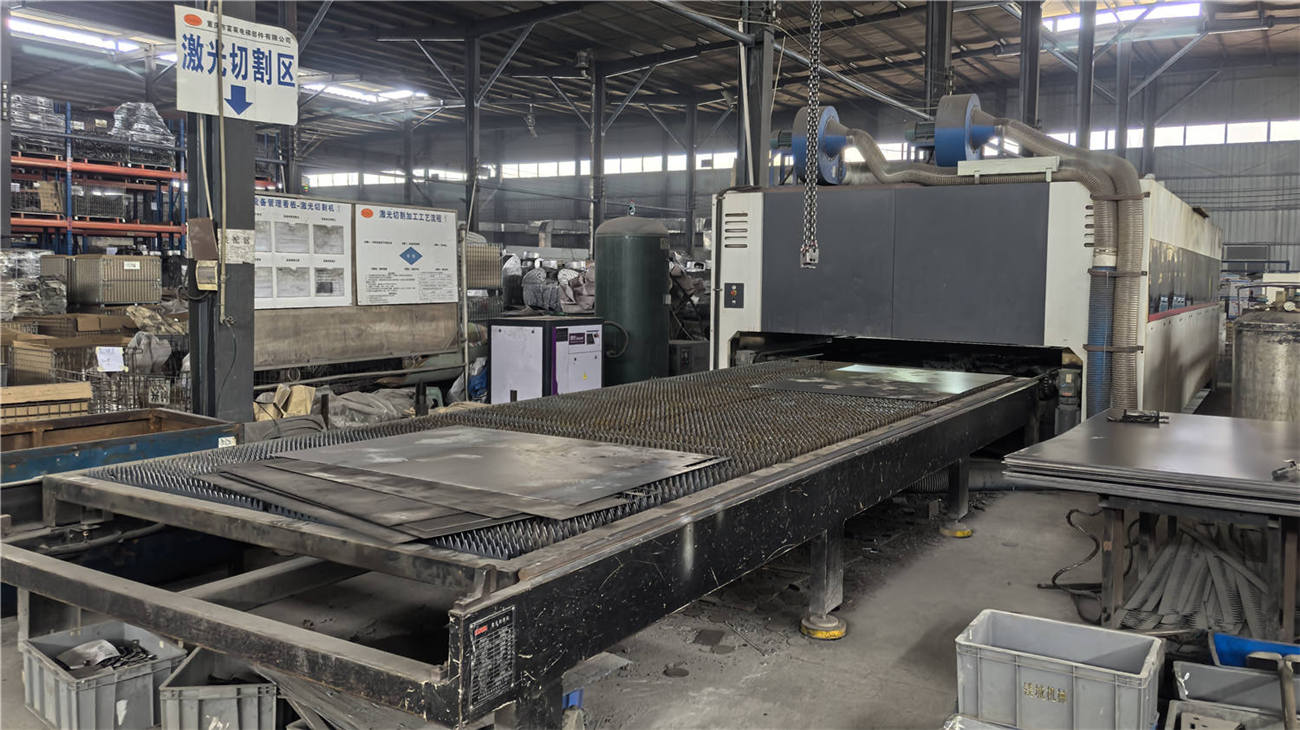
The development of portable power systems is defined by the convergence of smart microgrids, digital frequency control, and cleaner fuel combustion engines. Our engineering group focuses on optimizing energy conversion through these main technological avenues:
Developing high-density inverter modules that limit Total Harmonic Distortion (THD) to below 3%. This safe output profile ensures that sensitive field gear, telecommunication units, and critical computers operate without overheating or experiencing component wear.
Implementing smart engine control modules (ECUs) that monitor real-time power draw. The engine adjusts its RPM automatically to match the demand, lowering overall fuel consumption, cutting acoustic emissions, and extending engine life.
Integrating dual-fuel and multi-fuel mechanics (Gasoline, LPG, Propane, Biogas, and Methane). This system gives field operators alternative energy choices, bypassing localized gasoline distribution issues during disruptions.
Distributing energy equipment globally requires strict alignment with safety, emissions, and grid connection rules. Each market presents unique requirements that we satisfy through rigorous certification processes.
In the North American sector, our portable generators are built to meet EPA (Environmental Protection Agency) standards for carbon and particulate limits, along with CARB (California Air Resources Board) compliance for low evaporative emissions. This double certification allows smooth distribution across all fifty states, giving industrial networks compliant standby solutions.
For European and UK operations, our systems are certified under CE (Conformité Européenne) and UKCA (UK Conformity Assessed) frameworks. These standards guarantee rigorous electromagnetic compatibility, structural integrity, electrical safety, and environmental noise limits. By keeping our designs compliant, Weifang Gods Power helps commercial clients bypass regulatory import hurdles and local deployment delays.
Our portable gasoline and diesel generator portfolio is built to handle specific, demanding roles in various global industries.
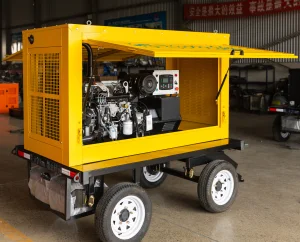
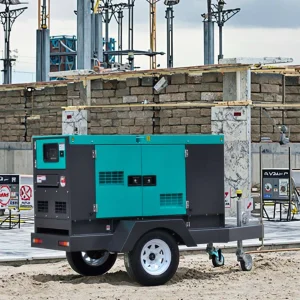
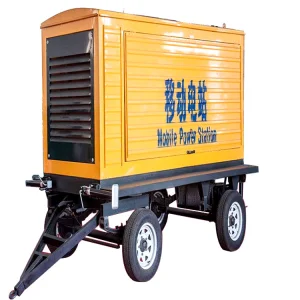
Heavy-duty 40KVA mobile trailers and high-output generators deliver reliable, mobile power for welding systems, hydraulic systems, and jobsite illumination under tough environmental conditions.
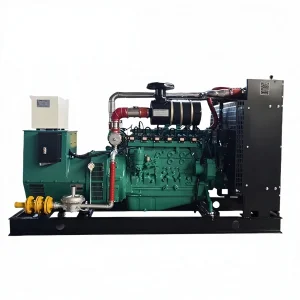
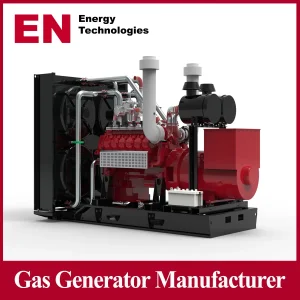
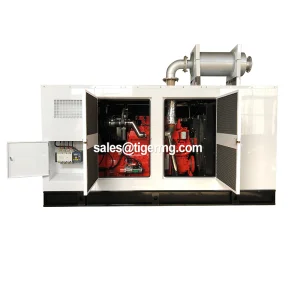
Green energy conversion systems utilize large-scale agricultural waste (manure-to-energy) with high-efficiency biogas generators, offering co-generation benefits and localized odor mitigation.
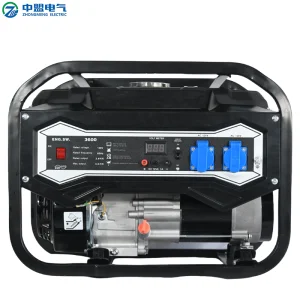
Compact digital inverters provide pure sine wave electricity to keep domestic equipment, medical respirators, cooling units, and communication modems operational during major grid blackouts.
Critical engineering answers for procurement managers, global distributors, and site development coordinators.
A standard generator runs at a fixed speed (usually 3000 or 3600 RPM) to produce raw AC power, which can lead to higher voltage and frequency fluctuations. A digital inverter generator converts raw AC to DC, then inverts it back to clean AC. This results in a stable sine wave output (Total Harmonic Distortion under 3%), making it safe for computers and sensitive field instruments, while also lowering fuel consumption and operating noise.
Dual-fuel systems offer fuel flexibility. If gasoline is hard to source during a disaster, the system can run on LPG or propane. For agricultural systems, a biogas generator converts waste methane into electricity, lowering waste management costs while reducing emissions.
Regular maintenance includes inspecting oil levels every 8 hours, doing the first oil change after 20 hours of operation, and then every 100 hours thereafter. The spark plug and air filter need cleaning every 50 hours, and gasoline should be treated with stabilizer if the unit is stored for over 30 days to prevent fuel system varnish.
Our facility runs tests on all units, including transient response analysis, voltage regulation tests, structural vibration checks, and extended load-cell testing. This process ensures that structural components, engine control modules, and alternator windings function correctly under high-temperature and heavy-load conditions.
An ATS monitors utility grid voltage. If the grid drops below a set limit, the switch disconnects the utility line, signals the generator to start, and transfers the load to the generator. Once utility power returns, the system safely switches back and cools down the generator automatically, minimizing downtime.
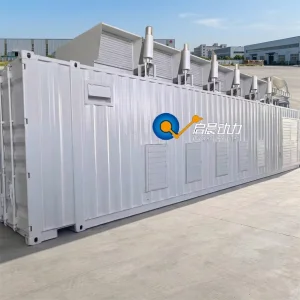
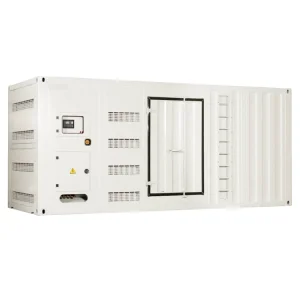
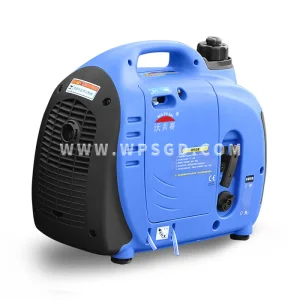
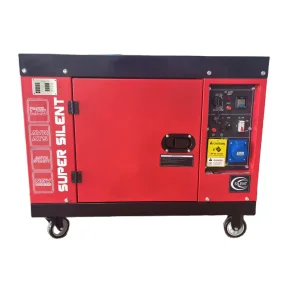
Explore our line of high-capacity containerized power plants, soundproof diesel setups, and lightweight portable gasoline generators.
 Gods Power