Gods Power
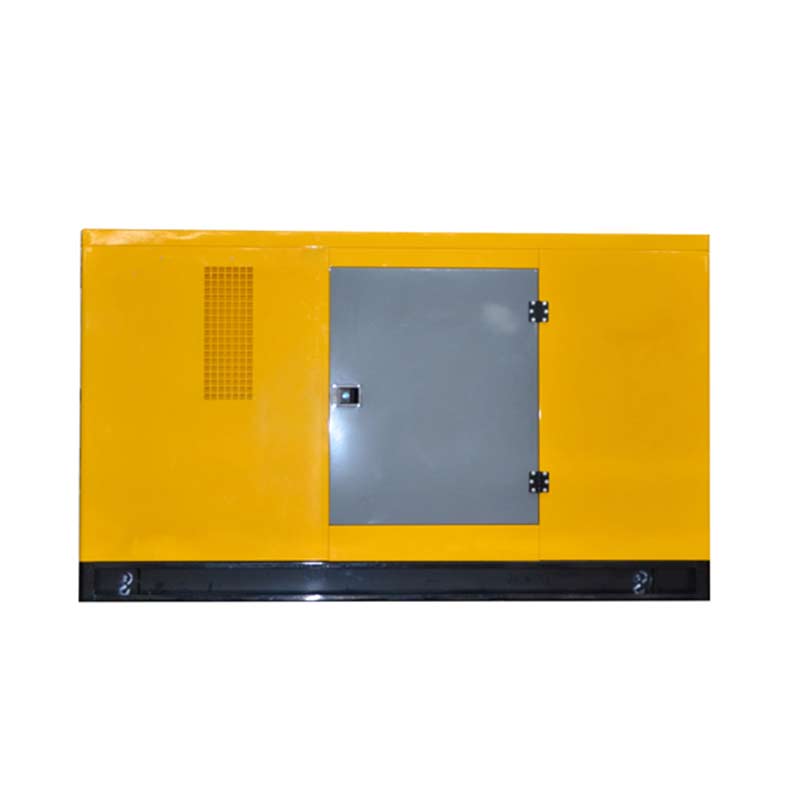
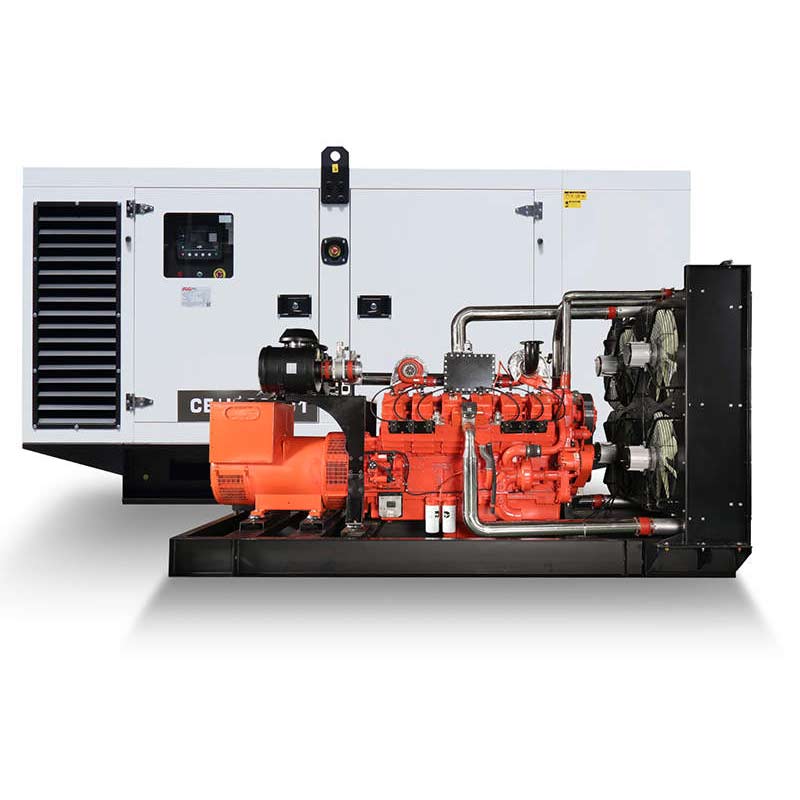
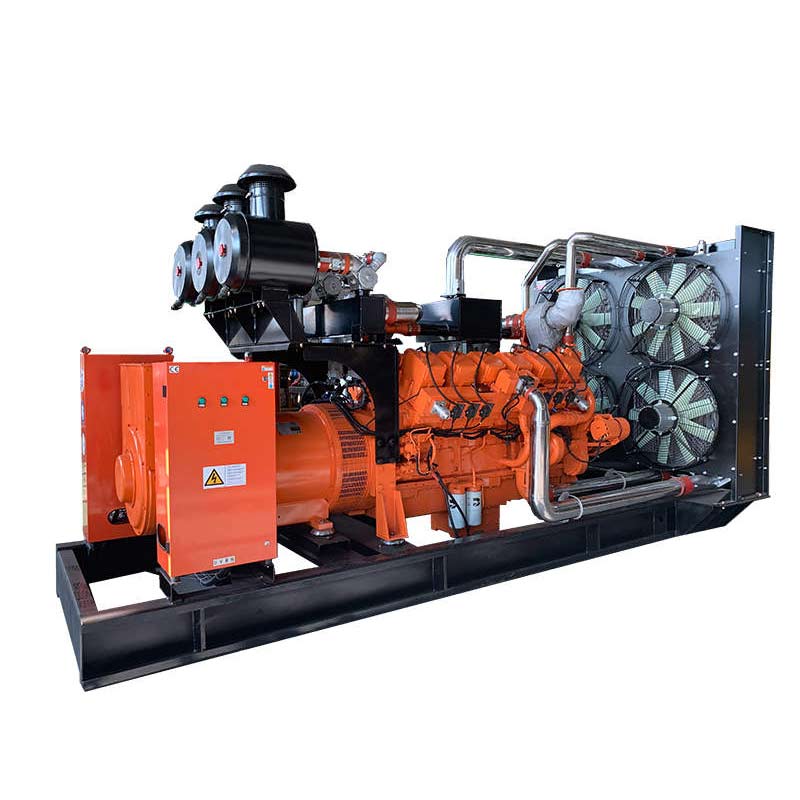
1 / 5
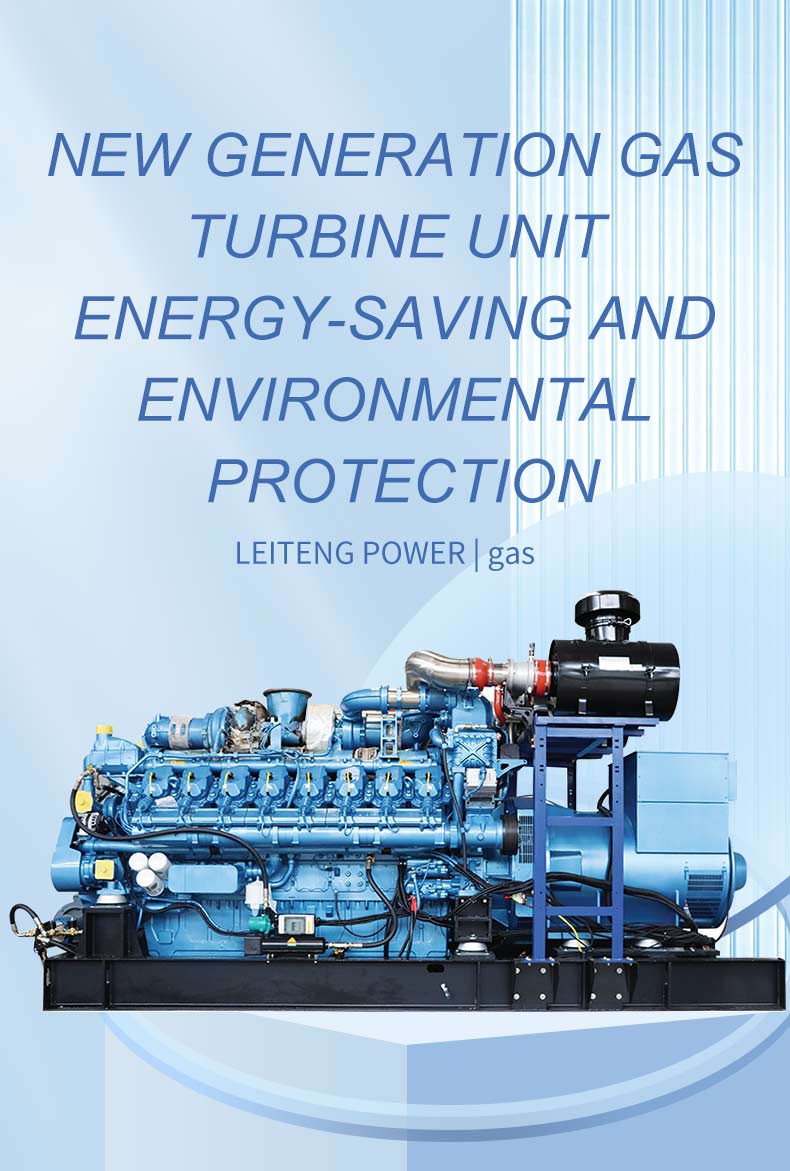
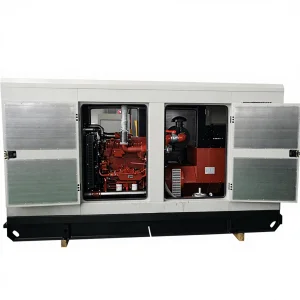
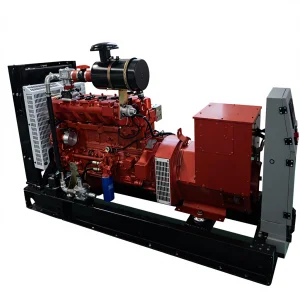
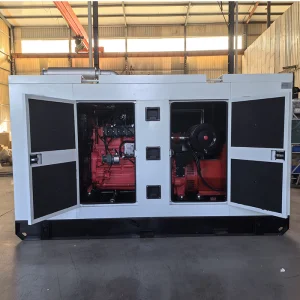
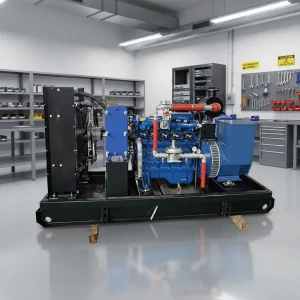
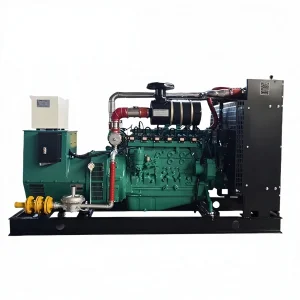
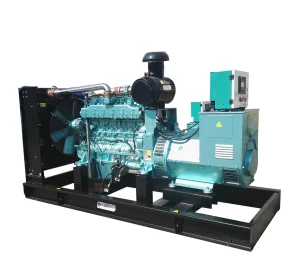
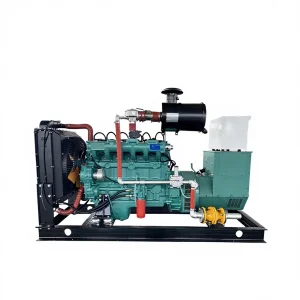
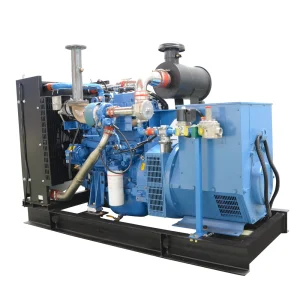
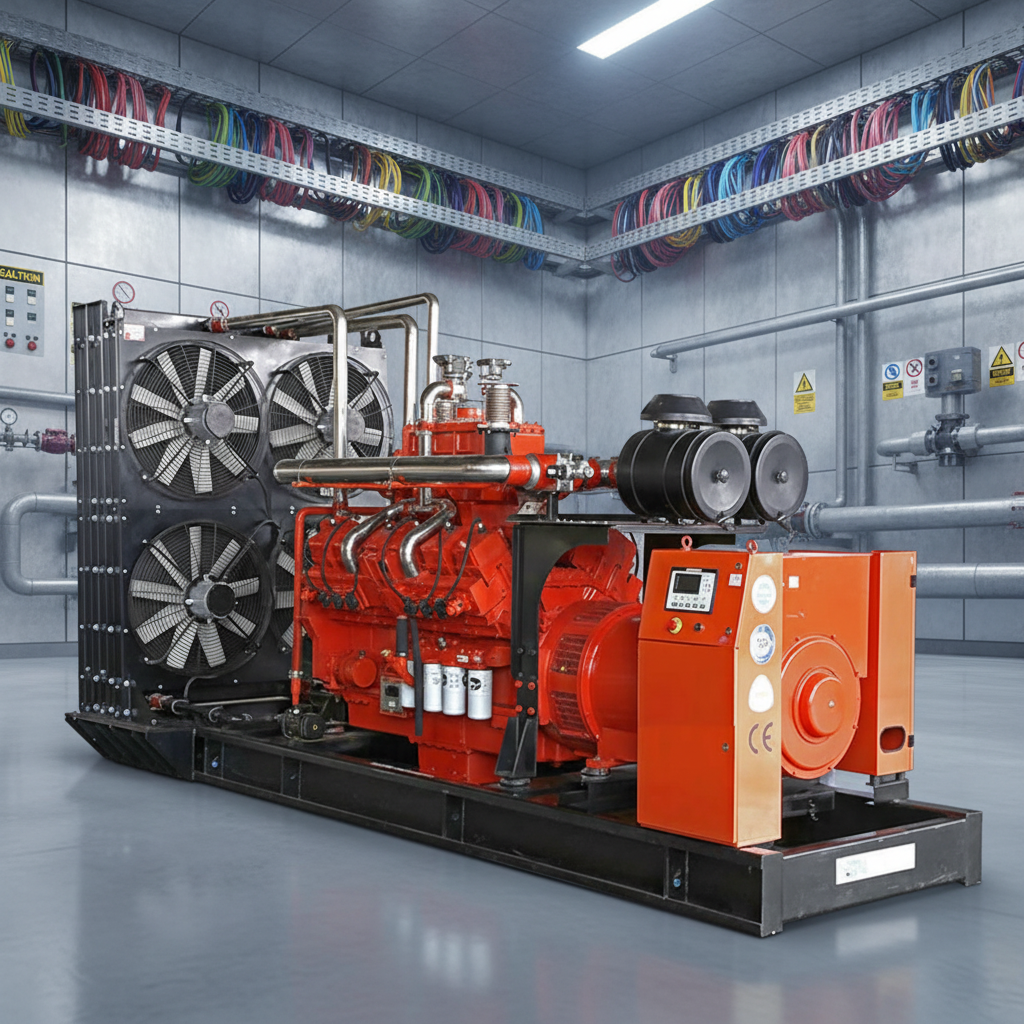
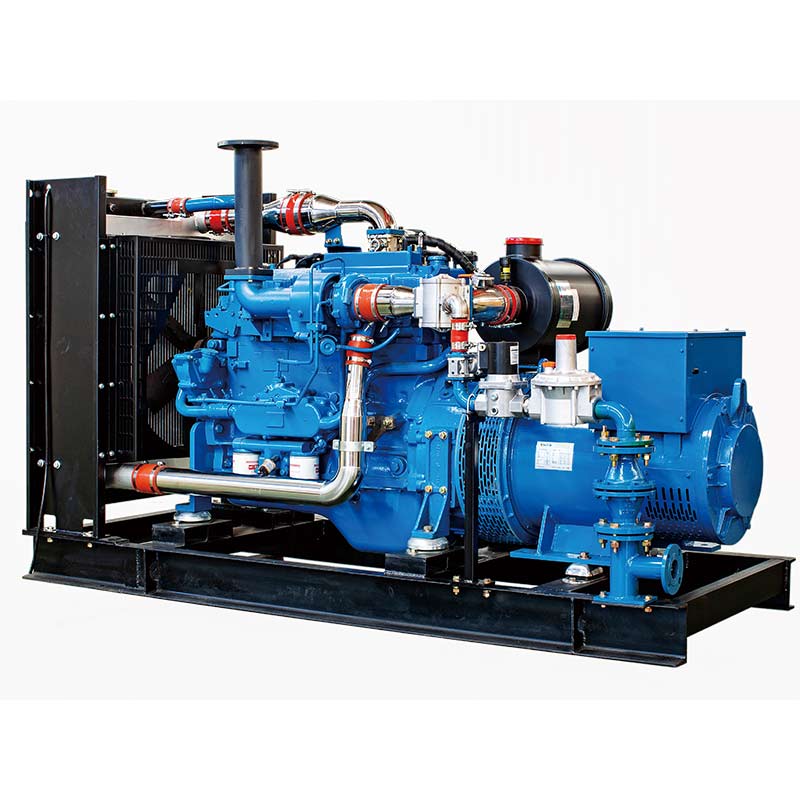
| Genset Model | Prime Power (kW/kVA) | Engine Model | No.of Cylinder | Displacement (L) | Overrall Size (mm) | Gross Weight (kg) |
|---|---|---|---|---|---|---|
| LT42GF-NS | 30/37.5 | 4105D-NG | 4 | 3.61 | 1700*760*1200 | 700 |
| LT42GF-NS | 30/37.5 | LRNM5-D | 4 | 5.13 | 1750*760*1200 | 700 |
| LT70GF-NS | 50/62.5 | 6105D-NG | 6 | 7.1 | 2200*760*1300 | 1250 |
| LT70GF-NS | 50/62.5 | LRNM5Z-D | 4 | 5.13 | 1850*760*1300 | 950 |
| LT110GF-NS | 80/100 | 6105IZLD-NG | 6 | 7.1 | 2250*800*1350 | 1300 |
| LT110GF-NS | 80/100 | LRNM65Z-D | 6 | 77 | 2250*800*1350 | 1300 |
| LT140GF-NS | 100/125 | N654Z-D | 6 | 9.726 | 2700*1050*1600 | 1550 |
| LT140GF-NS | 100/125 | T10.15D | 6 | 9.726 | 2750*1050*1600 | 1600 |
| LT200GF-NS | 150/187.5 | WT615D | 6 | 9.726 | 2800*1050*1600 | 1650 |
| LT200GF-NS | 150/187.5 | T10.15D | 6 | 9.726 | 2800*1050*1600 | 1650 |
| LT275GF-NS | 200/250 | T12D-3 | 6 | 11.596 | 2900*1200*1900 | 2200 |
| LT275GF-NS | 200/250 | T12.15D | 6 | 11.596 | 2900*1200*1900 | 2200 |
| LT350GF-NS | 250/312.5 | MT13D.5 | 6 | 12.419 | 3300*1570*2000 | 3000 |
| LT350GF-NS | 250/312.5 | T13.15D | 6 | 12.419 | 3300*1570*2000 | 3000 |
| LT350GF-NS | 250/312.5 | SC13ET450D2 | 6 | 12.8 | 3080*1230*1670 | 2760 |
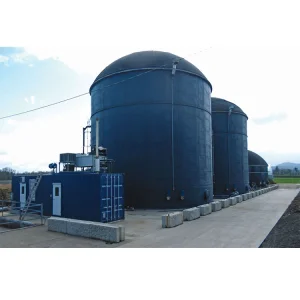
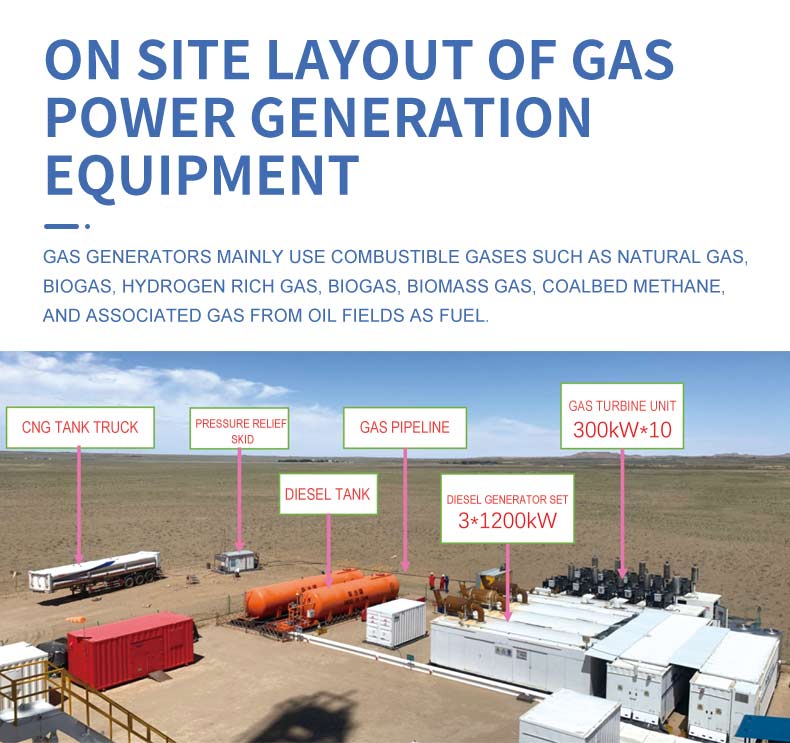
The livestock farm's manure undergoes anaerobic digestion in a sealed digester to produce methane-rich biogas. This biogas is collected, filtered to remove moisture and impurities (such as hydrogen sulfide), and then fed directly into the engine of the generator to produce electricity and heat.
Odorous compounds are captured during the anaerobic fermentation process inside sealed airtight digester tanks. Because the volatile organic compounds and gases are completely enclosed and utilized to run the generator system, odor emissions from breeding operations are significantly minimized.
Yes, our biogas generators are designed for continuous, heavy-duty prime power operation (24/7). To achieve uninterrupted running, the farm must maintain a steady feedstock of manure to generate biogas consistently and perform regular scheduled maintenance.
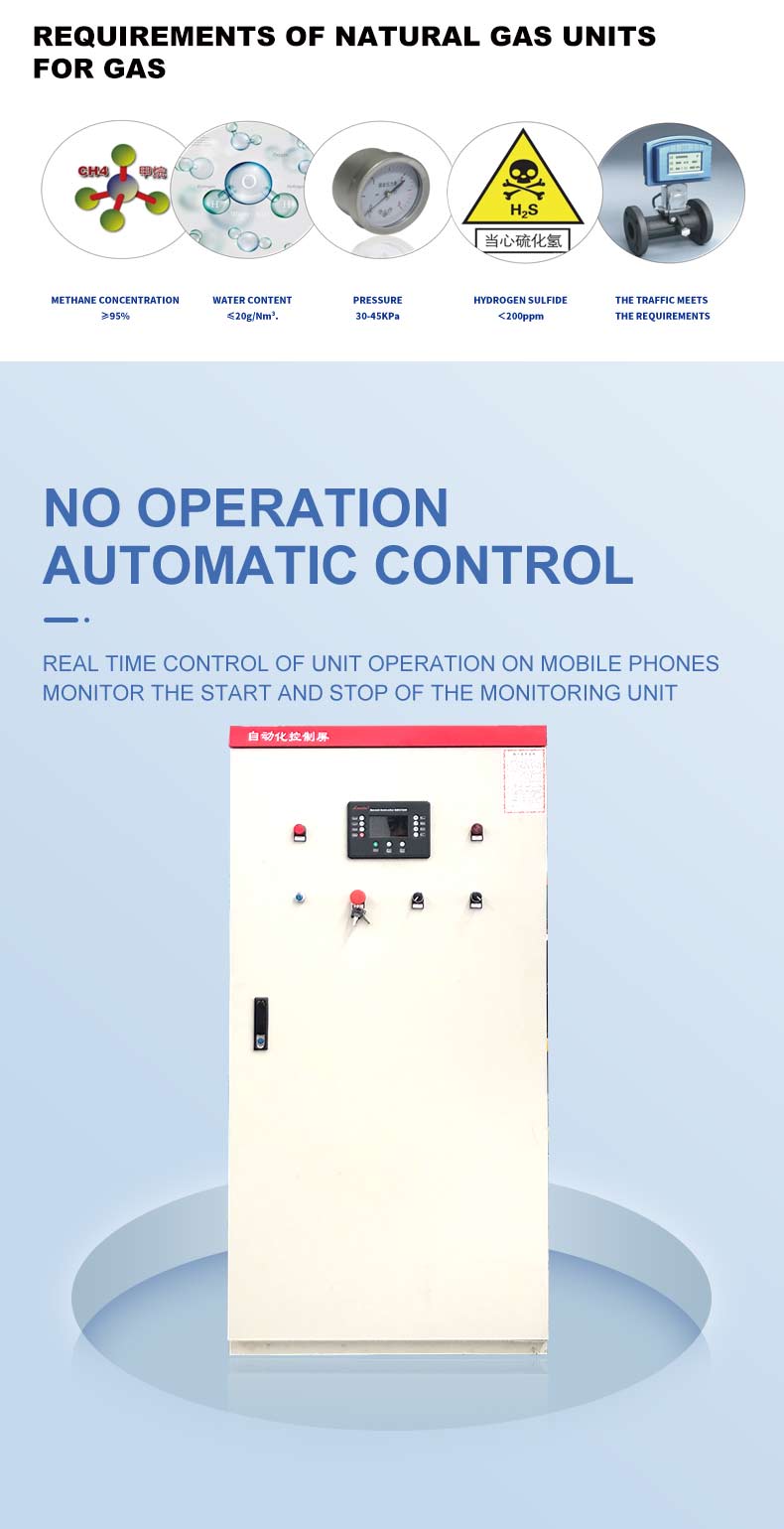
For optimal engine efficiency and longevity, the biogas should ideally consist of 50%-70% methane (CH4). Desulfurization is critical to keep hydrogen sulfide (H2S) levels low (typically below 200 ppm), and moisture content should be minimized via a gas-water separator.
Standard maintenance includes routine checks of engine oil levels, replacing air and oil filters, inspecting spark plugs, and verifying gas inlet pressure. Periodic inspection of the desulfurization system and digester stability is also required to maintain consistent system output.