Explore our leading range of high-efficiency gasoline, diesel, and gas-powered generators configured for optimal durability and compliance.
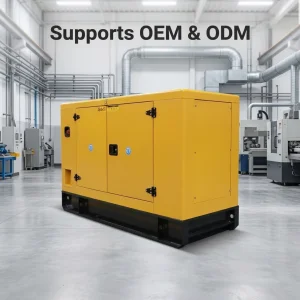
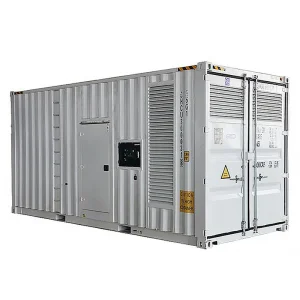
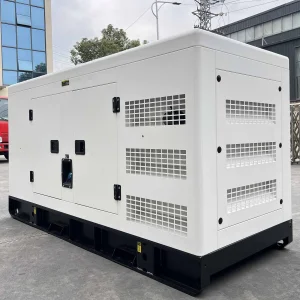
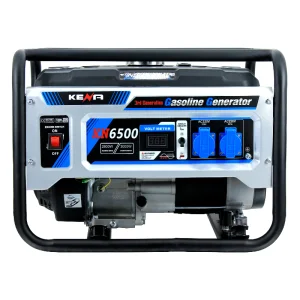
Analyzing key industrial market trends, application parameters, and macro energy architectures driving off-grid operational success.
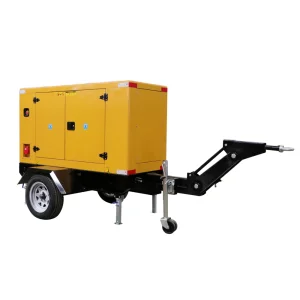
In an era defined by fast-paced infrastructural development, changing climatic profiles, and decentralized grid setups, the global demand for mobile trailer generators has surged. Once utilized primarily as rudimentary backup systems, modern mobile trailer generators are now serving as primary power hubs for heavy industry, defense, municipal rescue operations, and complex mining applications. With urban boundaries expanding and remote projects multiplying, companies face the challenge of securing consistent, high-capacity electrical grids. The portable towing design resolves this dilemma by pairing severe-duty diesel engines with multi-axle, high-clearance road trailers.
From a commercial perspective, compliance with regulatory benchmarks has reshaped the manufacturing landscapes of top-tier exporters. In the European Union and North American corridors, strict emission frameworks (such as EU Stage V and US EPA Tier 4 Final) dictate the integration of selective catalytic reduction (SCR) systems and diesel particulate filters (DPFs). For other rapidly expanding markets in Southeast Asia, Africa, and South America, the focus is centered heavily on robust fuel filtration systems to accommodate varying fuel qualities, alongside cost-efficient maintenance cycles. Leading CE certified manufacturers must address these dual requirements, developing modular engine platforms that cater to both heavily regulated jurisdictions and developing territories.
Three foundational pillars are reshaping the roadmap of mobile generators: the transition to multi-fuel configurations, the integration of smart IoT telematics, and the emergence of hybrid battery-generator setups.
Understanding the core structural and electronic components that define a high-performance CE certified mobile power plant.
How industries deploy mobile trailer generators across varying environmental and mechanical constraints.
Geological exploration sites are located far from public grids, often in rugged terrains with extreme temperature swings. In these environments, power loss translates to operational downtime and safety hazards. Mobile trailer generators provide a reliable energy source that can be easily moved as exploration progresses. The double-axle trailer chassis, featuring heavy-duty leaf springs, high ground clearance, and all-terrain tires, is designed to navigate gravel, mud, and steep slopes. Inside the generator, custom multi-stage centrifugal fuel filters keep dust and condensation from contaminating the combustion chamber, ensuring long-term engine performance.
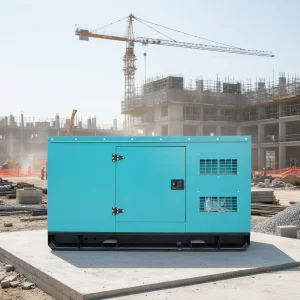
Metropolitan construction requires high-voltage power for heavy equipment while complying with city noise and emission standards. Mobile generators with acoustic enclosures are ideal for these locations. They feature sound baffles, air-intake silencers, and insulated engine mounts that keep sound levels below 65 dB at 7 meters, preventing disruptions to nearby residential areas. Integrated automatic transfer switches (ATS) allow the generator to take over the electrical load instantly if grid power fails, keeping tower cranes, safety lighting, and welding stations running smoothly.
Telecommunication towers and data centers require constant, stable power to keep communities connected. Mobile trailer generators serve as reliable backup power sources, especially during natural disasters or major grid outages. Equipped with remote telematics and smart controllers, operators can monitor fuel levels, battery voltage, and operational parameters from a central control room. If a remote cell site loses power, the generator automatically starts and synchronizes, keeping communications online without requiring immediate on-site maintenance.
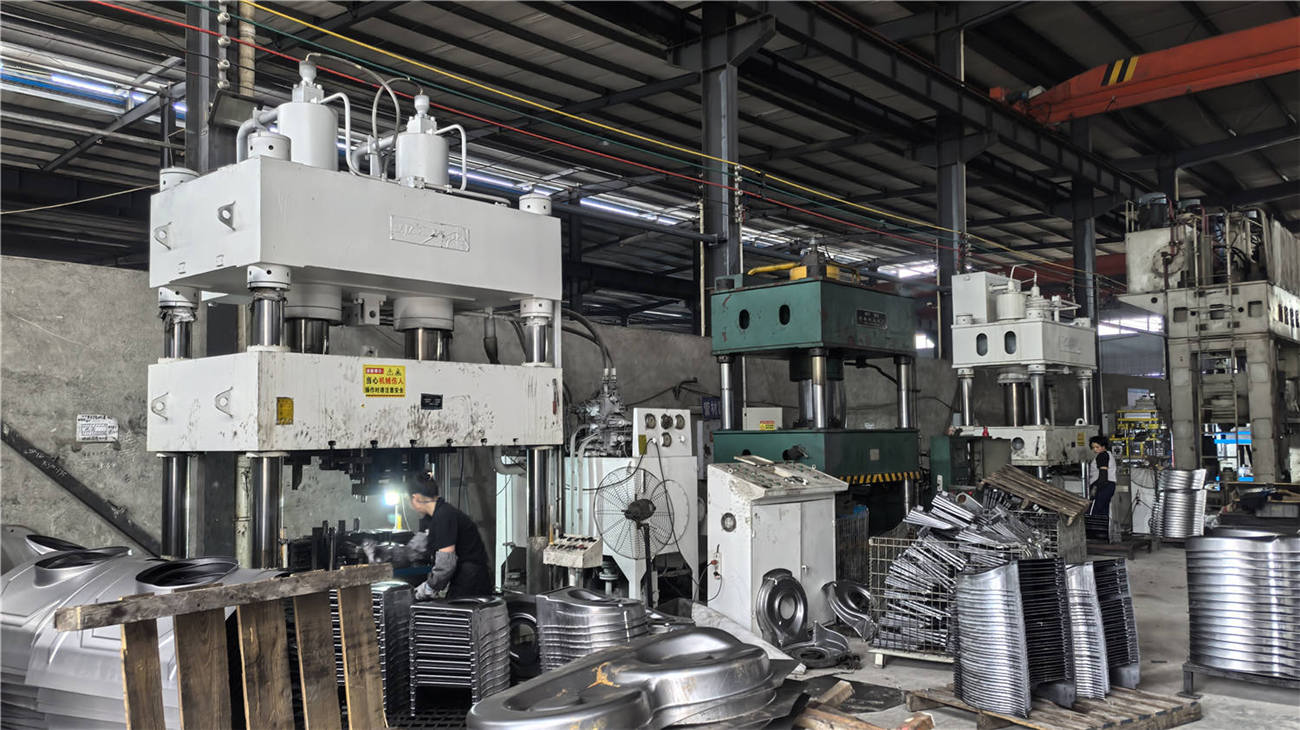
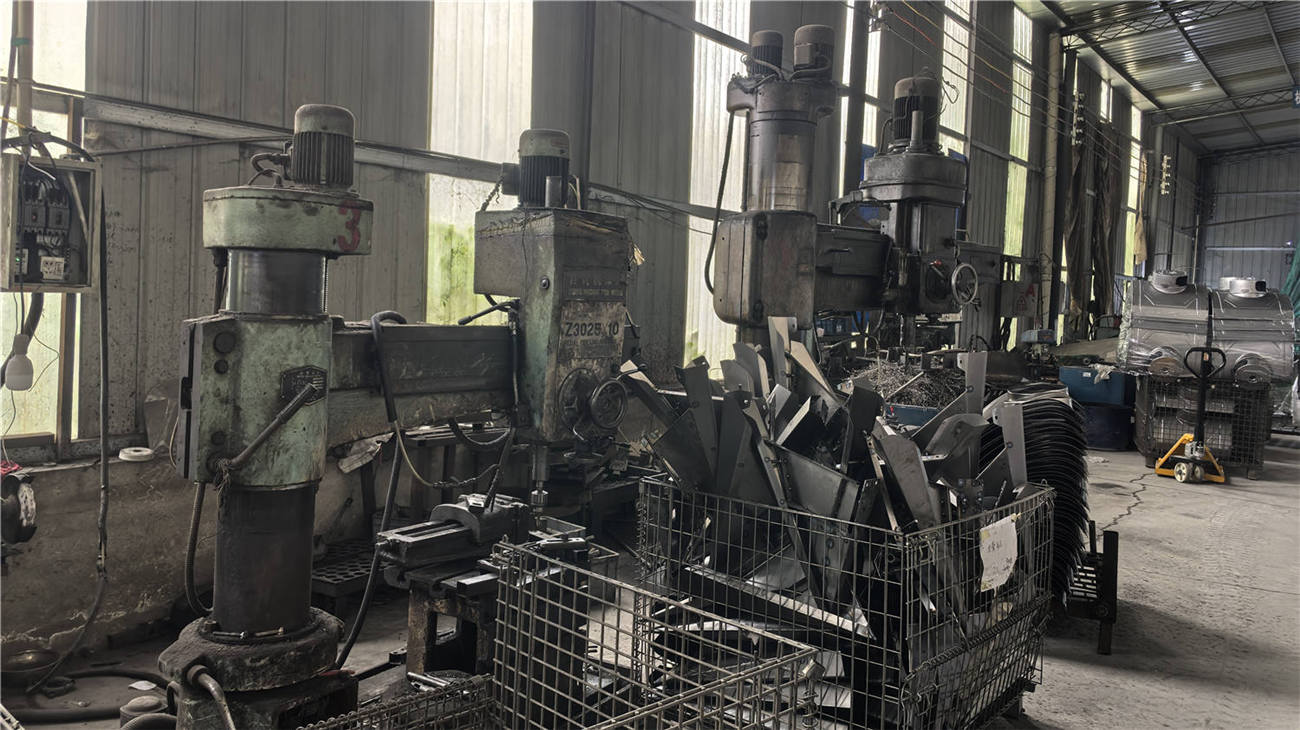
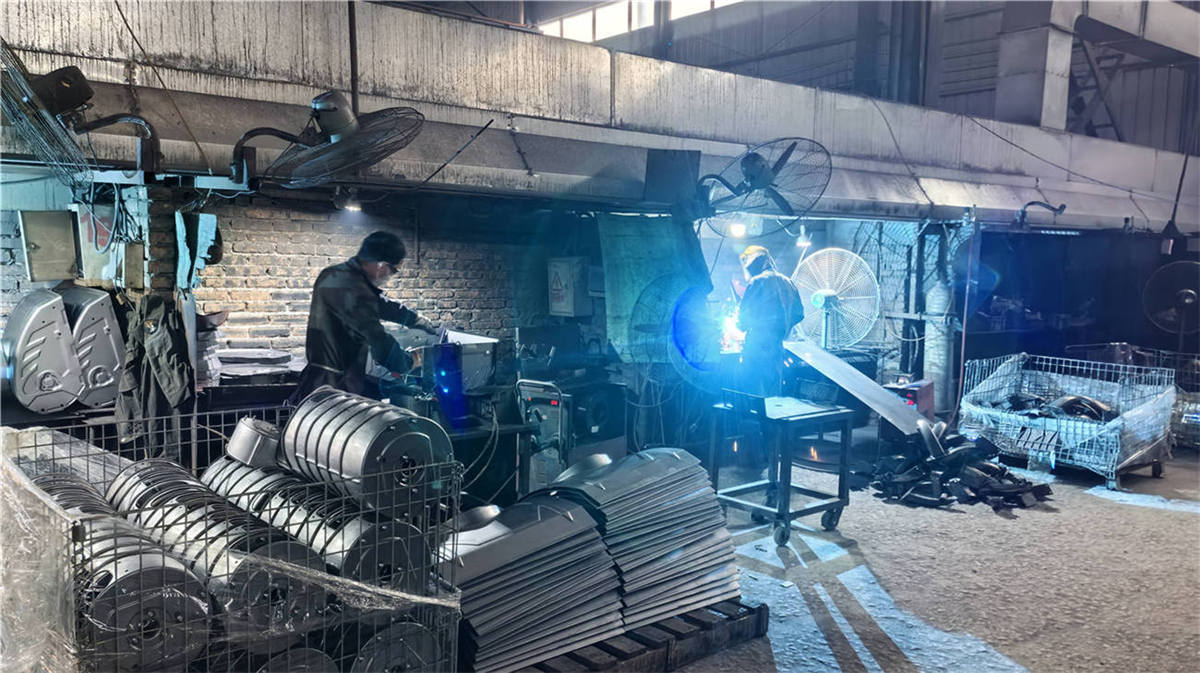
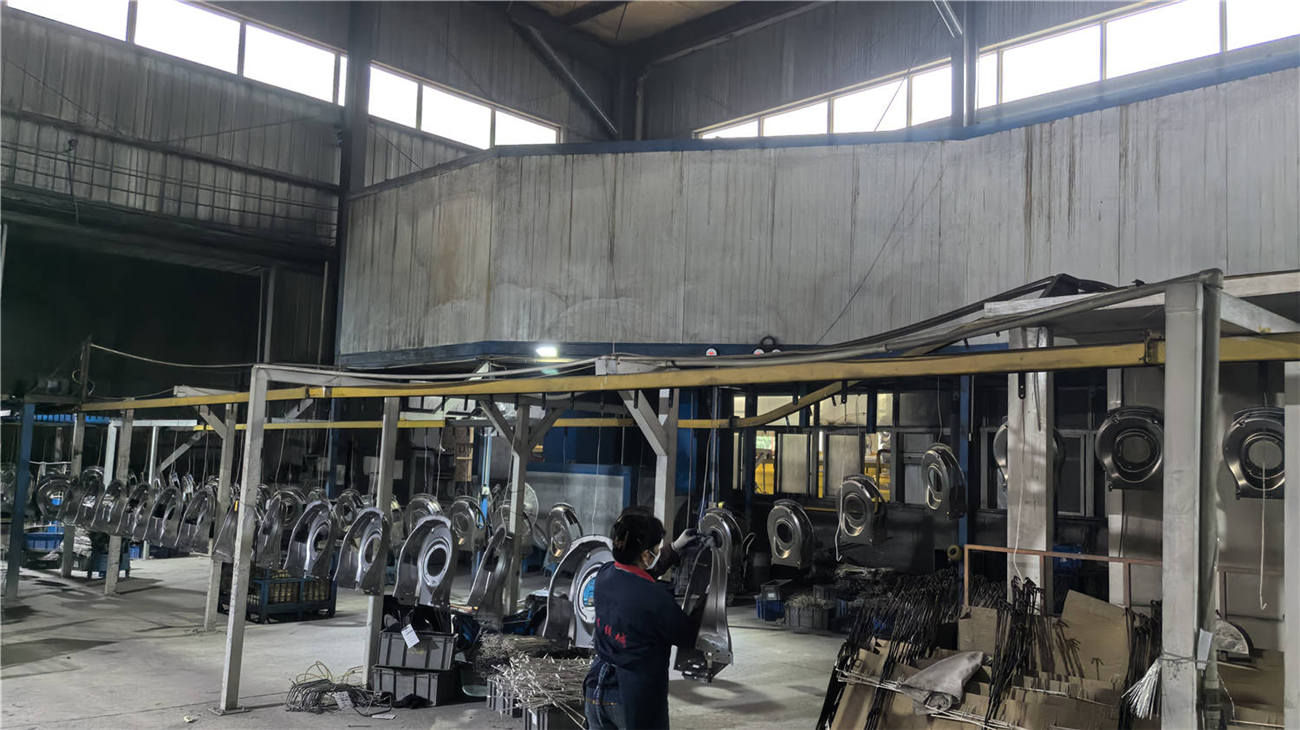
A global leader in generator manufacturing, combining high-grade raw materials with rigorous assembly and testing protocols.
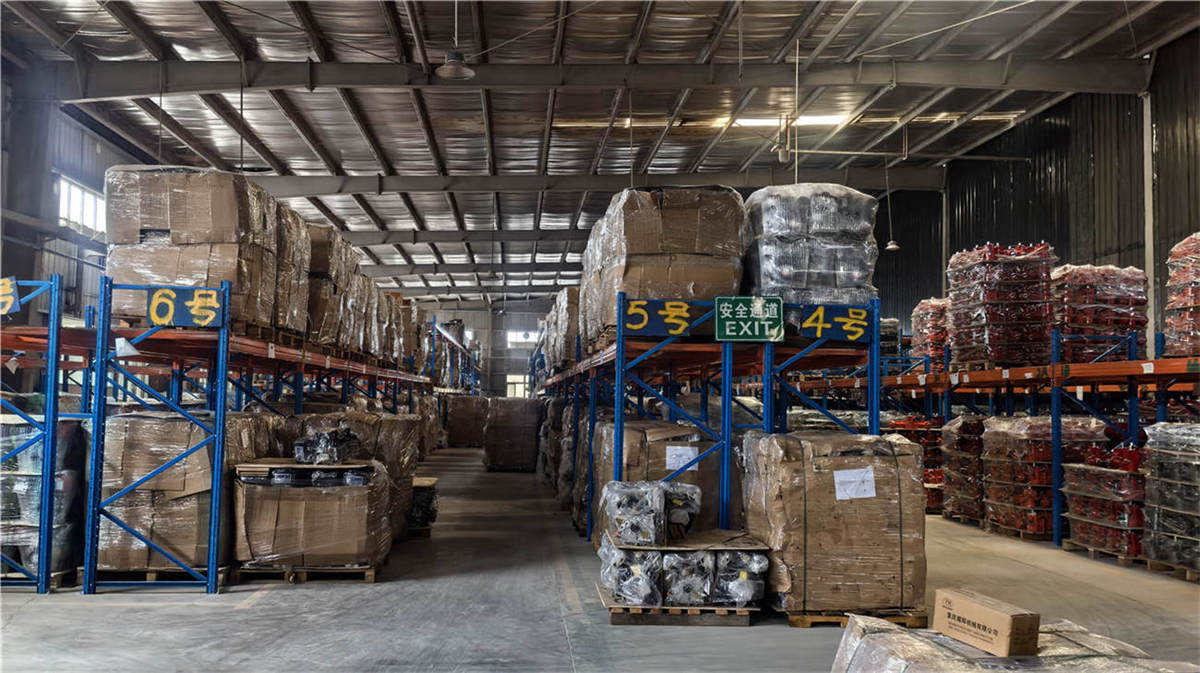
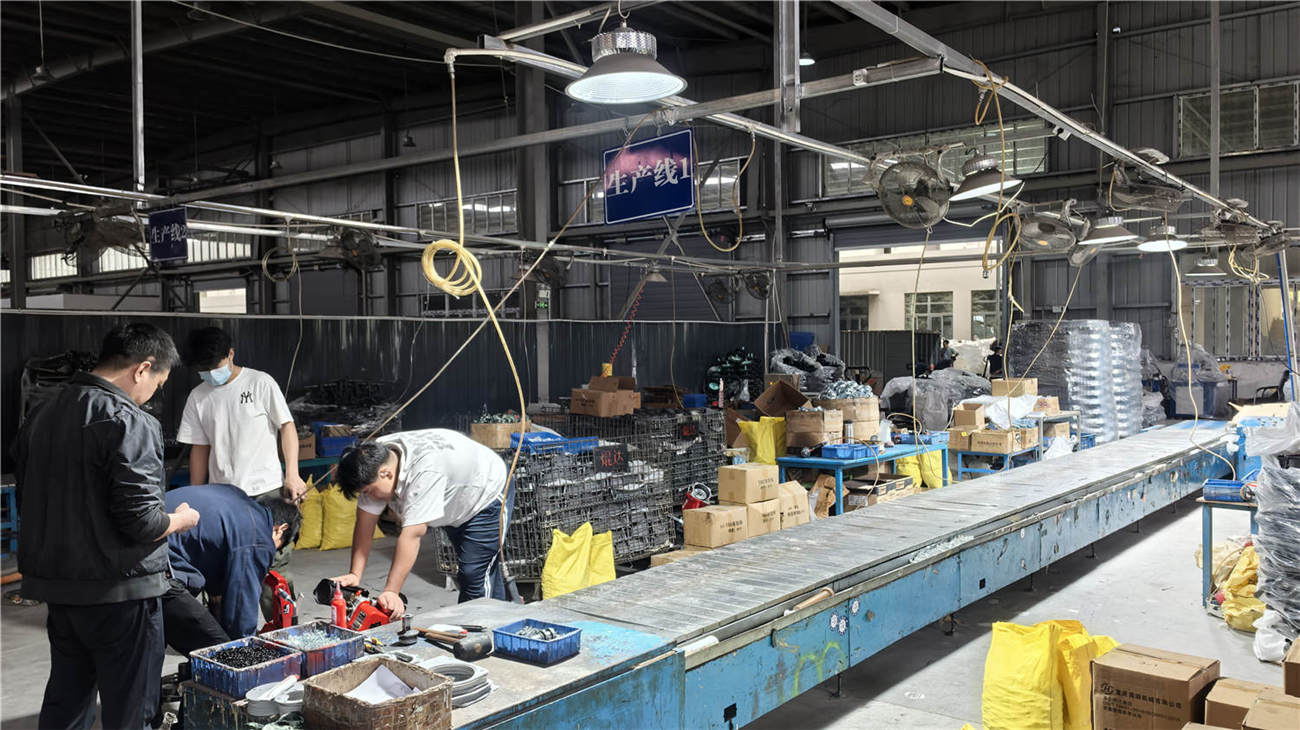
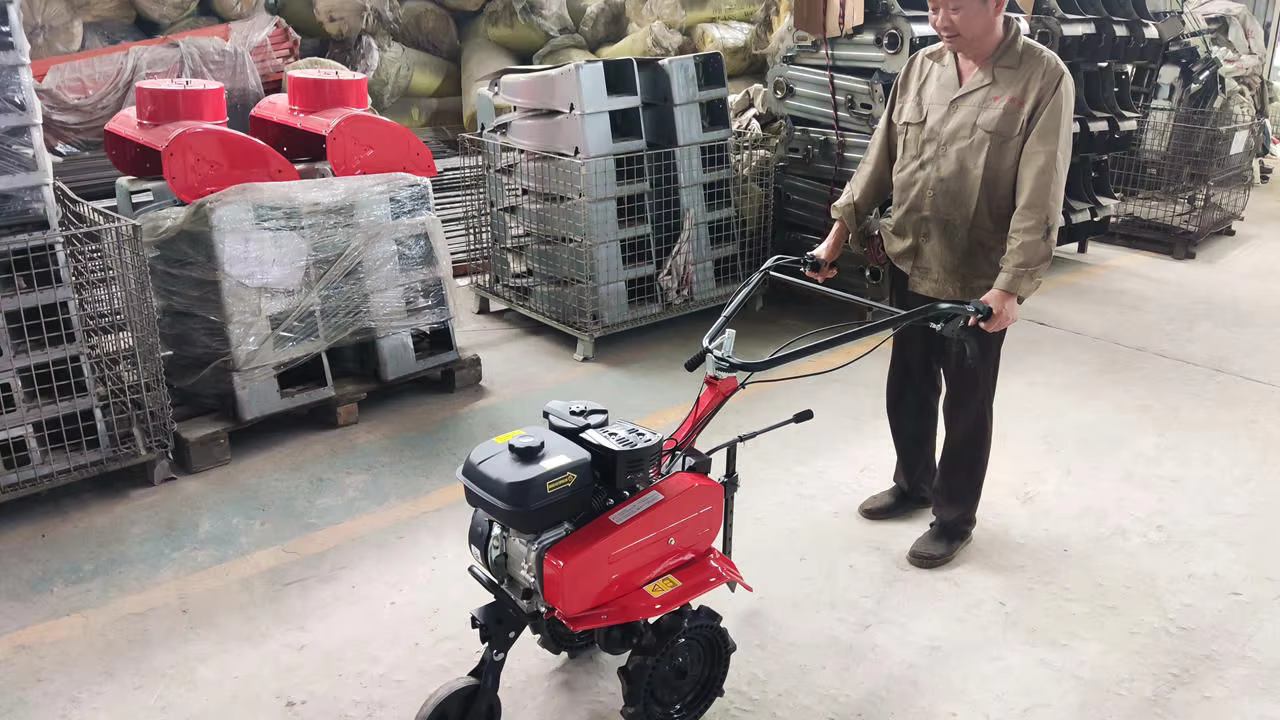
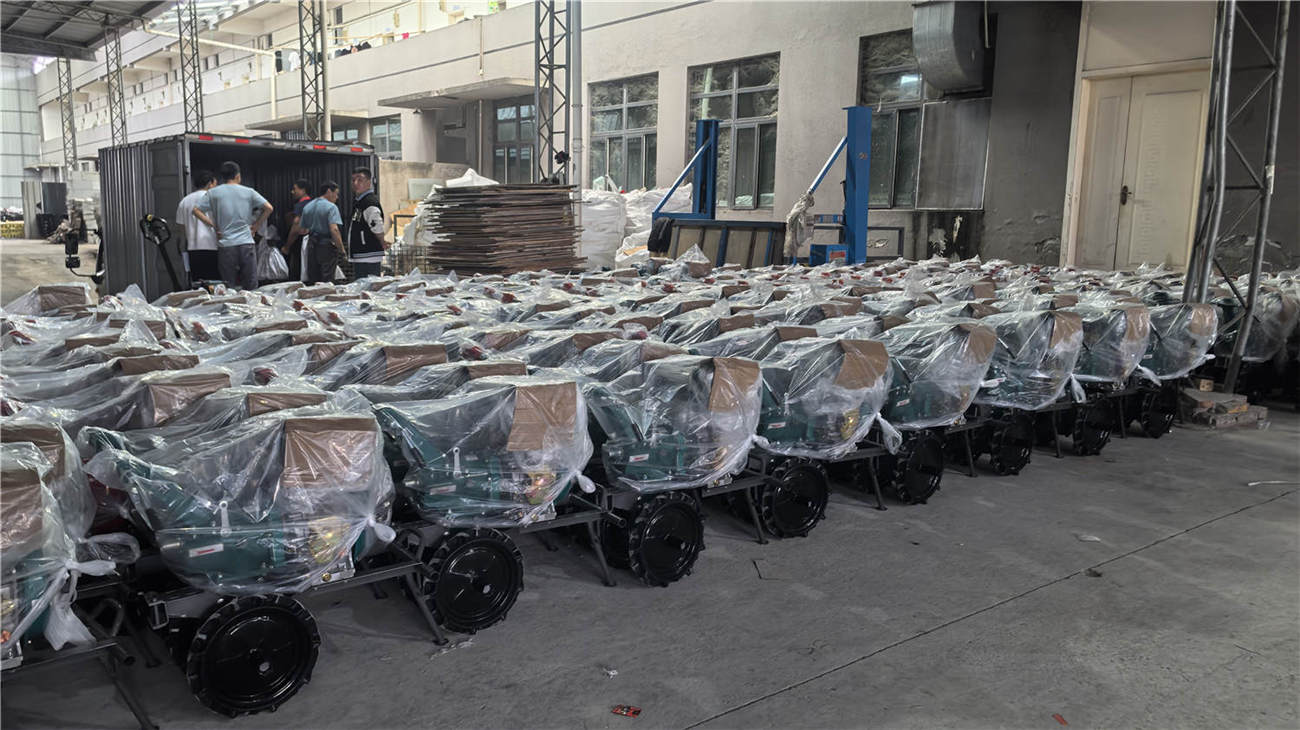
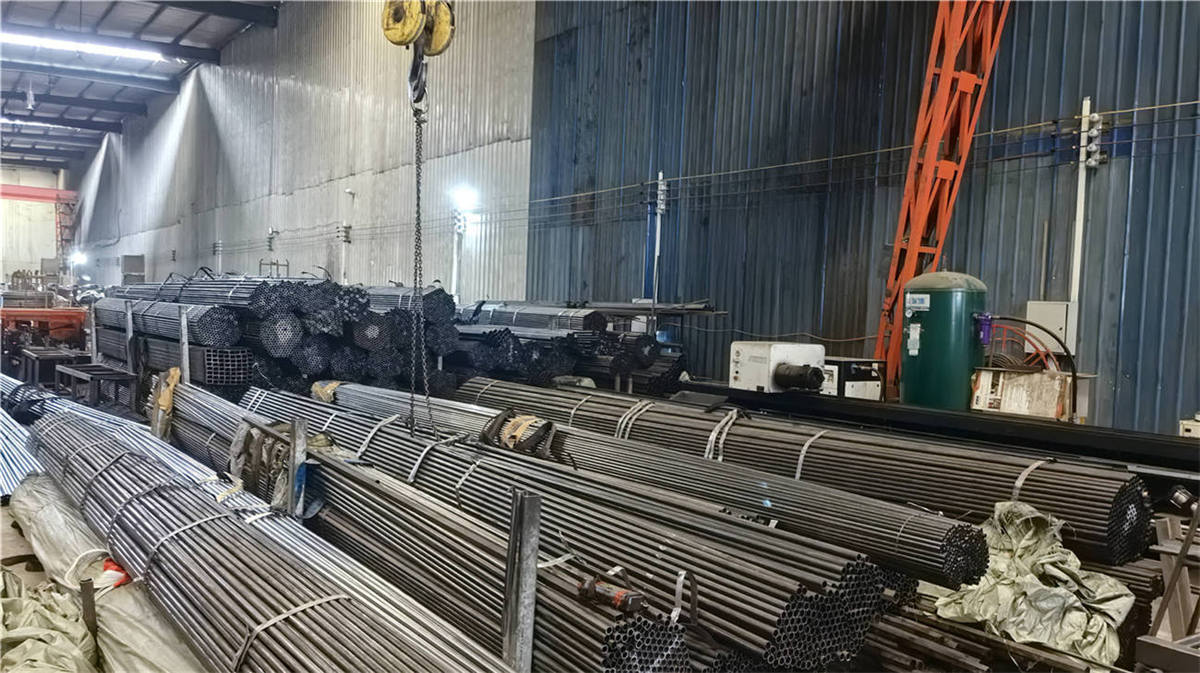
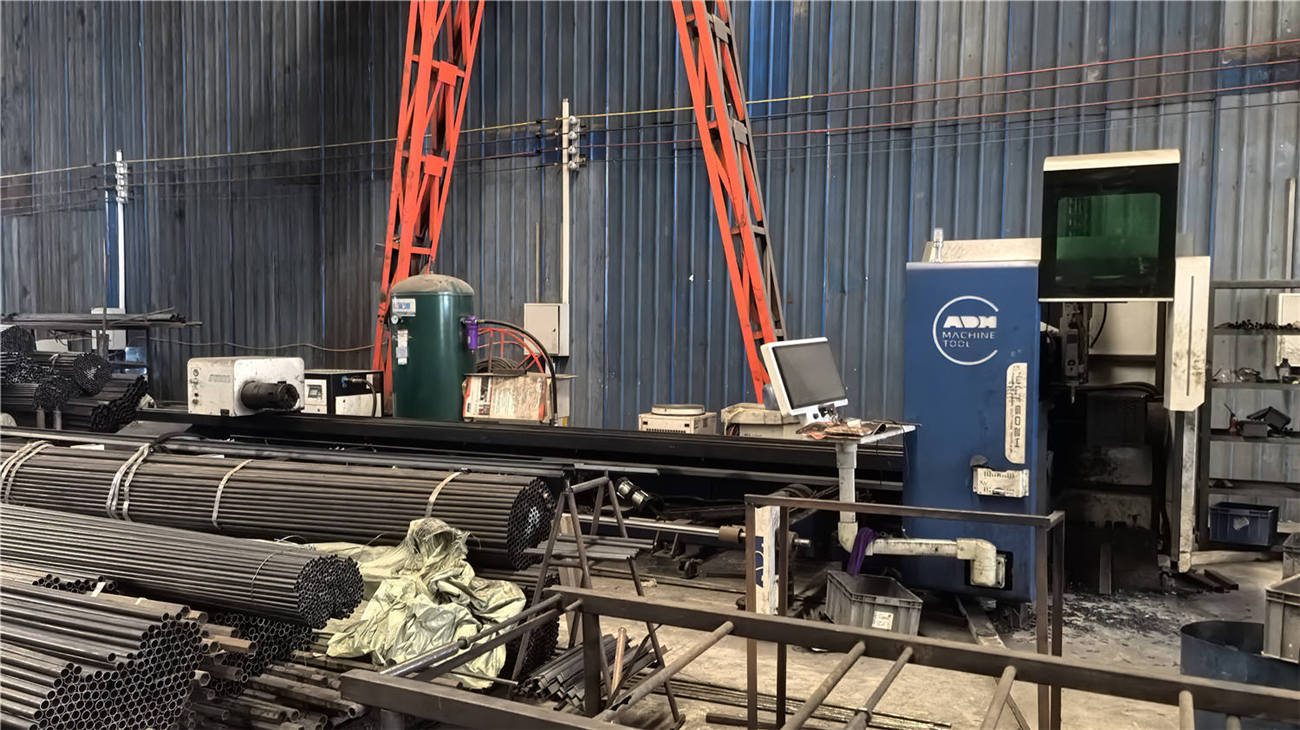
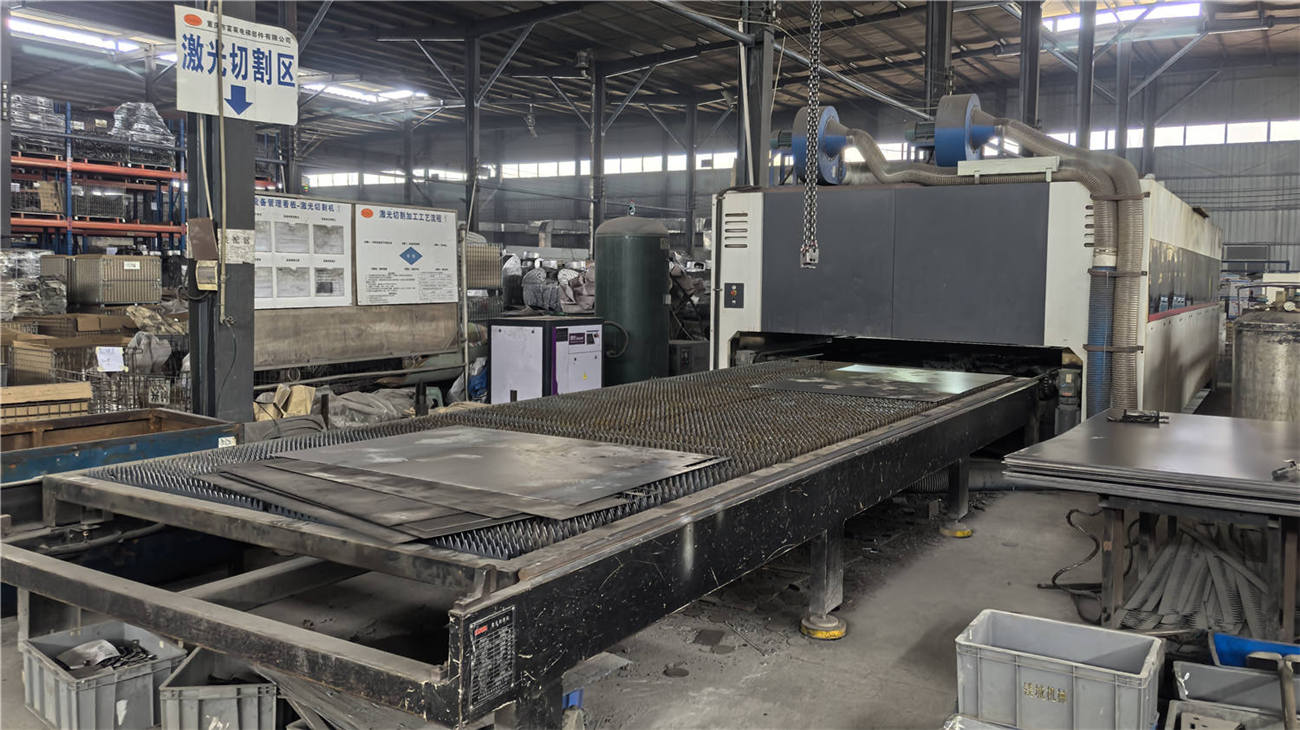
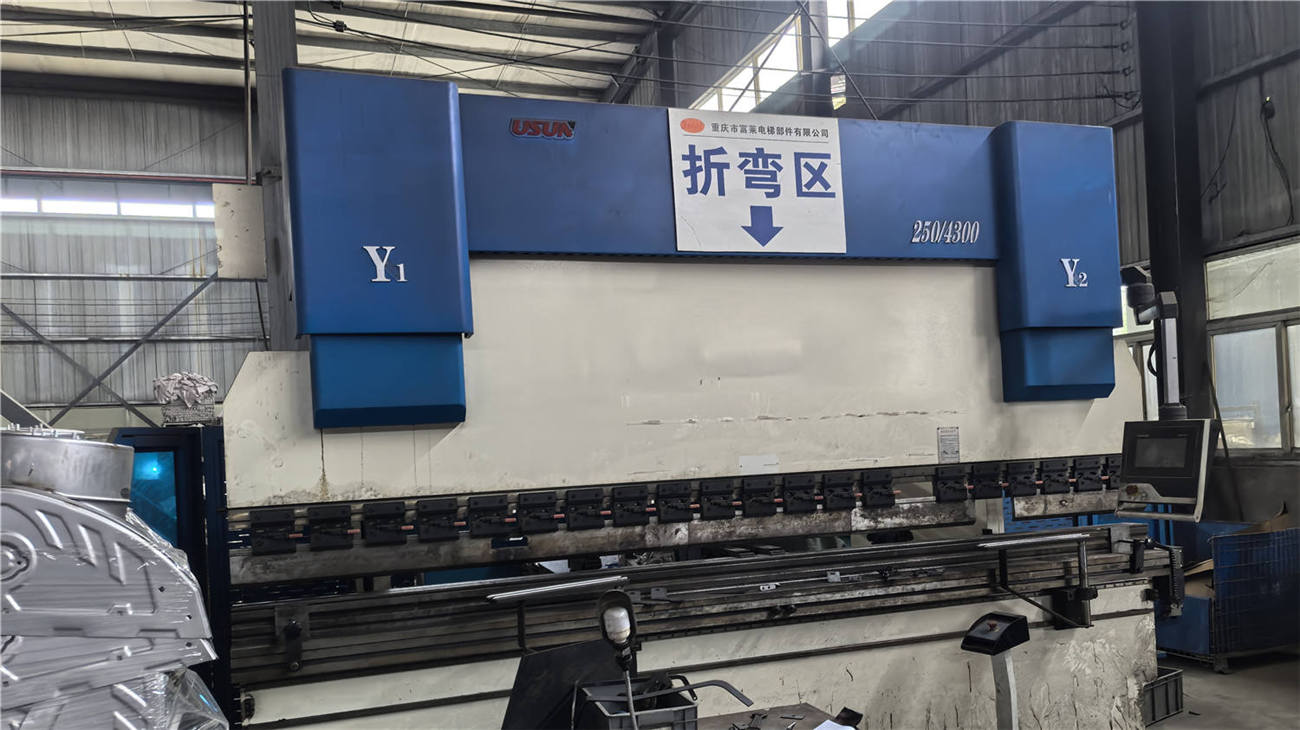
Weifang Gods Power Co., Ltd. is a leading enterprise specializing in the development, manufacturing, and sales of high-quality diesel generator sets. With a registered capital of 26 million yuan, the company is equipped with advanced testing facilities, complete product assembly lines, and sophisticated mechanical processing equipment. Weifang Gods Power employs over 200 skilled professionals and maintains a highly capable technical team, supported by a robust and mature quality management system, ensuring that every product meets the highest standards of reliability and performance.
As a technology-driven company, Weifang Gods Power is committed to continuous innovation and research, integrating product design, development, production, and sales to provide comprehensive power solutions tailored to customer needs. The company's strategic goal is to be market-oriented, technologically advanced, and guided by honesty and integrity, while continuously strengthening its technical capabilities and service excellence.
Guided by the business philosophy of "unity, diligence, pragmatism, and innovation," Weifang Gods Power emphasizes the importance of product quality, operational efficiency, and customer satisfaction. Every product is crafted with meticulous attention to detail, and the company provides comprehensive after-sales support to ensure long-term reliability and peace of mind for its clients.
Weifang Gods Power aims to create mutually beneficial and lasting partnerships with customers worldwide. Through a combination of advanced technology, professional expertise, and unwavering commitment to quality, the company strives to deliver cutting-edge energy solutions, drive innovation in the power industry, and contribute to sustainable development globally.
With a clear vision for the future, Weifang Gods Power continues to expand its global presence, uphold the highest standards of excellence, and deliver reliable, efficient, and environmentally responsible power solutions to meet the evolving demands of modern industries.
The transition toward cleaner, digitalized, and highly-efficient portable power solutions.
Reliable performance in mobile generator sets depends on the precision coupling between the prime mover (such as a diesel, gasoline, or gas engine) and the brushless alternator. Leading engine platforms—including Cummins, Perkins, and Weichai—are matched with Stamford-style brushless alternators that utilize automatic voltage regulators (AVR) to keep output voltage fluctuations within +/-1.0%. This prevents harmonic distortion and voltage spikes, allowing the generators to safely power sensitive digital systems like telecom hubs and modular field laboratories.
The mechanical design of the trailer chassis plays a vital role in protecting these components during transit. When towing a 50kW to 2000kW generator over rugged terrain, the engine's internal shafts are subjected to severe vibrations and torsional stresses. Highly durable mobile trailers use heavy-duty steel frames, multi-leaf spring suspension systems, and dynamic dampers to absorb road vibrations. Integrated parking brakes and heavy-duty front jacks keep the unit level and secure during stationary operation.
Exporting to the EU, North America, and other regulated markets requires strict compliance with international standards, particularly the CE Machinery Directive 2006/42/EC and Outdoor Noise Directive 2000/14/EC. To meet these benchmarks, mobile trailer generators feature specialized acoustic enclosures.
These enclosures use double-walled steel or aluminum plates lined with high-density, soundproofing rock wool. Dual-path cooling air inlets and outlets direct airflow through sound baffles to minimize noise escape while ensuring adequate cooling, even in high ambient temperatures. The fuel tanks are integrated into the trailer chassis and feature double-walled containment structures to prevent environmental pollution from fuel spills.
Providing custom electrical setups to meet the scale, load, and safety requirements of complex industrial projects.
When a single mobile generator cannot meet load demands, synchronization panels allow multiple units to run in parallel. This setup shares the electrical load dynamically across generators based on demand. For example, during low-load periods, a smart controller can shut down secondary generators to save fuel and reduce engine wear. As load increases, the system automatically starts and synchronizes backup generators, integrating them into the grid without interrupting operations.
These systems feature dual-frequency capabilities (50Hz/60Hz) and multi-voltage selectors, allowing them to adapt to different regional grids (e.g., 230V single-phase or 400V/480V three-phase). This makes them versatile solutions for international equipment rental fleets and multinational infrastructure projects.
For applications in remote regions where refueling is difficult, mobile generators can be equipped with high-capacity fuel systems. This includes larger integrated sub-base tanks or quick-connect ports for external bulk fuel storage. Some models feature automated fuel transfer pumps that pull fuel from external tanks as needed, extending running times up to 72 continuous hours. Integrated fuel-water separators and heating systems prevent fuel gelling in cold climates, ensuring reliable operation in sub-zero conditions.
Addressing the key engineering, logistical, and operational questions of industrial buyers.
Explore our selection of alternative fuel systems, emergency diesel generators, and compact home units.
 Gods Power