Modern railway networks constitute the backbone of global transportation. To guarantee zero-interruption service across expansive, electrified, and non-electrified routes, the integration of resilient power generation systems is paramount.
In this whitepaper, we dissect the rigorous engineering benchmarks, regulatory directives, and supply chain strategies associated with manufacturing CE certified railway generators. By examining technical frameworks, we aim to provide procurement directors and municipal engineers with the information gain necessary to optimize long-term infrastructure investment.
Railway systems present some of the most challenging environments for electrical equipment. High vibrations, rapid temperature fluctuations, continuous duty cycle requirements, and the presence of fine metallic dust demand engineering tolerances far beyond standard commercial generators. CE certification under directives such as the Machinery Directive (2006/42/EC), the Low Voltage Directive (2014/35/EU), and the EMC Directive (2014/30/EU) ensures these critical generators withstand extreme physical stress while operating safely within the proximity of sensitive signaling and signaling networks.
A true CE marked railway generator must satisfy a tripartite framework of electrical and mechanical testing protocols. Unlike generic off-grid systems, railway-specific installations are integrated into both stationary trackside infrastructure and mobile rolling stock. Compliance requires:
China's industrial landscape has evolved from basic component assembly to high-precision engineering hubs utilizing integrated robotic manufacturing lines. When sourcing railway generators, Chinese factories offer distinct structural advantages that cannot be easily replicated in other regions:
By placing operations close to basic metal foundries, copper wire winding facilities, and Tier-1 engine manufacturers (like Weichai, Deutz, and Yuchai JV plants), factories reduce transport times and logistical overheads, allowing for rapid customization cycles.
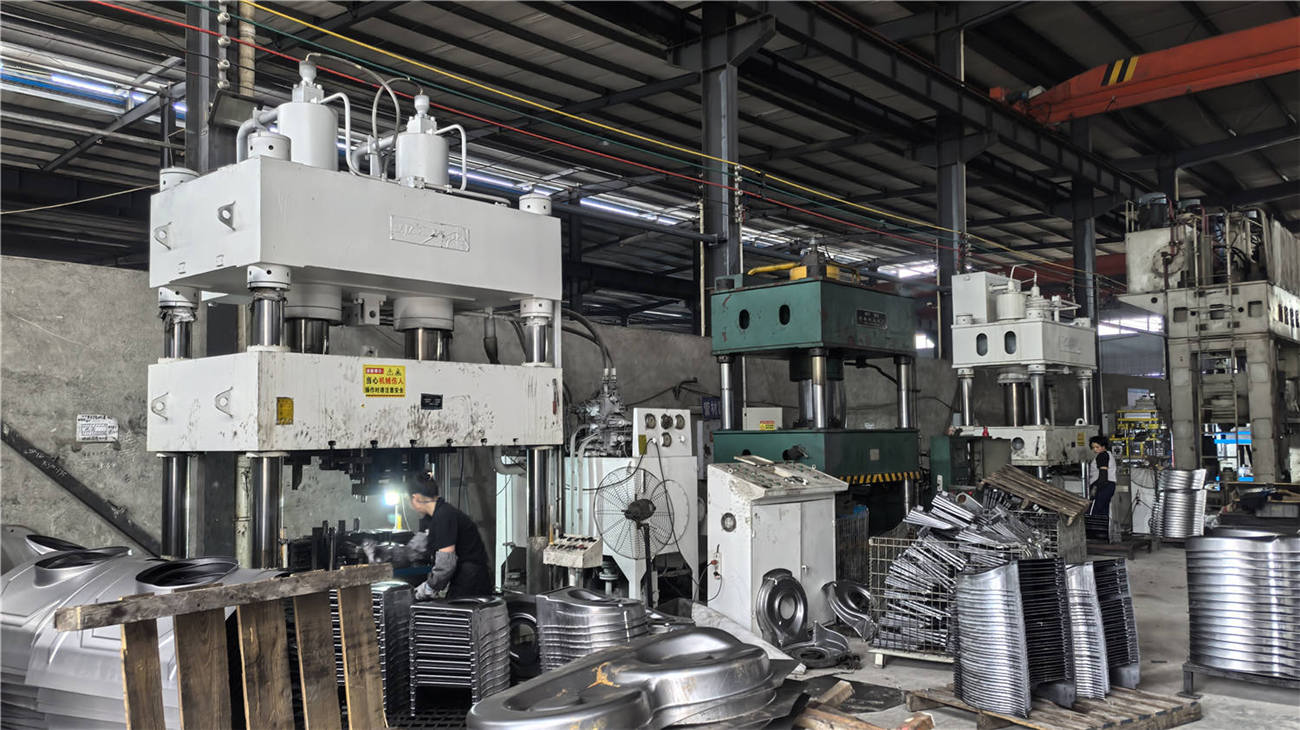
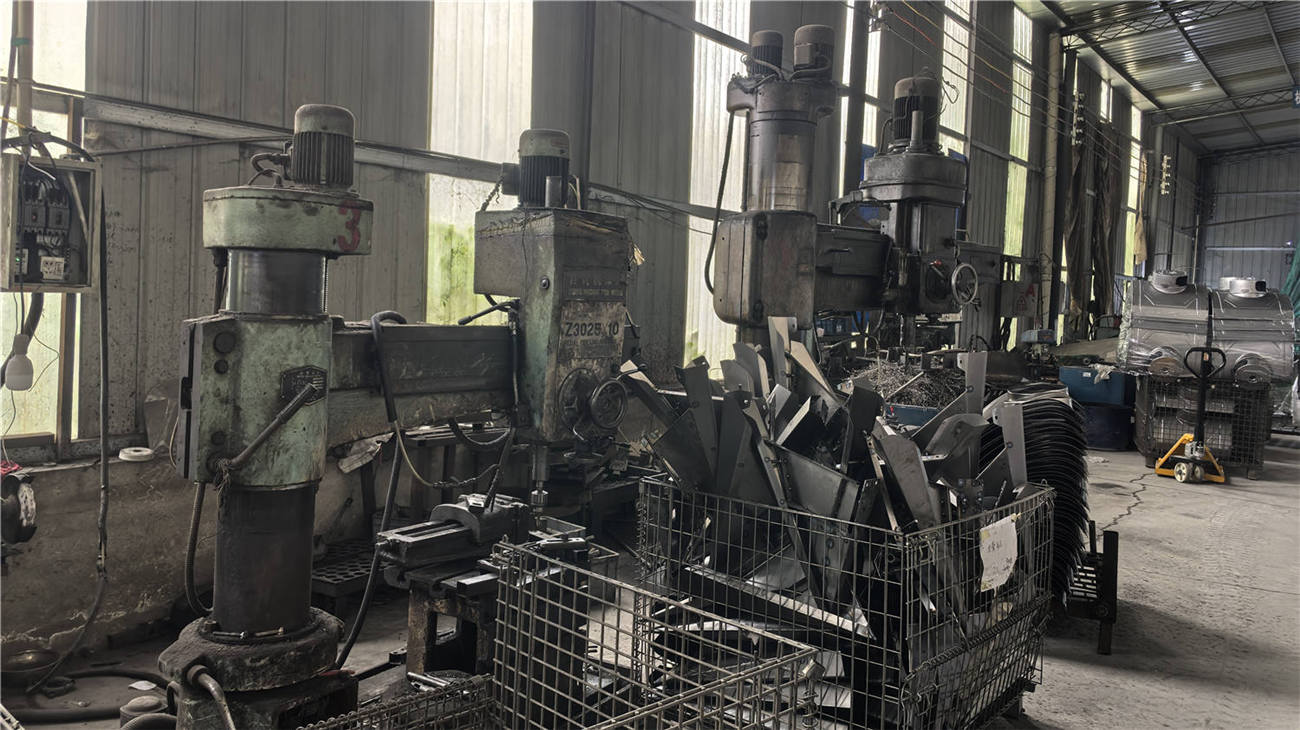
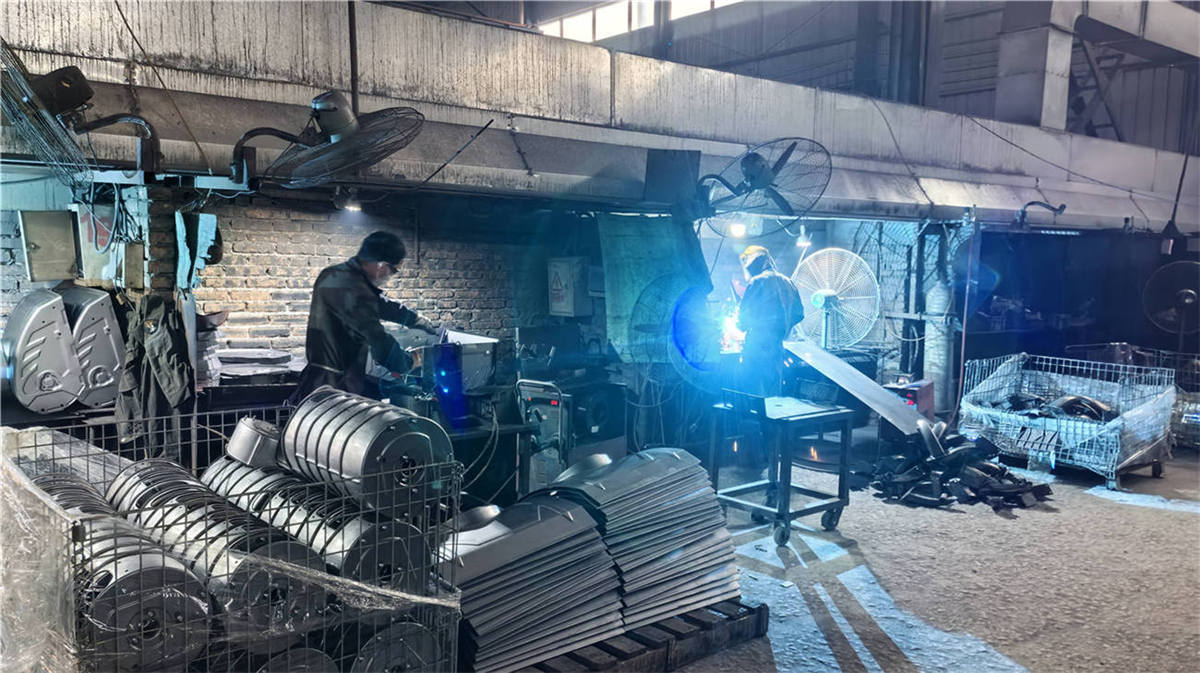
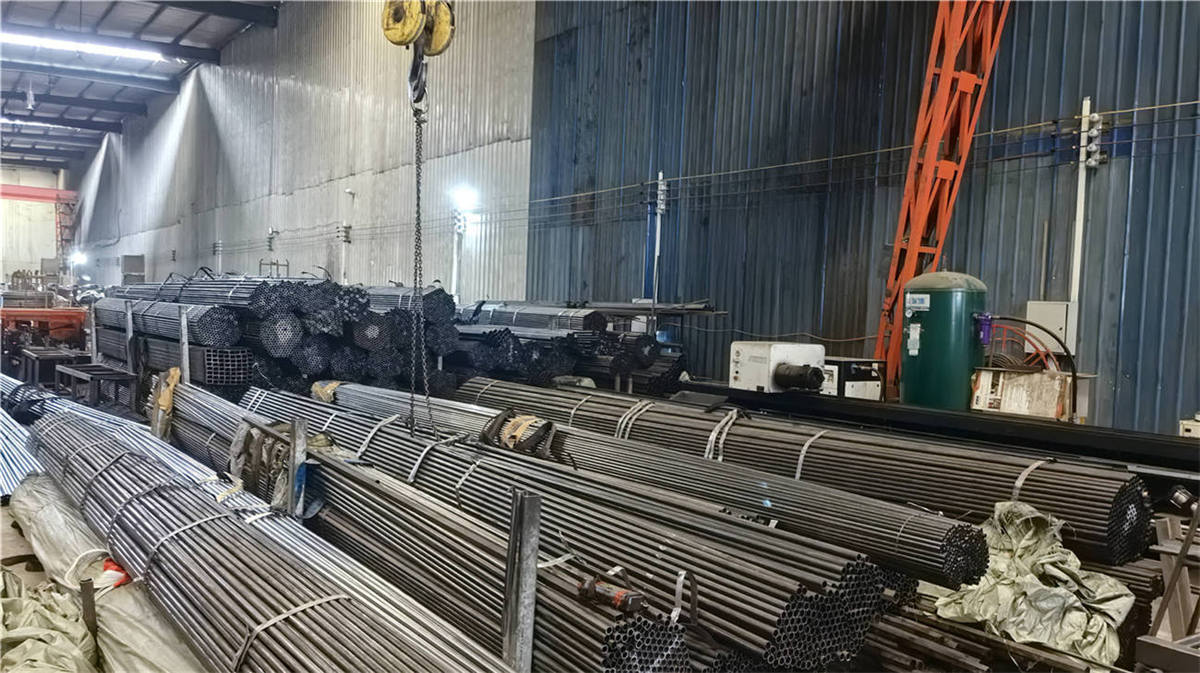
Equipped with high-precision CNC tube cutters, multi-axis hydraulic bending machines, and automated welding lines, Chinese facilities achieve precise mechanical tolerances required for IP54-rated weatherproof control panels and acoustic enclosures.
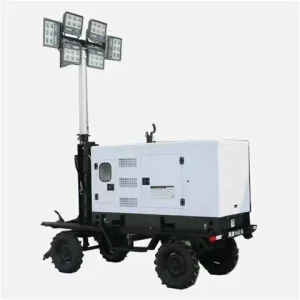
Engineering teams can quickly modify basic structures to support specialized rolling stock frame configurations, custom dual-fuel designs, and integrated light tower combinations to meet complex project demands.
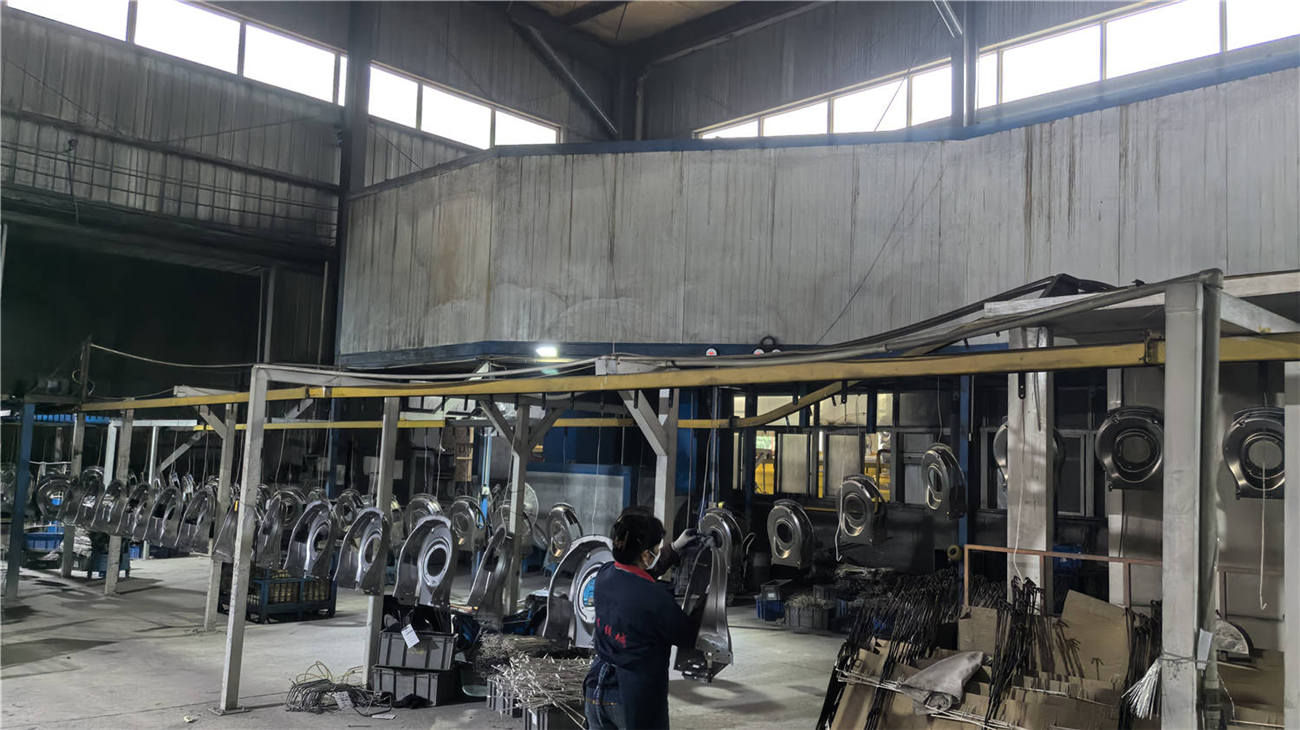
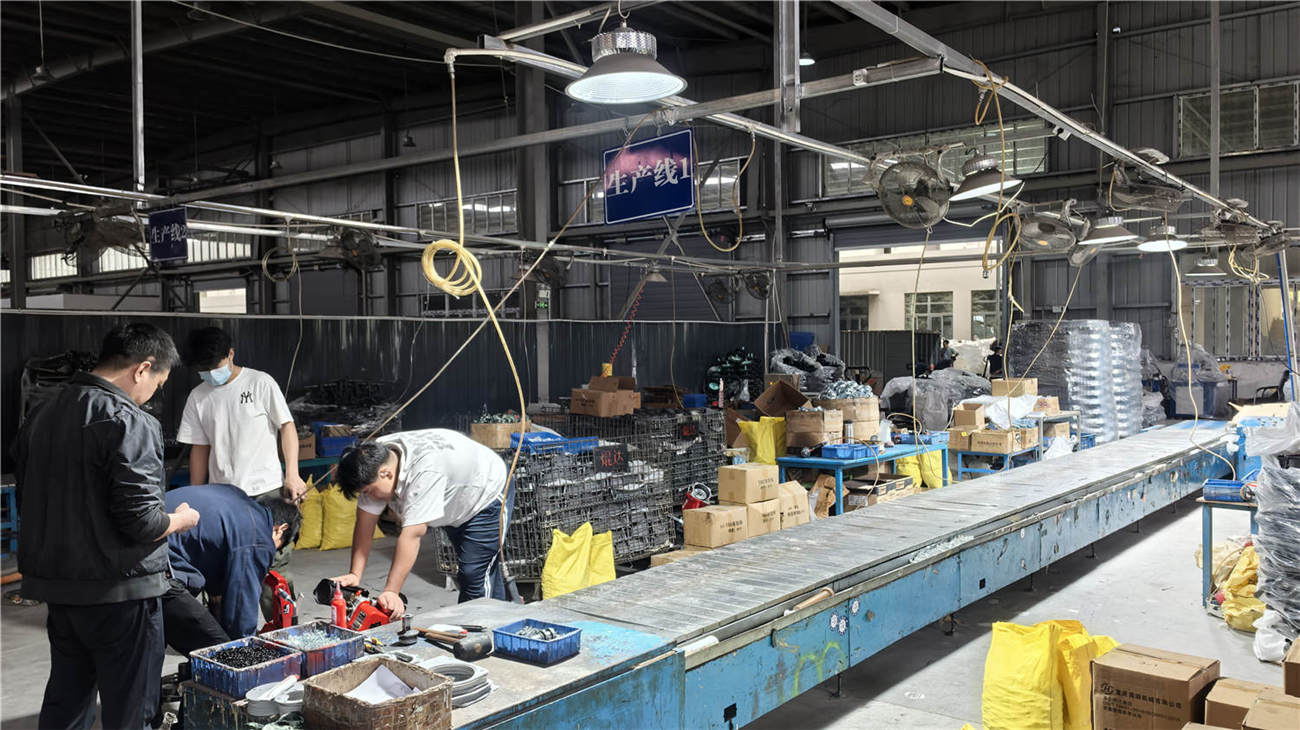
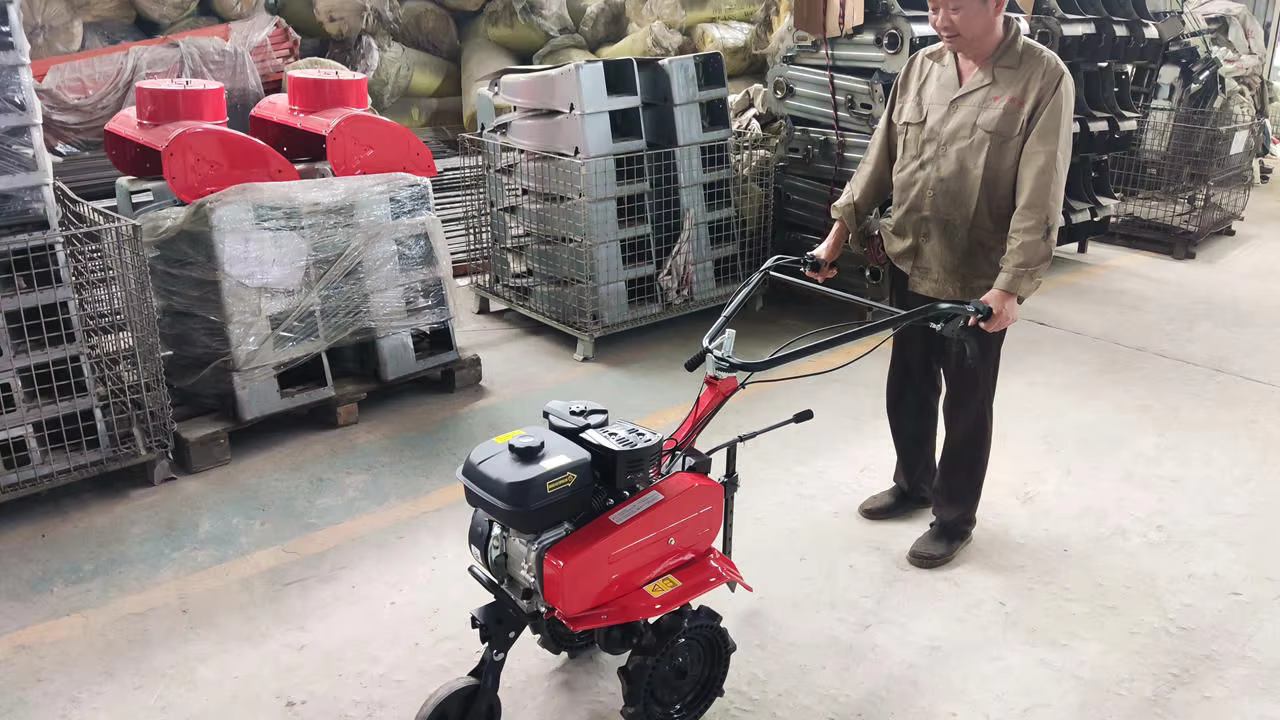
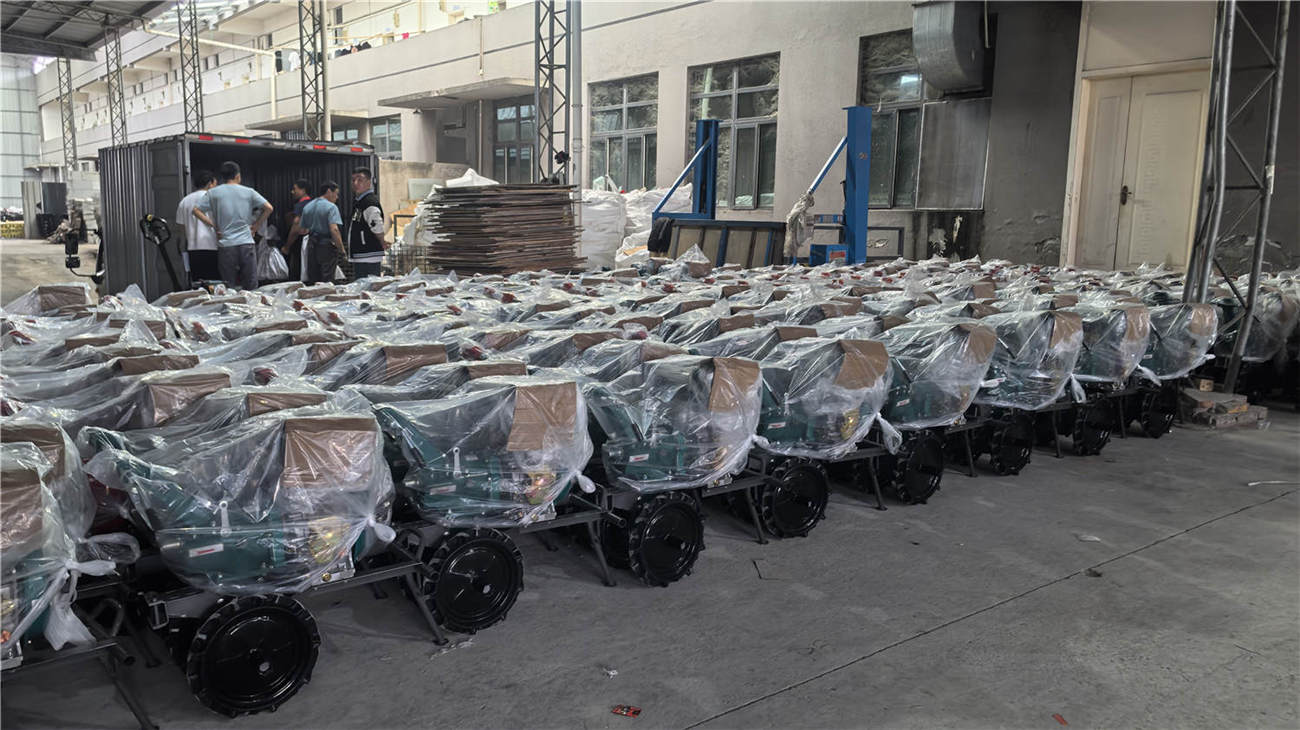
Real-world reliability is built systematically across all levels of production. The following sequence demonstrates how raw raw materials are transformed into CE-compliant generating units using Weifang Gods Power's advanced layout:
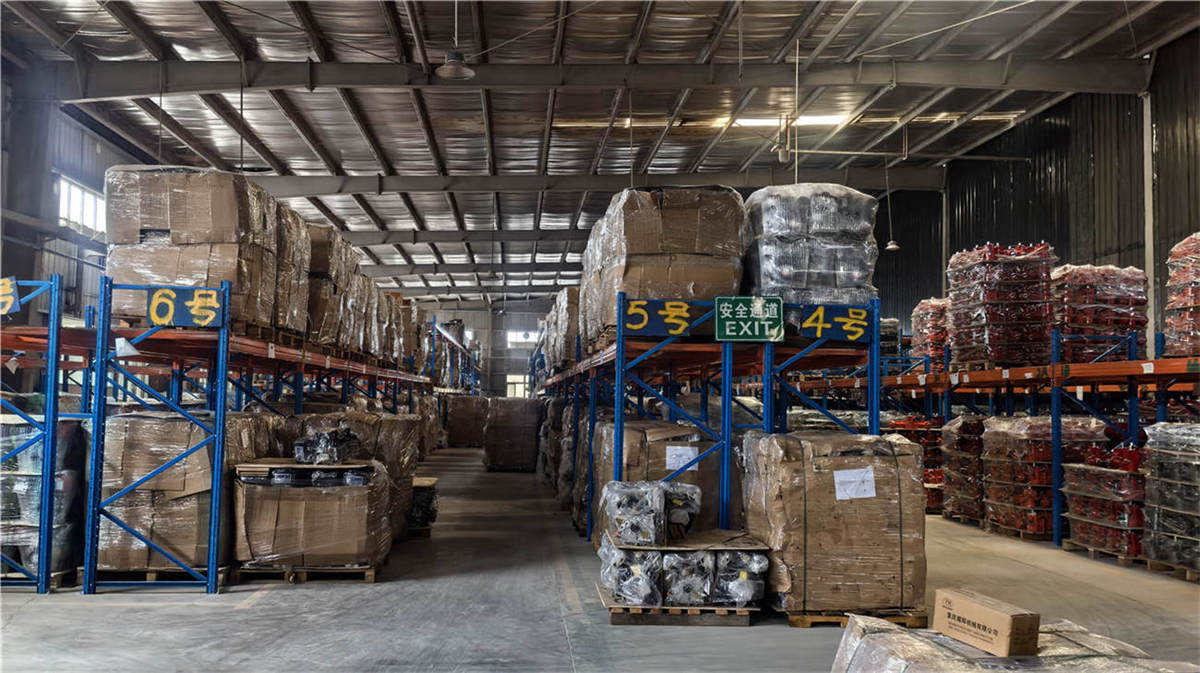
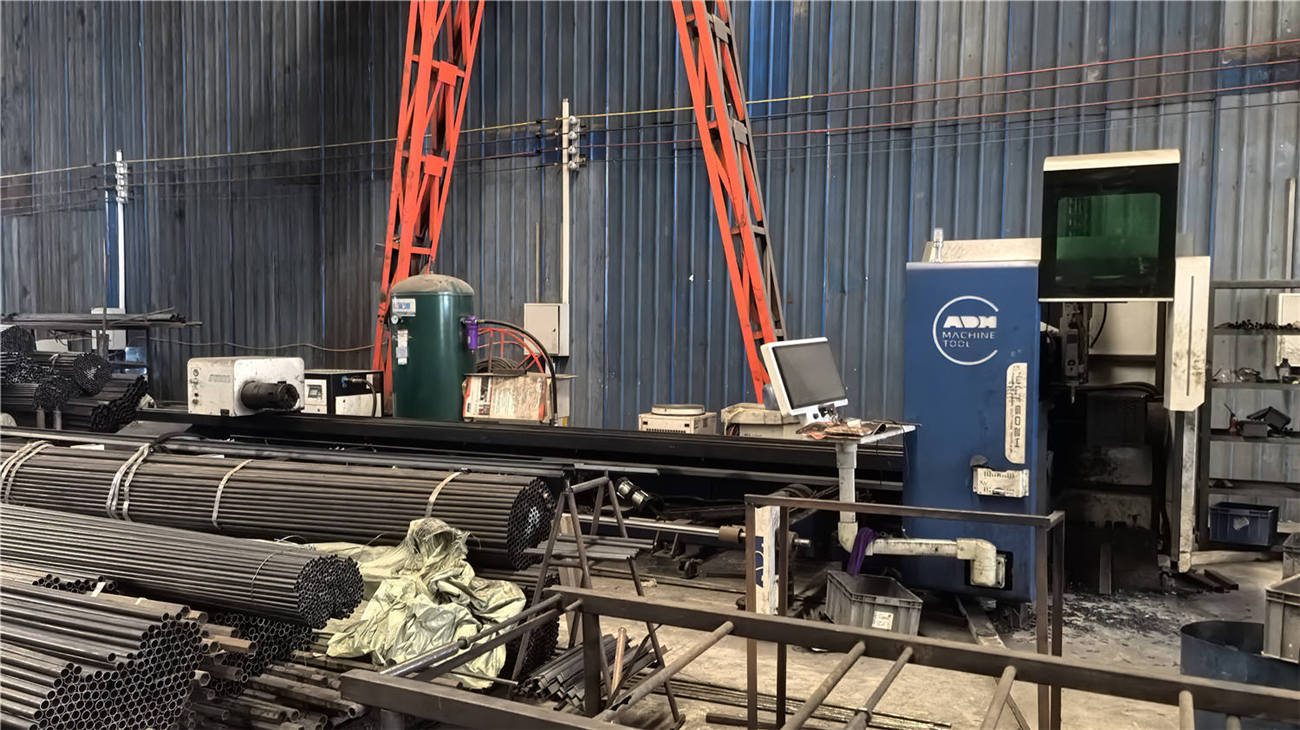
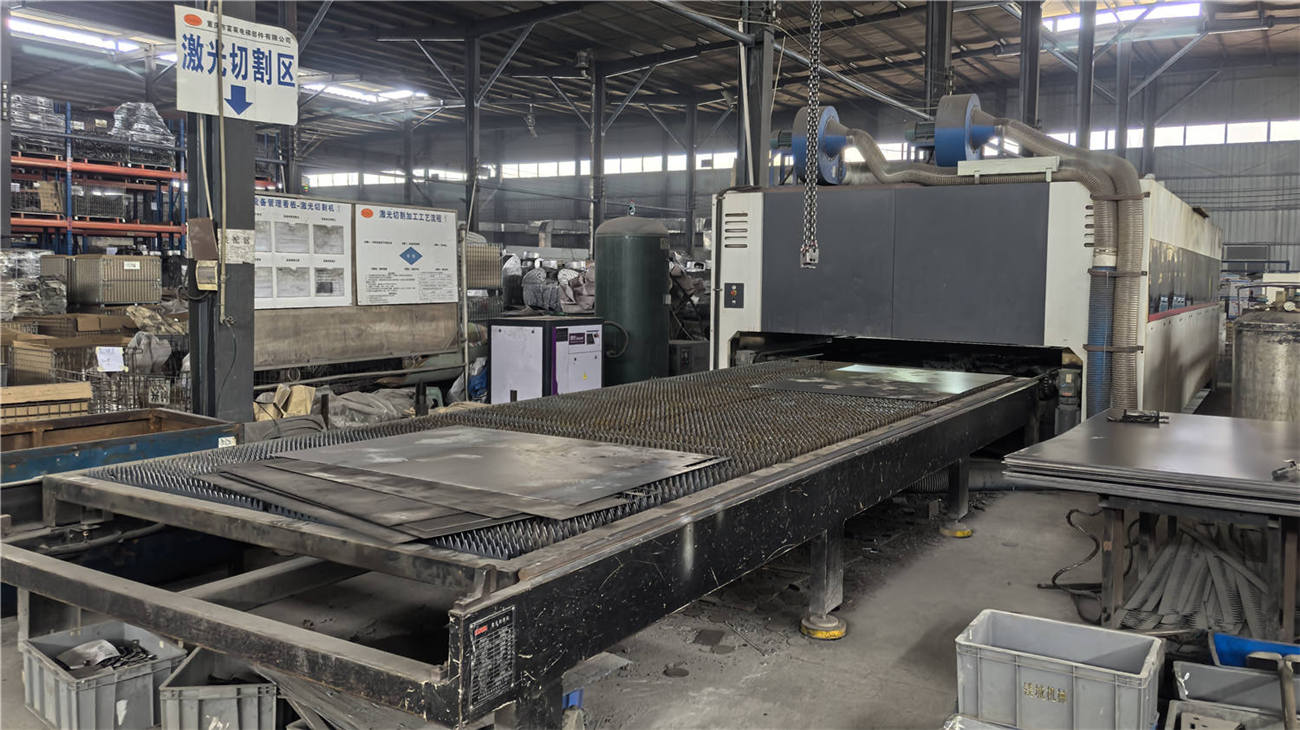
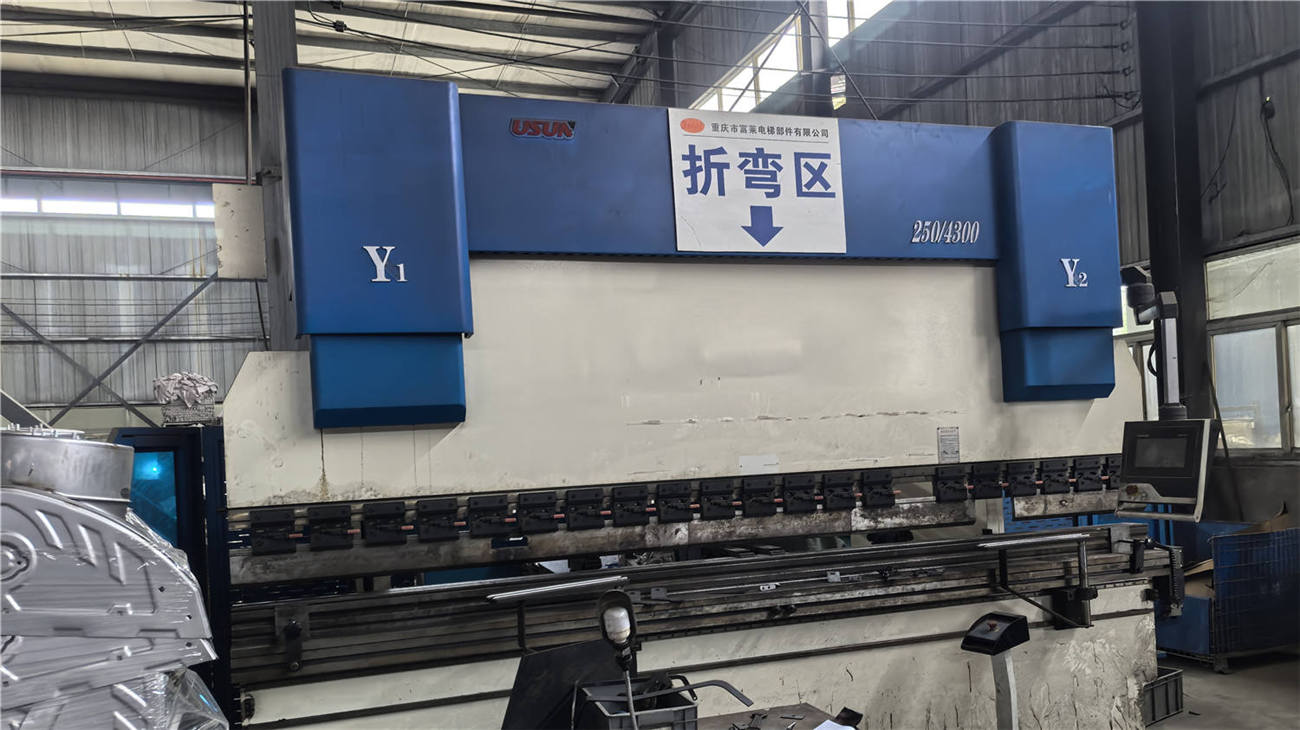
Railway systems require a variety of distinct energy solutions, each tailored to specific operational contexts. We support transit networks with specialized engineering setups:
Automatic Train Control (ATC), Computer-Based Interlocking (CBI), and track sensing components require zero latency back-up energy. Under CE directives, generator panels feature integrated Automatic Transfer Switches (ATS) configured to start within 3–8 seconds of grid failure. These systems are paired with intelligent electronic modules to prevent any risk of data loss during grid transitions.
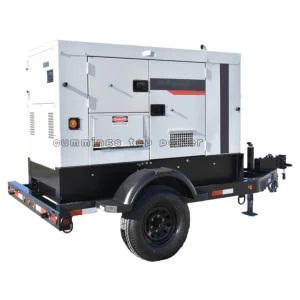
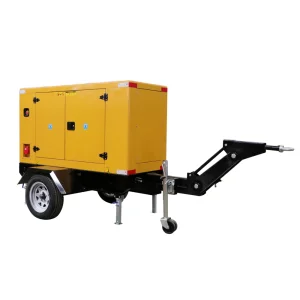
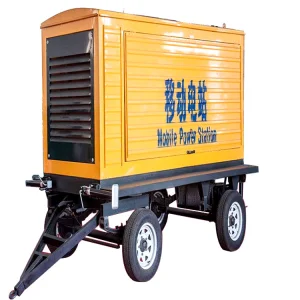
Mobile track grinders, ballast regulators, and hydraulic sleeper layout systems operate in harsh field conditions far from grid connections. We package these units into vibration-resistant trailer structures or skid frames equipped with integrated air filtration, protecting the engine core from rock fragments, metallic dust, and intense vibrations.
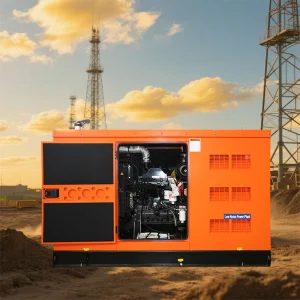
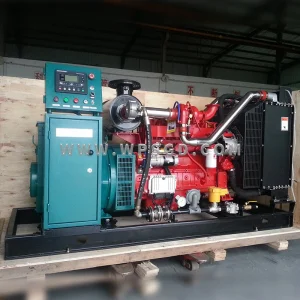
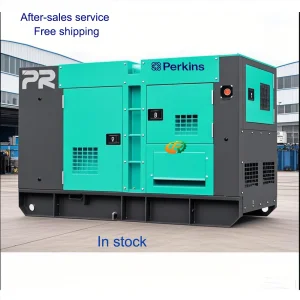
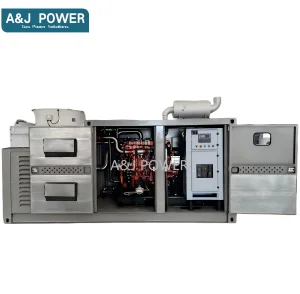
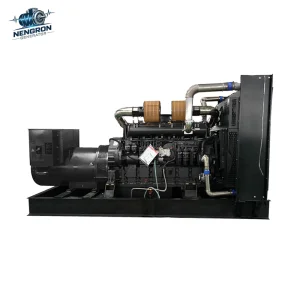
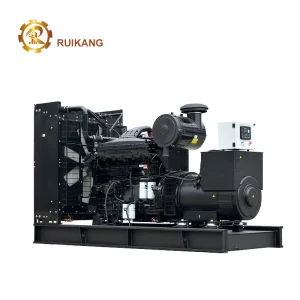
Medium-voltage diesel generators (ranging from 100kVA to 1000kVA) serve as critical backup systems for passenger platforms, ventilation fans, smoke extraction systems, and emergency lighting. Enclosed in soundproof canopies with attenuation levels below 65 dB(A) at 7 meters, these installations operate near high-density public areas without creating acoustic disturbances.
To help guide procurement engineers, the following table compares key technical profiles across different engine configurations:
| Generator Class | Fuel Source | Common Engine Brand | Acoustic Level (at 7m) | Cooling Design | Key Standard Compliance |
|---|---|---|---|---|---|
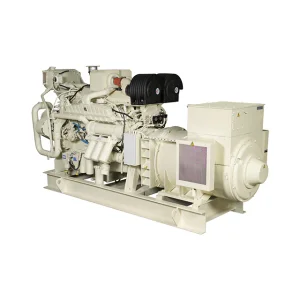
| Industrial Emergency Backup | Diesel / Heavy Fuel | Cummins / Weichai | < 70-75 dB(A) | Water-cooled Radiator | ISO 8528, CE, ISO 9001 |
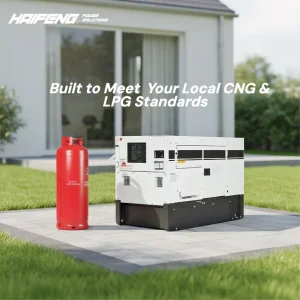
| Urban Substation Silent Set | CNG / LPG / Biogas | Deutz / Steyr | < 60-65 dB(A) | Air & Liquid Cooled | CE, EMC EN 50121, Stage V |
| Heavy Maintenance Trailer | Diesel | Yuchai Power | < 68 dB(A) | Water-cooled w/ Intercooler | CE, IP54 Panel Protection |
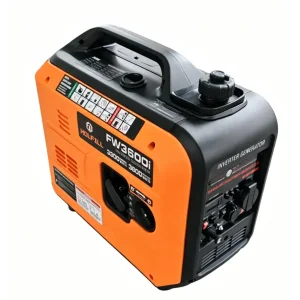
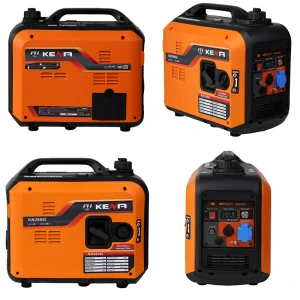
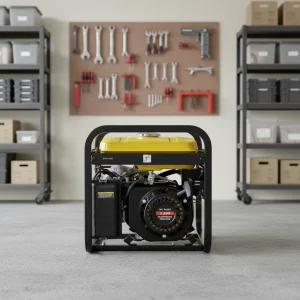
| Light portable track crew | Gasoline / LPG | Inverter Core | < 58 dB(A) | Air Cooled | CE, EU-V, USB Charging Output |
Global logistics guidelines require a gradual reduction in soot and greenhouse gas emissions. Traditional heavy-duty diesel engines are increasingly supplemented by dual-fuel systems (Natural Gas/Biomass/LPG/Hydrogen). Utilizing multi-fuel alternative engines lowers carbon output and reduces dependency on long-distance diesel refueling networks along remote routes.
Additionally, modern railway hubs integrate energy storage systems (ESS) with standby generators. When a drop in grid performance occurs, batteries respond instantly, while the generator starts up to assume the long-term load, optimizing fuel efficiency.
The transition toward autonomous railway operations requires predictive maintenance monitoring. Current control systems use remote telemetry units connected to digital networks, monitoring variables like fuel pressure, exhaust temperature, and alternator output in real time. Machine learning algorithms analyze these data streams to flag anomalies, scheduling maintenance interventions before any system fault occurs.
This predictive monitoring reduces down-time risks, which is critical for operators managing hundreds of track miles with limited technician resources.
 Gods Power