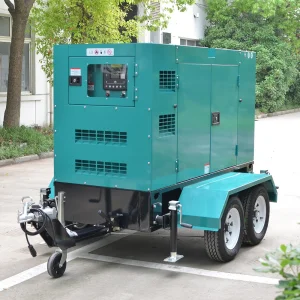
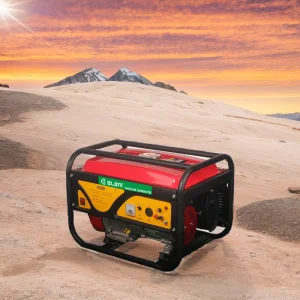
Explore our premium selection of industrial-grade backup, continuous, and marine power solutions, engineered to survive the toughest conditions.
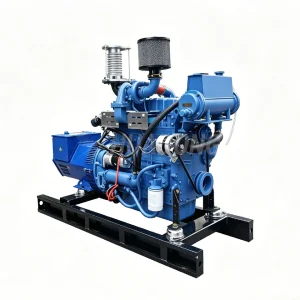
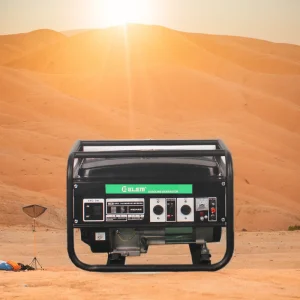
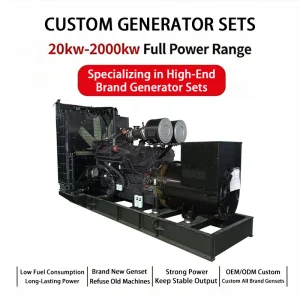
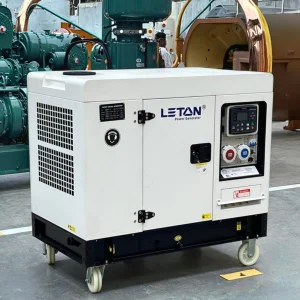
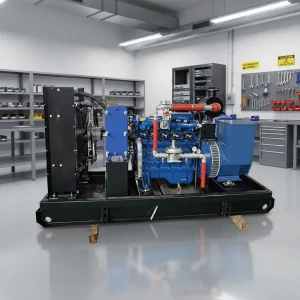
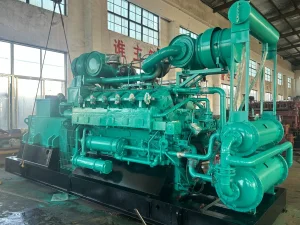
How procurement professionals use strict technical benchmarks to audit industrial-grade generator manufacturers.
Global backup and prime power requirements have risen significantly due to extreme weather events, data center expansions, and manufacturing growth. To secure high-reliability power infrastructure, B2B procurement divisions must look beyond basic retail pricing and evaluate the factory's structural engineering quality, precision testing standards, and compliance audits.
Industry-leading generator manufacturers are evaluated based on their supply chain vertical integration, advanced load bank testing, acoustic chamber quality, and certified engine licensing (such as partnerships with Cummins, Baudouin, Perkins, and Deutz). Ensuring that the alternators feature 100% pure copper windings and Class H insulation guarantees system durability under continuous load conditions.
Registered Capital (RMB)
Skilled Professionals
Copper Alternator Wire
ATS Response Speed
Every generator unit must undergo strict resistive and reactive load bank tests at 25%, 50%, 75%, 100%, and 110% of rated capacity before shipment.
Engineered with high-density flame-retardant acoustic foam and double-bypass air intake systems to reduce noise to less than 65 dB(A) at 7 meters.
High-efficiency combustion chambers and electronic governors optimize fuel injection, reducing long-term fuel consumption and operational costs.
Specific compliance and operational requirements across key industrial and commercial sectors.
Industrial generators serve as the backbone for multiple sectors. Different industries face unique operational challenges and require specific engineering configurations to guarantee continuous operations.
Uptime Institute Tier III/IV Compliance: Generators must start up and take full load in under 10 seconds. Integrating digital Automatic Transfer Switches (ATS) and Woodward/Deep Sea controllers allows seamless integration with uninterruptible power supplies (UPS).
Transient Performance: ISO 8528-5 Class G3 performance is required to handle large block loads without causing voltage or frequency drops.
Motor Starting Capability: Heavy machinery draws high inrush currents during startup. Industrial gensets require premium permanent magnet generators (PMG) or auxiliary windings to support up to 300% current overload for 10 seconds.
Harsh Environment Protection: IP23 alternator protection, sand filters, and anti-corrosive coatings are vital in desert or coastal industrial zones.
Critical Standby Ratings: Healthcare facilities require emergency backup power to run life-support systems, ventilators, and surgical lighting. NFPA 110 Type 10 Class 24 systems are mandatory, demanding fuel supplies capable of running continuously for at least 24 hours.
Redundant Configurations: Many hospitals run parallel N+1 configurations to ensure power delivery even if one unit fails.
Maritime Classification Society Standards: Generator sets operating in maritime and offshore settings must meet standards set by organizations like BV, ABS, DNV, or CCS.
Specialized Construction: Requires heat exchangers, water-cooled manifolds, double-walled high-pressure fuel lines, leak detection sensors, and corrosion-resistant copper-nickel cooling tubes.
Modern applications of hybrid energy storage, peak-shaving, and smart grid coordination.
The role of industrial generators has evolved from simple emergency backup systems to active assets in grid orchestration. As electricity grids face rising demands, facilities deploy microgrids combining diesel, gas, and solar power.
| Operating Mode | Primary Objective | Key System Components | Optimal Generator Types |
|---|---|---|---|
| Emergency Standby (ESP) | Provide immediate backup during utility grid failures. | ATS, Block Heaters, Float Battery Charger | High-speed Diesel, Auto-Start Gasoline |
| Prime Power (PRP) | Serve as the primary source of power in off-grid operations. | Large Fuel Tanks, Heavy-Duty Filtration | Medium-speed Diesel, Gas Turbines |
| Peak Shaving | Reduce grid utility costs during peak tariff hours. | Paralleling Switchgear, Synchronization Controllers | Natural Gas, Biogas, Dual-Fuel Gensets |
| Microgrid Hybrid | Stabilize solar/wind output and optimize fuel usage. | BESS (Battery Storage), Smart EMS Controllers | Variable-speed Diesel, Digital Inverters |
“Integrated energy systems combining diesel generation with Battery Energy Storage Systems (BESS) can reduce fuel consumption by up to 30% and significantly lower greenhouse gas emissions by running generators at their peak efficiency curve.”
The industry's path toward clean combustion, smart telemetry, and alternative fuels.
The global push for decarbonization is transforming generator technology. Manufacturers are investing in research and development to transition from traditional fossil-fuel engines to cleaner alternatives, without sacrificing power density and reliability.
Modern diesel generators are increasingly designed to run on Hydrotreated Vegetable Oil (HVO) and sustainable biodiesels without requiring modifications. HVO can reduce net CO2 emissions by up to 90% and burns cleaner, extending filter life.
Dual-fuel engines inject natural gas or biogas alongside diesel, reducing operating costs and lowering particulate emissions. Lean-burn gas engines optimize the fuel-air mixture, achieving higher electrical efficiency and reducing NOx emissions.
Hydrogen-fueled generators are entering field trials. Direct hydrogen injection engines produce zero carbon emissions at the point of use, offering a clean solution for zero-emission building codes and sensitive urban environments.
Modern generator control systems feature IoT gateways that transmit real-time telemetry (oil pressure, exhaust temperature, vibration profiles, battery health) to centralized cloud dashboards, enabling predictive maintenance schedules before failures occur.
Navigating environmental laws and electrical safety certifications across international borders.
Deploying power generation systems requires adherence to local laws, electrical safety codes, and environmental regulations. Non-compliant installations can face regulatory penalties and operational delays.
North American markets demand EPA Tier 4 Final compliance, utilizing Selective Catalytic Reduction (SCR) and Diesel Particulate Filters (DPF). EU markets require compliance with Stage V standards to minimize soot and NOx emissions.
Generators must meet safety certifications such as UL2200 in the United States and CE directives in the European Economic Area. These cover thermal protection, structural integrity, and short-circuit resistance.
For systems operating in parallel with the grid (such as peak shaving or export modes), compliance with IEEE 1547 and local utility distribution codes is necessary to protect grid workers and equipment.
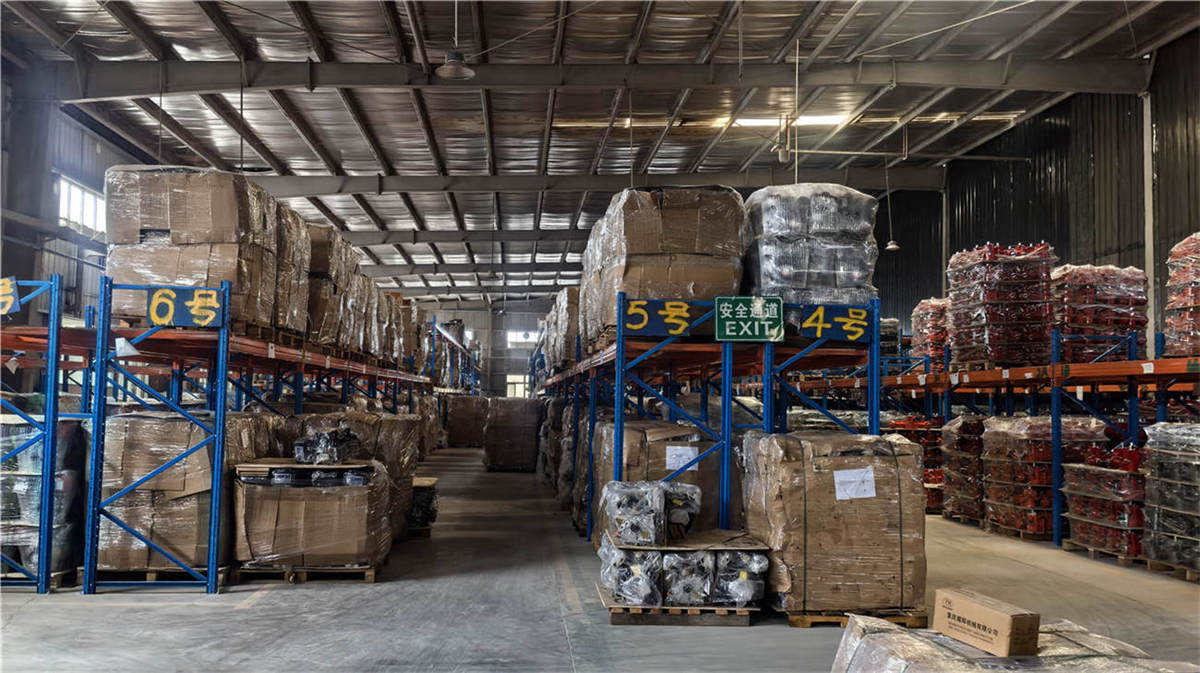
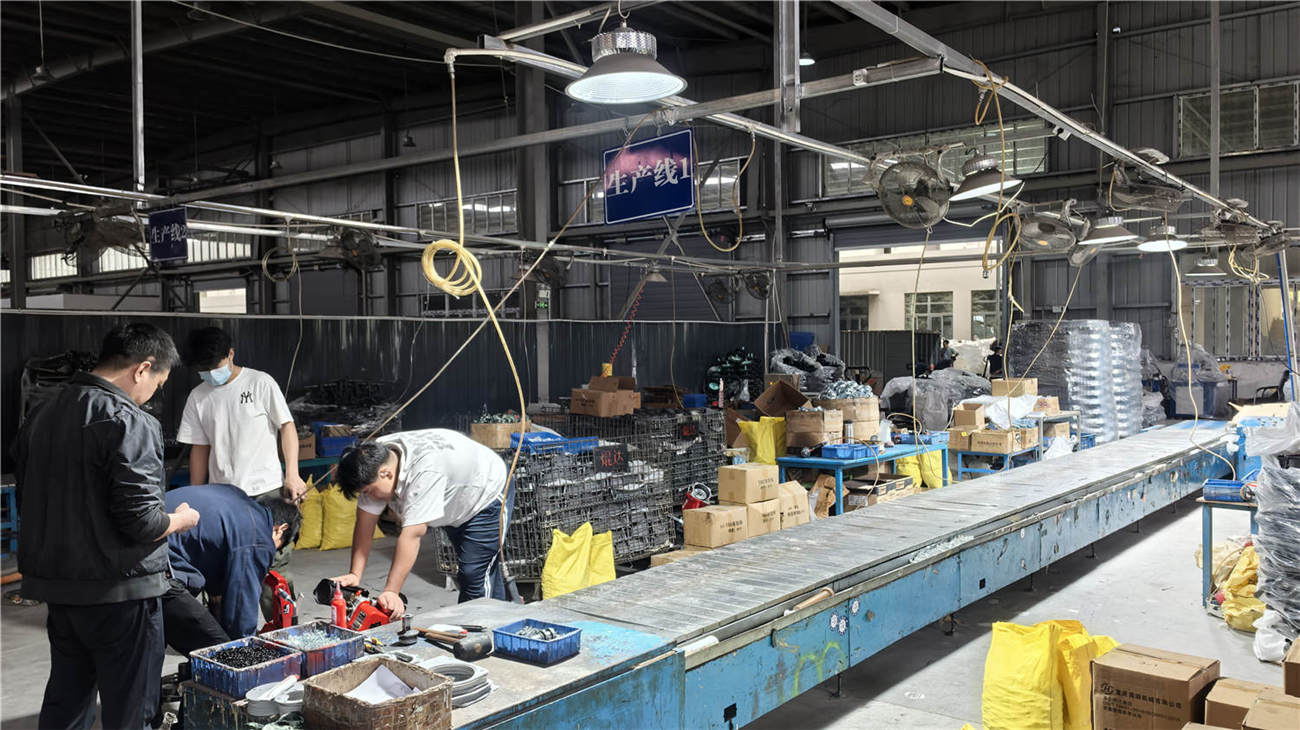
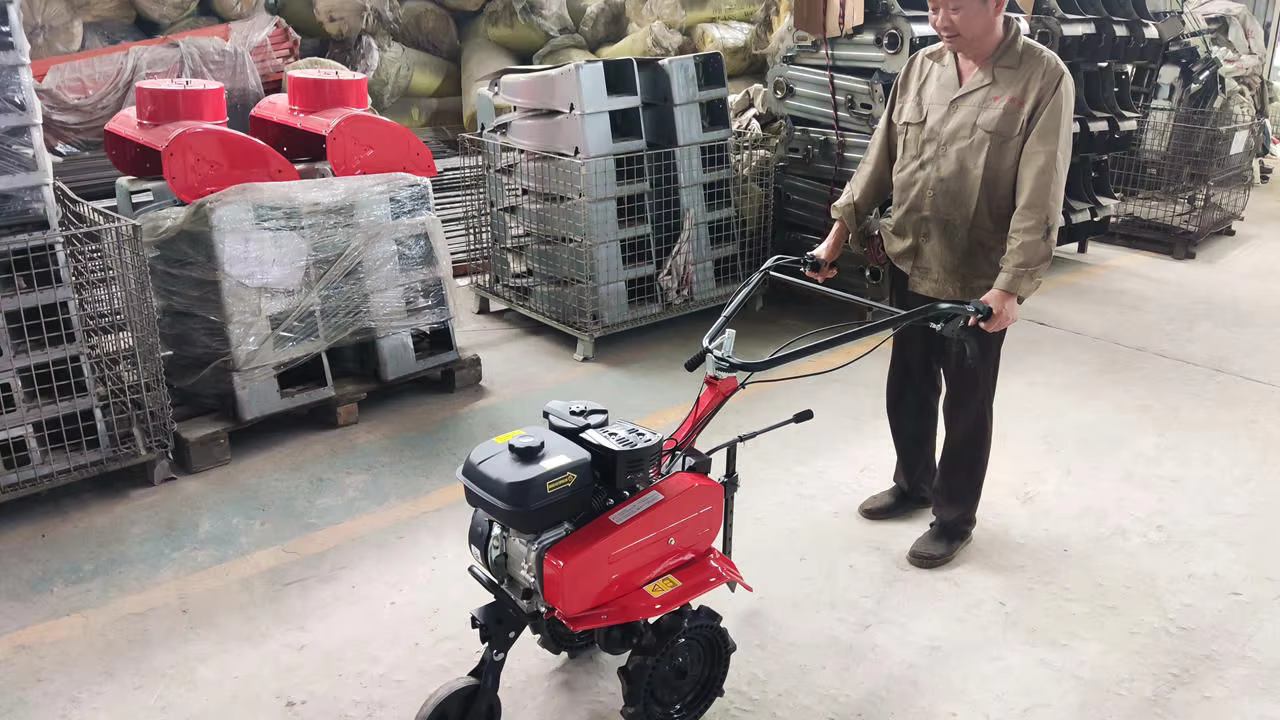
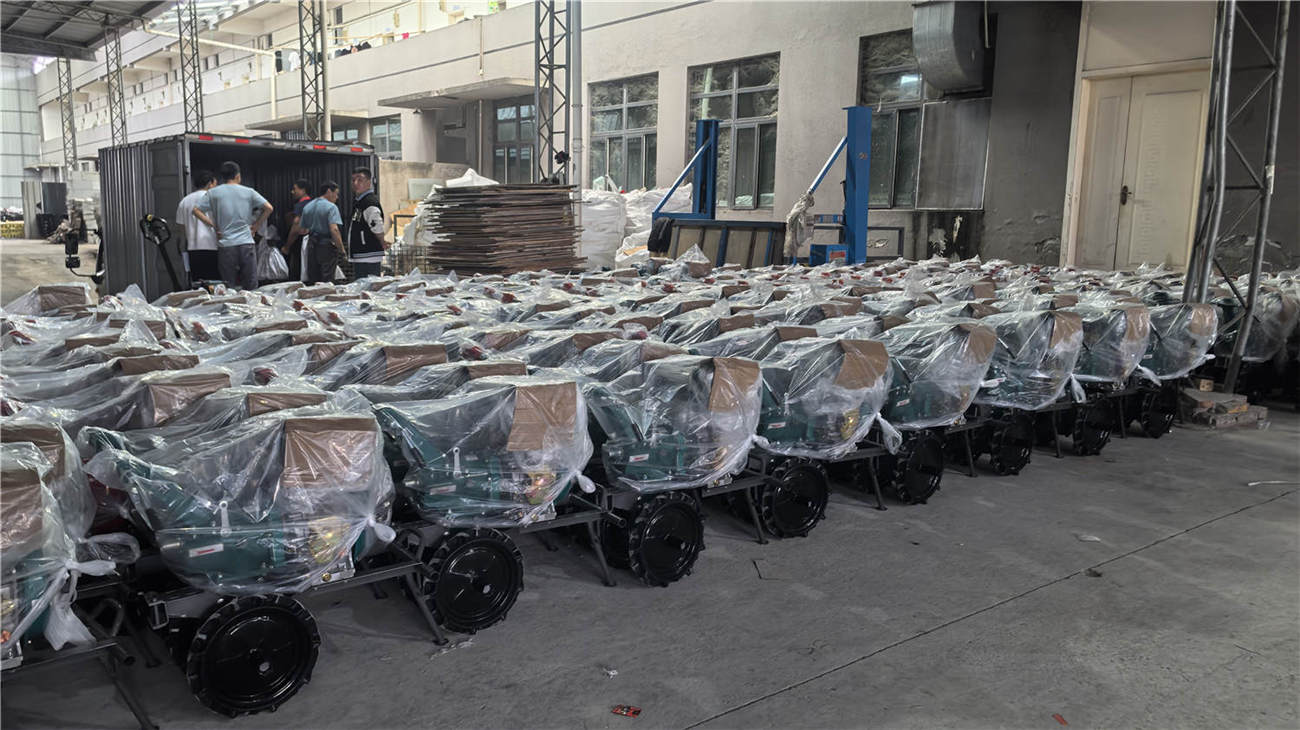
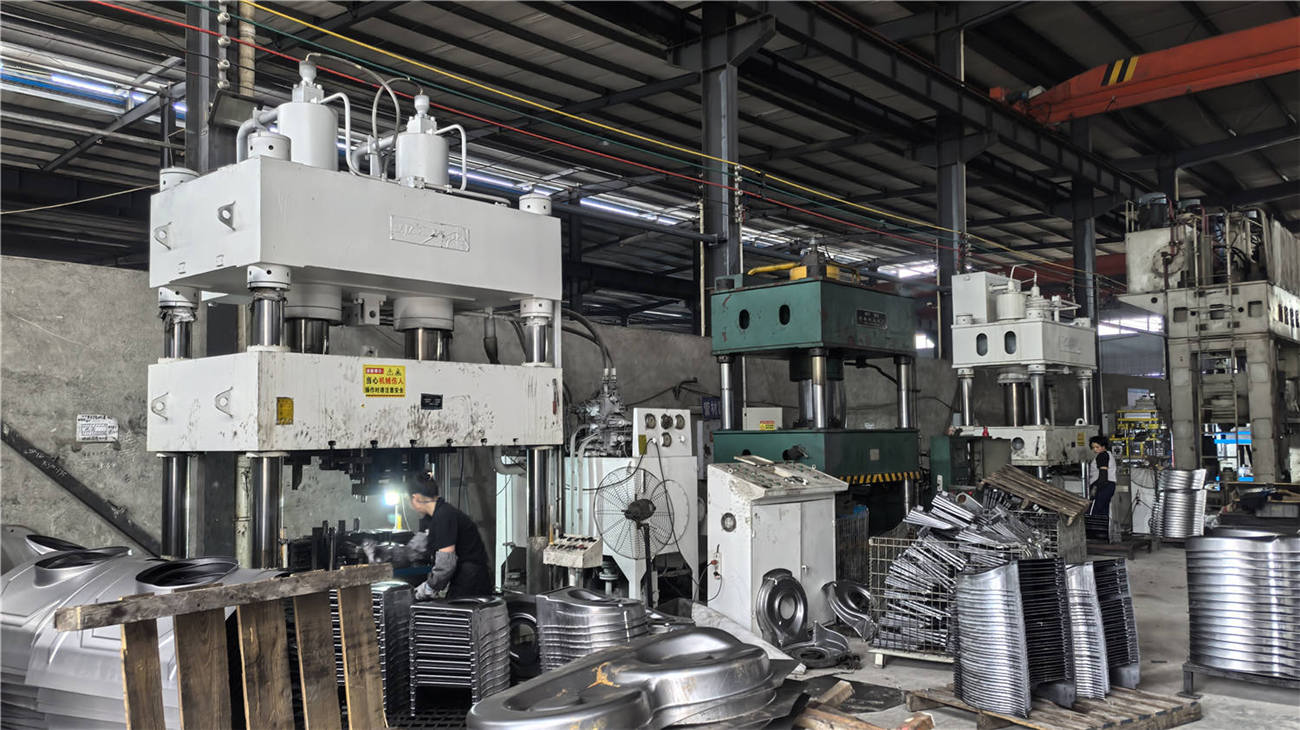
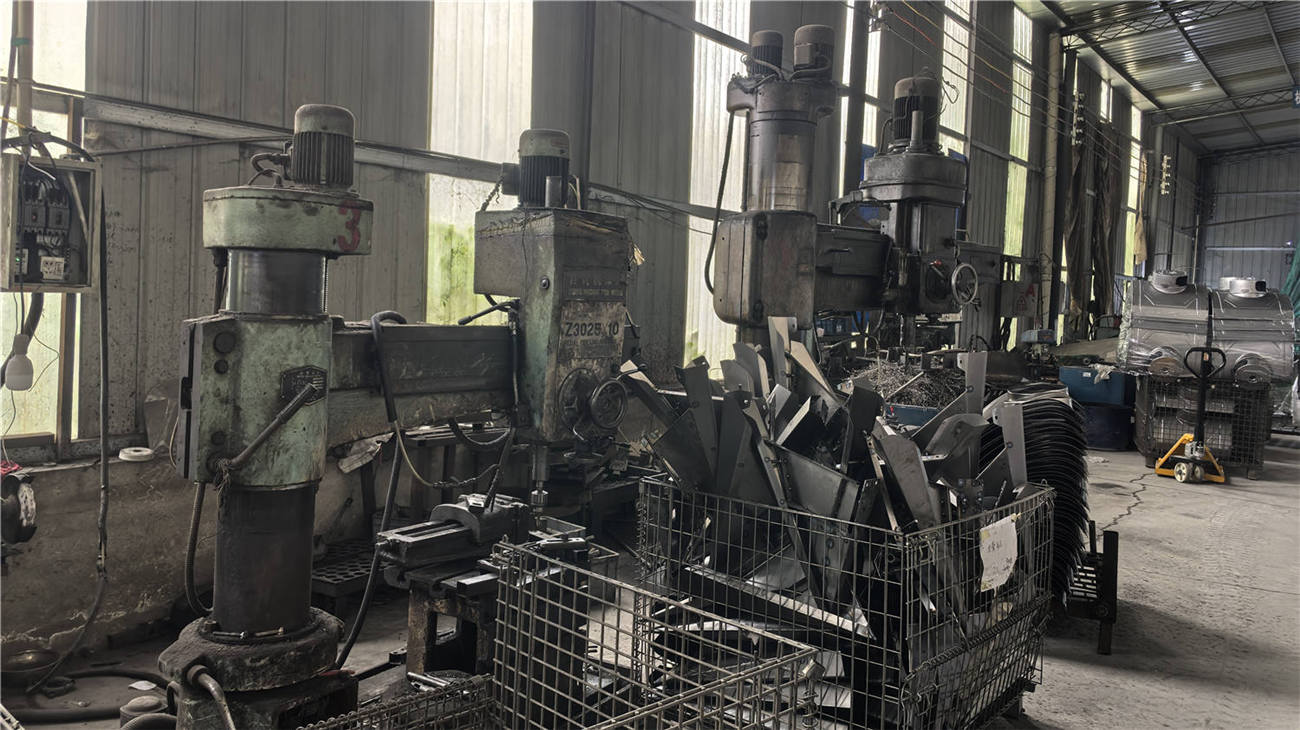
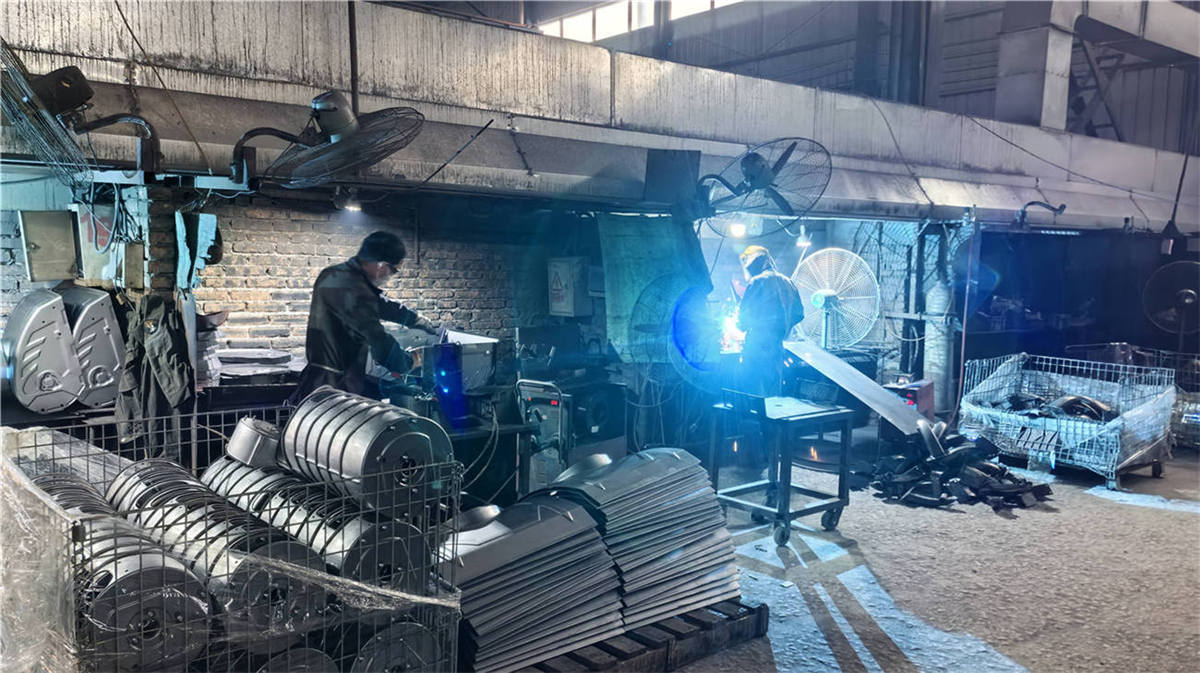
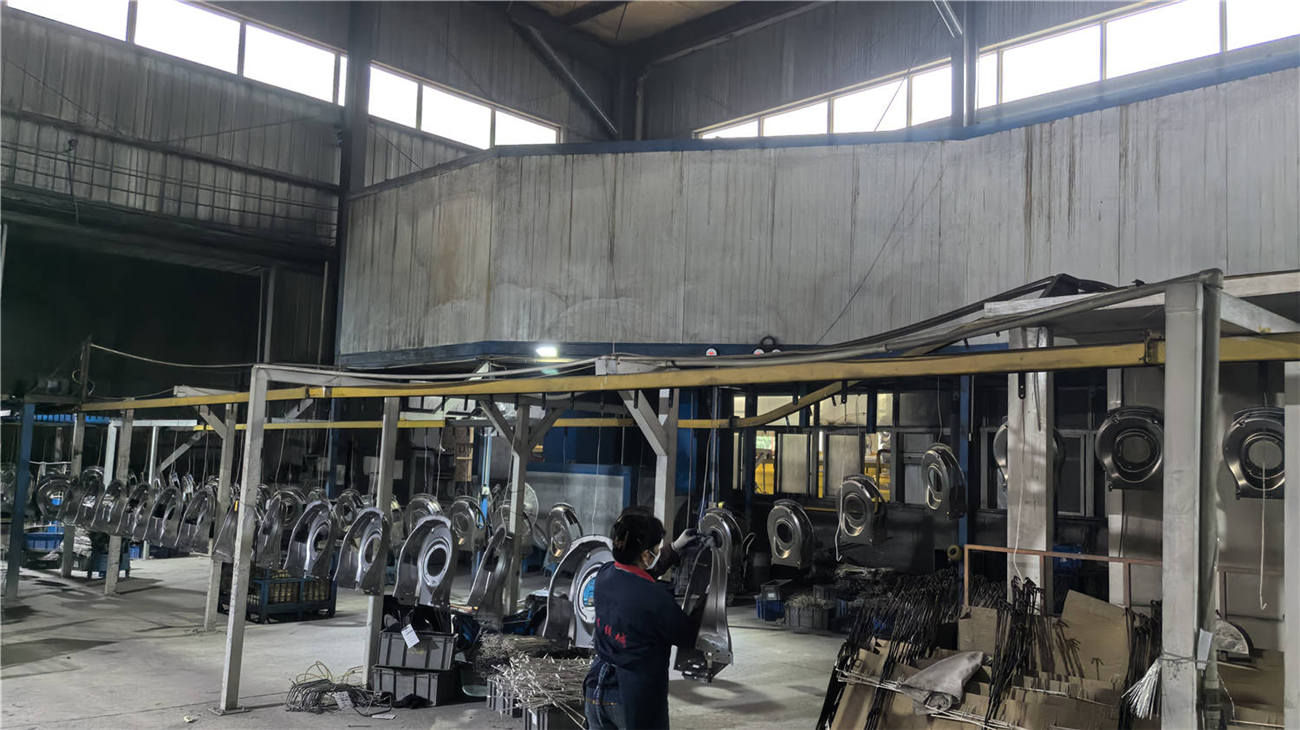
A look at the quality control systems and assembly lines of Weifang Gods Power Co., Ltd.
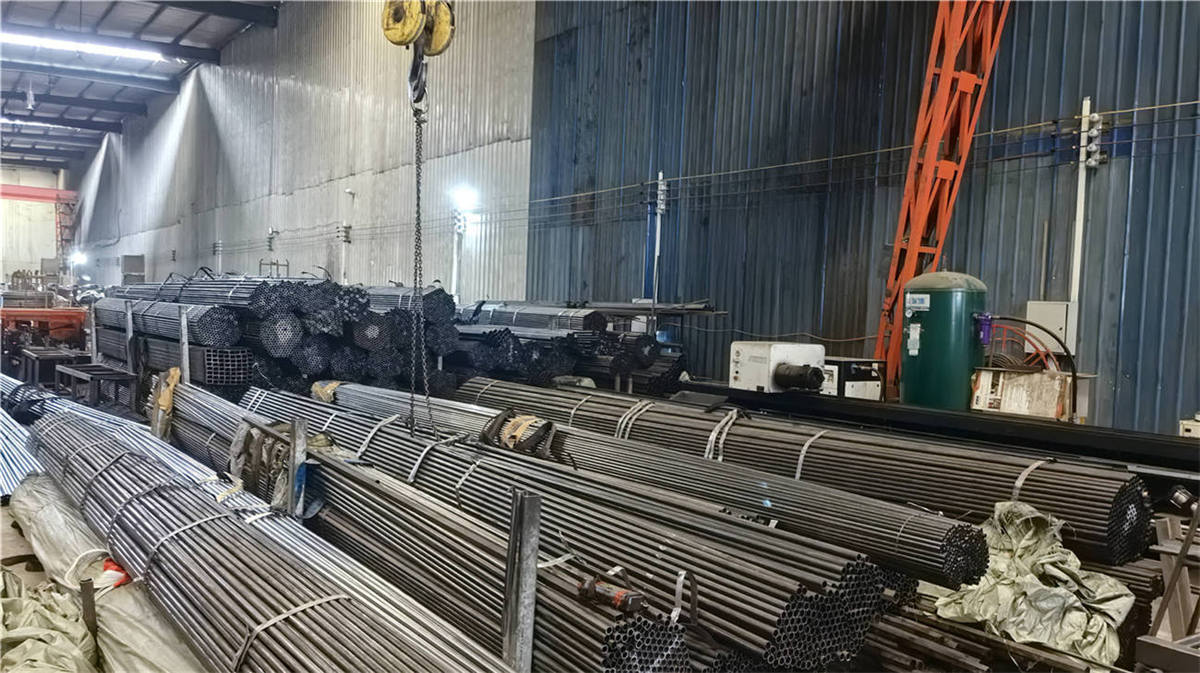
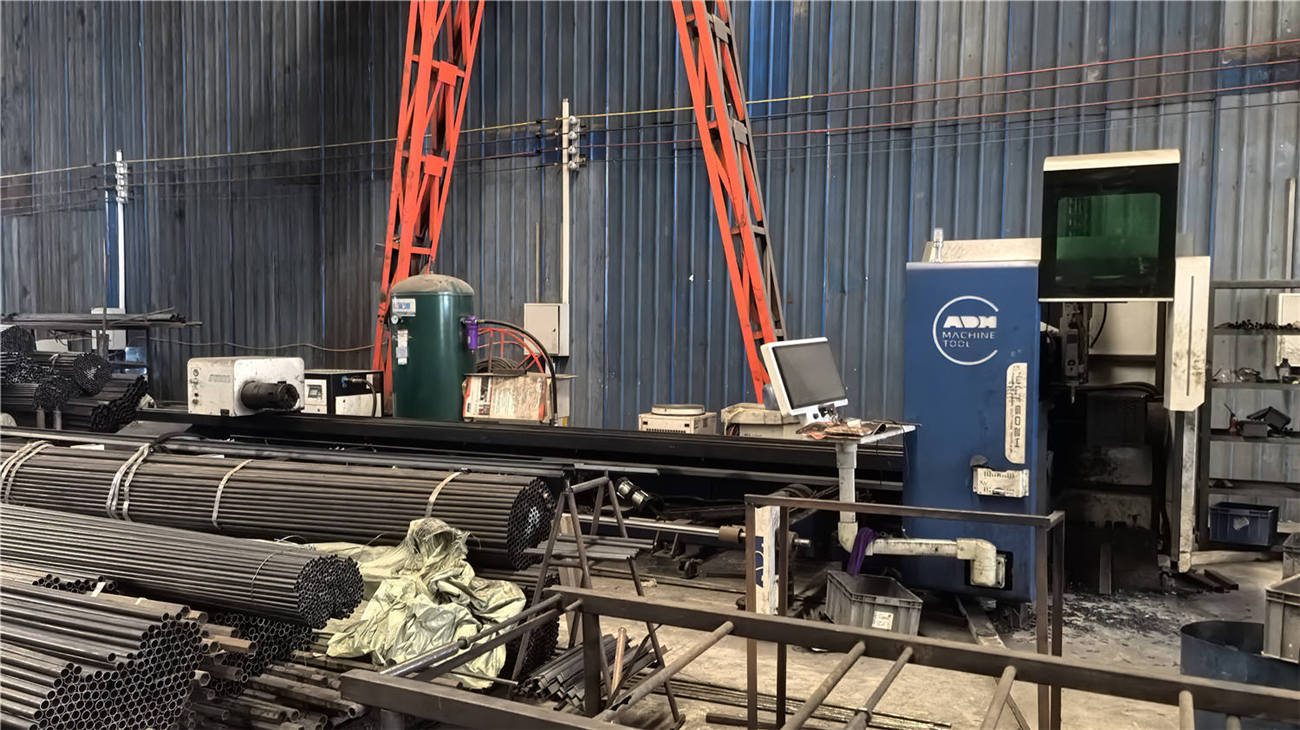
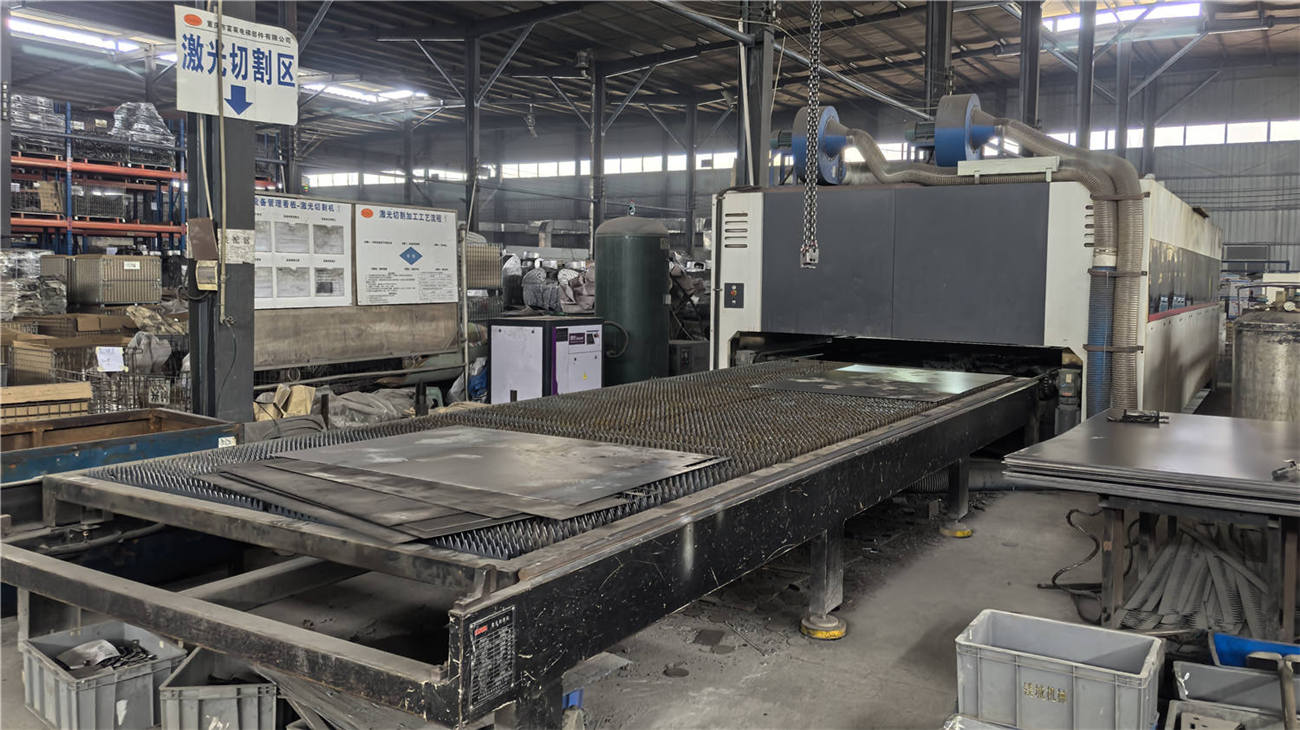
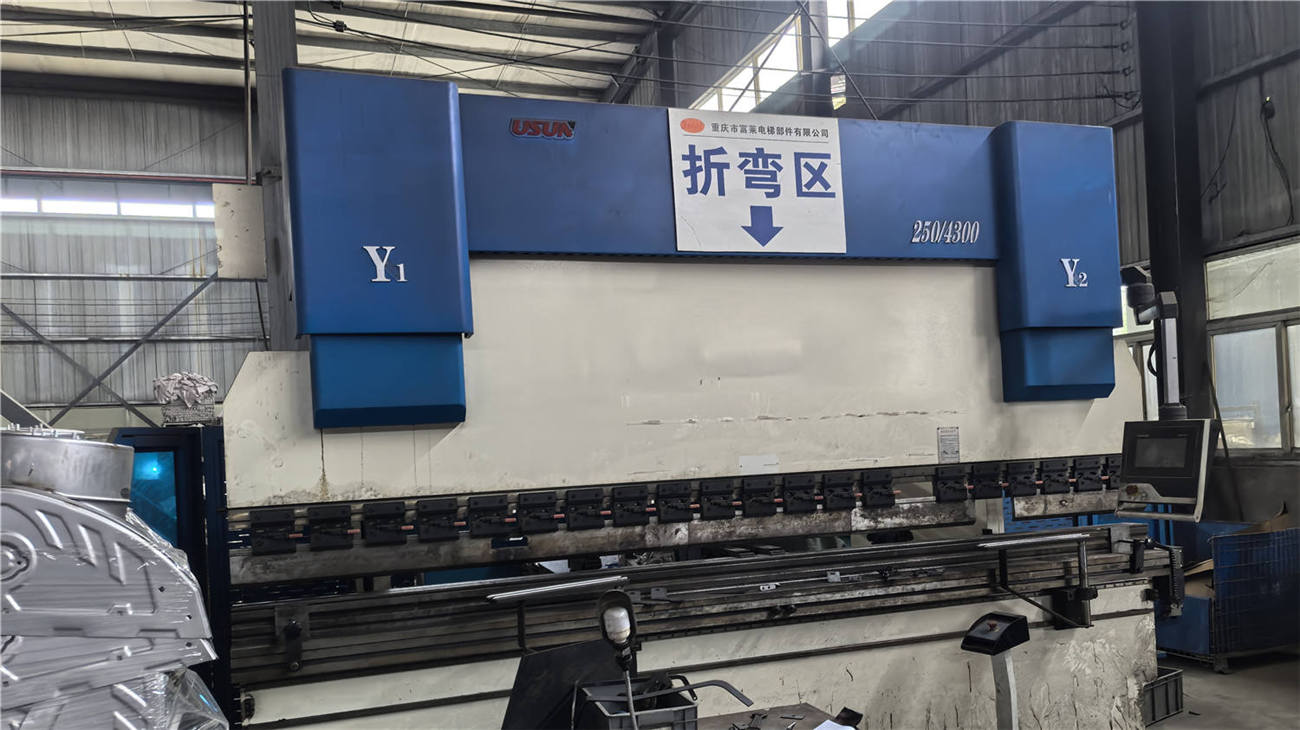
Weifang Gods Power Co., Ltd. is a leading enterprise specializing in the development, manufacturing, and sales of high-quality diesel generator sets. With a registered capital of 26 million yuan, the company is equipped with advanced testing facilities, complete product assembly lines, and sophisticated mechanical processing equipment. Weifang Gods Power employs over 200 skilled professionals and maintains a highly capable technical team, supported by a robust and mature quality management system, ensuring that every product meets the highest standards of reliability and performance.
As a technology-driven company, Weifang Gods Power is committed to continuous innovation and research, integrating product design, development, production, and sales to provide comprehensive power solutions tailored to customer needs. The company’s strategic goal is to be market-oriented, technologically advanced, and guided by honesty and integrity, while continuously strengthening its technical capabilities and service excellence.
Guided by the business philosophy of “unity, diligence, pragmatism, and innovation,” Weifang Gods Power emphasizes the importance of product quality, operational efficiency, and customer satisfaction. Every product is crafted with meticulous attention to detail, and the company provides comprehensive after-sales support to ensure long-term reliability and peace of mind for its clients.
Weifang Gods Power aims to create mutually beneficial and lasting partnerships with customers worldwide. Through a combination of advanced technology, professional expertise, and unwavering commitment to quality, the company strives to deliver cutting-edge energy solutions, drive innovation in the power industry, and contribute to sustainable development globally.
With a clear vision for the future, Weifang Gods Power continues to expand its global presence, uphold the highest standards of excellence, and deliver reliable, efficient, and environmentally responsible power solutions to meet the evolving demands of modern industries.
Answering key questions on sizing, maintenance, emissions compliance, and fuel efficiency.
Standby Power (ESP): Maximum power available for variable loads during utility power outages. No overload capacity is allowed. Annual run time is typically limited to 200 hours.
Prime Power (PRP): Unlimited annual running hours for variable load applications. An overload capacity of 10% is available for 1 hour out of every 12 hours of operation.
Continuous Power (COP): Constant, non-varying load for unlimited annual hours. Typically used for baseload operations in remote, off-grid locations.
Electric motors require significant inrush current (LRA - Locked Rotor Amps) during startup, up to 6 times their running current. We recommend sizing generators using PMG (Permanent Magnet Generator) excitation alternators. Alternatively, use a soft starter or Variable Frequency Drive (VFD) to reduce start-up currents, allowing you to select a smaller, more cost-effective generator set.
Dual-fuel generators run on a mixture of diesel and natural gas (or LPG/Biogas). Key benefits include:
High temperatures and high elevations reduce air density, which limits the oxygen available for combustion. This leads to generator derating. Typically, generators begin to experience power reduction at altitudes above 1,000 meters (approx. 3,300 feet) and ambient temperatures exceeding 40°C (104°F). It is important to request altitude and temperature derating tables from our engineering department when planning installations in extreme climates.
Regular maintenance is essential to ensure backup systems start reliably when needed. Recommended schedules include:
Explore our heavy-duty, hybrid-ready, and dual-fuel configurations built for demanding applications.
 Gods Power