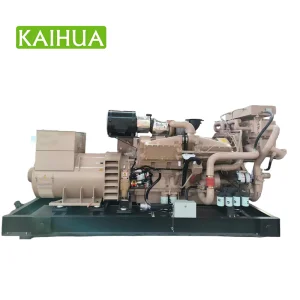
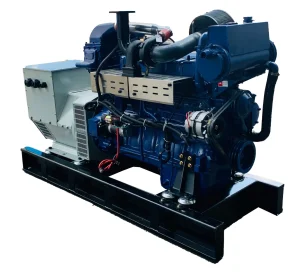
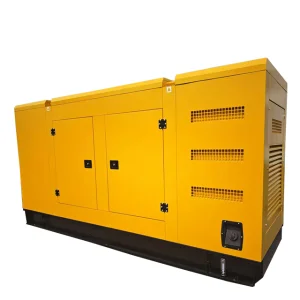
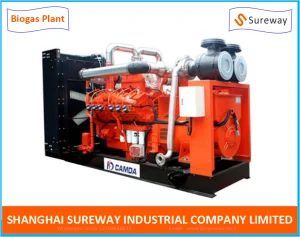
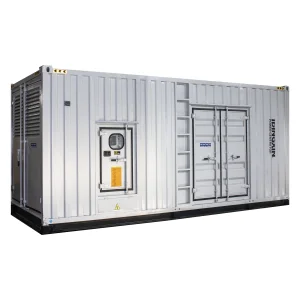
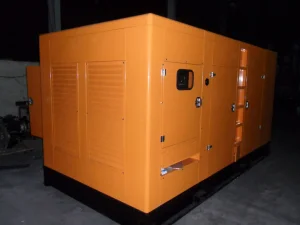
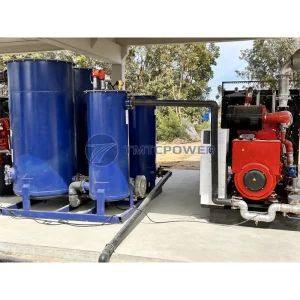
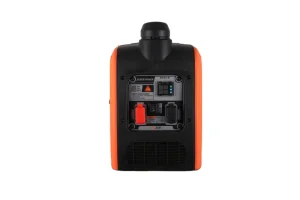
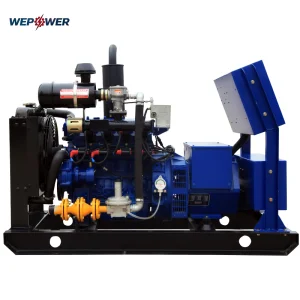
Explore our premium selection of heavy-duty and standby generator sets engineered for complex dynamic environments.
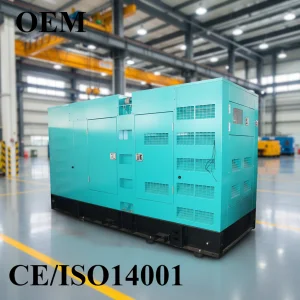
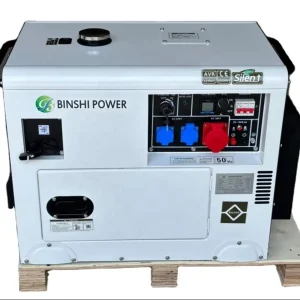
A Comprehensive Whitepaper Analysis on Critical Power Infrastructure Development
In the contemporary industrial landscape, the paradigm of power generation is shifting rapidly from simplistic backup configuration to high-efficiency, multi-source integrated power grid architectures. Heavy-load generator systems sit at the center of this transition, acting as the primary line of defense against utility grid anomalies and grid-isolated operations. As developing nations scale up their production capacities and modernized facilities integrate automated, precision-sensitive robotic systems, the tolerance for voltage transients and frequency deviations has dropped to near-zero levels.
"High-performance gensets must possess high load-acceptance capacities, complying rigorously with ISO 8528-5 G3 transient performance standards. The capability to recover rapidly from load step changes is no longer an option—it is a functional necessity for modern infrastructure."
Modern heavy-duty engines are evolving toward higher brake mean effective pressures (BMEP), which optimize thermodynamic efficiency but place greater mechanical stress on the cylinder heads, piston crowns, and turbocharger assemblies. At the same time, exhaust emission regulations such as EPA Tier 4 Final and EU Stage V require sophisticated aftertreatment mechanisms, including Selective Catalytic Reduction (SCR) and Diesel Particulate Filters (DPF). Forward-thinking manufacturers are actively developing architectures that allow these traditional units to run on low-carbon fuel alternatives, such as Hydrotreated Vegetable Oil (HVO), natural gas, and hydrogen-enriched biogas blends, thereby aligning with global ESG targets without sacrificing peak load stability.
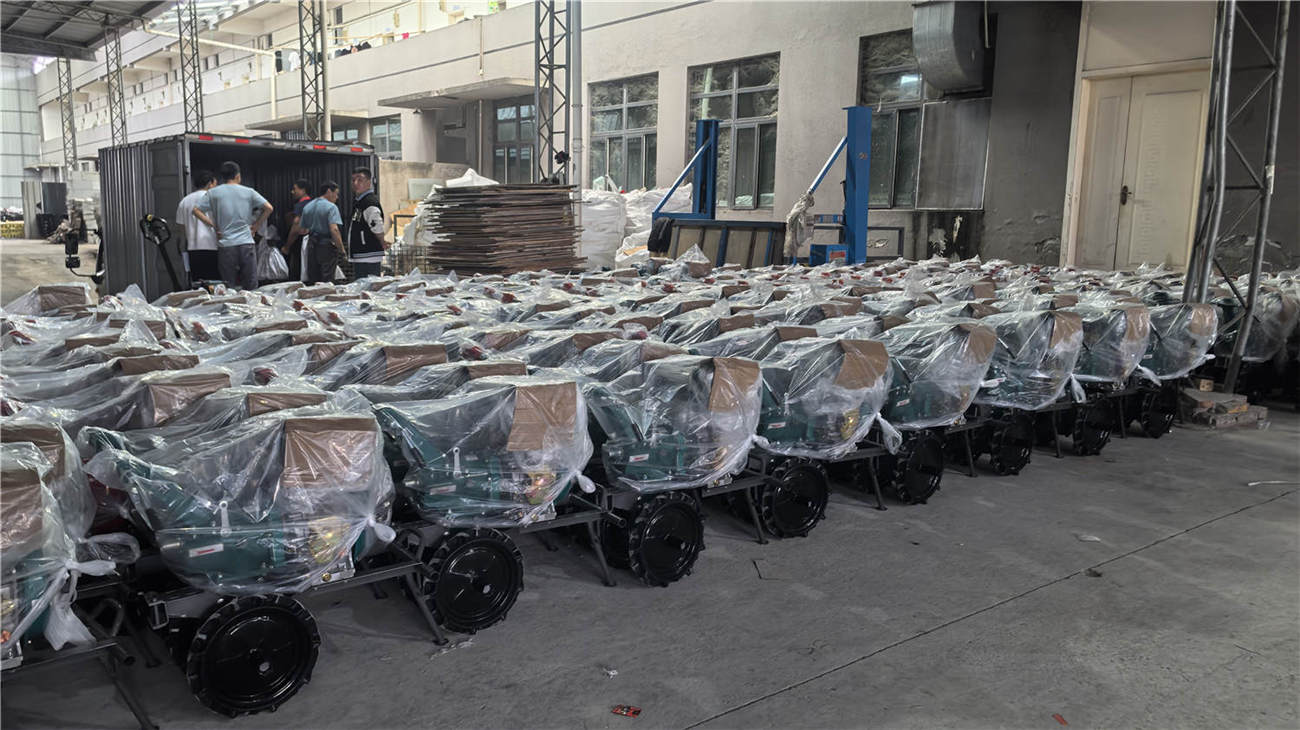
Demonstrating our production capacity, global reliability, and corporate foundation.
Mitigating Project Risks Through Technical Standards Alignment and Logistical Foresight
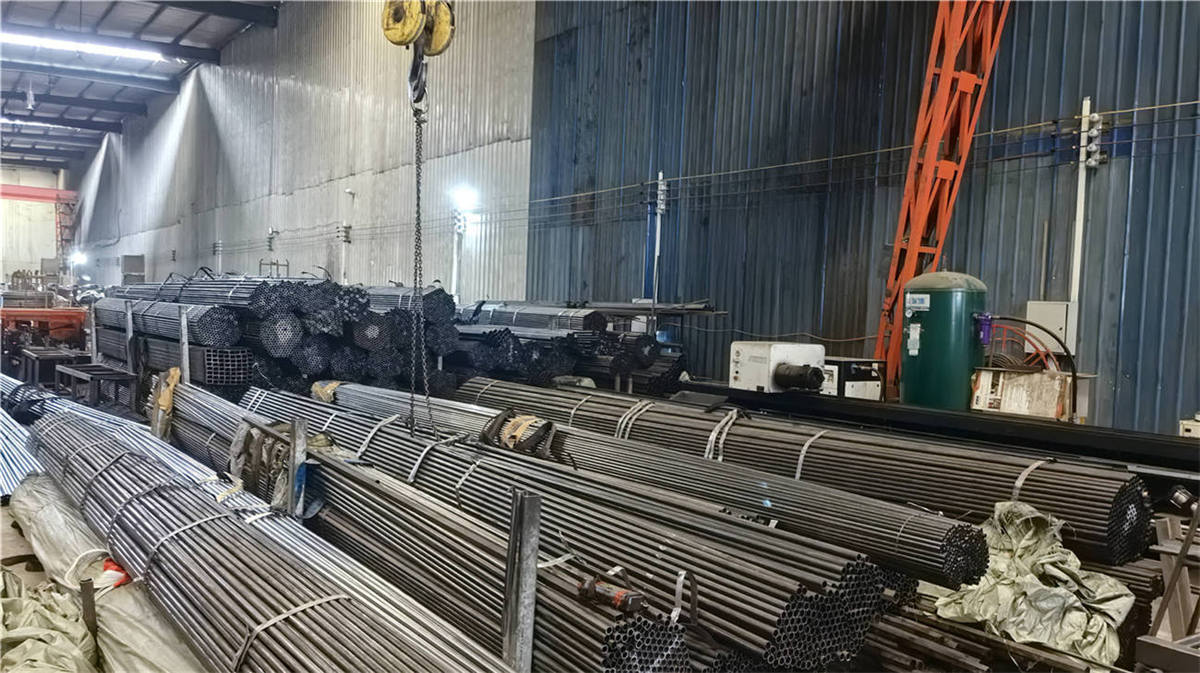
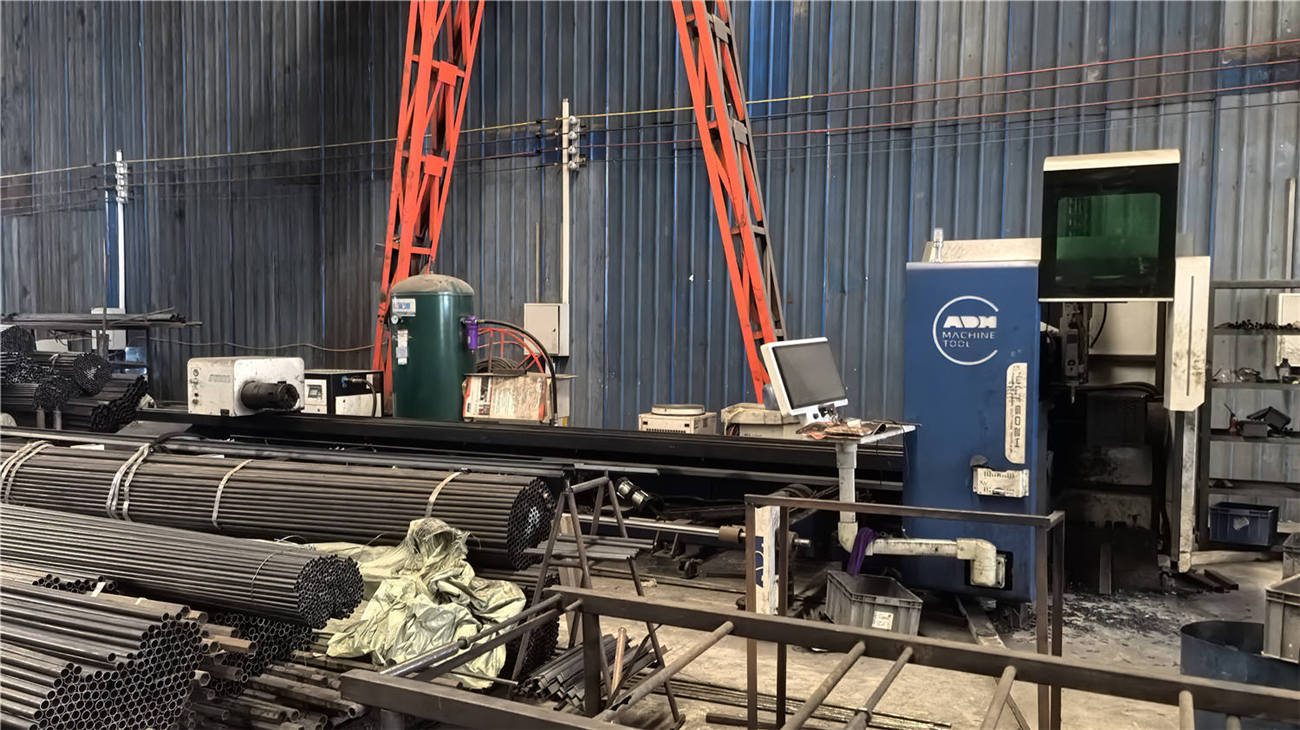
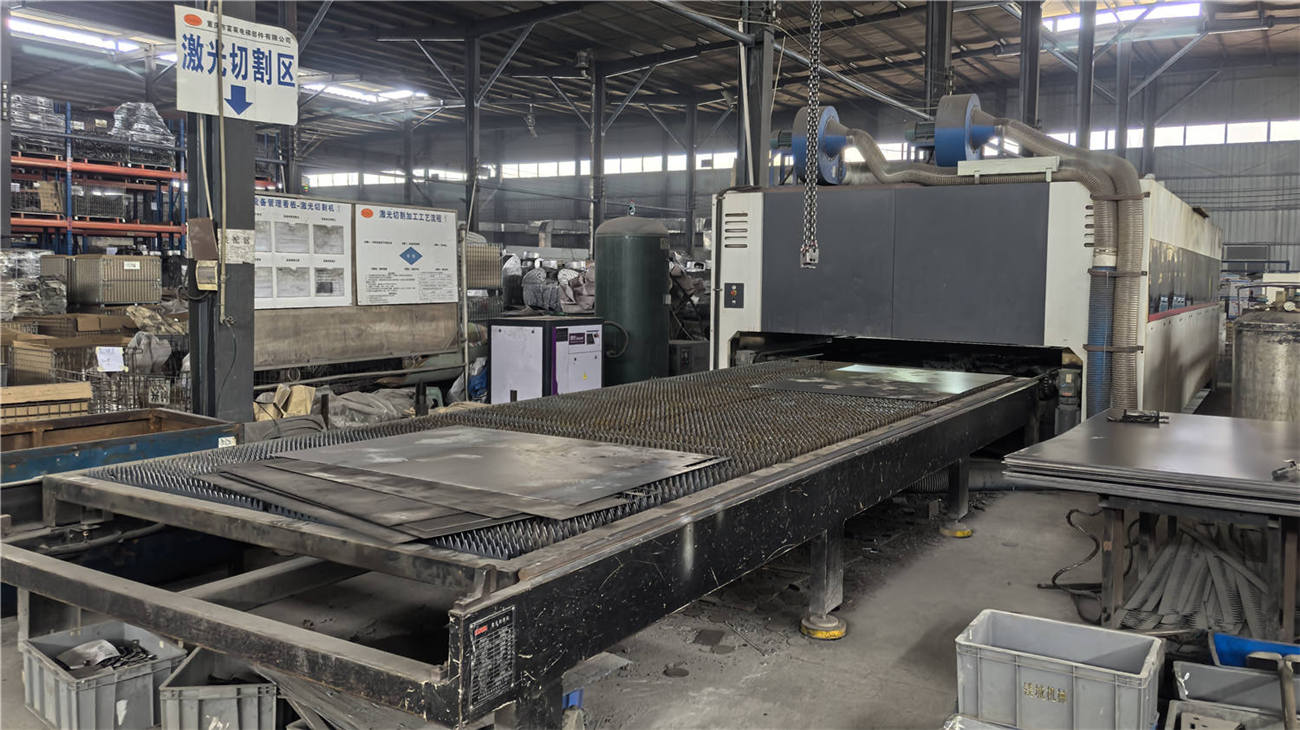
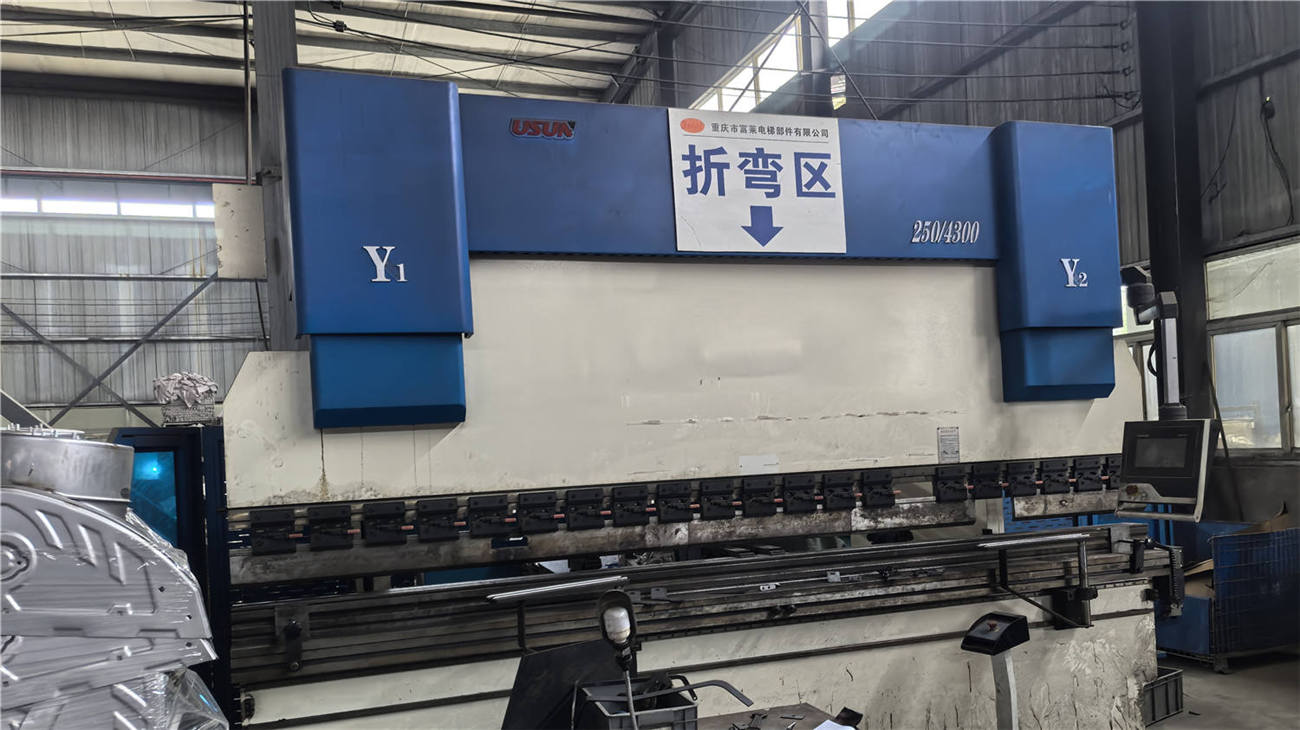
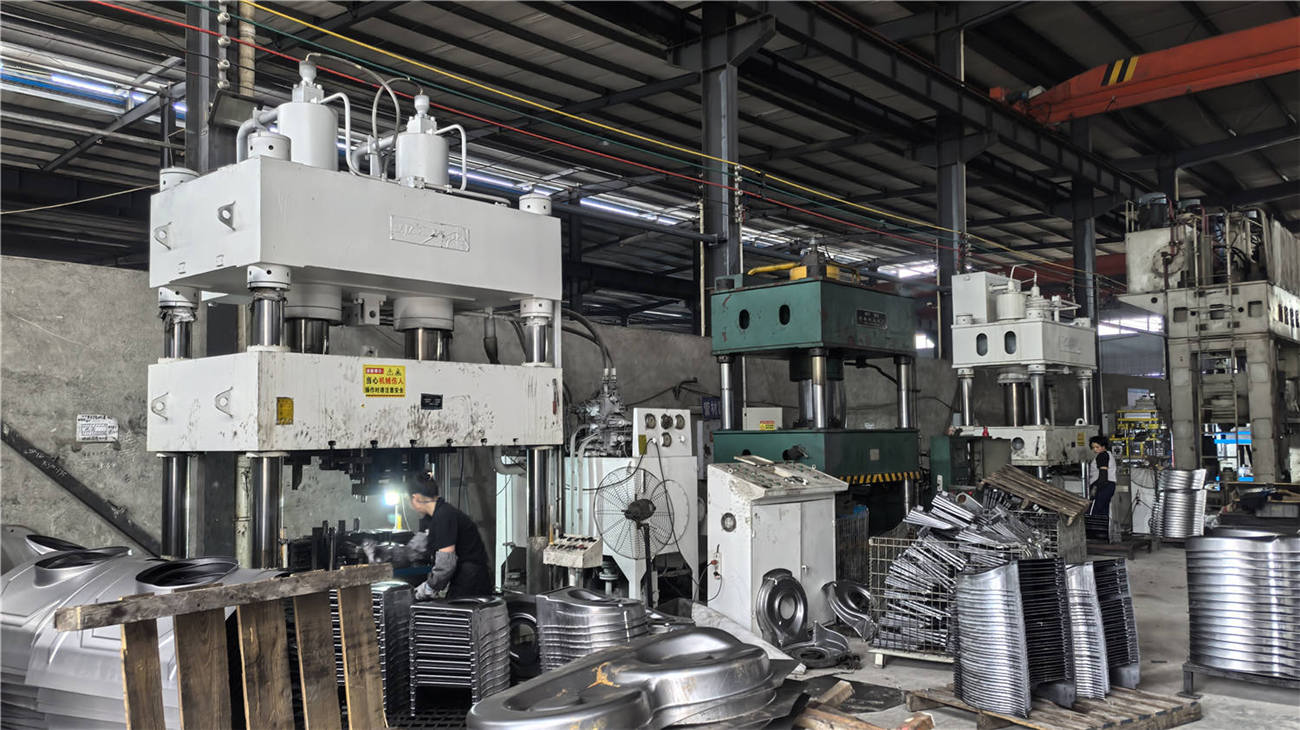
Procuring heavy-load generation equipment involves managing several interconnected variables: shipping logistics, local grid-code compatibility, acoustic requirements, and long-term operating costs (TCO). Procurement directors in major sectors like mining, maritime shipping, and municipal utility infrastructure need supplier partnerships that go beyond simple transaction contracts. Partnering with a comprehensive manufacturer who can manage the entire process—from steel cutting and welding to final electronic calibration—greatly reduces system integration issues during commissioning.
Furthermore, component standardization determines the success of maintenance programs in remote operational environments. Using world-renowned alternators like Stamford or Leroy Somer, paired with engines like Cummins, Ricardo, or Shangchai, makes sourcing replacement parts locally much easier. A resilient procurement strategy also requires that manufacturing documentation align with modern standards. Providing comprehensive drawings, structural load ratings, schematics, and factory acceptance test (FAT) reports is essential for smooth integration and faster local permitting.
By working directly with Weifang Gods Power Co., Ltd., global procurers benefit from direct factory engineering consultations. This ensures every generator is customized to the exact load profile, altitude, temperature, and relative humidity of the installation site.
Engineered Systems Designed to Power Global Industries and Critical Infrastructure
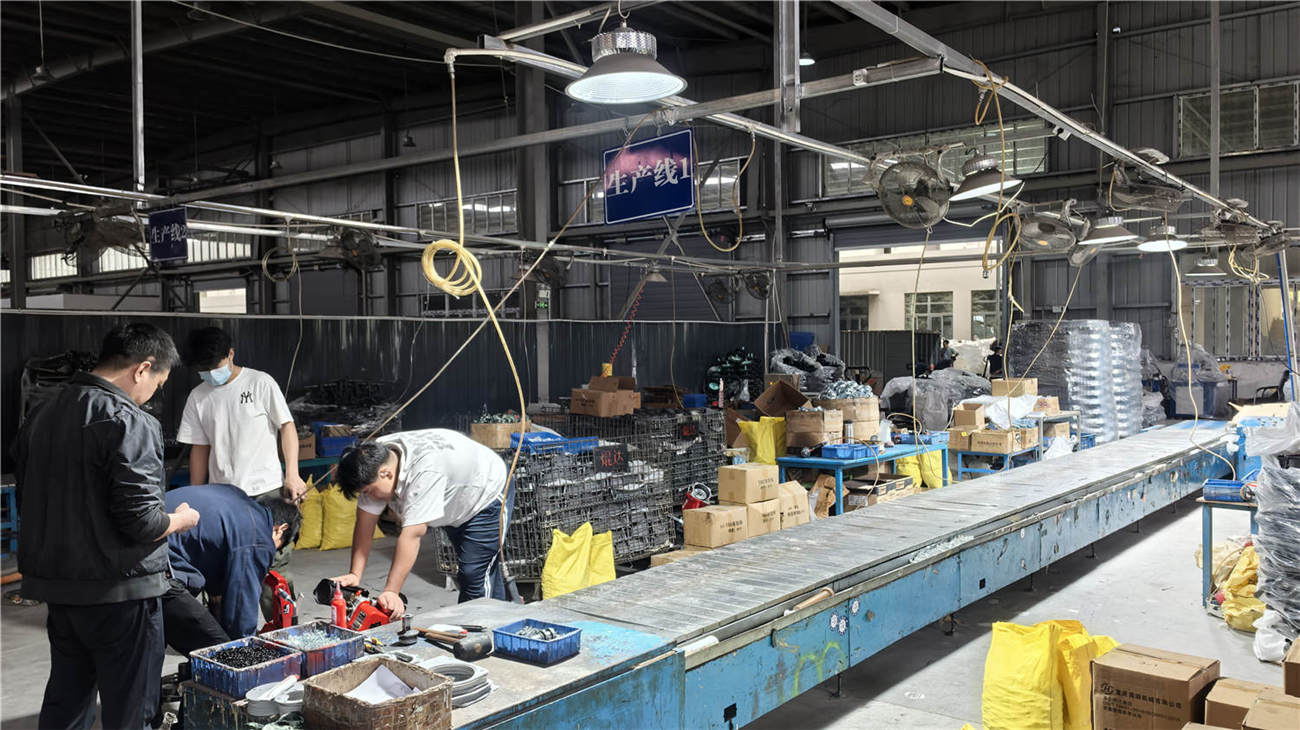
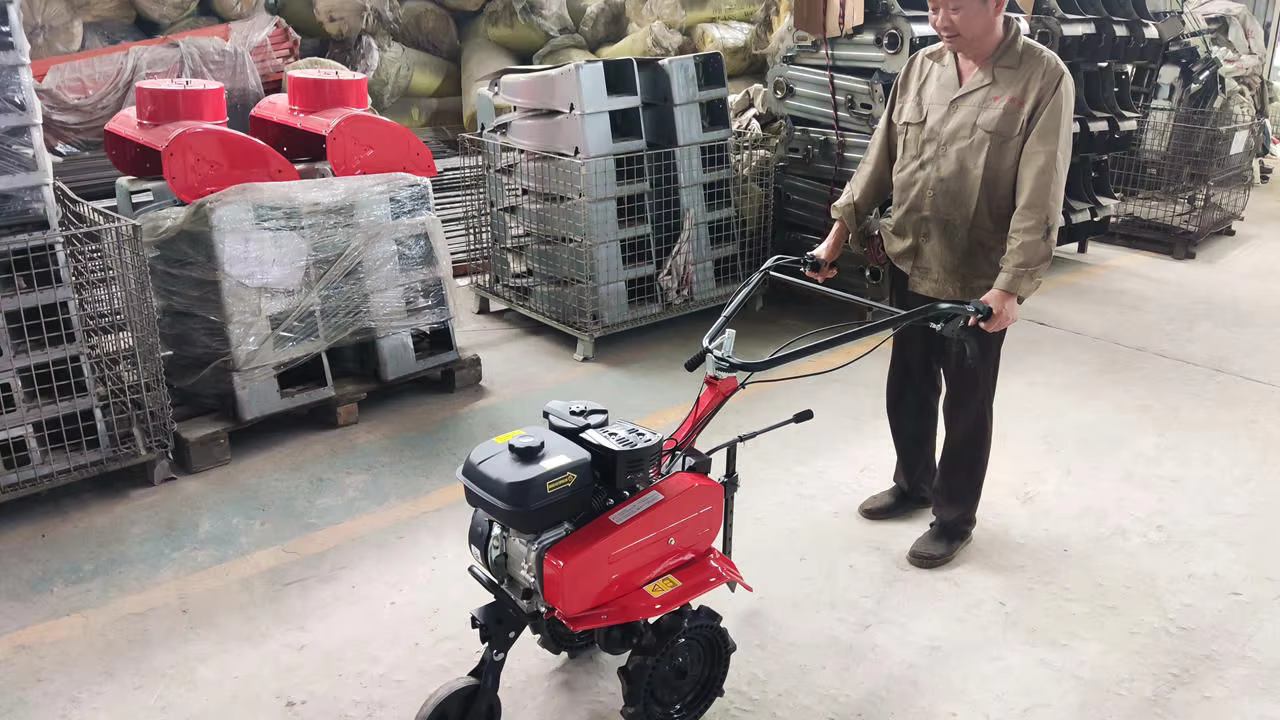
Step-by-step manufacturing and assembly processes managed within Weifang Gods Power Co., Ltd.
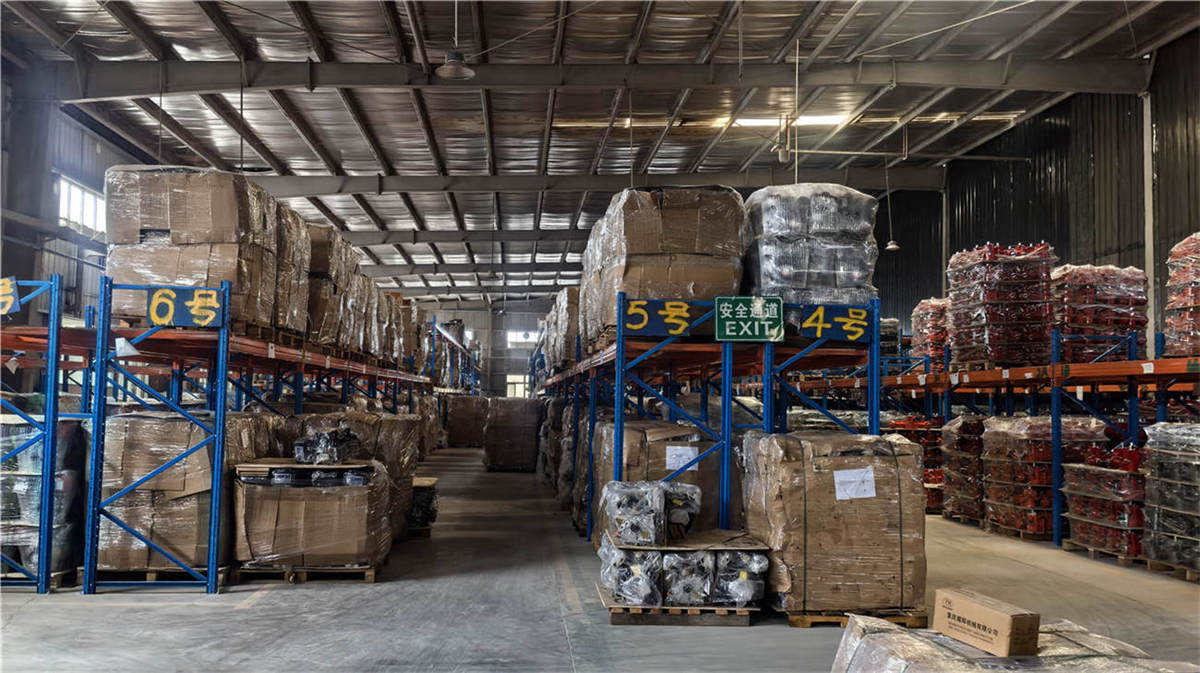
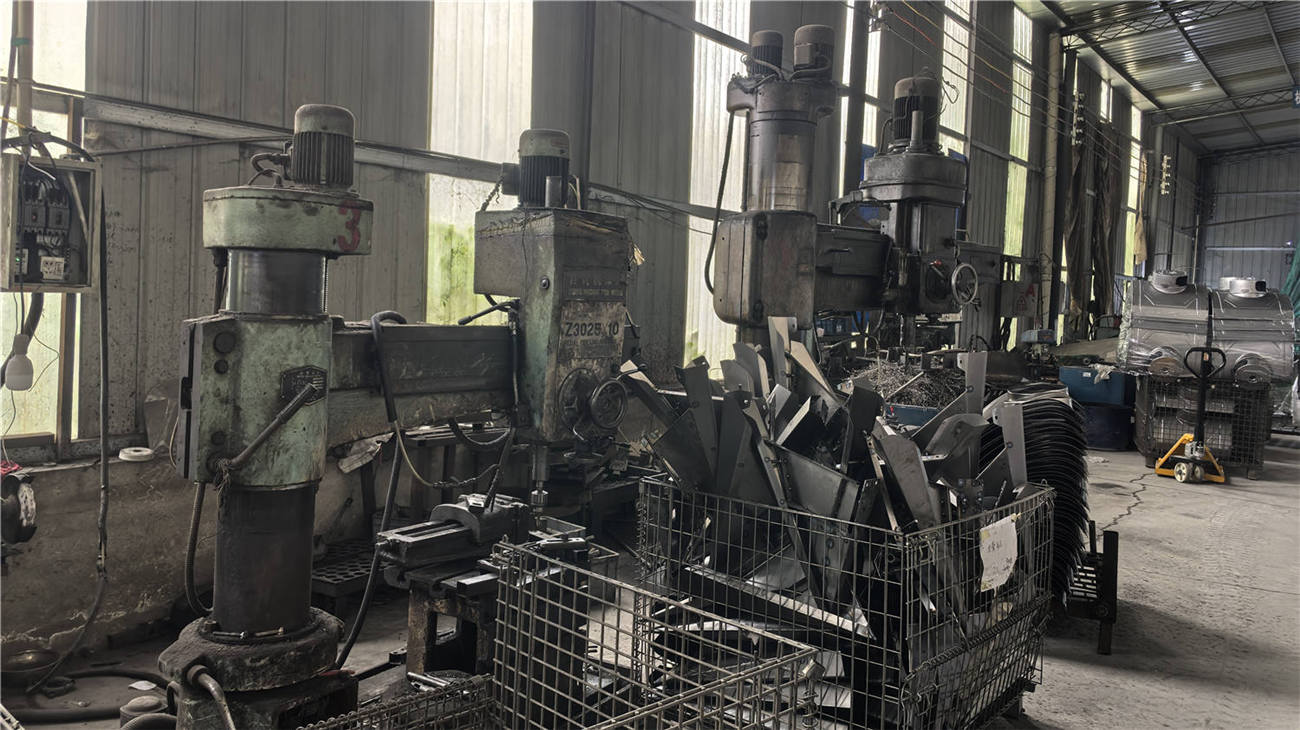
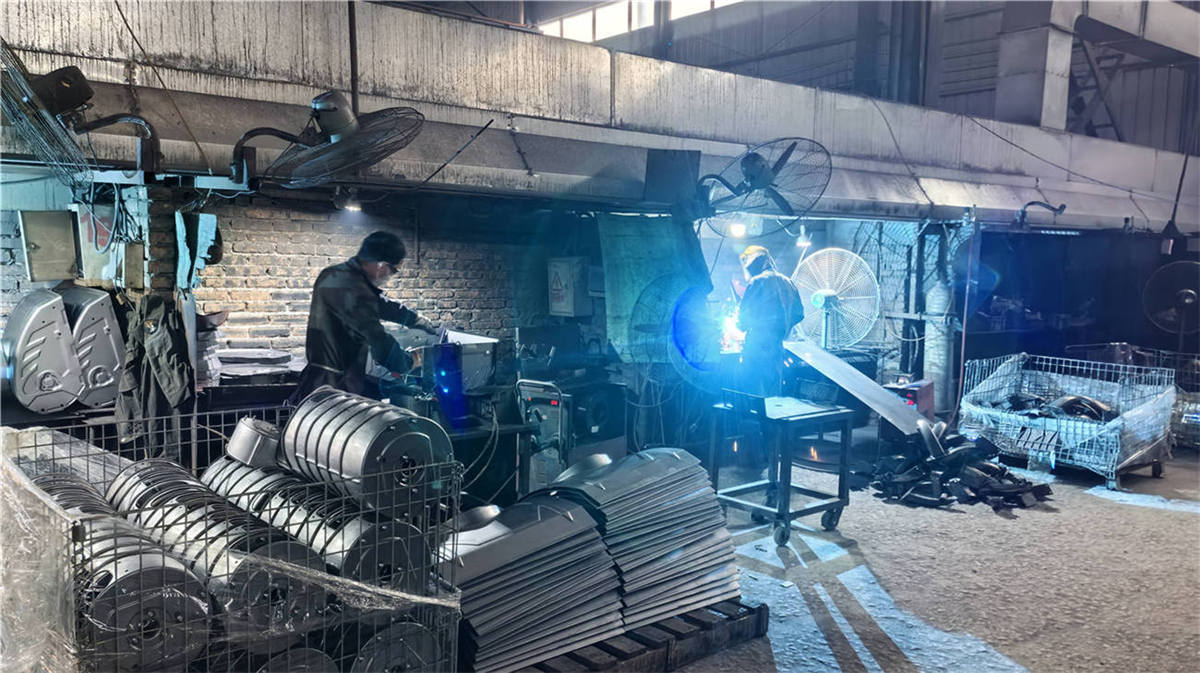
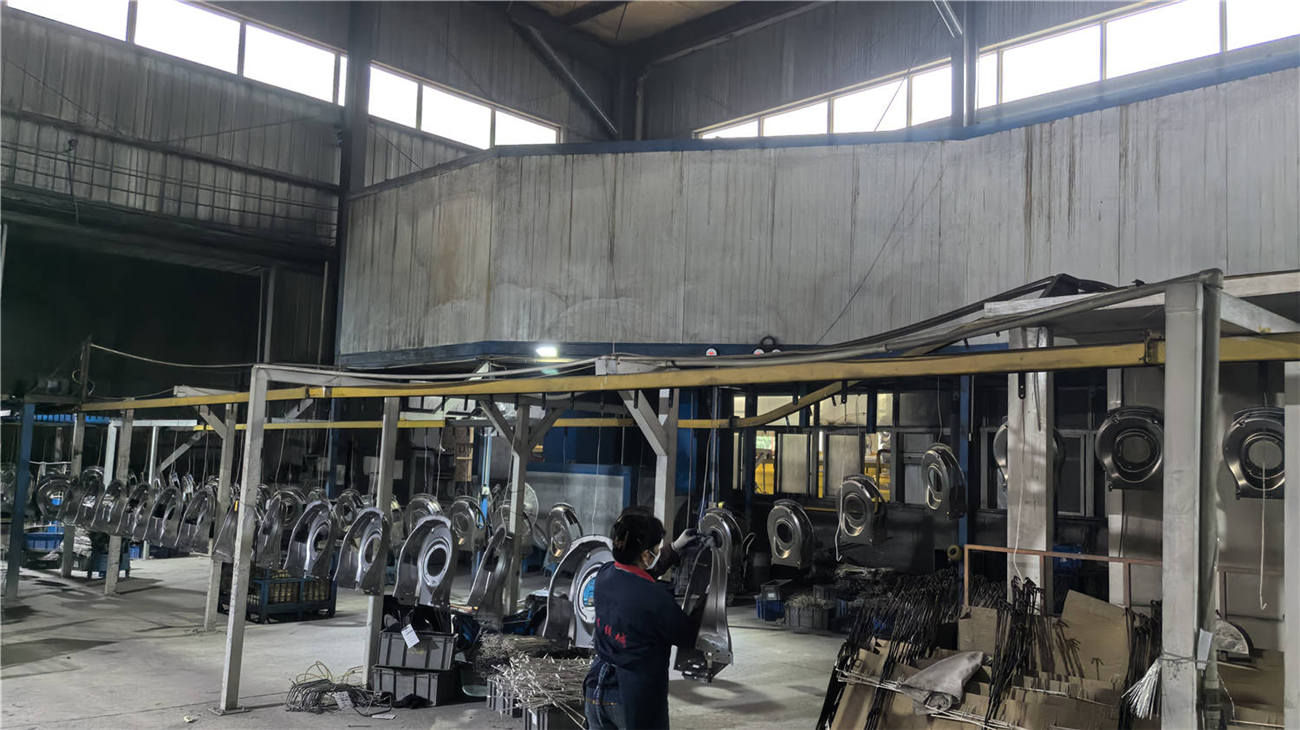
A Trusted Partner and Pioneering Leader in High-Capacity Electric Power Systems
Weifang Gods Power Co., Ltd. is a leading enterprise specializing in the development, manufacturing, and sales of high-quality diesel generator sets. With a registered capital of 26 million yuan, the company is equipped with advanced testing facilities, complete product assembly lines, and sophisticated mechanical processing equipment. Weifang Gods Power employs over 200 skilled professionals and maintains a highly capable technical team, supported by a robust and mature quality management system, ensuring that every product meets the highest standards of reliability and performance.
As a technology-driven company, Weifang Gods Power is committed to continuous innovation and research, integrating product design, development, production, and sales to provide comprehensive power solutions tailored to customer needs. The company's strategic goal is to be market-oriented, technologically advanced, and guided by honesty and integrity, while continuously strengthening its technical capabilities and service excellence.
Guided by the business philosophy of “unity, diligence, pragmatism, and innovation,” Weifang Gods Power emphasizes the importance of product quality, operational efficiency, and customer satisfaction. Every product is crafted with meticulous attention to detail, and the company provides comprehensive after-sales support to ensure long-term reliability and peace of mind for its clients.
Weifang Gods Power aims to create mutually beneficial and lasting partnerships with customers worldwide. Through a combination of advanced technology, professional expertise, and unwavering commitment to quality, the company strives to deliver cutting-edge energy solutions, drive innovation in the power industry, and contribute to sustainable development globally.
With a clear vision for the future, Weifang Gods Power continues to expand its global presence, uphold the highest standards of excellence, and deliver reliable, efficient, and environmentally responsible power solutions to meet the evolving demands of modern industries.
Charting the Development of Next-Generation Energy and Control Architectures
The future of heavy-load power generation is defined by digitization and green energy transition. The engineering research team at Weifang Gods Power is actively working on several key initiatives to improve genset capabilities:
Integrating advanced sensor arrays into the core engine block to detect vibration patterns, thermal shifts, and mechanical wear. Combined with cloud analytics, this system predicts failures before they cause unexpected downtime, reducing preventative maintenance costs.
Refining closed-loop SCR and particulate filter combinations to meet international emission rules. Our designs focus on minimizing backpressure on the turbocharger to protect output efficiency.
Expanding dual-fuel capabilities allows units to dynamically adjust fuel ratios between diesel and gaseous fuels (like LPG or biogas). This setup maintains high load-carrying capacity while lowering fuel costs.
Ensuring Strict Adherence to International Quality, Safety, and Performance Standards
Deploying critical power equipment requires strict adherence to international safety and technical guidelines. Every generator set designed and manufactured by Weifang Gods Power is tested to comply with certifications including CE, ISO 9001:2015, ISO 14001, and CE declarations of conformity. Our generators feature IP23/IP55 protection ratings for alternators and meet ISO 8528 G3 standards, ensuring stability under sudden load changes.
We also emphasize comprehensive documentation and localized compliance, helping you navigate local electrical codes. Our technical engineers provide support throughout the installation process—including cooling design, exhaust routing, sound attenuation, and electrical protection coordination—to ensure a safe and smooth commissioning process.
Expert Technical Answers to Common Sourcing and Operational Questions
Inductive loads, such as large electric motors or compressors, draw high inrush currents (LRA) during startup, which can be 5 to 7 times their running current. To prevent severe voltage drops, you should select an alternator with a high subtransient reactance capability or use an excitation system like PMG (Permanent Magnet Generator) or AREP. We recommend sizing the generator so the total voltage dip during startup does not exceed 30%, conforming to ISO 8528 standards.
Traditional electrical generator sets convert only about 35% to 42% of fuel energy into electricity, venting the remaining energy as waste heat. A Combined Heat and Power (CHP) system captures this thermal energy from the engine exhaust and cooling circuit, using it for space heating, hot water, or industrial steam. This process increases total energy efficiency to over 90%, significantly reducing utility costs.
The ISO 8528 standard classifies generator load-acceptance performance into four classes: G1, G2, G3, and G4. The G3 class is designed for critical loads, such as data centers and hospital operating theaters, where voltage and frequency deviations must be kept to a minimum. A G3-compliant genset uses fast-acting electronic governors and AVRs to quickly stabilize output during sudden load changes.
We operate a dedicated testing facility where each generator set undergoes a multi-point inspection. This process includes checking for fluid leaks, testing transient response and load steps (from 0% to 100%), calibrating the control system, and running the unit continuously at 110% load. We only ship generators that pass our quality assurance checklist.
Browse our broader range of fuel-flexible, highly efficient power generators built for varying site requirements.
 Gods Power