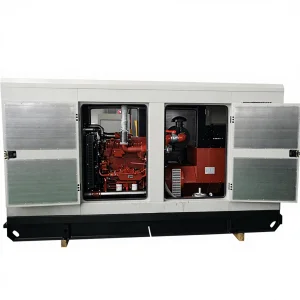
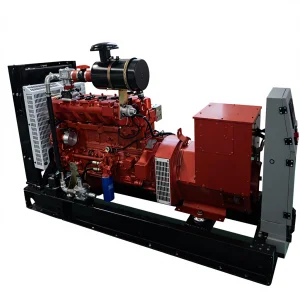
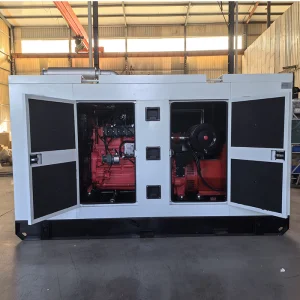
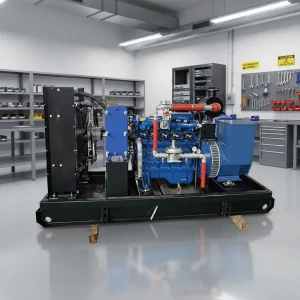
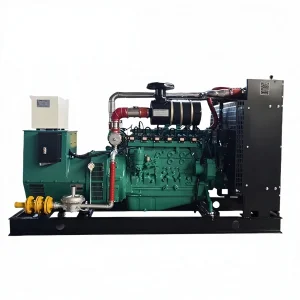
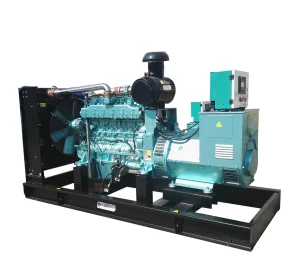
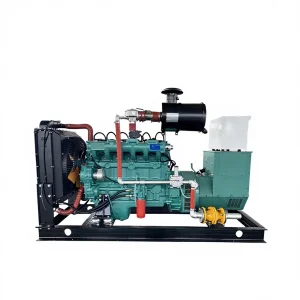
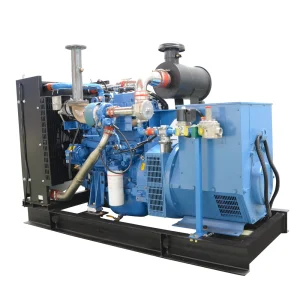
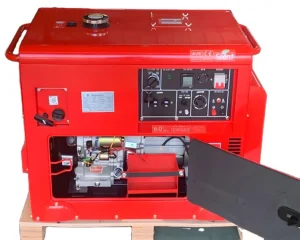
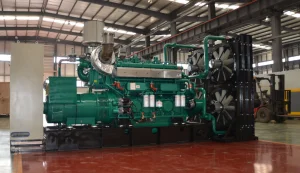
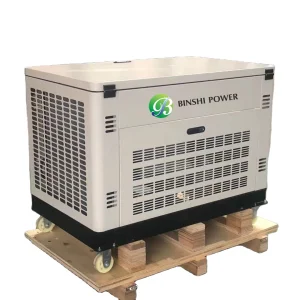
Optimized continuous-duty power generation units engineered specifically for high ambient temperatures and municipal waste processing projects within the Mumbai Metropolitan Region (MMR).
As India's commercial capital, the Mumbai Metropolitan Region (MMR) faces critical waste management and energy challenges. With municipal solid waste generation exceeding 7,000 metric tons per day, municipal authorities (such as the BMC) and industrial operators in the outskirts of Thane, Navi Mumbai, and Kalyan-Dombivli are turning to sustainable waste-to-energy models. Modern biogas generation systems have evolved from minor secondary power sources into major, grid-synchronous cogeneration facilities that stabilize local microgrids.
This regional drive aligns with India's national schemes, including the SATAT (Sustainable Alternative Towards Affordable Transportation) initiative and the Ministry of New and Renewable Energy's (MNRE) bioenergy program. These programs incentivize the development of compressed biogas (CBG) and industrial biogas plants. For manufacturing facilities, chemical plants, distilleries, and food processing plants operating in the industrial belts around Mumbai (Taloja, Patalganga, and Ambernath), installing a robust biogas generator set provides an effective method for on-site waste mitigation and reliable power supply.
In addition to municipal wet waste, large agricultural markets like the APMC Market in Vashi generate hundreds of tons of vegetable and organic waste daily. Generating energy from this waste requires specialized gas engine configurations. Raw biogas, which is typically composed of 50-60% methane ($CH_4$), 30-40% carbon dioxide ($CO_2$), and high concentrations of hydrogen sulfide ($H_2S$), is highly corrosive. To run a biogas generator set safely under Mumbai's high-humidity coastal conditions, the system must utilize specific metallurgy, dual-stage moisture separators, and advanced desulfurization technologies.
Modern biogas generator sets utilize advanced engineering designs to achieve high performance. Standard gas generators often experience early degradation due to acidic combustion products. In contrast, advanced systems incorporate targeted engineering upgrades to improve durability and thermal efficiency:
The roadmap for these systems focuses on digital integration. Future power systems will include IoT gateway modules that connect to SCADA networks. This setup enables remote tracking of critical parameters, such as vibration signatures, cylinder temperatures, and real-time gas quality, which helps prevent unplanned downtime.
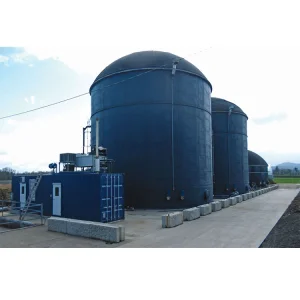
Biogas generator sets must be integrated into the broader plant infrastructure to ensure reliable operation. A standard design includes several components: anaerobic digesters, gas holders, moisture coalescing filters, biological scrubbers, and gas booster fans. Our technical teams design custom solutions that align these elements for optimal efficiency:
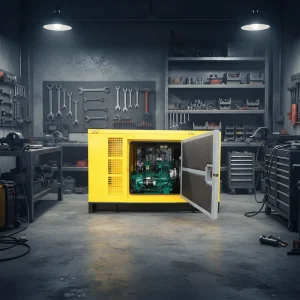
Distilleries and chemical plants generate high-COD (Chemical Oxygen Demand) effluents, which produce large volumes of biogas. For these applications, we supply containerized biogas generator sets configured for parallel grid operation. These units feature acoustic lining, automatic fire suppression systems, and integrated gas scrubbers to safely handle elevated sulfur levels.
Municipal STPs produce biogas via anaerobic digestion of sewage sludge. Utilizing CHP biogas gensets allows these plants to cover up to 70% of their operational energy demands on-site. The recovered heat is returned to the digester jackets, maintaining the slurry at mesophilic temperatures (37°C) to optimize gas production.
Operating a biogas power plant in India requires adherence to several regulatory and safety standards. Our engineering layouts are designed to meet local and national requirements:
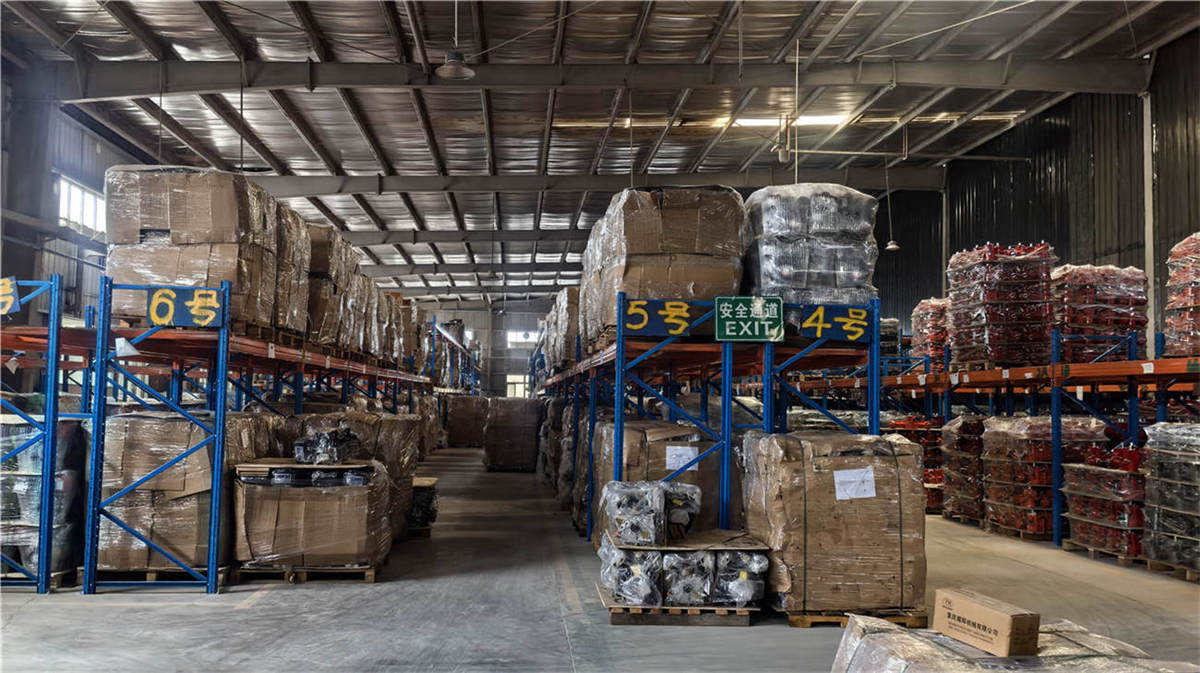
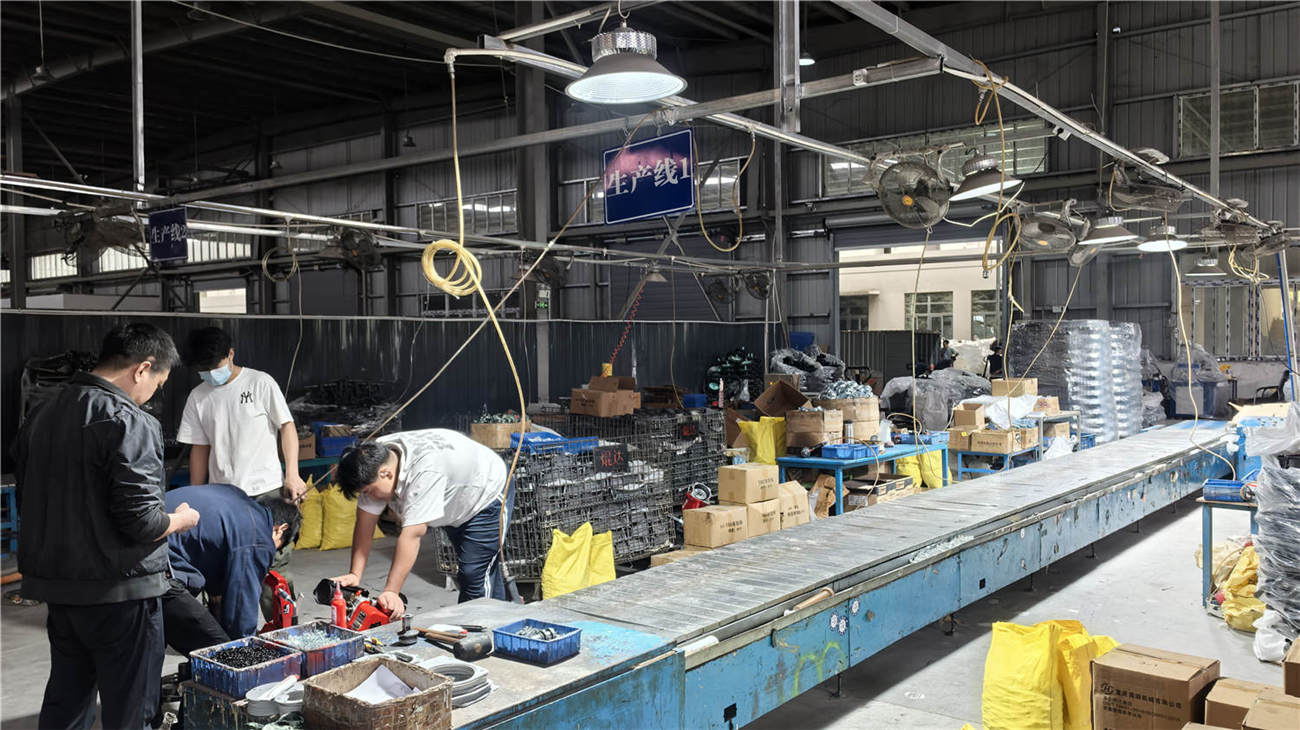
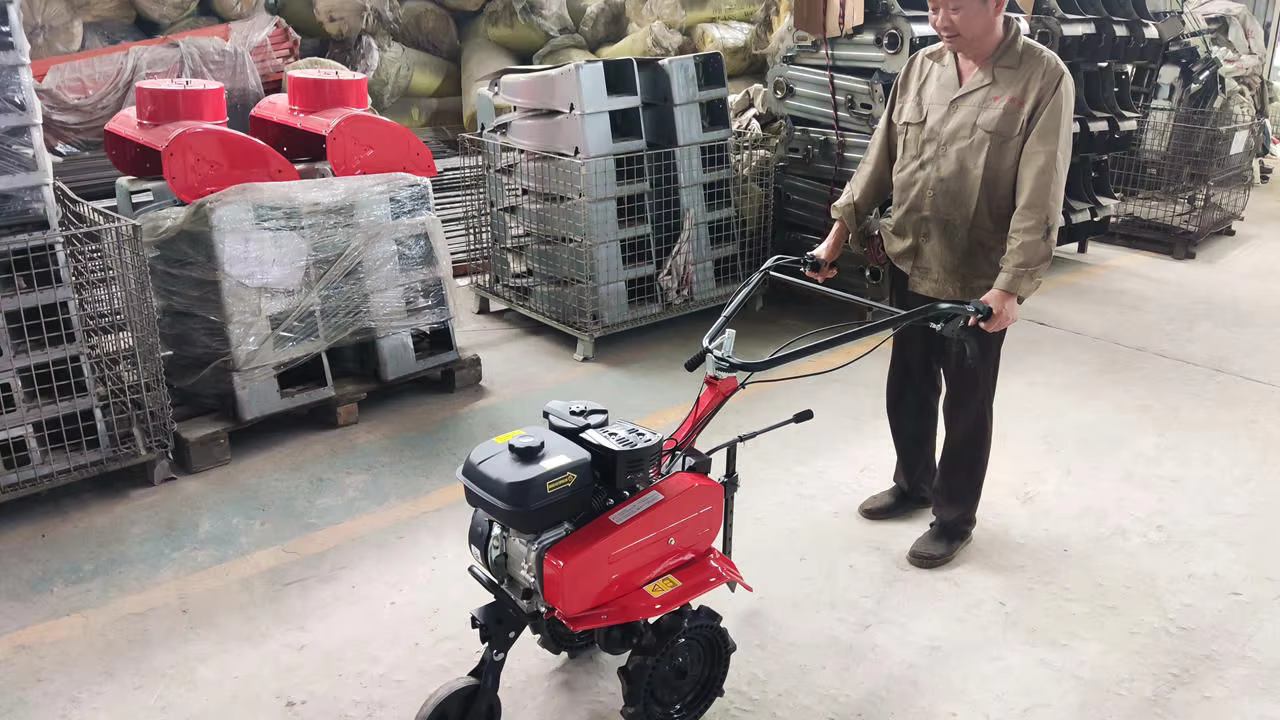
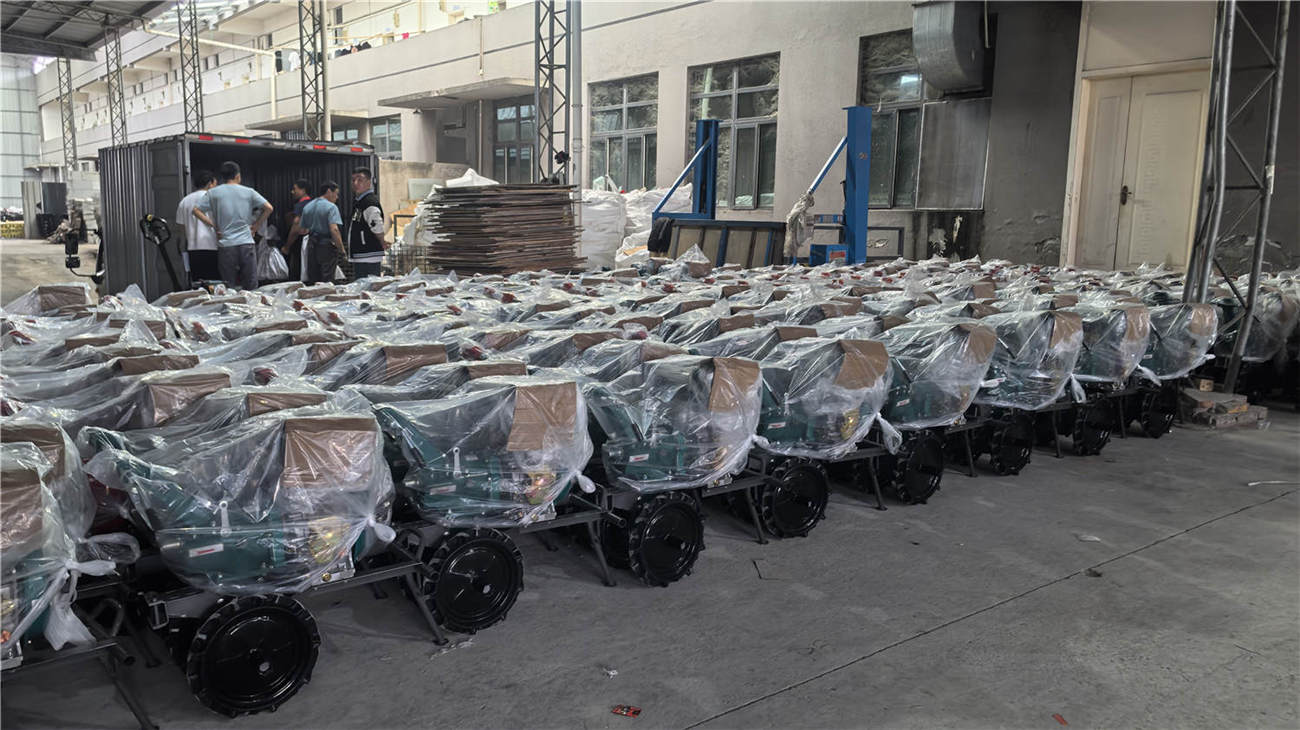
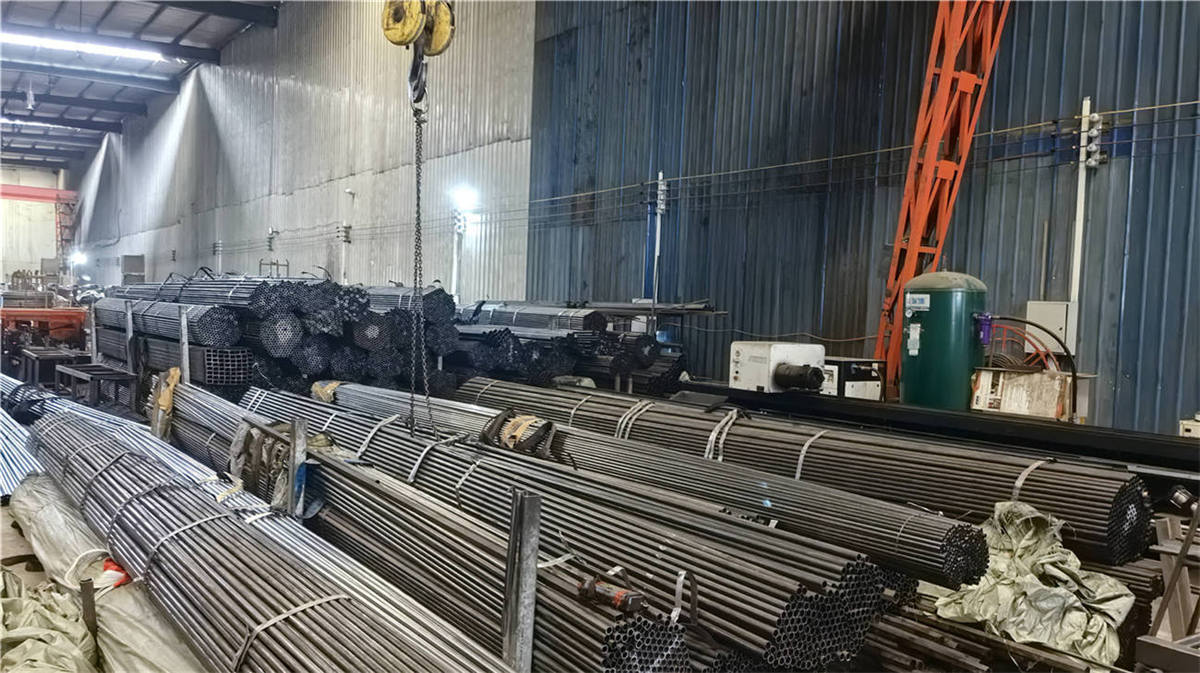
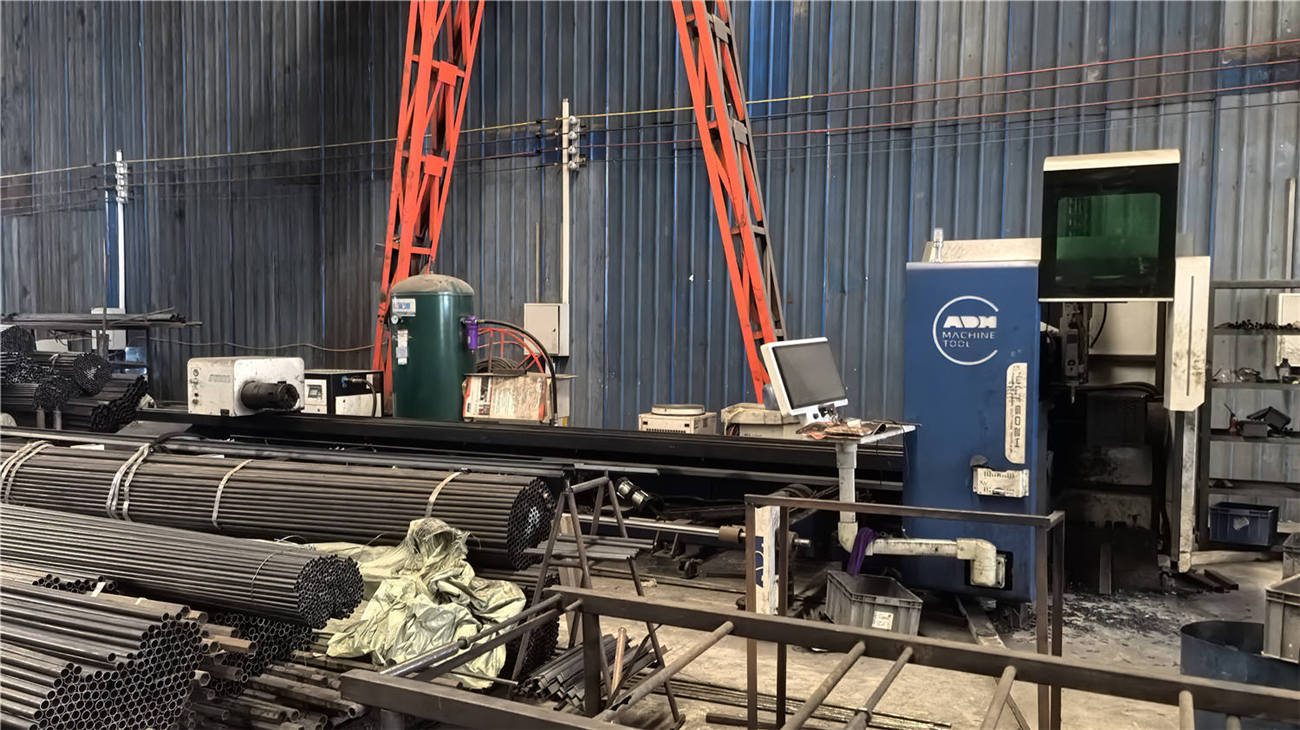
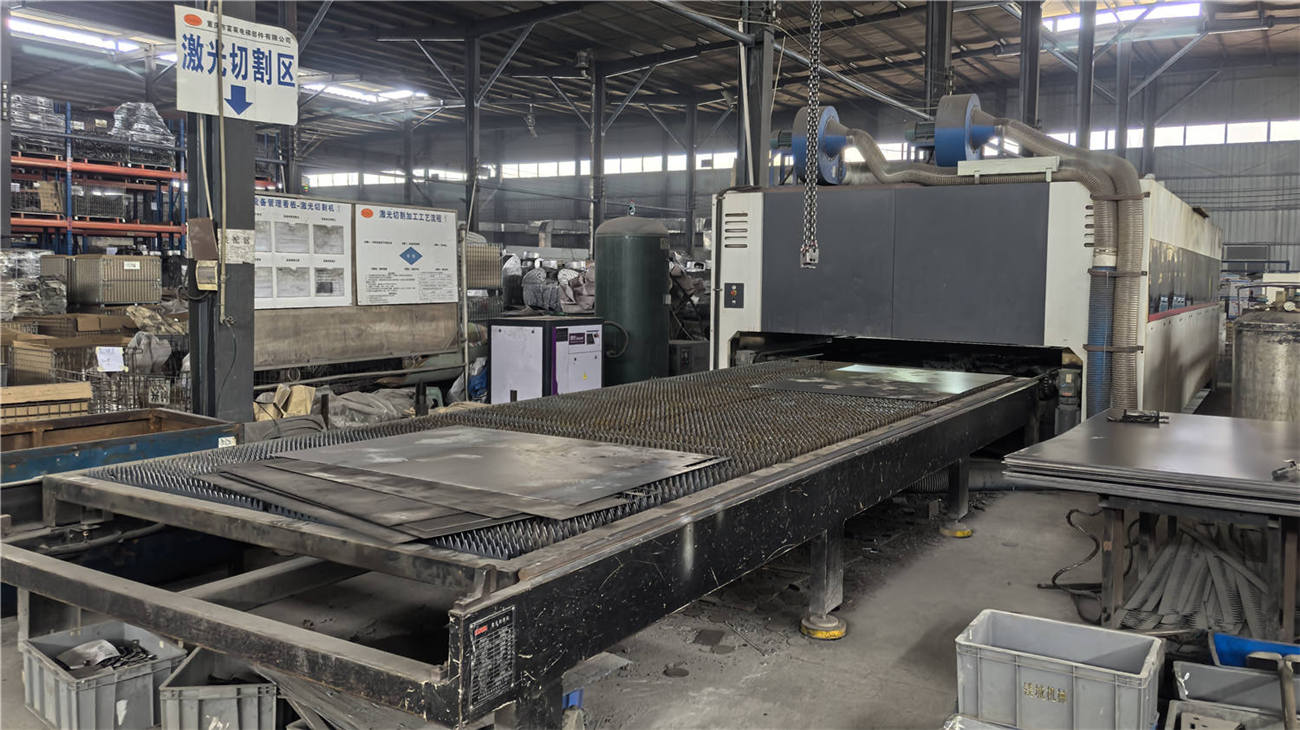
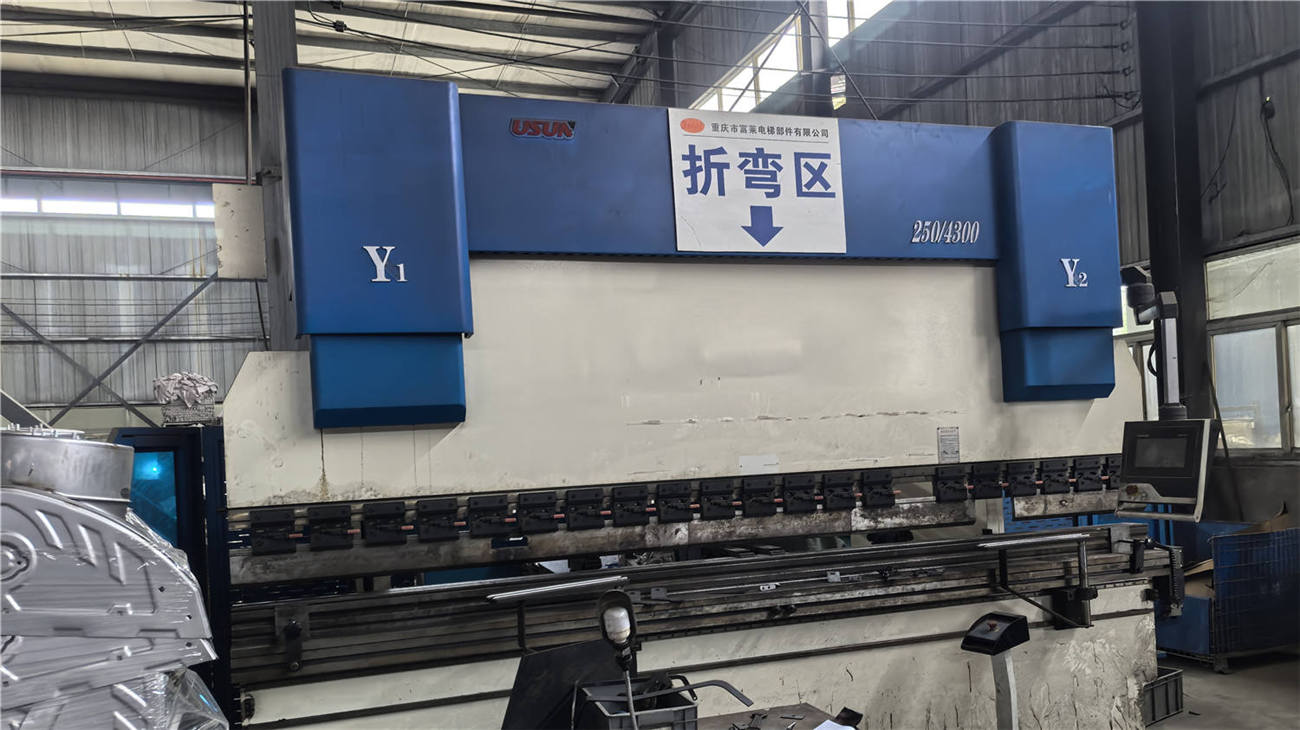
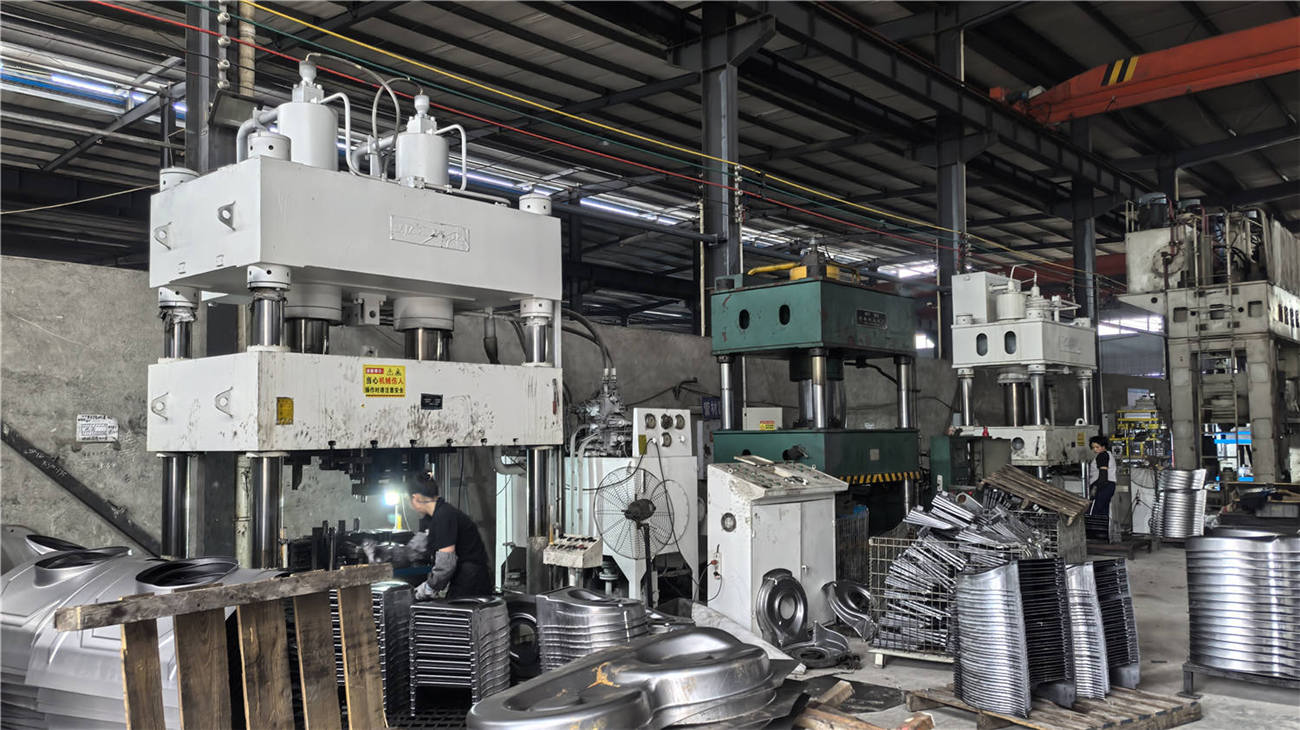
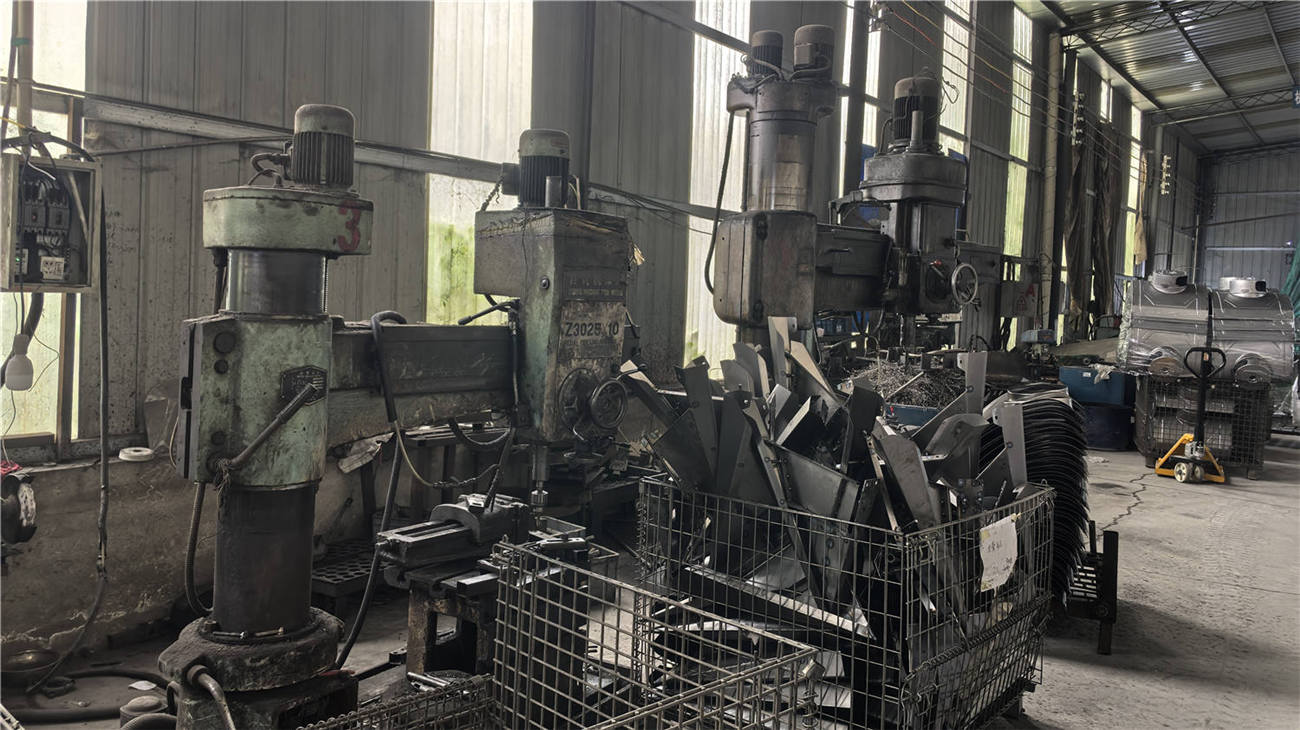
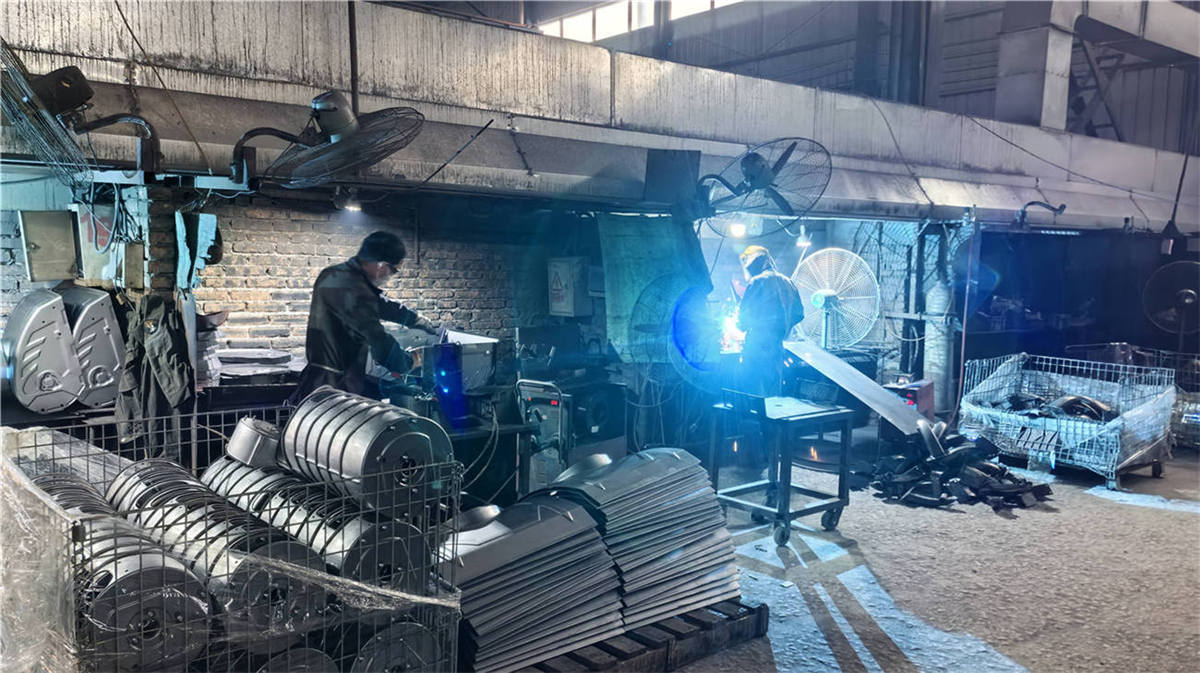
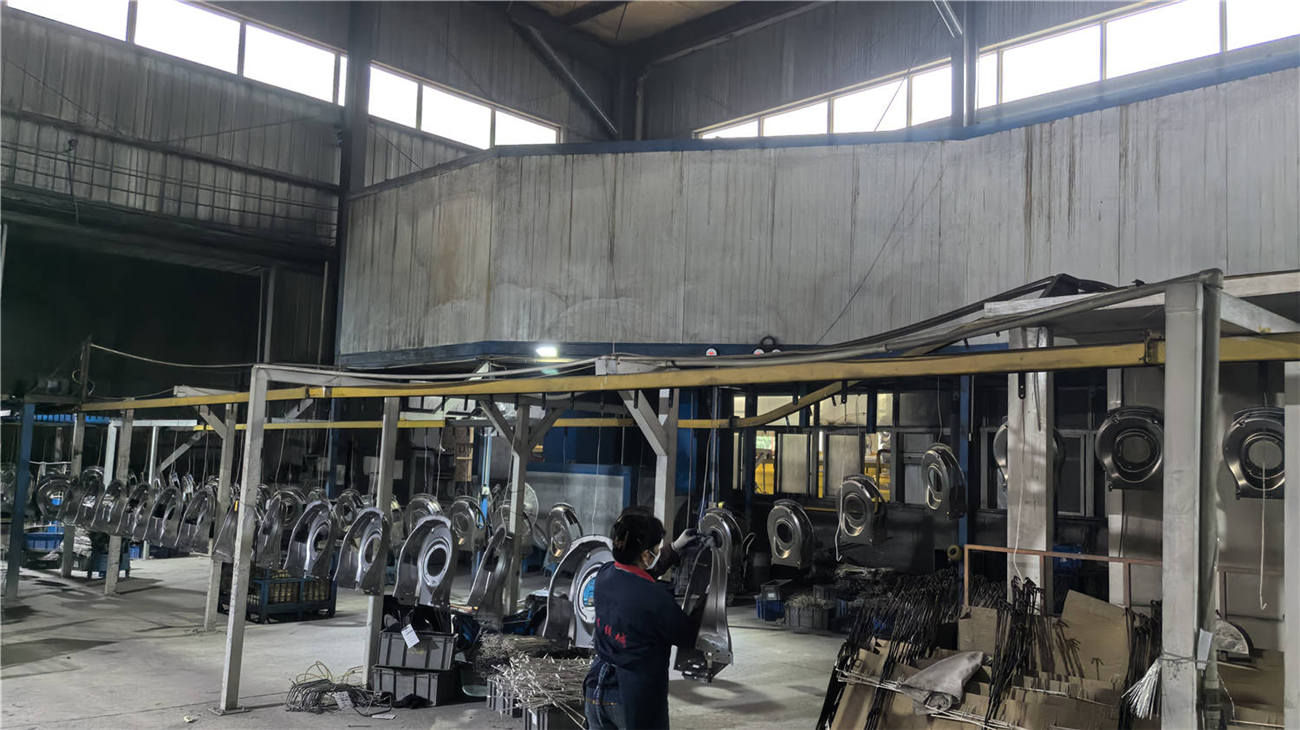
Weifang Gods Power Co., Ltd. is a specialized enterprise focused on the design, manufacturing, and international supply of high-performance generator sets. With a registered capital of 26 million yuan, the company operates advanced testing facilities, fully integrated product assembly lines, and precision machining workshops. Weifang Gods Power employs a team of over 200 professionals, including specialized engineers, and maintains a strict quality management system to ensure high product reliability and performance.
As a technology-focused manufacturer, Weifang Gods Power integrates product design, testing, production, and sales to deliver customized power solutions. Guided by its business values of "unity, diligence, pragmatism, and innovation," the company focuses on product quality, operational efficiency, and customer support. Each generator set undergoes complete load-testing before shipment to ensure stable performance for global projects.
When sourcing biogas generator sets for industrial municipal facilities or large-scale farming plants, technical teams evaluate several core operational parameters. Below is a reference template used to define project requirements during the RFQ process:
| Requirement Parameter | Target Operating Value | Engineering Purpose |
|---|---|---|
| Methane ($CH_4$) Concentration Range | 35% - 70% Vol. (Adaptive Mixing) | Maintains combustion stability and prevents engine knocking during gas quality shifts. |
| Inlet Gas Pressure | 2 kPa to 20 kPa (Boosted) | Ensures stable fuel delivery to the mixing valve without flame instability. |
| Maximum Permissible $H_2S$ (Post-Treatment) | < 20 ppm (Ideally < 10 ppm) | Protects cylinder liners, valves, and piston rings from chemical corrosion. |
| Exhaust Gas Heat Recovery | Co-axial Shell & Tube Heat Exchanger | Generates hot water or low-pressure steam, raising system efficiency to 90%+. |
| Generator Core Protection Class | IP23 Standard (IP54 Option for Enclosures) | Prevents water ingress under high-humidity and heavy rainfall conditions. |
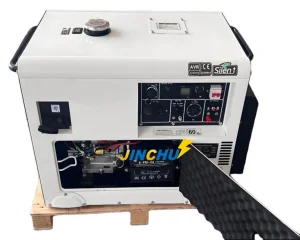
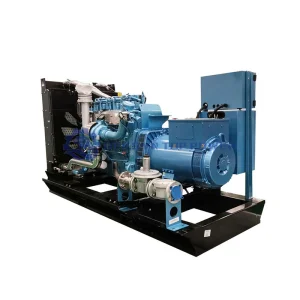
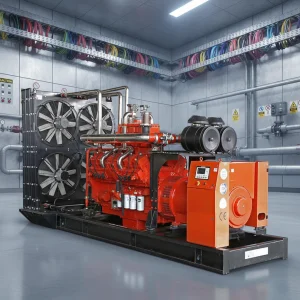
From portable biogas engines for agricultural use to containerized multi-megawatt systems for municipal waste plants. Click a system to view its technical specifications.
Technical insights on deploying, running, and maintaining biogas generator installations in demanding tropical and municipal locations.
High $H_2S$ concentrations can form sulfurous and sulfuric acids during combustion, which corrodes cylinders and bearings. To prevent this, biogas must undergo desulfurization before entering the engine, keeping $H_2S$ levels below 10-20 ppm. Our generators are engineered with nimonic exhaust valves, high-nickel alloy valve seats, and positive crankcase ventilation (PCV) systems to prevent acid formation in the crankcase oil, helping to maintain normal service intervals.
Our biogas engine units are designed to run on methane concentrations as low as 35% to 40% Vol. This is achieved using electronic air-fuel mixers and closed-loop control systems. These systems monitor engine load and cylinder combustion to automatically adjust the fuel-to-air ratio, compensating for fluctuations in biogas quality without engine knocking.
A standard gas generator converts gas solely into electrical energy, achieving about 35% to 40% efficiency. A CHP system uses heat exchangers to recover thermal energy from the engine exhaust and cooling jacket. This captured heat can be used for space heating, domestic hot water, or industrial steam, raising overall energy efficiency up to 90% or higher.
We supply complete documentation, commissioning kits, and electrical schematics for our systems. We also partner with local engineering firms to manage installation, grid synchronization, and ongoing maintenance. Additionally, we stock critical replacement parts—such as cylinder heads, pistons, sensors, and spark plugs—to ensure minimal downtime for global operators.
Yes, many of our systems support multi-fuel operation. With minor adjustments or automated fuel control modules, the generators can transition between biogas, natural gas, syngas, and LPG, allowing facilities to maintain power output when biogas supplies are low.
 Gods Power