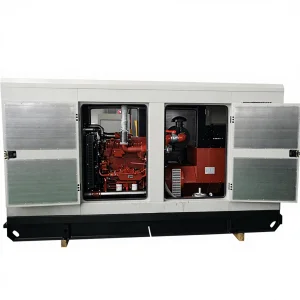
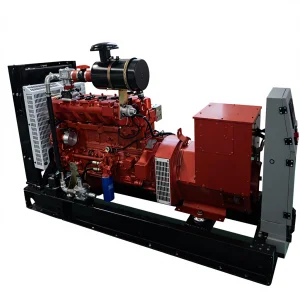
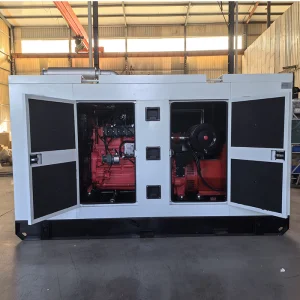
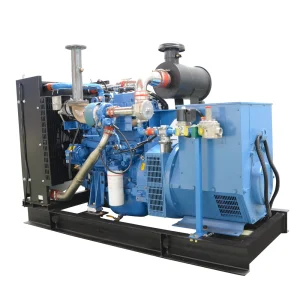
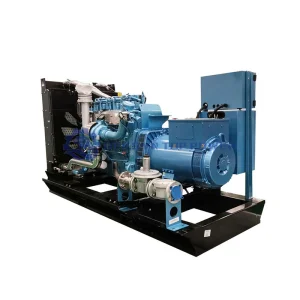
Biogas Generator Set Manufacturer & Exporters for Luxembourg

High-efficiency, Grid-compatible Anaerobic Digestion CHP Systems Engineered for Luxembourg's Industrial Decarbonization and Circular Agriculture Sector

Get Custom Engineering Quote
95%
Maximum Thermal Efficiency
26M
Registered Capital (RMB)
200+
Engineers & Technical Professionals
100%
EU Standards Compliant (CE/UKCA)
Industry Whitepaper & Technical Analysis

Biogas Power Generation in Luxembourg: Navigating the Energy Transition

1. Executive Summary: The Luxembourg Biogas Imperative

Luxembourg’s National Energy and Climate Plan (NECP) targets a significant increase in local renewable energy generation by 2030, with a focal point on bioenergy and circular agricultural systems. In the Grand Duchy of Luxembourg, where land availability is premium and environmental regulations are strictly governed by the Ministry of the Environment, Climate and Biodiversity, the utilization of anaerobic digestion (AD) systems is more than a strategy—it is a necessity.

Agricultural co-operatives in regions like Gutland and Oesling, together with municipal waste treatment utilities, are increasingly leveraging biogas generator sets to transition from linear waste disposal models to localized Combined Heat and Power (CHP) networks. Integrating custom-built biogas gensets enables operations to process agricultural manure, food waste, and wastewater sludge into dependable base-load electricity and high-temperature thermal energy, directly supporting the national grid operator, Creos Luxembourg S.A., with high-efficiency distributed power.

"For Luxembourg’s energy market, decentralized biogas generator sets solve the intermittency issues of solar and wind energy. Offering controllable, base-load power, our technology enables operators to generate continuous revenues under European feed-in-tariffs."

2. Global Commercial Landscape and Regional Dynamics

Globally, the biogas generator market is transitioning from sub-MW agricultural installations to highly integrated multi-MW industrial microgrids. As natural gas prices fluctuate and international carbon-tax frameworks penalize fossil fuels, corporations globally are securing energy sovereignty by investing in waste-to-energy assets.

In the context of the European Union's REPowerEU plan, the expansion of biogas and biomethane production targets is ambitious. For exporters servicing Luxembourg, this demands high-performance equipment that meets stringent emissions restrictions. Unlike standard diesel-fueled equipment, biogas generation requires advanced engine management systems capable of handling varying concentrations of methane (CH4), high hydrogen sulfide (H2S) contamination, and fluctuating carbon dioxide (CO2) ratios.

3. Technological Benchmarking: High-Efficiency CHP Systems

Modern cogeneration systems achieve efficiencies exceeding 90% by harvesting thermal energy from the engine exhaust, jacket cooling water, and lubrication oil circuits.

  • Gas Pretreatment Integration: Biogas contains moisture and aggressive H2S gases. Our generators interface seamlessly with desulfurization and drying skids, preventing internal corrosion.
  • Lean-Burn Combustion Technology: Utilizing electronic air-to-gas ratio controllers (e.g., Woodward or Motortech control systems), our engines operate at high excess air ratios to minimize NOx emissions below European target values.
  • Grid Synchronization and Power Quality: Advanced brushless alternators with digital Automatic Voltage Regulators (AVR) ensure zero harmonic feedback into the local grid, facilitating rapid utility grid connection approval.

4. Custom Localized Application Profiles in Luxembourg

Our export experience demonstrates that biogas generator installations in Luxembourg fall under three primary operational categories:

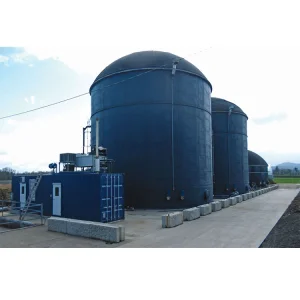
A. Agricultural Manure-to-Energy Cooperatives: Concentrated livestock farming in northern Luxembourg requires proactive nutrient management. Large-scale anaerobic digesters process cattle and pig manure, producing biogas to run 50kW to 200kW CHP units continuously. The generated heat is used to warm the digesters and farm facilities, while excess power is sold to the national grid.

B. Municipal Wastewater Treatment Plants (WWTPs): Municipal sewage sludge digestion processes produce high-grade biogas. By implementing 80kW to 200kW gas turbine and reciprocating engines, WWTPs in the Alzette and Sûre valleys achieve complete electrical self-sufficiency.

C. Industrial Food Processing Waste: Large food production and logistics hubs near Dudelange convert organic waste into high-pressure biogas, fueling high-capacity generator sets to offset peak-tariff industrial electrical costs.

Advanced Manufacturing & Efficiency Advantage

Weifang Gods Power Co., Ltd. combines cost-competitive Chinese industrial supply chains with global engineering standards to deliver reliable energy solutions.

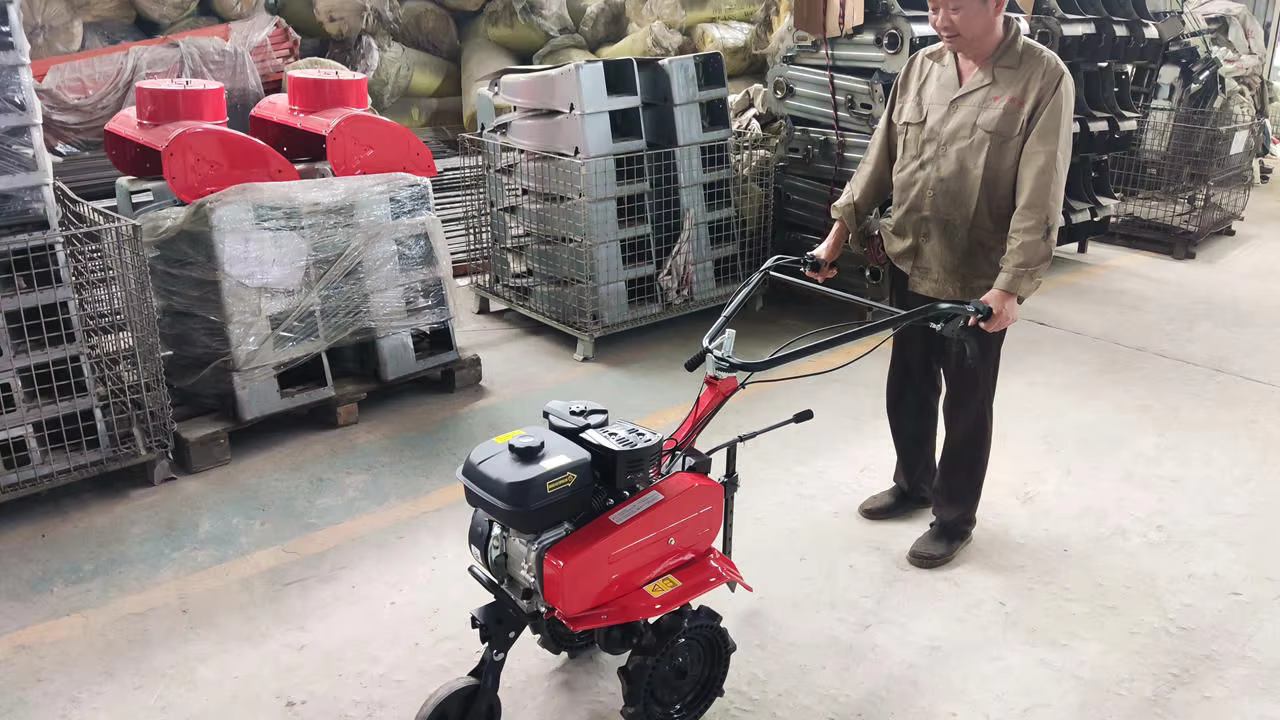
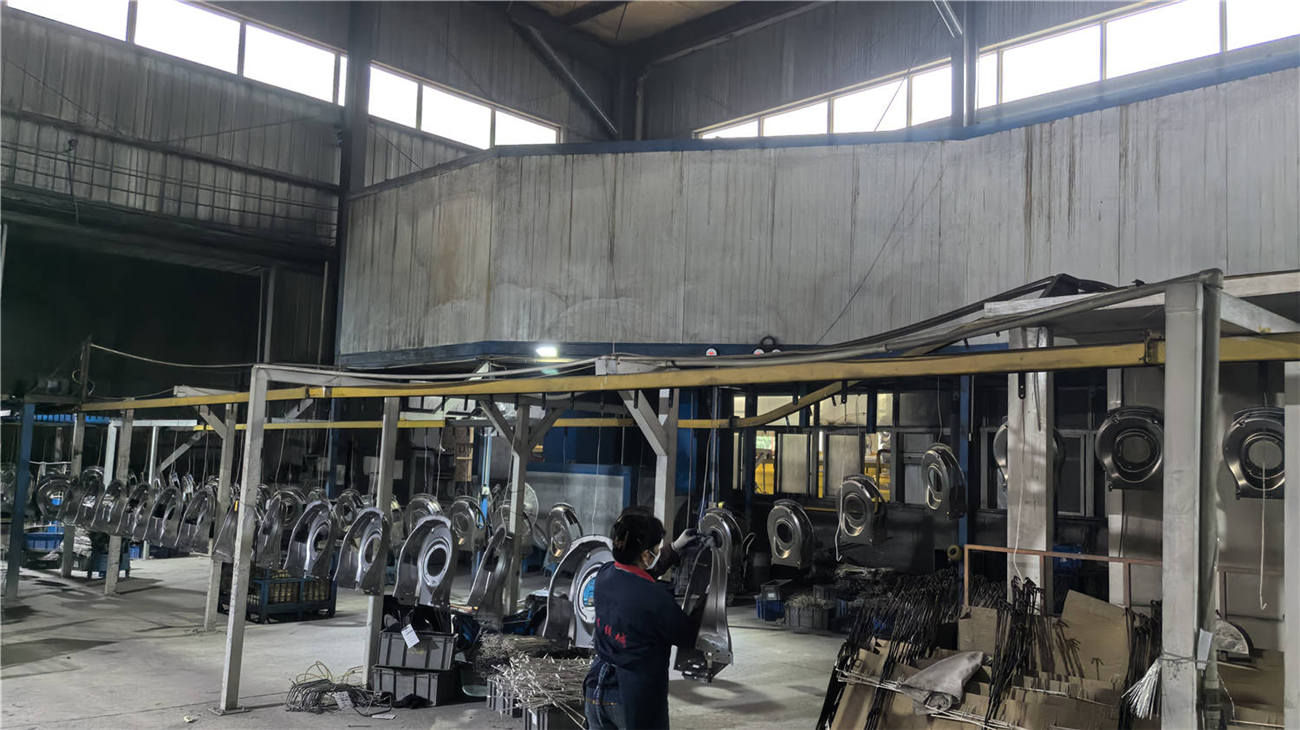
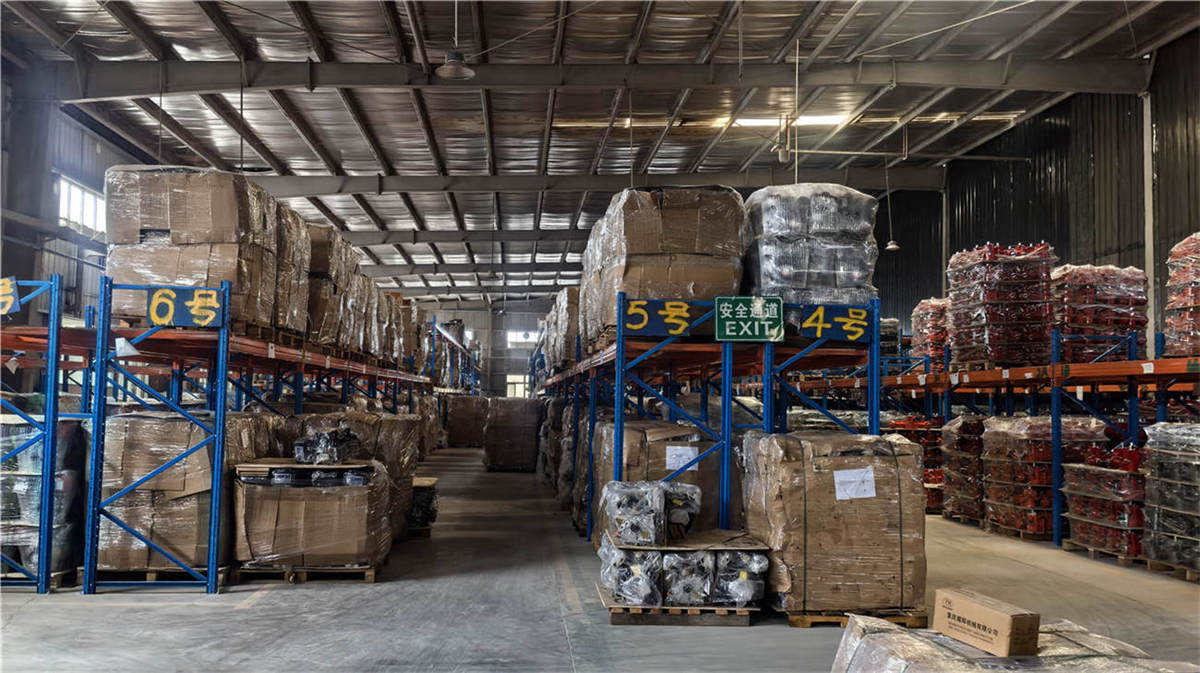
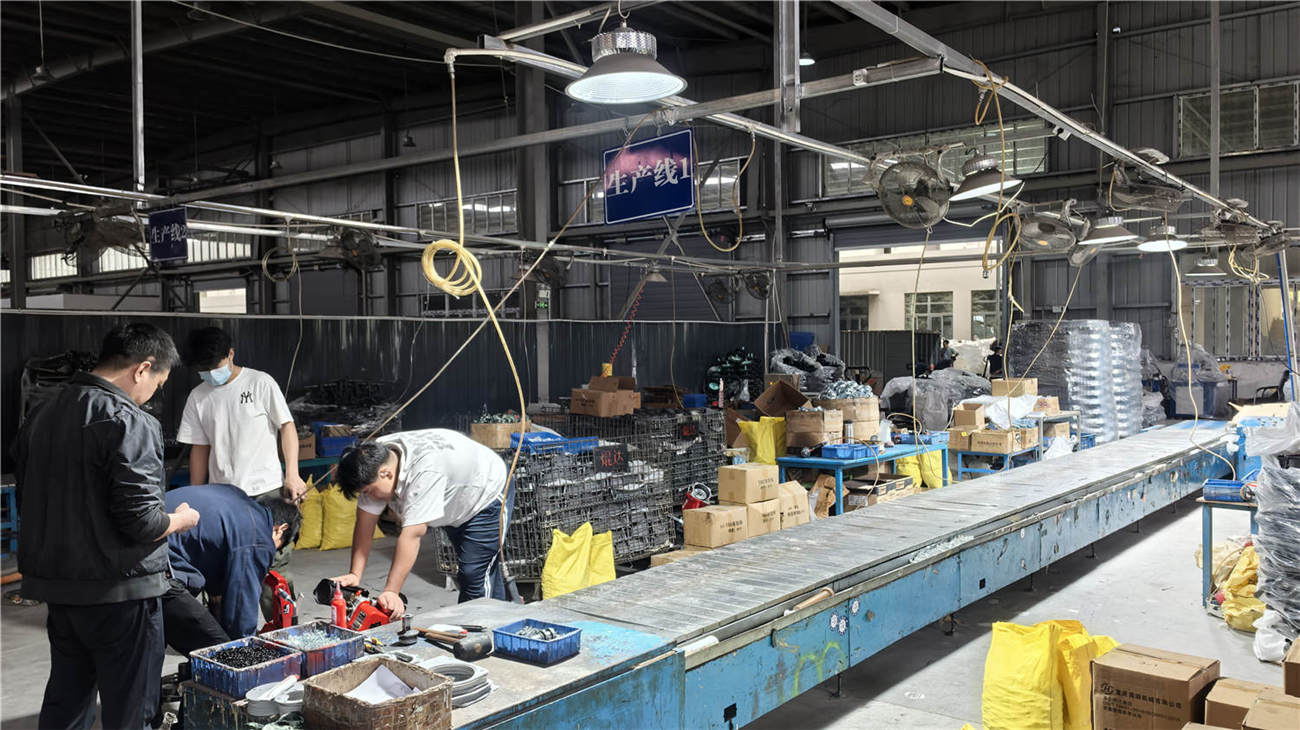
Weifang Gods Power Co., Ltd. is a leading enterprise specializing in the development, manufacturing, and sales of high-quality gas and diesel generator sets. With a registered capital of 26 million yuan, our factory is equipped with advanced testing facilities, complete product assembly lines, and sophisticated mechanical processing equipment. We employ over 200 skilled professionals, supported by a robust and mature quality management system, ensuring that every product meets the highest standards of reliability and performance.

As a technology-driven company, we are committed to continuous innovation and research, integrating product design, development, production, and sales. By leveraging China's optimized supply chain dynamics, we provide European clients with customized options, such as stainless steel heat exchangers, heavy-duty H2S gas filters, and silent enclosures that comply with the strictest European outdoor noise regulations (2000/14/EC).
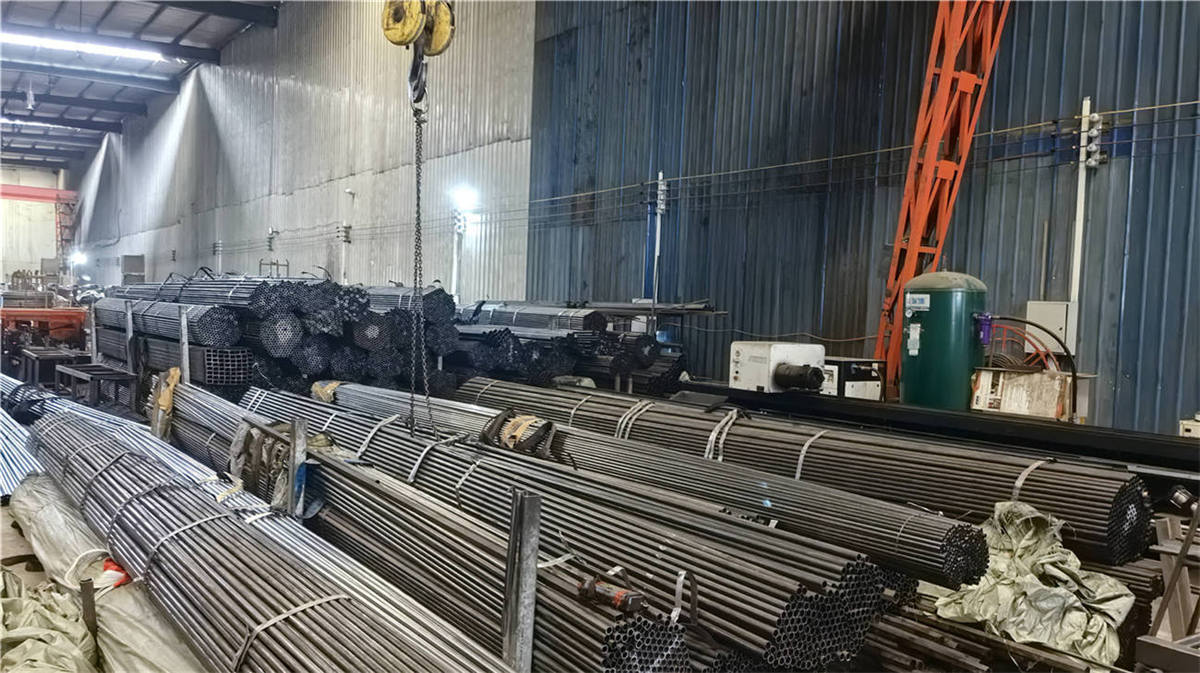
Raw Materials Inspection
Precision Engine Assembling
Precision Assembly
Load Testing and Function Verification
Functional Load Testing
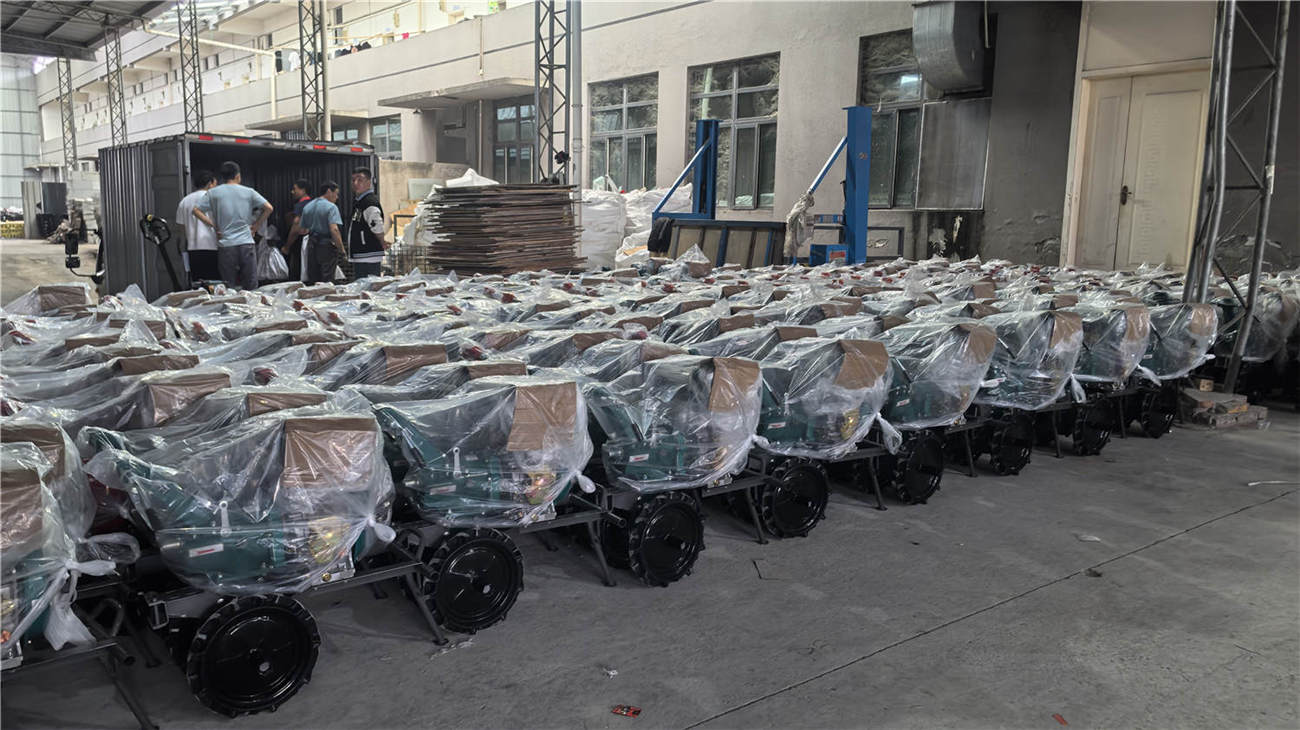
Finished Goods Storage
Component Sourcing QC
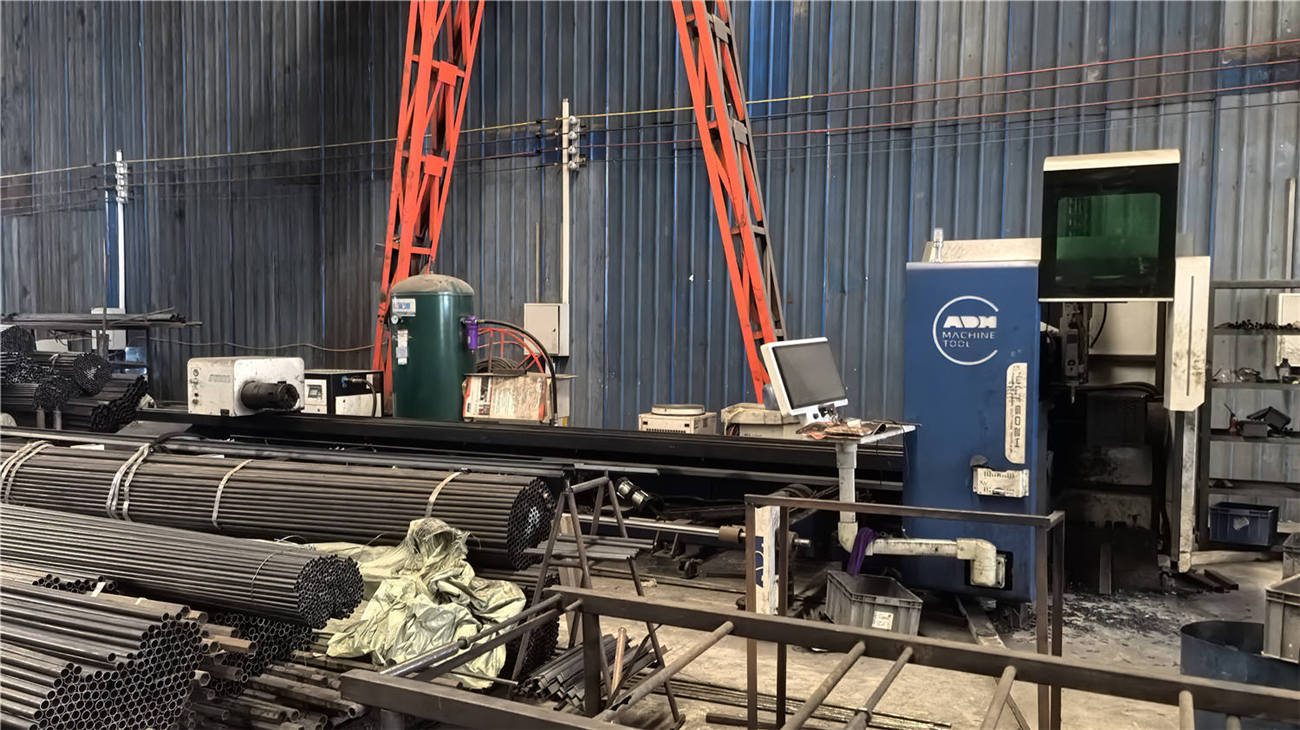
Tube Laser Cutting
CNC Tube Cutting
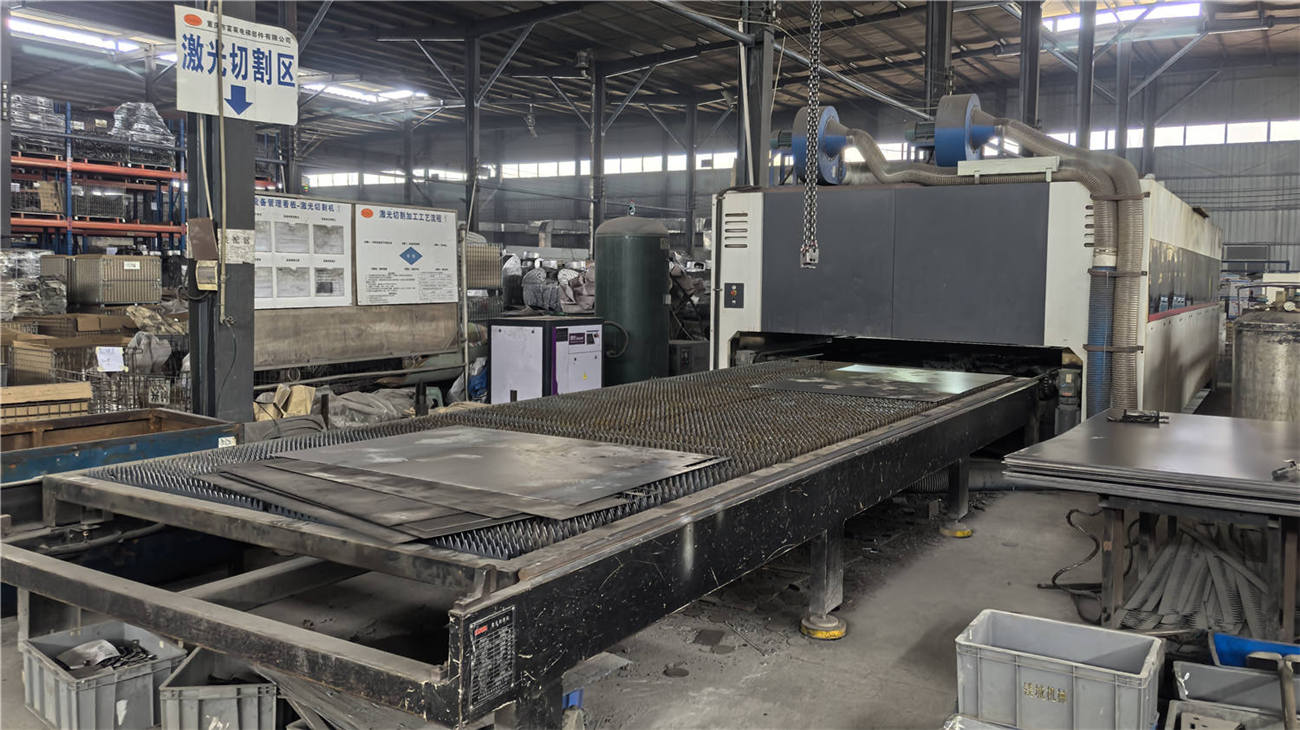
Steel Plate Laser Cutting
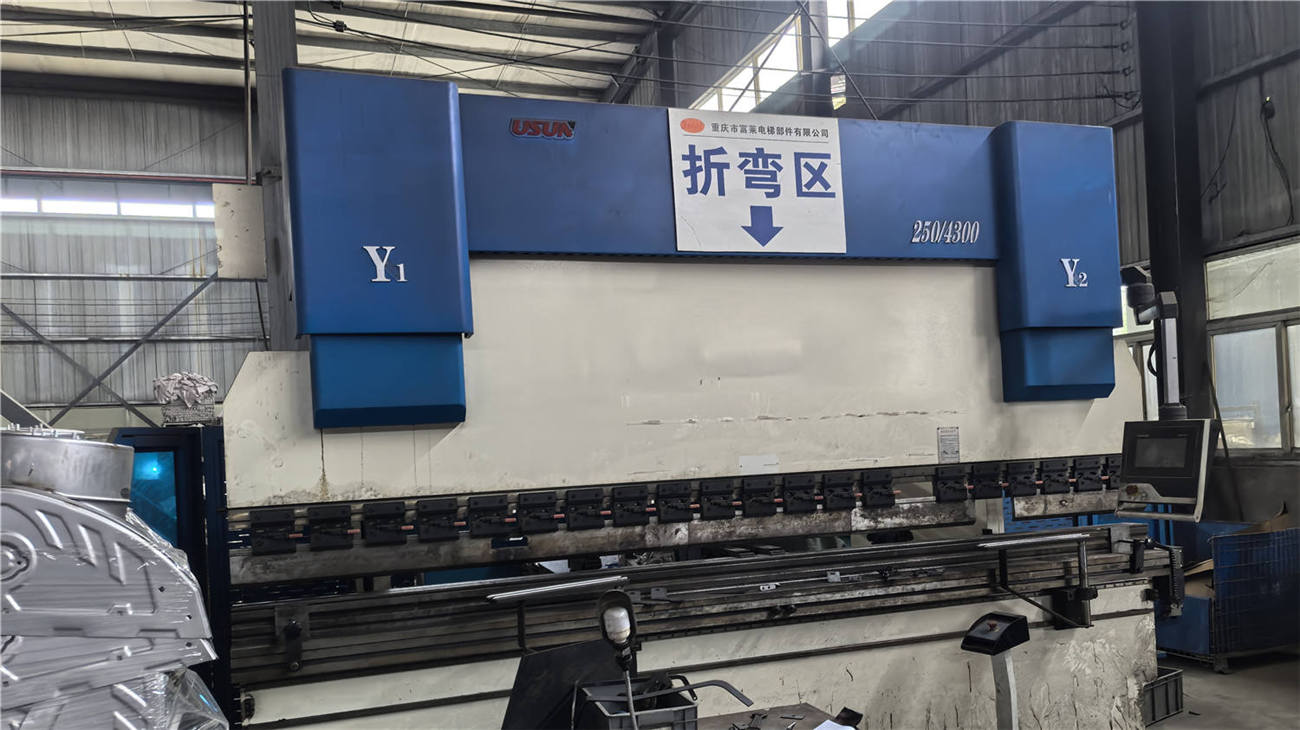
Heavy Metal Bending
Enclosure Sheet Bending
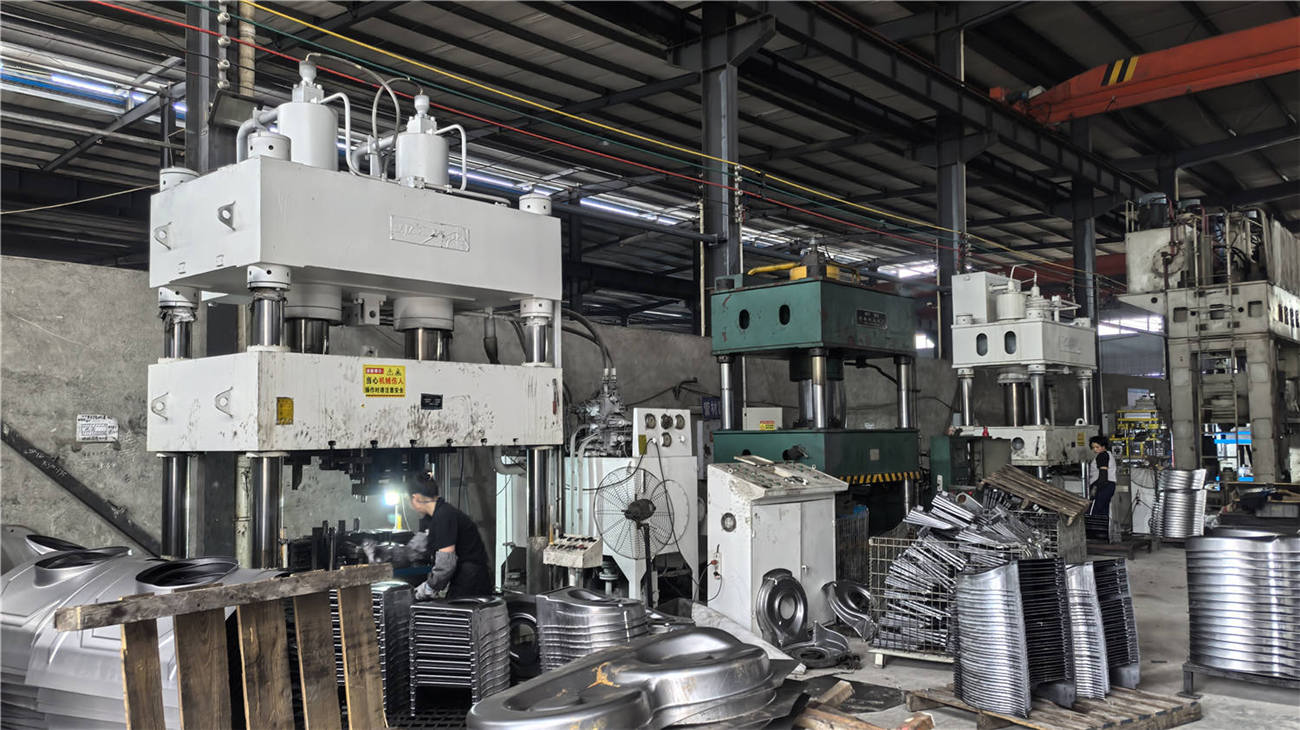
Hydraulic Canopy Punching
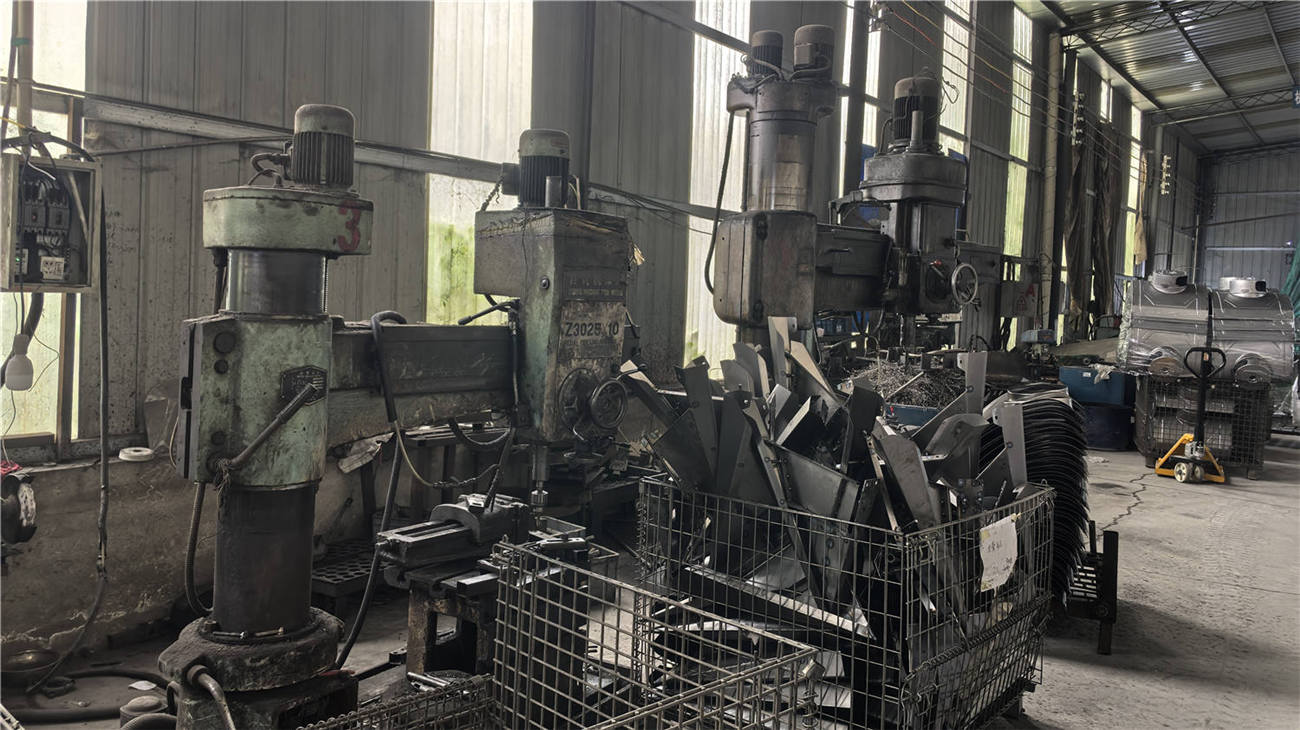
Precision Machining Center
Component Machining
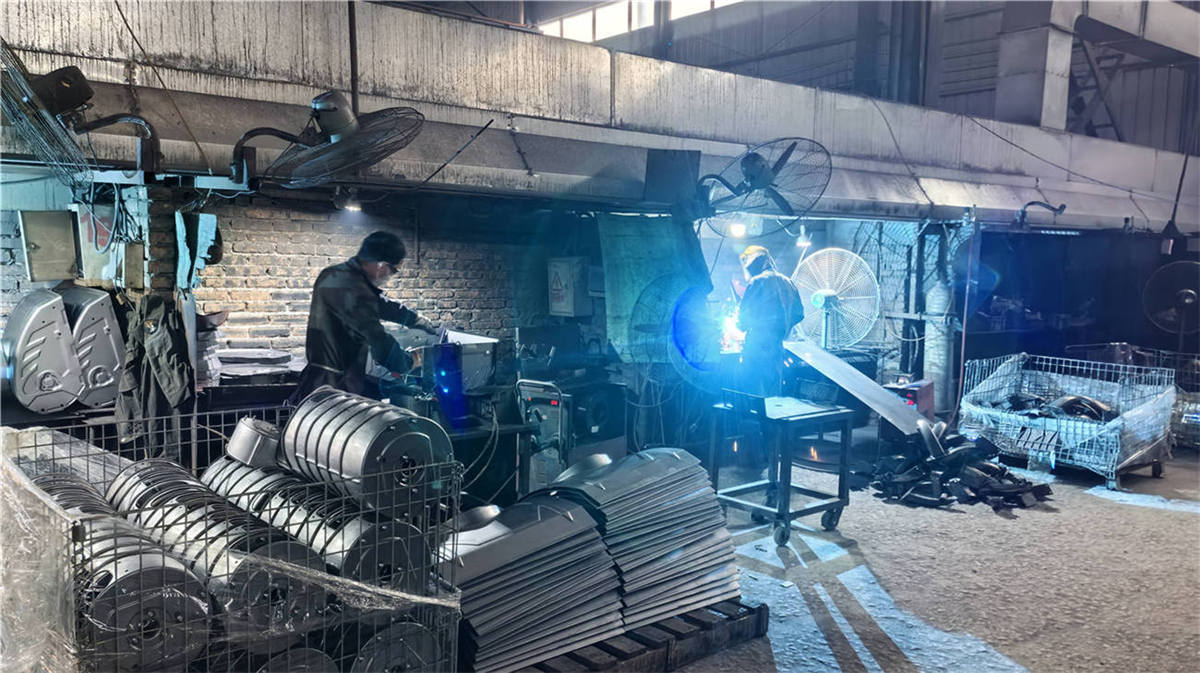
Structural Frame Welding
Anti-Corrosion Powder Coating
Powder Coating & Painting

Global Procurement & Engineering Services

Providing engineered power packages tailored to international project specifications and local regulatory compliance.

Selecting the Right Biogas Generator: Key Parameters for Engineers

When designing or procurement-sourcing a gas generator set for installation within Luxembourg or broader Europe, engineers must account for specific gas quality parameters and grid synchronization codes. The raw biogas generated from organic waste digestion requires proper pretreatment before combustion to prevent premature engine component degradation.

We supply customized systems engineered to match the biochemical composition of your biogas output, ensuring high availability and minimized operational costs:

  • Gas Quality and Pretreatment: A gas conditioning skid should maintain H2S levels below 200 ppm and reduce relative humidity below 80% using cooling heat exchangers. For sites with higher H2S levels, we offer specialized combustion chamber coatings and tailored lubricating oil formulations.
  • Combustion Technology: We offer both stoichiometric and lean-burn engine platforms. Stoichiometric engines are suitable for variable load applications, while lean-burn models maximize electrical efficiency and minimize NOx emissions in continuous base-load installations.
  • Heat Recovery Layout (CHP): The overall efficiency can exceed 90% when using plate heat exchangers for jacket water heat recovery and shell-and-tube heat exchangers for exhaust gas heat recovery. This supplies thermal energy for local district heating loops or digester temperature maintenance.

Luxembourg Engineered Biogas Solutions

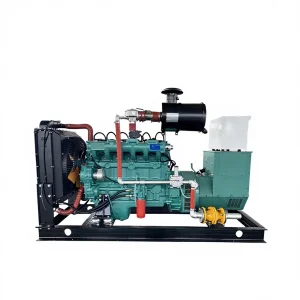
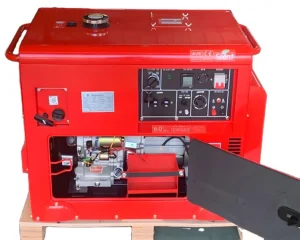
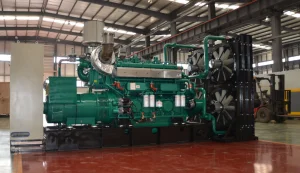
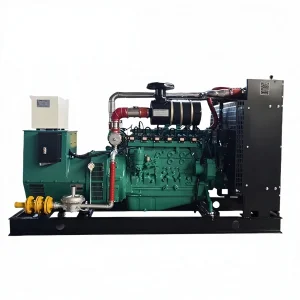
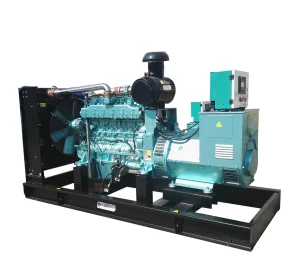
Explore our full line of water-cooled, CE/ROHS certified biogas and multi-fuel generator configurations, ranging from light agricultural systems to high-output industrial CHP packages.
Frequently Asked Questions & Technical Insights

In-depth explanations regarding grid synchronization, fuel gas pretreatment, and system maintenance for project managers and engineers in Luxembourg.

Q1: Can Weifang Gods Power generator sets sync directly with the Creos grid in Luxembourg?
Yes. Our generator sets are designed for seamless integration with European grid systems. They can be equipped with advanced synchronization controllers, such as the Deep Sea Electronics (DSE) or ComAp controllers, which manage automatic synchronizing, load sharing, and protection. The electrical output meets local utility regulations, including voltage stability and frequency tolerances, ensuring straightforward grid connection approval.
Q2: What level of H2S gas filtration is required for these generator engines?
To protect combustion chambers, spark plugs, and lubricating oil, we recommend a desulfurization pretreatment skid that reduces hydrogen sulfide (H2S) concentrations to under 200 ppm (preferably <50 ppm). Operating above this threshold requires more frequent oil analysis and change intervals to counter the formation of acidic compounds during combustion.
Q3: How is waste heat recovery managed in a CHP (Combined Heat and Power) setup?
Our CHP systems utilize a two-stage heat exchanger design. First, a plate heat exchanger recovers energy from the engine’s jacket water circuit (capturing temperature levels of 80–90°C). Second, an exhaust gas heat exchanger recovers heat from the high-temperature flue gases, bringing total thermal efficiency up to 95%. This thermal output is ideal for maintaining anaerobic digester temperatures or feeding district heating loops.
Q4: Are the generator enclosures compliant with European sound-damping regulations?
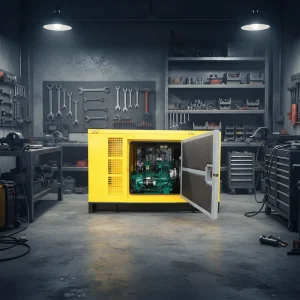
Yes. For installations in proximity to residential areas or agricultural centers in Luxembourg, we offer acoustic-attenuated enclosures. These utilize multi-layer sound insulation panels and high-performance silencers to lower sound pressure levels to 70-75 dB(A) at 7 meters, complying with European environmental noise directives.
Q5: What is the typical maintenance schedule for a biogas generator operating continuously?
Continuous base-load generators require routine maintenance to ensure long-term performance. Engine oil and oil filter changes are typically scheduled every 250 to 500 operating hours, depending on biogas purity. Spark plug maintenance and valve adjustments are performed every 1,000 to 2,000 hours, while major top-end overhauls are scheduled around 15,000 to 20,000 running hours.
Q6: Do Weifang Gods Power generator sets support dual-fuel configurations?
Yes. We design and manufacture dual-fuel and multi-gas generator configurations capable of utilizing combinations of biogas, natural gas, LPG, or syngas. This provides operational flexibility, allowing facilities to maintain continuous power output even during periods of seasonal biogas yield fluctuations.