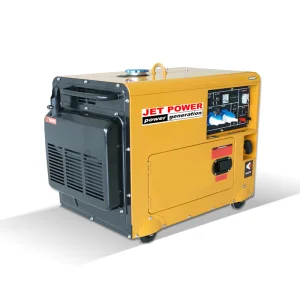
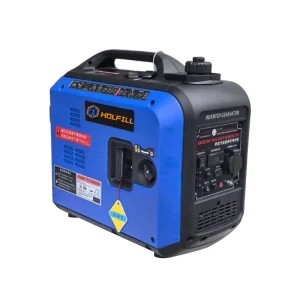
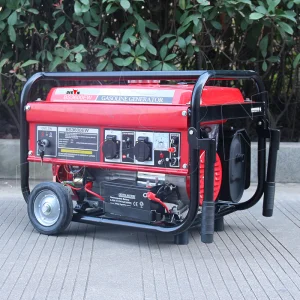
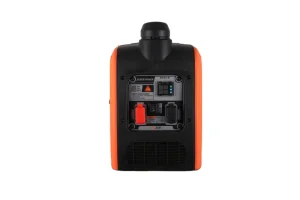
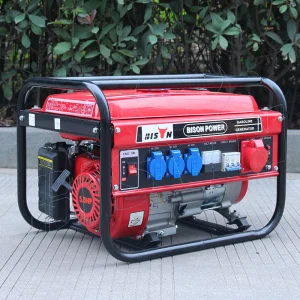
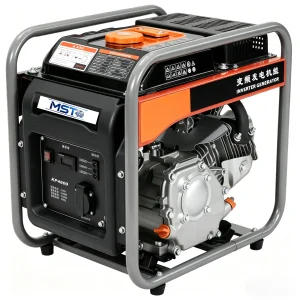
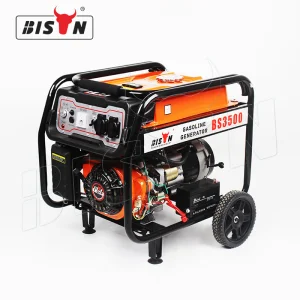
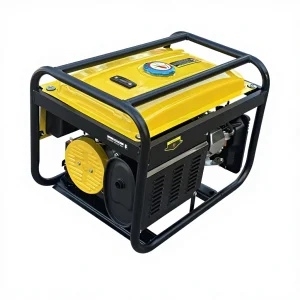
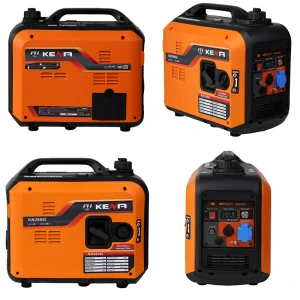
Engineered to conform with European emission limits and high power-quality requirements of modern metropolitan applications.
An authoritative analysis of regulatory demands, structural shifts, and the critical role of clean-run inverter engines in Milan's modern landscape.
Lombardy is the industrial engine of Italy, responsible for over 20% of the country's GDP. At its center, Milan demands robust energy systems to back its design ateliers, pharmaceutical labs, telecommunications nodes, and intensive historical restoration projects. However, operating auxiliary power within this dense metropolis presents challenges. The regional air quality plan, Piano Regionale degli Interventi sulla Qualità dell'Aria (PRIA), and municipal acoustic zoning laws enforce strict compliance protocols. Traditional open-frame diesel generators are increasingly restricted due to high carbon monoxide, PM10 particulate levels, and noise pollution.
In response, modern enterprises are shifting toward inverter gasoline generator sets. By utilizing digital inverter microprocessors to convert raw multi-phase AC into DC, and then converting it back to 230V/50Hz pure sine wave AC, these generators produce Total Harmonic Distortion (THD) of less than 2.0%. This clean waveform is necessary for sensitive electronics, such as telecommunication arrays, laboratory equipment, and complex event lighting, which can malfunction or overheat on the modified sine waves produced by standard backup units.
“As power demands align with stricter local environmental standards in Northern Italy, the integration of high-density permanent magnet alternators and variable-speed engine controls has moved from an premium option to a core regulatory necessity.”
Unlike traditional synchronous generators running at a fixed 3000 RPM to maintain 50Hz, inverter generator sets decouple engine speed from electrical output frequency. The engine throttle adjusts dynamically through an Electronic Governor (ECU) in response to the load. Under low load demands, such as charging batteries or running basic LED illumination at a Milan design exhibition, the engine slows down. This reduces noise levels, cuts fuel consumption by up to 40%, and extends the system's operational lifespan.
To understand the necessity of this technology, we examine its application across several key areas:
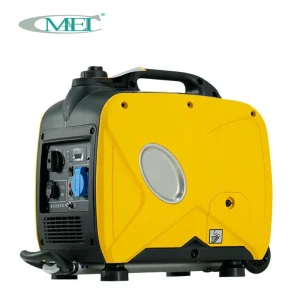
Historic Restoration Projects (The Navigli & Duomo Districts): Structural restoration of historic masonry requires tools that operate with minimal vibration and noise. Our portable, compact gasoline inverter units provide power directly on scaffolding without disrupting nearby residential apartments or commercial boutiques.
Mobile Commercial Services & High-End Events: Events like Milan Fashion Week and municipal design pop-ups require quiet, dependable power. Our silent inverter units deliver clean electricity to sound equipment, digital cameras, and sensitive control desks without introducing hum or interference.
Residential Backup in Northern Italy: Homeowners are integrating portable dual-fuel inverter generators with their domestic solar panels. This creates a reliable backup system during winter grid disruptions, ensuring heating controllers, security networks, and smart home systems remain active.
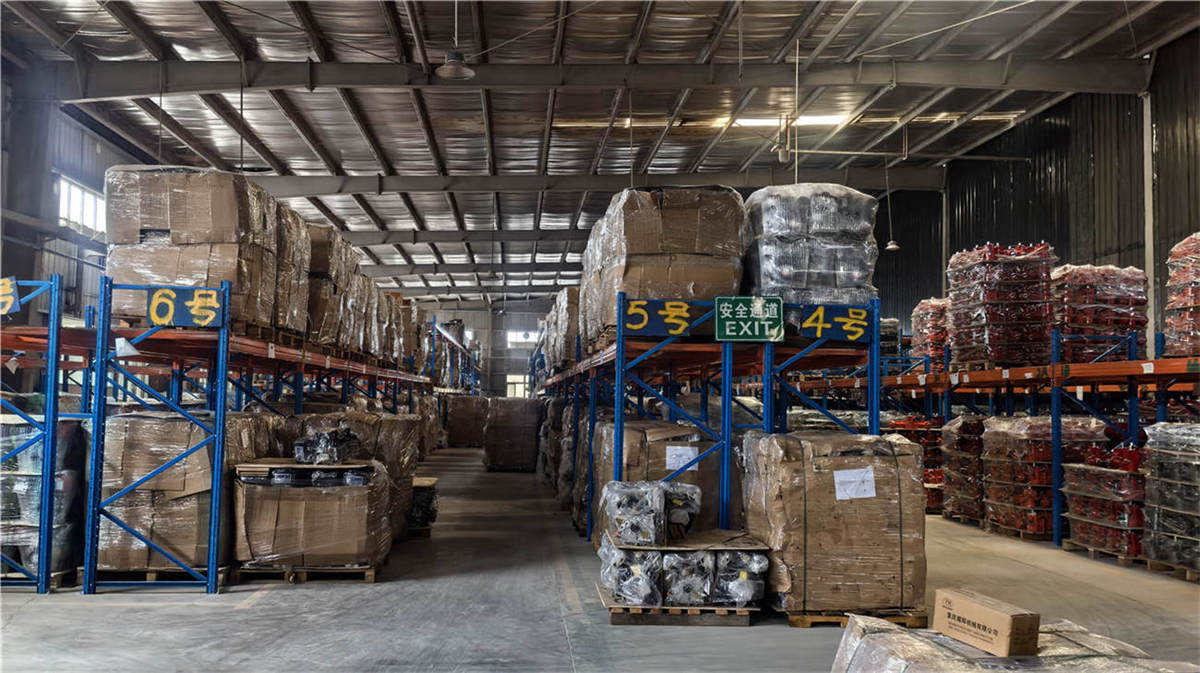
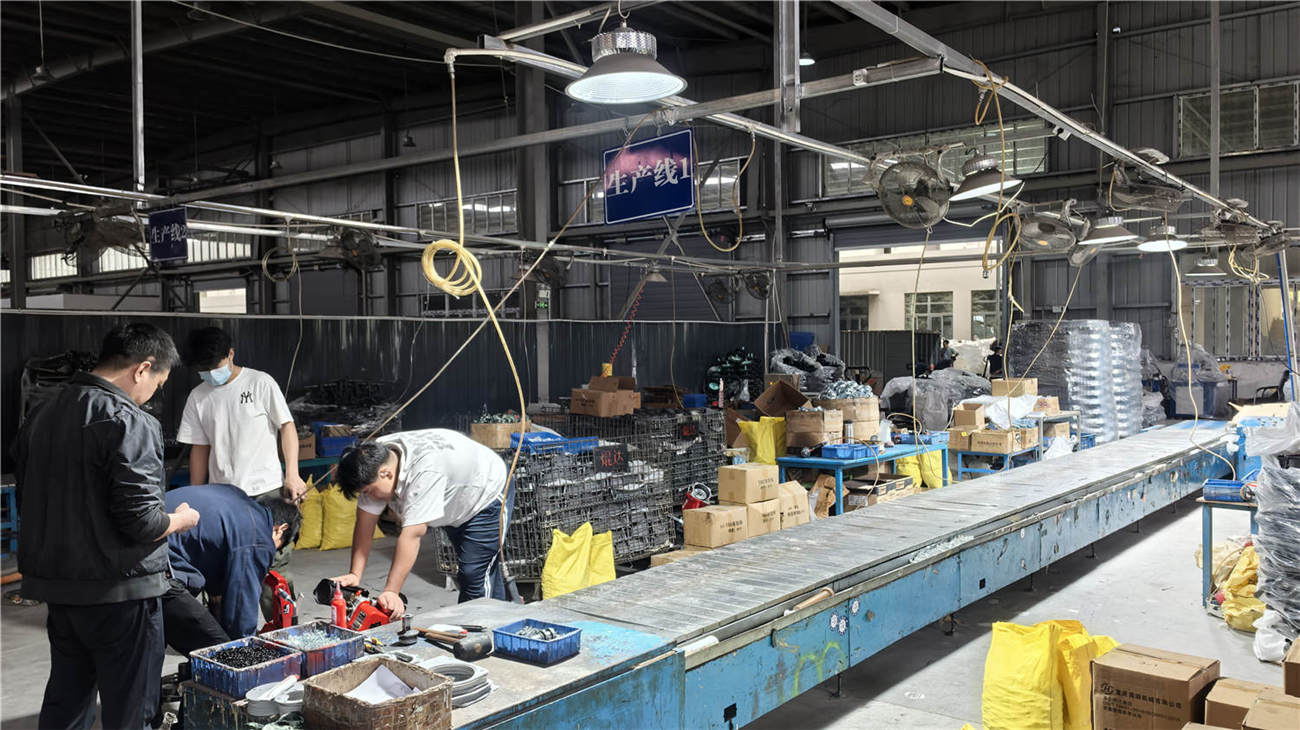
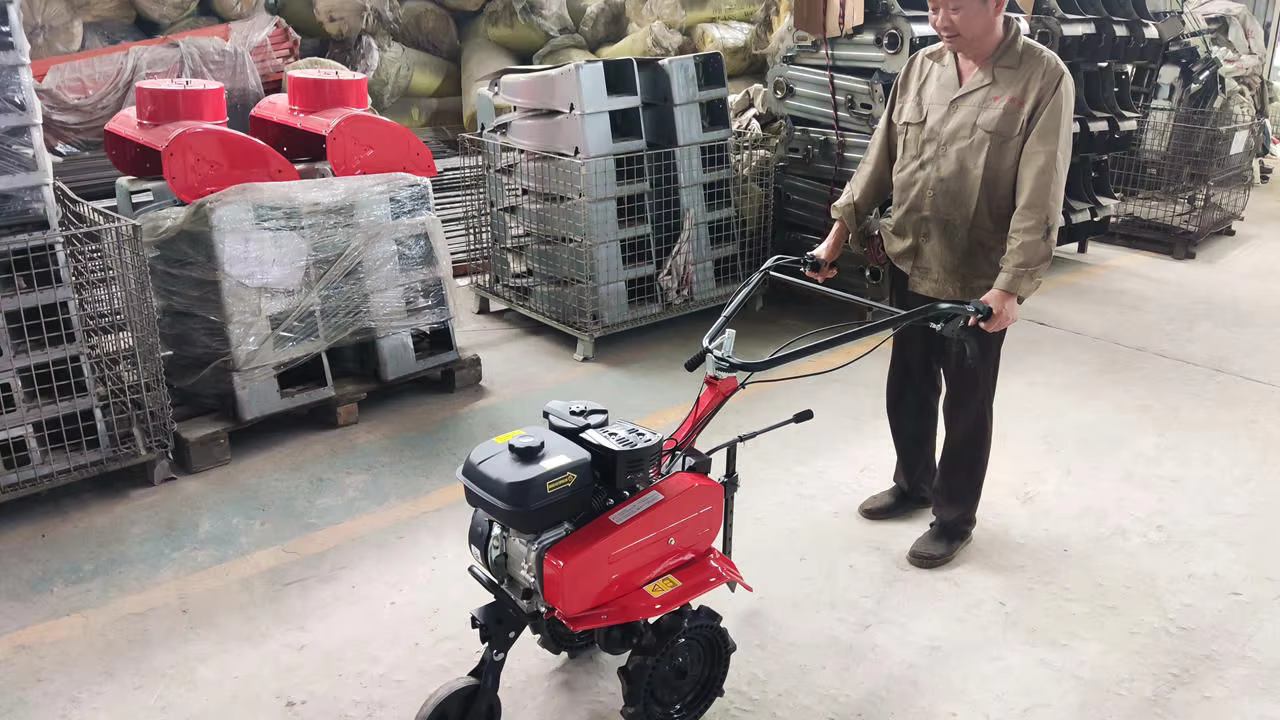
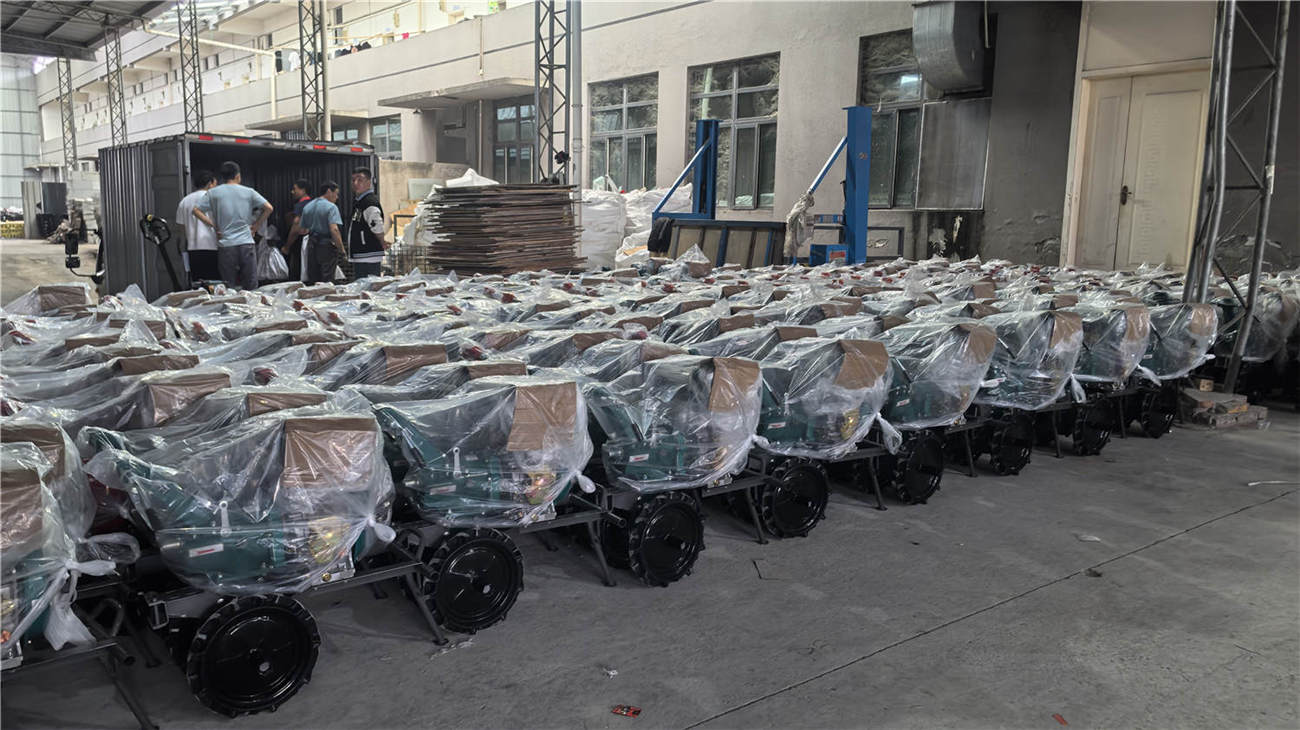
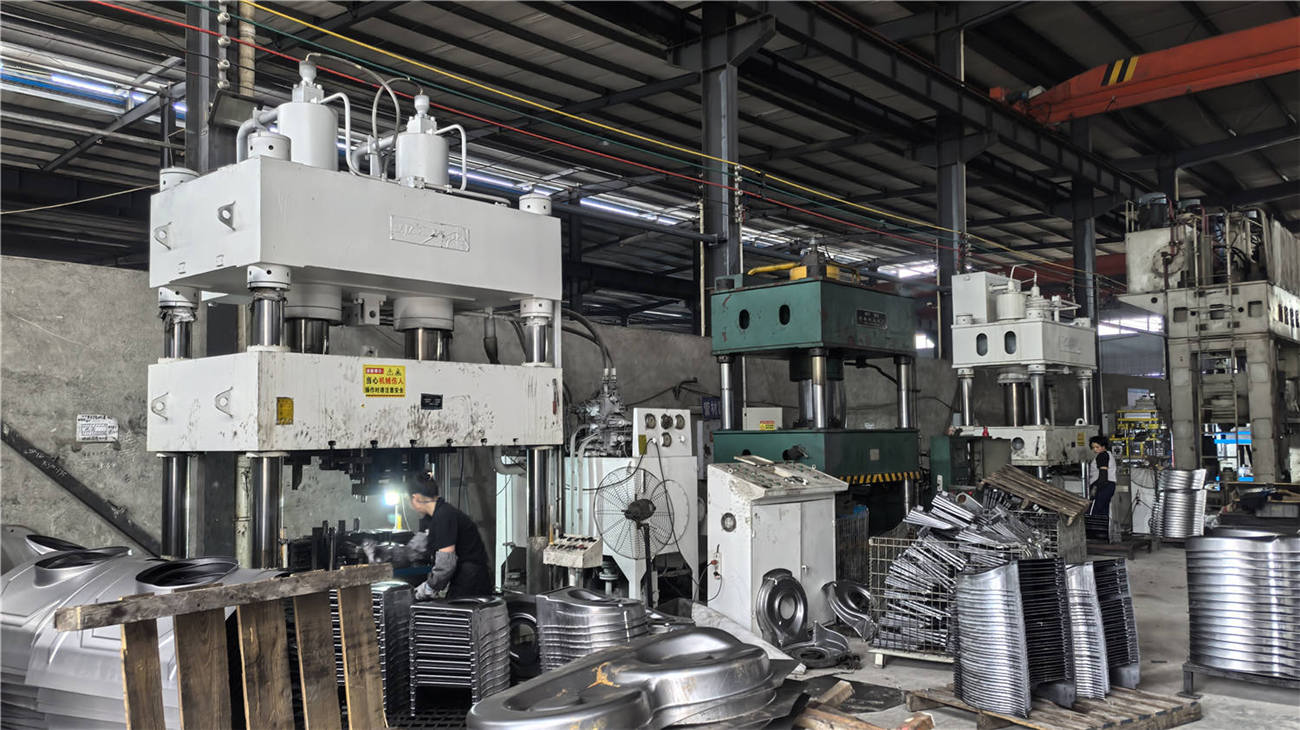
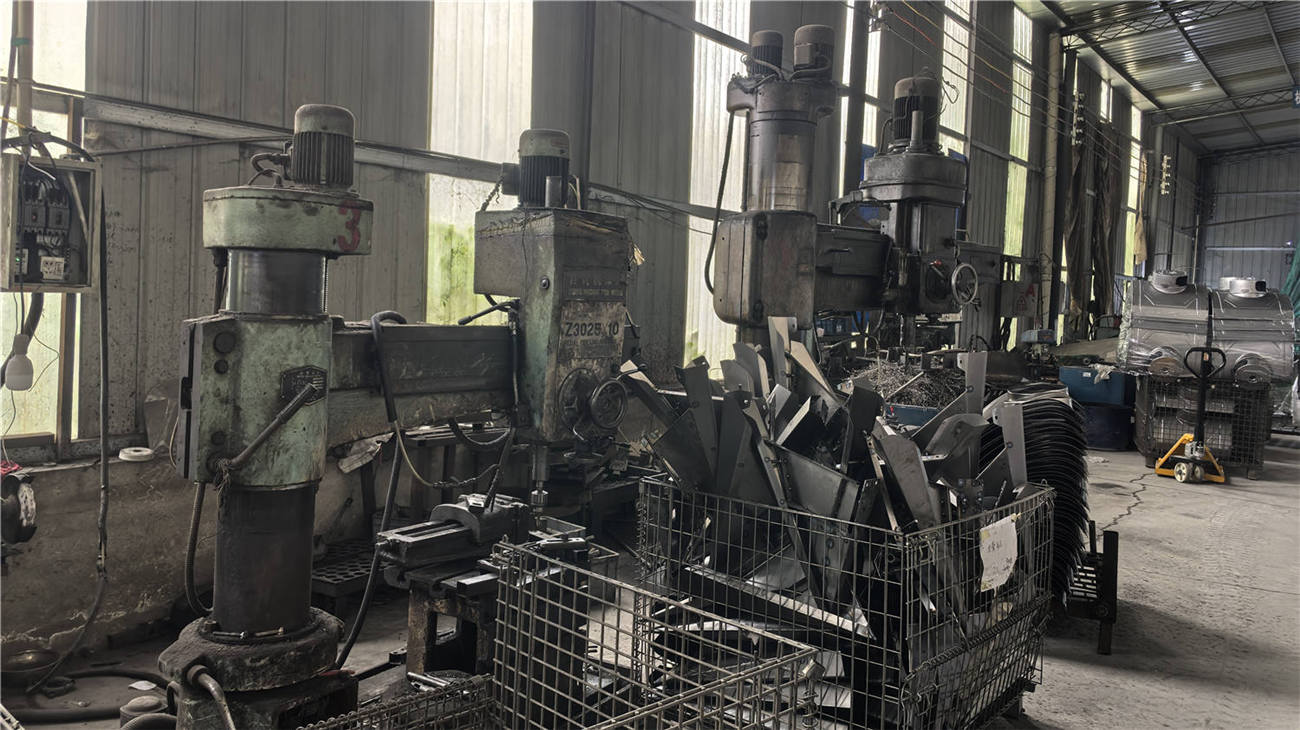
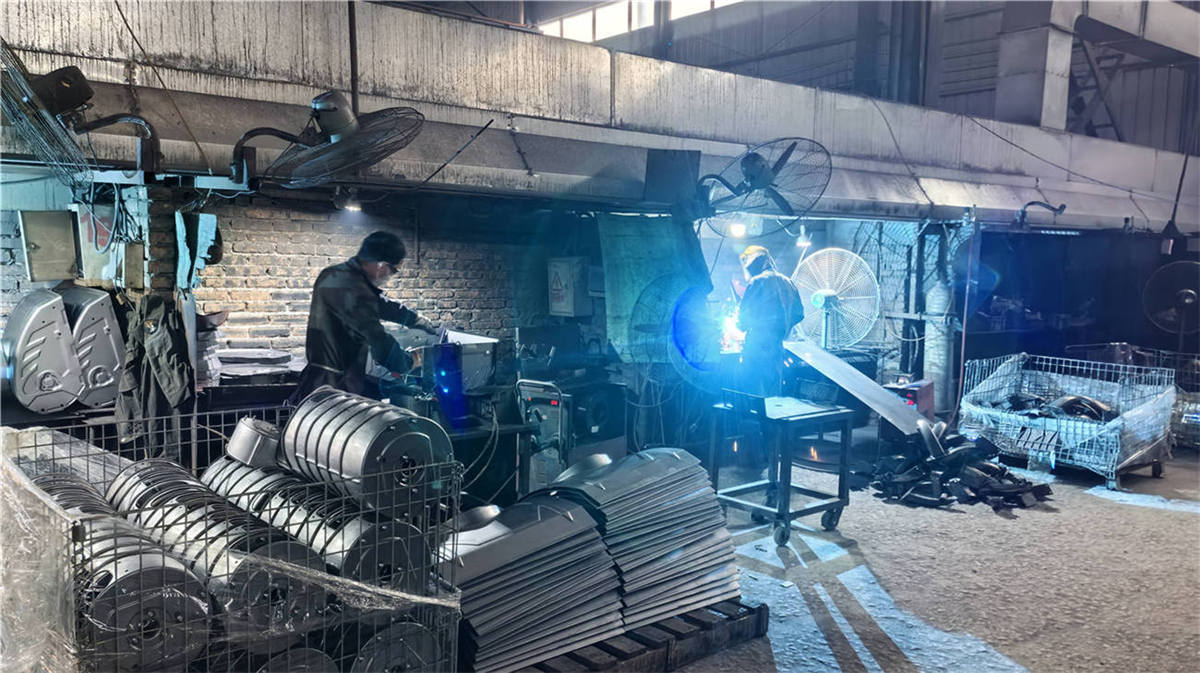
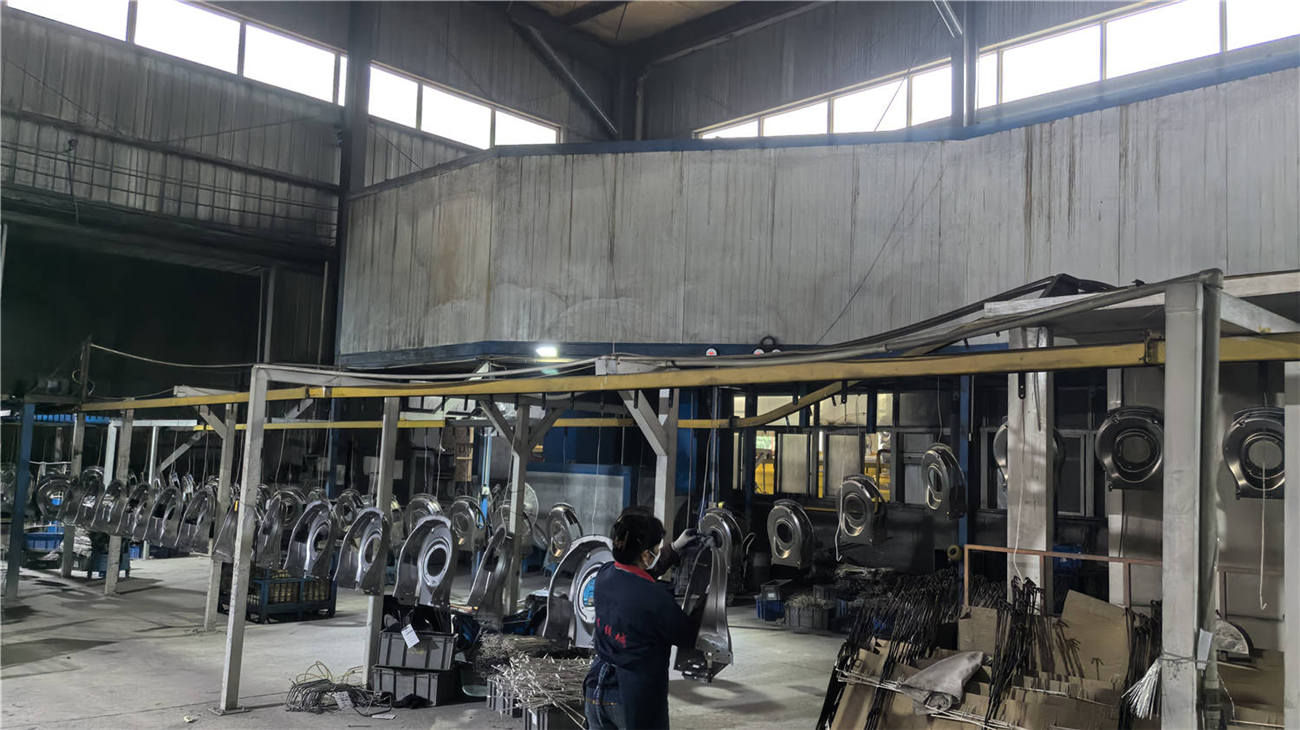
How Weifang Gods Power Co., Ltd. builds reliability into every stage of the manufacturing cycle, from raw sheet metal to load bank testing.
Weifang Gods Power Co., Ltd. is a leading enterprise specializing in the development, manufacturing, and sales of high-quality power generation machinery. With a registered capital of 26 million yuan, our manufacturing base features advanced testing facilities, complete product assembly lines, and high-precision mechanical processing equipment. We employ more than 200 skilled professionals, including a dedicated engineering division that ensures our quality management systems meet international standards.
As an R&D-driven manufacturer, we coordinate product design, component manufacturing, and final testing. Our goal is to provide reliable, efficient, and clean power solutions tailored to local markets. In the European market, we focus on producing engines that comply with strict noise limits and emission standards, supporting clean off-grid transitions.
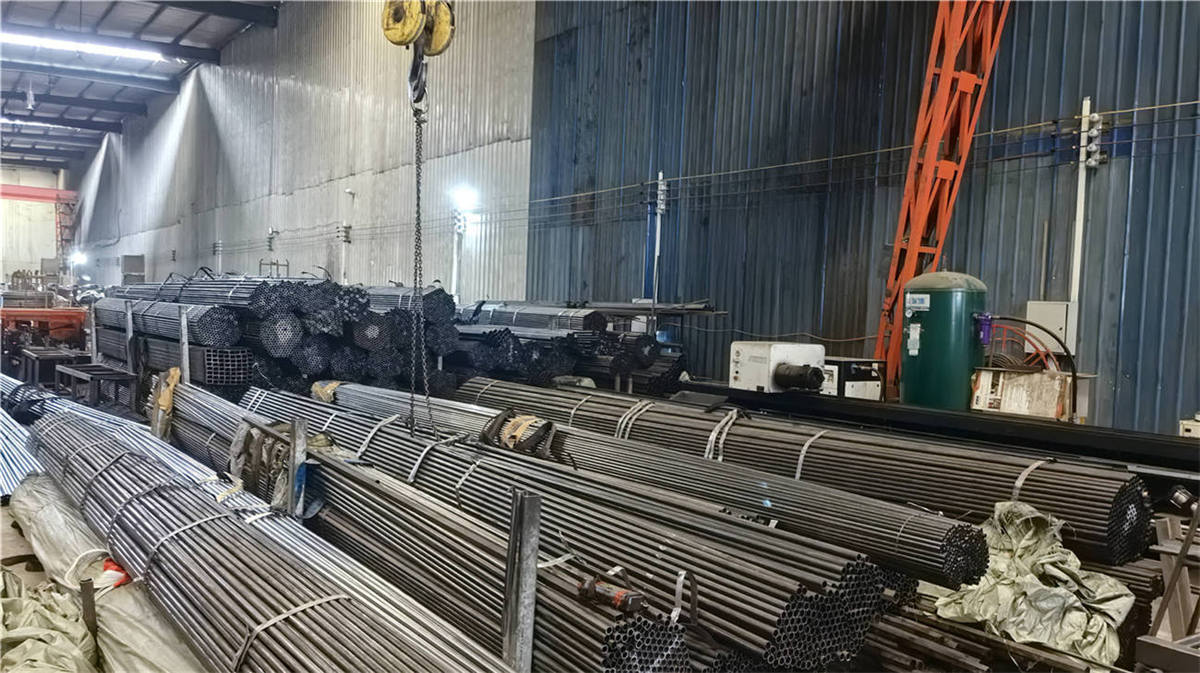
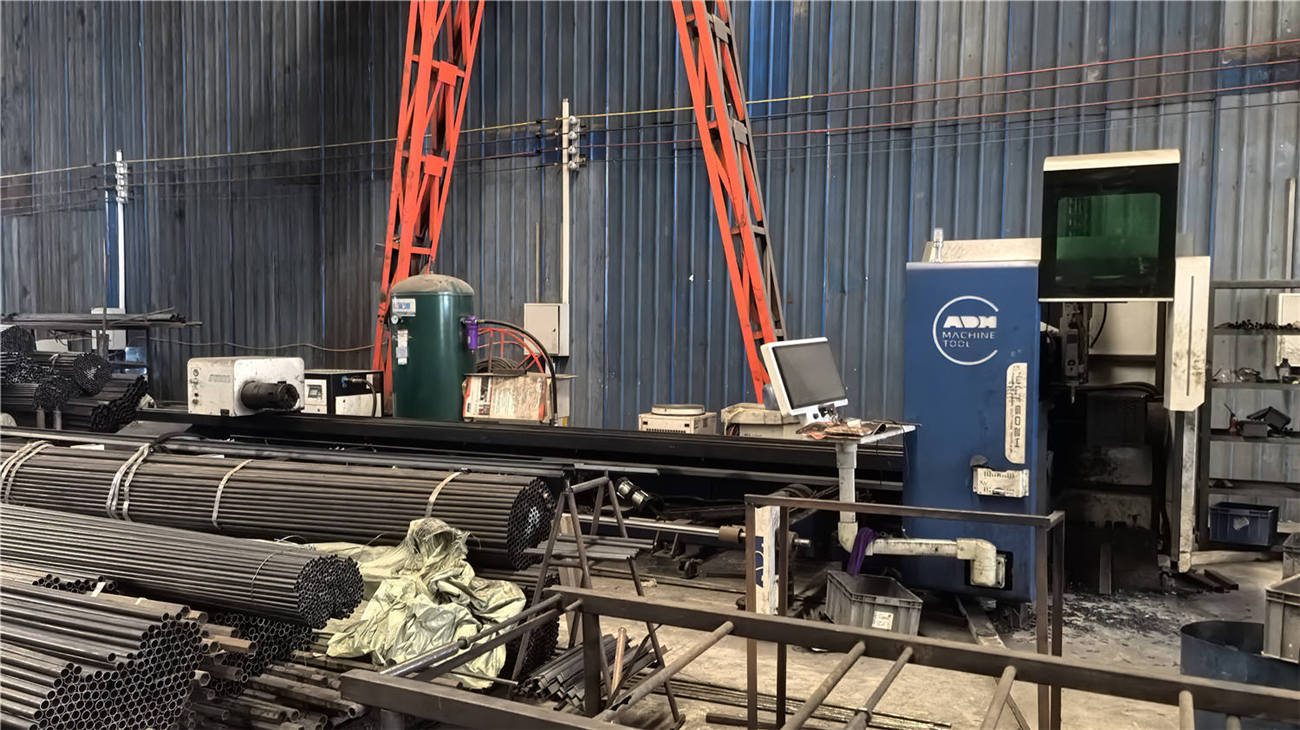
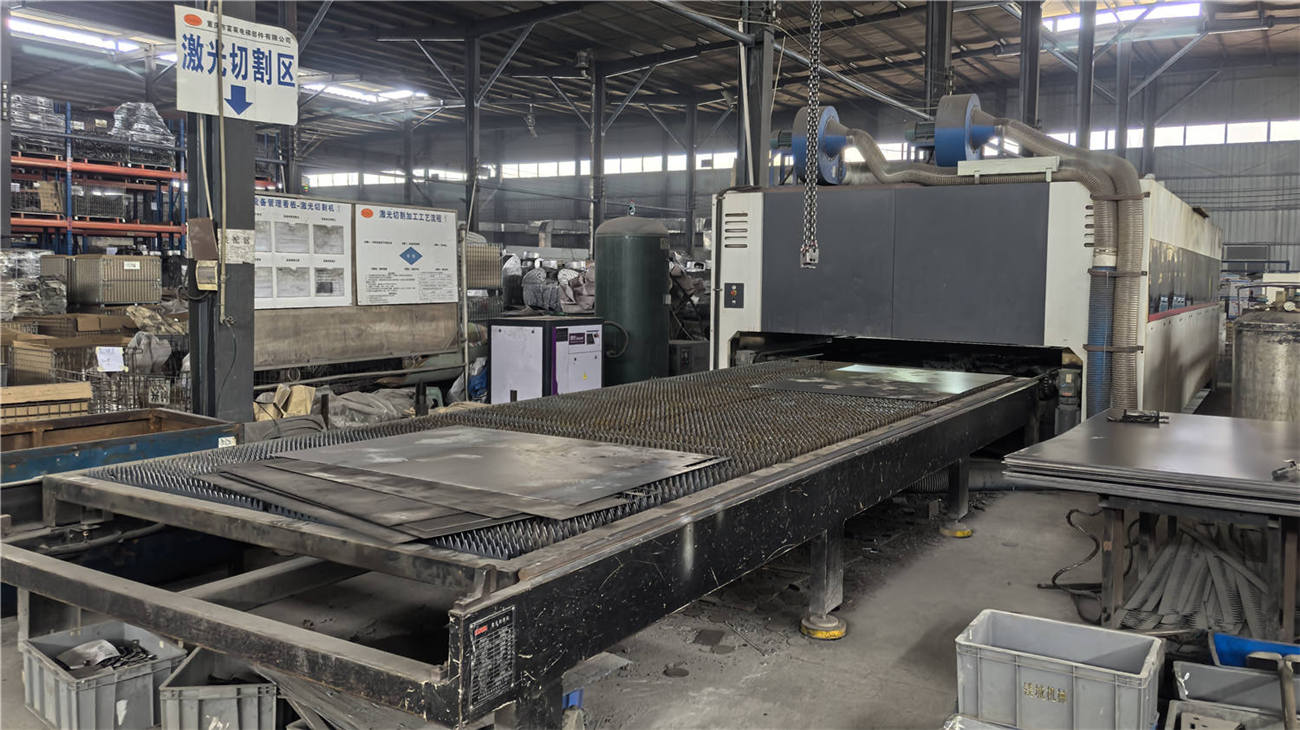
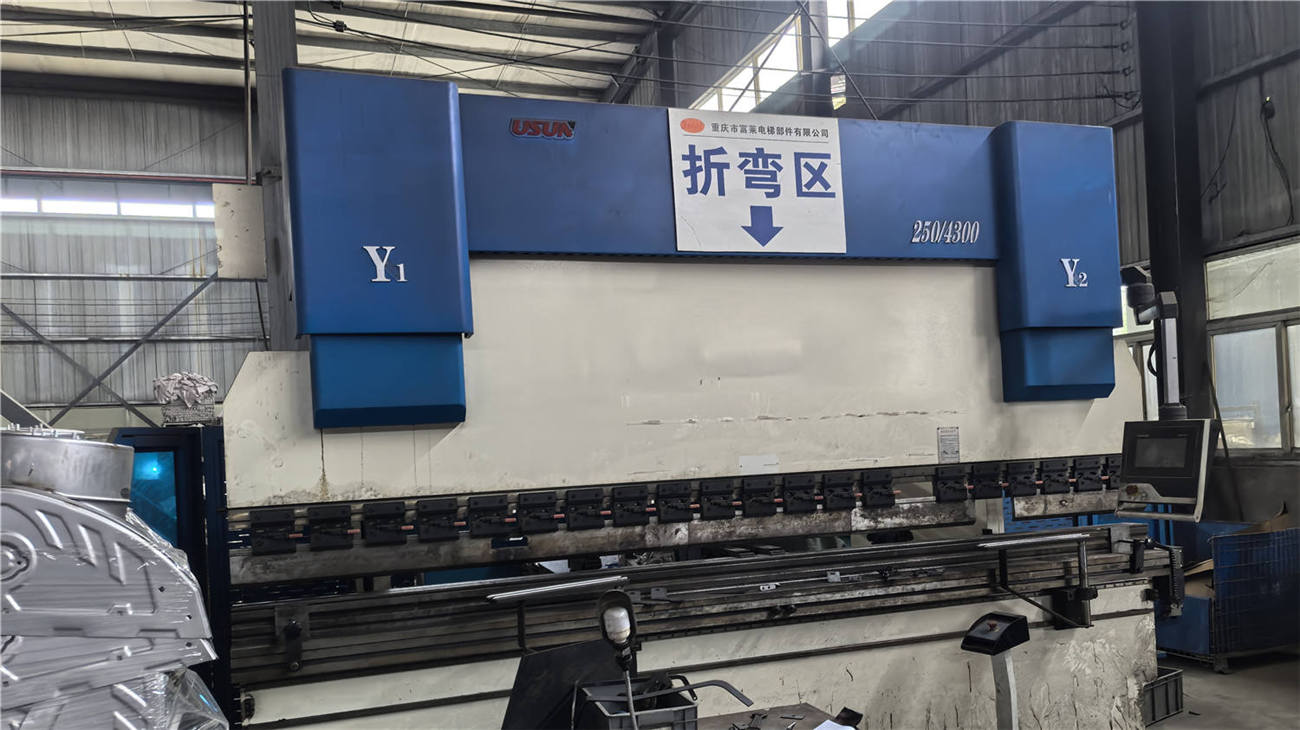
An analysis of research targets, alternative fuel integration, and hybrid power architecture over the next decade.
The power generation sector is undergoing a shift driven by decarbonization targets, rising grid instability, and the demand for zero-maintenance portable power. Our R&D team works to integrate alternative fuels and digital controls to prepare our product lines for future regulations.
By developing carburetors capable of adjusting fuel-to-air ratios in real-time, our dual-fuel inverter systems switch between gasoline and LPG/natural gas. In Lombardy, where LPG infrastructure is widespread, this allows commercial operators to reduce carbon emissions by up to 25% and avoid fuel gumming issues associated with stored gasoline.
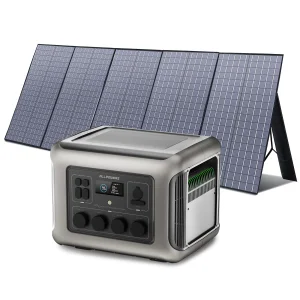
Our technology roadmap focuses on pairing inverter generators with battery storage systems (such as the ALLPOWERS R2500). Under a hybrid configuration, the generator charges battery banks at peak efficiency, then shuts down. The quiet battery bank handles light loads overnight. This approach reduces overall engine run hours, cuts fuel costs, and lowers ambient noise in municipal zones.
Future iterations of our generator sets will feature built-in Wi-Fi and Bluetooth modems. Operators can monitor voltage, output current, oil levels, and maintenance schedules through a mobile app. This enables municipal users in Milan to track compliance metrics, verify fuel efficiency, and receive diagnostics before dispatching service technicians.
Answers to technical and regulatory questions about operating backup generator systems in European urban centers.
Standard generators run at a constant speed to maintain output frequency, which can result in high fuel use and loud operation. In contrast, an inverter generator converts the AC power to DC, and then uses a microprocessor to invert it back to clean AC power (THD < 2%). The engine speed adjusts dynamically to the load, improving efficiency, reducing noise, and protecting sensitive electronics.
Our engines use overhead valve (OHV) combustion chambers, electronic ignition, and tuned exhaust systems to optimize fuel combustion. This design keeps carbon monoxide, hydrocarbons, and nitrogen oxide emissions within the limits defined by European Union standards.
Yes. By connecting to a hybrid solar inverter or battery power station (such as the ALLPOWERS R2500), the generator can act as a secondary backup source. If battery levels drop below a set threshold, the generator starts automatically, charge the batteries, and then shut down once complete.
We recommend changing the engine oil after the initial 20-hour break-in period. Regular oil changes should occur every 50 to 100 hours of runtime. We also suggest checking the air filter every 50 hours and cleaning the spark arrestor regularly to maintain optimal performance.
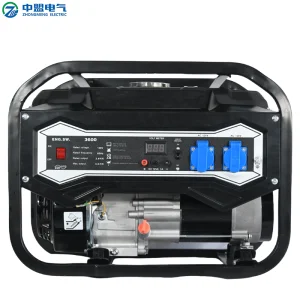
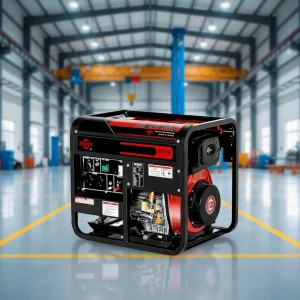
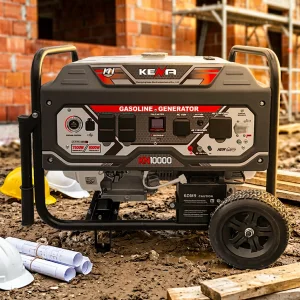
Highly efficient open-frame and enclosed configurations optimized for long run times and high peak power.
Speak to our technical engineering division about load matching, acoustics isolation, and compliance validation for Lombardy and international installations.
Send Inquiry NowExplore our complete range of silent, dual-fuel, and hybrid-ready inverter generator sets engineered for long-term reliability.
 Gods Power