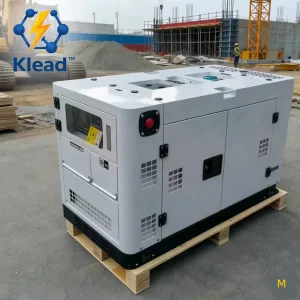
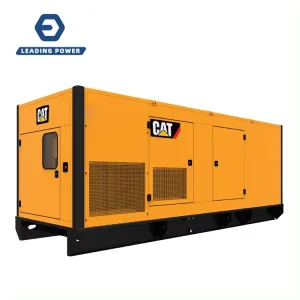
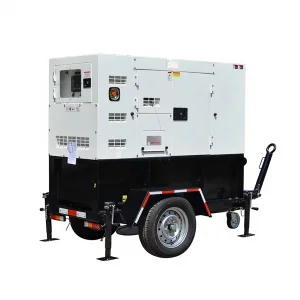
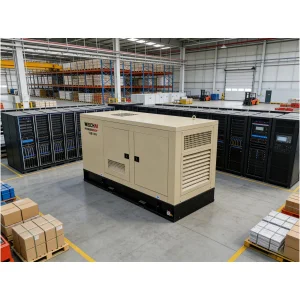
Silent Diesel Generator Set Factories & Exporter serving Portugal

Premium Power Engineering, Acoustically Optimized Standby Energy Systems, and Strategic Supply Chains

Strategic Standby Power Architecture in Portugal

An In-Depth Industry Overview of the Portuguese Energy Transition, Grid Fragilities, and the Industrial Demand for Soundproof Standby Power Systems.

1. The Portuguese Energy Grid: Transition Challenges and Vulnerabilities

Portugal has made commendable progress in adopting renewable energy, frequently setting records for the percentage of electricity generated from wind, solar, and hydro resources. However, this shift toward non-dispatchable generation introduces challenges regarding grid stability and frequency control. As coal-fired plants are decommissioned and thermal baseload capacity is reduced, the Portuguese national electrical grid (Rede Elétrica Nacional) faces increased vulnerability to sudden voltage fluctuations and grid contingencies.

Additionally, the country's geographical landscape makes it susceptible to extreme weather events, including intense summer heatwaves and winter storms, which can strain overhead transmission lines and cause localized outages. In rural and mountainous regions like the Douro Valley, Serra da Estrela, and the southern Algarve interior, grid infrastructure is often single-feed and more vulnerable to disruption. For businesses operating in these areas, relying solely on the public grid carries inherent risks. High-performance, acoustically attenuated silent diesel generator sets provide a critical backup layer, helping safeguard processes, logistics, and data centers against unplanned downtime.

2. Sectoral Standby Power Requirements in the Portuguese Market

Standby power requirements in Portugal span several distinct commercial and industrial sectors, each with its own operational criteria:

  • Hospitality and Tourism (Algarve & Madeira): The tourism sector requires standby power that does not disrupt the guest experience. Hotel complexes, coastal resorts, and wellness facilities need soundproof generators (typically operating below 65 dB(A) at 7 meters) to run air conditioning, lighting, and food refrigeration systems quietly during outages.
  • Agriculture and Viticulture (Douro, Alentejo, & Dão): Modern vineyards, cold storage warehouses, and automated irrigation stations depend on continuous electrical power. A power interruption during the harvest season or pressing phase can affect crop quality and processing timelines.
  • Industrial Manufacturing and Logistics (Porto, Aveiro, & Setúbal): Heavy manufacturing facilities, plastics processing, automotive component lines, and cold-chain logistics centers need high-capacity 3-phase diesel generator sets equipped with Automatic Transfer Switches (ATS). These units must start and take load within 10 to 15 seconds of a power loss to prevent equipment damage and production delays.
  • Remote Islands (Azores & Madeira Archipelagos): The autonomous archipelagos rely on micro-grids where diesel power plants and backup generators provide primary stability to complement wind and geothermal generation, making resilient localized power generation essential.
15s
ATS Switch Time
<65dB
Super Silent Enclosures
50Hz
European Standard
100%
CE Compliant Design

China Factory 4.0: Supply Chain Resiliency & Technical Excellence

Understanding the engineering capabilities, quality controls, and advanced manufacturing behind Weifang Gods Power Co., Ltd.

Weifang Gods Power Co., Ltd. - Company Overview & Expertise

Weifang Gods Power Co., Ltd. is an established enterprise specializing in the research, design, manufacturing, and distribution of diesel generator sets. With a registered capital of 26 million yuan, the company operates a modern facility equipped with testing bays, automated assembly lines, and high-precision mechanical processing equipment.

The company employs over 200 skilled professionals, including a dedicated engineering and quality assurance team. Weifang Gods Power focuses on providing reliable, sound-attenuated power systems designed to meet European standards. By combining modern manufacturing processes with strict component sourcing, the company delivers generators engineered to perform under demanding operating conditions.

Technical Engineering of Silent Enclosures

Reducing the acoustic output of a diesel generator set requires careful thermal and aerodynamic management. The soundproof enclosures manufactured by Weifang Gods Power utilize several engineering features:

  • Acoustic Isolation: The canopy walls are lined with high-density, flame-retardant sound-absorbing rock wool and acoustic foam. This configuration dampens high-frequency mechanical noise and low-frequency combustion rumble.
  • Airflow Labyrinth Systems: Air intake and exhaust channels are designed as multi-stage labyrinths. Air follows a tortuous path, which attenuates sound waves while maintaining sufficient flow for engine cooling.
  • Vibration Isolation: The engine-alternator assembly is mounted on heavy-duty rubber vibration dampeners, isolating mechanical vibrations from the steel base frame and enclosure structure.
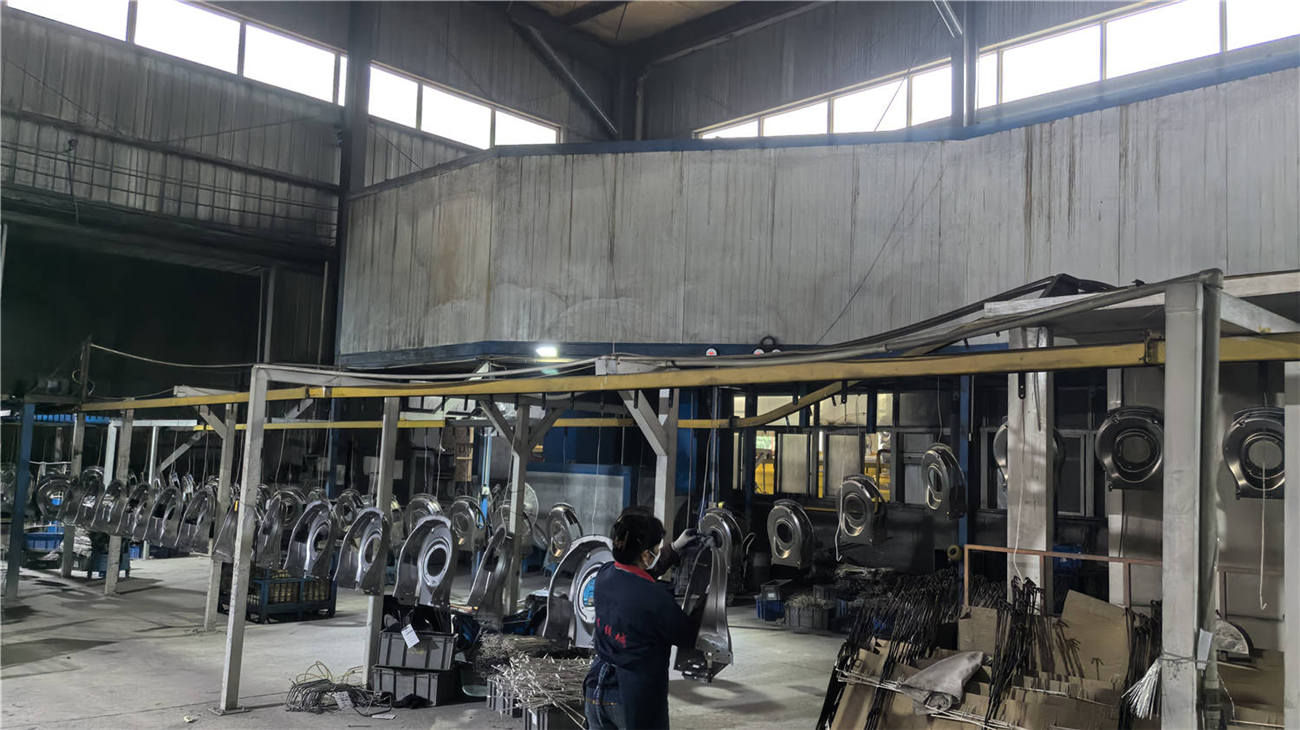
  • Weatherproof Durability: The steel exterior undergoes multi-stage chemical pre-treatment and is finished with an electrostatic outdoor polyester powder coating. This provides resistance to corrosion in high-salinity coastal environments like Lisbon and the Algarve.

Factory Tour & Processing Operations

A look inside our advanced manufacturing, testing, and storage facilities, demonstrating our engineering and quality standards.
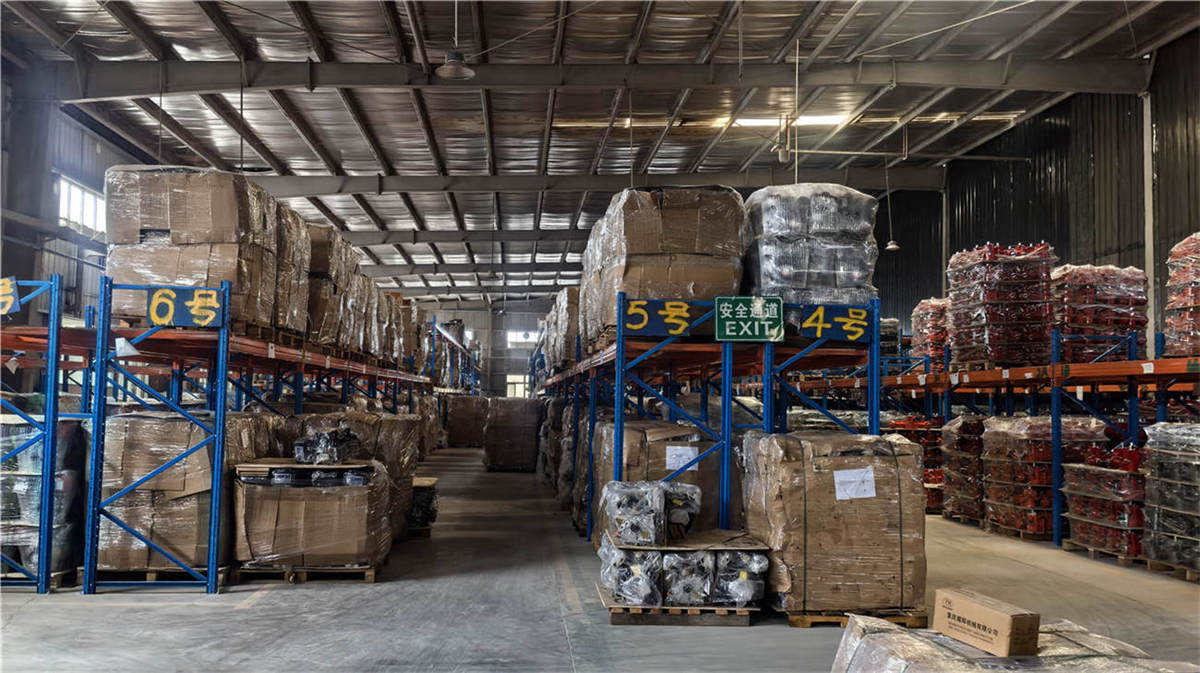
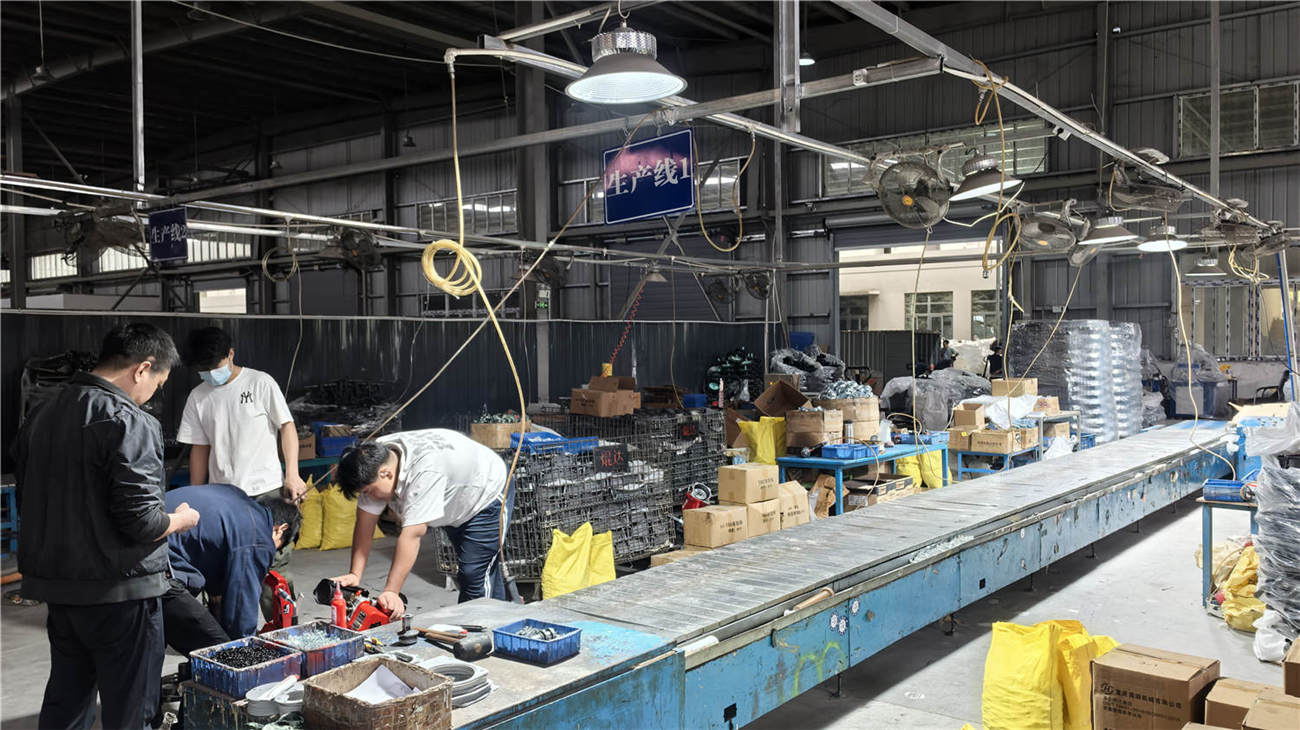
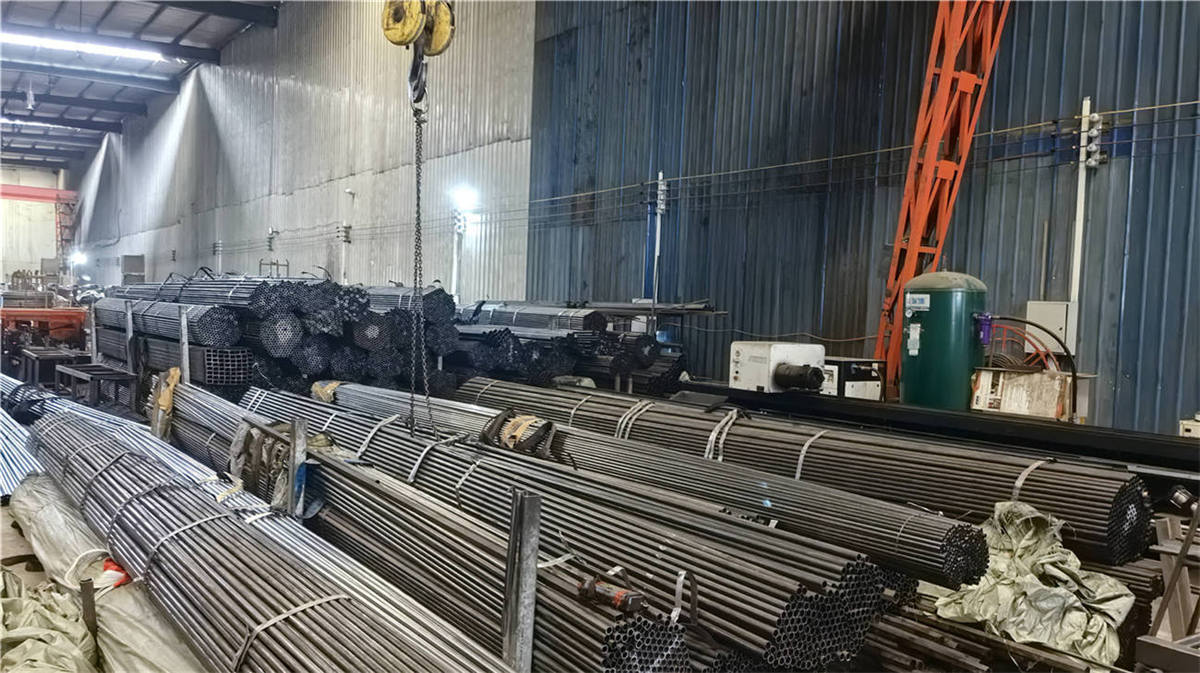
Raw Materials Warehouse at Weifang Gods Power
Raw Materials
Precision Assembly Line for Silent Gensets
Assembling
Load Bank and Function Testing Lab
Function Testing
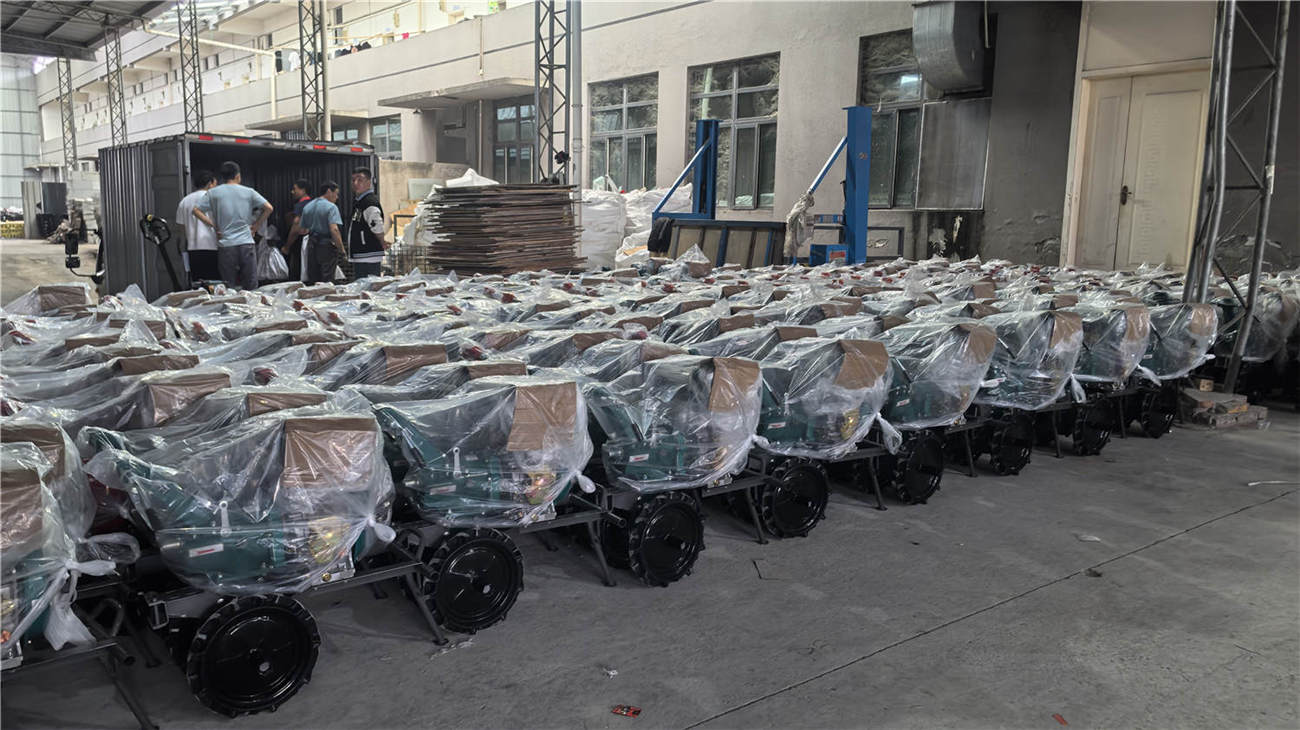
Finished Silent Generator Storage Depot
Finished Goods Storage
Steel Raw Materials Processing Area
Raw Materials
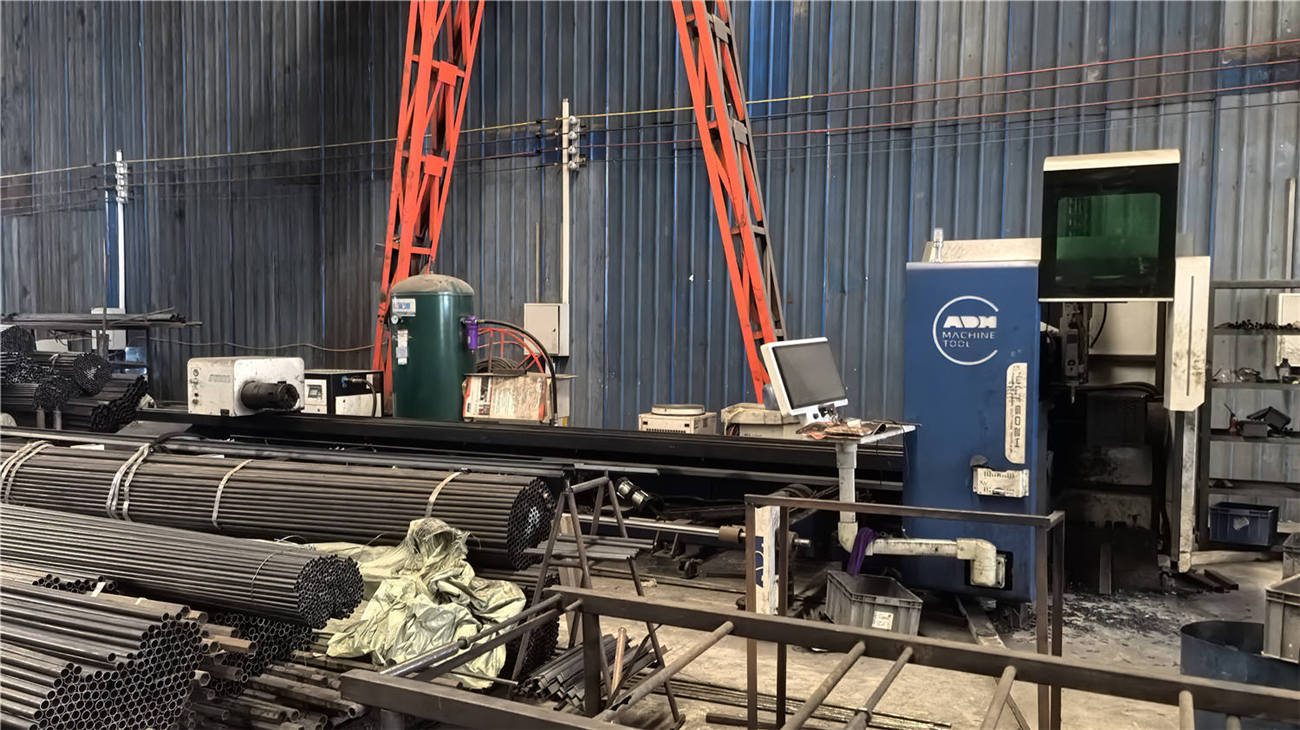
Structural Tube Cutting Machine Operations
Tube Cutting
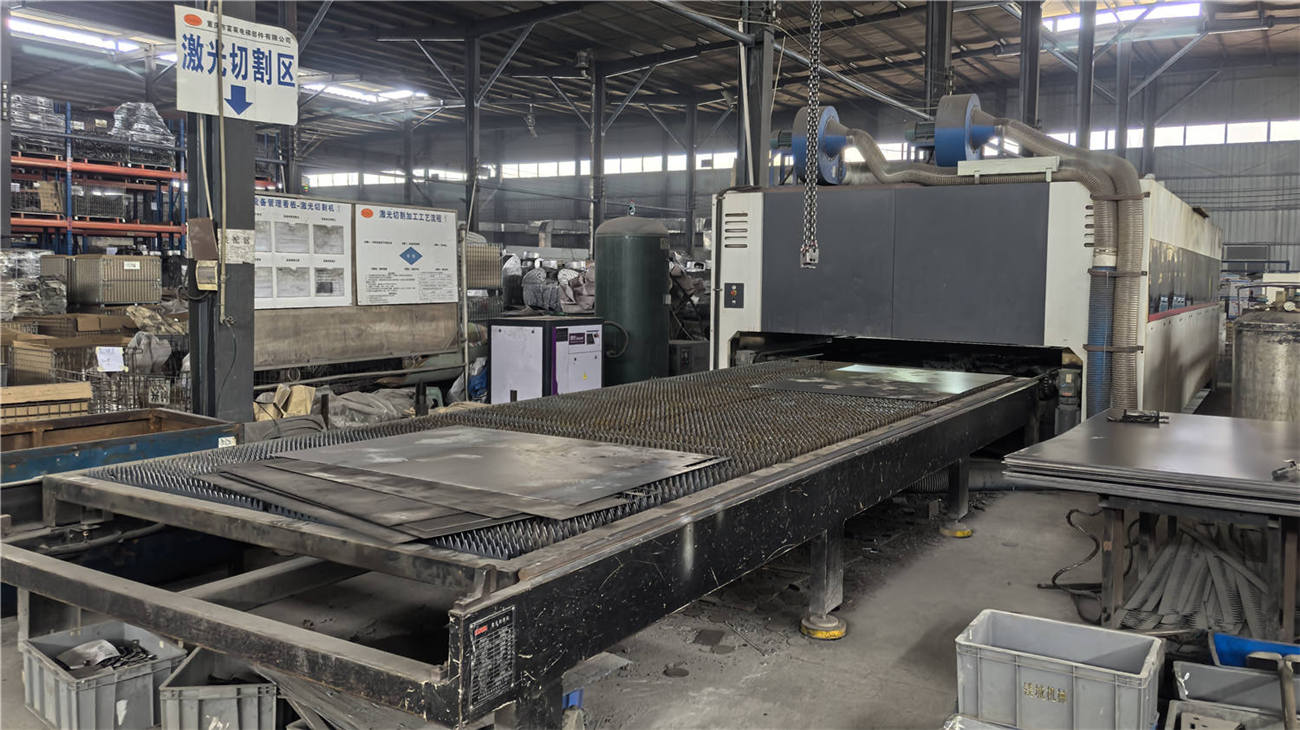
Automated Laser Steel Plate Cutting
Steel Plate Cutting
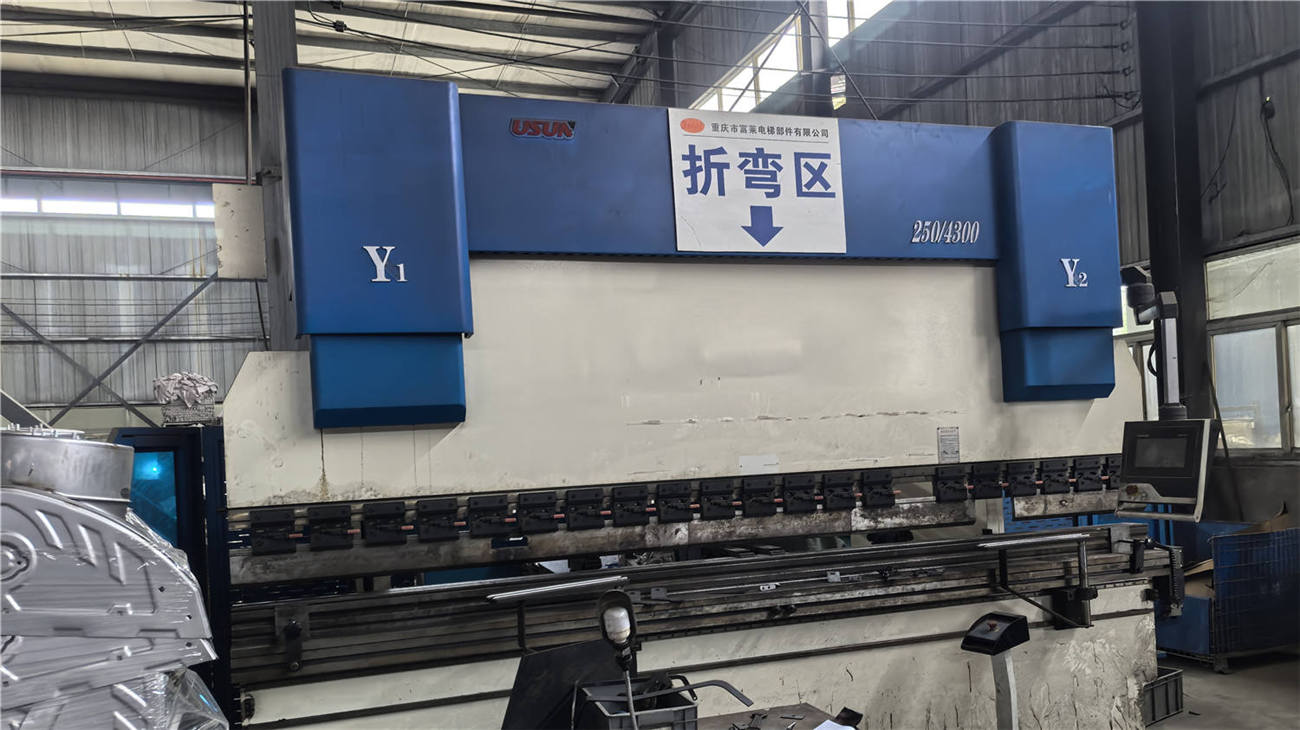
Hydraulic CNC Plate Bending Machine
Bending
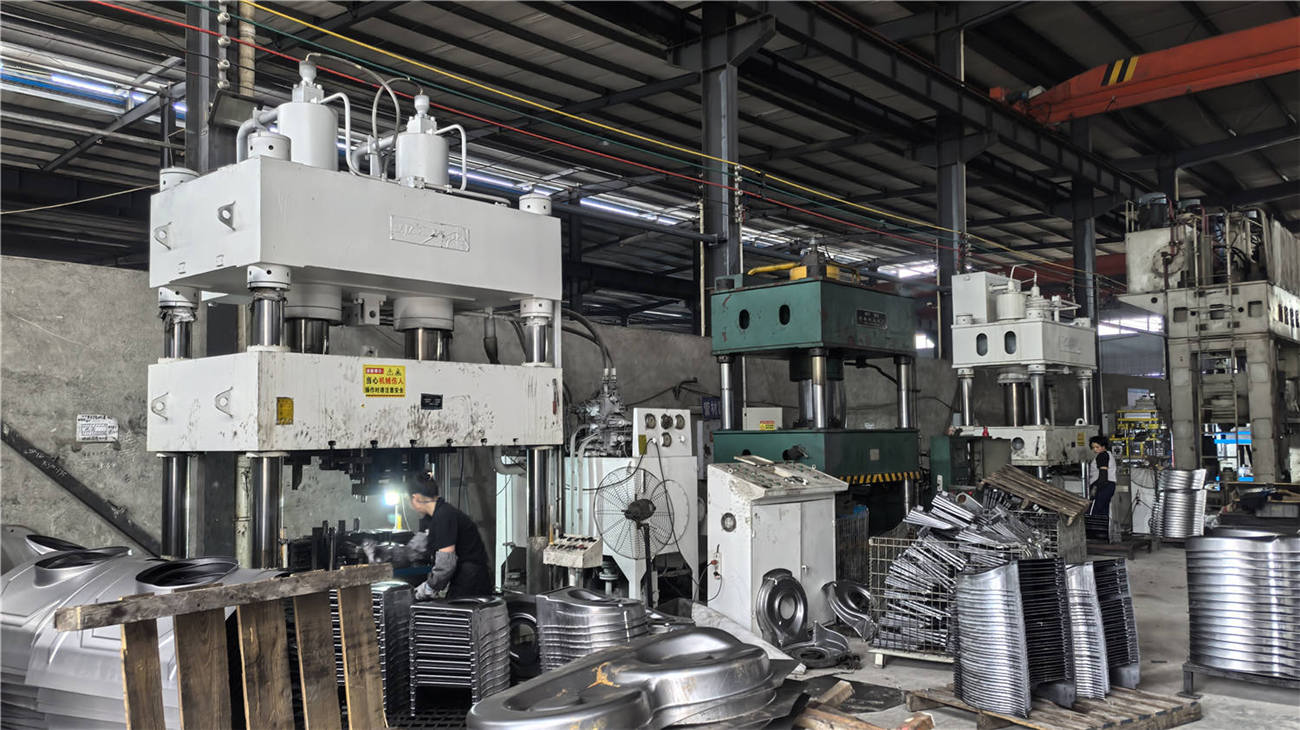
Precision Hydraulic Punching Process
Hydraulic Punching
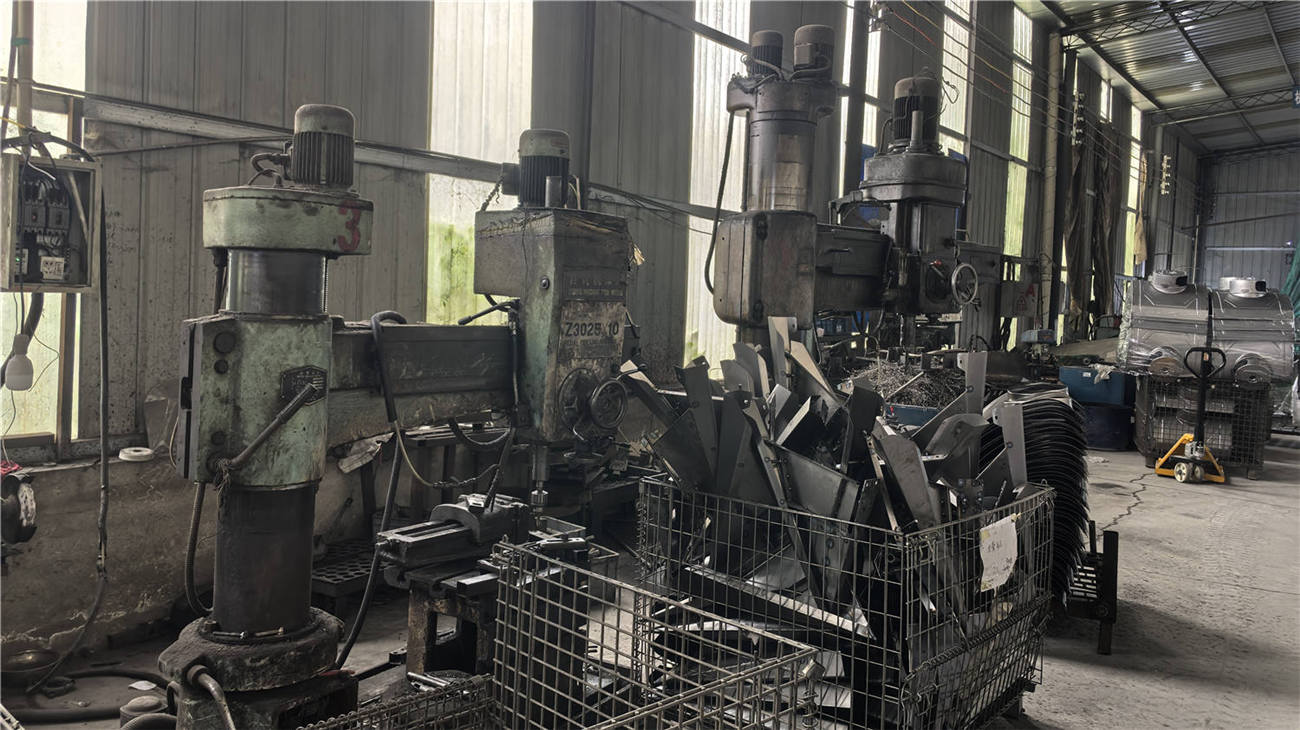
Machining Center for Engine and Generator Fittings
Machining
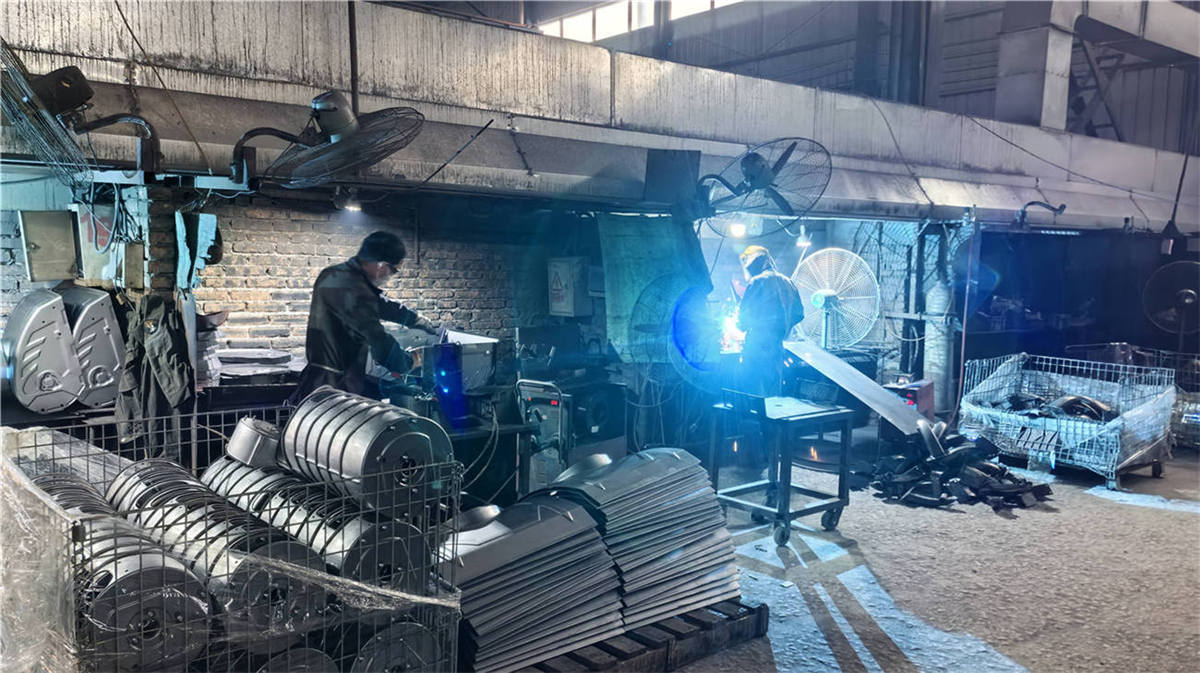
Robotic and Manual Welding Stations
Welding
Electrostatic Powder Painting Line
Painting

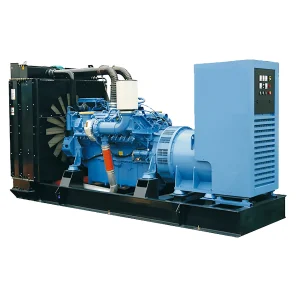
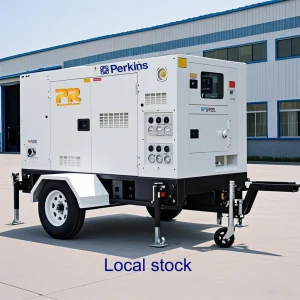
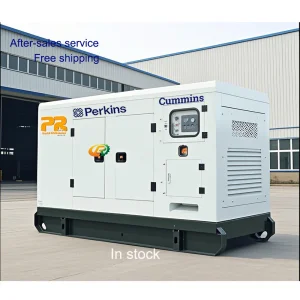
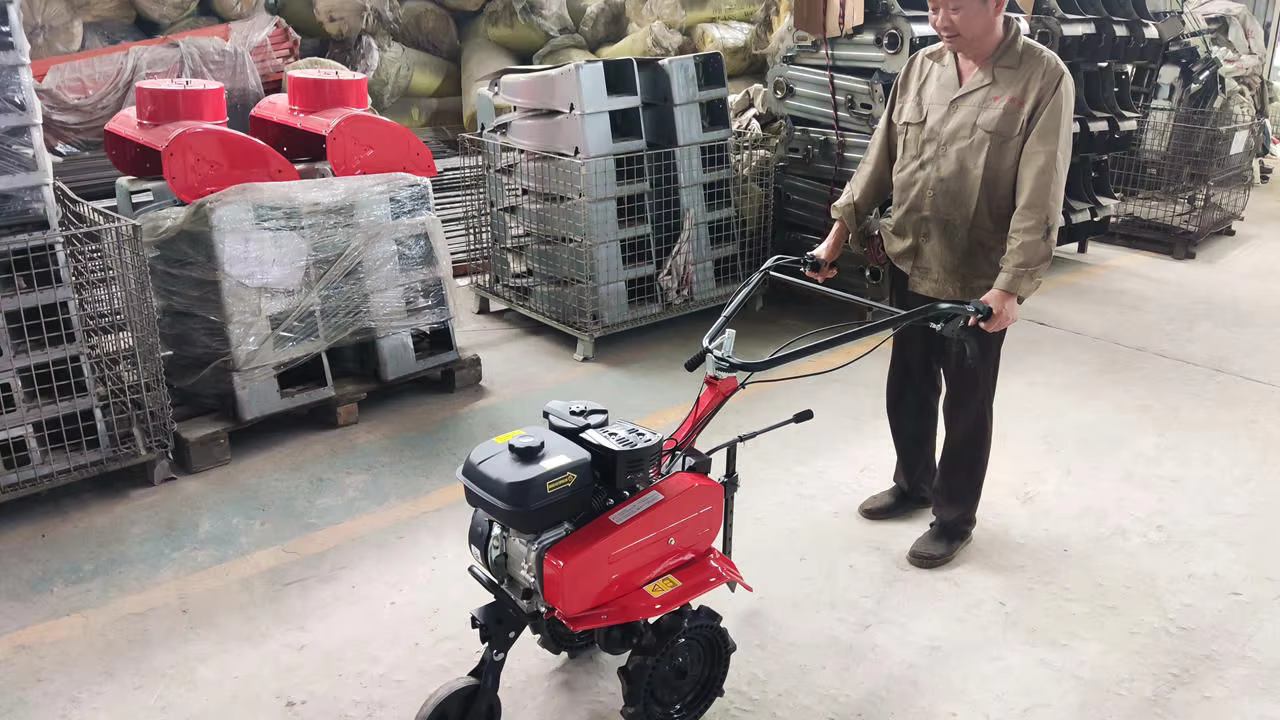
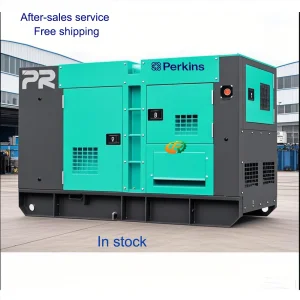
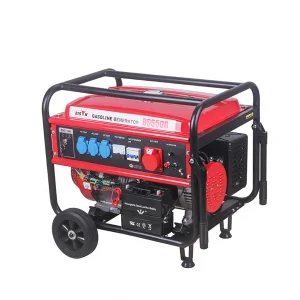
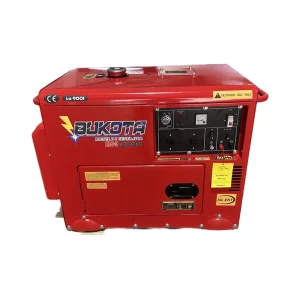
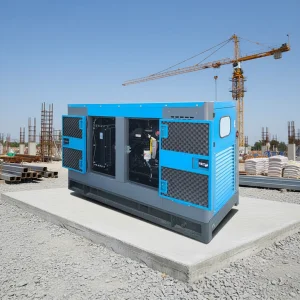
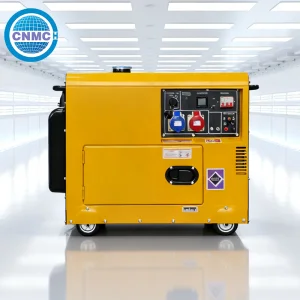
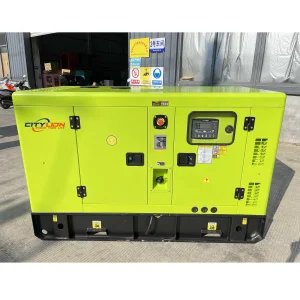
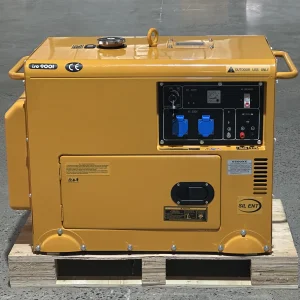
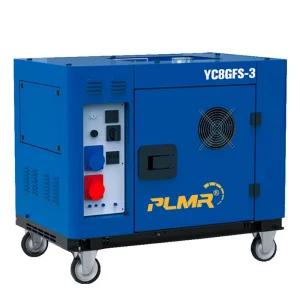
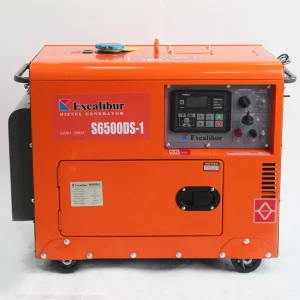
Industrial & Residential Generators

A comprehensive selection of backup generators, ranging from portable domestic designs to high-capacity industrial gensets.
Procurement and Technical Evaluation Standards

Essential Engineering Considerations, Regulatory Compliance, and Operational Parameters for Portuguese and European Procurement Managers.

1. Regulatory and Emission Standards (CE & Stage V Compliance)

For diesel generators imported and operated within the European Union, compliance with relevant harmonized standards is a prerequisite. Procurement managers must verify that the gensets carry the CE marking, signifying alignment with the Machinery Directive 2006/42/EC, Low Voltage Directive 2014/35/EU, and Electromagnetic Compatibility (EMC) Directive 2014/30/EU.

Furthermore, environmental regulations governing exhaust emissions have become increasingly stringent. For mobile applications (such as rental fleets, construction-site trailers, and temporary infrastructure), engines must comply with European Stage V emission regulations (Regulation (EU) 2016/1628). This requires the integration of exhaust aftertreatment technologies, such as Diesel Particulate Filters (DPF) and Selective Catalytic Reduction (SCR) systems using AdBlue. For fixed, stationary standby installations used solely during emergency grid failures, specific exemptions may apply depending on annual operating hours. However, selecting engines with lower baseline emissions remains best practice for long-term operational viability.

2. Alternator Performance and Voltage Regulation

The quality of the electric current produced is as critical as the mechanical engine's reliability. Under-regulated voltages or high total harmonic distortion (THD) can damage sensitive electronic loads, such as servers, variable frequency drives (VFDs) in industrial pump stations, and medical diagnostics equipment.

  • Brushless Synchronous Alternators: Modern gensets utilize brushless alternators (typically conforming to Class H insulation standards) to minimize maintenance and thermal degradation.
  • Automatic Voltage Regulation (AVR): Advanced digital AVRs maintain voltage stability within +/- 1% or +/- 0.5% limits under varying load steps, protecting downstream electronic systems.
  • Excitation System Upgrades: Utilizing Auxiliary Winding (AUX) or Permanent Magnet Generator (PMG) systems provides short-circuit excitation current capability, improving the system's ability to start large electric motors without voltage dips.

3. Mechanical Integration and Commissioning

Installing a standby diesel generator involves more than placing the unit on a concrete pad. Complete system commissioning must address several critical factors:

Foundation and Structural Load: The generator must be installed on a reinforced concrete plinth designed to support the wet weight of the genset and absorb residual kinetic energy. Antivibration mounts must be correctly aligned.

Fuel System Safety: Double-walled sub-base fuel tanks (bunded designs) are required to prevent environmental contamination from fuel leaks. In critical applications, external bulk fuel storage tanks must be integrated with automated fuel transfer pumps and fuel filtration systems to maintain fuel cleanliness over long storage periods.

Cooling Airflow and Exhaust Venting: In indoor installations, ventilation ductwork must provide adequate airflow to prevent thermal recirculation. Exhaust piping must be insulated and routed away from air intakes, with exhaust backpressure monitored to ensure it remains within the engine manufacturer's specified limits.

Frequently Asked Questions

Technical Answers to Common Questions Regarding Silent Diesel Generator Installation, Regulation, and Operation in Portugal.

What is the standard noise limit for silent generators in commercial zones in Portugal?
Under Portuguese environmental regulations and the General Noise Regulations (Regulamento Geral do Ruído), noise levels at property boundaries in mixed commercial/residential zones must not exceed specific limits, typically 55 dB(A) during the day and 45 dB(A) at night. Our super-silent enclosures are engineered using double-attenuation acoustic labyrinths and high-density isolation panels to meet these local limits, often achieving noise levels under 65 dB(A) measured at a distance of 7 meters under full load.
How does an Automatic Transfer Switch (ATS) function during a utility power failure?
An ATS continuously monitors the incoming voltage from the main electrical grid. If a phase failure, voltage drop, or complete outage is detected, the ATS controller signals the generator to start. Once the generator stabilizes and reaches its rated frequency and voltage (typically within 8 to 15 seconds), the ATS mechanically disconnects the load from the failed utility grid and connects it to the generator output. When grid power is restored, the ATS monitors grid stability for a set period, transfers the load back to the grid, and allows the generator to run a cool-down cycle before shutting down.
Does my backup generator in Portugal need to comply with European Stage V emission standards?
If the diesel generator is stationary and intended solely for emergency standby power during grid failures, it is generally exempt from the strictest Stage V exhaust regulations under current EU frameworks. However, if the generator is mobile (trailer-mounted for construction, events, or field works) or used for prime power, peak shaving, or continuous generation, it must fully comply with EU Stage V guidelines. We offer both stationary emergency and Stage V compliant configurations tailored to your specific application.
How should stored diesel fuel be managed to prevent engine fuel system damage?
Modern high-pressure common rail (HPCR) diesel engines require clean fuel to prevent fuel injector clogging and component wear. Stored diesel fuel degrades over time due to oxidation and microbial growth (commonly known as "diesel bug"), which is accelerated by condensation in the tank. We recommend using double-walled (bunded) fuel tanks, installing water-separating fuel pre-filters, executing fuel polishing cycles every 6 to 12 months, and adding biocides or fuel stabilizers to ensure reliable startup during emergencies.
What maintenance schedules are recommended for industrial standby generators?
Standby systems require a structured preventative maintenance schedule. Weekly or monthly no-load operational checks (typically 15 to 30 minutes) confirm battery voltage, fluid levels, and starter motor function. Semi-annual inspections should include fuel, oil, and coolant level checks, along with belt inspections. On an annual basis, systems should undergo engine oil and filter changes, fuel filter replacement, cooling system servicing, and a load-bank test of at least 1 hour at a minimum of 50-70% capacity to clear carbon deposits ("wet stacking") from the exhaust system.

Establish Standby Power Reliability Today

Partner with Weifang Gods Power Co., Ltd. to implement customized, CE-compliant, and acoustically optimized standby generator solutions for your Portuguese facilities.

Send Inquiry Now