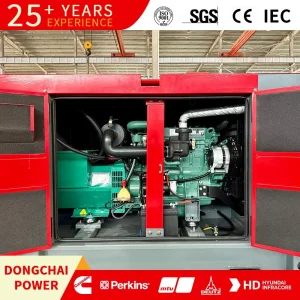
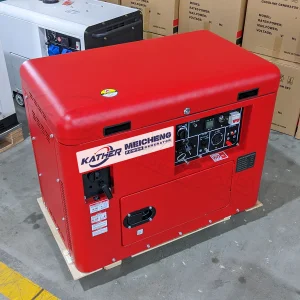
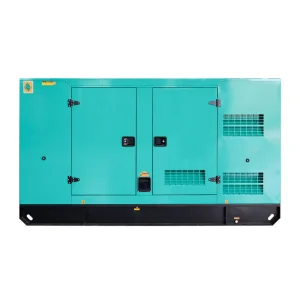
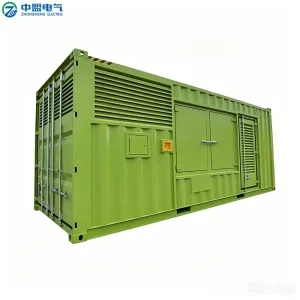
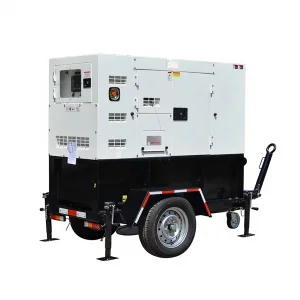
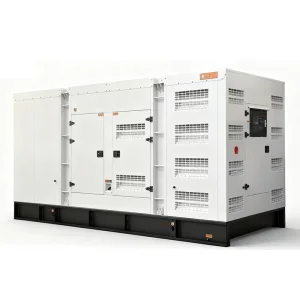
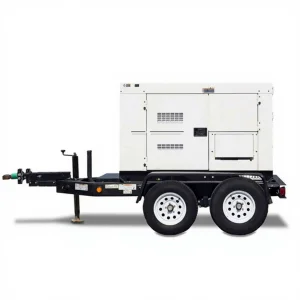
High-reliability power configurations optimized for continuous operation and harsh industrial load steps.
In an era characterized by volatile grid grids, complex regulatory restrictions on emissions, and the intensive digitization of global industry, continuous power reliability is no longer merely a utility constraint. It is a vital vector of business continuity, asset preservation, and risk mitigation. For multinational operations, utility scale facilities, data centers, and heavy industrial infrastructures, the selection of critical power generators is a fundamental engineering commitment.
This whitepaper inspects the critical metrics of CE-Certified Heavy-Duty Generators, contextualizing the rigorous demands of global corporate procurement and outlining how Weifang Gods Power Co., Ltd. builds next-generation diesel and alternative-fuel power solutions.
"Information Gain Metric: Modern generator procurement has moved away from focusing on basic price per kilowatt. Reliability calculations now focus strictly on transient response times (under ISO 8528-5 Class G3 standards), structural resilience, total ownership cost cycles, and compatibility with low-carbon hybrid microgrids."
The technical frameworks and performance metrics that professional procurement departments analyze during factory validation.
Industrial machinery, high-draw ventilation, and processing lines demand fast frequency recovery after large load steps. G3 compliance guarantees minimum voltage sag and rapid stabilization.
Modern generators require sophisticated Permanent Magnet Generator (PMG) excitation or auxiliary winding support to guarantee clean sine waves, preventing controller damage in sensitive digital systems.
Procurement must analyze lifetime costs, including fuel consumption maps at 50%, 75%, and 100% loads, overhaul intervals (TBO), component accessibility, and commonality of replacement parts.
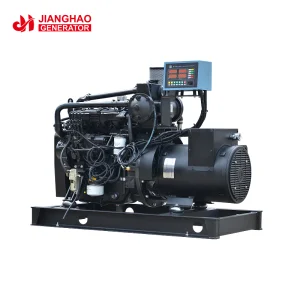
Heavy-duty generator setups serve as the foundation of critical power systems across major industries. In Marine and Offshore Installations, environmental stressors like salt spray, extreme humidity, and high pitch and roll require customized, certified deck gensets. These systems must feature specialized anti-corrosion coating, reinforced oil sumps, and tailored mechanical cooling systems.
For Data Centers, backup generators must offer rapid start capabilities (achieving full synchronous speed within 10 seconds or less) to align with Uninterruptible Power Supply (UPS) transition strategies. These units must be built to support high-harmonic, non-linear loads without causing system instability or triggering protective breakers.
| Criteria / Requirement | Standard Emergency Standby Power | Critical Infrastructure / Mission Critical | Continuous Prime Power / Microgrids |
|---|---|---|---|
| Transient Class | ISO 8528 G1 or G2 | Strict ISO 8528 G3 / NFPA 110 Class 1 | ISO 8528 G3 + Custom Dynamic Damping |
| Excitation System | Self-Excited / Shunt Type | PMG (Permanent Magnet) / AREP Excitation | Digital PMG with Voltage Regulation Adjustments |
| Typical Fuel Source | Diesel Standard Distillate | High-Density Diesel / Dual-Fuel Setups | Natural Gas, Biogas, LPG, CNG, or Hybrid Battery |
| Harmonic Distortion (THD) | < 5% at rated output | < 2% to protect computing installations | < 3% for synchronous grid injection |
| Monitoring Integration | Basic Auto-Start Terminal | Dual Redundant PLC with CANbus telemetry | SCADA, Modbus TCP, SmartGen/ComAp Controllers |
Analyzing the evolution of fuel injection, mechanical optimization, and hybrid storage integrations.
Moving away from mechanical fuel injection, contemporary heavy-duty diesel engines employ electronic common-rail systems with pressures exceeding 2,000 bar. This achieves precise atomization, reduces PM (particulate matter) emissions, and optimizes output per cylinder.
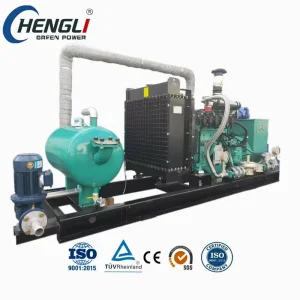
Utilizing waste gas stream inputs (biogas, landfill methane, associated petroleum gas) offers a cost-effective operational model. Smart mixing controllers dynamic adjust injection rates to maintain thermal balance and prevent engine knocking.
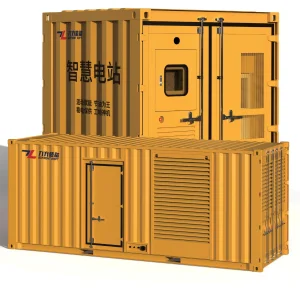
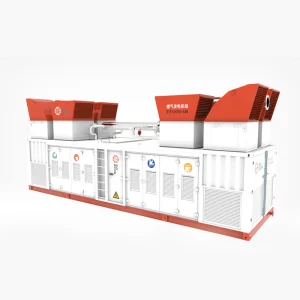
The modern edge of standby power incorporates large containerized energy storage alongside diesel gensets. BESS provides instant output during the critical startup delay of the diesel unit, allowing for smaller, optimized engine configurations.
A premier manufacturing and engineering enterprise for high-reliability generator sets.
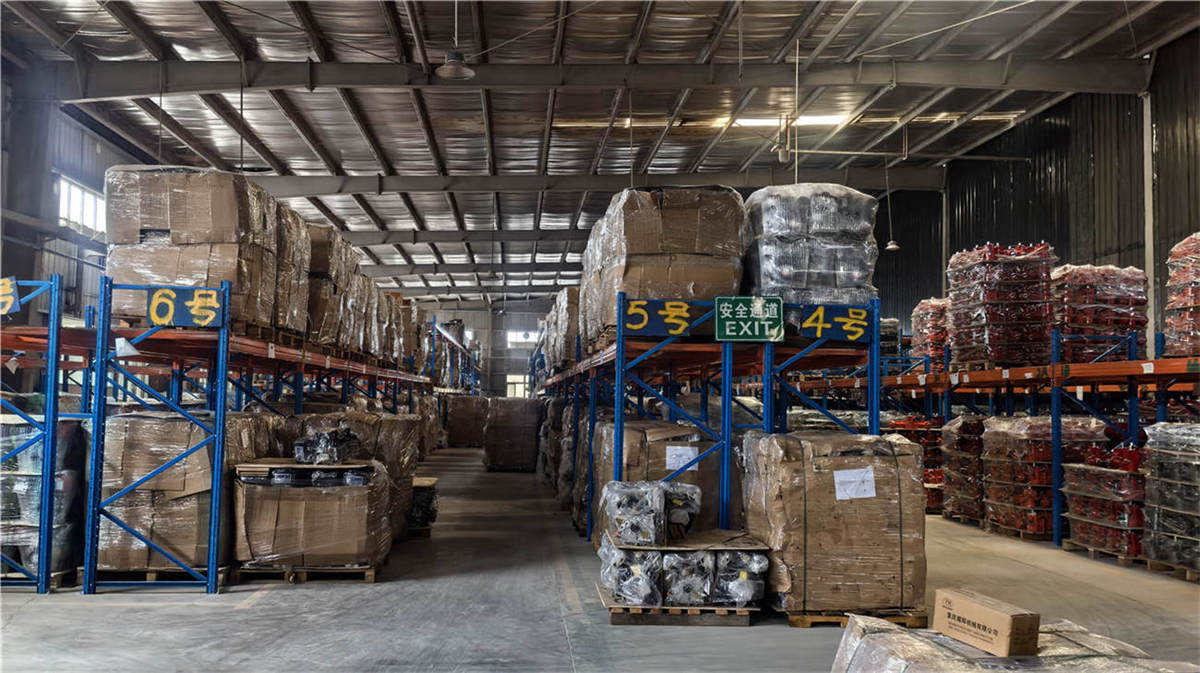
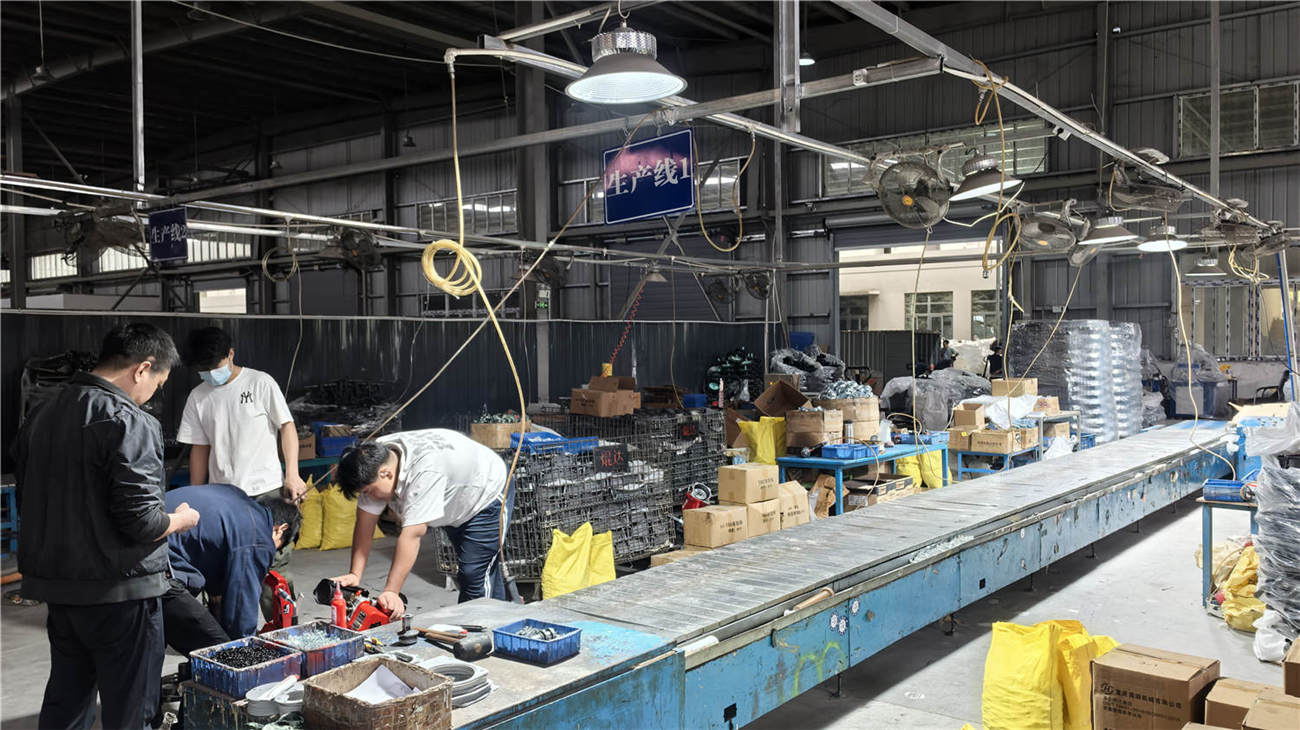
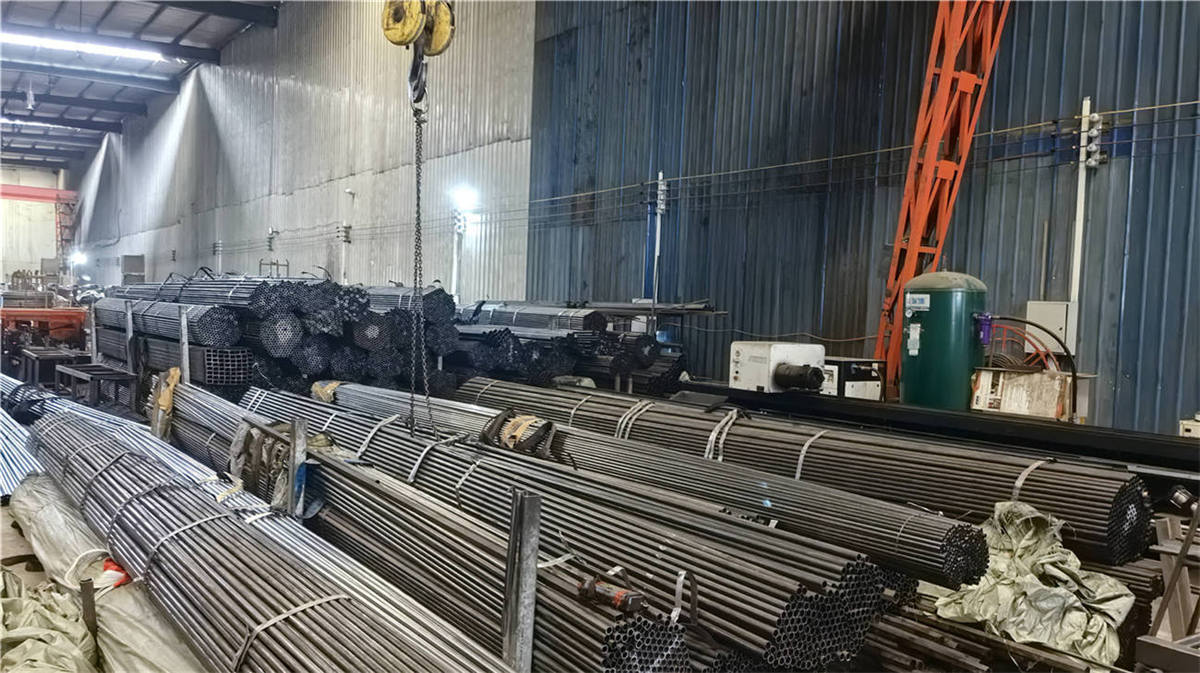
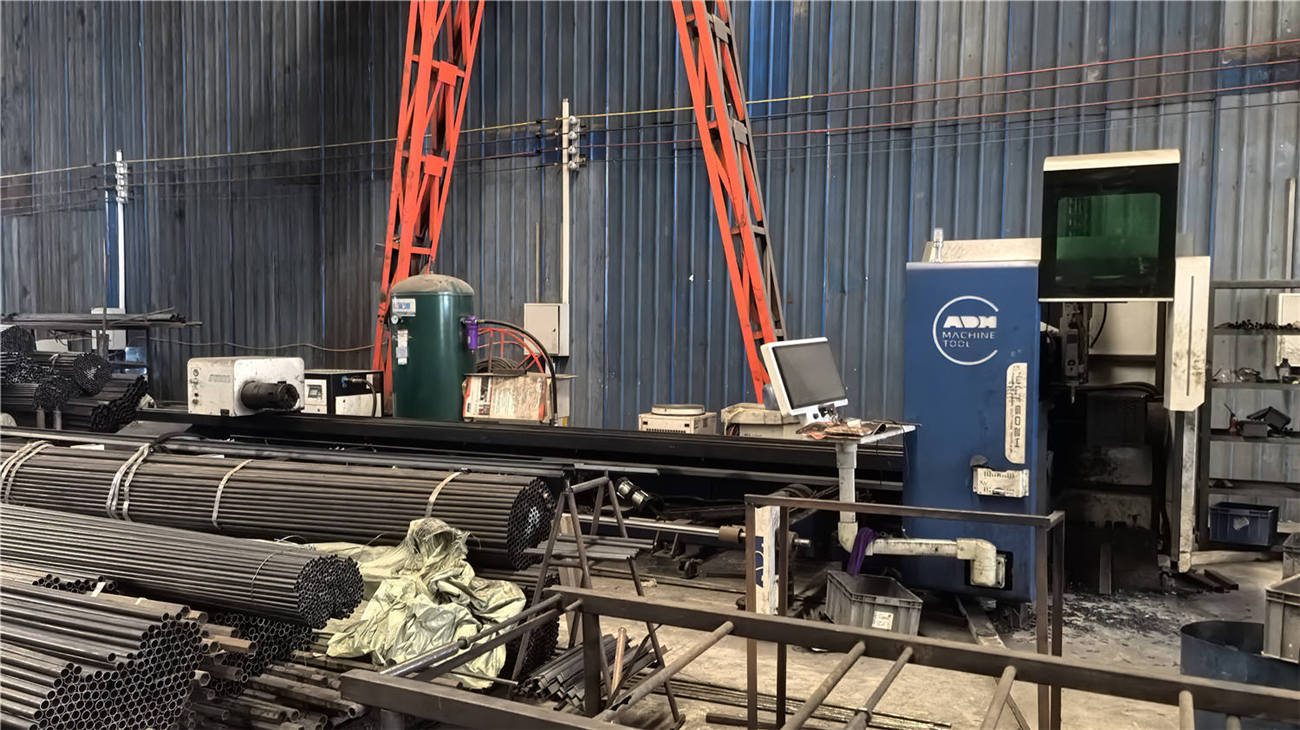
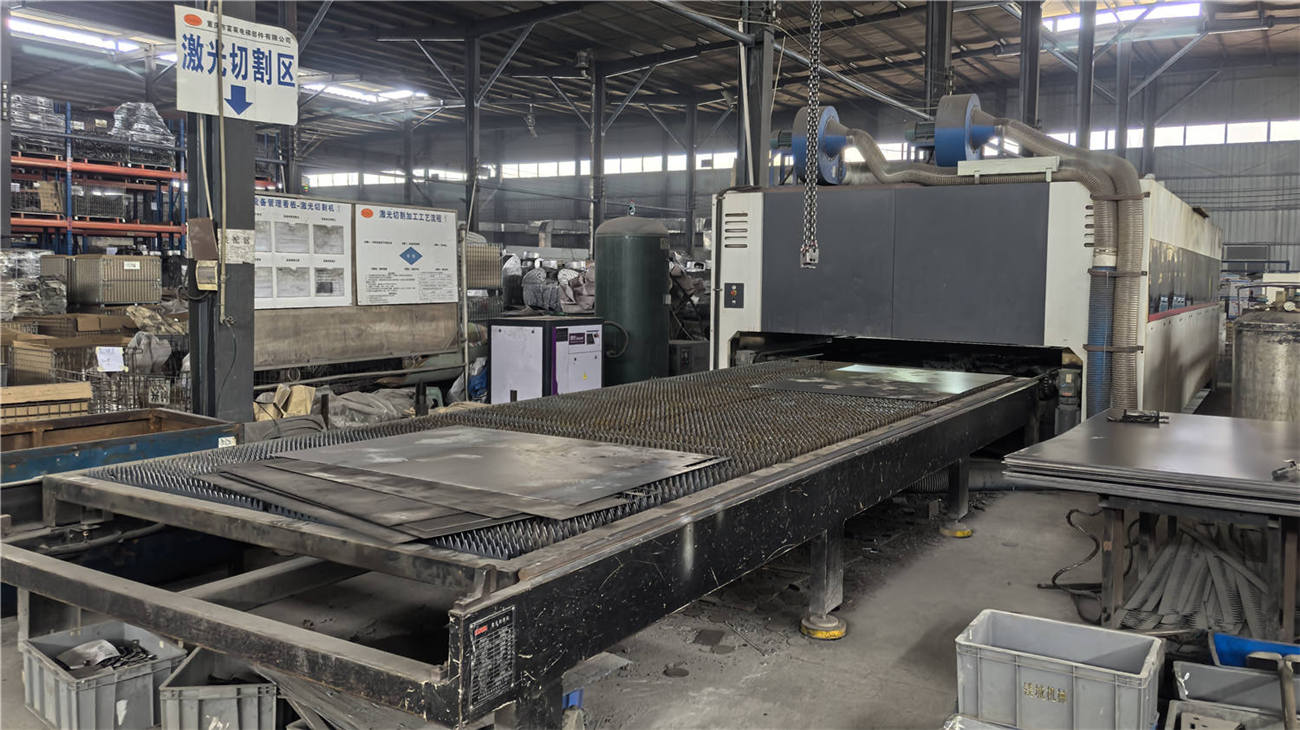
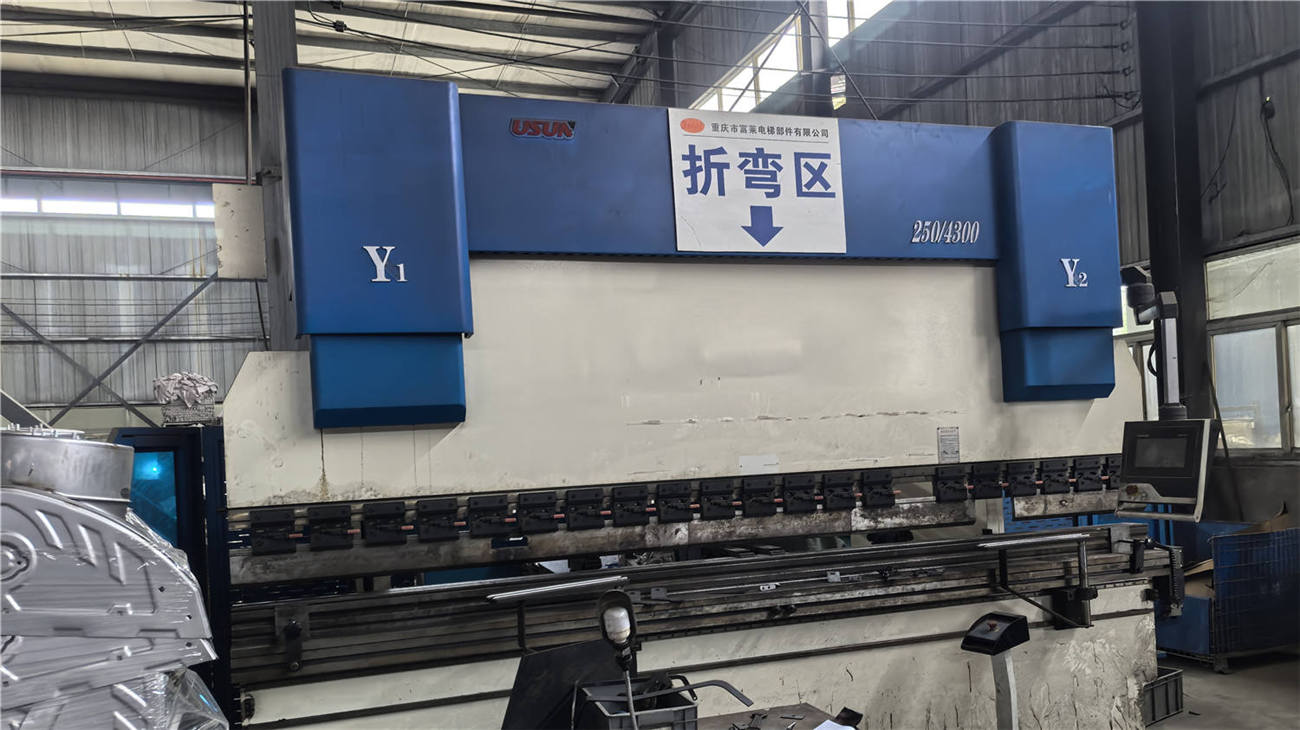
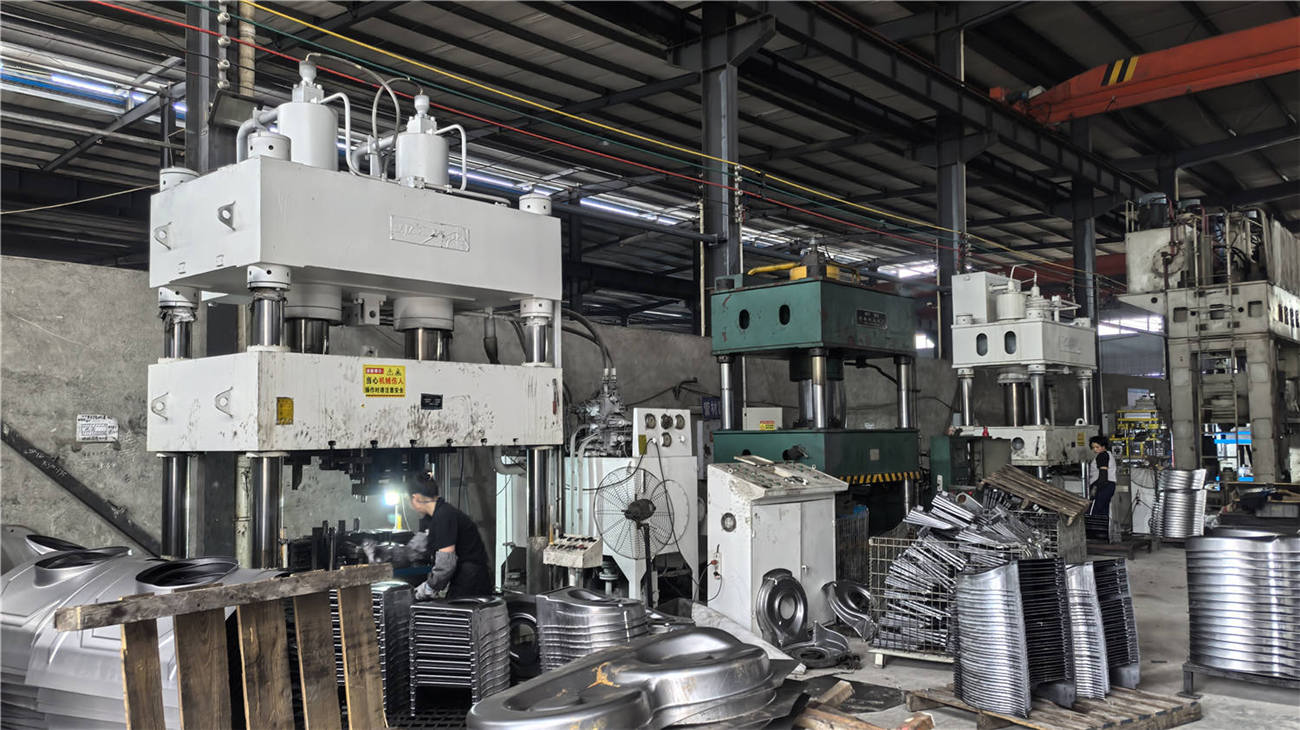
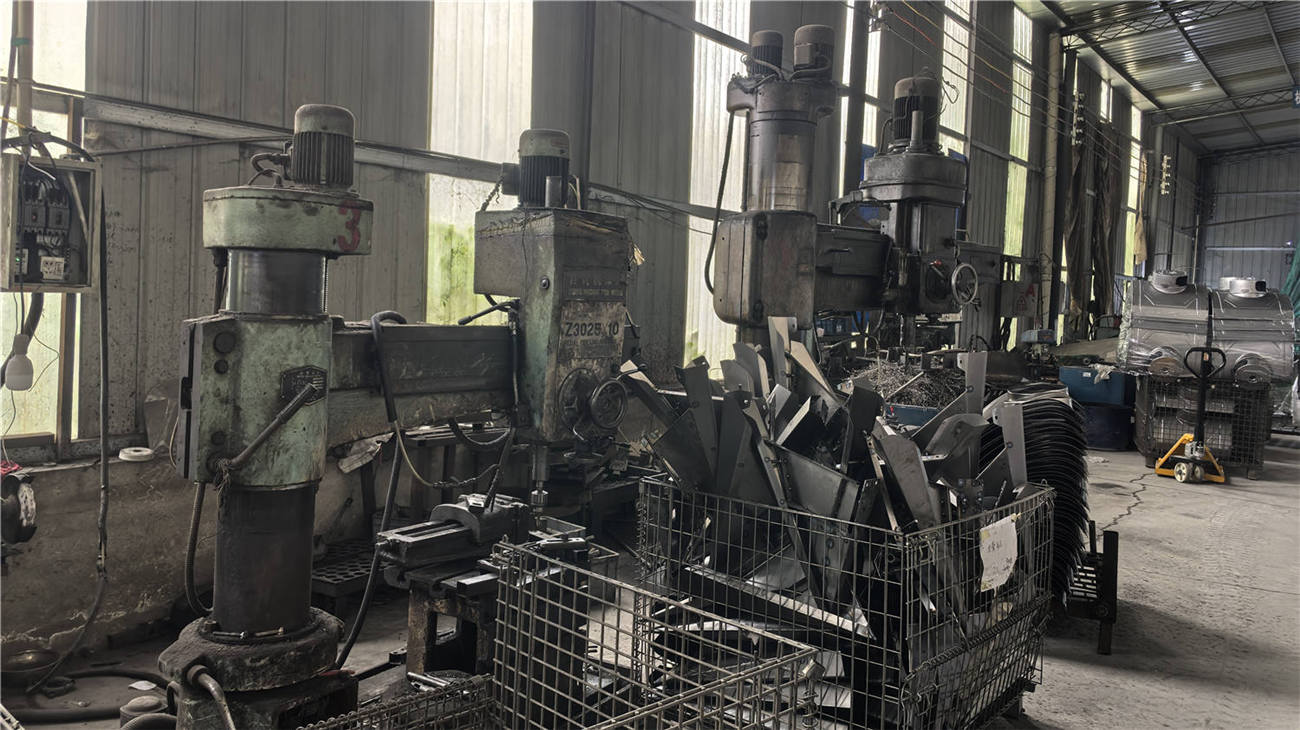
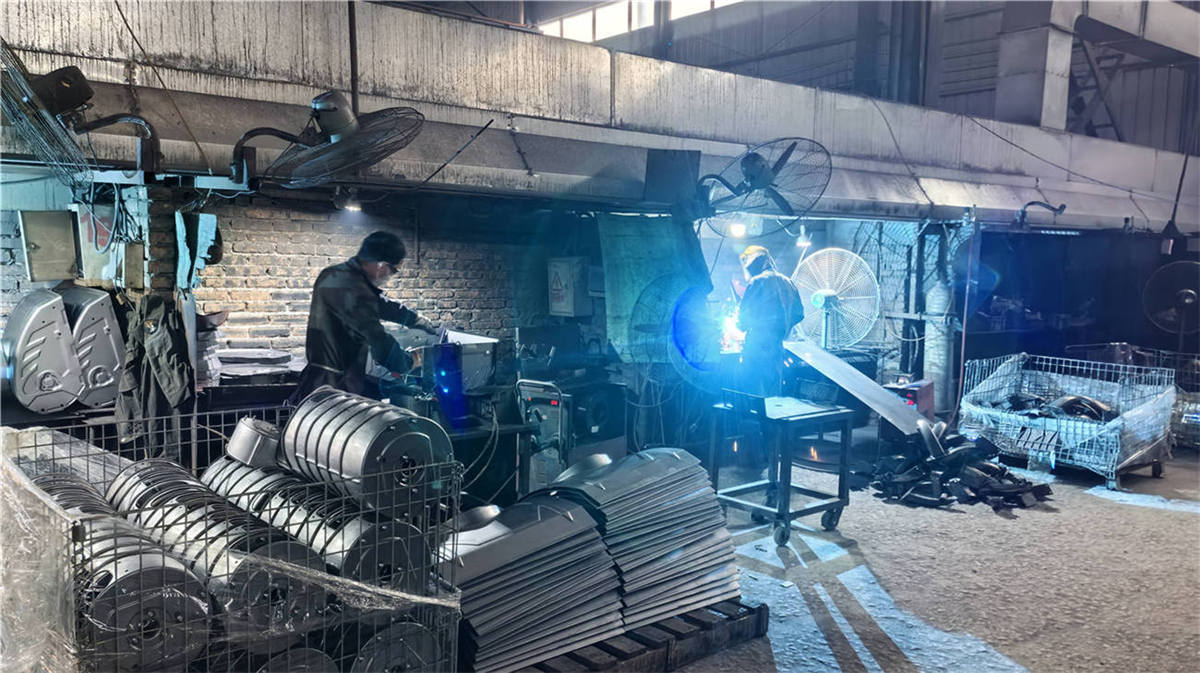
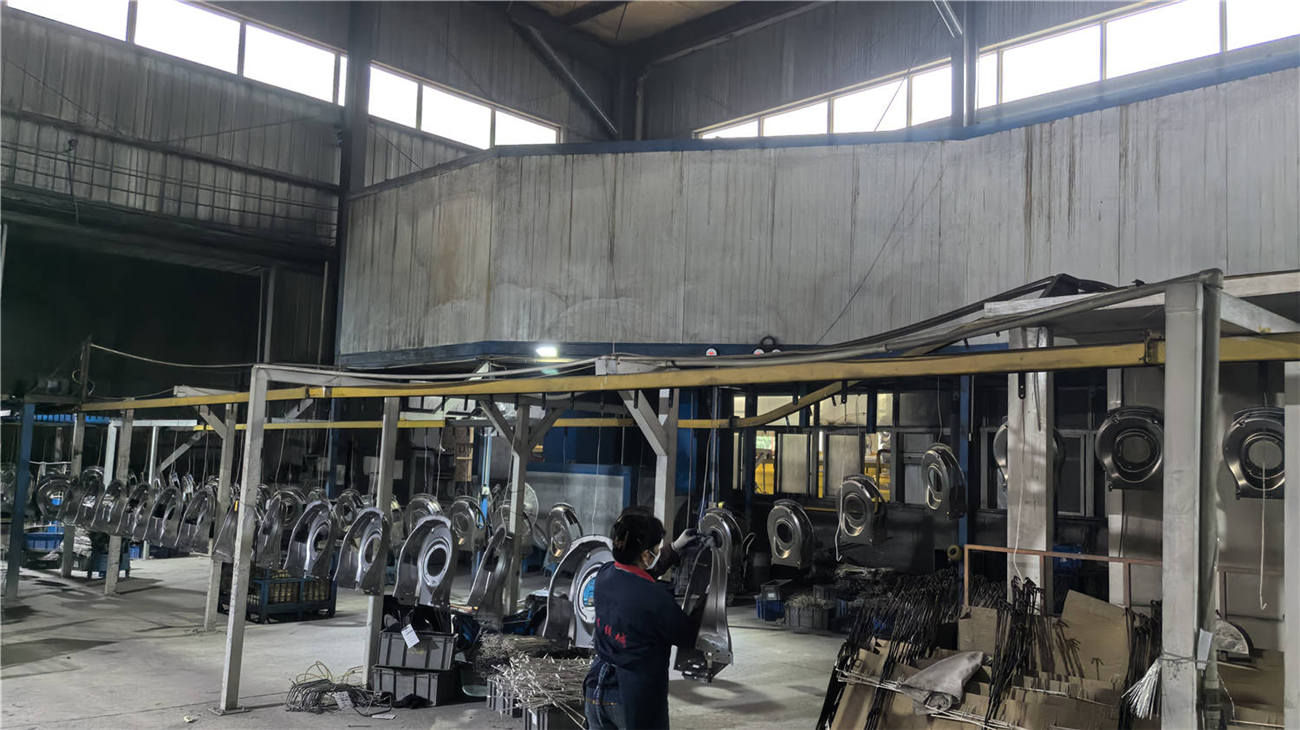
Weifang Gods Power Co., Ltd. is a leading enterprise specializing in the development, manufacturing, and sales of high-quality diesel generator sets. With a registered capital of 26 million yuan, the company is equipped with advanced testing facilities, complete product assembly lines, and sophisticated mechanical processing equipment. Weifang Gods Power employs over 200 skilled professionals and maintains a highly capable technical team, supported by a robust and mature quality management system, ensuring that every product meets the highest standards of reliability and performance.
As a technology-driven company, Weifang Gods Power is committed to continuous innovation and research, integrating product design, development, production, and sales to provide comprehensive power solutions tailored to customer needs. The company’s strategic goal is to be market-oriented, technologically advanced, and guided by honesty and integrity, while continuously strengthening its technical capabilities and service excellence.
Guided by the business philosophy of “unity, diligence, pragmatism, and innovation,” Weifang Gods Power emphasizes the importance of product quality, operational efficiency, and customer satisfaction. Every product is crafted with meticulous attention to detail, and the company provides comprehensive after-sales support to ensure long-term reliability and peace of mind for its clients.
Weifang Gods Power aims to create mutually beneficial and lasting partnerships with customers worldwide. Through a combination of advanced technology, professional expertise, and unwavering commitment to quality, the company strives to deliver cutting-edge energy solutions, drive innovation in the power industry, and contribute to sustainable development globally. With a clear vision for the future, Weifang Gods Power continues to expand its global presence, uphold the highest standards of excellence, and deliver reliable, efficient, and environmentally responsible power solutions to meet the evolving demands of modern industries.
Demystifying safety, electromagnetic, and structural standards for entry into the European Economic Area.
For industrial machinery operating in Europe or regions adhering to European standards, carrying a valid CE Certification is not a voluntary quality label; it is a mandatory legal passport. A compliant heavy-duty generator must align with several underlying EU directives:
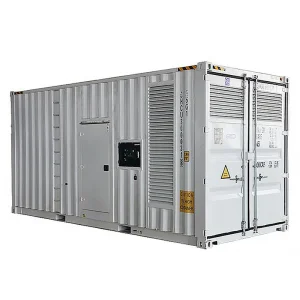
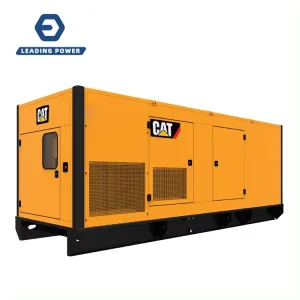
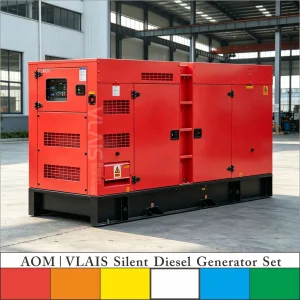
Weifang Gods Power designs all soundproof and containerized enclosures to meet these noise requirements while optimizing internal cooling airflow. This balance ensures the engine runs efficiently, preventing thermal de-rating during hot weather.
Technical answers to key questions asked by plant managers and procurement engineers.
Emergency Standby Power (ESP) is the maximum rating available for varying utility power outages. No overload capacity is supported, and the unit must run at an average load factor below 70% over its runtime. Prime Power (PRP) is for unlimited hours in variable load configurations, supporting a 10% temporary overload for up to one hour in every twelve. Continuous Power (COP) is designed for fixed, unvarying loads without overload capacity.
High altitude features lower air density, which limits the oxygen available for combustion. Elevated ambient temperatures reduce cooling efficiency. Both factors lead to engine de-rating. Weifang Gods Power designs its heat exchangers and turbocharging systems to prevent or minimize de-rating under demanding operating conditions.
A Permanent Magnet Generator (PMG) provides a separate, constant power source to the Automatic Voltage Regulator (AVR). This design isolates the excitation field from load variations, allowing the generator to handle large electric motor starts without experiencing significant voltage drops.
Minor services (lubricating oil change, fuel filters, air filter inspection) are typically scheduled every 250 to 500 operating hours. Major checks, including valve clearance calibration, cooling system flushes, and injector testing, occur between 1,500 and 3,000 hours. This regular maintenance ensures long-term reliability and peak efficiency.
Yes, Weifang Gods Power manufactures dedicated gas generator sets (from 5KW up to 16MW) optimized for natural gas, biogas, LPG, and CNG. These systems use electronic gas mixing systems to adjust fuel ratios based on gas quality variations, ensuring stable power delivery.
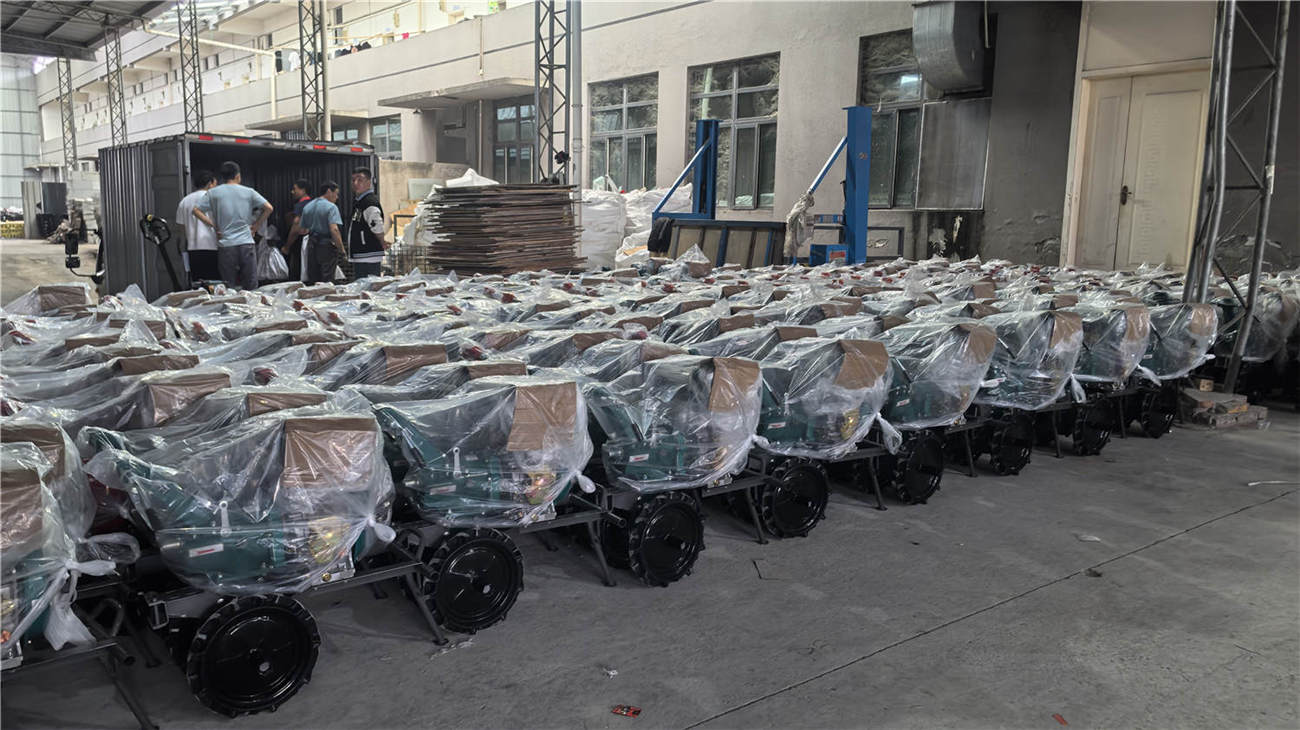
Additional heavy-duty power configurations available for global shipping and continuous operation requirements.
 Gods Power