High-reliability power generation equipment tailored for telecom facilities, remote cell sites, and central communication hubs.
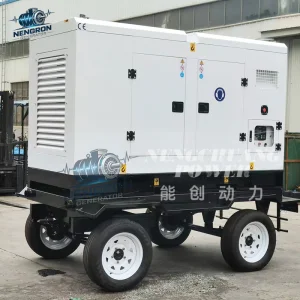
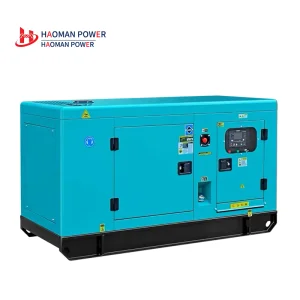
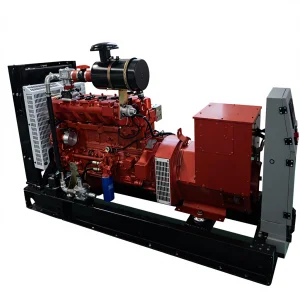

How rapid telecommunications expansion and strict network SLA metrics drive the demand for smart, ruggedized backup generator infrastructures.
The transition to 5G technology has significantly altered the power consumption profile of telecom network installations. A typical 5G macro base station consumes roughly three times the electricity of its 4G predecessor. Combined with the deployment of edge computing servers, modern network sites demand highly efficient standby power units with instantaneous response times and optimal fuel utilization.
For global mobile network operators (MNOs) and tower infrastructure corporations (TowerCos), power outages directly translate to service disruptions and substantial financial penalties. Standby generation system configurations must provide uninterrupted power backup capability with automatic transfer switches (ATS) capable of sensing voltage fluctuations within milliseconds to ensure zero network downtime.
Telecom towers are routinely positioned in demanding environments—from remote high-altitude mountain peaks to corrosive coastal margins. To overcome fuel logistics challenges in off-grid situations, manufacturers must deliver advanced dual-fuel systems, hybrid diesel-battery units, and corrosion-resistant enclosures designed to sustain operation over long service intervals.
Analyzing the shift from legacy diesel configurations to integrated, smart, and low-emission generation systems.
As global industrial frameworks commit to carbon neutrality, the telecommunications infrastructure segment is undergoing a technological transition. While traditional diesel generator sets remain the core insurance policy for standby power, they are now integrated within hybrid power architectures. The modern design paradigm blends solar photovoltaic arrays, lithium-ion energy storage system (ESS) units, and variable-speed generators into a singular, cohesive microgrid.
This integration reduces overall engine operating hours, decreases diesel fuel consumption by up to 60%, and significantly extends maintenance cycles. Furthermore, gaseous fuel options—specifically liquefied petroleum gas (LPG), natural gas, and biogas—are experiencing widespread deployment in regions with established gas pipeline access or local supply loops, yielding lower carbon footprints and negligible particulate emission profiles.
Unlike conventional fixed-speed engines that must maintain a constant RPM regardless of electrical load, modern variable-speed engines adjust output dynamically. This improves fuel economy and prevents engine carbon buildup during light-load conditions commonly observed in off-peak hours.
Equipped with cellular modems and edge processing hardware, modern backup generators continuously transmit diagnostics. Fleet operators monitor parameters like engine temperature, fuel level, battery charge status, and vibration signatures to predict components failure before an outage occurs.
Dual-fuel systems and dedicated gas engines utilizing methane, propane, and hydrogen-enriched biogas provide flexibility. They allow installations to run cleanly on available resources while minimizing the emissions impact on urban and residential surroundings.
Quantifiable metrics demonstrating the reliability, efficiency, and engineering quality of Weifang Gods Power installations.
Adapting standby power configurations to demanding operational settings worldwide.
Desert environments expose gen-sets to airborne particulates and elevated ambient temperatures, requiring multi-stage heavy-duty cyclonic air intake systems and oversized cooling radiators. Conversely, in sub-zero locations, engine block heaters, fuel heaters, and insulated enclosures are deployed to guarantee reliable cold starts under sub-zero conditions.
Urban base stations situated on rooftops or adjacent to residential buildings must comply with stringent noise pollution codes. Double-wall acoustic enclosures lined with fire-rated, high-density sound-absorbing rock wool, coupled with residential-grade exhaust silencers, reduce noise output to levels below 68 dB(A) at 7 meters.
Salt spray, moisture, and high humidity accelerate corrosion on alternators and control panel circuitry. Marine-spec standby power plants feature anti-condensation space heaters, powder-coated structural bases, IP23-rated enclosures, and conformally coated printed circuit boards to resist atmospheric corrosion.
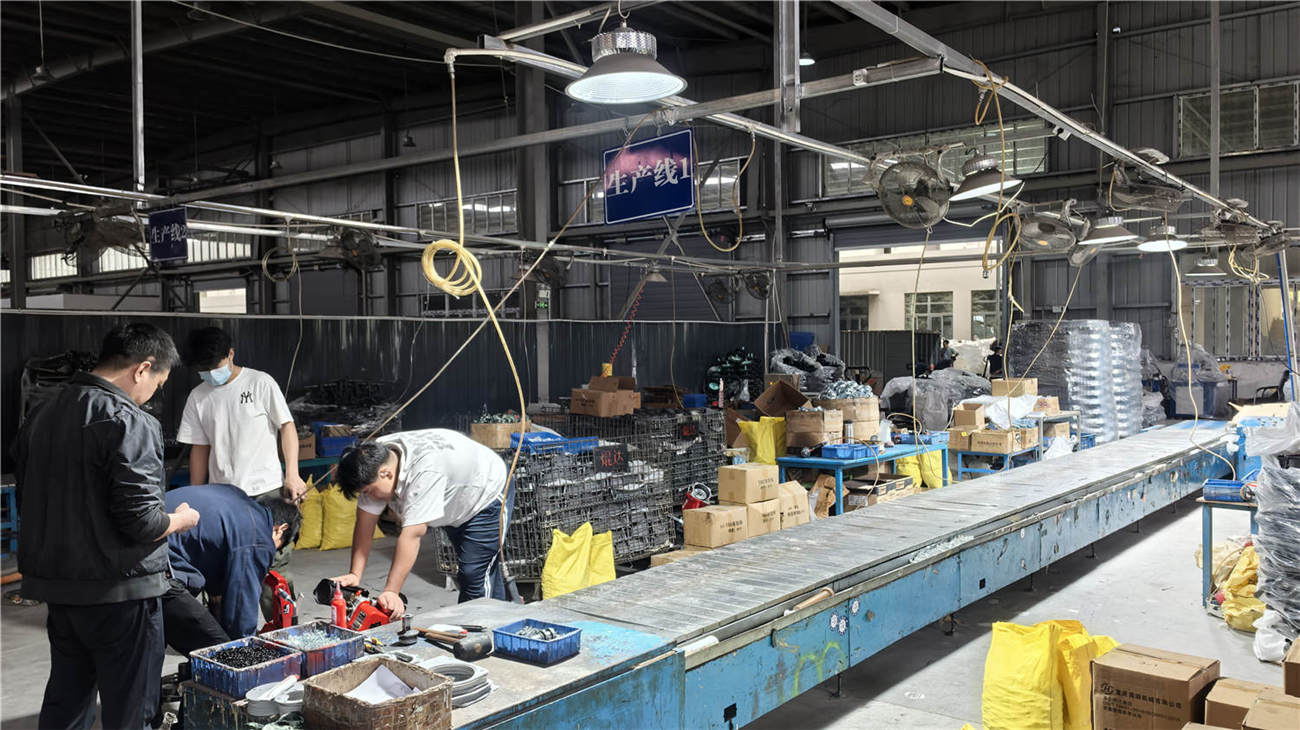
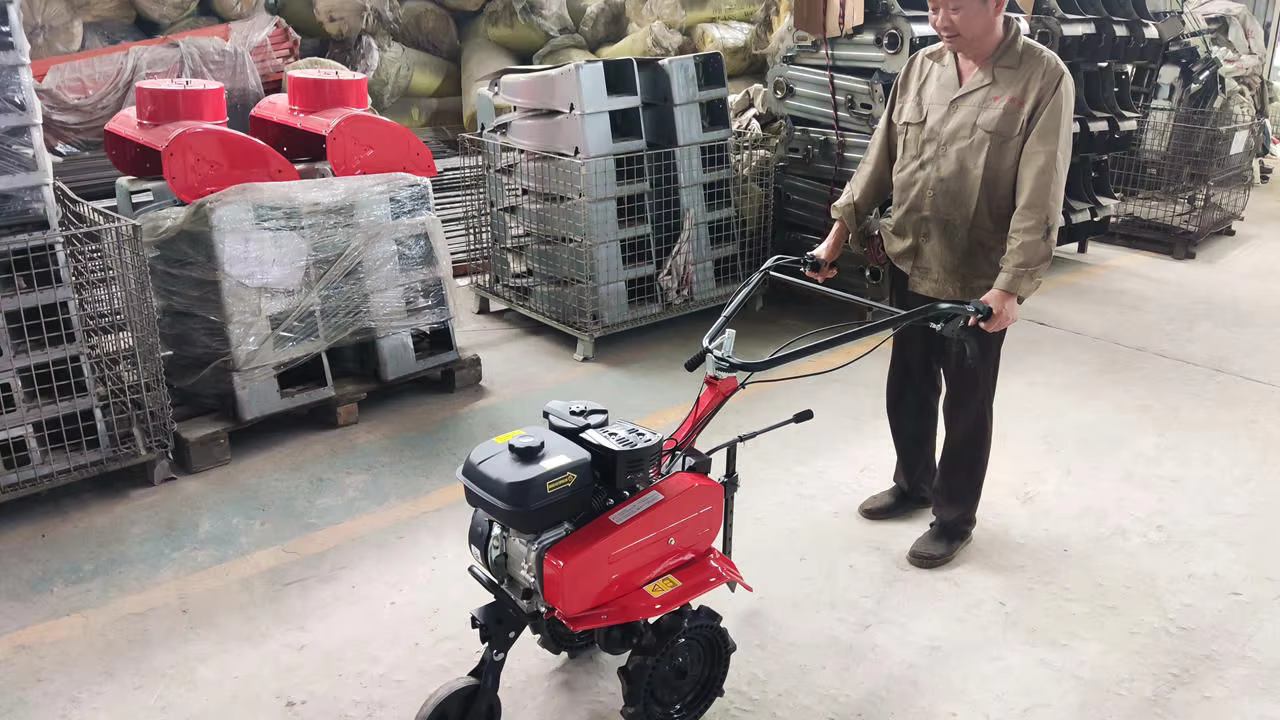
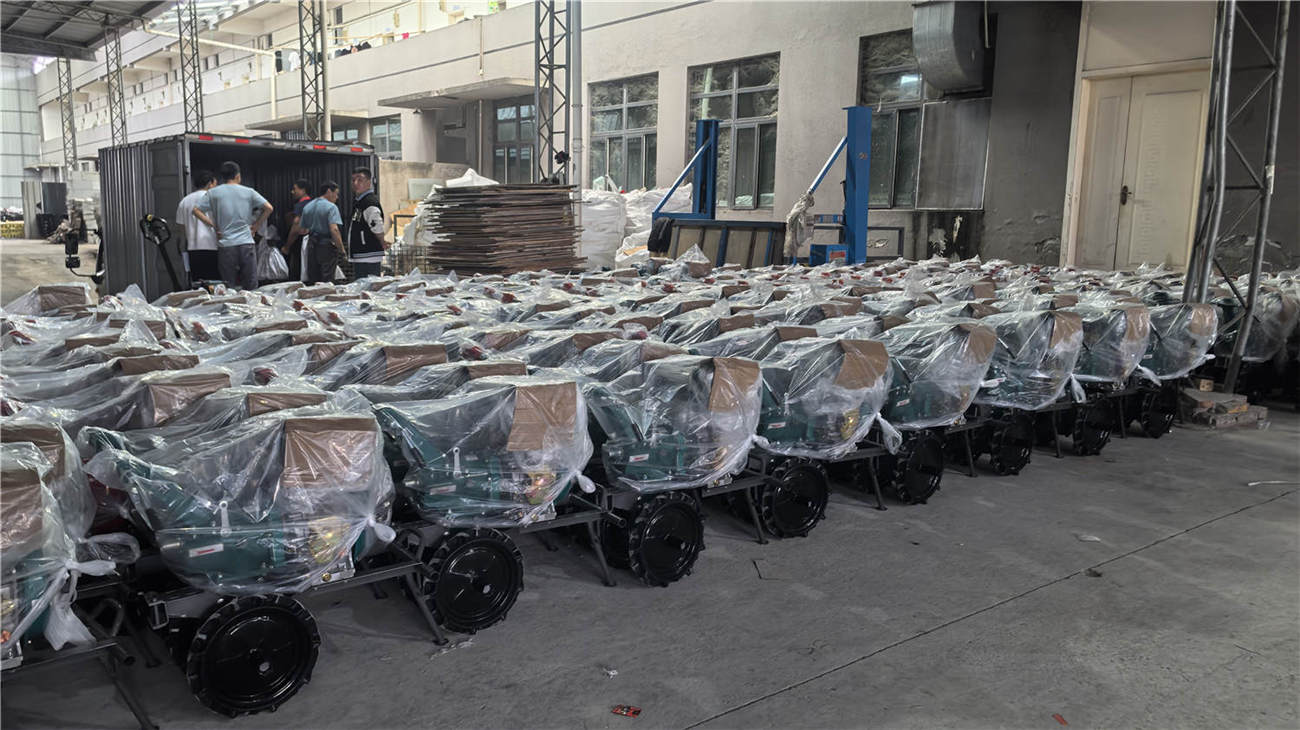
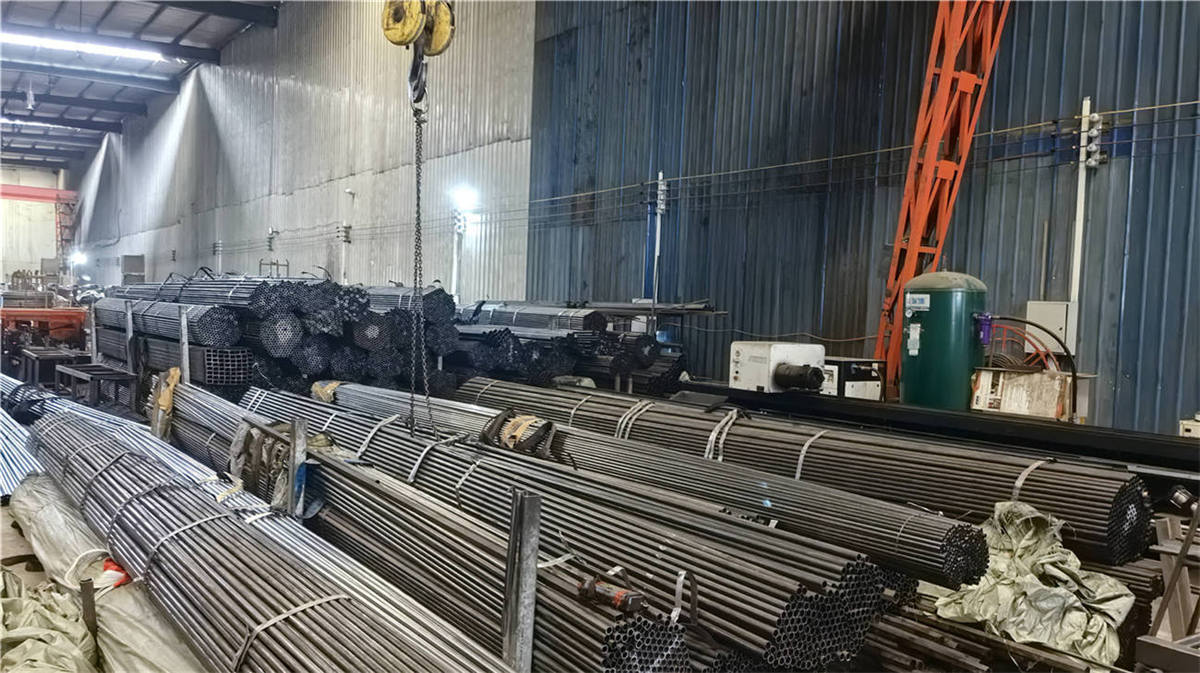
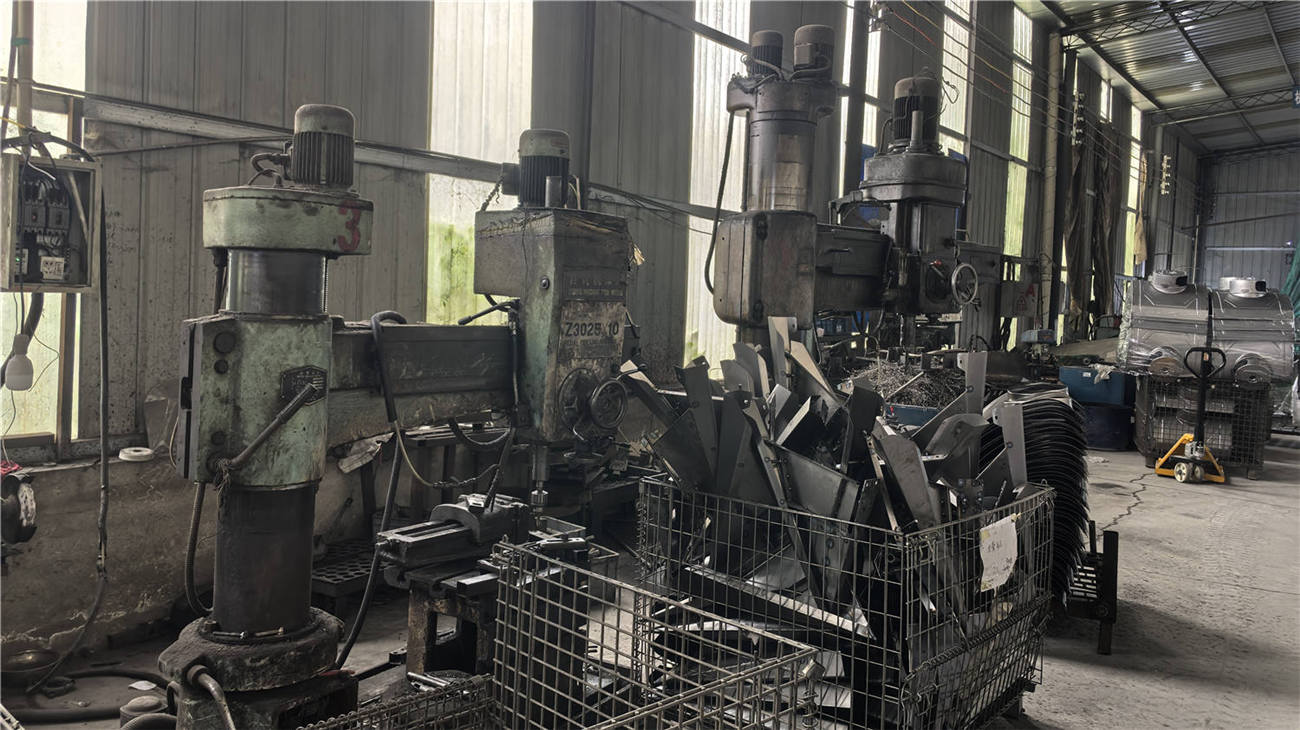
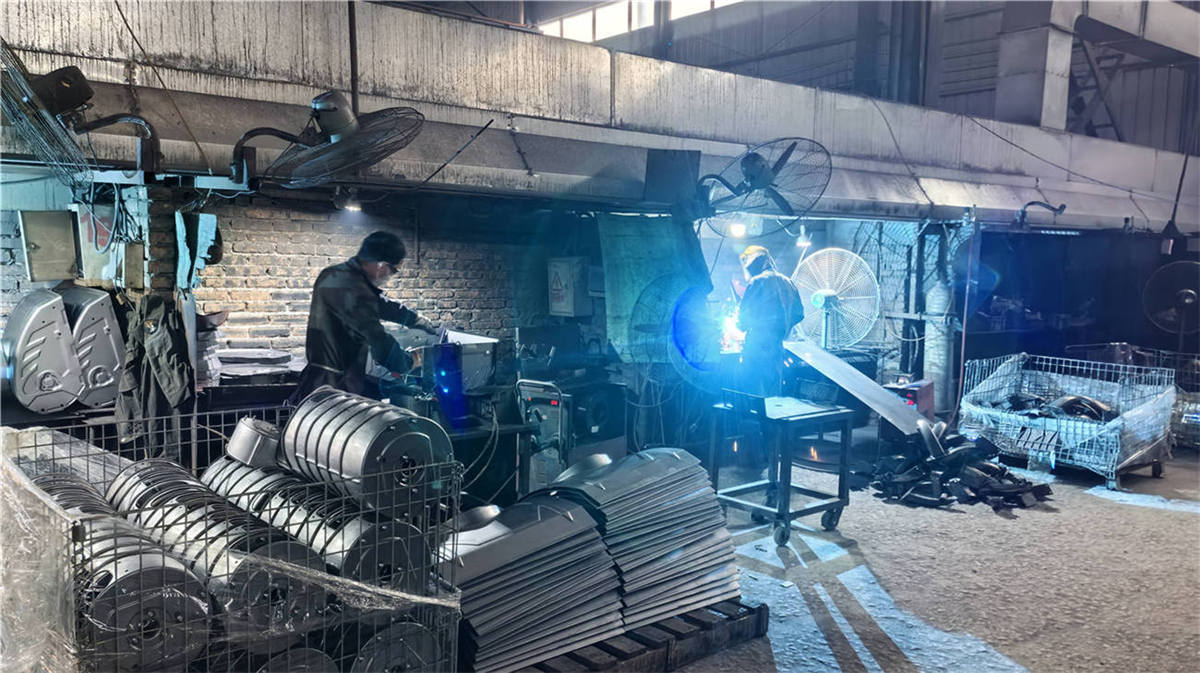
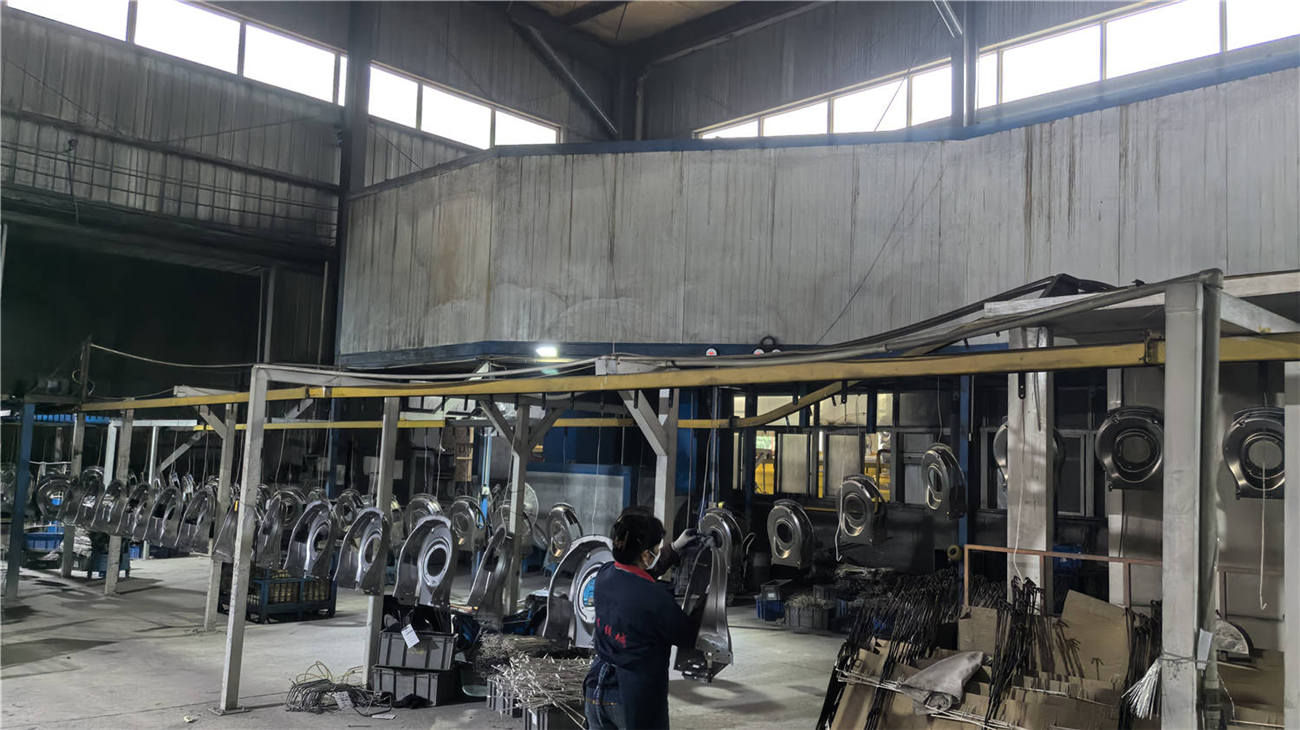
Inside Weifang Gods Power Co., Ltd.: Global standards in power generation engineering and fabrication.
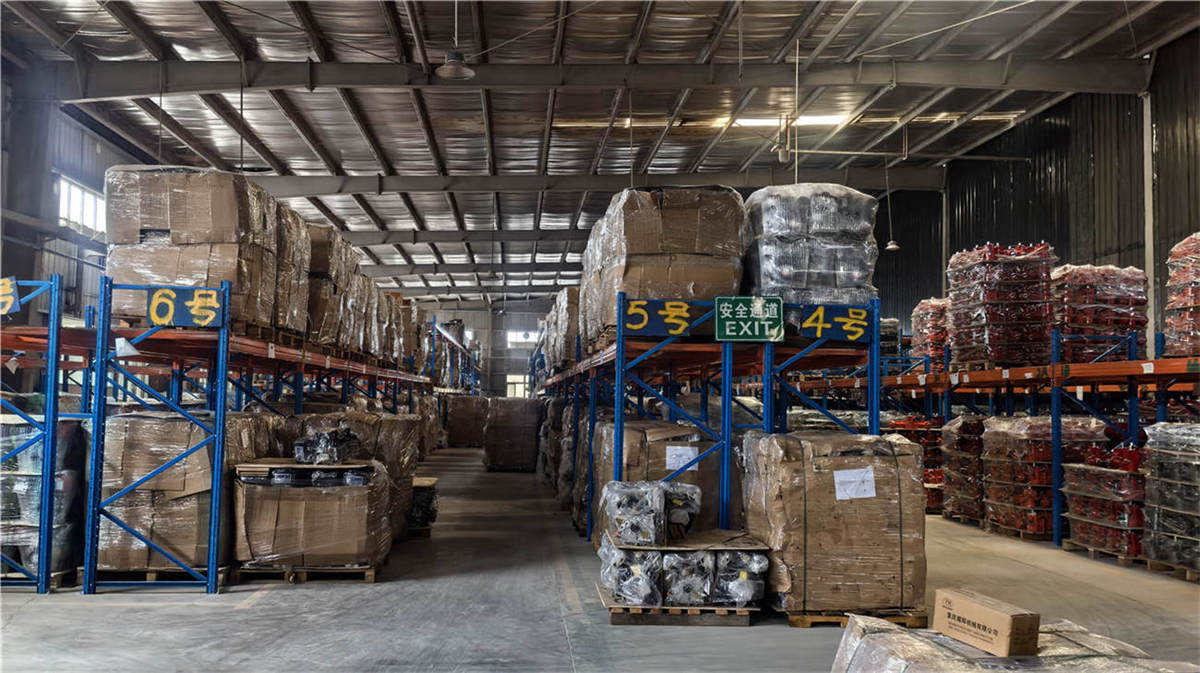
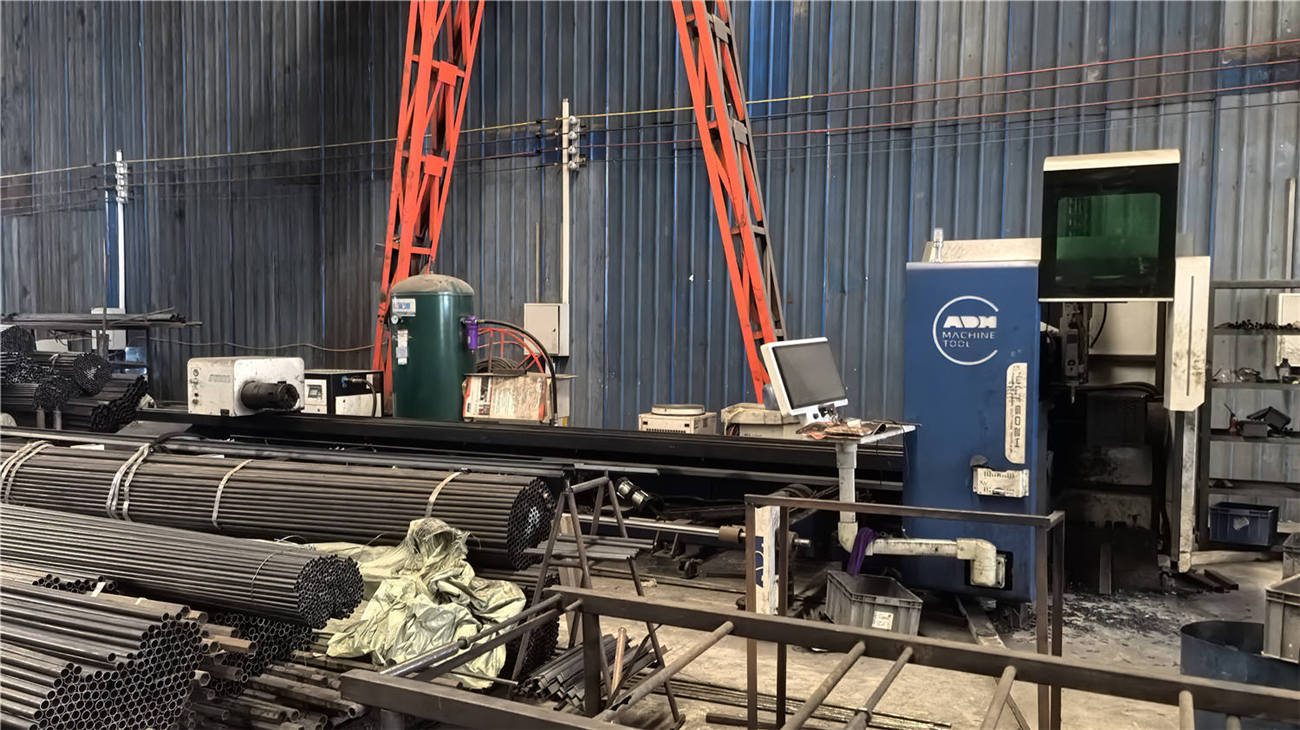
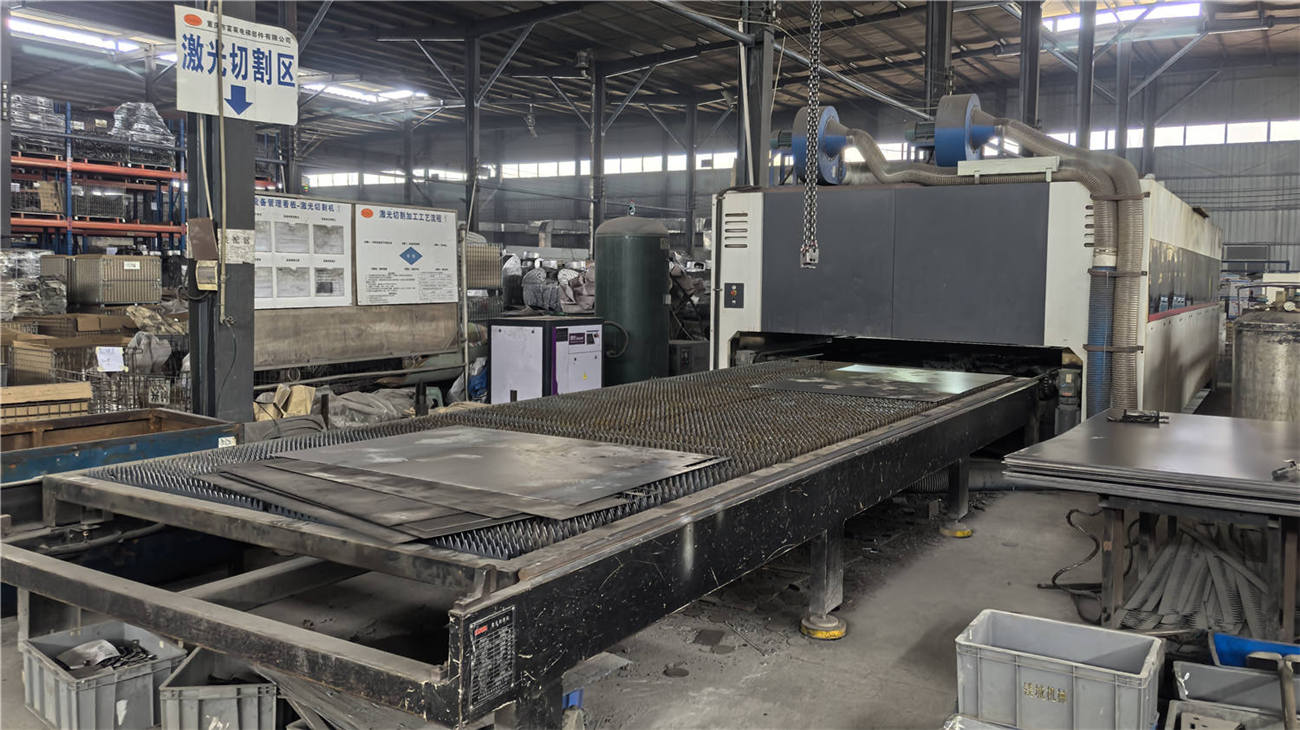
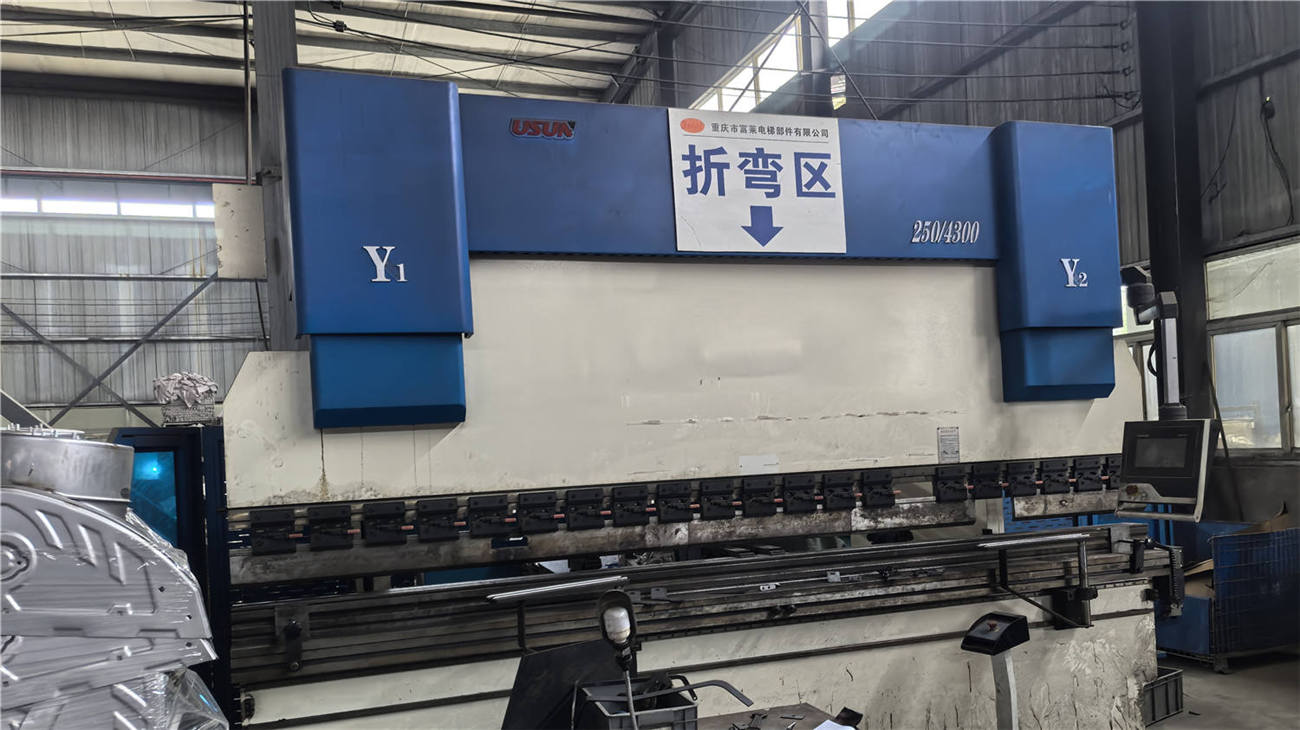
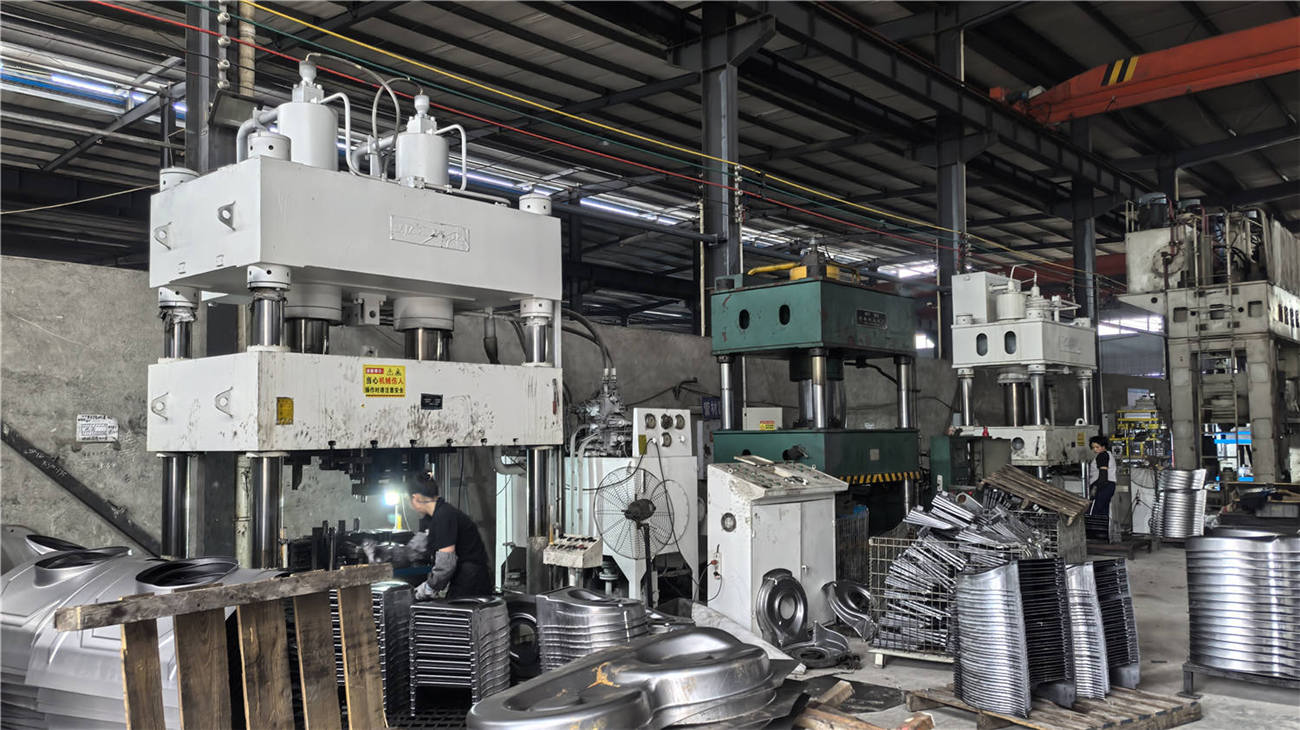
Weifang Gods Power Co., Ltd. is a leading enterprise specializing in the development, manufacturing, and sales of high-quality diesel generator sets. With a registered capital of 26 million yuan, the company is equipped with advanced testing facilities, complete product assembly lines, and sophisticated mechanical processing equipment. Weifang Gods Power employs over 200 skilled professionals and maintains a highly capable technical team, supported by a robust and mature quality management system, ensuring that every product meets the highest standards of reliability and performance.
As a technology-driven company, Weifang Gods Power is committed to continuous innovation and research, integrating product design, development, production, and sales to provide comprehensive power solutions tailored to customer needs. The company’s strategic goal is to be market-oriented, technologically advanced, and guided by honesty and integrity, while continuously strengthening its technical capabilities and service excellence.
Guided by the business philosophy of “unity, diligence, pragmatism, and innovation,” Weifang Gods Power emphasizes the importance of product quality, operational efficiency, and customer satisfaction. Every product is crafted with meticulous attention to detail, and the company provides comprehensive after-sales support to ensure long-term reliability and peace of mind for its clients.
Weifang Gods Power aims to create mutually beneficial and lasting partnerships with customers worldwide. Through a combination of advanced technology, professional expertise, and unwavering commitment to quality, the company strives to deliver cutting-edge energy solutions, drive innovation in the power industry, and contribute to sustainable development globally.
With a clear vision for the future, Weifang Gods Power continues to expand its global presence, uphold the highest standards of excellence, and deliver reliable, efficient, and environmentally responsible power solutions to meet the evolving demands of modern industries.
Addressing engineering, logistical, and configuration inquiries regarding modern telecom backup power systems.
Variable speed generator sets dynamically adjust their rotational speed (RPM) to match the real-time load profile of the telecom station, rather than running constantly at a locked frequency (e.g., 1500 RPM / 1800 RPM). By scaling down engine speeds during low-traffic periods, operators can achieve up to 30% reduction in fuel consumption, lower thermal stress, minimize cylinder glazing, and extend service maintenance intervals to reduce on-site human intervention.
For modern communications environments, an Automatic Transfer Switch (ATS) integrated with an AMF (Automatic Mains Failure) controller is required. The system must support configurable delay-on-start (typically 3 to 10 seconds) to filter out transient utility grid fluctuations, automatic engine warm-up cycle control, and load-shedding parameters. For hyperscale operations and dense micro-data centers, the transition can be managed via hybrid battery storage to guarantee seamless power supply and eliminate transient voltage drops.
As altitude increases, atmospheric density falls. This reduces the oxygen availability required for internal combustion, causing thermal and power derating. Typically, naturally aspirated engines lose about 3.5% of their rated power output for every 300 meters above sea level, whereas turbocharged engines compensate better up to their turbocharging threshold limit. Our engineers offset altitude derating by calculating correct displacement-to-power ratios and selecting specialized turbocharger configurations for high-altitude station bids.
Dual-fuel (diesel combined with gas) and dedicated gas-fired systems (running on natural gas, LPG, or biogas) offer major environmental and financial benefits. Methane-based systems produce fewer carbon emissions and low particulate output. This makes them ideal for satisfying strict environmental codes in dense urban zones. Furthermore, utilizing localized gas networks removes the fuel transport logjam and risk of fuel theft from remote telecom towers.
We approach acoustics through structural design. Our soundproof canopies are engineered with 2.0mm to 2.5mm cold-rolled steel plates, high-density non-flammable acoustic mineral wool, and specialized air intake/exhaust duct labyrinths to redirect acoustic emissions. Vibration isolation mounts are positioned under the engine and alternator feet, isolating kinetic movement from the main skid frame and protecting nearby electronic equipment.
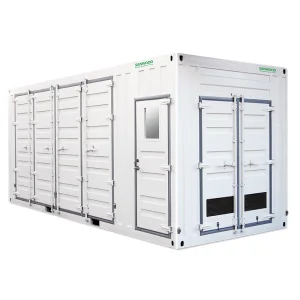
A containerized ESS combines lithium-iron-phosphate (LFP) battery packs, a smart Power Conversion System (PCS), and a battery management system (BMS). When coupled with a standby generator, the ESS functions as the first line of defense during utility failure. The generator only runs if battery state-of-charge (SOC) drops below a set threshold, or during prolonged grid outages. This hybrid design maximizes fuel economy and ensures silent operation during nighttime hours.
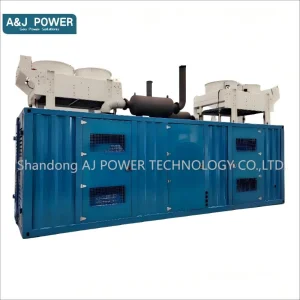
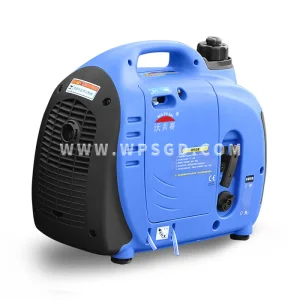
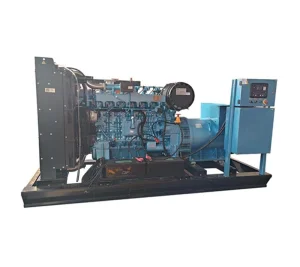
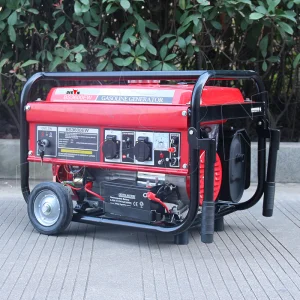
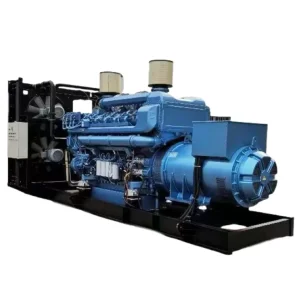
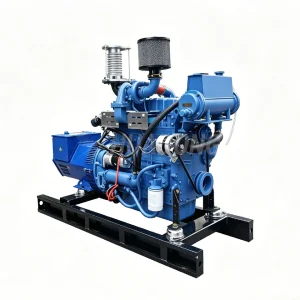
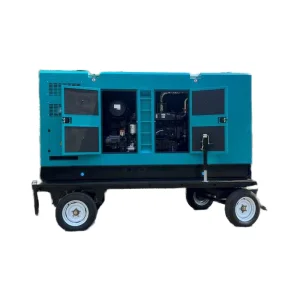
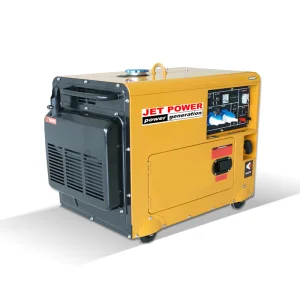
Innovative alternative fuel engines, marine power generators, and portable backup units.
 Gods Power