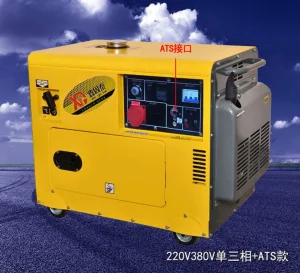
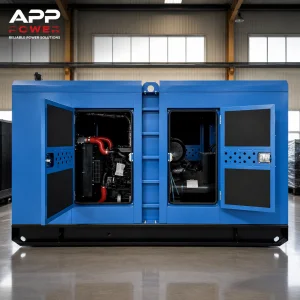
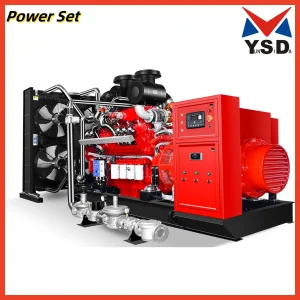
Custom OEM Asynchronous Generator Factories & Supplier

High-Performance Induction Power Generation Systems for Global Industrial Systems

TECHNICAL WHITE PAPER

Understanding Asynchronous Generators (Induction Generators)

An exploration of mechanical-electrical energy conversion characteristics, grid integration, and design modifications for modern applications.

In the global energy infrastructure, the Asynchronous Generator (commonly referred to as an induction generator) stands out as a highly reliable solution for applications requiring mechanical simplicity and robust grid integration. Unlike synchronous alternators that require precise synchronization systems and DC excitation currents on the rotor, asynchronous generators utilize electromagnetic induction to produce alternating current.
The core operating mechanism relies on the slip between the stator's rotating magnetic field and the mechanical speed of the rotor. When an external prime mover (such as a diesel engine, gas turbine, wind turbine, or hydro turbine) drives the rotor above the synchronous speed (negative slip), the machine transitions from motoring mode to generating mode, feeding active power back into the system. This inherent simplicity makes asynchronous generators highly resilient against sudden load variations and mechanical shocks.

Mechanical Resilience

Eliminating brush assemblies and slip rings reduces friction losses and simplifies maintenance. The squirrel-cage rotor construction provides structural strength suitable for high-speed operation and harsh industrial environments.

Simplified Grid Sync

Synchronous grids natively dictate the output frequency. The induction generator naturally locks onto the system frequency, eliminating complex phase-matching controls required by traditional alternators.

Self-Excitation Options

For off-grid or stand-alone operations, we optimize capacitive excitation banks (stand-alone induction generators) to construct a stable voltage source without requiring external utility grid support.

Supply Chain Superiority

Strategic Advantages of Chinese Factories in OEM Manufacturing

How Chinese manufacturing ecosystems balance scale, high-quality standards, and deep technical customization.

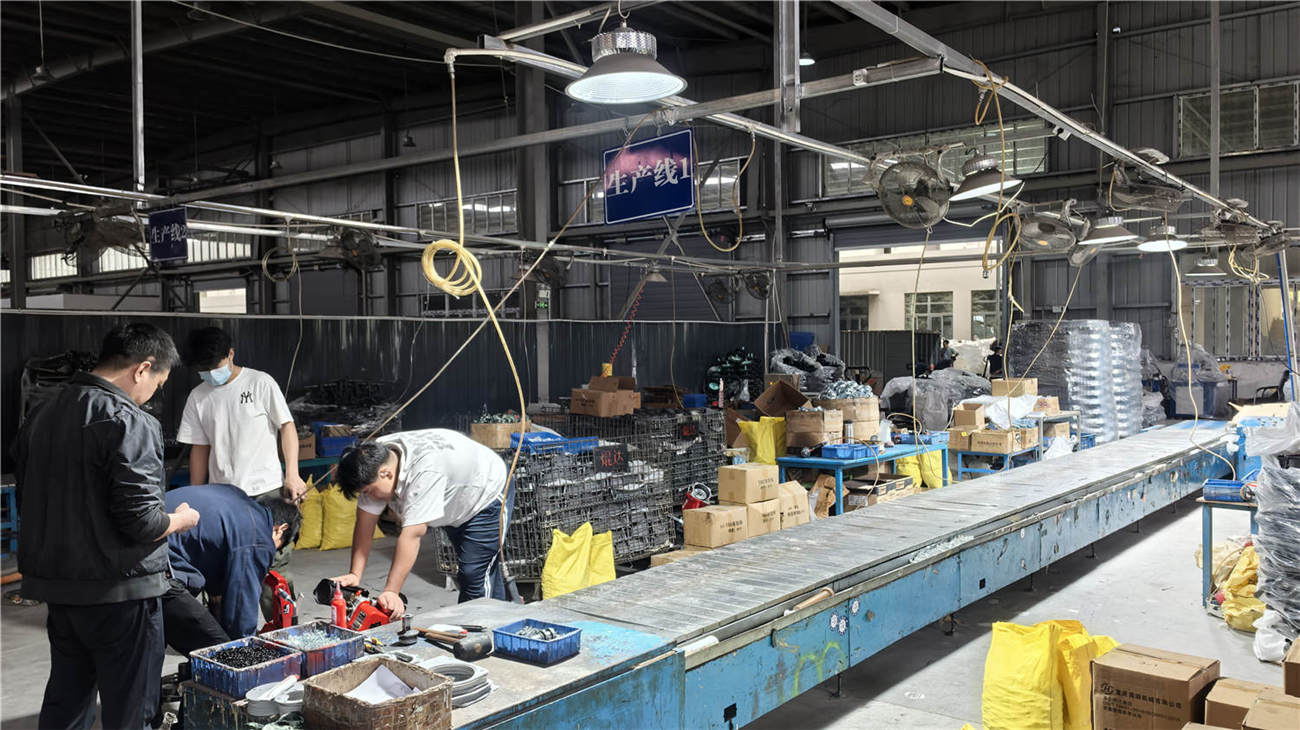
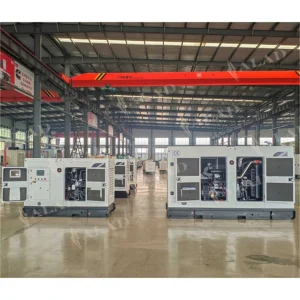
As the world's primary industrial manufacturing hub, China offers significant structural and supply-chain advantages for the production of custom asynchronous generators and integrated power units. By utilizing highly integrated manufacturing clusters, such as the power equipment ecosystem in Weifang, factories can source raw materials, execute high-precision machining, and run advanced dyno tests under unified regional operations.
This industrial integration supports efficient cost structures and enables quick response times for custom OEM/ODM modifications. Whether adjusting stator core stampings for specific frequency profiles, wrapping custom thermal protection systems, or integrating special controls (such as ATS, digital remote start, or acoustic insulation), Chinese factories can rapidly scale up production while meeting global standards.
26M+
Registered Capital (RMB)
200+
Skilled Professionals
98%
Testing Bench Accuracy
50+
Exporting Countries
Corporate Profile

Company Introduction: Weifang Gods Power Co., Ltd.

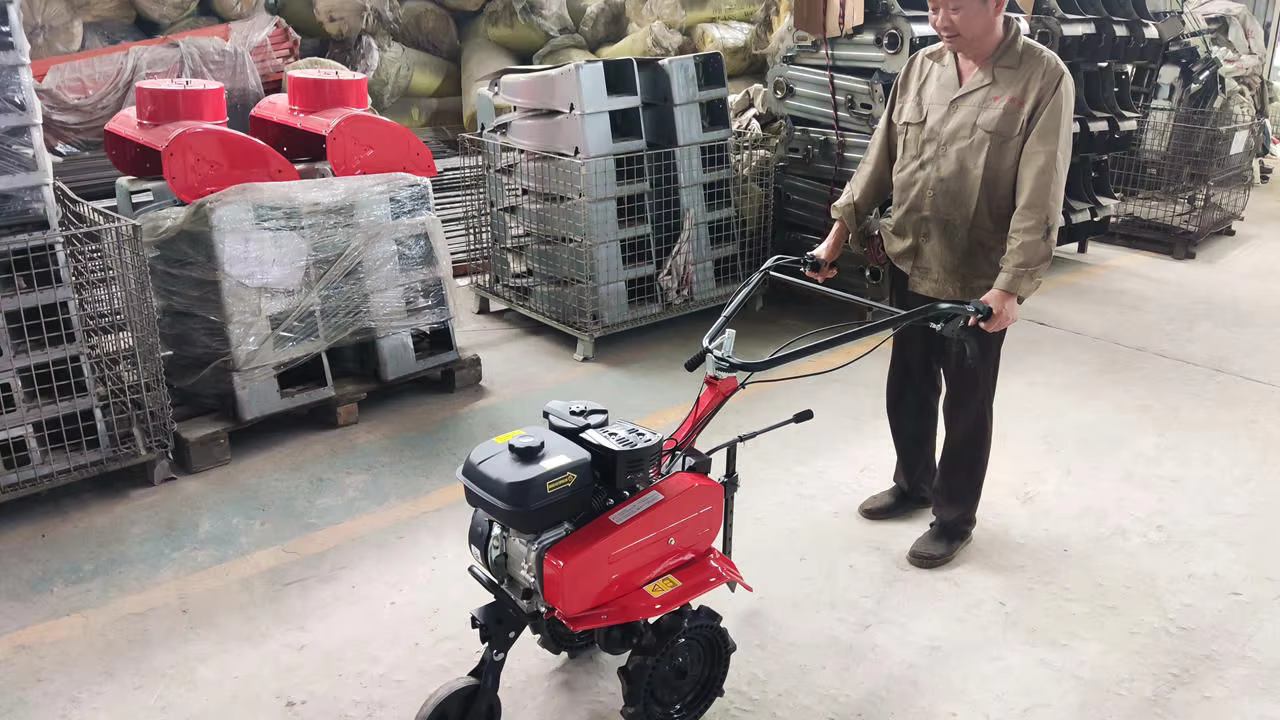
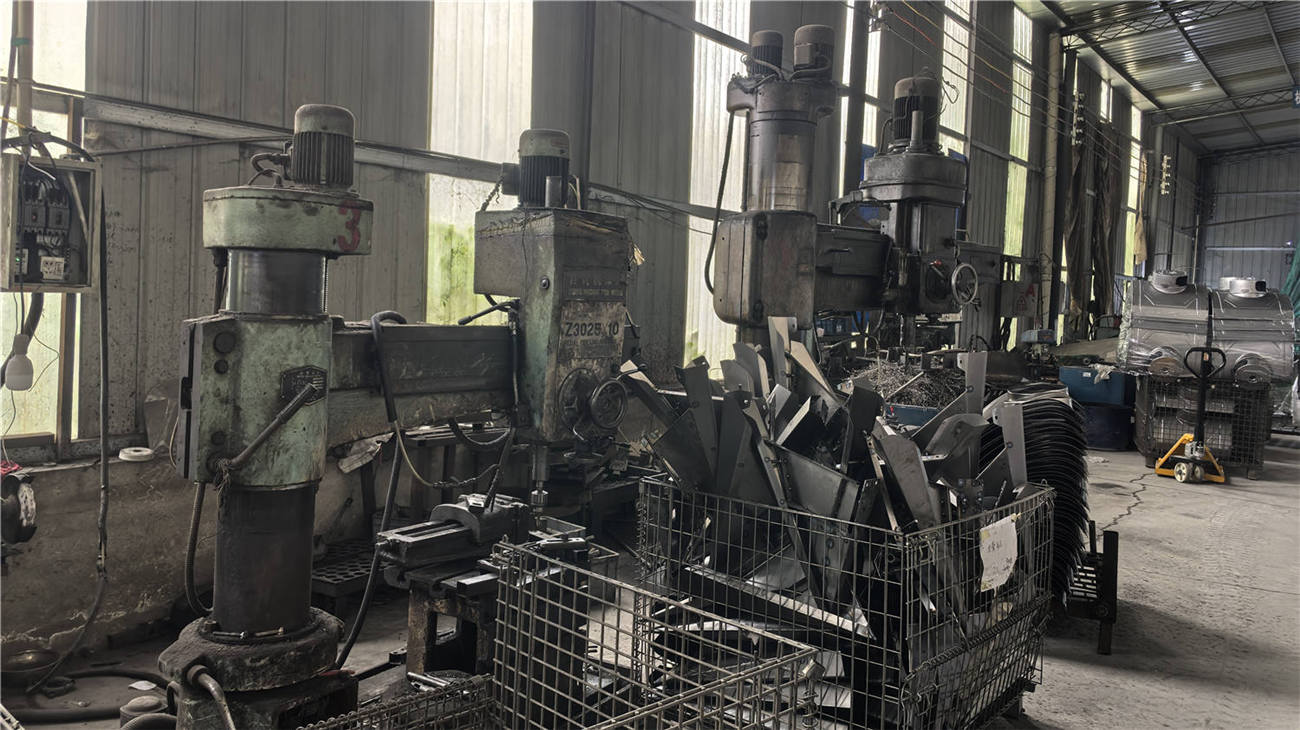
Weifang Gods Power Co., Ltd. is a leading enterprise specializing in the development, manufacturing, and sales of high-quality diesel generator sets. With a registered capital of 26 million yuan, the company is equipped with advanced testing facilities, complete product assembly lines, and sophisticated mechanical processing equipment. Weifang Gods Power employs over 200 skilled professionals and maintains a highly capable technical team, supported by a robust and mature quality management system, ensuring that every product meets high standards of reliability and performance.
As a technology-driven company, Weifang Gods Power is committed to continuous innovation and research, integrating product design, development, production, and sales to provide comprehensive power solutions tailored to customer needs. The company’s strategic goal is to be market-oriented, technologically advanced, and guided by honesty and integrity, while continuously strengthening its technical capabilities and service excellence.
Guided by the business philosophy of “unity, diligence, pragmatism, and innovation,” Weifang Gods Power emphasizes the importance of product quality, operational efficiency, and customer satisfaction. Every product is crafted with attention to detail, and the company provides comprehensive after-sales support to ensure long-term reliability for its clients.
Weifang Gods Power aims to create mutually beneficial and lasting partnerships with customers worldwide. Through a combination of advanced technology, professional expertise, and commitment to quality, the company delivers modern energy solutions, drives innovation in the power industry, and contributes to sustainable development globally.
With a clear vision for the future, Weifang Gods Power continues to expand its global presence, uphold high standards of excellence, and deliver reliable, efficient, and environmentally responsible power solutions to meet the evolving demands of modern industries.
Factory Workflow

Step-by-Step Production Process & QA

Ensuring reliability from raw materials to final dyno-testing and finished goods storage.
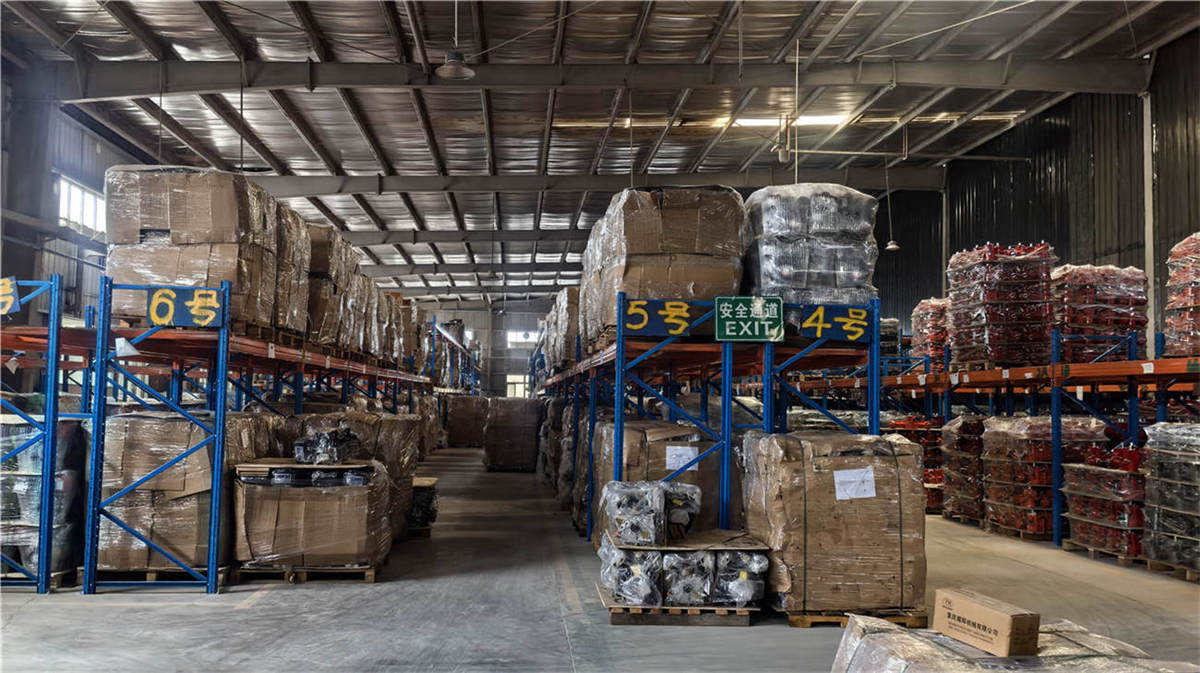
Raw Materials
Raw Materials Inspection
Assembling
Precision Assembly
Function Testing
Function & Load Testing
Finished Goods Storage
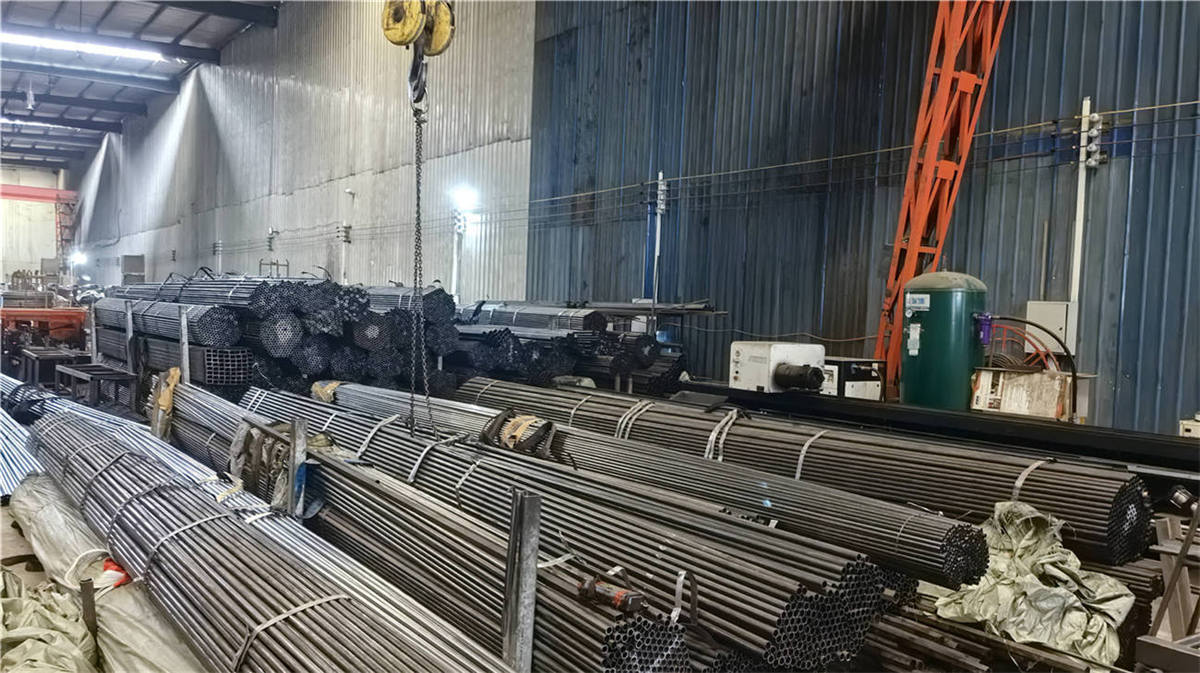
Raw Materials Store
Raw Materials Storage
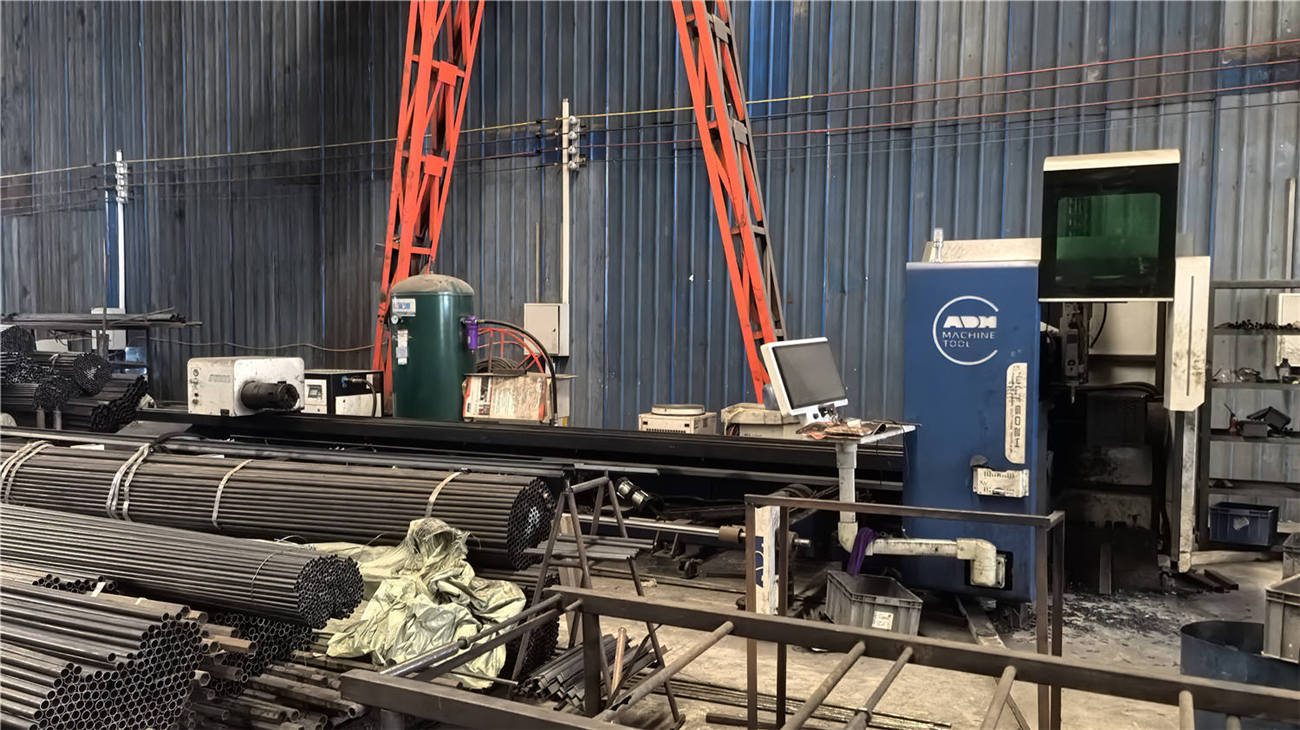
Tube Cutting
Tube Cutting
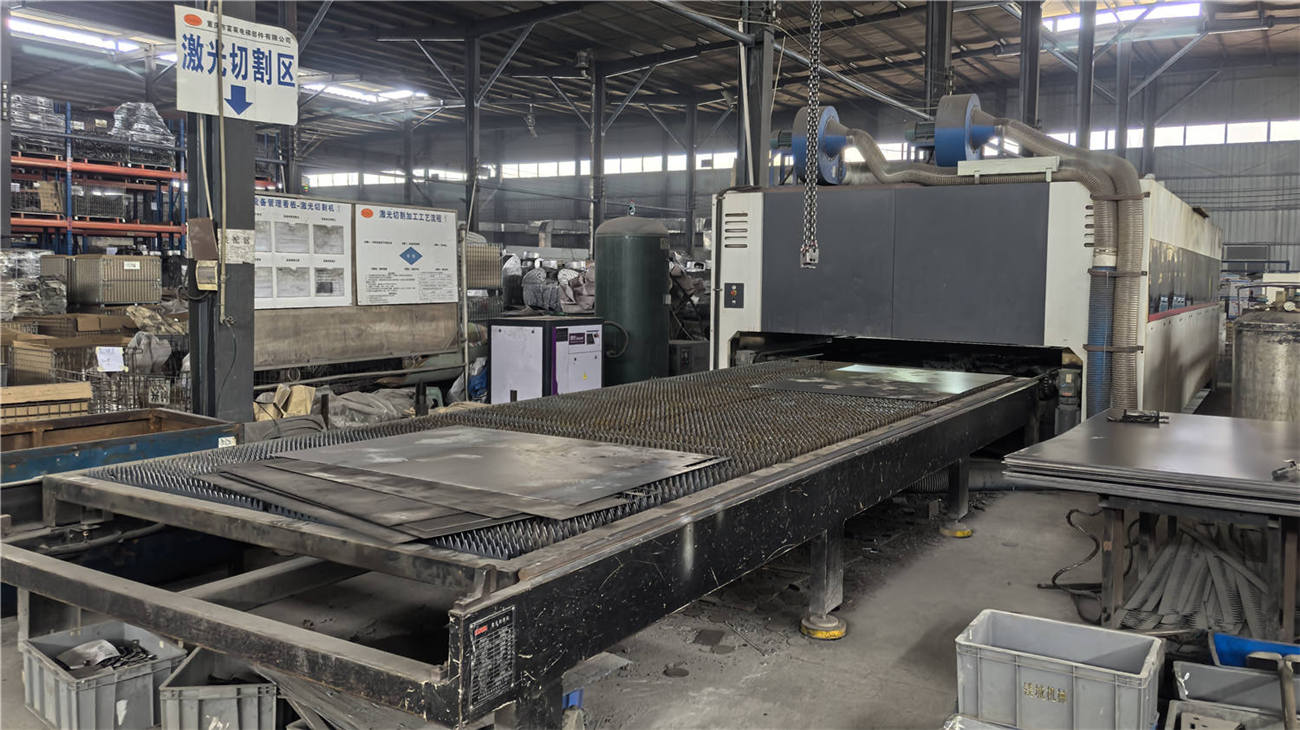
Steel Plate Cutting
Steel Plate Cutting
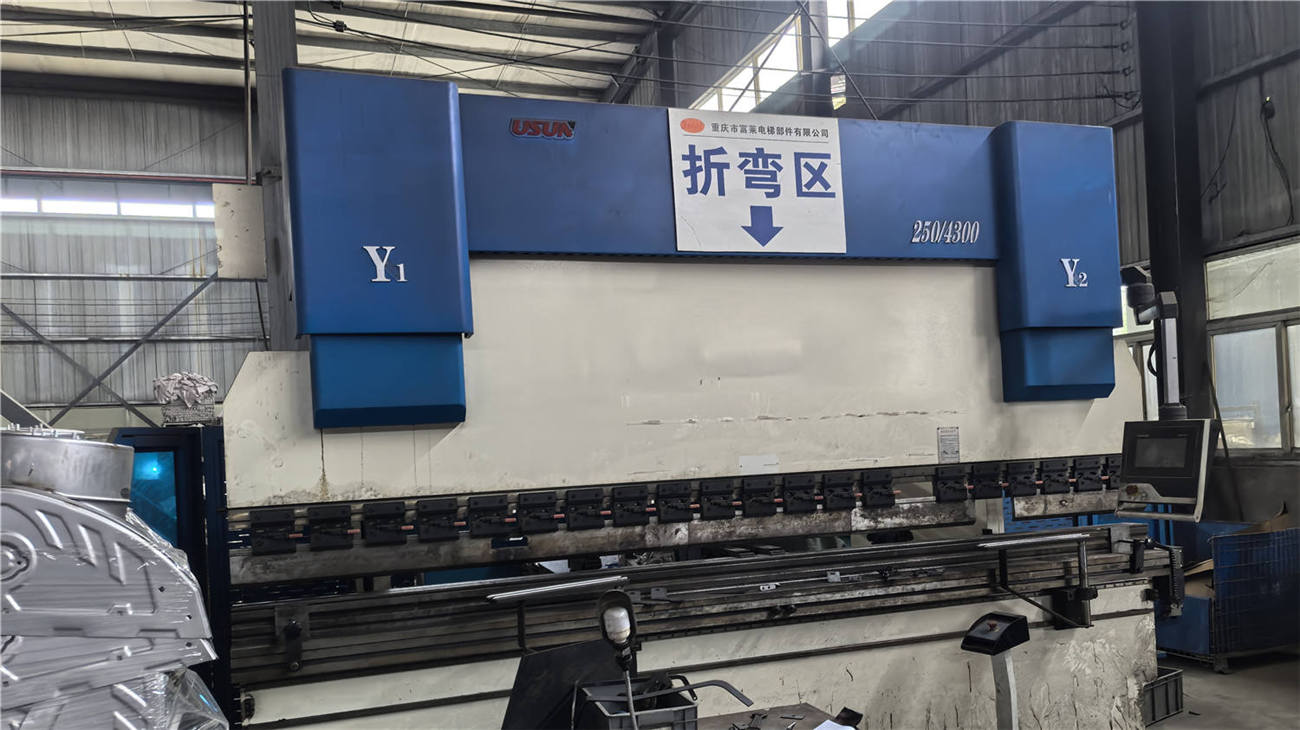
Bending
Precision Bending
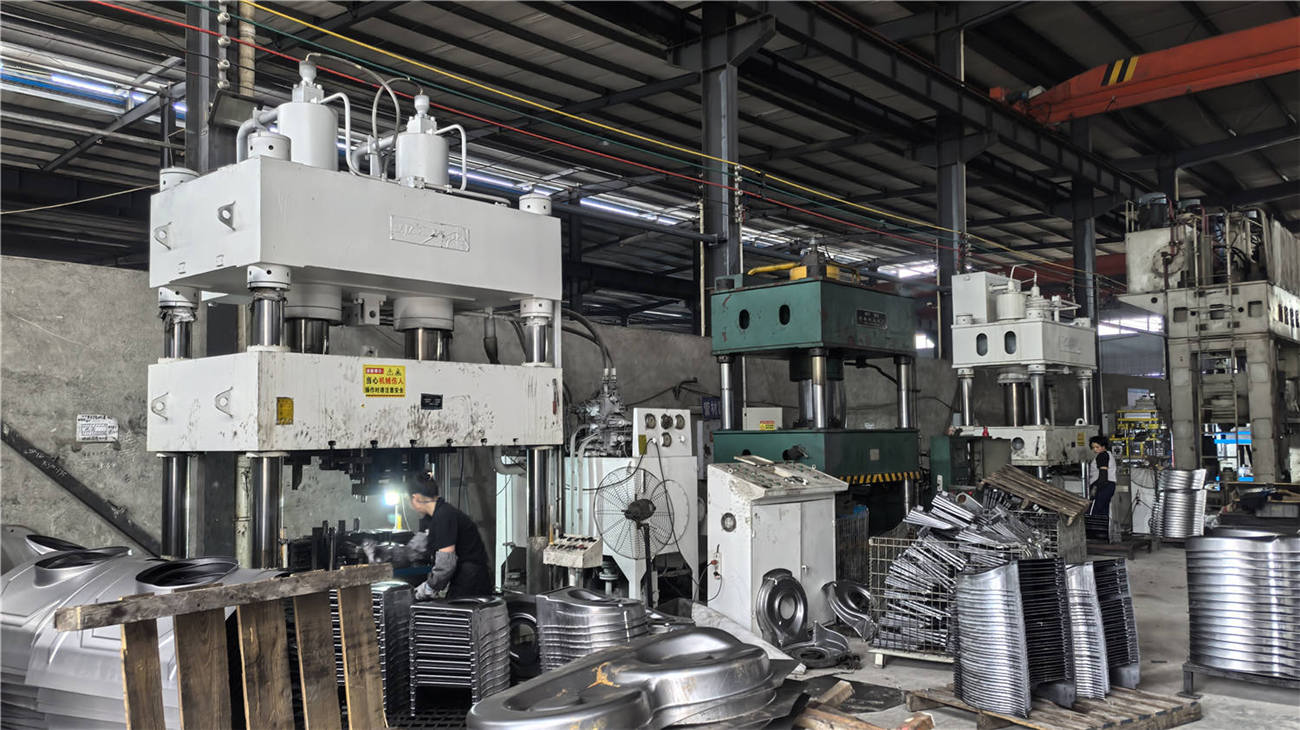
Hydraulic Punching
Hydraulic Punching
Machining
CNC Machining
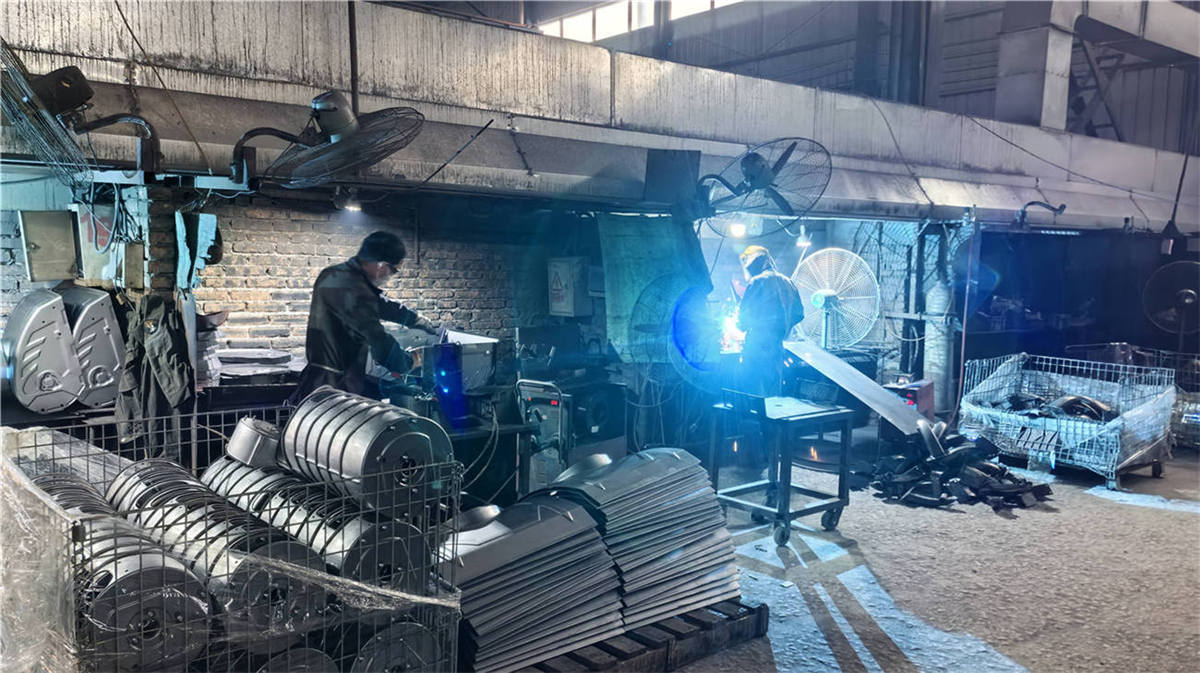
Welding
Robotic & Manual Welding
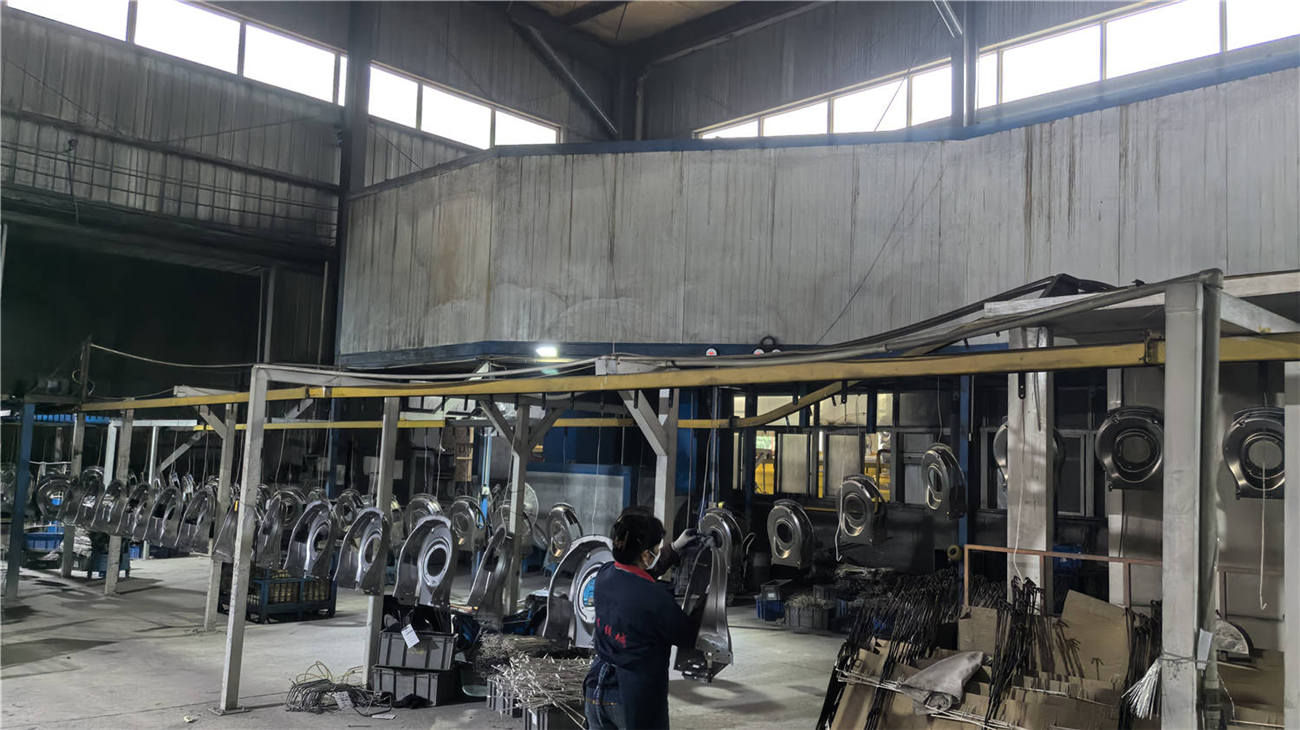
Painting
Protective Painting
GLOBAL TRENDS

Asynchronous Generator Industry Trends

The international power generation market is undergoing a significant transition toward decentralized and hybrid topologies. As modern grids manage fluctuations from variable renewable sources, the demand for flexible, reliable asynchronous generation units is rising. Key developments shaping this industry include:
1. Decentralized Renewable Microgrids
Industrial parks, remote mining operations, and islanded grids are increasingly integrating solar arrays and wind power with conventional fuel-based generators. Asynchronous systems are highly compatible with wind turbines (both simple squirrel-cage systems and Doubly-Fed Induction Generators - DFIG) because they can handle speed variations and feed power into a centralized AC bus without demanding excessive power electronics conversion stages.
2. Dual-Fuel and Low-Carbon Energy Transition
To meet ESG targets and reduce operating expenses, operators are transitioning to cleaner burning options like natural gas, biogas, LPG, and dual-fuel configurations. Modern OEM manufacturers are integrating intelligent gaseous carburetion systems with electronic speed governors, allowing generators to switch fuels dynamically based on supply pressures and load profiles.
3. Smart Automation, IoT Diagnostics, and ATS Integration
Contemporary installations utilize remote SCADA controls and Internet of Things (IoT) monitoring systems. Integrated Automatic Transfer Switches (ATS) detect utility voltage drops within milliseconds, starting backup generator plants automatically and restoring operations with minimal downtime.
APPLICATION SCENARIOS

Macro-Level Industrial Solutions & Localized Applications

Asynchronous generators and matching prime movers are utilized across diverse industries:

Marine and Offshore Logistics

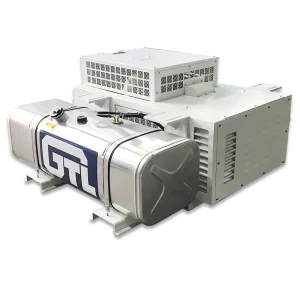
Reliable auxiliary power generation is essential for shipping operations. Specialty undermount systems, like reefer container generators, provide continuous power to refrigerated units during long-haul transport under challenging environmental conditions.

Municipal Utility & Emergency Backup

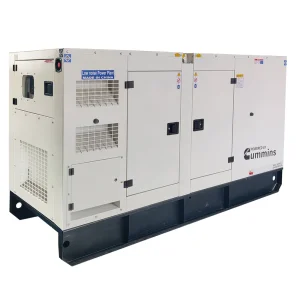
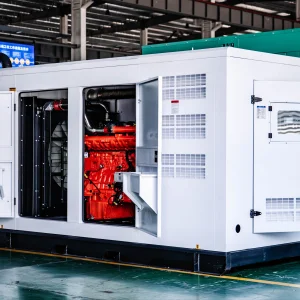
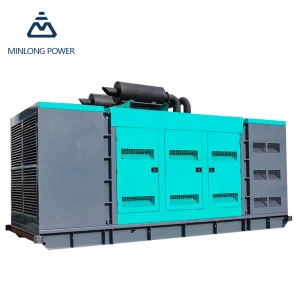
Critical infrastructure, including water treatment systems and hospitals, requires dependable emergency power. When configured with a high-capacity soundproof enclosure, these generator sets provide reliable backup power within strict noise limit requirements.

Agriculture & Remote Construction Sites

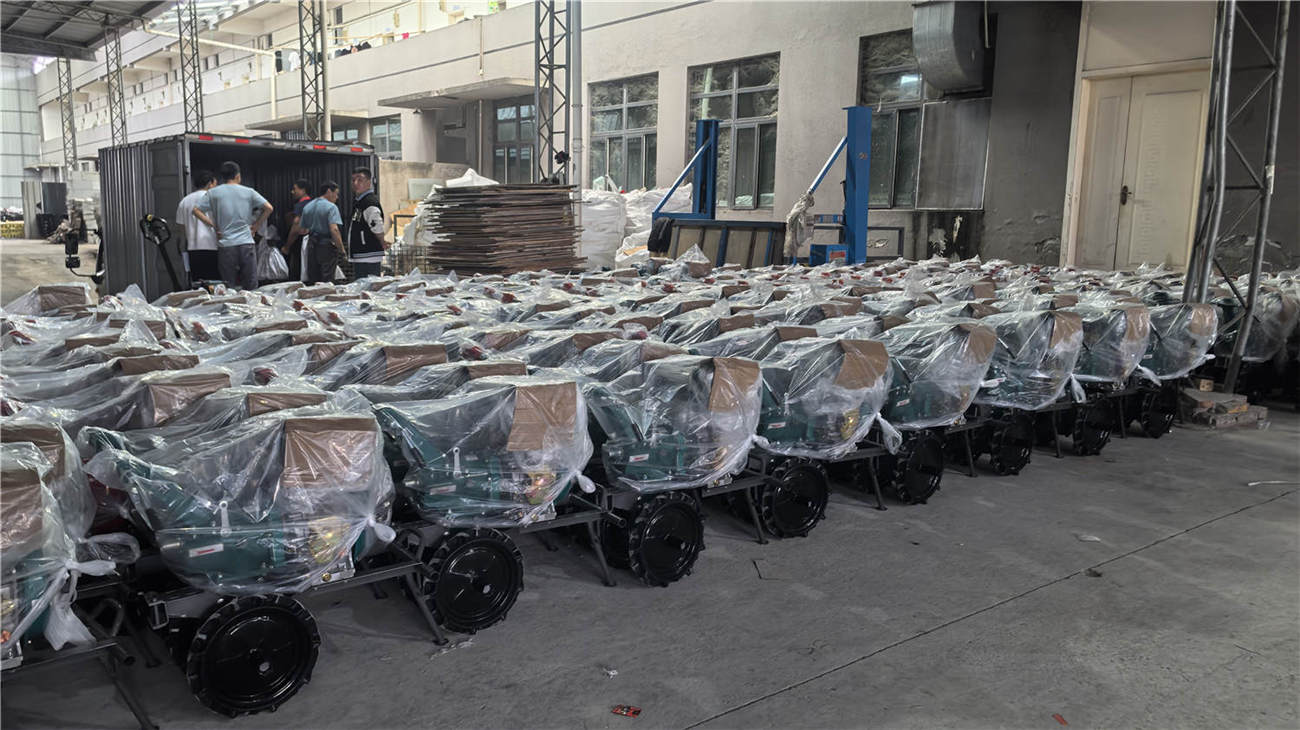
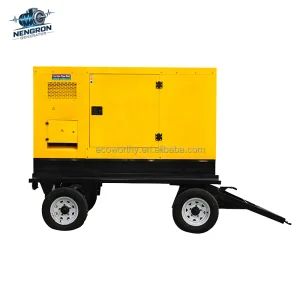
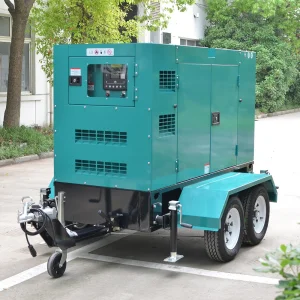
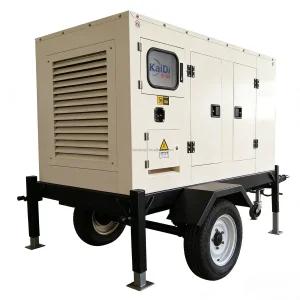
Farms, ranches, and isolated construction locations require highly mobile power sources. Trailer-mounted generator units equipped with easy-maintenance diesel or gasoline engines enable heavy machinery to operate effectively outside grid coverage.

Procurement Guide

Global Corporate Procurement Requirements for OEM Alternators & Gensets

For engineering firms, EPC contractors, and global sourcing specialists, procuring power generation systems involves evaluating several operational criteria:
1. Custom Voltage, Phase, and Frequency Matching
Depending on the project location (e.g., 60Hz grids in North America vs. 50Hz grids in Europe and parts of Asia), the stator windings must be calculated to deliver matching voltage steps (such as 110V, 220V, 380V, 400V, 480V, or medium-voltage levels). Global buyers require custom wound stators that deliver clean power profiles while keeping Total Harmonic Distortion (THD) within strict levels.
2. Structural Compliance and Certifications
Products must comply with relevant international standards, including ISO 8528, CE certifications for European markets, NEMA standards, and IP ratings (such as IP55 for wind-resistant or dust-prone environments).
3. Modular Acoustic & Weatherproof Enclosures
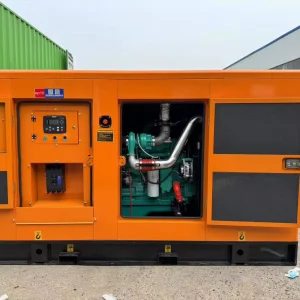
Depending on the local regulations, generator sets may require custom silent enclosures or weather-proof, ISO-standard containerized structures designed for easy deployment.
FAQ

Technical & Logistical FAQ

Expert insights addressing common engineering, installation, and procurement questions.

Q1: What are the main differences between an asynchronous generator and a synchronous generator?
Asynchronous generators utilize electromagnetic induction to draw excitation power directly from an active utility grid or an external capacitor bank. They do not require brushes or slip rings. Synchronous generators, conversely, require a direct excitation system (exciter stator/rotor) to generate a magnetic field. This field rotates in synchrony with the grid frequency, which makes them more complex to build but allows them to control reactive power output.
Q2: How does a stand-alone asynchronous generator establish excitation without a grid connection?
In isolated or off-grid systems, an asynchronous generator uses a capacitor bank connected across its stator terminals. The residual magnetism in the rotor cores generates a small initial voltage, which causes a current to flow through the capacitors. This current provides the magnetizing reactive power required to build up and stabilize the stator terminal voltage.
Q3: How do OEM factories verify the operational reliability and load capabilities of custom units?
Advanced factories utilize multi-stage testing benches to evaluate transient response times, fuel consumption rates across various loads (e.g., 25%, 50%, 75%, 100%, 110%), insulation resistance, noise levels, and vibration dampening. Each unit is tested before shipping to ensure it meets technical specification documents.
Q4: What customization options are available for weatherproofing and acoustic control?
We offer specialized double-walled acoustic canopies with high-density flame-retardant soundproofing foam, integrated exhaust silencers, heavy-duty anti-corrosion primings for coastal environments, and ISO container designs. These canopies protect the internal mechanical and electrical components from weather and environmental elements.
Q5: What are the typical lead times and logistical workflows for custom containerized gensets?
Standard configurations typically ship within 15 to 30 days. For custom OEM designs, the engineering phase, material procurement, precision welding, and testing cycles require approximately 45 to 60 days. All units are shipped in standard container configurations to minimize ocean transit risks.