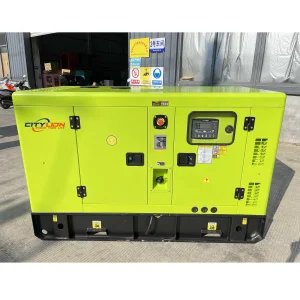
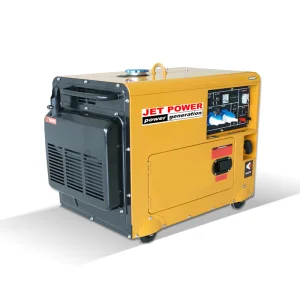
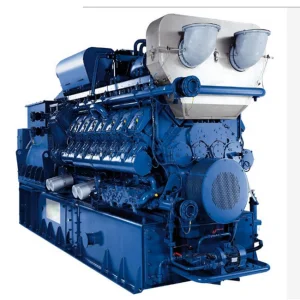
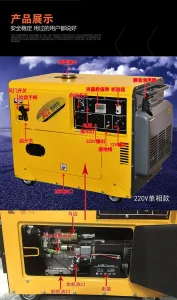
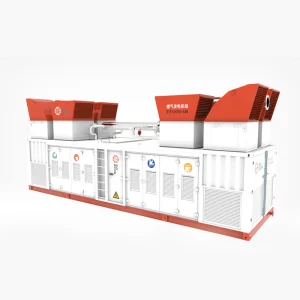
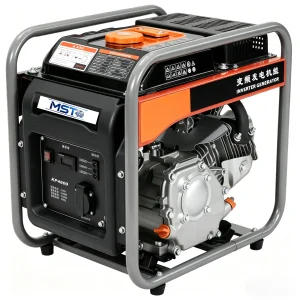
Explore our foundational range of heavy-duty power solutions, from micro-generation diesel units to high-efficiency biogas and natural gas generator sets designed for immediate global deployment.
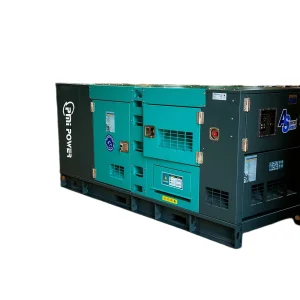
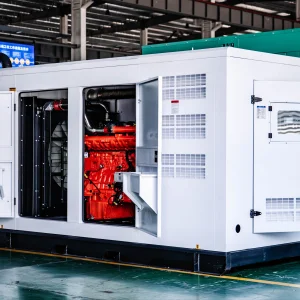
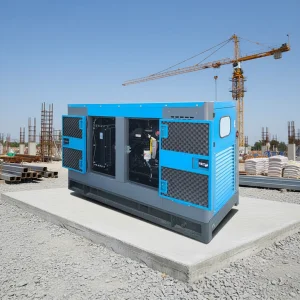
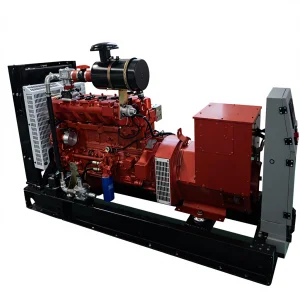
A technical examination of thermodynamic efficiency, integration design, and systemic fuel minimization via advanced cogeneration technology.
In the landscape of modern thermal dynamics and industrial power distribution, conventional central station generation operates with significant energy losses. The traditional thermodynamic cycle typically releases up to 60% of fuel energy directly into the atmosphere as unharvested heat. By comparison, Combined Heat and Power (CHP) technology converts this wasted thermal energy into secondary utility-grade hot water, steam, or chilled water. This yields systemic thermodynamic efficiencies of up to 95%.
At the center of a cogeneration system is a reciprocating internal combustion engine customized for gaseous fuels (such as natural gas, methane-heavy biogas, liquid petroleum gas, or landfill gas). As the engine combusts fuel to rotate the alternator and produce electrical energy, waste heat is produced. This heat is present in both high-temperature exhaust gas stream and low-temperature engine cooling loops (water jackets and lube oil coolers). Through a network of heavy-duty heat exchangers, this energy is recovered and redirected for use. This direct thermal integration lowers overall fuel consumption compared to operating separate electric grids and industrial boilers.
For operations located in warm regions or facing variable seasonal heating demands, the utility of CHP can be expanded via Trigeneration, or Combined Cooling, Heating, and Power (CCHP). By coupling a lithium bromide absorption chiller with the cogeneration thermal loop, waste heat is converted into chilled water for HVAC systems, cold storage facility preservation, or industrial process refrigeration. This configuration ensures consistent heat sink utilization throughout the year, maximizing thermal efficiency across changing ambient temperatures.
Our OEM/ODM capability delivers tailored configurations, robust build qualities, and flexible fuel systems to match demanding project profiles.
Our engines use customized air-to-fuel ratio control valves and customized ignition paths. This allows stable operation on fuels from low-methane biogas to high-caloric propane.
Our units feature high-efficiency plate and shell-and-tube heat exchangers, minimizing backpressure on the engine block while maximizing thermal energy extraction.
Our silent and super-silent enclosures use mineral wool lining and multi-chamber silencers. This drops noise emissions to 65 dB(A) at 7 meters, ideal for municipal zoning.
Equipped with advanced controllers (Deep Sea, ComAp), our systems support automatic synchronization, active load sharing, and island-mode operations.
Through combustion chamber design and optional SCR (Selective Catalytic Reduction) catalysts, our units meet strict global emission limits for NOx and CO.
Heavy-duty industrial blocks, high-grade valves, and optimized lubrication systems extend intervals between overhauls to over 30,000 operational hours.
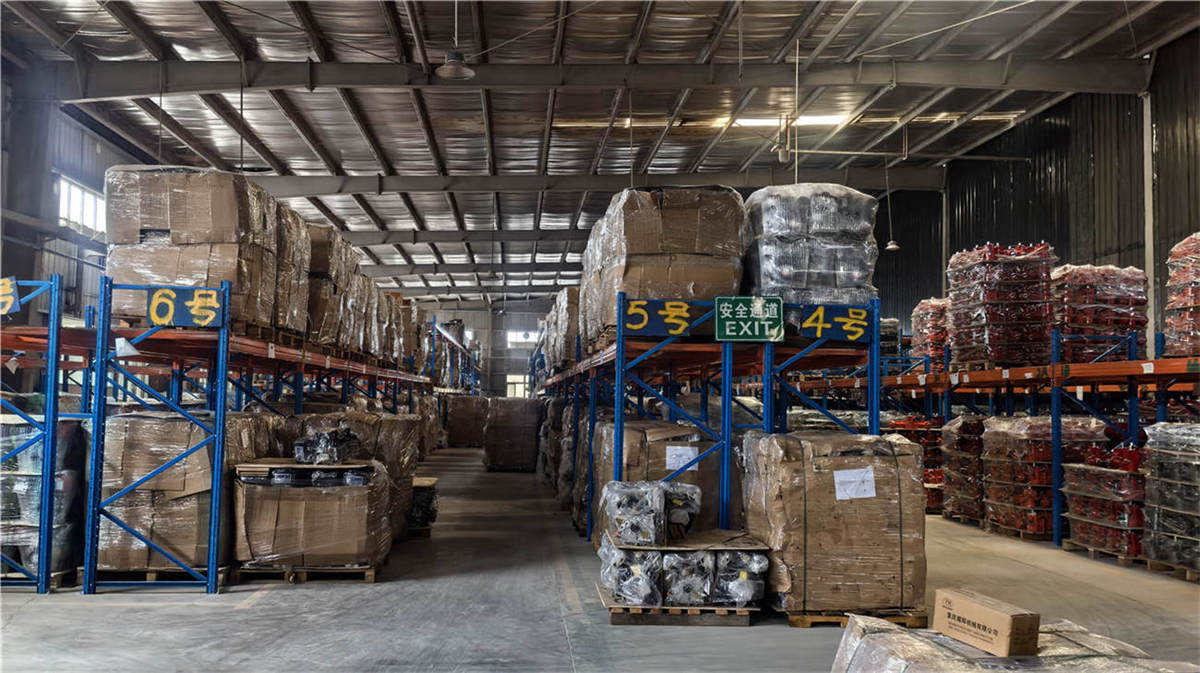
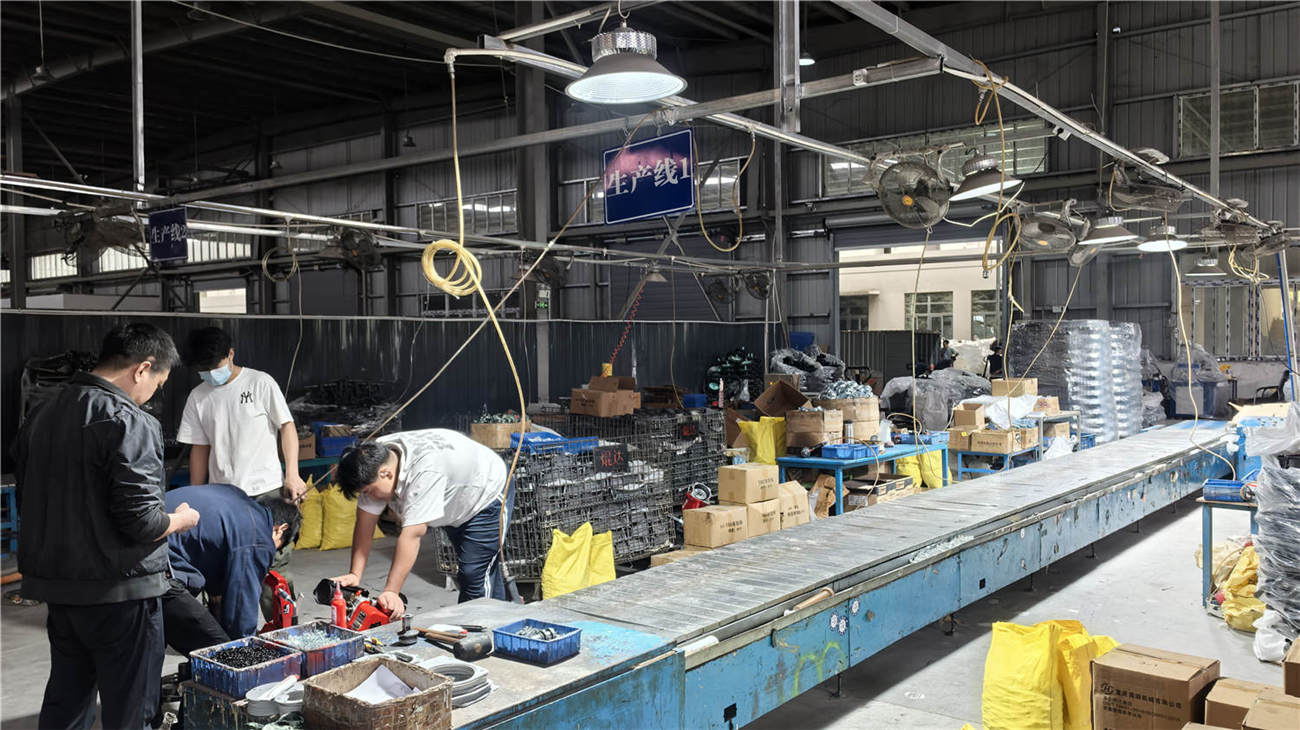
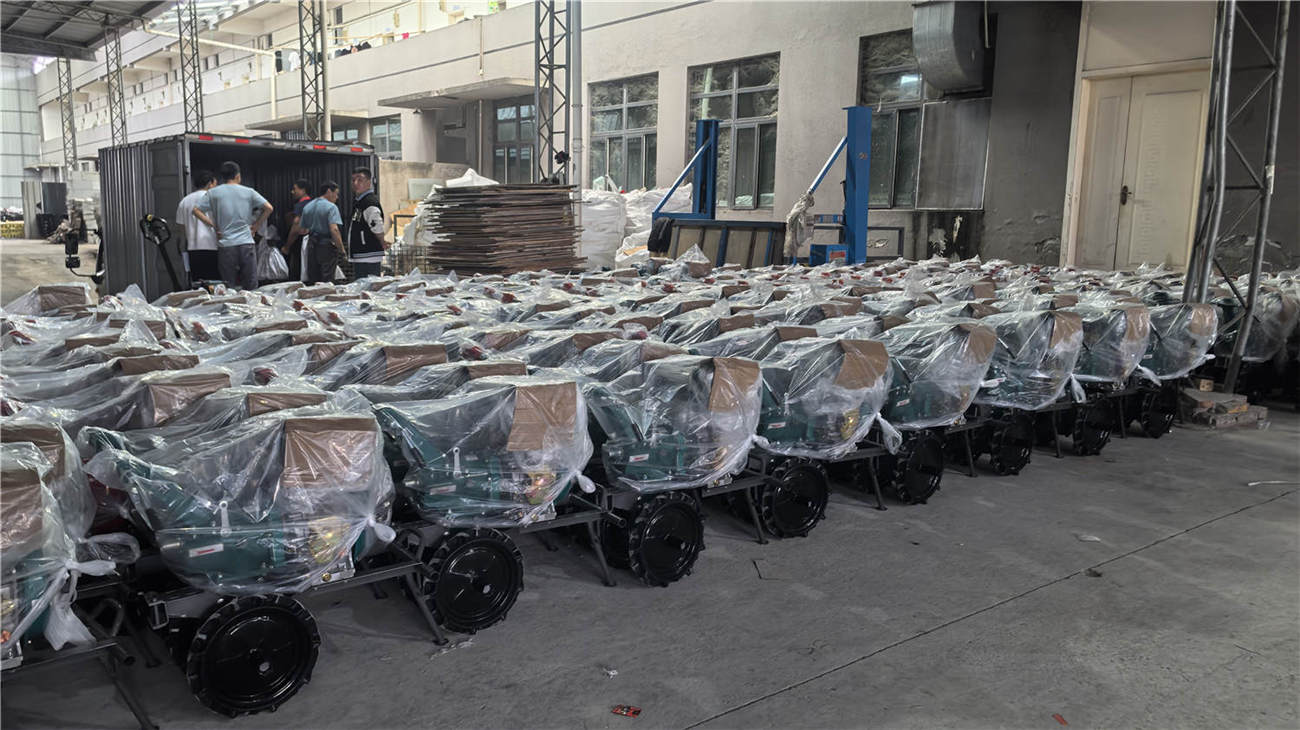
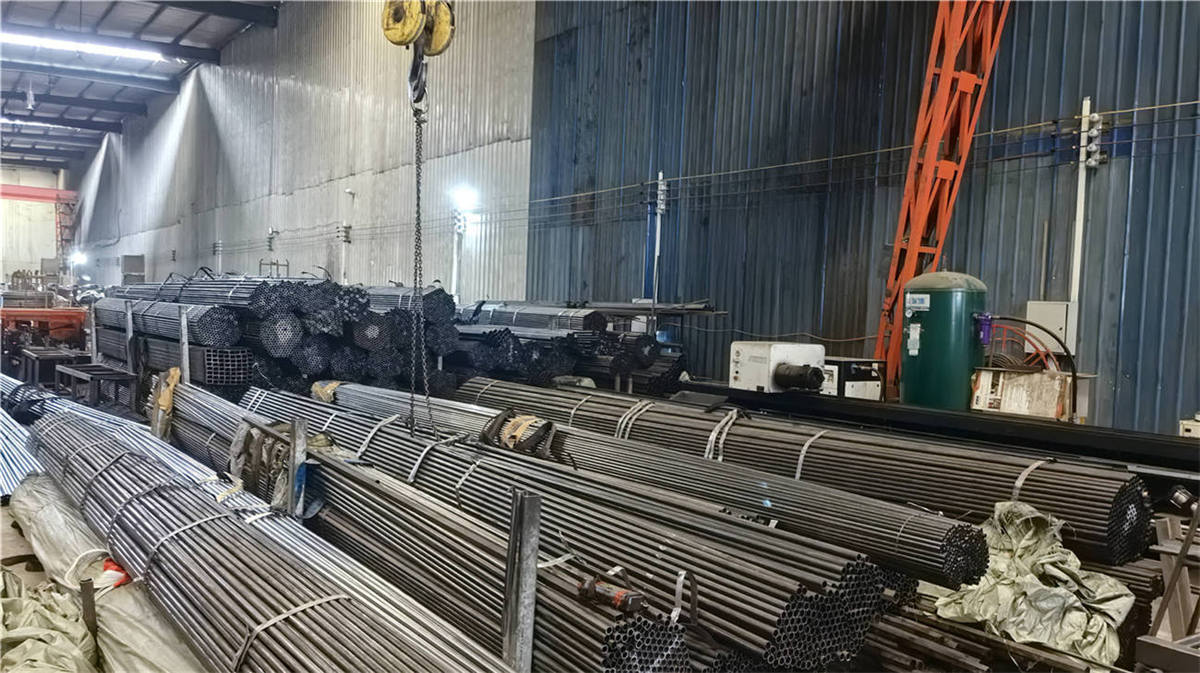
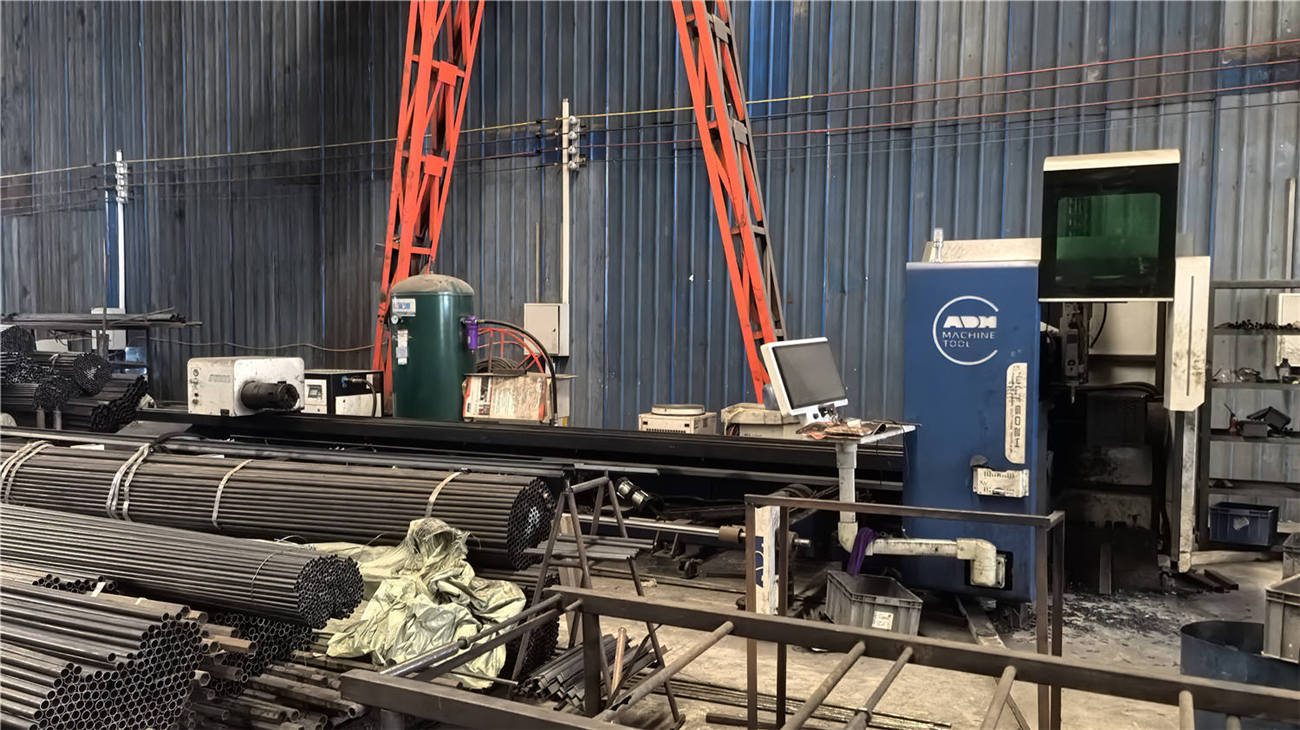
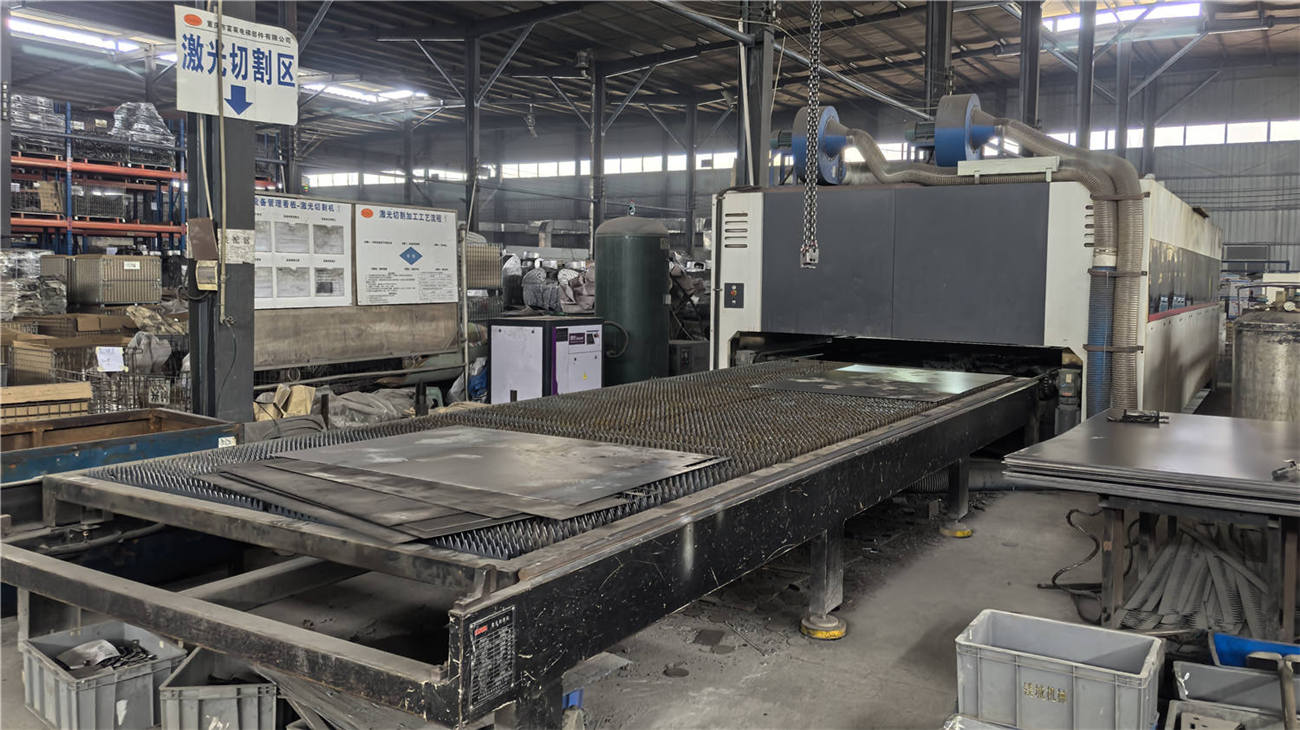
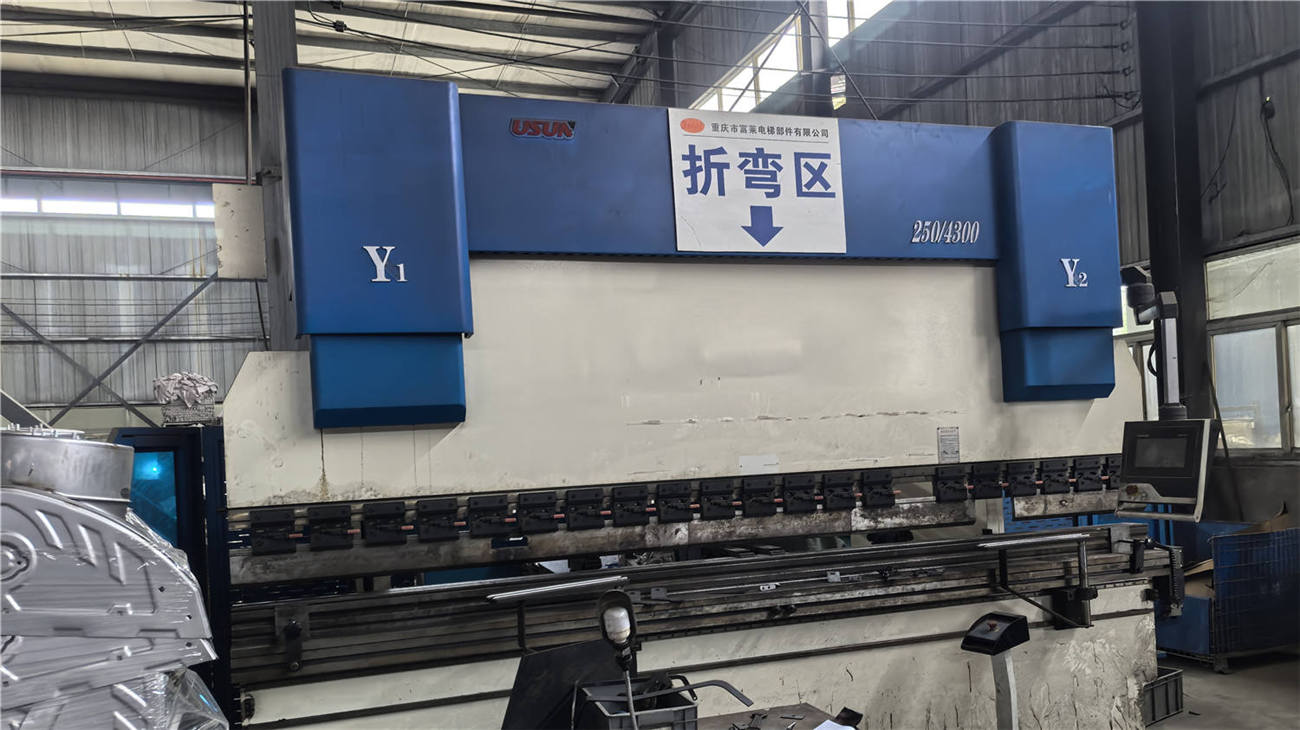
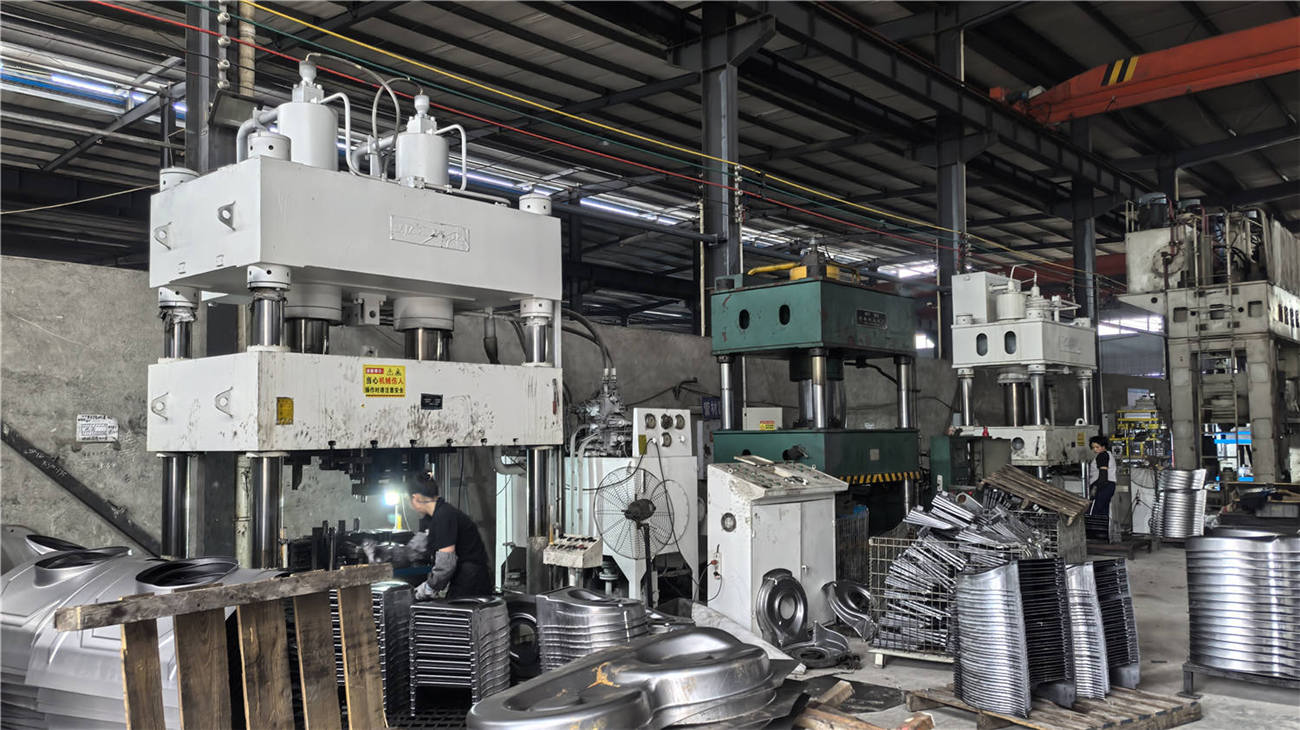
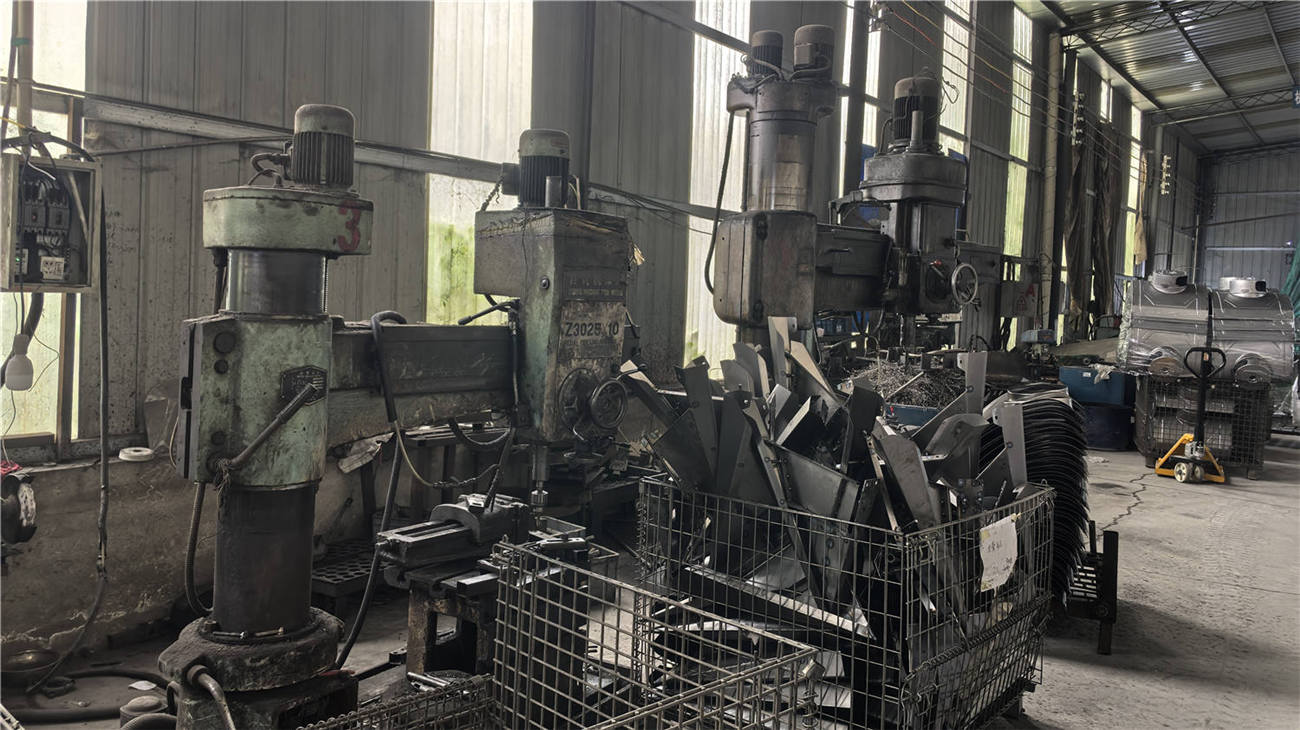
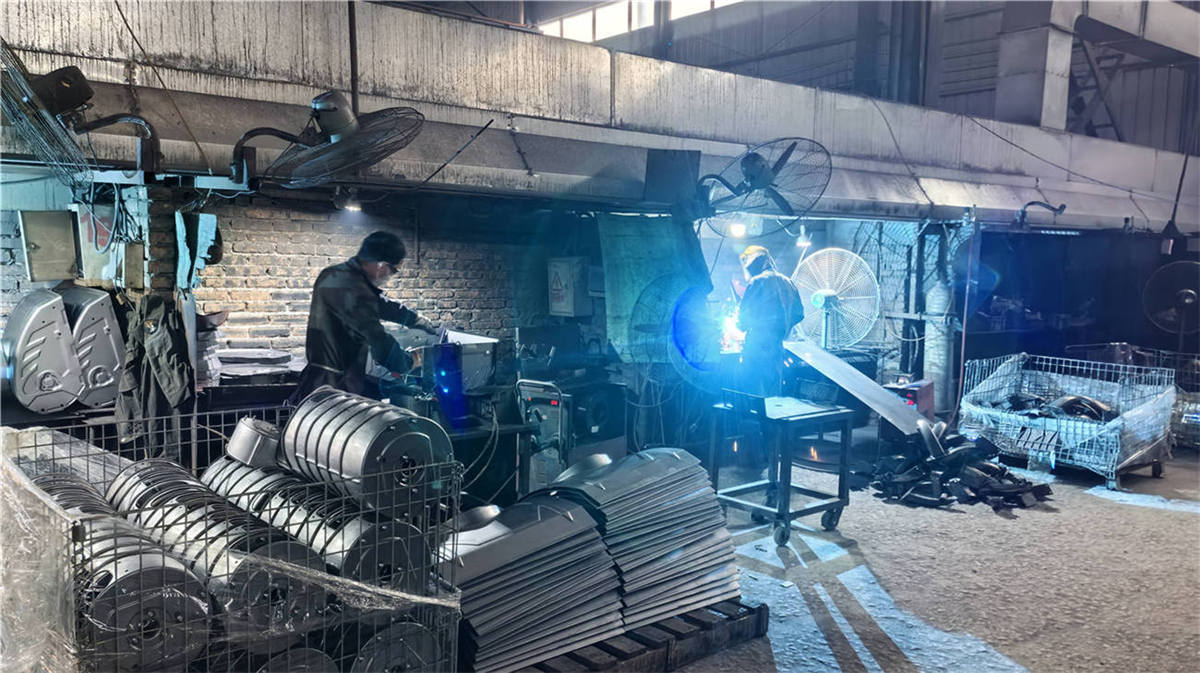
Our high-tech manufacturing facility delivers advanced engineering, reliable performance, and global compliance for industrial gensets.
Weifang Gods Power Co., Ltd. is a leading enterprise specializing in the development, manufacturing, and sales of high-quality diesel generator sets. With a registered capital of 26 million yuan, the company is equipped with advanced testing facilities, complete product assembly lines, and sophisticated mechanical processing equipment. Weifang Gods Power employs over 200 skilled professionals and maintains a highly capable technical team, supported by a robust and mature quality management system, ensuring that every product meets the highest standards of reliability and performance.
As a technology-driven company, Weifang Gods Power is committed to continuous innovation and research, integrating product design, development, production, and sales to provide comprehensive power solutions tailored to customer needs. The company’s strategic goal is to be market-oriented, technologically advanced, and guided by honesty and integrity, while continuously strengthening its technical capabilities and service excellence.
Guided by the business philosophy of “unity, diligence, pragmatism, and innovation,” Weifang Gods Power emphasizes the importance of product quality, operational efficiency, and customer satisfaction. Every product is crafted with meticulous attention to detail, and the company provides comprehensive after-sales support to ensure long-term reliability and peace of mind for its clients.
Weifang Gods Power aims to create mutually beneficial and lasting partnerships with customers worldwide. Through a combination of advanced technology, professional expertise, and unwavering commitment to quality, the company strives to deliver cutting-edge energy solutions, drive innovation in the power industry, and contribute to sustainable development globally. With a clear vision for the future, Weifang Gods Power continues to expand its global presence, uphold the highest standards of excellence, and deliver reliable, efficient, and environmentally responsible power solutions to meet the evolving demands of modern industries.
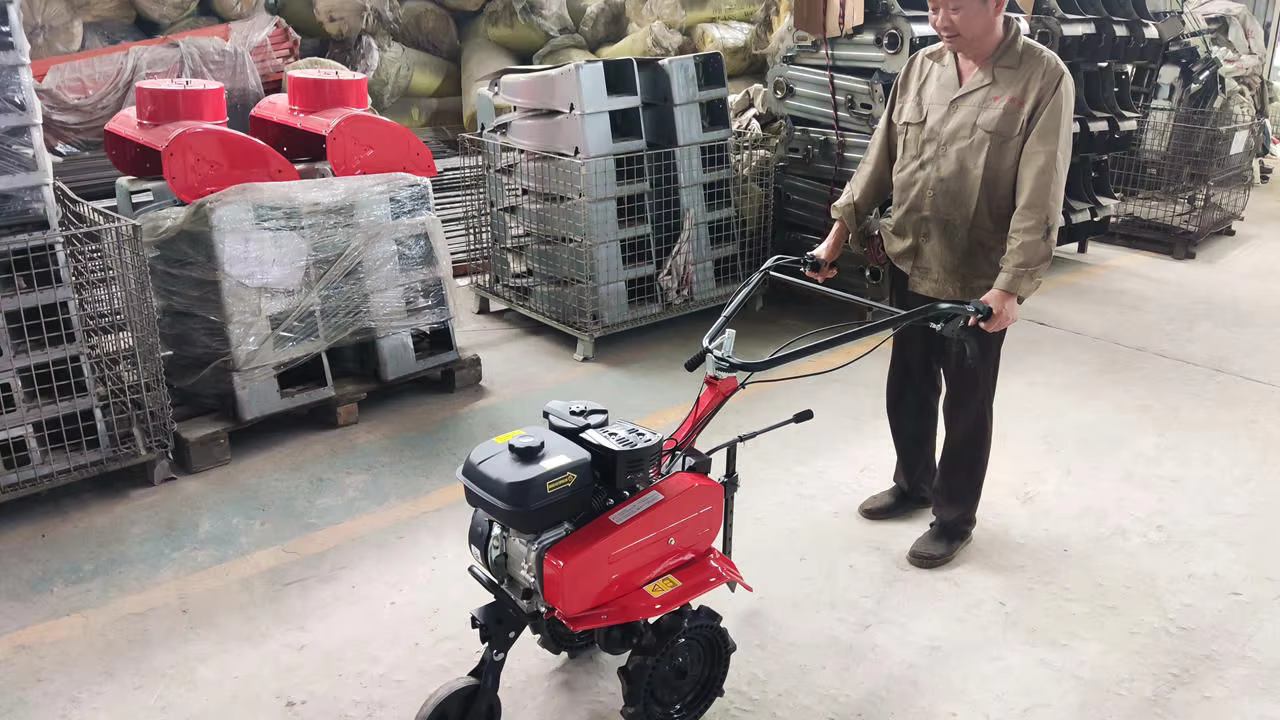
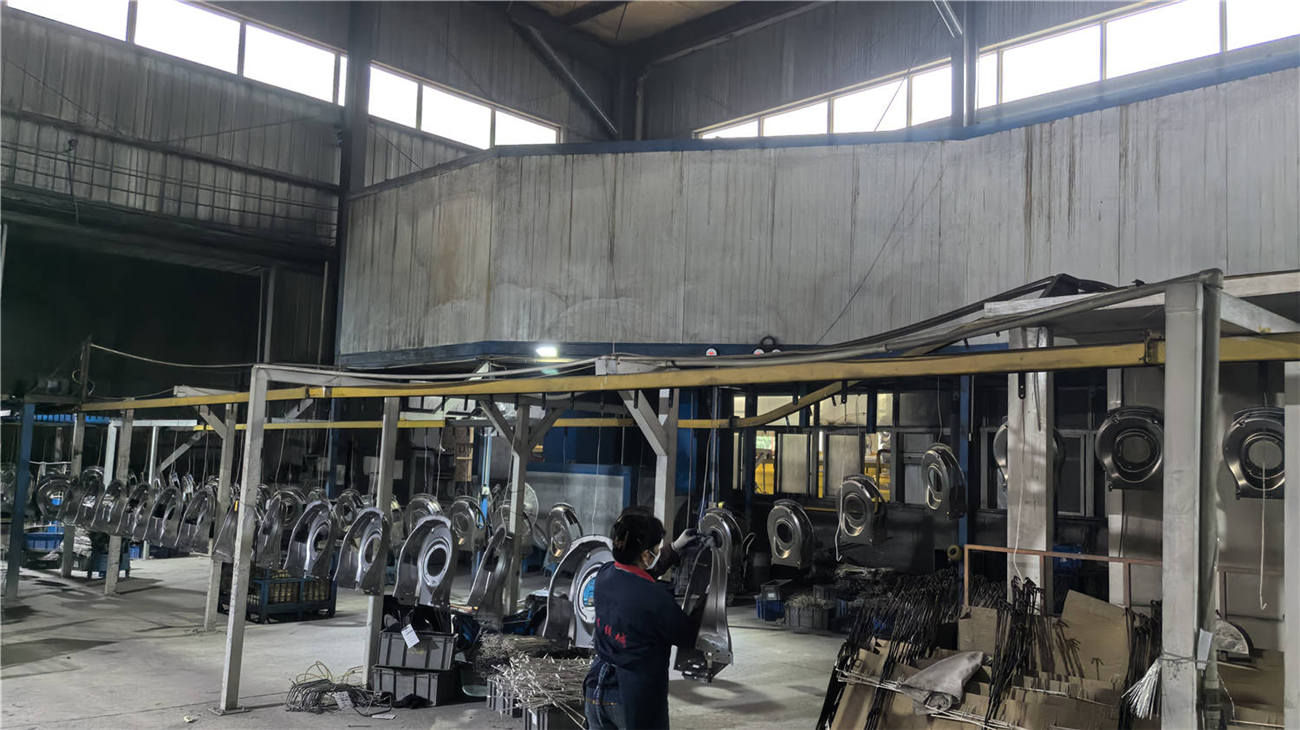
Take an inside look at our modern facility in Weifang. Our operations cover every stage from raw material selection to final high-load functional testing.
Analyzing how cogeneration systems adapt to diverse commercial sectors, remote industrial zones, and future hydrogen fuel integrations.
For municipal wastewater facilities and agricultural projects, anaerobic digestion produces methane-rich biogas. Instead of flaring this gas, our customized biogas CHP units convert it into electricity and heat. The electricity can power the plant or be sold back to the local grid, while the thermal energy maintains digestion tank temperatures, optimizing biogas yield.
Manufacturing facilities with constant heating or cooling requirements (such as textile mills, chemical processing, and paper manufacturing) benefit from localized CHP. Operating an onsite generator protects production lines from utility grid voltage fluctuations and blackouts, while waste heat is routed directly into processes, lowering energy costs.
In high-density environments like hospitals, university campuses, and commercial malls, energy demand is highly variable. CCHP systems adapt to these fluctuations. In cold months, heat is routed to district space heating. In hot months, it supplies absorption chillers. This year-round thermal use maintains high system efficiency.
As industries seek to reduce carbon emissions, fuel systems are transitioning toward clean-burning alternatives. Modern reciprocating engine designs are shifting to support hydrogen blending. Our current R&D focus is on gas mixing systems that accept up to 20% hydrogen blends by volume. This prepares projects for future green hydrogen infrastructure without requiring complete generator replacements.
Get answers to common engineering questions regarding layout, sizing, fuel requirements, and electrical integration of cogeneration equipment.
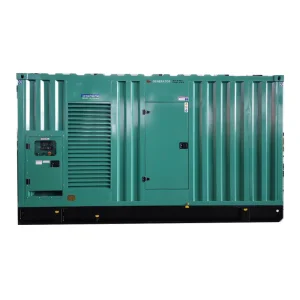
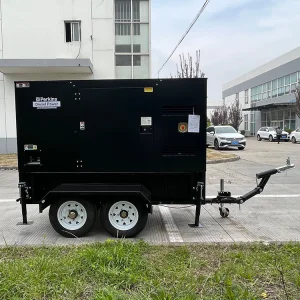
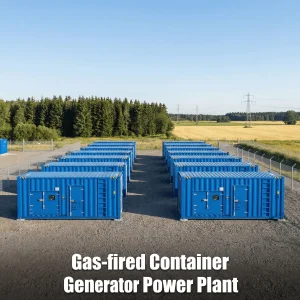
Explore our heavy-duty options, featuring megawatt-range gas turbines, containerized emergency diesel sets, and custom soundproof trailer units.
 Gods Power