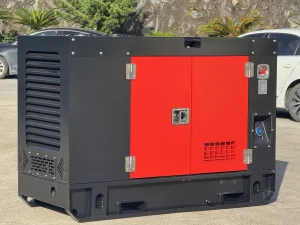
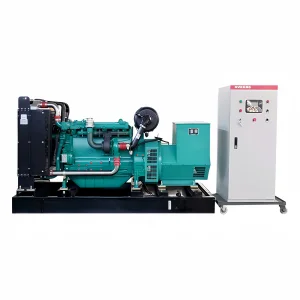
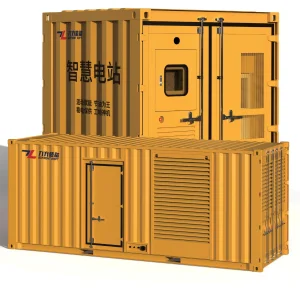
In the era of rapid industrialization and data-driven infrastructure, stable electrical power is no longer merely a utility; it is the absolute foundation of business continuity. As national grids face escalating instability due to changing weather patterns and the integration of intermittent renewable energy sources, heavy industries rely on AC (Alternating Current) Power Generators to safeguard operations. In this context, selecting the right partner from the leading global suppliers requires deep technical scrutiny of engine design, alternator construction, transient load response, and compliance with stringent environmental standards.
Top-tier AC power generator manufacturers distinguish themselves by going beyond basic assembly. The industry’s elite optimize the entire electromagnetic circuit of the alternator, integrate advanced digital control microprocessors (such as SmartGen, Woodward, and Deep Sea Electronics), and custom-build acoustic enclosures designed to withstand high winds, desert heat, and sub-zero Arctic conditions. From continuous prime power configurations to emergency standby power (ESP) topologies, the global supply chain is structured to meet diverse, application-specific needs.
When evaluating suppliers, engineers and procurement teams should look beyond unit cost. The total cost of ownership (TCO) is dictated by several critical factors:
The ability of the genset to recover voltage and frequency within milliseconds of a 100% block load step-in, satisfying ISO 8528-5 Class G3 standards for mission-critical operations.
Employing 100% Class H copper windings, vacuum pressure impregnation (VPI) varnishing, and sophisticated cooling jackets to prevent dielectric breakdown under sustained overload conditions.
Integrating advanced gas-trains and ECU calibration that permit seamless switching between diesel, natural gas, LNG, CNG, hydrogen-syngas blends, or agricultural biogas.
The internal combustion engine (ICE) paired with a synchronous alternator remains the workhorse of global energy systems. However, the technology is undergoing a rapid evolution. The future of AC power generation lies at the intersection of mechanical reliability and smart automation.
"Integrating variable speed gensets and hybrid battery storage systems (BESS) into standard diesel microgrids reduces fuel consumption by up to 35% while eliminating engine low-load glazing."
1. Transition to Eco-Friendly Fuels and Hydrogen Combustion
Traditional diesel power generation is progressively adopting synthetic fuels, such as Hydrotreated Vegetable Oil (HVO), which reduce carbon emissions by up to 90% without requiring mechanical engine modifications. Furthermore, major industrial engine manufacturers are developing 100% hydrogen combustion engines and ammonia-blend combustion systems. These systems require modified direct-injection fuel rails and sophisticated ECU maps to prevent pre-ignition (knocking) while maximizing power density.
2. Hybrid Energy Storage System (BESS) Integration
Modern hybrid solutions pair a containerized lithium-ion battery storage system with an AC diesel/gas generator. Under low load conditions, the generator runs at peak thermal efficiency to charge the batteries, and then shuts down completely. The battery bank supplies the base load, reducing engine wear, eliminating carbon build-up in the cylinders, and significantly extending maintenance intervals.
3. Smart Control Panels & IoT Predictive Maintenance
Integrated platforms like the SmartGen or Deep Sea controllers utilize CANbus protocols (J1939) to monitor hundreds of parameters simultaneously: oil pressure, coolant temperature, alternator winding heat, exhaust gas temperature (EGT), power factor (cos φ), and total harmonic distortion (THD). AI-powered algorithms analyze this telemetry data to predict component failures—such as bearing wear or injector clogging—before they cause costly unscheduled downtime.
Different industries face distinct power challenges. The choice of generator configuration, enclosure class, and control setup depends heavily on the operational environment.
| Industrial Sector | Core Operational Challenge | Recommended Generator Configuration | Key Standard Compliance |
|---|---|---|---|
| Data Centers | Zero-tolerance for transient voltage drop during utility power failure. | ESP Rated Silent Units, rapid ATS (Automatic Transfer Switch) initiation (<10s start), PMG excitation. | Uptime Institute Tier III/IV, ISO 8528 G3 |
| Maritime & Offshore | Highly corrosive marine environments, rolling and pitching conditions, limited maintenance access. | Marine Gensets with heat-exchanger cooling, double-walled high-pressure fuel lines, classification-approved controls. | CCS, BV, ABS, DNV-GL marine class approvals |
| Mining & Extraction | High altitudes, heavy particulate matter in the air, extreme ambient temperatures. | Heavy-duty open frame or high-ingress containerized units, dual-stage heavy-duty air pre-filters. | ISO 8528 IP54 Electrical protection |
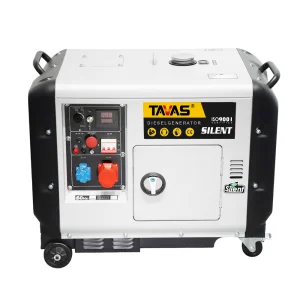
| Healthcare Facilities | Acoustic sensitivity, strict backup power uptime requirements for life support equipment. | Super Silent canopy enclosures (65dBA @ 7m), dual redundant start-up battery systems. | NFPA 110 Level 1, HTM 06-01 |
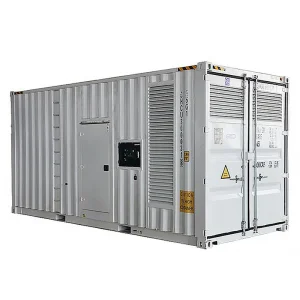
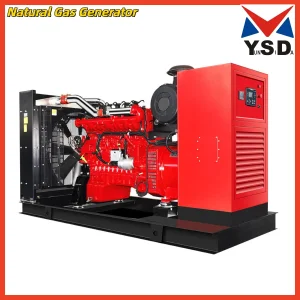
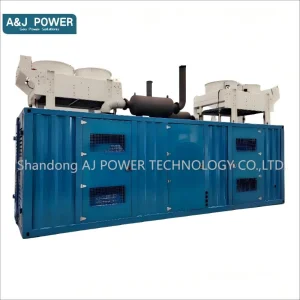
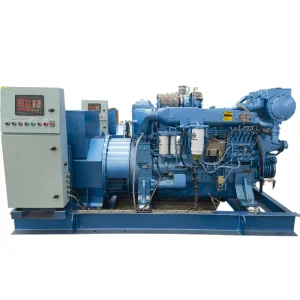
For instance, in marine configurations, Weichai marine diesel generator sets equipped with Landking engines are engineered to withstand extreme pitch and roll angles while running efficiently on heavy marine oil or low-sulfur diesel. In contrast, massive dual-fuel power plants, utilizing natural gas or biogas, operate continuously to generate baseload energy for remote processing plants. They leverage waste heat recovery (cogeneration) to achieve overall thermal efficiency of over 85%.
As global logistics and material costs fluctuate, the efficiency of industrial manufacturing processes has become a vital competitive differentiator. Leading manufacturers like Weifang Gods Power Co., Ltd. represent the modern standard of Chinese Factory 4.0 integration. The company has structured its 26-million-yuan capital foundation to build highly automated assembly lines, cutting-edge metal processing shops, and ISO 9001-compliant quality assurance facilities.
Weifang Gods Power Co., Ltd. is a leading enterprise specializing in the development, manufacturing, and sales of high-quality diesel generator sets. With a registered capital of 26 million yuan, the company is equipped with advanced testing facilities, complete product assembly lines, and sophisticated mechanical processing equipment. Weifang Gods Power employs over 200 skilled professionals and maintains a highly capable technical team, supported by a robust and mature quality management system, ensuring that every product meets the highest standards of reliability and performance.
As a technology-driven enterprise, Weifang Gods Power is committed to continuous innovation and research, integrating product design, development, production, and sales to provide comprehensive power solutions tailored to customer needs. Guided by the business philosophy of "unity, diligence, pragmatism, and innovation," Weifang Gods Power emphasizes the importance of product quality, operational efficiency, and customer satisfaction. Every product is crafted with meticulous attention to detail, and the company provides comprehensive after-sales support to ensure long-term reliability and peace of mind for its clients.
To achieve high quality and structural durability, Weifang Gods Power operates a rigorous 12-step manufacturing process:
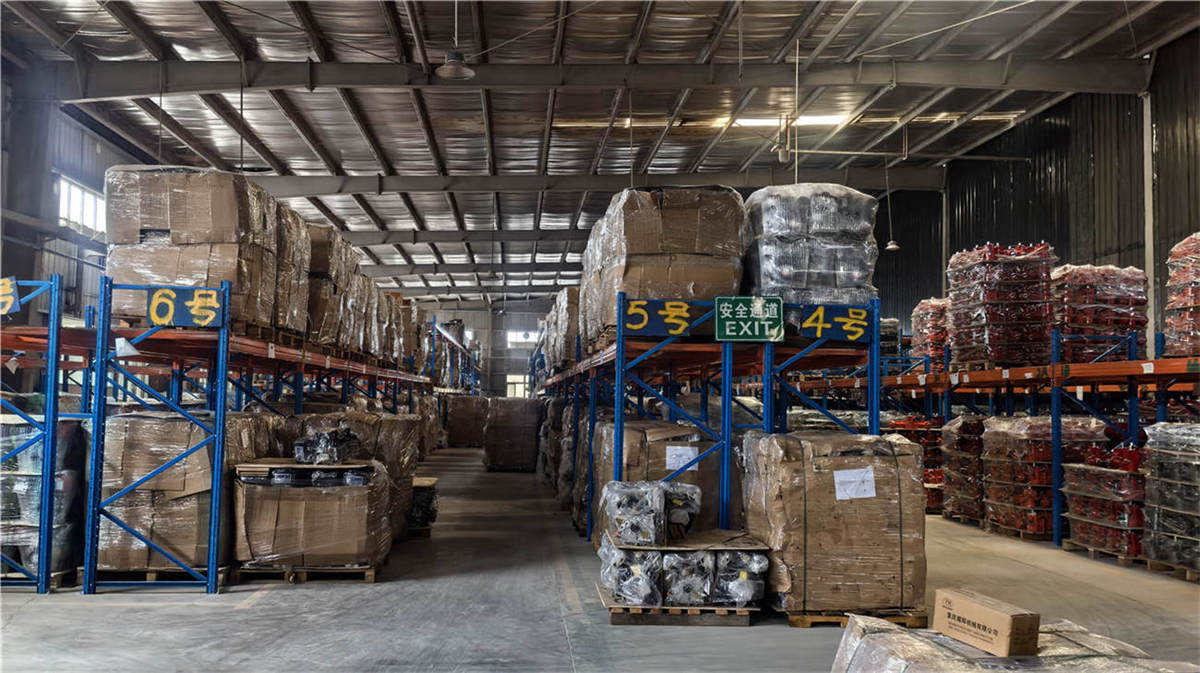
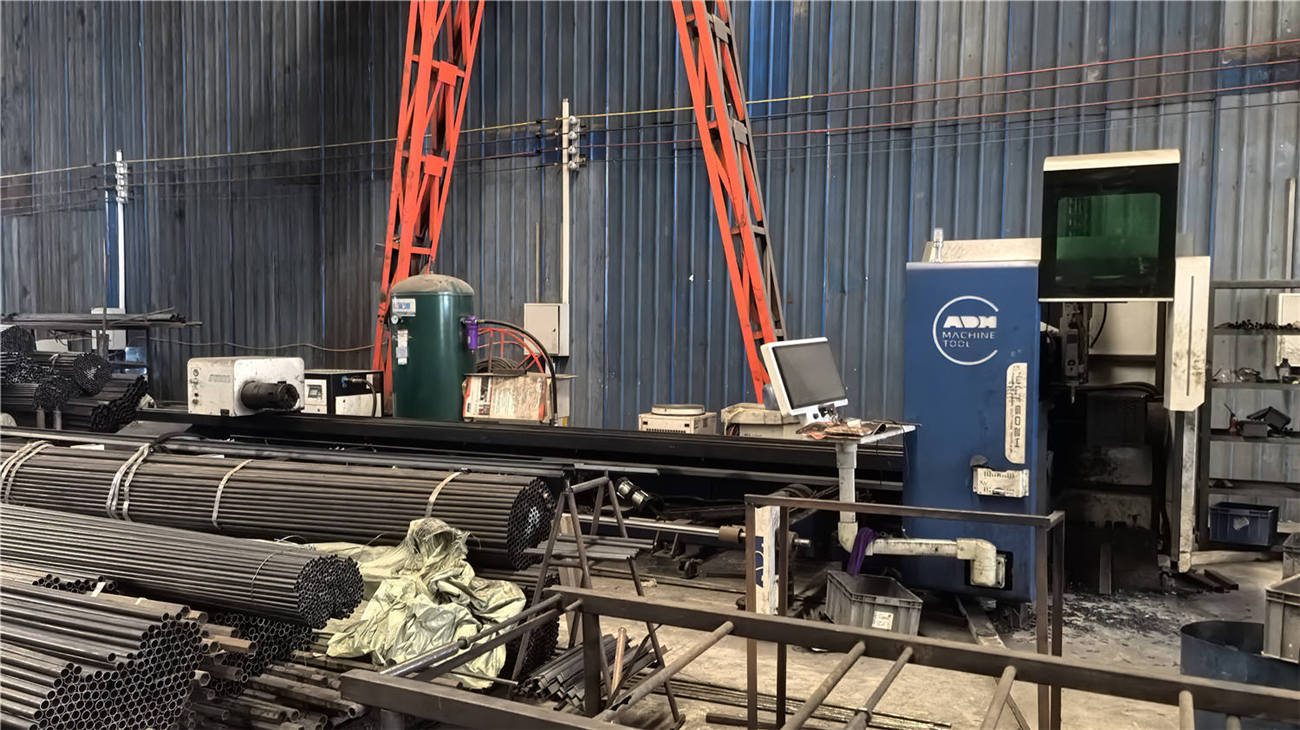
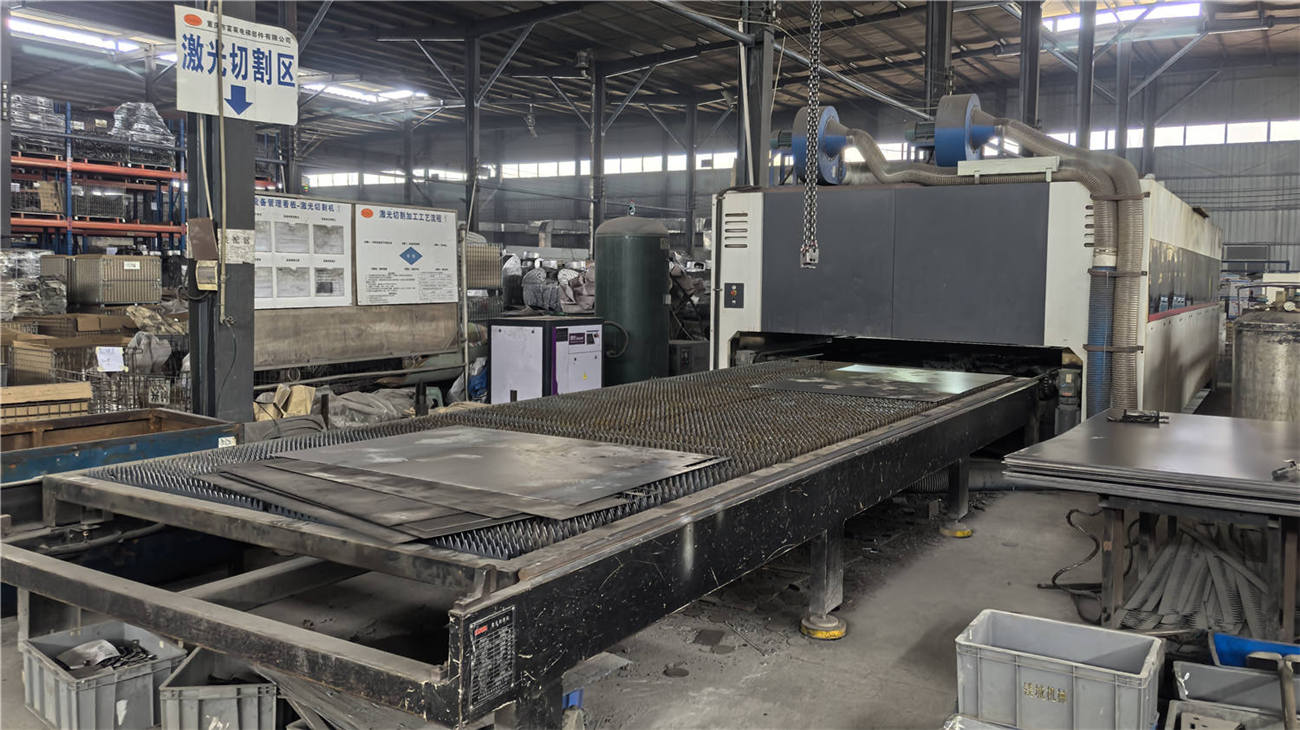
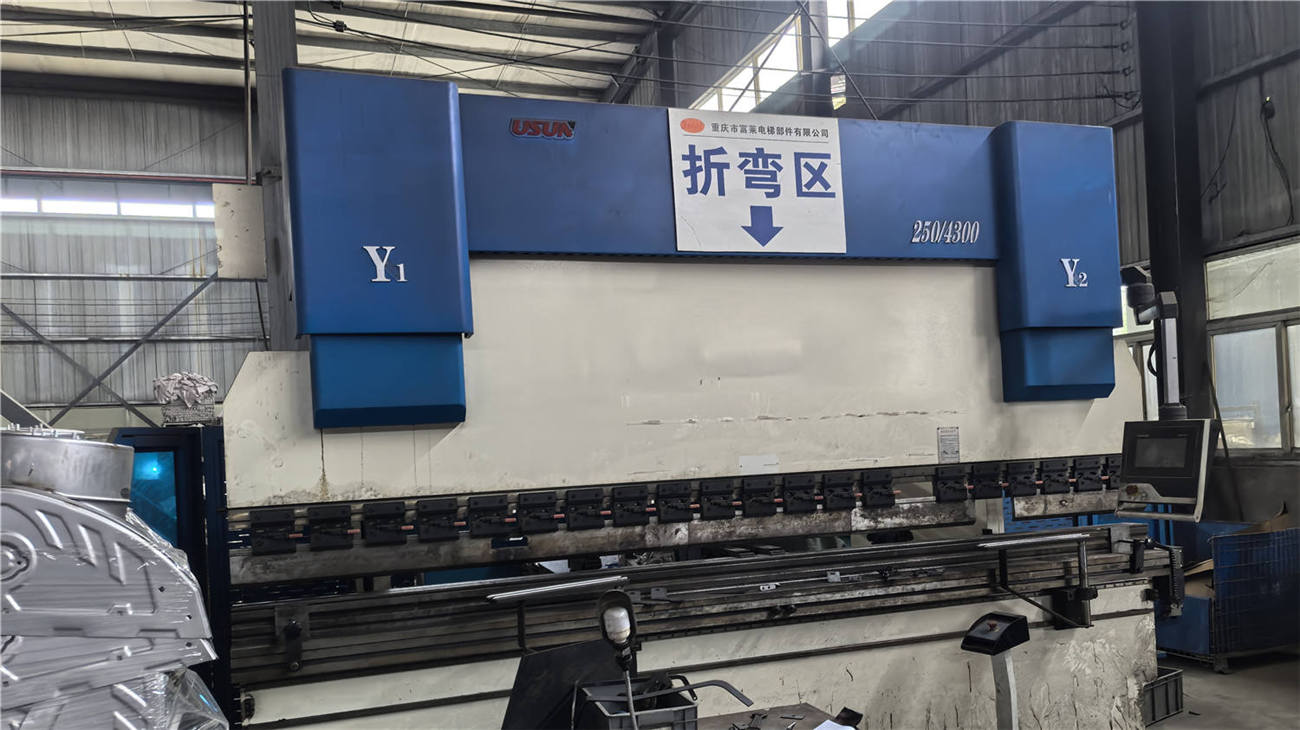
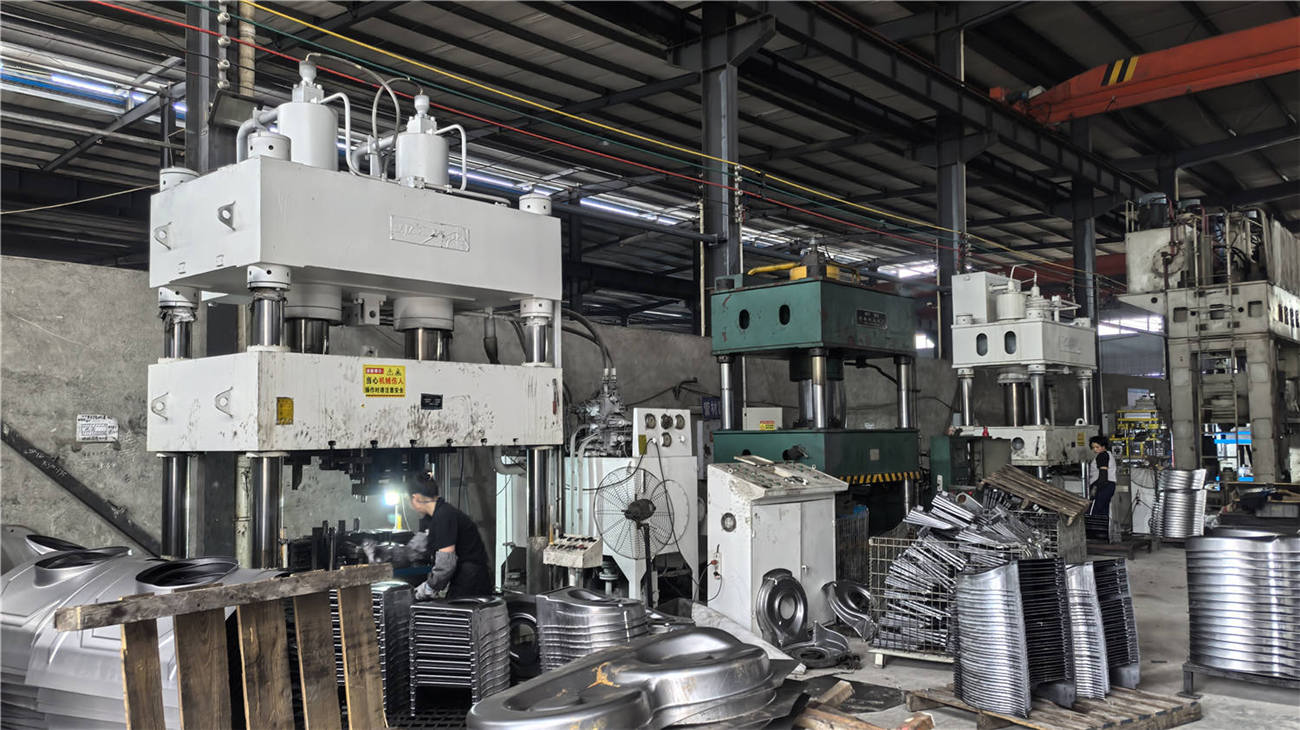
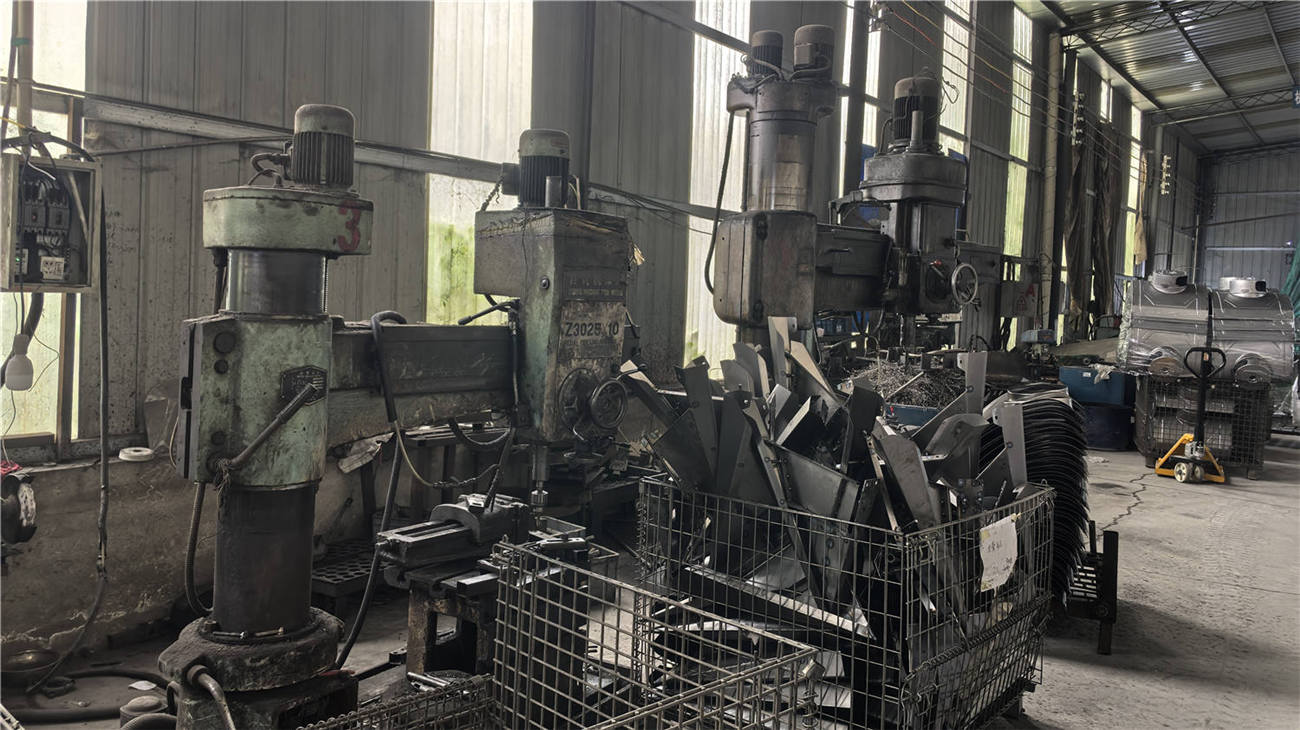
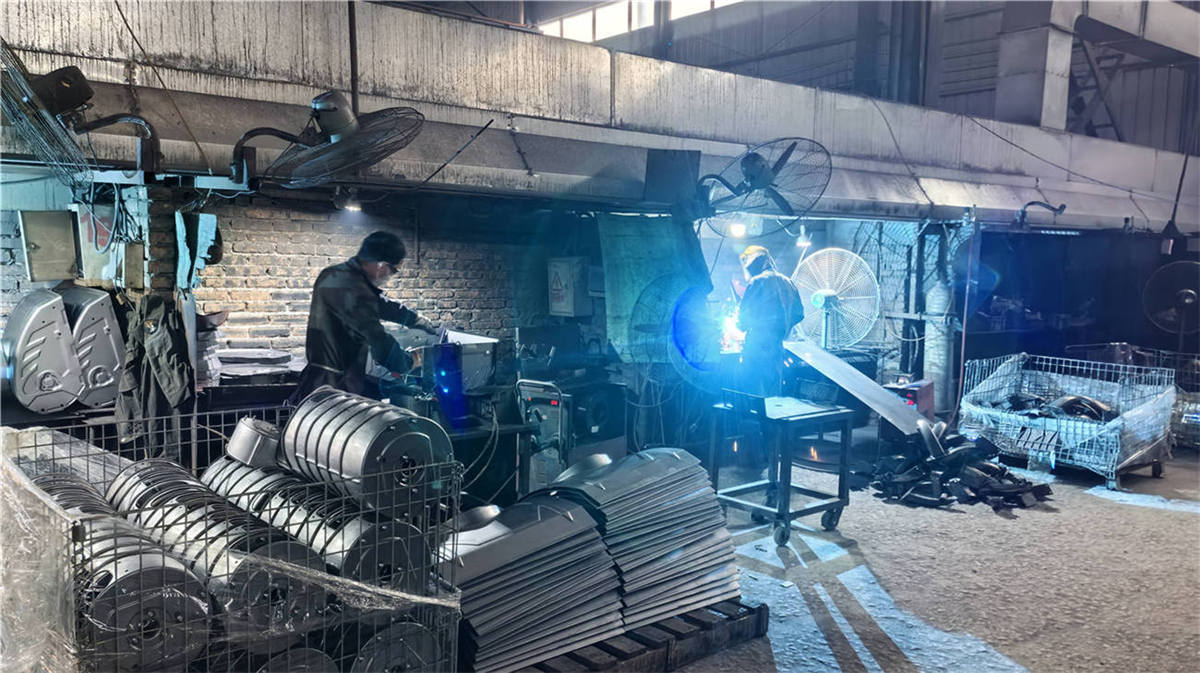
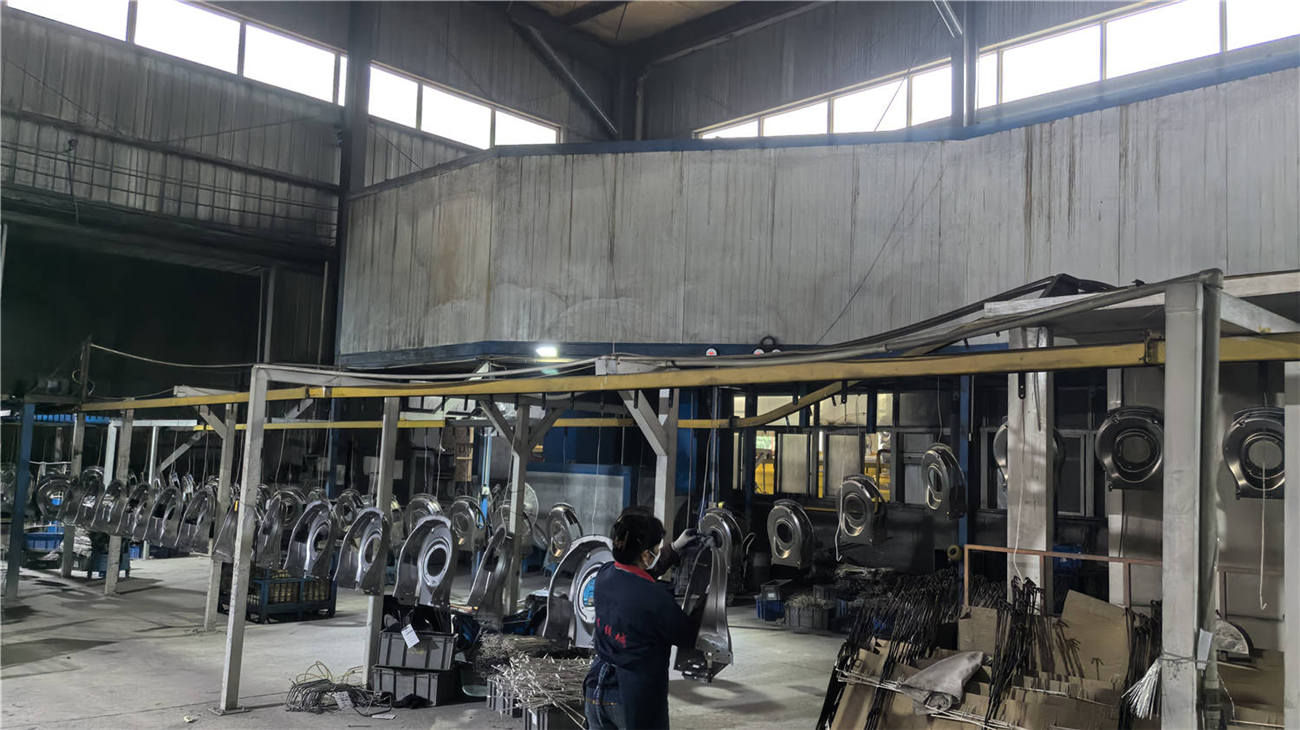
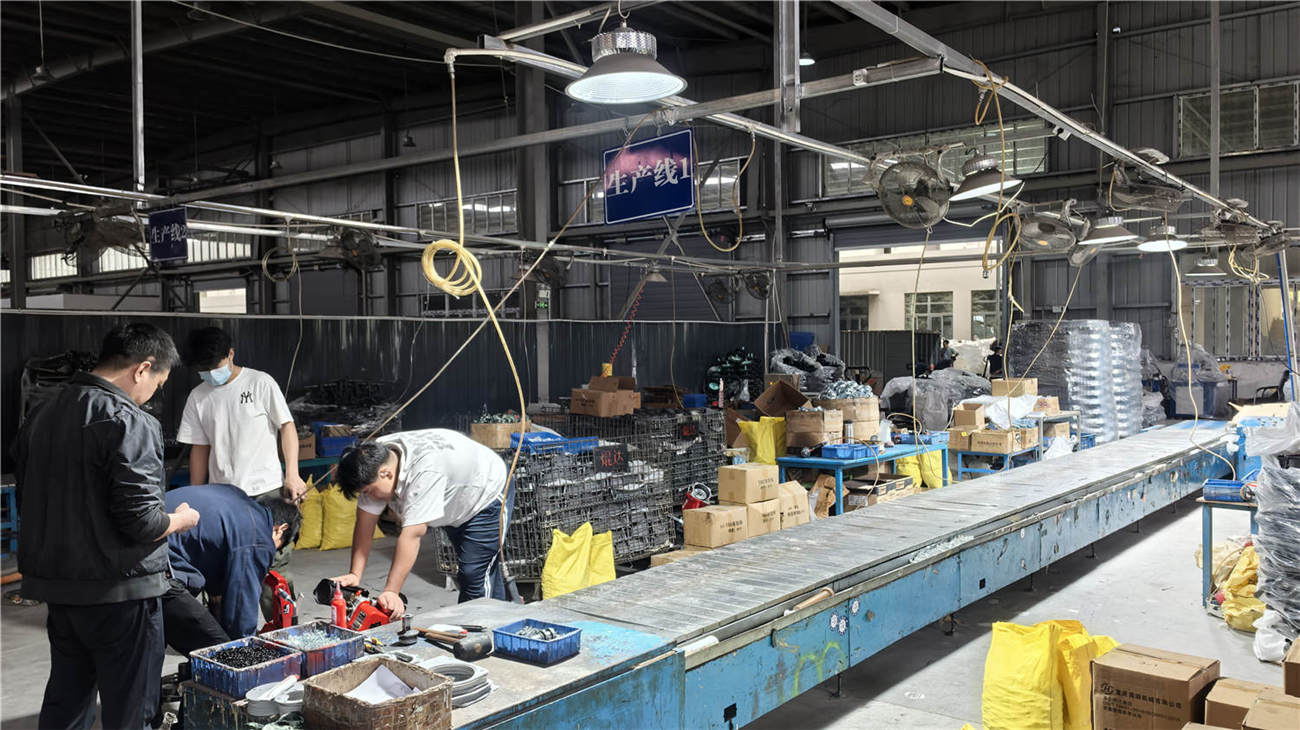
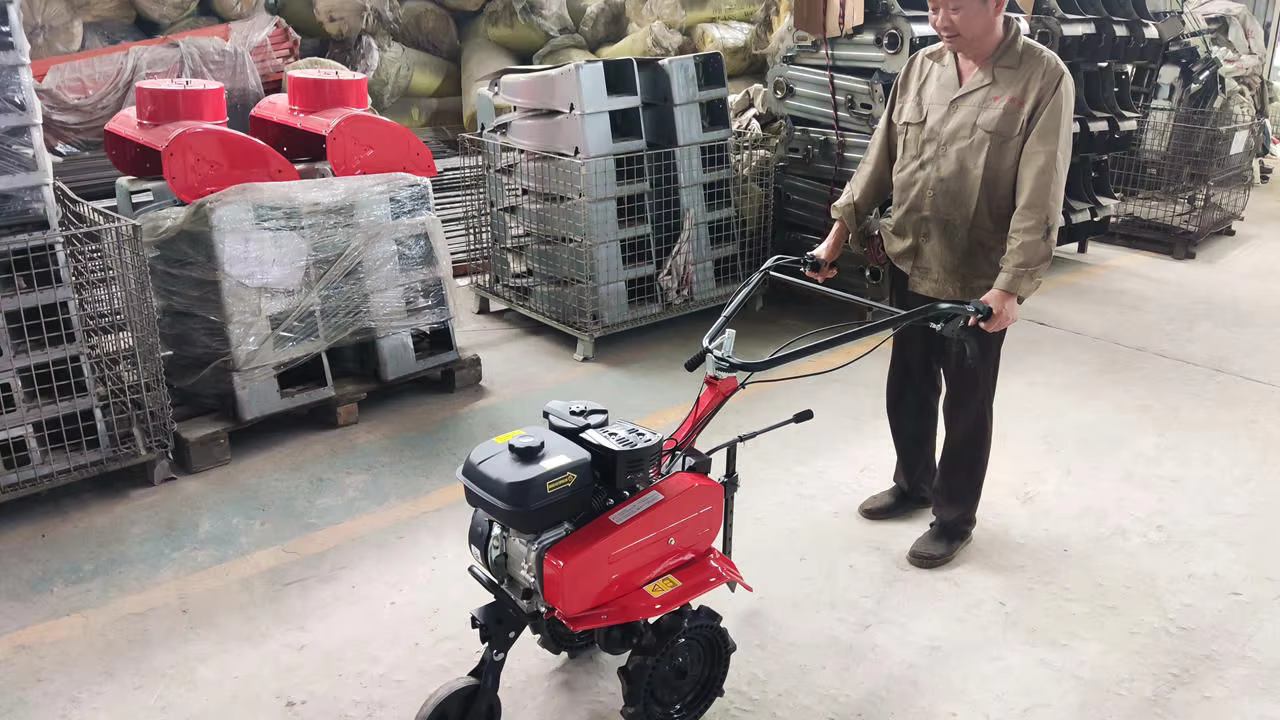
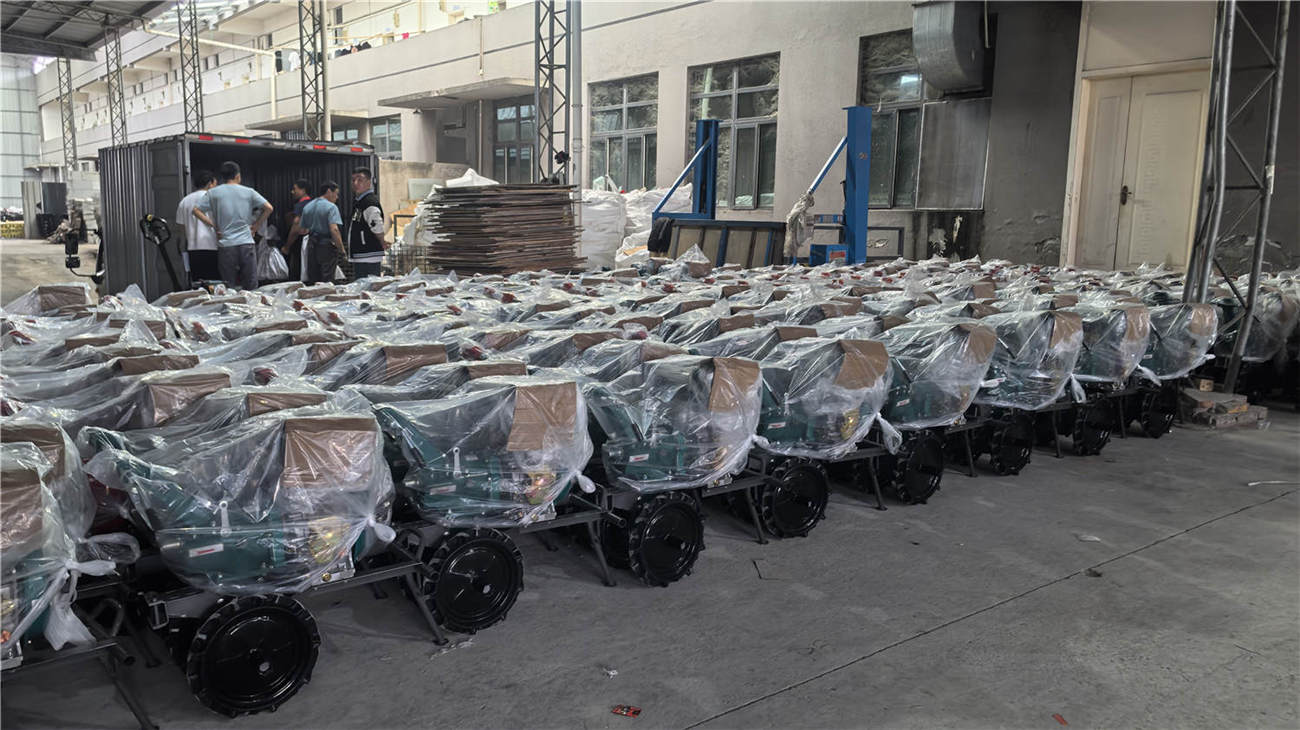
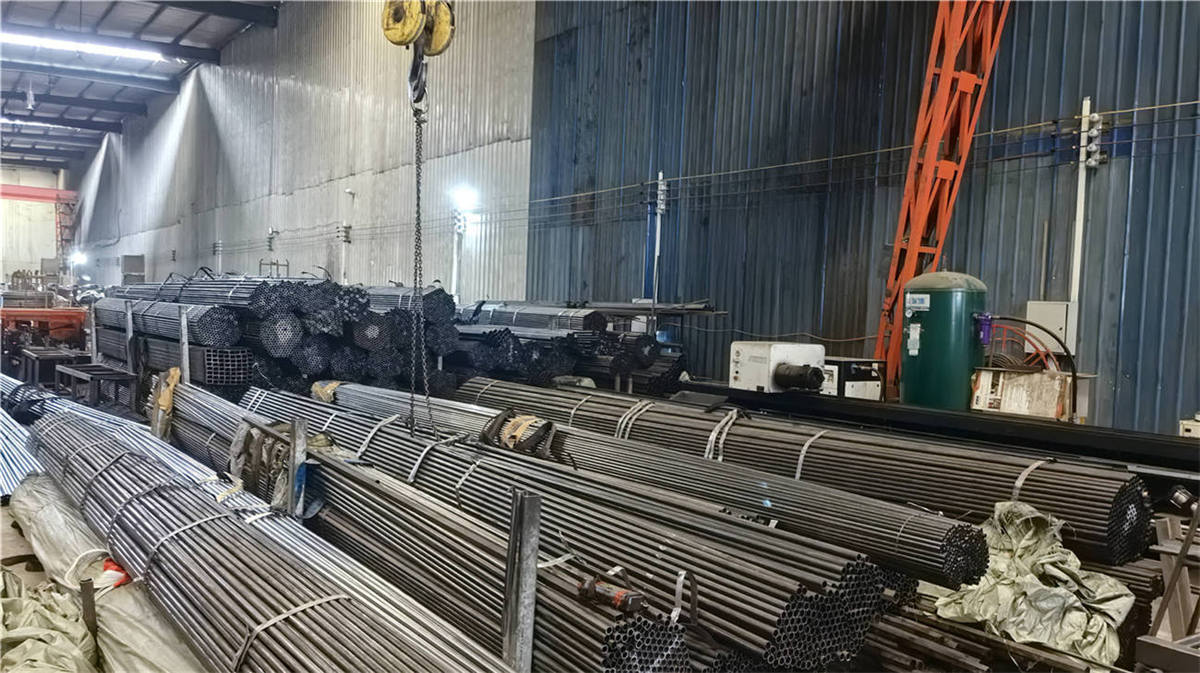
During the Steel Plate Cutting and Tube Cutting stages, high-precision CNC laser centers shape the heavy structural steel. The frame panels are then formed via automated hydraulic presses (Bending & Hydraulic Punching) to minimize stress concentration points. The structural frames and canopy parts undergo Painting using electrostatic powder spray, which cures to a rust-resistant finish rated for harsh environments. Finally, the alternators and engines are paired on heavy structural rails, wired to control systems, and subjected to load bank testing (Function Testing) to verify voltage stability under transient load conditions.
Procuring industrial AC power generators requires thorough evaluation of local grid codes and emissions standards. A mismatch can result in costly commissioning delays or regulatory fines.
Suppliers must offer configurations that align with target market regulations. In North America, diesel gensets must comply with US EPA Tier 4 Final requirements, which dictate the use of Selective Catalytic Reduction (SCR) and Diesel Particulate Filters (DPF) to control NOx and particulate matter. In Europe, EU Stage V standards govern non-road mobile machinery. For stationary systems, compliance with ISO 8528 (Parts 1 to 10) ensures structural, mechanical, and electrical stability under varied operating conditions.
Before finalizing a supply contract with an AC generator supplier, engineering and procurement teams should confirm the following technical specifications:
Request confirmation that the engine and alternator are coupled via a single-bearing system with flexible driving discs to minimize torsional vibration.
Specify Auxiliary Winding (AUX) or Permanent Magnet Generator (PMG) excitation to ensure short-circuit current maintenance (typically 300% for 10s).
For coastal or outdoor environments, verify that the paint coating meets ISO 12944 standards for C4 or C5-M atmospheric corrosivity categories.
Technical answers to key queries on industrial AC power generator integration.
 Gods Power