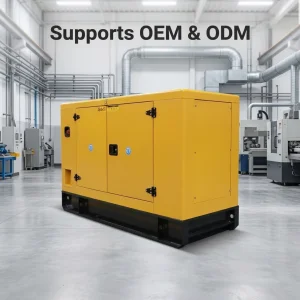
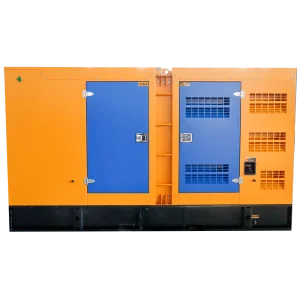
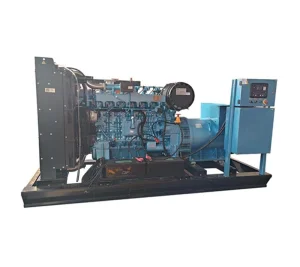
Explore our primary selection of industrial grade diesel, multi-fuel, and gas containerized generators built for continuous standby duty.
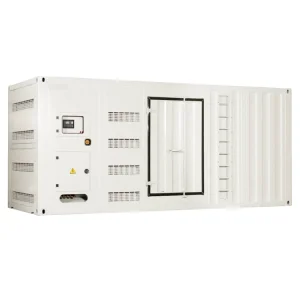
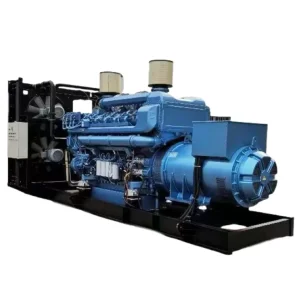
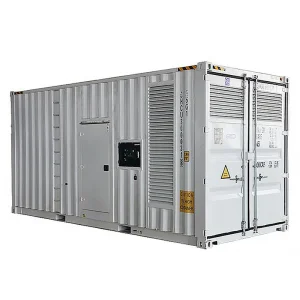
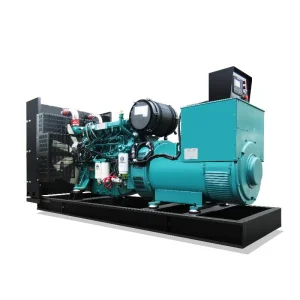
In an era defined by industrial automation, hyperscale data demands, and critical public utility operations, uninterrupted electricity has evolved from a utility requirement to a structural pillar of security. Weifang Gods Power Co., Ltd. has positioned itself as a world-class manufacturing authority specializing in the research, mechanical design, testing, and deployment of premium internal combustion and gas-based power generation system solutions.
Established with a registered capital of 26 million yuan, Weifang Gods Power operates a state-of-the-art manufacturing campus equipped with full load-testing stations, precision steel processing facilities, and multiple specialized mechanical assembly arrays. Over 200 skilled engineers and system technicians spearhead our custom system architectures, implementing a rigorous ISO-compliant quality management standard to ensure that every finished genset performs flawlessly in extreme environmental scenarios.
"Unity, diligence, pragmatism, and innovation." Guided by this, Weifang Gods Power focuses intently on structural reliability, mechanical precision, and comprehensive global service infrastructure.
Whether managing load parameters in arctic mining terrains or configuring low-decibel residential backup power in dense urban areas, our systems are manufactured to provide critical stability. By integrating multi-disciplinary design with precision assembly, we deliver customized energy infrastructure optimized for your operational environment.
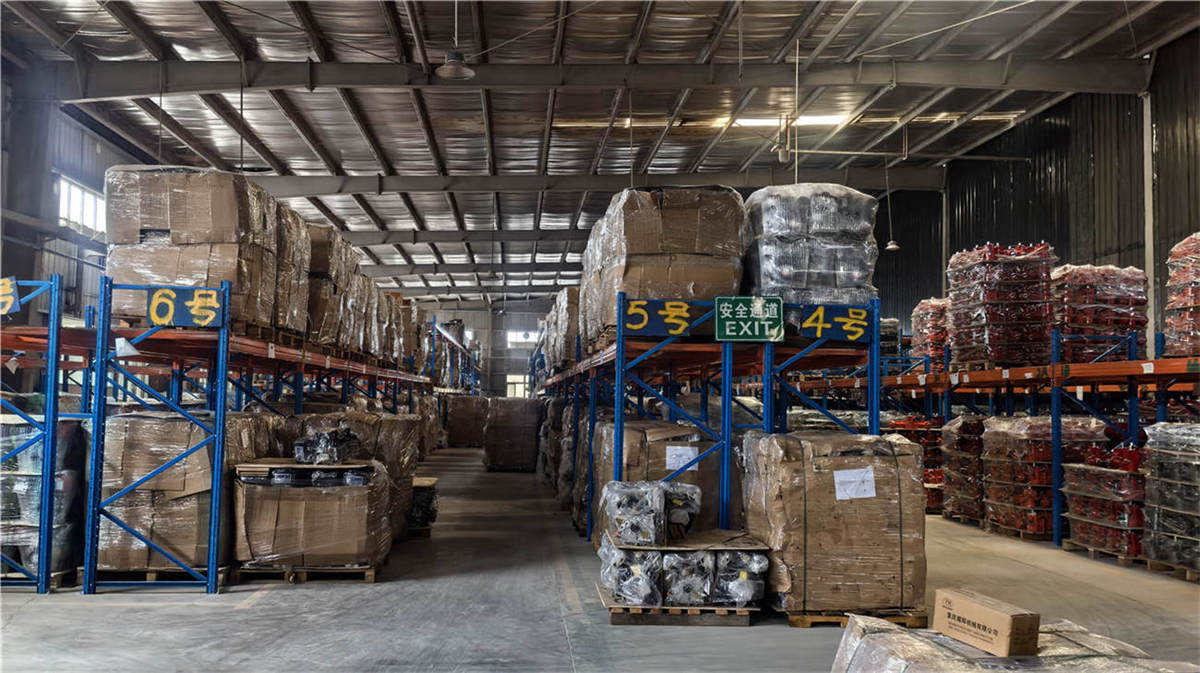
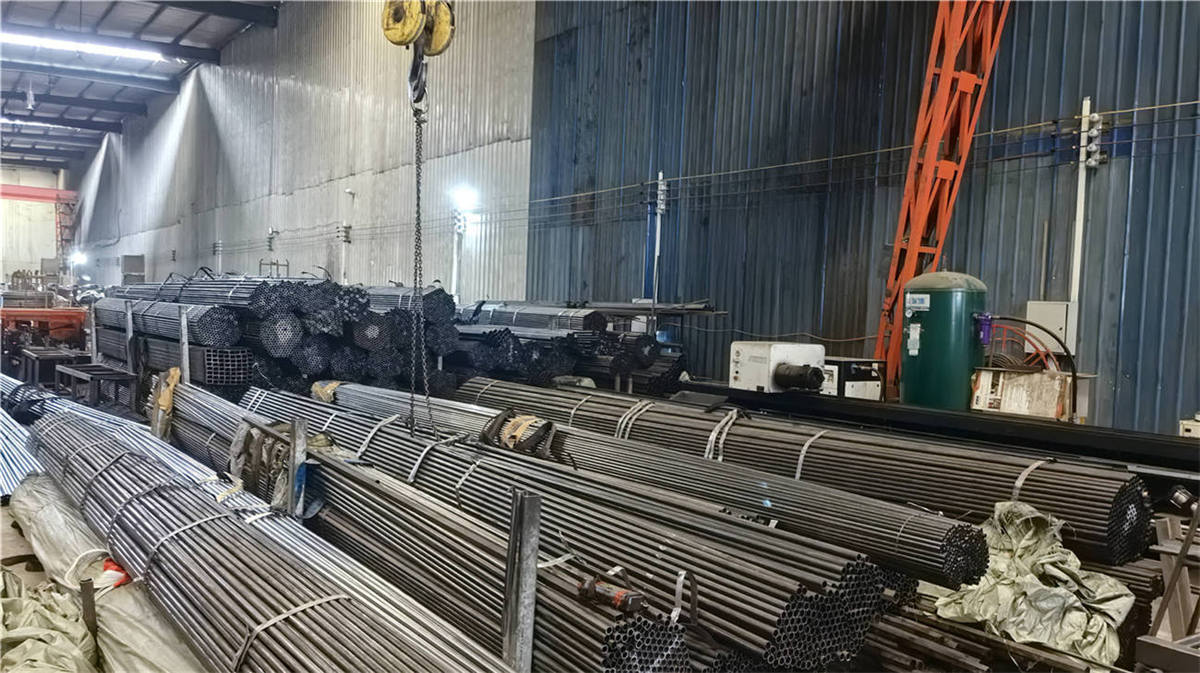
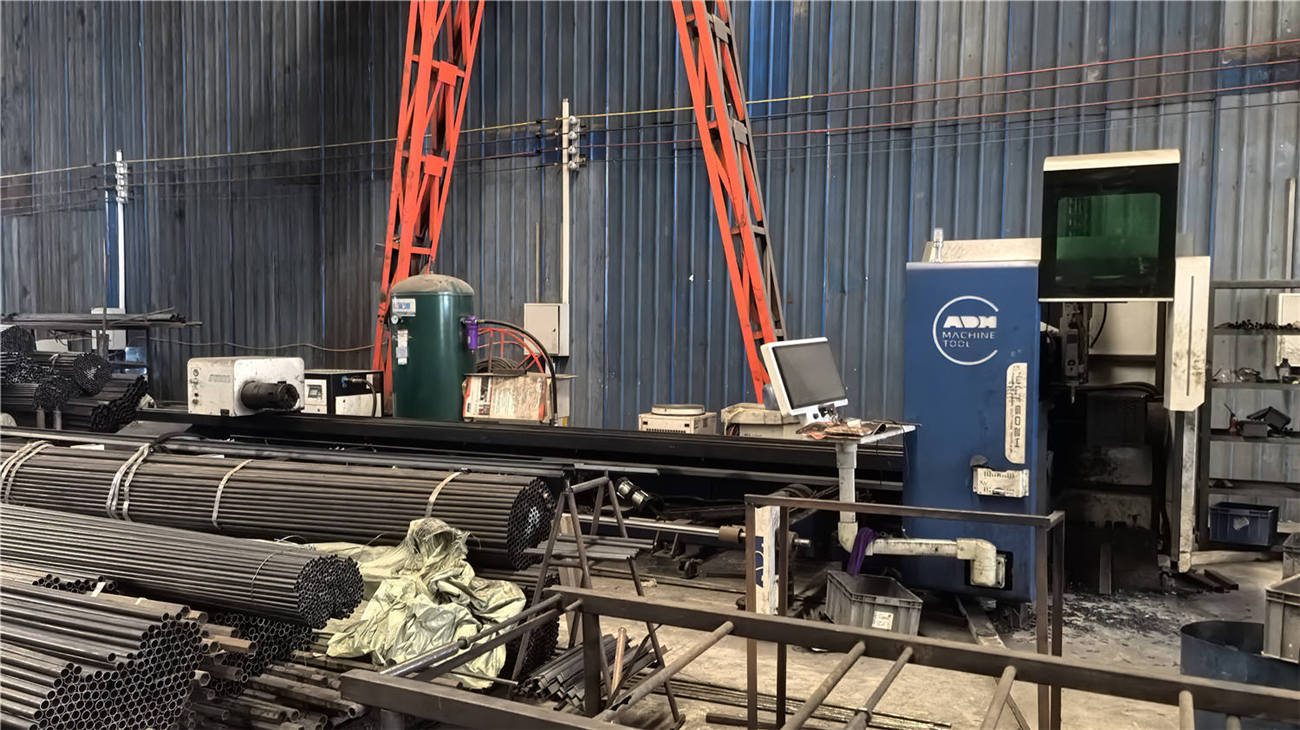
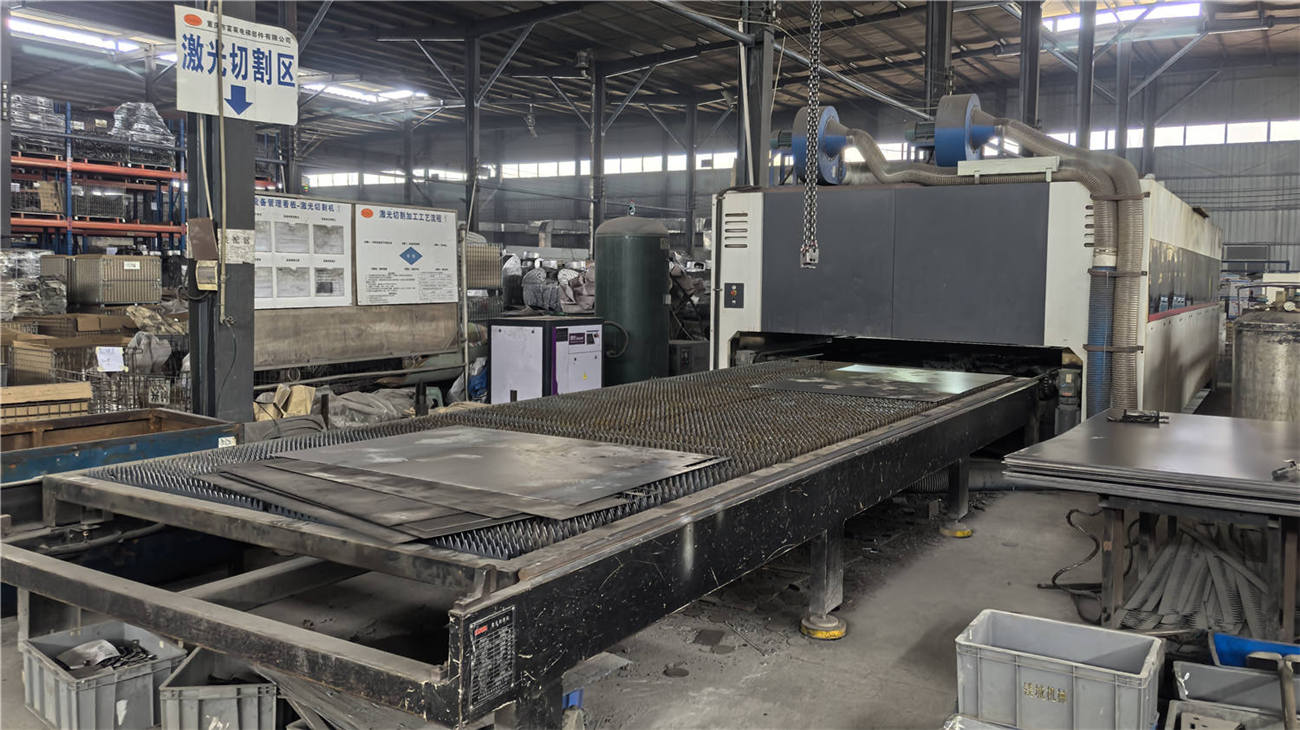
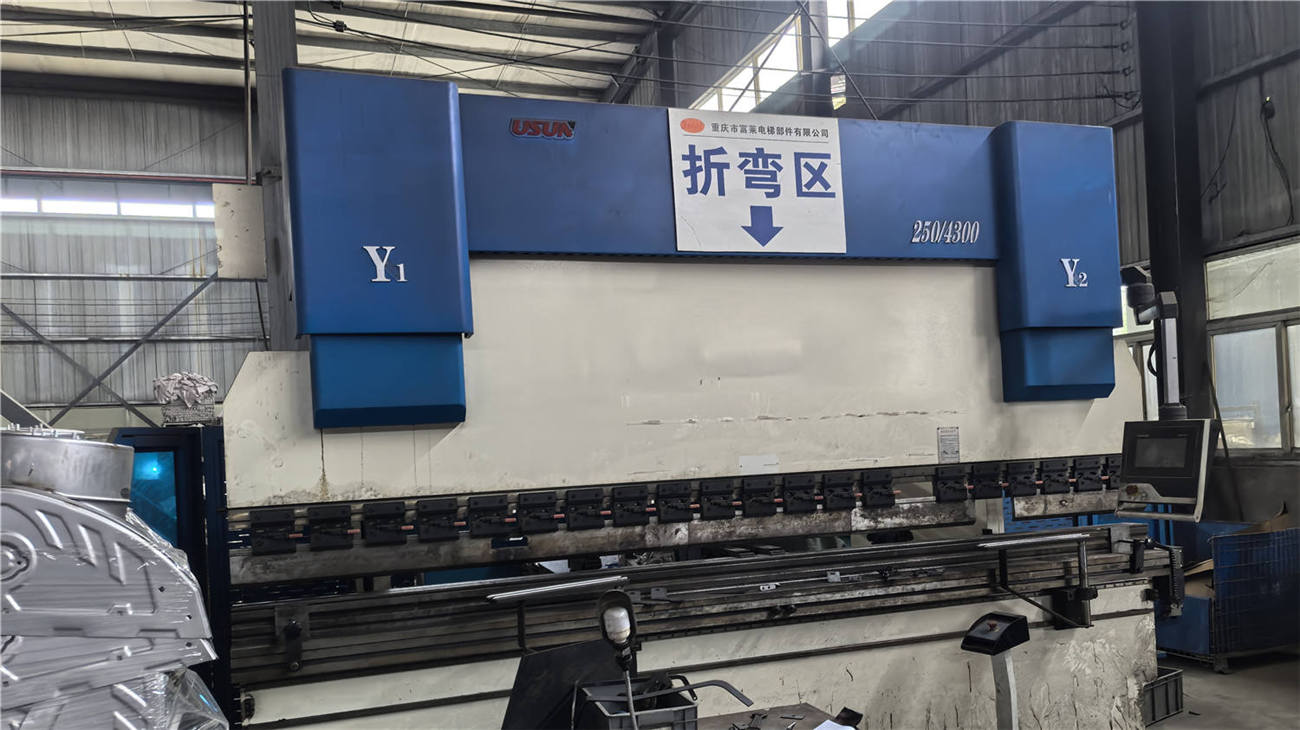
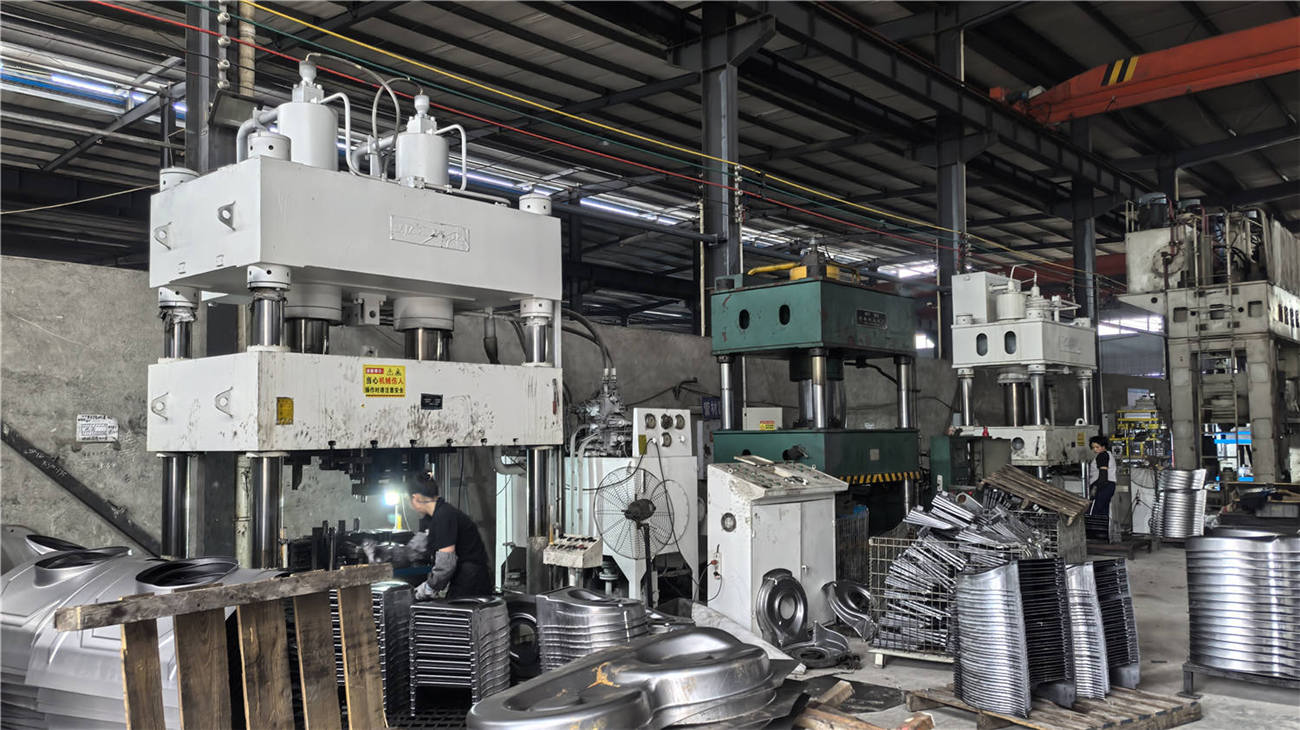
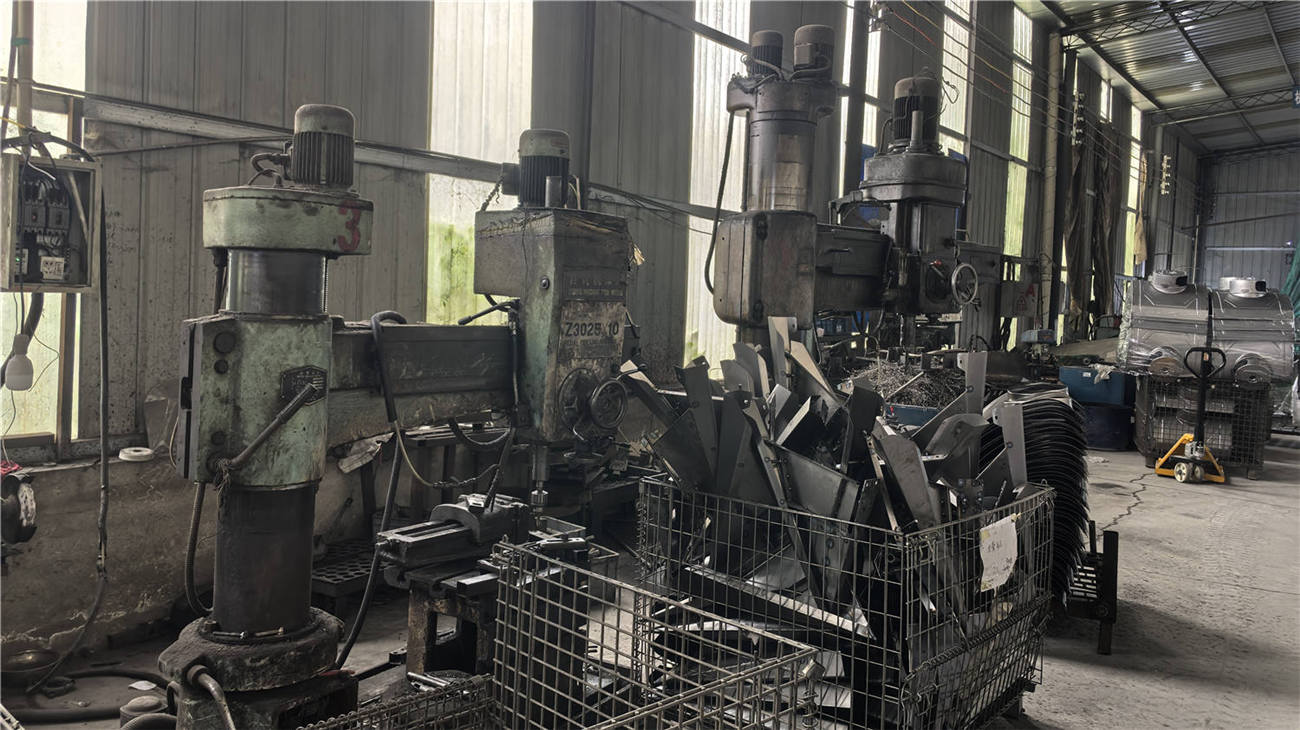
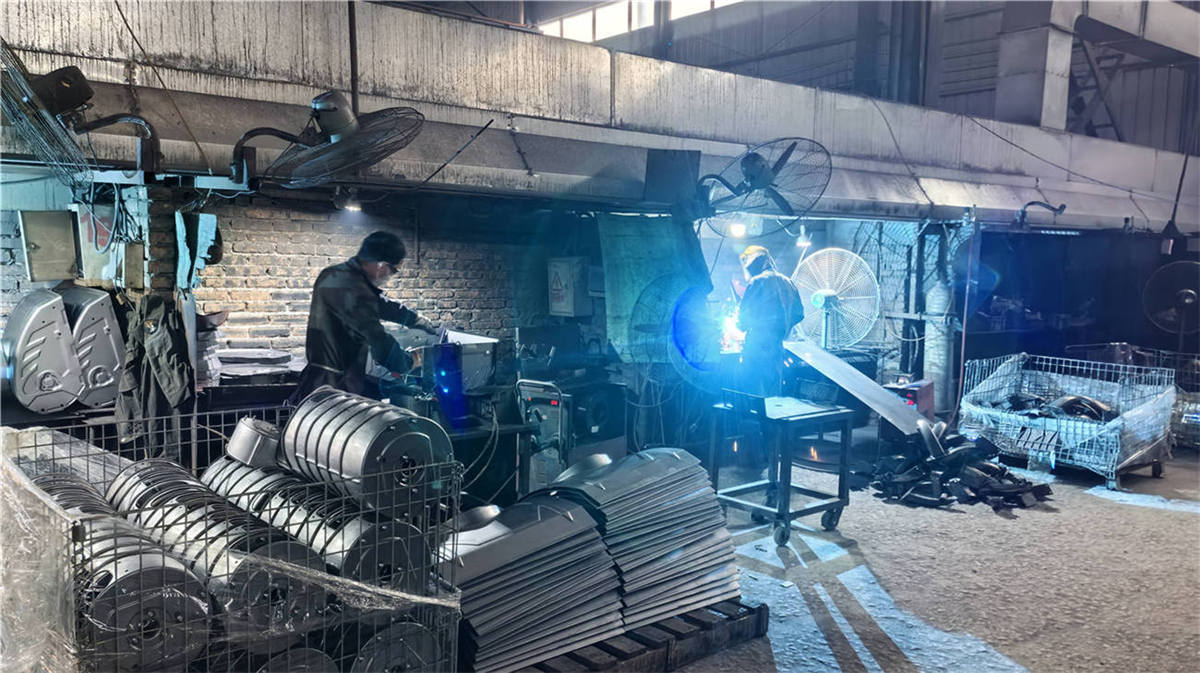
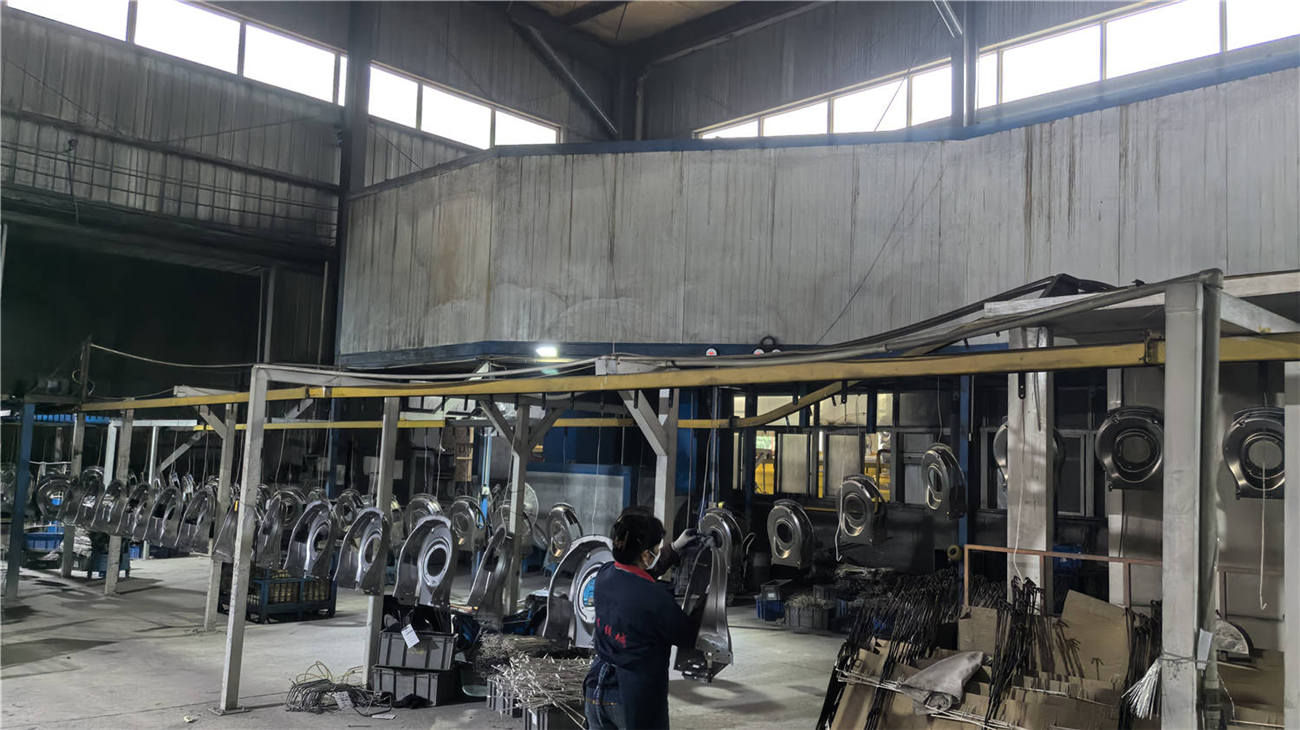
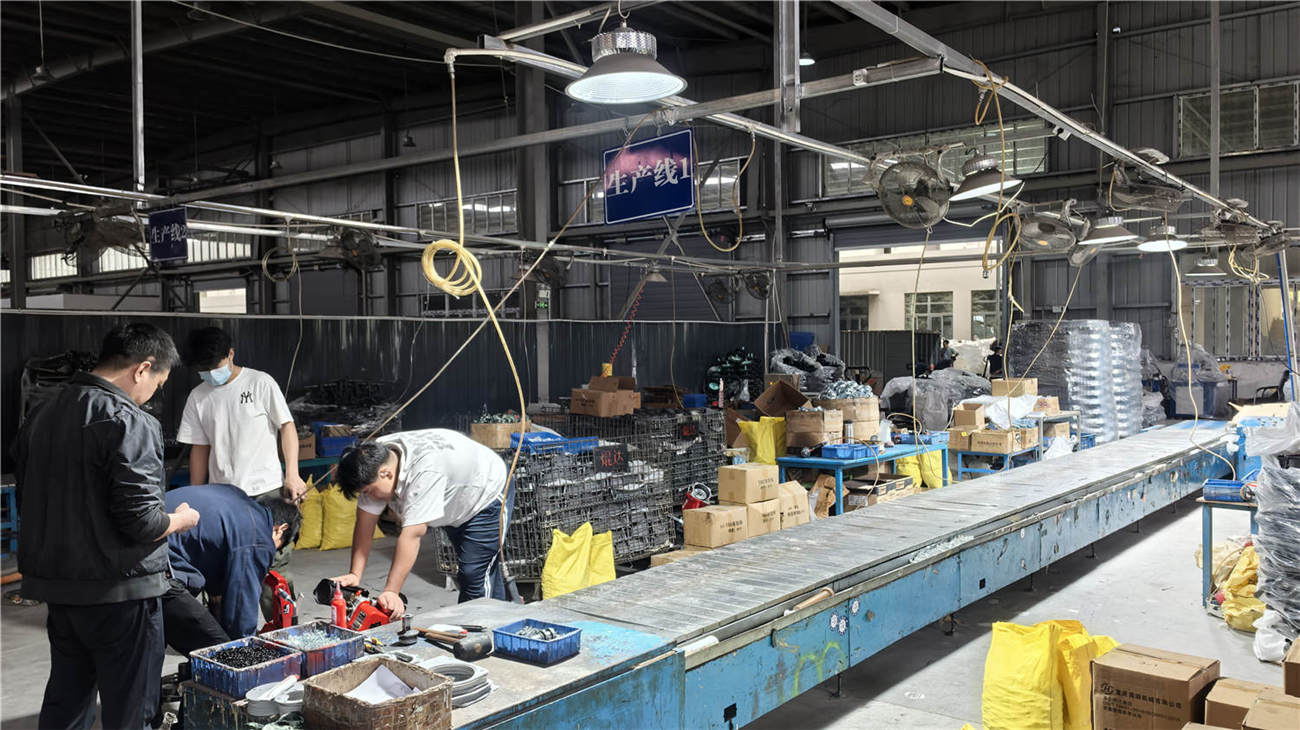
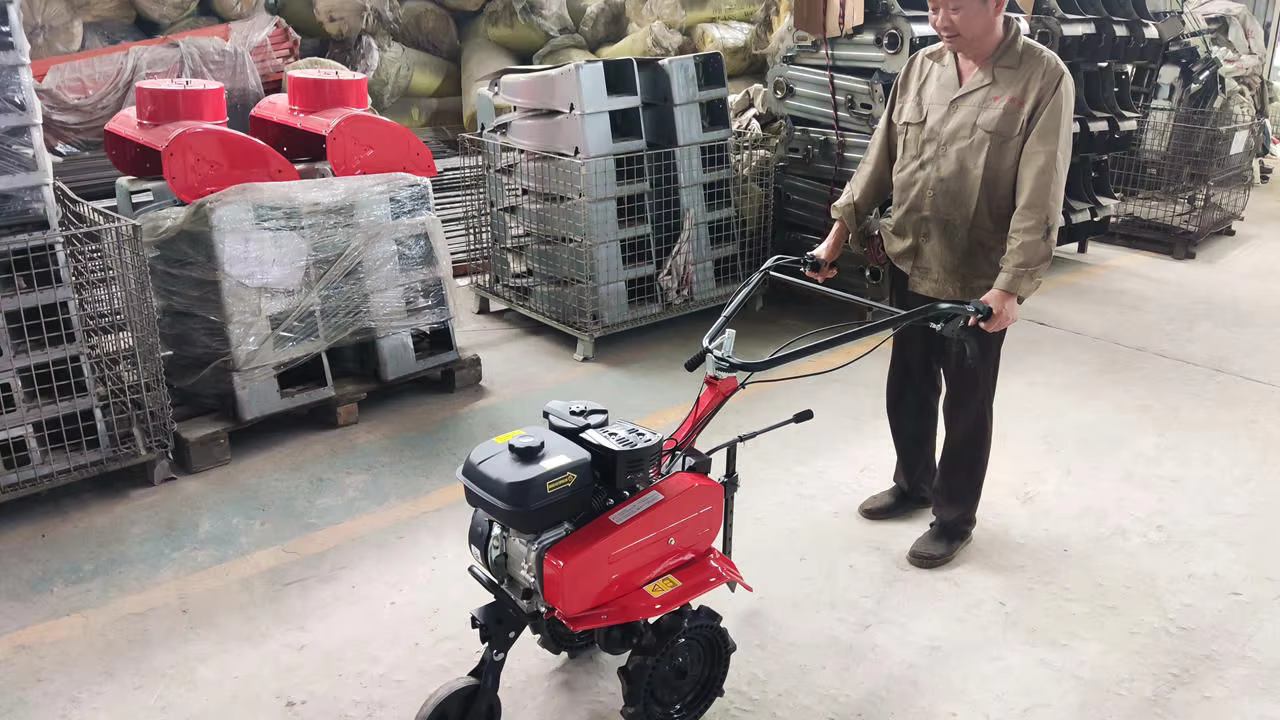
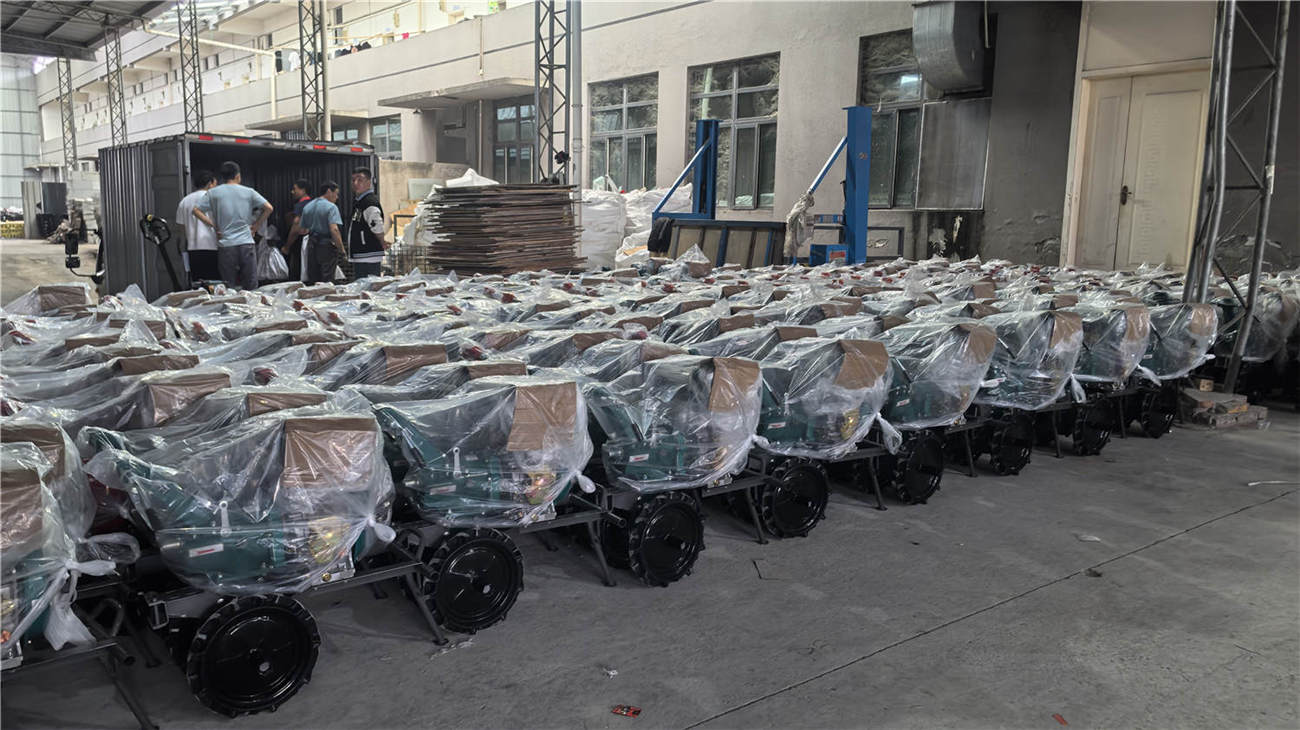
A generator’s structural integrity depends entirely on the precision of its raw material processing, weld strengths, and testing protocol. Below is the step-by-step layout of our manufacturing infrastructure, showing how our facility maintains full control over every assembly phase to deliver high-reliability systems.
The global power generation sector is undergoing a massive shift towards lower carbon intensities and smart grid connectivity. High-horsepower diesel engines remain the foundation of backup energy systems due to their reliability under thermal stress and instant startup capabilities. Modern technical roadmaps address these requirements through structural improvements:
To reduce environmental impacts, major generator architectures are adapting to burn clean gaseous and synthetic fuels. This includes Liquefied Natural Gas (LNG), Compressed Natural Gas (CNG), Biogas, and Methanol.
Methanol power generation is emerging as a practical alternative in regions with abundant feedstock, offering low greenhouse gas footprints without the cryogenic storage requirements of LNG. Additionally, systems configured with modern dual-fuel manifolds can dynamically balance fuel inputs depending on grid availability and load profiles.
Historically, generator control was purely mechanical. Modern genset technology integrates microcontrollers, such as SmartGen controllers, which interface directly with building management systems via Modbus or Ethernet protocols.
These digital control units handle automated startup, load-sharing, synchronize multi-generator arrays, and provide diagnostic feedback. These features help predict mechanical failures, allowing maintenance teams to service components before system downtime occurs.
Future system developments focus on integration with energy storage networks. By coupling an internal combustion genset with high-density battery energy storage systems (BESS), engineers can create dynamic hybrid microgrids. These configurations run generators at peak thermodynamic efficiency and use battery banks to buffer sudden transient load shifts, lowering fuel consumption and mechanical wear.
Industrial generators must fit the operational profiles of their specific deployment sectors. Off-the-shelf units rarely satisfy the safety, regulatory, and electrical requirements of critical infrastructures. We develop custom configurations across several primary sectors:
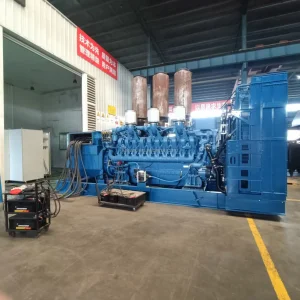
Hyperscale data centers require immediate power restoration to keep uptime in compliance with Tier III and Tier IV design specifications. Our high-voltage solutions utilize responsive alternators coupled with fast-starting engines (such as the Perkins 4008TAG2 series) to accept full block load demands within 10 seconds of grid failure.
Marine deployments require specialized components to resist salt-water corrosion, high vibrations, and pitch movement. Engines like the Weichai WH25 marine generator set feature heat exchangers, raw-water pumps, and certified structural housings that meet the strict requirements of international classification societies.
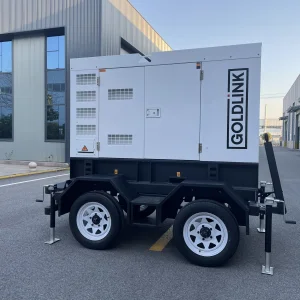
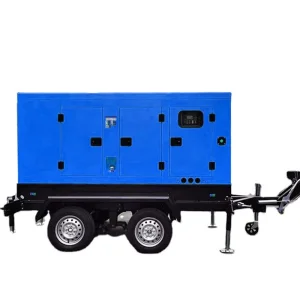
For construction and resource extraction in remote areas, power must be mobile. Towable and containerized trailer units are built to withstand dust exposure and extreme thermal ranges. They feature integrated heavy-duty fuel filtration, internal sound attenuation, and mechanical access hatches.
Enterprise-level procurement departments evaluating diesel and alternative-fuel power assets focus on Total Cost of Ownership (TCO) and long-term supply chain viability. Selecting a partner involves reviewing essential engineering criteria:
An industrial genset requires perfect speed and load-sharing synchronization between the diesel engine and the alternator. Utilizing premium alternators like Stamford ensures high electrical winding insulation, low harmonic distortion (THD), and strong voltage recovery under transient inductive motor starts.
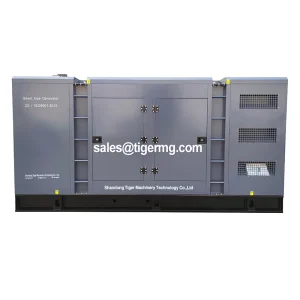
Municipal and industrial zones restrict noise levels. High-capacity containerized sets must meet local noise regulations through structural acoustic design. By integrating double-wall mineral wool insulation, intake/discharge baffles, and exhaust muffling, decibel ratings can be lowered to under 75 dB(A) at 7 meters without restricting radiator airflow.
Deploying emergency power systems worldwide requires compliance with local grid codes, emission standards, and safety ratings. Regulating bodies like the US Environmental Protection Agency (EPA), CE directives in Europe, and national certification standards (such as ISO 8528) dictate allowed levels of nitrogen oxides (NOx), carbon monoxide (CO), and particulate matter (PM).
Weifang Gods Power designs systems to meet these regulatory standards. Our integration procedures incorporate diesel particulate filters (DPF), selective catalytic reduction (SCR), and alternative gas pathways to reduce environmental impact.
Beyond product delivery, our global support networks ensure seamless equipment deployment. Our technical support covers system sizing during early planning, on-site commissioning to verify engine parameters, and field support to maintain unit uptime. By working with global logistics networks, Weifang Gods Power guarantees timely delivery of spare parts and components, protecting operations against extended power interruptions.
Addressing the primary technical questions of engineering consultants and purchasing departments.
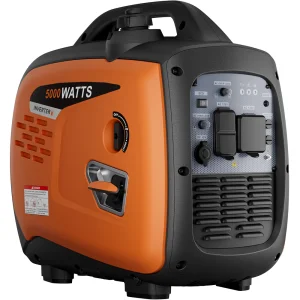
Explore our secondary selection of mobile trailer stations, compact emergency generators, and small-footprint alternative gas solutions.
 Gods Power