Explore our leading prime and standby power systems designed to handle demanding utility loads.
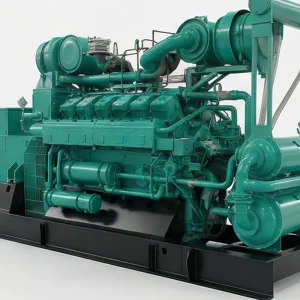
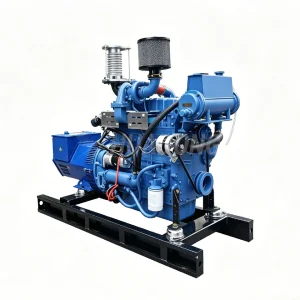
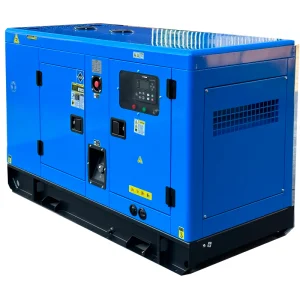
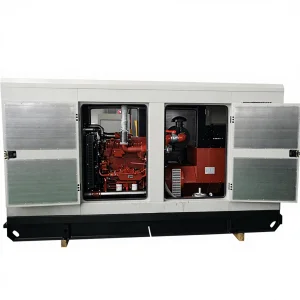
In the contemporary industrial landscape, electricity serves as the fundamental bedrock of digital connectivity, production automation, and basic public infrastructure. Choosing the right power plant generator is not merely a purchasing transaction; it represents a multi-decade strategic investment in operational resilience and grid security. Modern industrial operations require generators that can reliably balance high output demand, minimize fuel consumption, and integrate with increasingly strict environmental regulations.
Historically, heavy-duty generation focused solely on brute-force diesel thermal efficiency. Today, the engineering focus has evolved. Major multi-megawatt projects demand multi-fuel versatility, intelligent automated synchronization, digital power-factor monitoring, and advanced sound attenuation. Understanding the subtle engineering metrics behind these changes allows global engineering directors to minimize their total cost of ownership (TCO) while securing their operations from unexpected grid failures.
“True energy resilience is realized when power generation equipment is engineered not just for emergency backup, but as dynamic assets capable of peak shaving, grid-tier synchronization, and microgrid stabilization.”
For decades, European and American manufacturing hubs dominated the landscape of medium-to-large scale generation systems. However, massive industrial clusters in China have rewritten the playbook. The synthesis of complete supply chains, raw material accessibility, advanced metal-forming machinery, and direct access to state-of-the-art internal combustion technologies has allowed Chinese manufacturers to rise to the forefront of the global energy sector.
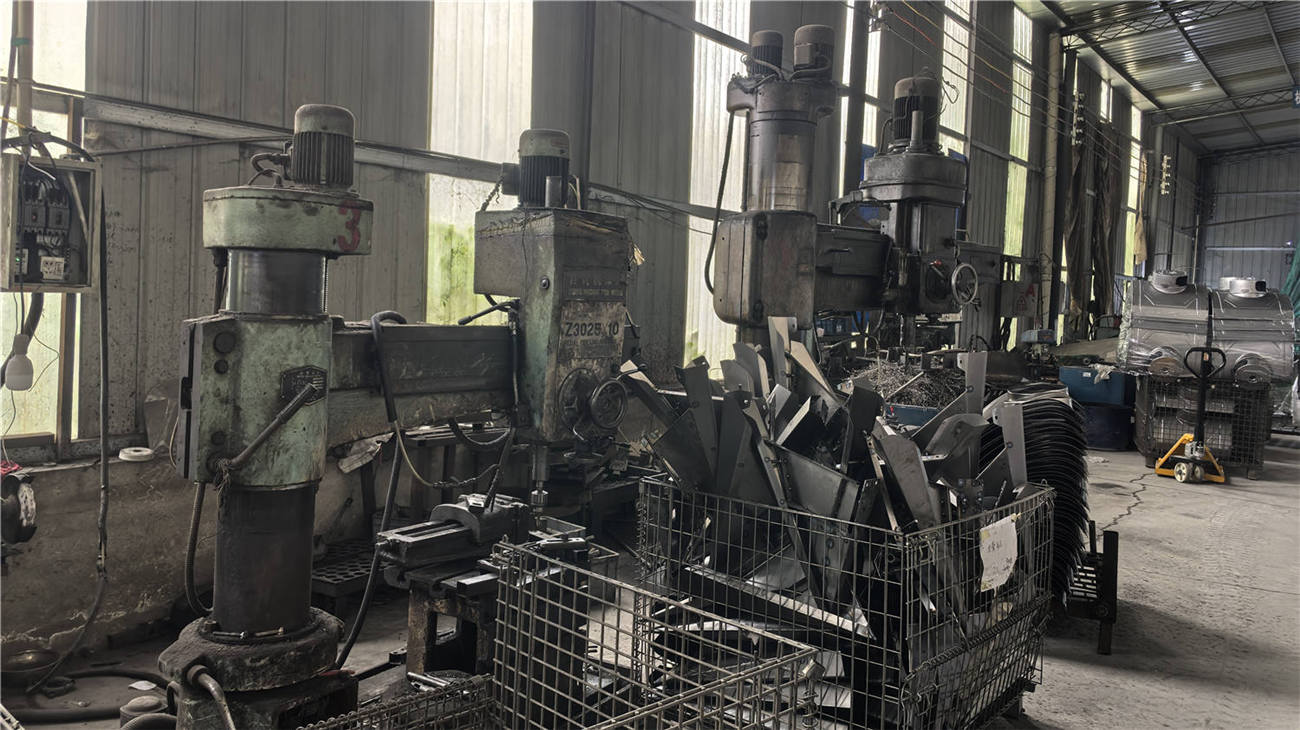
Weifang Gods Power Co., Ltd. is a leading enterprise specializing in the development, manufacturing, and sales of high-quality diesel generator sets. With a registered capital of 26 million yuan, the company is equipped with advanced testing facilities, complete product assembly lines, and sophisticated mechanical processing equipment. Weifang Gods Power employs over 200 skilled professionals and maintains a highly capable technical team, supported by a robust and mature quality management system, ensuring that every product meets the highest standards of reliability and performance.
As a technology-driven company, Weifang Gods Power is committed to continuous innovation and research, integrating product design, development, production, and sales to provide comprehensive power solutions tailored to customer needs. The company's strategic goal is to be market-oriented, technologically advanced, and guided by honesty and integrity, while continuously strengthening its technical capabilities and service excellence.
Guided by the business philosophy of “unity, diligence, pragmatism, and innovation,” Weifang Gods Power emphasizes the importance of product quality, operational efficiency, and customer satisfaction. Every product is crafted with meticulous attention to detail, and the company provides comprehensive after-sales support to ensure long-term reliability and peace of mind for its clients.
Weifang Gods Power aims to create mutually beneficial and lasting partnerships with customers worldwide. Through a combination of advanced technology, professional expertise, and unwavering commitment to quality, the company strives to deliver cutting-edge energy solutions, drive innovation in the power industry, and contribute to sustainable development globally. With a clear vision for the future, Weifang Gods Power continues to expand its global presence, uphold the highest standards of excellence, and deliver reliable, efficient, and environmentally responsible power solutions to meet the evolving demands of modern industries.
China's dominance in the global industrial generator sector is built on several key advantages. First is the country's unparalleled cluster-based supply chain. In regions like Shandong and Jiangsu, specialized casting foundries, alternator manufacturers, copper winding processors, and electronic control system developers are located in close geographic proximity. This density eliminates long component transport delays, reduces costs, and allows for rapid prototype modifications during custom manufacturing runs.
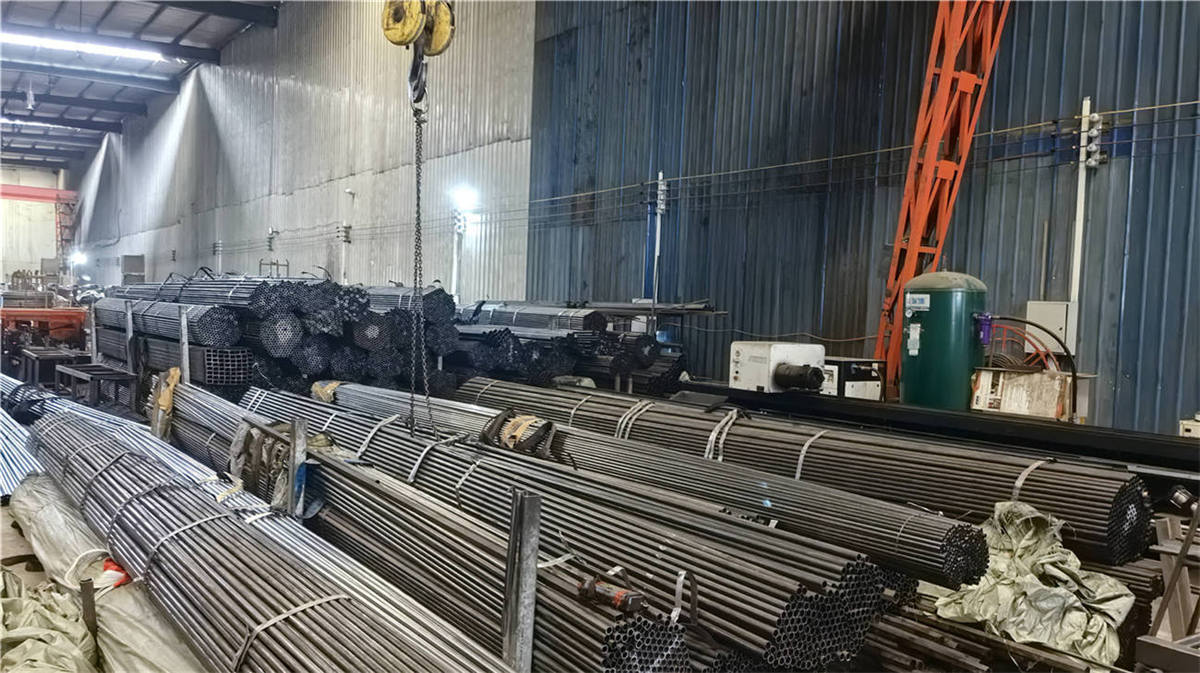
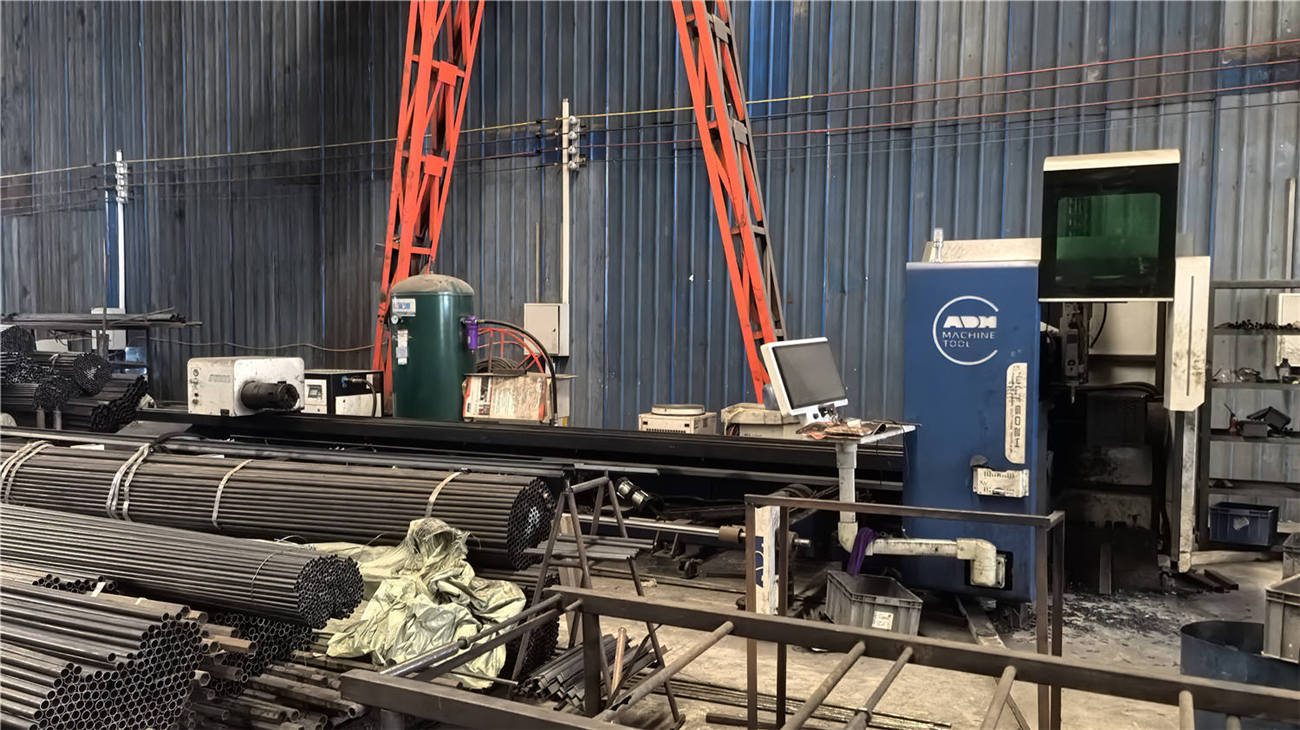
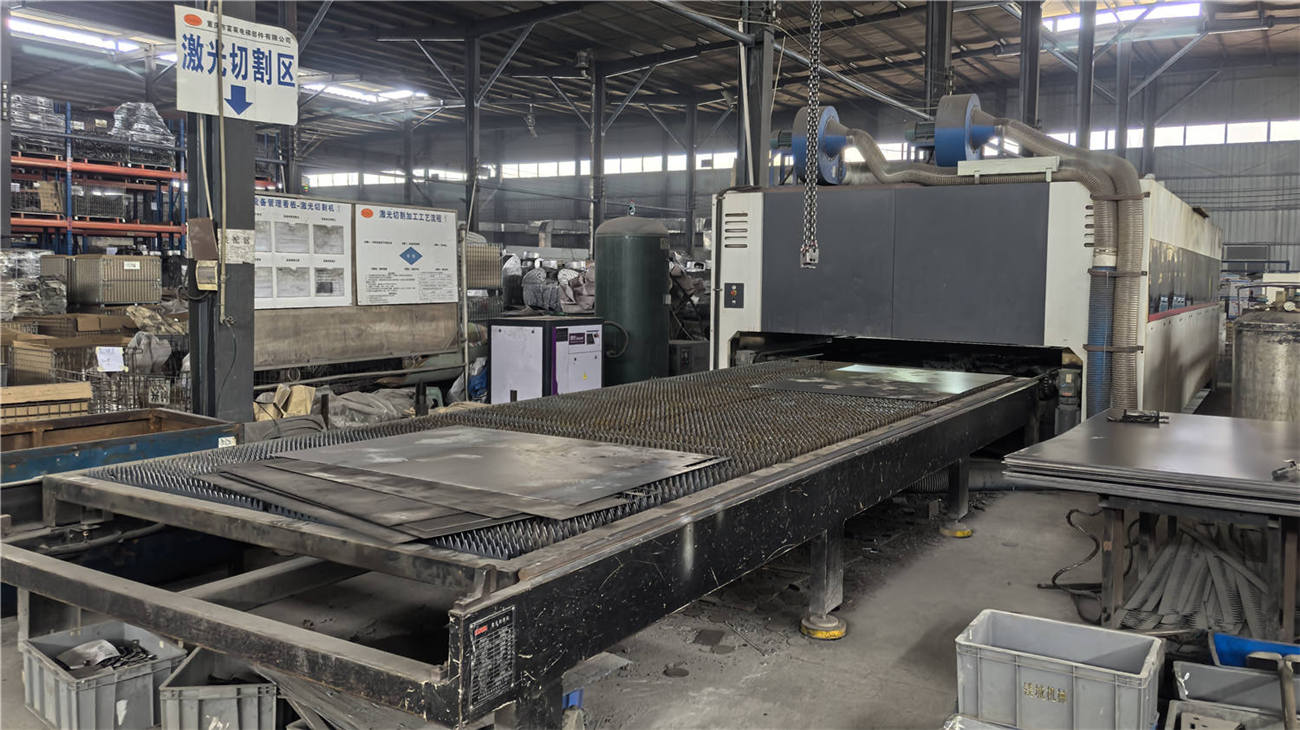
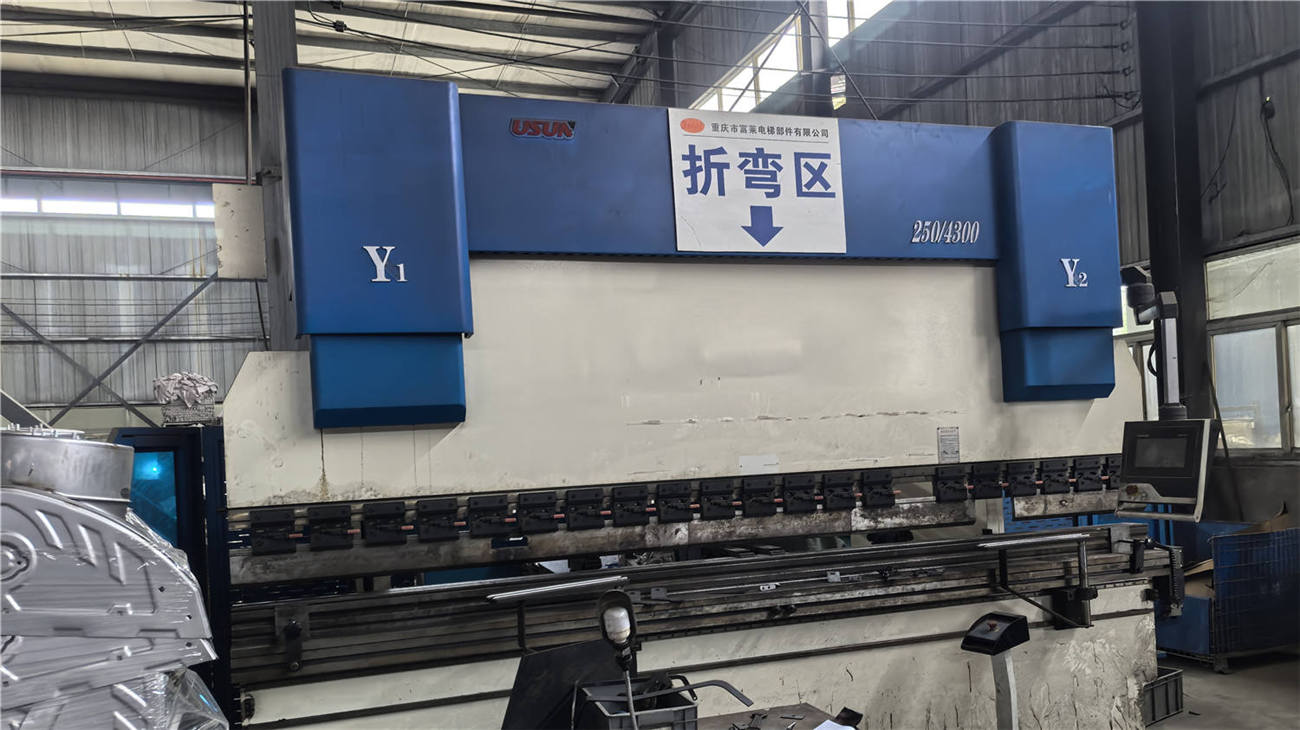
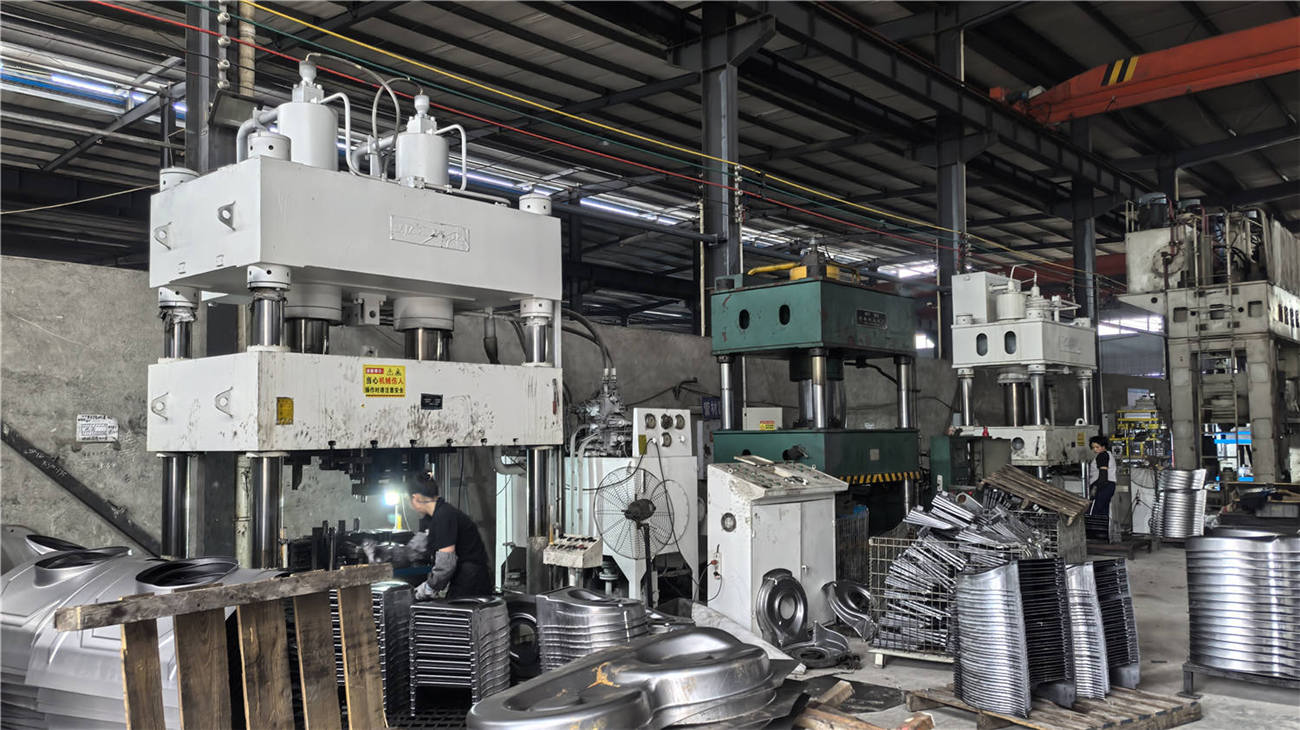
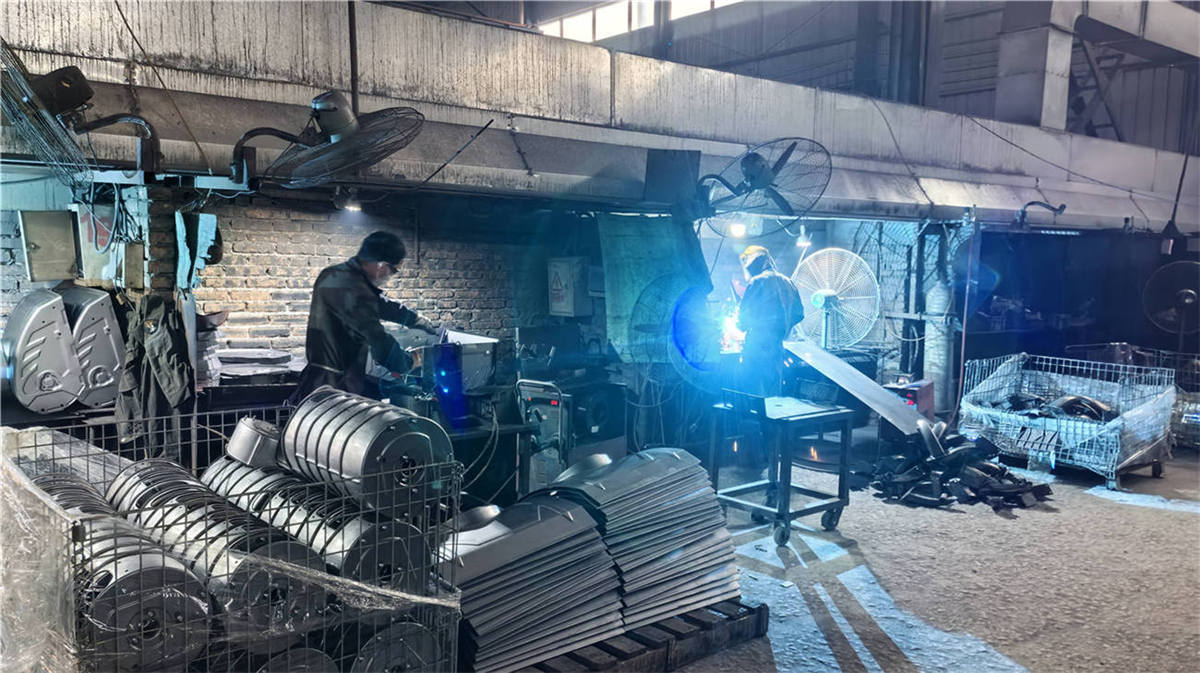
Furthermore, the integration of advanced automation and robotic welding, heavy bending presses, and precision laser cutting allows Chinese factories to fabricate genset canopies, soundproof enclosures, and structural base frames with high repeat precision. These structural components are crucial for isolating engine vibrations, minimizing acoustic output, and protecting the internal machinery from harsh environmental elements.
Chinese generator factories also benefit from extensive testing fields and high-voltage grid simulator laboratories. Industrial gensets must be tested at various load steps (0%, 25%, 50%, 75%, 100%, and 110%) to verify transient response, voltage dip recovery, and heat dissipation characteristics under load. Having these testing systems directly on the factory floor ensures that every unit shipped complies with international standards such as ISO 8528, CE, and CSA.
Tailored utility-scale solutions engineered to support complex, high-reliability commercial applications.
Engineered for high-volume power plants and sub-stations, our parallel synchronization panels react within milliseconds to grid voltage drops, ensuring smooth grid support during peak utilization periods.
Maximize thermal efficiency up to 95% by capturing waste heat from exhaust gases and cooling jacket water, redirecting it to district heating systems or industrial manufacturing processes.
Providing specialized oil field, open-pit mining, and maritime applications with heavy-duty IP55 alternators, marine-grade anti-corrosive coatings, and dual air-filtration systems.
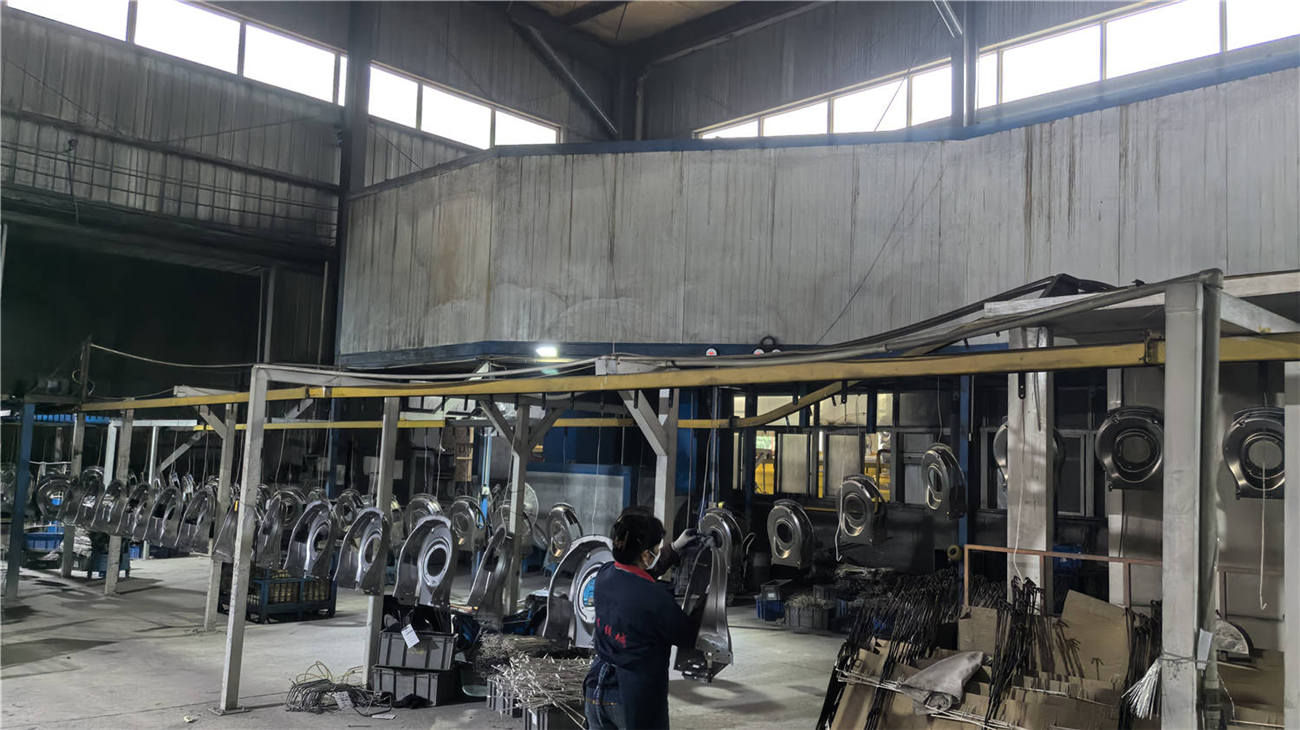
A comprehensive view inside the Weifang Gods Power facility, illustrating the precision manufacturing stages of our generator units.
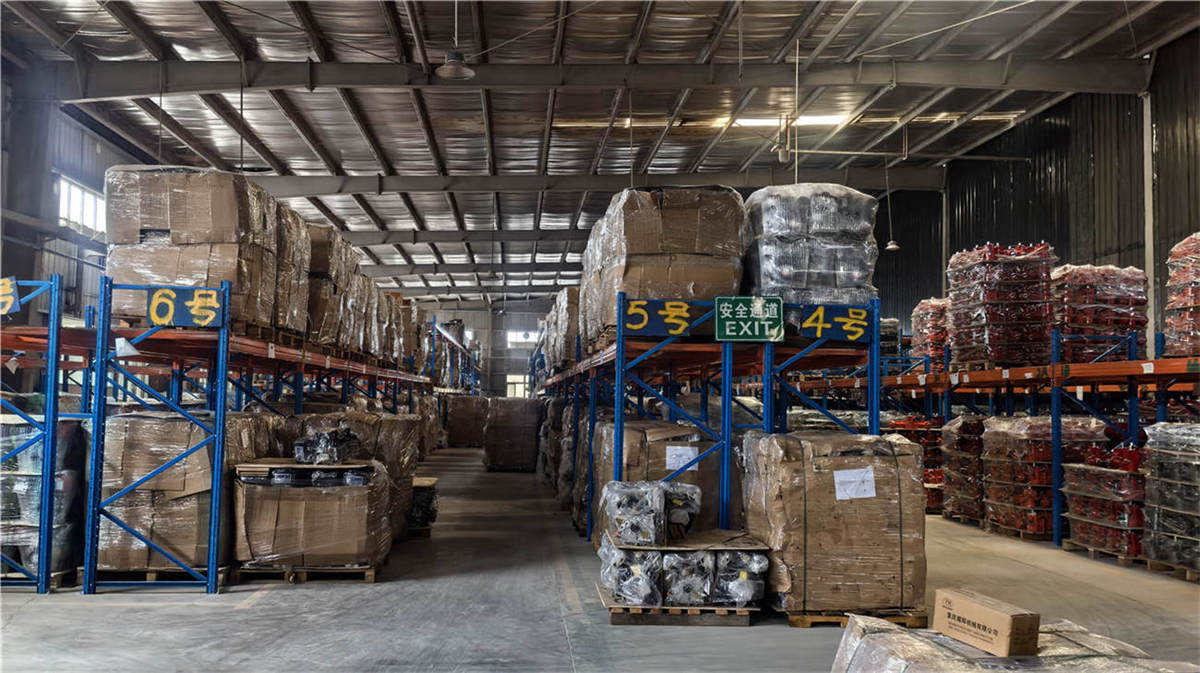
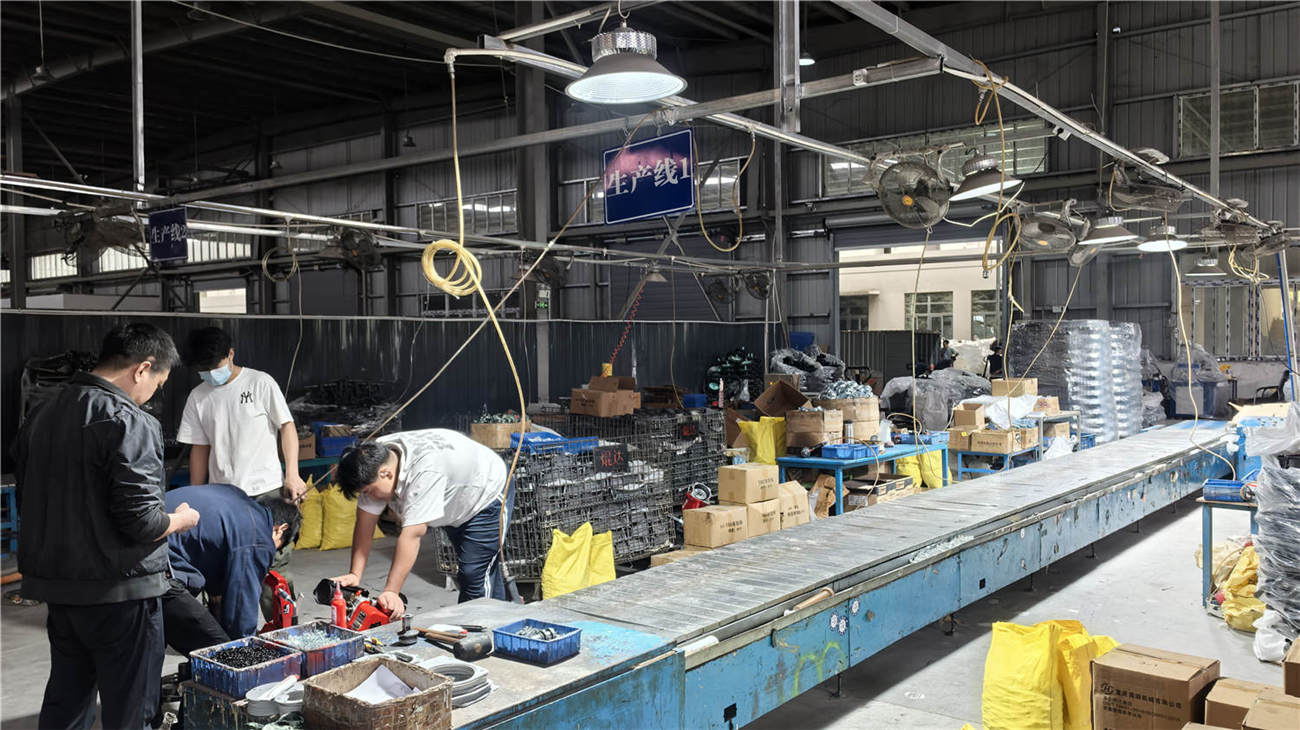
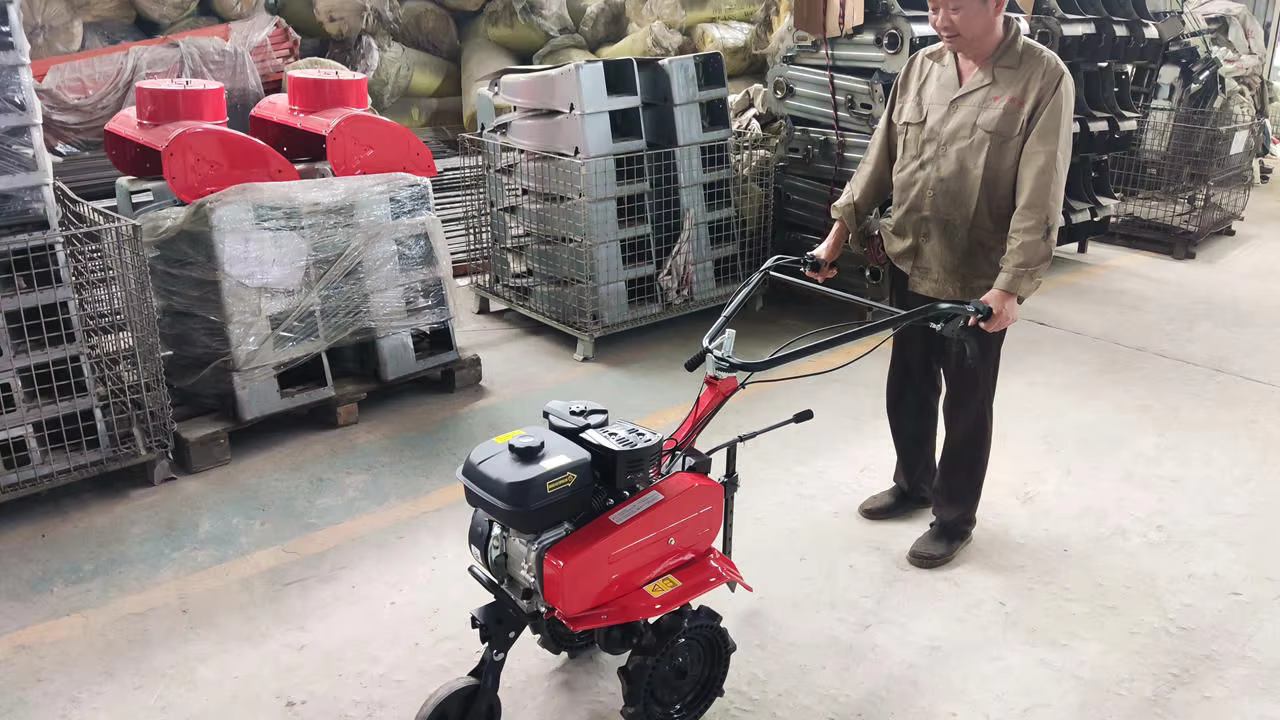
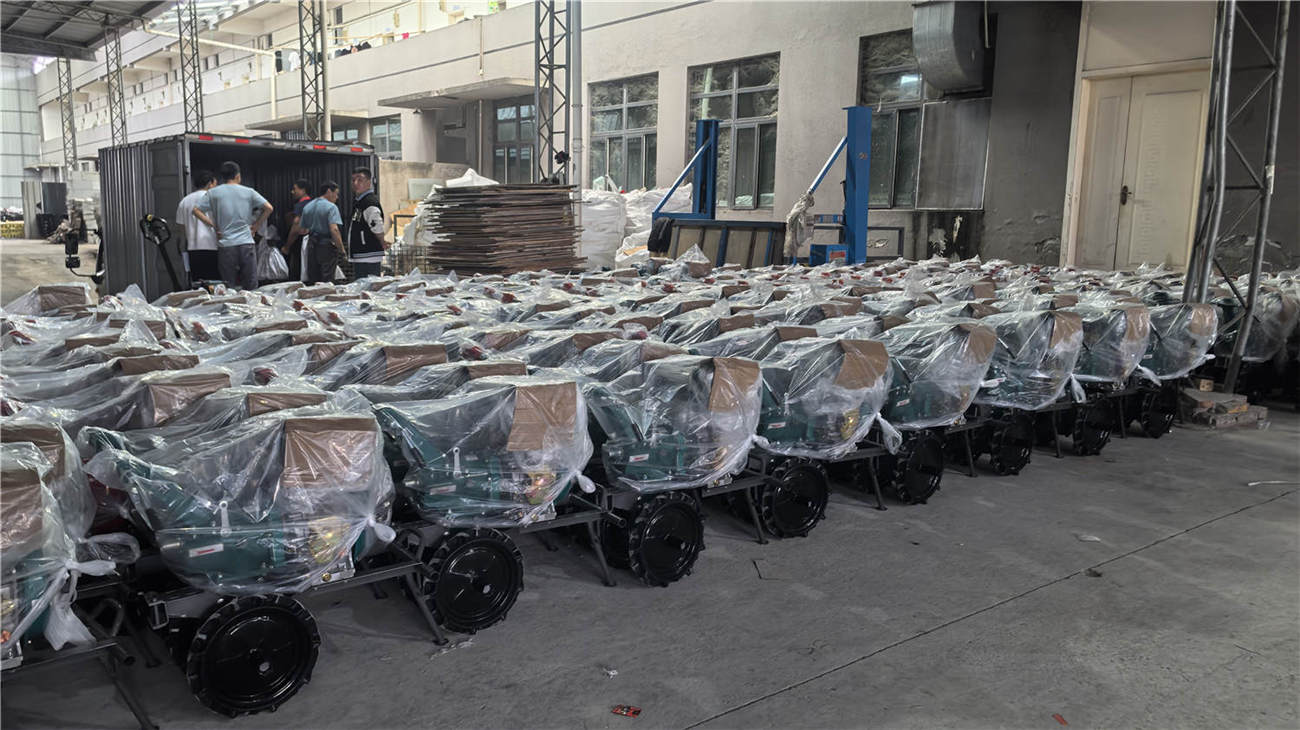
The global power generation sector is undergoing a rapid transition driven by carbon reduction goals, fuel price volatility, and the expansion of decentralized microgrids. Industrial facilities are increasingly moving away from standard standby diesel gensets toward more flexible energy assets. Among these advancements, natural gas, biogas, and dual-fuel systems represent significant milestones in combustion efficiency.
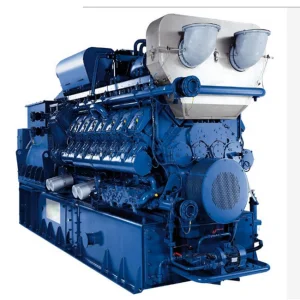
Natural gas and biogas generators offer lower particulate matter and nitrogen oxide (NOx) emissions compared to diesel equivalents. For operations with local fuel sources—such as municipal landfills, organic livestock farms, or oil refineries—biogas and syngas generators convert potential waste into valuable electricity and heat. These systems achieve up to 95% total efficiency when configured with Combined Heat and Power (CHP) loops, which capture high-temperature engine heat for industrial processes or local district heating.
Dual-fuel generator sets provide additional flexibility by running on a mixture of gas and diesel. These engines can adjust fuel ratios dynamically based on real-time cost, fuel availability, and transient load demands. During sudden load increases, the system can utilize diesel's fast transient response, and then transition back to natural gas for stable, cost-effective baseline generation.
Power plant generators operate in diverse environmental conditions worldwide, requiring specialized engineering adjustments:
For international buyers and procurement engineers, choosing the right generator supplier involves evaluating several key factors beyond the initial purchase price. The total cost of ownership (TCO) is heavily influenced by fuel consumption curves, maintenance intervals, and spare part availability. Opting for manufacturers that use globally recognized alternator brands (like Stamford or Leroy Somer) and reliable engine components ensures that local maintenance teams can source parts quickly, reducing down-time risk.
Additionally, clear documentation, wiring schematics, and factory acceptance test (FAT) records are essential for streamlined field installation. Establishing a direct communication channel with the manufacturer’s technical team helps prevent alignment errors during installation, ensuring the system integrates smoothly with existing power distribution infrastructure.
Expert engineering answers to common inquiries regarding industrial power plant generators.
Continuous power systems operate at 100% load for unlimited hours, typically in base-load grid applications. Prime power systems are designed for variable loads over unlimited hours, allowing a 10% overload capacity for short periods. Standby generators are rated for emergency backup during grid failures and should not run continuously for extended periods under high load.
Dual-fuel technology allows operations to substitute a significant percentage of diesel with cleaner, more cost-effective natural gas or biogas. The system can dynamically adjust the fuel ratio based on load demands, helping to lower operating costs and reduce carbon emissions without sacrificing transient load response.
An Automatic Transfer Switch monitors utility power quality. If a voltage drop or outage occurs, the ATS signals the generator to start and transfers the electrical load to the generator once stable frequency is reached. This process protects sensitive equipment from damage and prevents grid feedback.
Routine maintenance includes checking oil and coolant levels, inspecting fuel filters, and running the engine under load monthly to prevent fuel stagnation and carbon build-up. Annual oil analysis and cooling system flushes help identify potential internal wear early.
Marine generators must be certified by classification societies such as the China Classification Society (CCS), Bureau Veritas (BV), American Bureau of Shipping (ABS), or Det Norske Veritas (DNV). These certifications verify that the generator meets specific safety standards for offshore environments, including vibration resistance and safety containment systems.
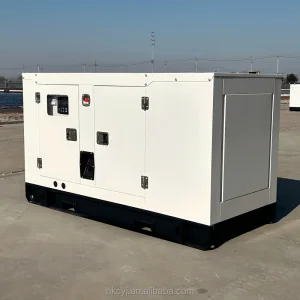
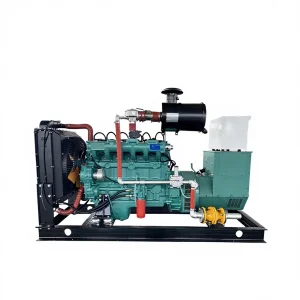
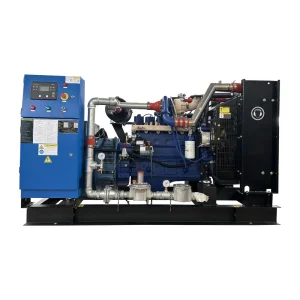
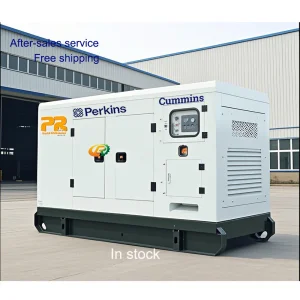
Browse our complete catalog of industrial, marine, and gas-powered generators.
 Gods Power