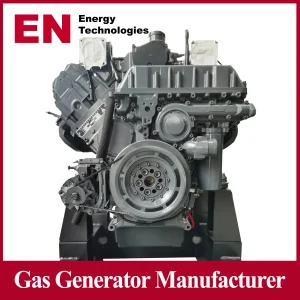
High-efficiency power generators optimized for European waterways and river transport standards.
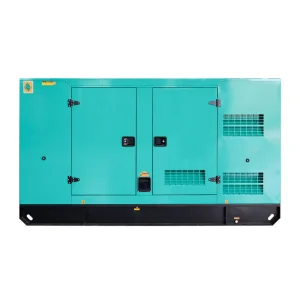
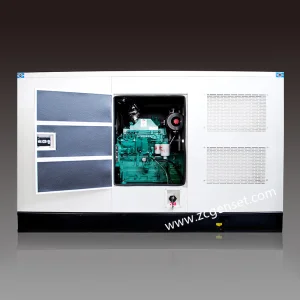
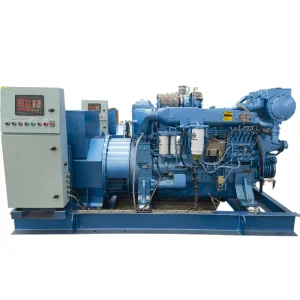
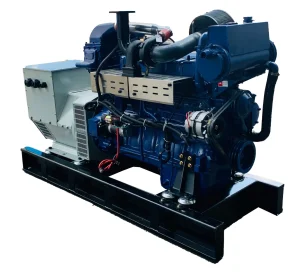
Under the European Union's inland shipping corridors, reliable power generation represents a core operational lifeline.
Hungary occupies a strategic geographical position in Central Europe, with the Danube River serving as a critical trans-European transport corridor (Corridor VII). From the Northern ports near Győr and Komárom, down through the industrial logistics centers of Budapest, Dunajváros, and Baja, the river network functions as a key logistics corridor connecting Western Europe to the Black Sea. For commercial cargo vessels, pusher tugs, passenger cruise liners, and port facilities operating along these waters, power availability must remain uninterrupted.
Unlike deep-sea maritime transport, inland shipping on the Danube poses unique physical challenges, including seasonal water depth variations, narrow river bends, and dense traffic locks. A sudden failure of the shipboard auxiliary generator can result in loss of navigation systems, hydraulic control, and communication, leading to groundings or collisions. Consequently, marine auxiliary diesel generator sets destined for the Hungarian market must meet stringent standards of operational safety, fast startup responses, and highly efficient cooling profiles compatible with varying river water conditions.
As an EU member state, Hungary enforces strict environmental regulations. Ship operators must comply with European emission limits for non-road mobile machinery (NRMM), specifically EU Stage V emission requirements for marine engines. These guidelines demand significant reductions in particulate matter (PM) and nitrogen oxides (NOx). Our marine generator systems incorporate advanced injection technologies, optimized combustion design, and compatibility with selective catalytic reduction (SCR) and diesel particulate filters (DPF), allowing Hungarian shipbuilders and fleet operators to navigate eco-restricted waterways without regulatory interruptions.
Equipped with high-performance copper-nickel (Cu-Ni) alloy heat exchangers to resist the micro-abrasive sediments of inland river water, reducing maintenance cycles.
Support for multi-generator parallel running, automatic load balancing, and active synchronization, crucial for cruise vessels navigating fluctuating electrical demands.
Manufactured to meet the rigorous safety metrics of international classification societies, ensuring seamless registration under European flags.
How technological advances and alternative fuel integration are shaping the future of global marine energy systems.
The global shipping sector is experiencing a significant energy transition. Beyond strict international maritime emission caps, shipping lines are adopting hybrid propulsion systems where conventional diesel marine generator sets work in tandem with large-scale lithium battery banks. In these hybrid designs, the diesel generator functions in its most efficient power band, minimizing fuel consumption and reducing carbon footprints. When entering ports or eco-sensitive river estuaries near Budapest, vessels switch to battery-only mode, reducing emissions and dockside noise pollution.
Furthermore, alternative fuel systems are gaining traction. Manufacturers are developing dual-fuel platforms capable of operating on LNG (Liquefied Natural Gas), LPG, biomass, and hydrogen-diesel blends. Our commitment to technological advancement ensures that our clean-energy generators are engineered to accommodate high-blend alternative fuel profiles, providing a forward-compatible investment for fleet operators across Europe.
Modern vessels operate as networked platforms. Contemporary marine diesel generators feature integrated electronic control systems that monitor operating parameters in real-time, including exhaust temperatures, oil viscosity, coolant pressures, and output frequencies. Using remote satellite and LTE telemetry, fleet managers can monitor auxiliary power assets from their onshore headquarters, enabling predictive maintenance scheduling and preventing unexpected down-time on remote riverways.
A leading enterprise specializing in high-quality diesel generator sets for marine and land industrial sectors.
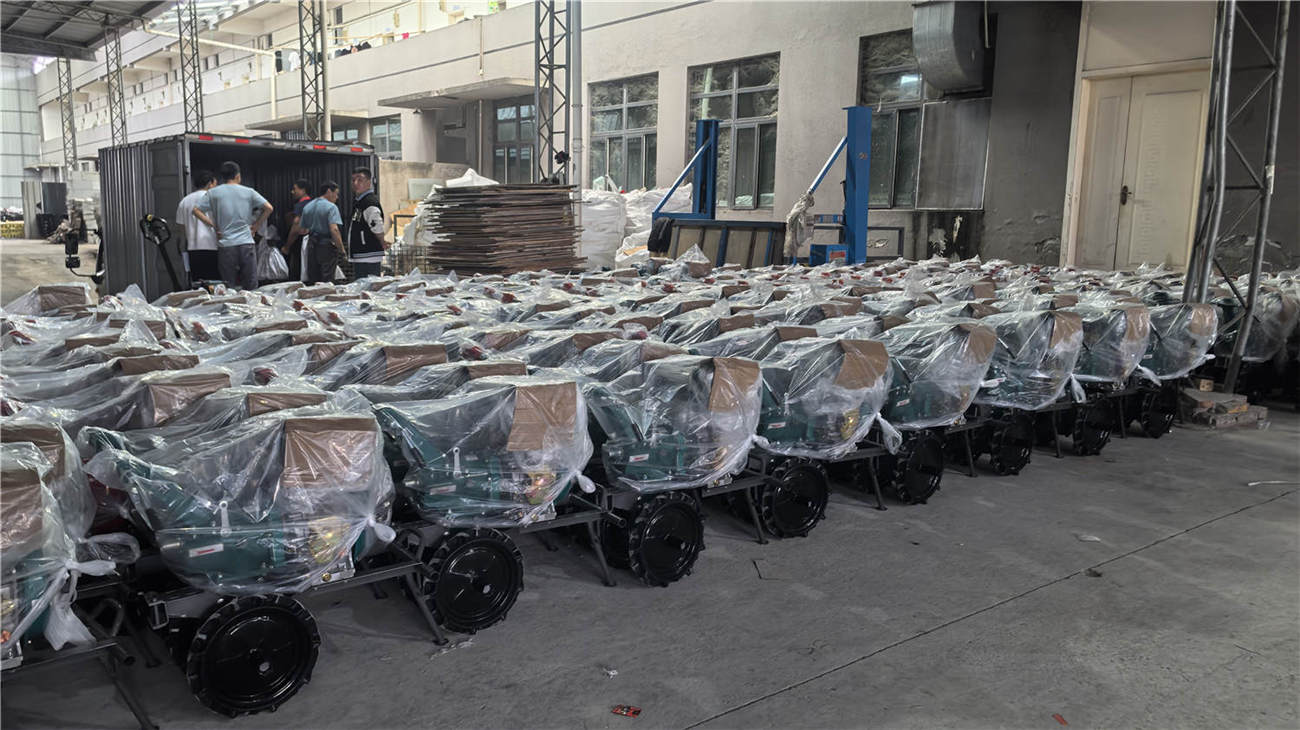
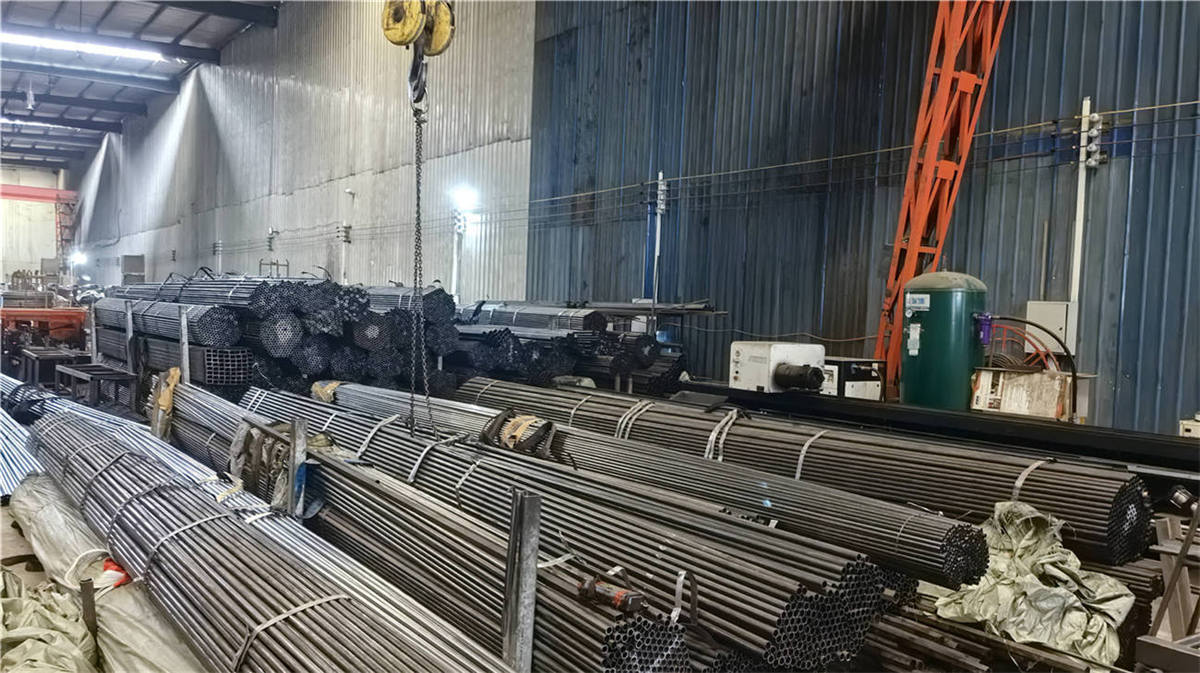
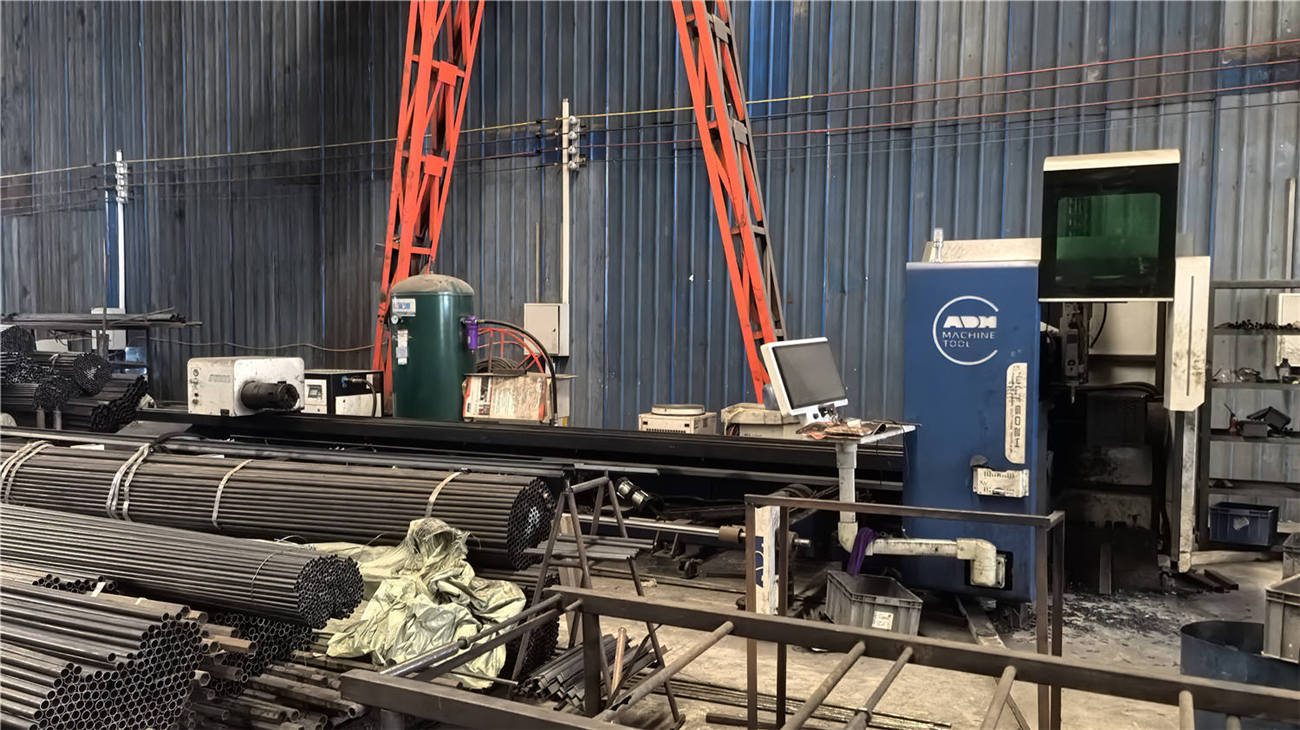
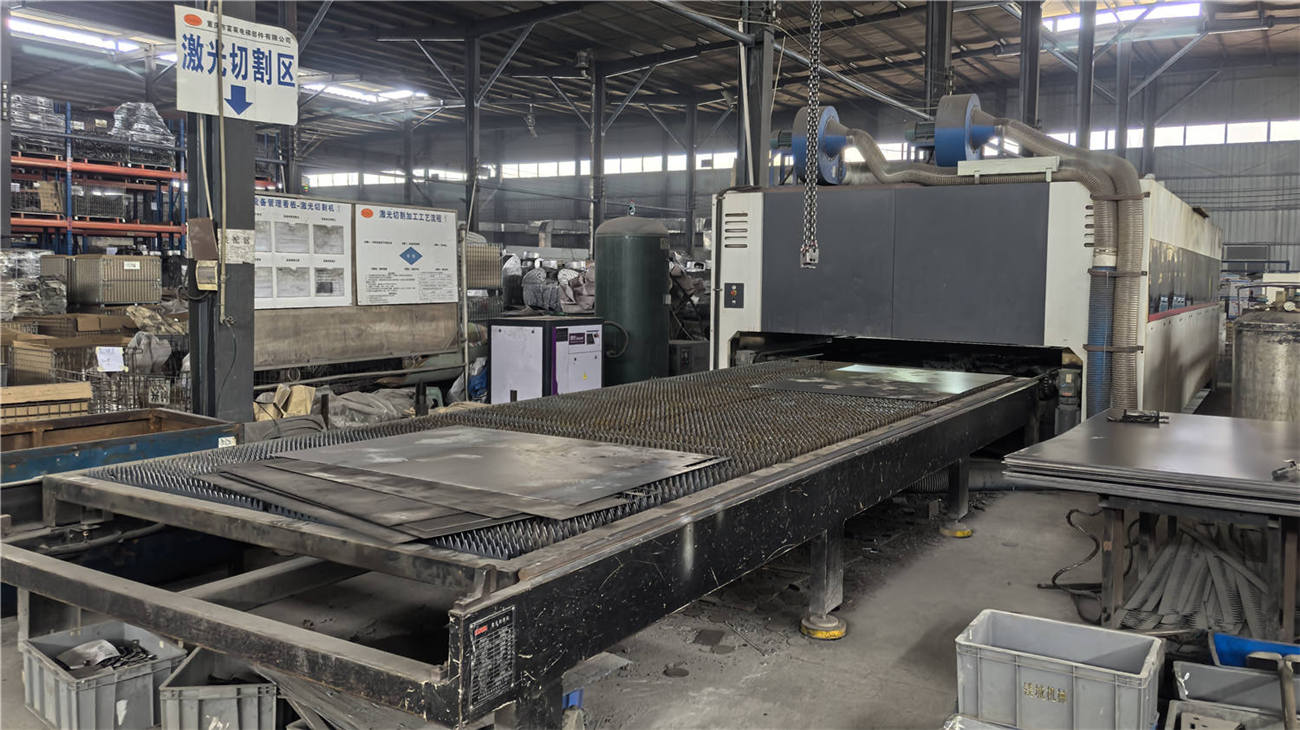
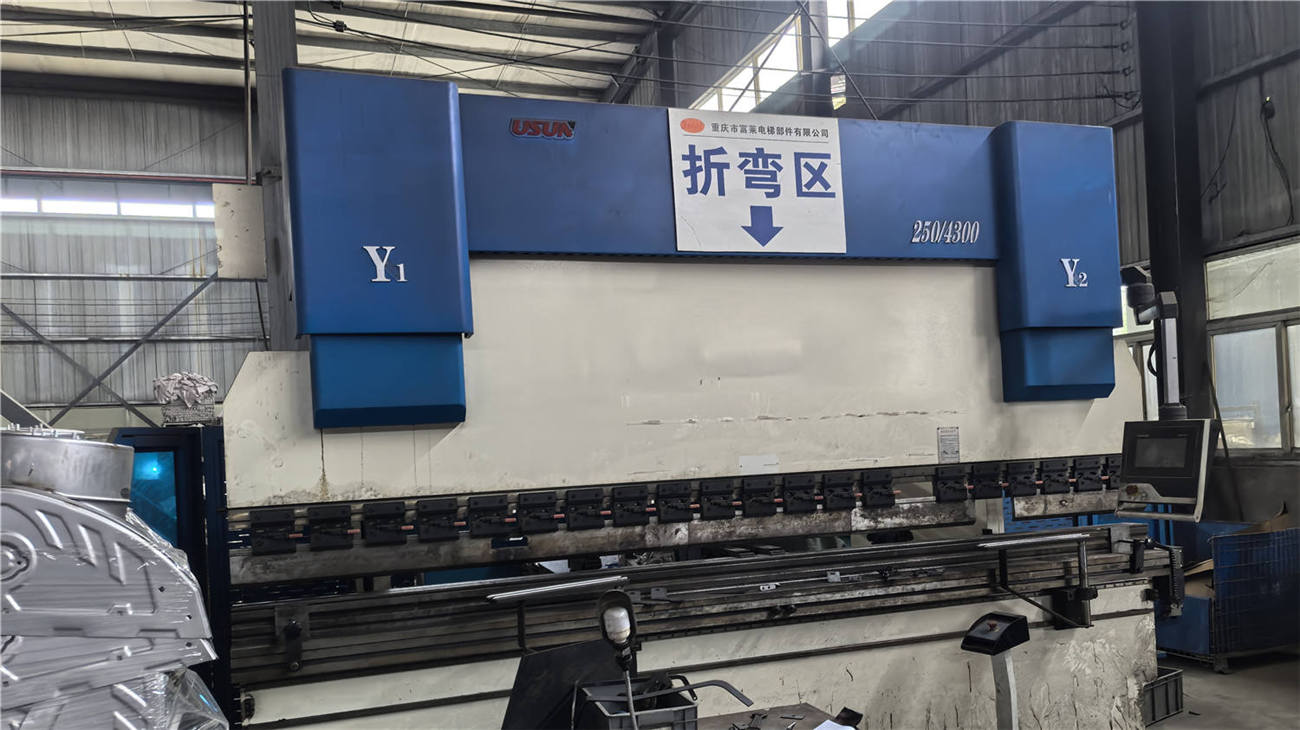
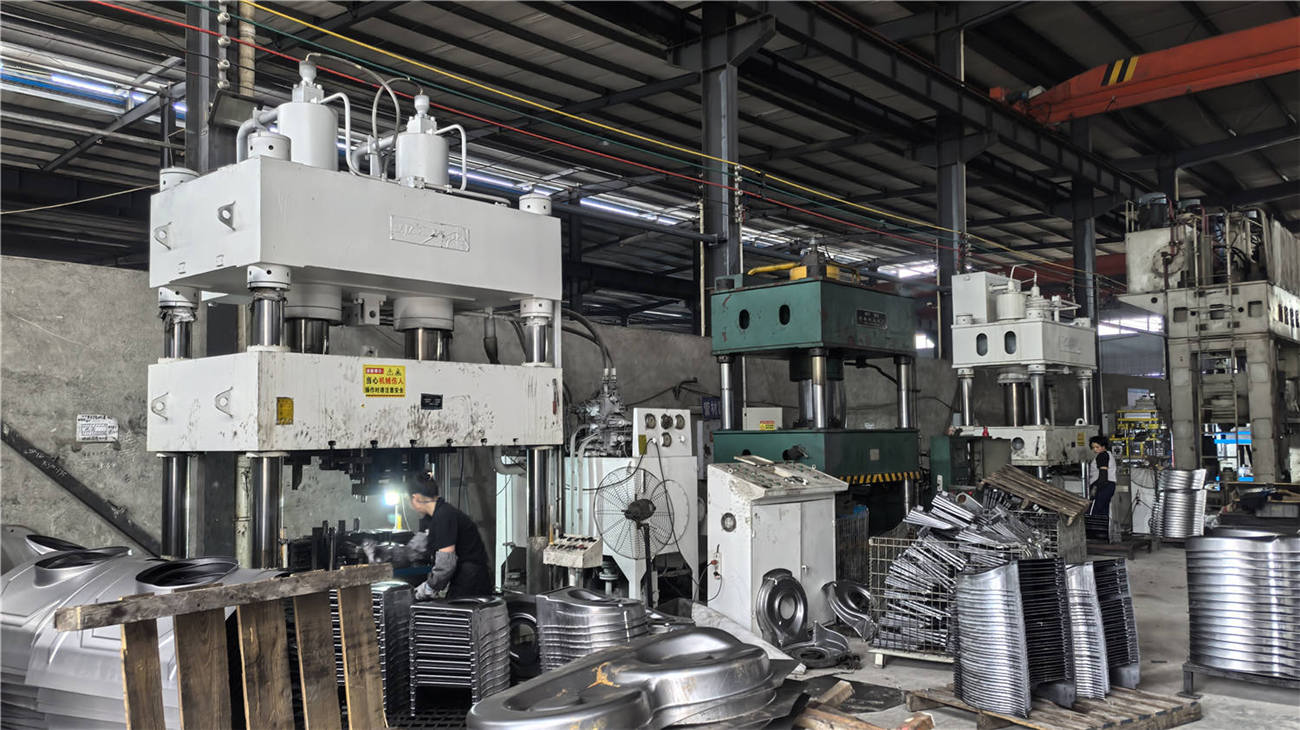
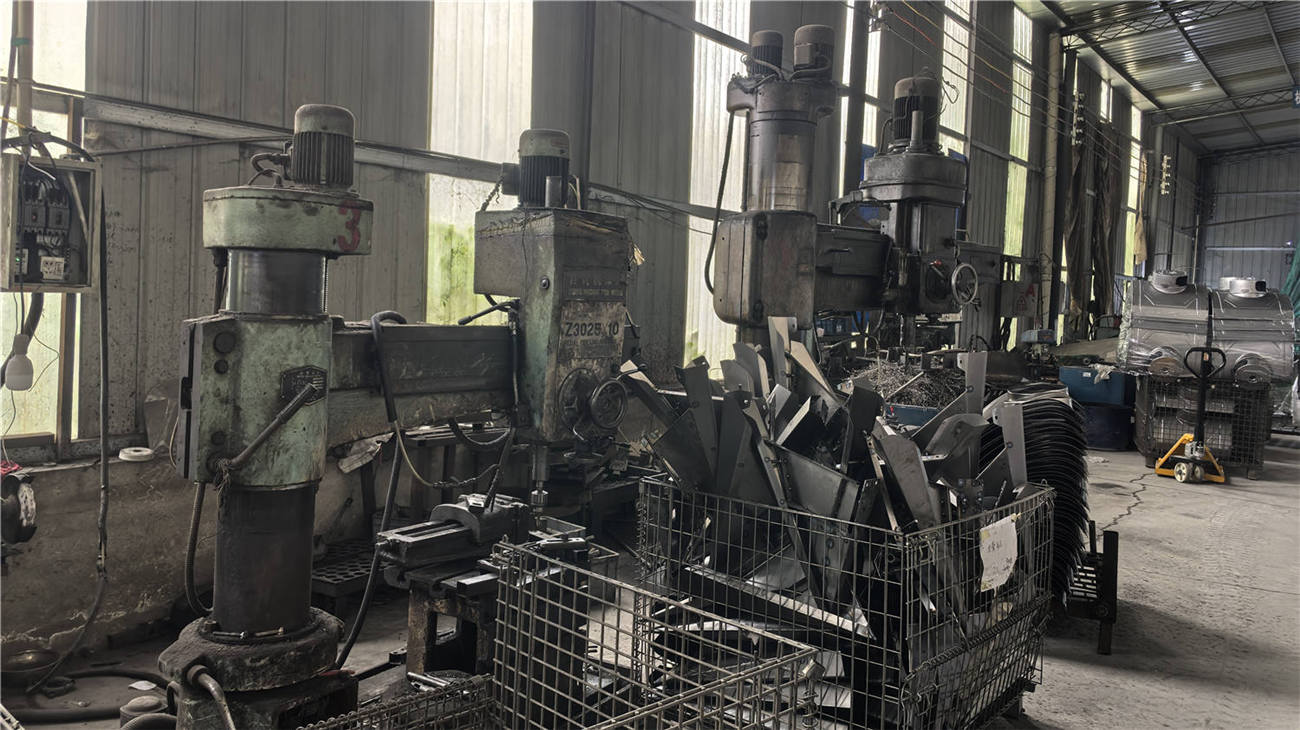
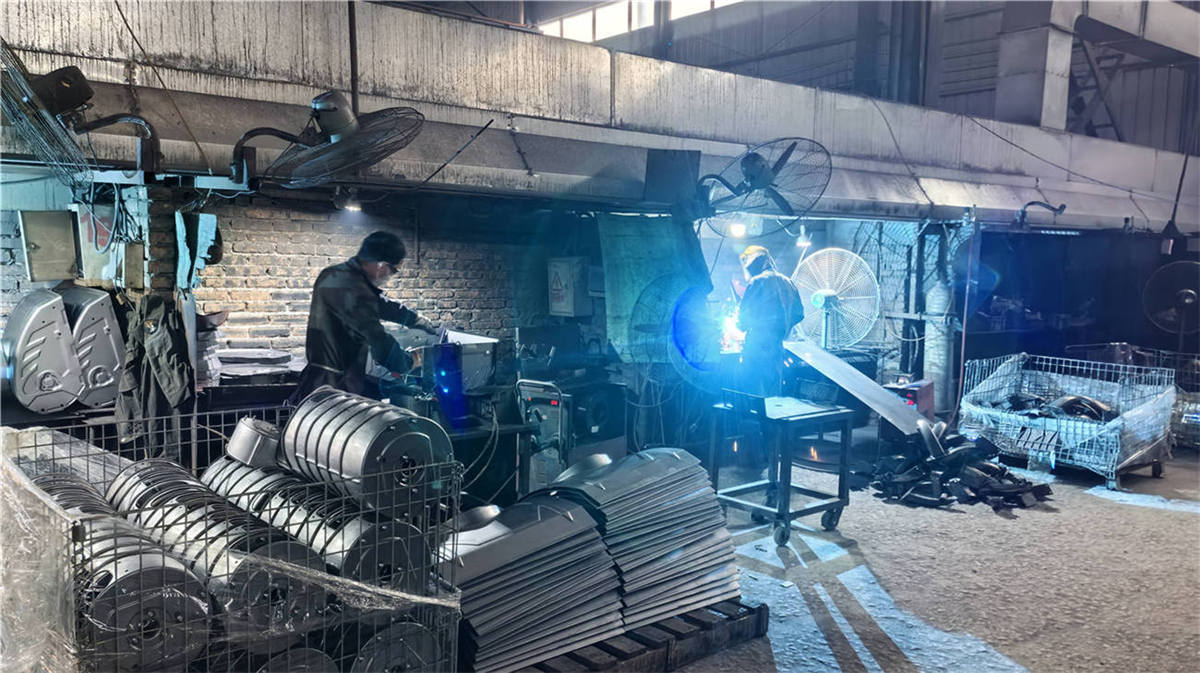
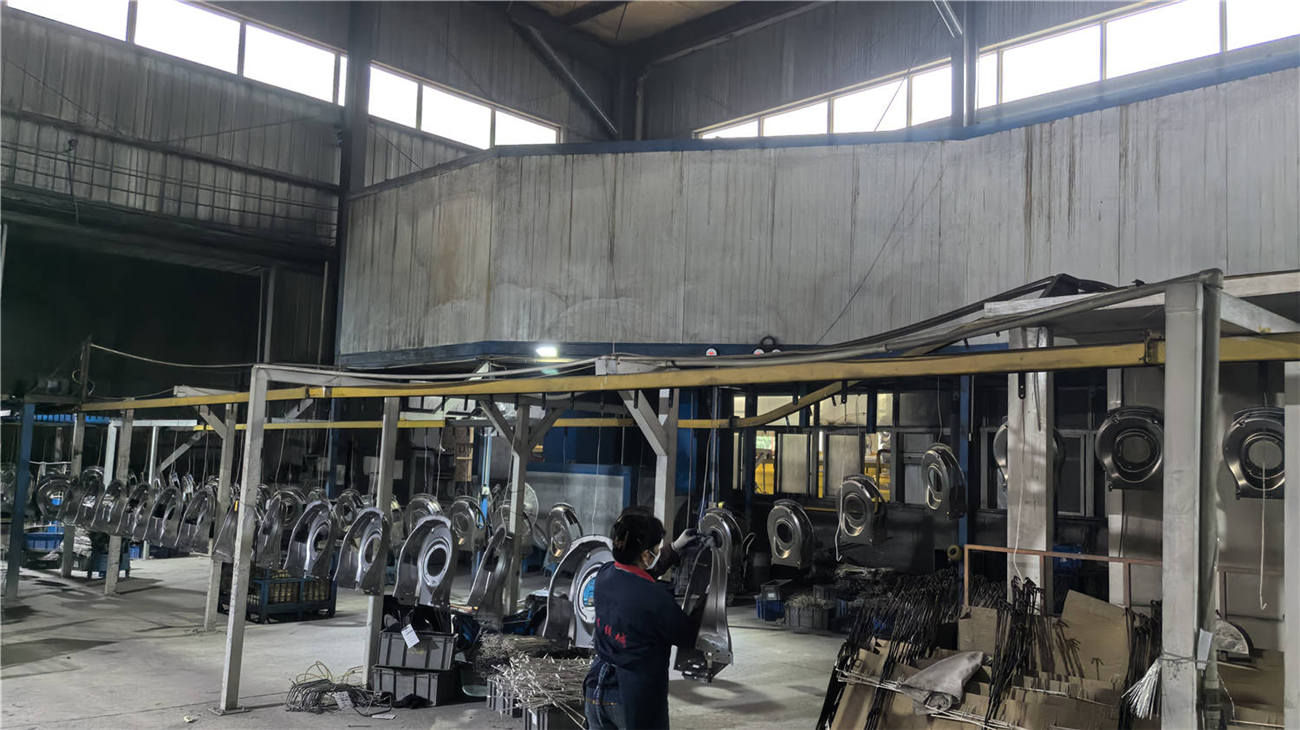
Weifang Gods Power Co., Ltd. is a leading enterprise specializing in the development, manufacturing, and sales of high-quality diesel generator sets. With a registered capital of 26 million yuan, the company is equipped with advanced testing facilities, complete product assembly lines, and sophisticated mechanical processing equipment. Weifang Gods Power employs over 200 skilled professionals and maintains a highly capable technical team, supported by a robust and mature quality management system, ensuring that every product meets the highest standards of reliability and performance.
As a technology-driven company, Weifang Gods Power is committed to continuous innovation and research, integrating product design, development, production, and sales to provide comprehensive power solutions tailored to customer needs. The company’s strategic goal is to be market-oriented, technologically advanced, and guided by honesty and integrity, while continuously strengthening its technical capabilities and service excellence. Every product is crafted with meticulous attention to detail, backed by comprehensive after-sales support to ensure long-term reliability for our international clients.
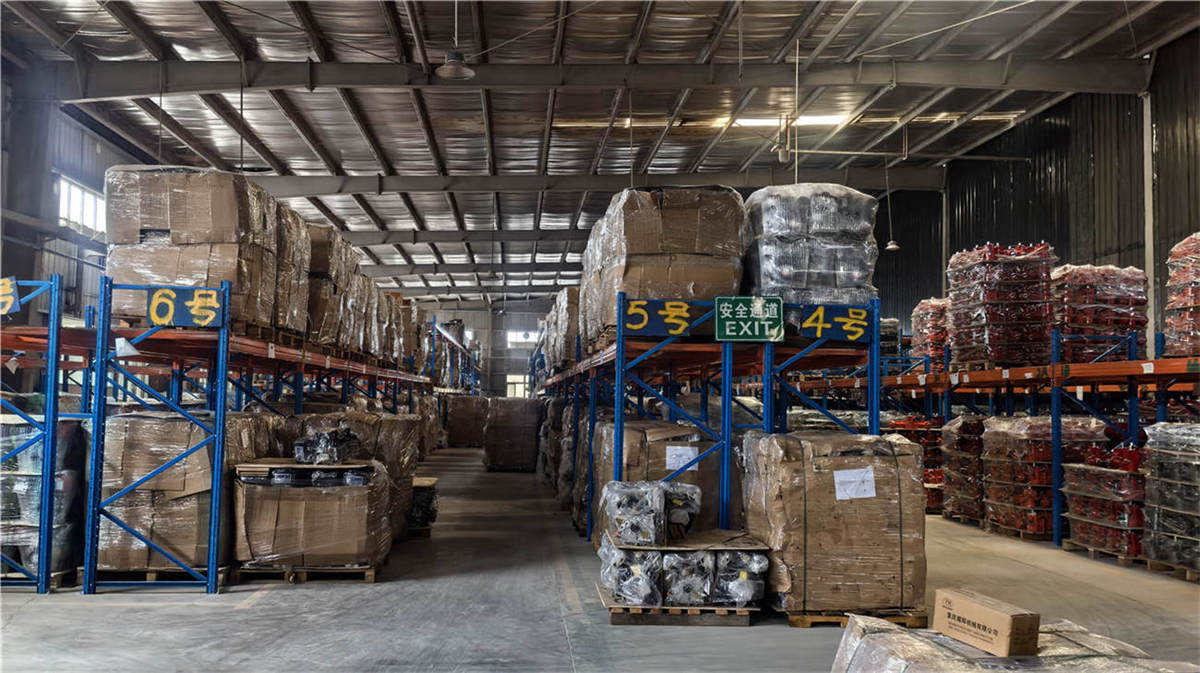
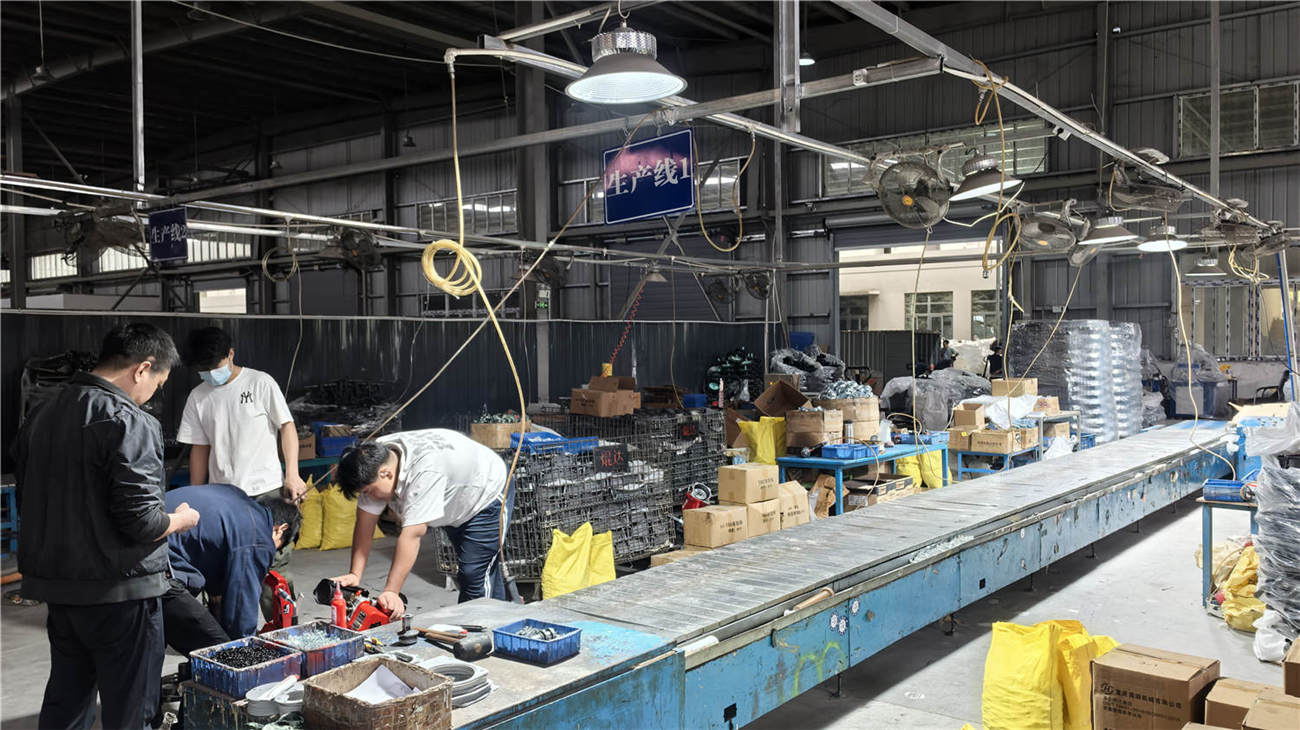
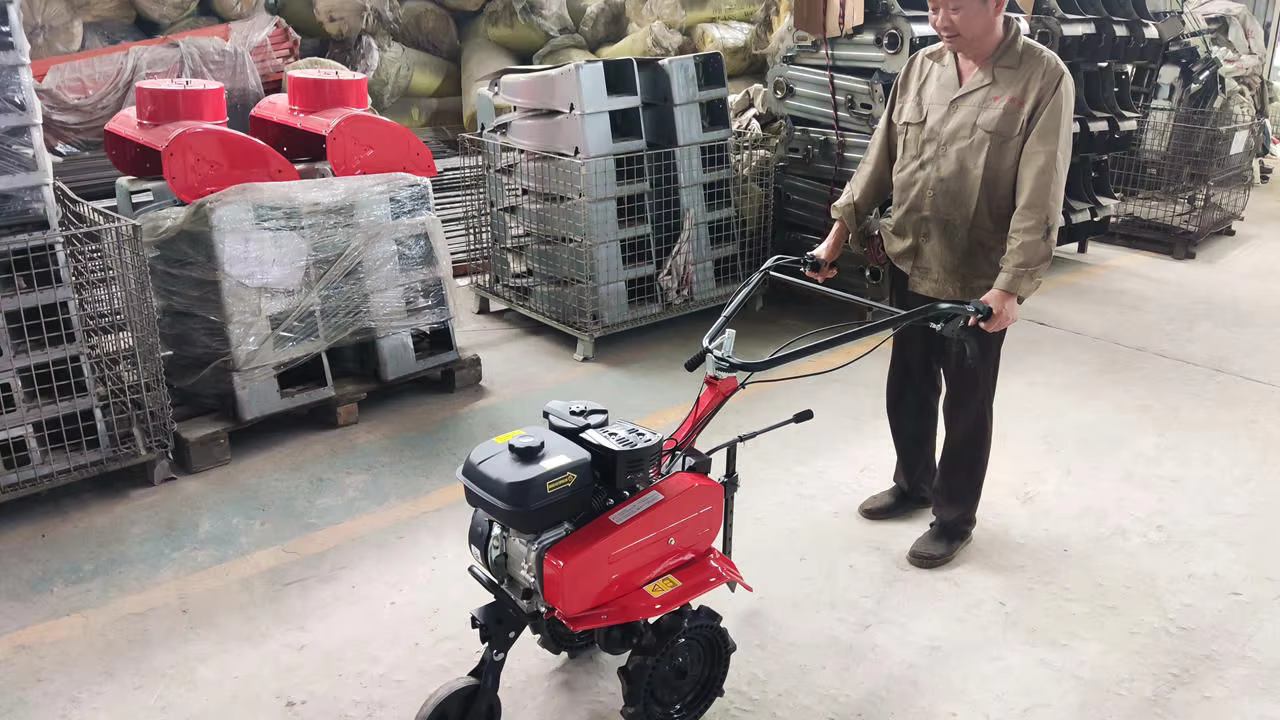
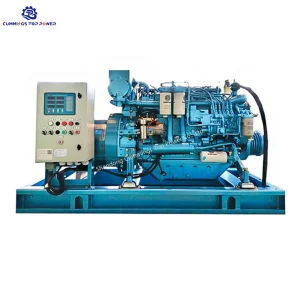
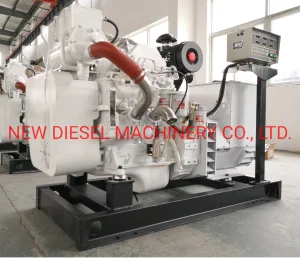
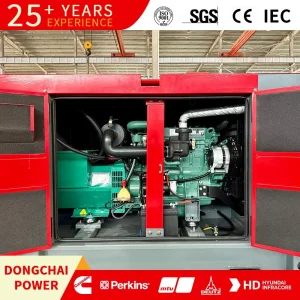
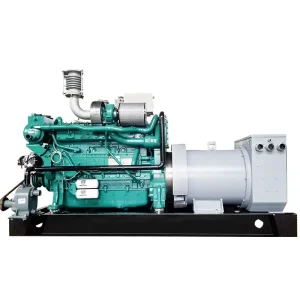
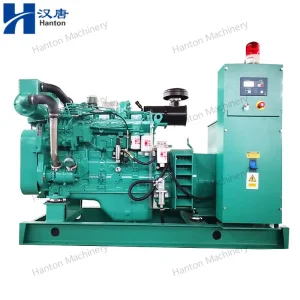
Explore our diverse marine propulsion and auxiliary engine power systems engineered for industrial performance.
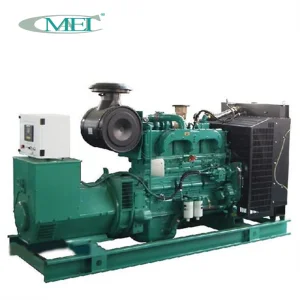
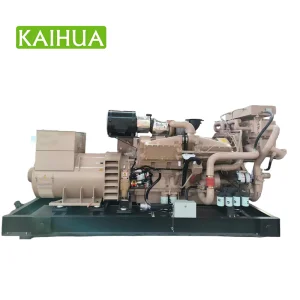
Detailed technical answers to common queries raised by maritime engineers and procurement managers.
 Gods Power