Engineered for high performance, continuous operation, and adaptability to low-BTU gaseous fuels.
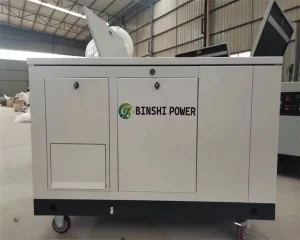
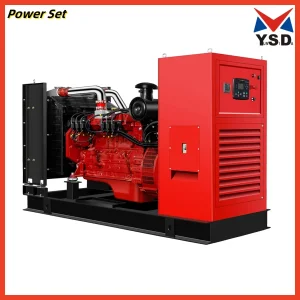
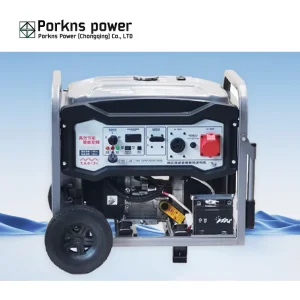
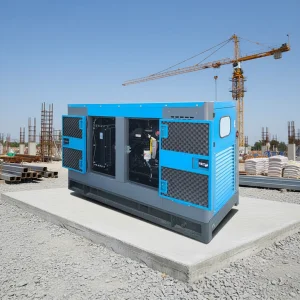
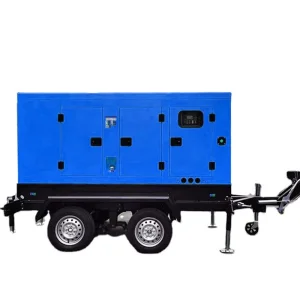
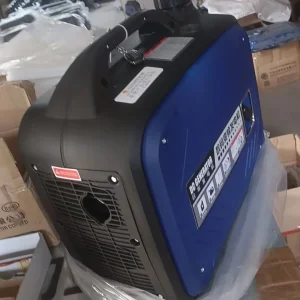
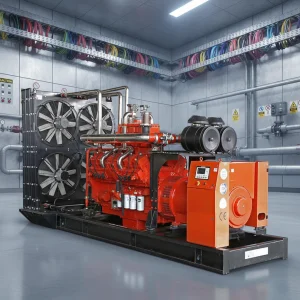
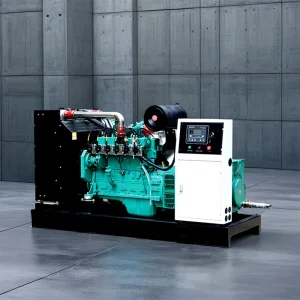
Amid the accelerating transition toward low-carbon and zero-carbon grids, biogas power generation has emerged as a cornerstone technology. Unlike intermittent renewable sources such as solar and wind, biogas acts as a highly reliable baseload power resource. It utilizes anaerobic digestion to process organic wastes—such as livestock manure, food waste, wastewater sludge, and agricultural residues—converting harmful greenhouse gases like methane (CH4) into dispatchable electricity and thermal energy.
Industries worldwide, ranging from large-scale agro-industrial operations to wastewater reclamation facilities and commercial landfills, are deploying biogas generator systems to achieve multiple objectives: compliance with stringent emission protocols, reduction in grid energy expenditures, and enhancement of localized energy security. The transition to decentralized microgrids relies heavily on the capabilities of robust gas combustion engines capable of handling gas containing variable methane levels, ranging from 45% to 70%.
Under the E-E-A-T framework, assessing quality requires examining the core components of these systems. True reliability stems from specialized engines capable of handling corrosive impurities, notably Hydrogen Sulfide (H2S) and volatile silicon compounds (siloxanes) found in waste gas. Standard engines converted to gas usage fail rapidly under these chemical attacks. Professional biogas generators utilize advanced materials, high-density alloy valve seats, specialized gas-mixing Venturis, and robust ignition controls to ensure sustained operation under harsh, corrosive gas compositions.
At the industrial level, optimizing power output from low-heat-value (LHV) gas requires a carefully designed fuel path and combustion system. Modern architectures employ several key subsystems:
Closed-loop, electronically controlled gas-to-air ratio valves dynamically adjust for gas concentration changes, ensuring stable engine loads without knocking.
Advanced digital ignition control and lean-burn cylinder profiles optimize combustion temperatures, keeping NOx and CO emissions within strict global limits.
Thermal integration utilizes engine jacket water and exhaust heat to produce hot water or steam, boosting overall fuel energy utilization up to 85%.
"Maximizing return on investment in a biogas project requires careful fuel management. By utilizing integrated Combined Heat and Power (CHP) systems, biogas sites can capture otherwise wasted thermal energy to heat their anaerobic digesters, creating a self-sustaining thermal loop that reduces overall operational costs."
Raw biogas contains water vapor, corrosive hydrogen sulfide, and particulate matter. To protect the generator's combustion chamber, the incoming fuel gas must meet specific purity parameters before entering the intake system.
| Parameter | Target Threshold | Measurement Method | Impact of Non-Compliance |
|---|---|---|---|
| Methane (CH4) Concentration | > 45% (optimal 50-60%) | NDIR Gas Analyzers | Combustion instability, engine misfires |
| Hydrogen Sulfide (H2S) | < 200 ppm (with scrubbers) | Electrochemical Sensors | Acid corrosion of liners, oil degradation |
| Gas Inlet Pressure | 2.0 kPa to 10.0 kPa | Differential Pressure Sensors | Fuel starvation or rich-mixture knock |
| Relative Humidity | < 80% (non-condensing) | Chilled-mirror Dewpoint meters | Water slugs, spark plug fouling, corrosion |
| Particulate Size | < 5 microns | Coalescing Filtration | Intake valve pitting and turbocharger wear |
Biogas generators are utilized across diverse applications, each requiring distinct setup and control configurations. For instance, agricultural and livestock breeding operations prioritize odor control and waste volume reduction. In these settings, biogas generators run on low-pressure bio-methane produced from animal waste digesters. The generated power supports farm operations, while waste heat keeps the digesters at mesophilic (approx. 37°C) or thermophilic (approx. 55°C) temperatures.
In contrast, industrial wastewater plants—such as those at breweries, starch factories, and paper mills—frequently handle high-strength organic effluent. Using anaerobic reactors like UASB (Upflow Anaerobic Sludge Blanket) or IC (Internal Circulation), these facilities generate large amounts of methane. Here, biogas generators are configured for parallel grid operation, exporting surplus electricity to local utilities under feed-in tariffs while providing reliable power to the plant's aerators and pumps.
Landfill Gas (LFG) reclamation projects present different challenges. Due to municipal waste compositions, LFG contains high levels of siloxanes, nitrogen, and carbon dioxide. In these environments, generator systems are equipped with siloxane filtration beds and multi-stage particulate scrubbers. The engine controls are tuned to handle fluctuating methane concentrations, ensuring stable power generation from varying fuel inputs.
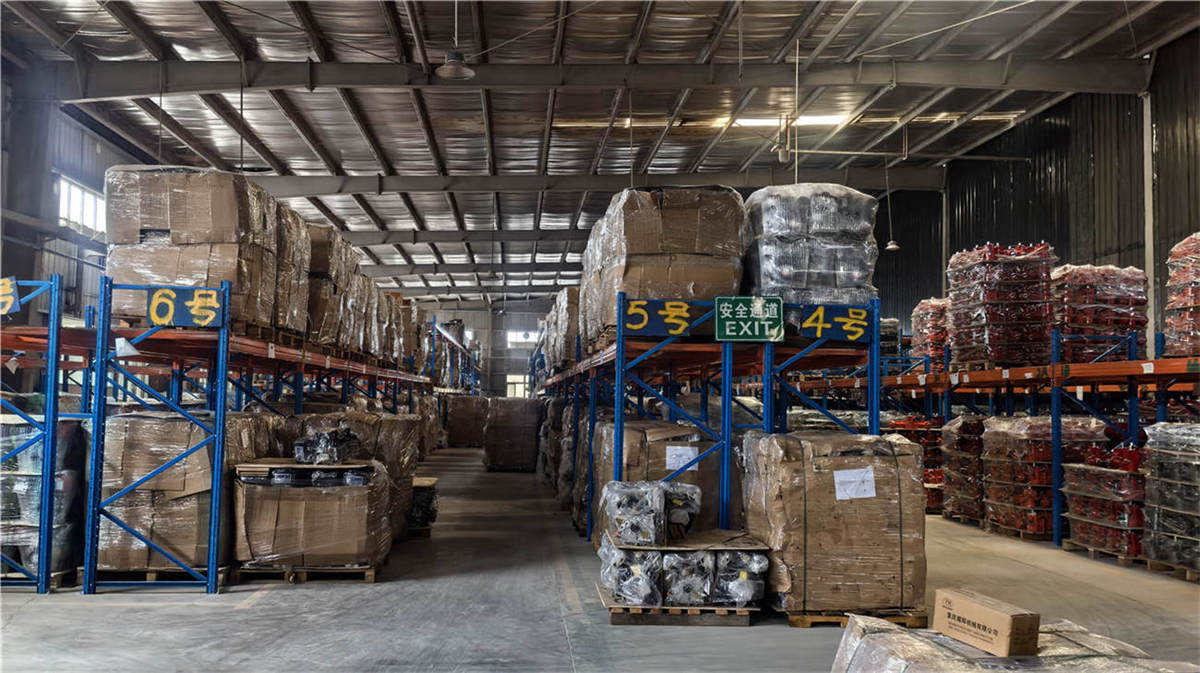
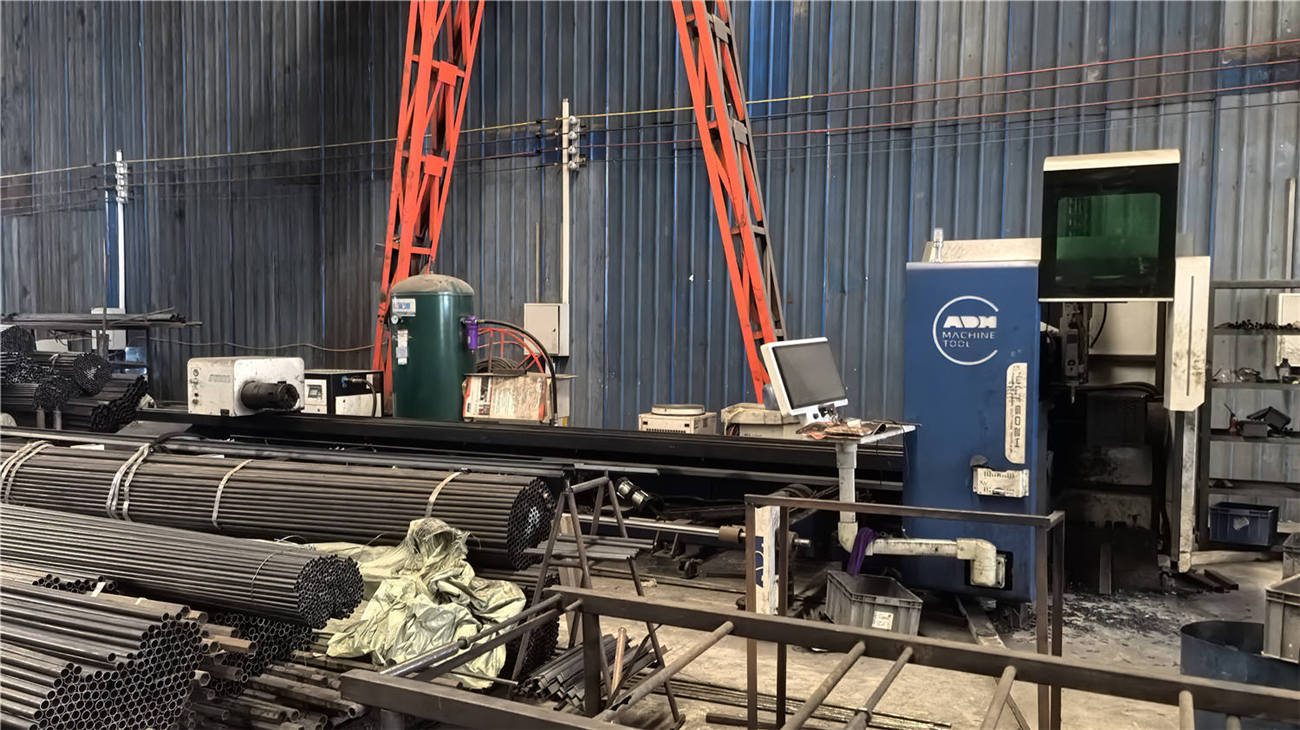
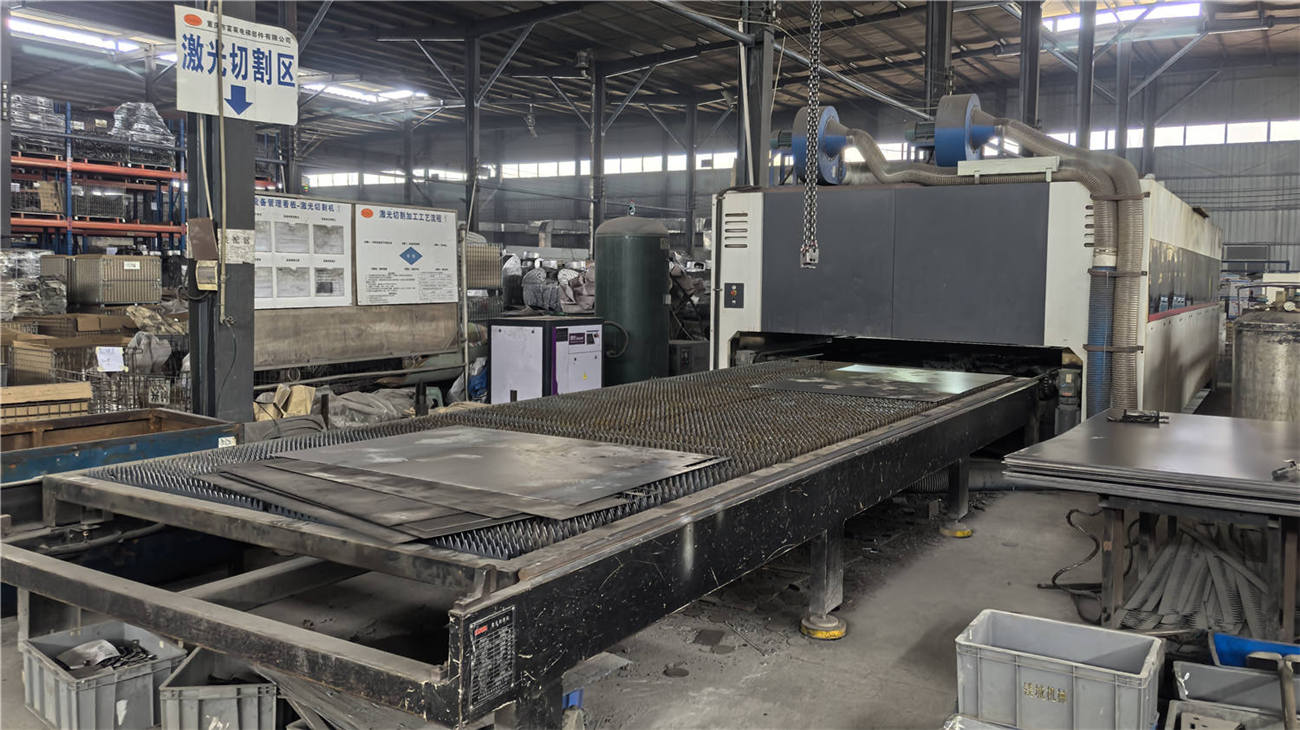
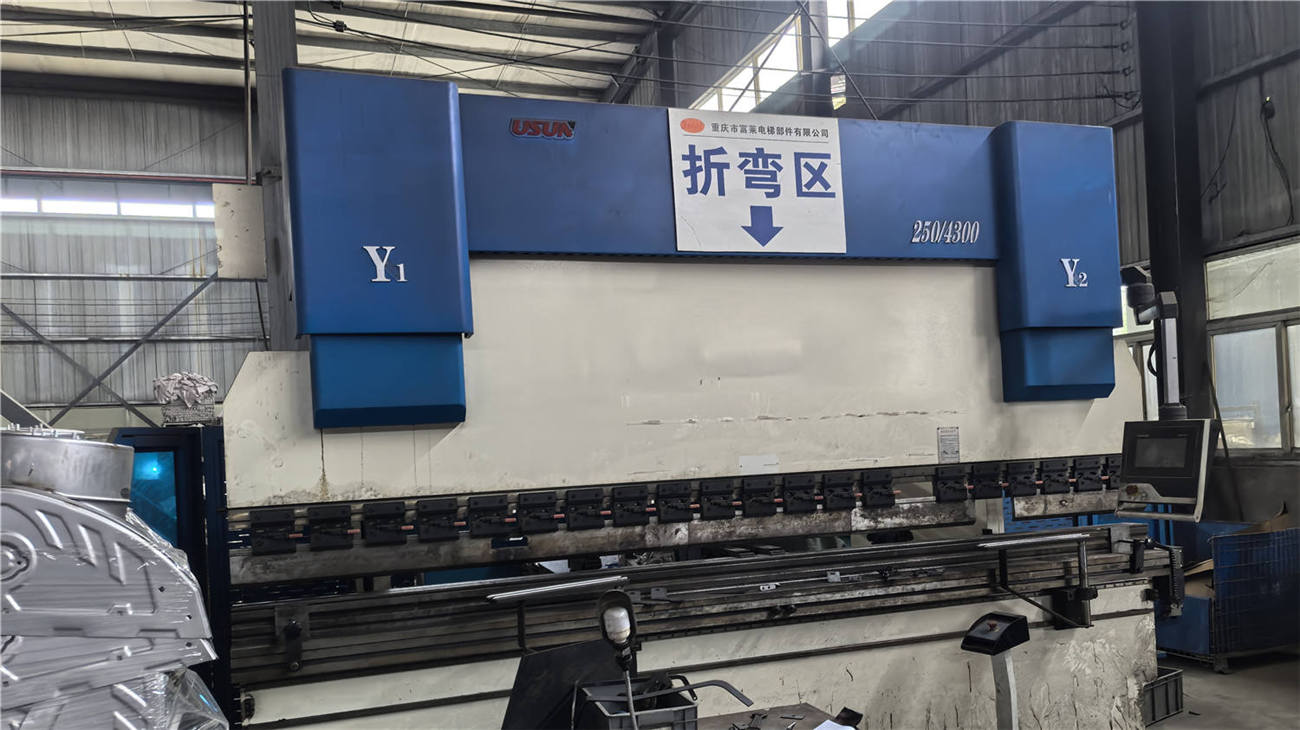
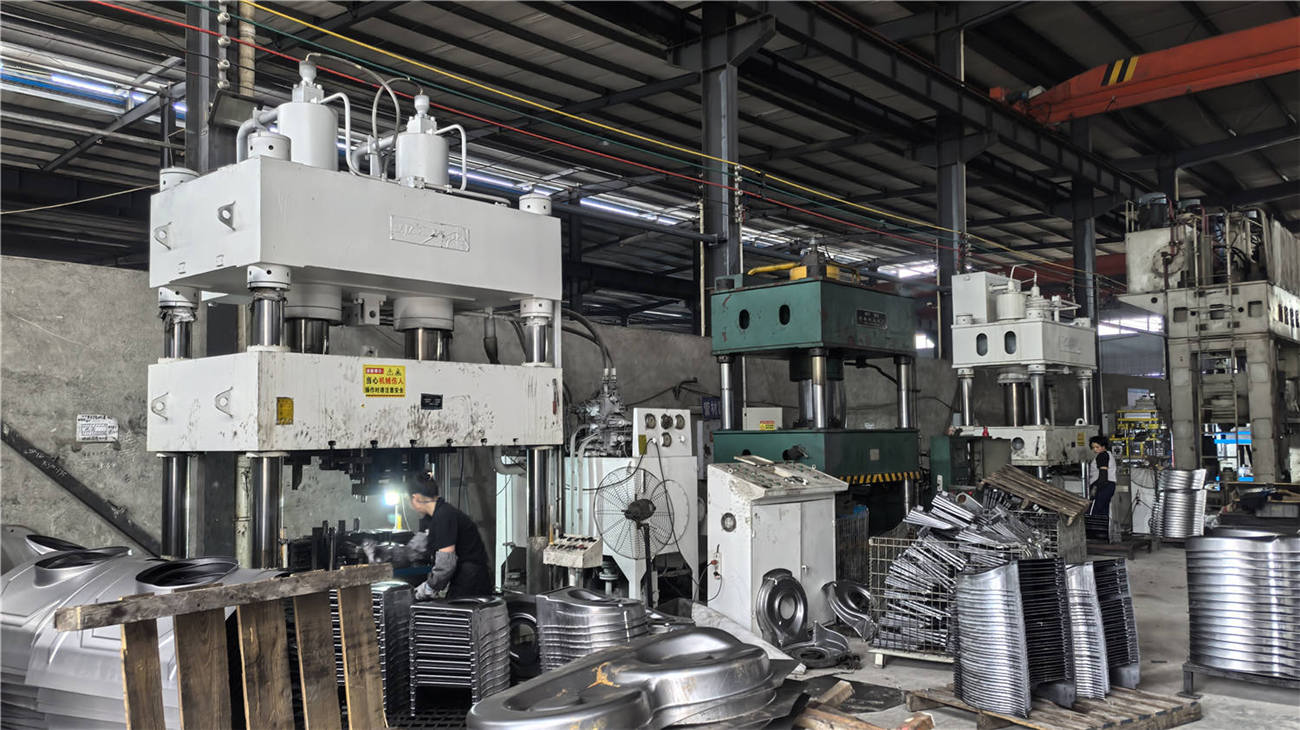
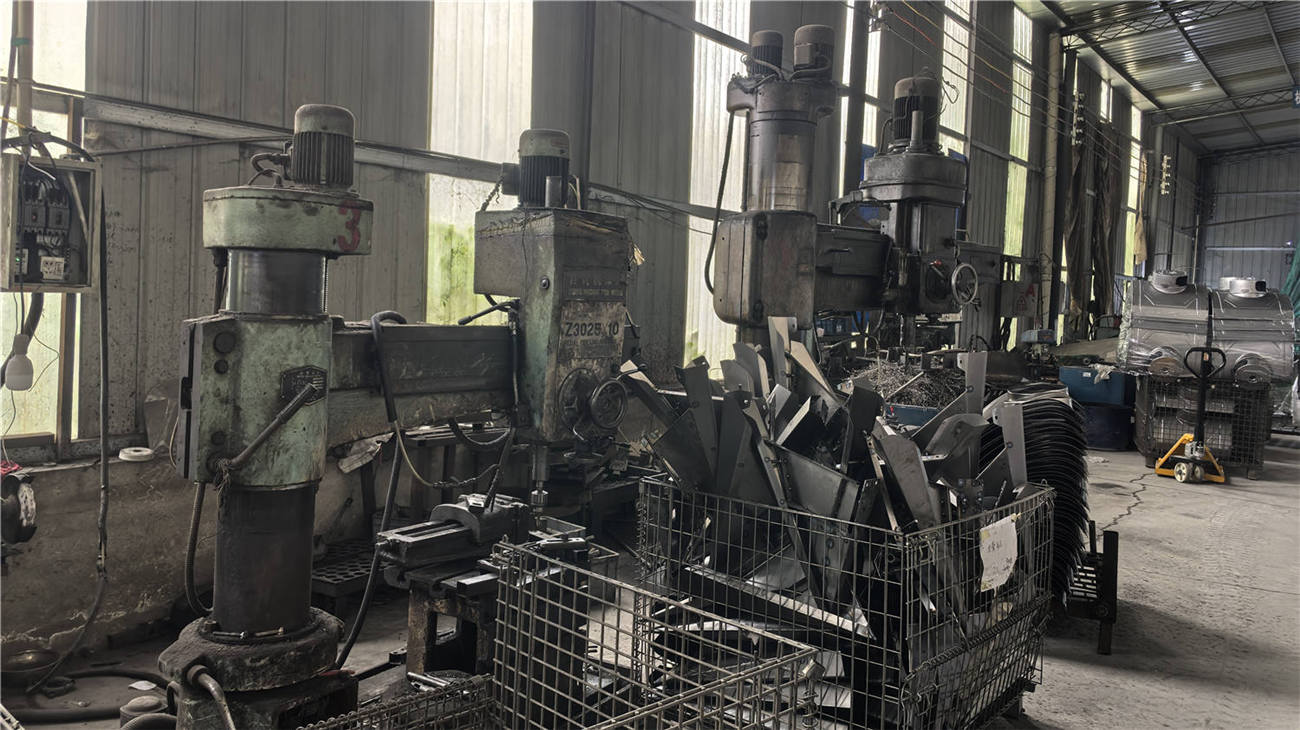
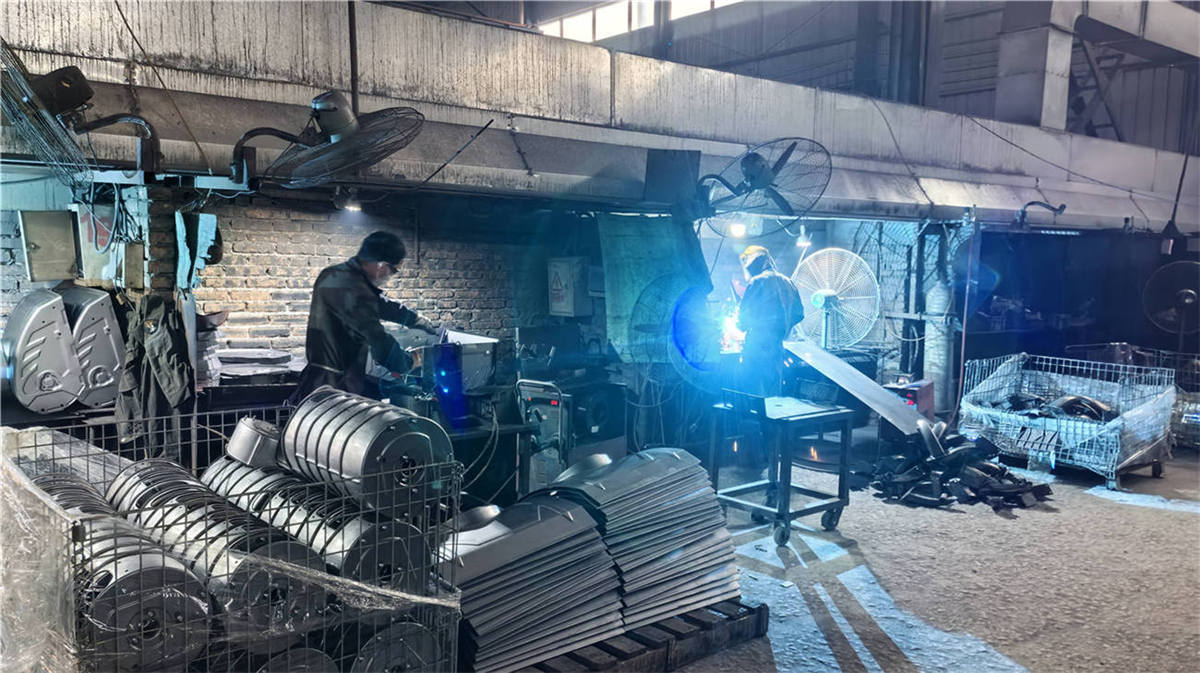
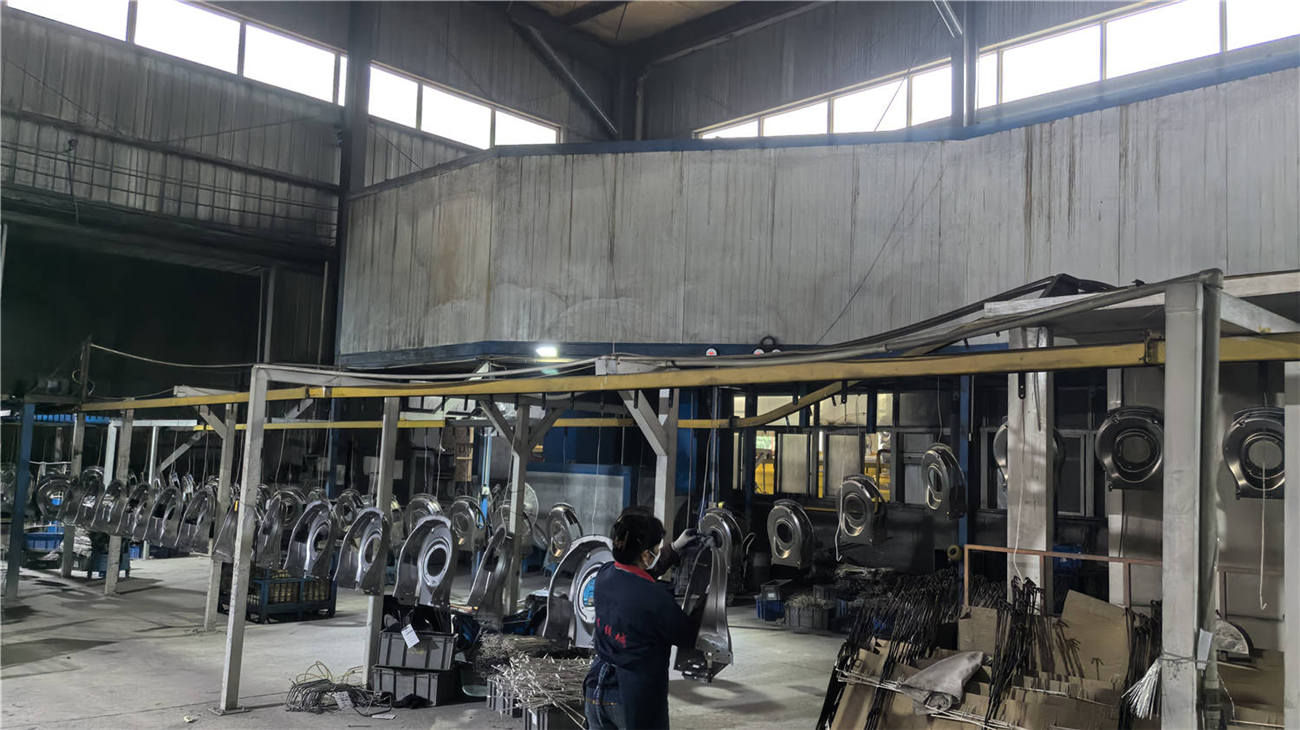
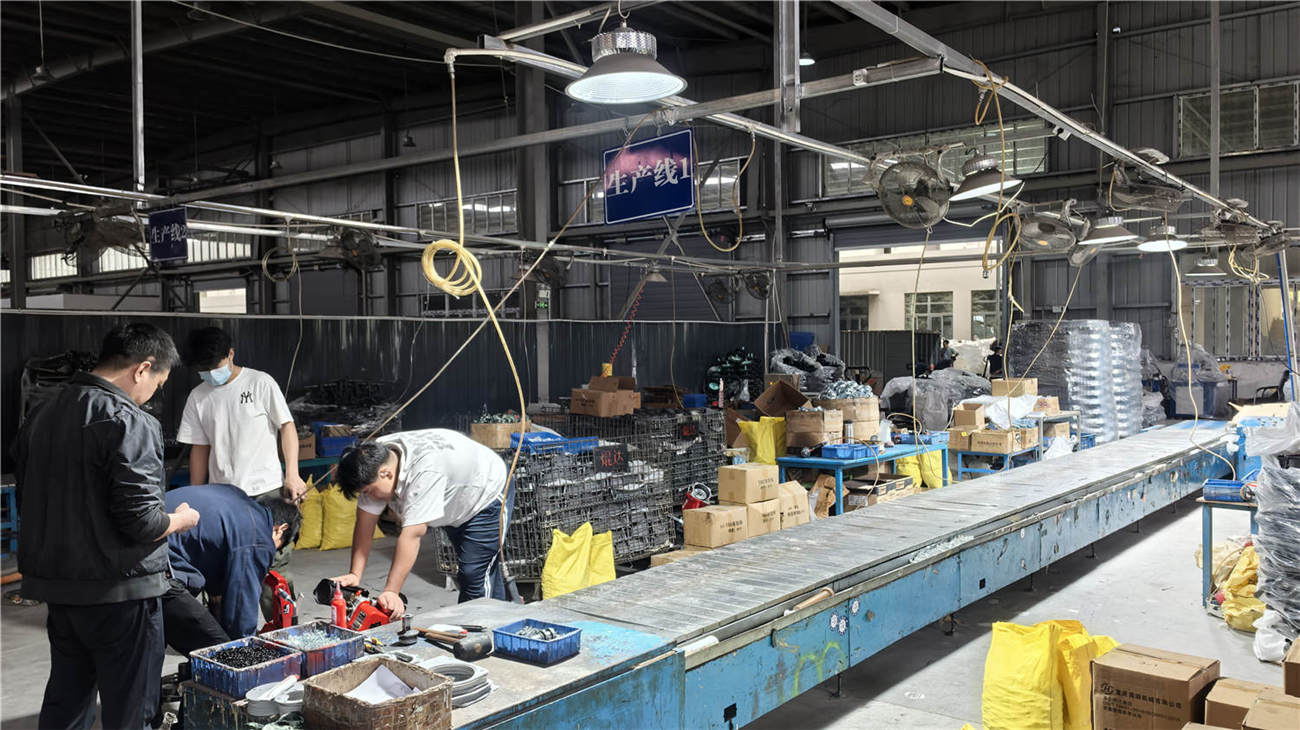
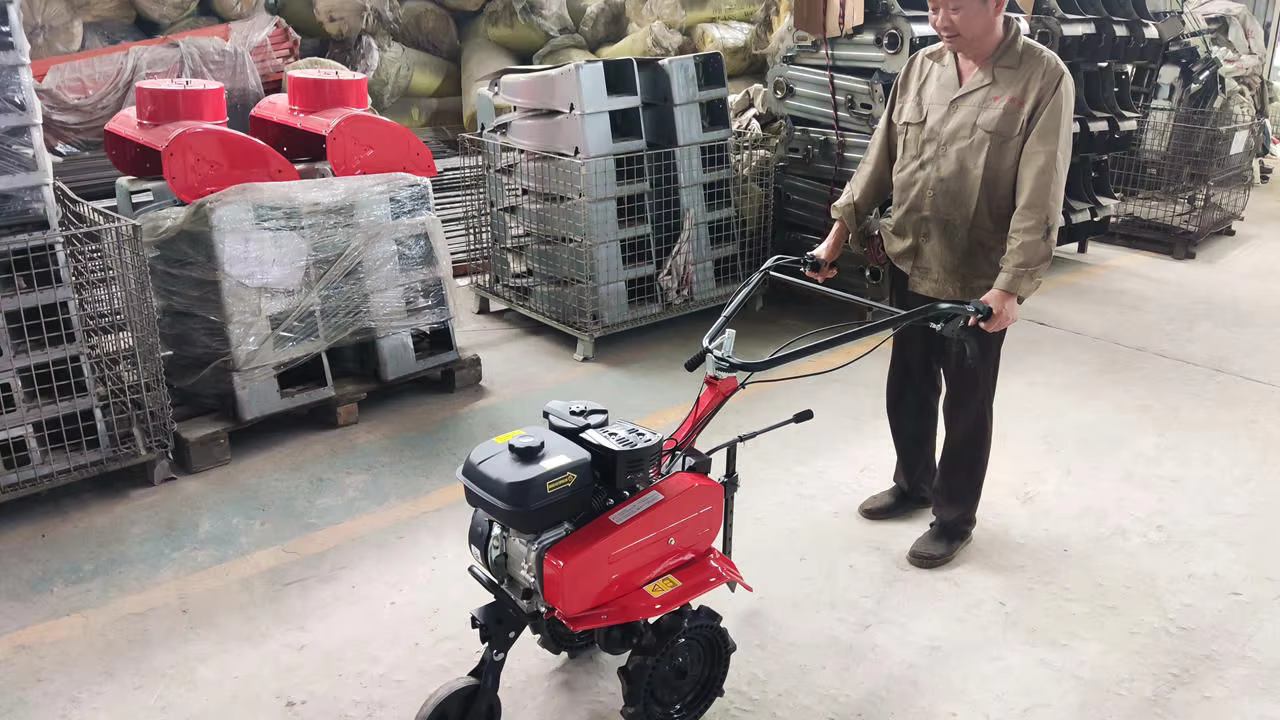
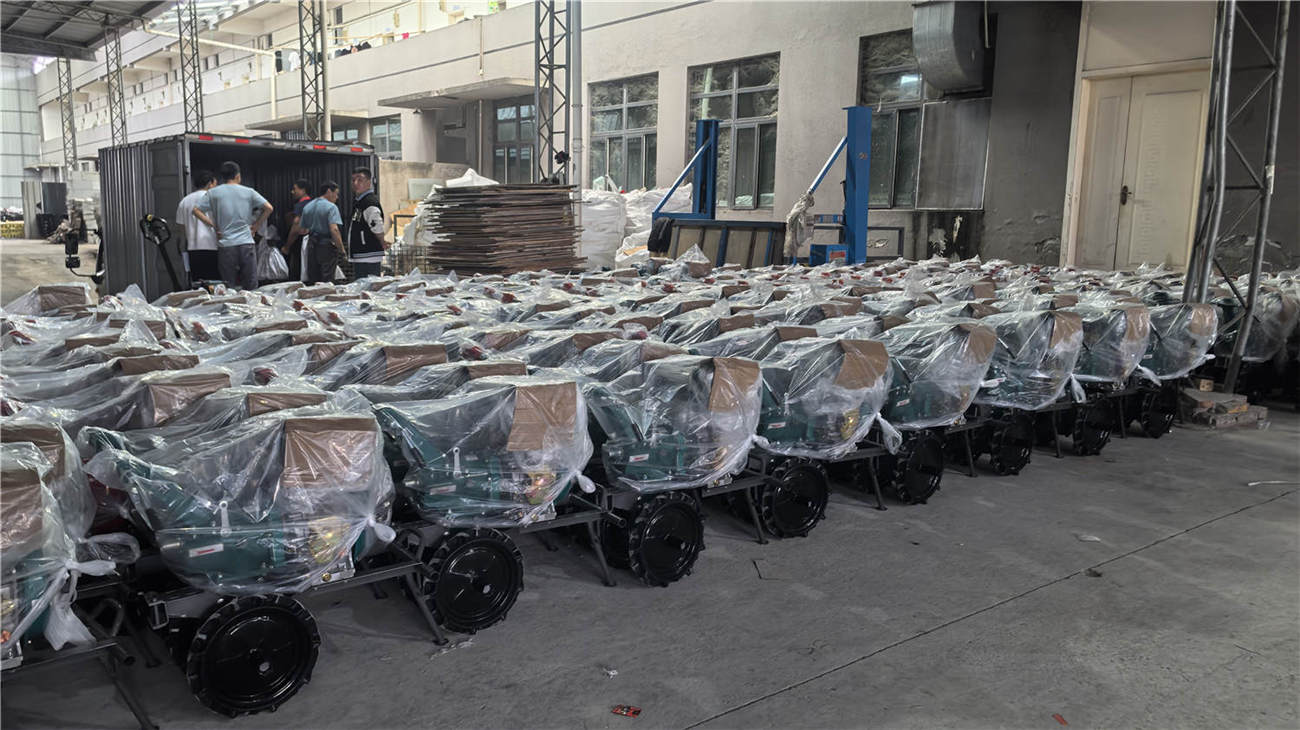
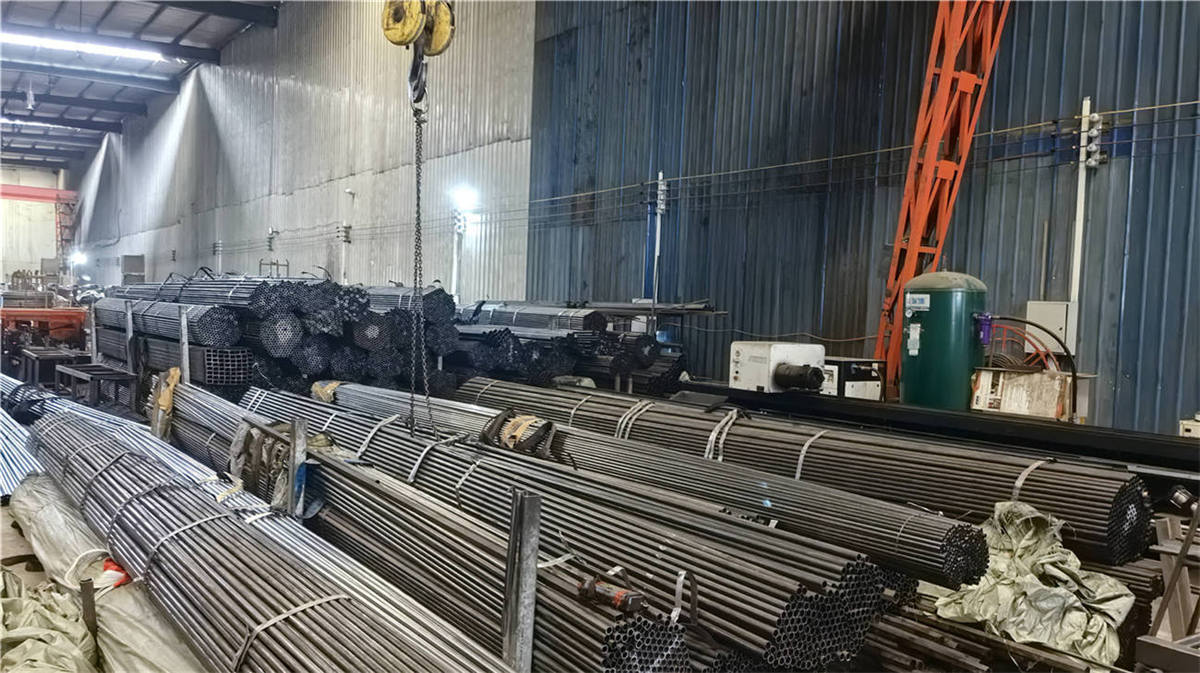
Weifang Gods Power Co., Ltd. is a leading enterprise specializing in the development, manufacturing, and sales of high-quality diesel and gas generator sets. With a registered capital of 26 million yuan, the company is equipped with advanced testing facilities, complete product assembly lines, and sophisticated mechanical processing equipment. Weifang Gods Power employs over 200 skilled professionals and maintains a highly capable technical team, supported by a robust and mature quality management system, ensuring that every product meets the highest standards of reliability and performance.
As a technology-driven company, Weifang Gods Power is committed to continuous innovation and research, integrating product design, development, production, and sales to provide comprehensive power solutions tailored to customer needs. The company’s strategic goal is to be market-oriented, technologically advanced, and guided by honesty and integrity, while continuously strengthening its technical capabilities and service excellence. Guided by the business philosophy of “unity, diligence, pragmatism, and innovation,” Weifang Gods Power emphasizes the importance of product quality, operational efficiency, and customer satisfaction. Every product is crafted with meticulous attention to detail, and the company provides comprehensive after-sales support to ensure long-term reliability and peace of mind for its clients.
The company aims to create mutually beneficial and lasting partnerships with customers worldwide. Through a combination of advanced technology, professional expertise, and unwavering commitment to quality, the company strives to deliver cutting-edge energy solutions, drive innovation in the power industry, and contribute to sustainable development globally. With a clear vision for the future, Weifang Gods Power continues to expand its global presence, uphold the highest standards of excellence, and deliver reliable, efficient, and environmentally responsible power solutions to meet the evolving demands of modern industries.
To integrate biogas generation into regional grids, units must comply with international utility codes. Modern control systems use controllers (such as Deep Sea or ComAp) to manage automatic synchronization, voltage regulation, and active/reactive power controls. These systems feature island detection, auto-frequency matching, and load-sharing algorithms to protect connected electrical grids.
Next-generation engines are also shifting toward dual-fuel and multi-fuel operations, including blending hydrogen with natural gas and biogas. By optimizing gas combustion paths, Weifang Gods Power designs systems capable of running on various bio-gaseous mixtures, such as landfill methane, sewage digester gas, agricultural gas, and synthetic gas (syngas).
Additionally, low-emission technologies continue to advance. By using lean-burn combustion, high-energy ignition, and selective catalytic reduction (SCR), modern gas engines meet strict air quality standards, such as the German TA-Luft regulations. This ensures long-term operational viability in emission-controlled zones globally.
Expert insights on biogas generator design, operational parameters, and maintenance protocols.
Explore our wide range of biomass, diesel, and marine-grade power systems.
 Gods Power