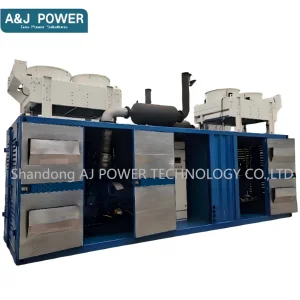
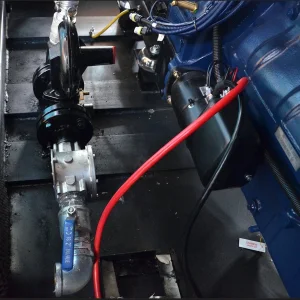
Engineered to deliver high torque, low emissions, and seamless electrical load transient response in high-temperature ambient conditions across India.
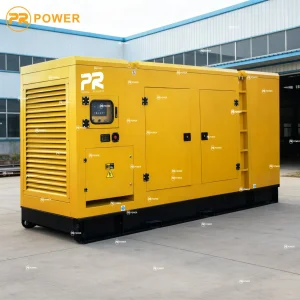
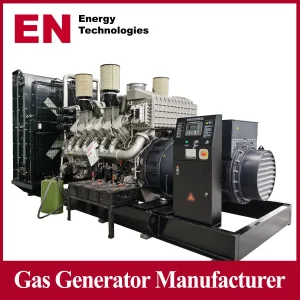
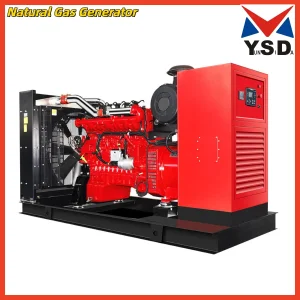
As the subcontinent advances its clean energy framework under the national mandate to reduce carbon footprints, local industries are re-evaluating backup and primary power sources. Traditional diesel generator systems encounter restrictive emissions thresholds and rising fuel volatility. Consequently, LPG (Liquefied Petroleum Gas) generator sets have emerged as a high-density, clean-combusting thermal power solution offering significant thermal efficiency, operational safety, and logistical accessibility across India.
In comparison with conventional compression-ignition diesel engines, spark-ignited LPG generators minimize nitrogen oxides (NOx), carbon monoxide (CO), and volatile organic compounds (VOCs) by over 60%. Furthermore, they eliminate sulfur dioxide emissions completely, facilitating compliance with the Central Pollution Control Board’s CPCB-IV+ emissions standards.
By using Combined Heat and Power (CHP) units, industrial factories recover waste thermal energy from cooling jackets and exhaust systems. Consequently, overall system thermodynamic efficiency climbs from 38% electrical up to 85% total thermal utilization, optimizing plant-wide OPEX.
Rapid urbanization and the proliferation of heavy manufacturing zones across regional corridors (such as the Chennai-Bengaluru, Delhi-Mumbai Industrial Corridor, and mineral-rich belts of Odisha and Jharkhand) place immense stress on localized electrical grids. Power brownouts and frequency drops present critical threats to data center stability, precision manufacturing, chemical processing, and mining assets. While diesel historically functioned as the default contingency fuel, the introduction of stringent regional air-quality frameworks (such as the Graded Response Action Plan, or GRAP, in NCR) forces a swift migration toward clean-burning fuels.
LPG presents a distinct advantage for regions without access to pipeline natural gas (PNG) infrastructure. It is highly compressed, stored on-site in pressurized bulk tanks, and boasts an indefinite shelf-life without degradation—avoiding fuel spoiling and algae-growth issues common to stored diesel. The supply chain for industrial LPG in India is exceptionally resilient, backed by state-owned petroleum giants (IOCL, BPCL, HPCL) along with private distributors, ensuring continuous supply even in off-grid mineral processing sectors.
On a global scale, the decentralized microgrid market is growing rapidly. Advanced industrial nations are standardizing dual-fuel and gaseous-blend engines to secure baseline power resilience while integrating solar and wind installations. Our technical roadmap incorporates closed-loop electronic control units (ECU), digital electronic governors, and smart-sensor exhaust gas recycling. We are currently prototyping gas piston generators capable of running on hydrogen-blended LPG (H2-LPG), reducing carbon footprint indices even further. These systems feature real-time IoT diagnostics that enable remote telemetry monitoring for multi-genset setups situated in isolated terrains.
Leveraging our advanced manufacturing capabilities to deliver high-reliability energy platforms for specialized industrial applications.
Continuous-duty LPG gensets configured with sand-proof ventilation filtration and heavy dust protection. Designed to perform reliably in remote mines across Bihar, Jharkhand, and Chhattisgarh under ambient temperatures up to 50°C.
Ideal for chemical synthesis plants, textile dye facilities, and pharmaceutical processing centers in Gujarat and Maharashtra. Reclaiming waste exhaust heat to produce steam or hot water directly cuts operational fuel expenses.
Highly precise voltage regulators, ultra-low harmonic distortion, and synchronized parallel controls ensure absolute grid independence. This setup secures the high-availability runtime needed by data hubs in Bengaluru and Noida.
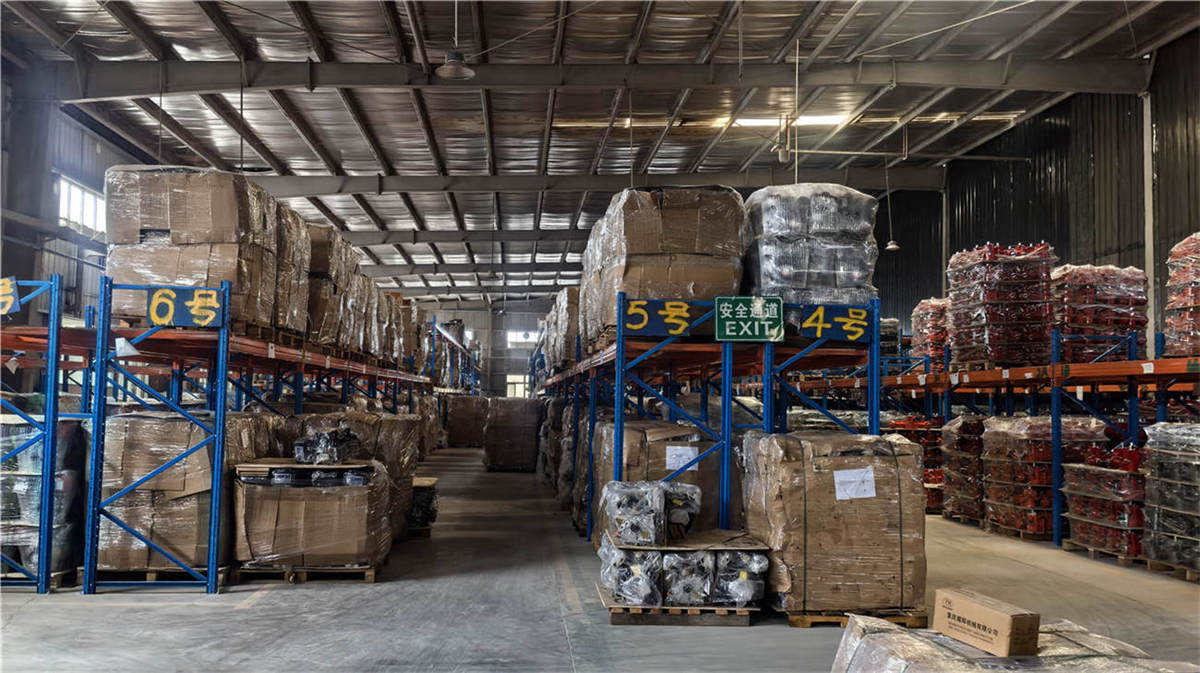
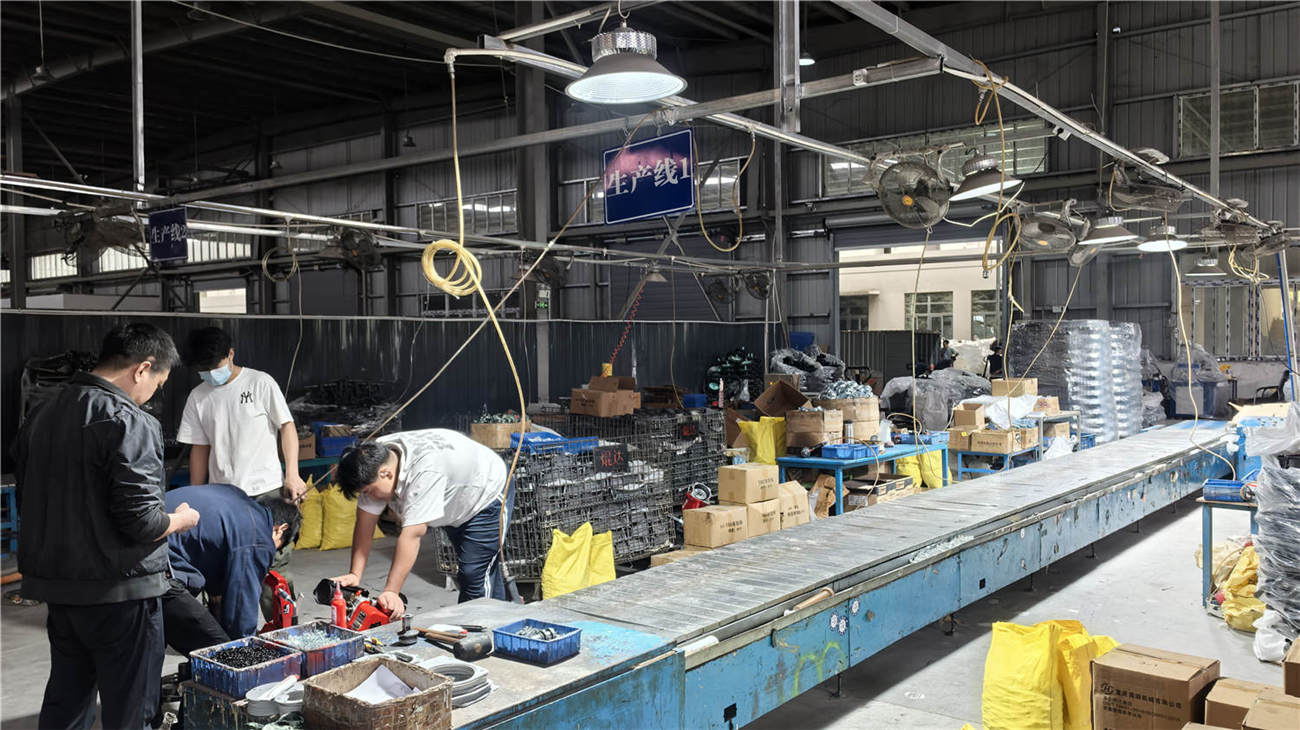
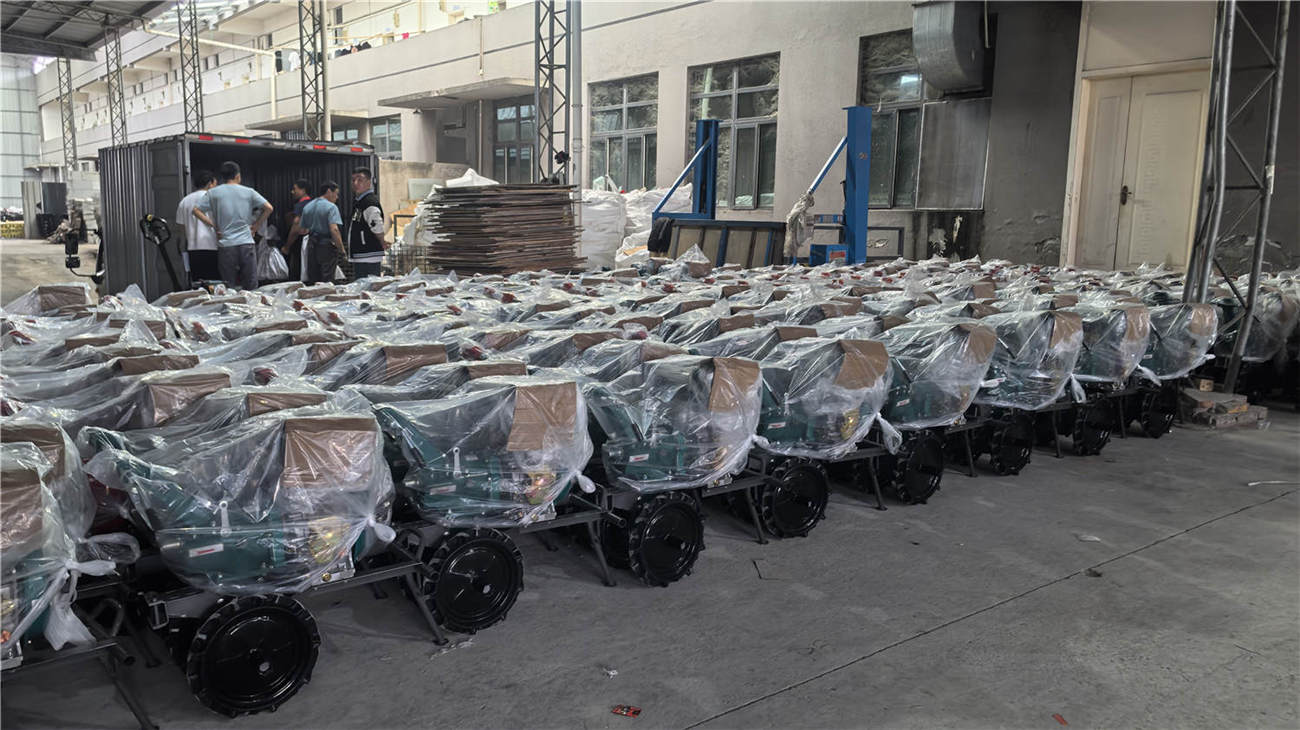
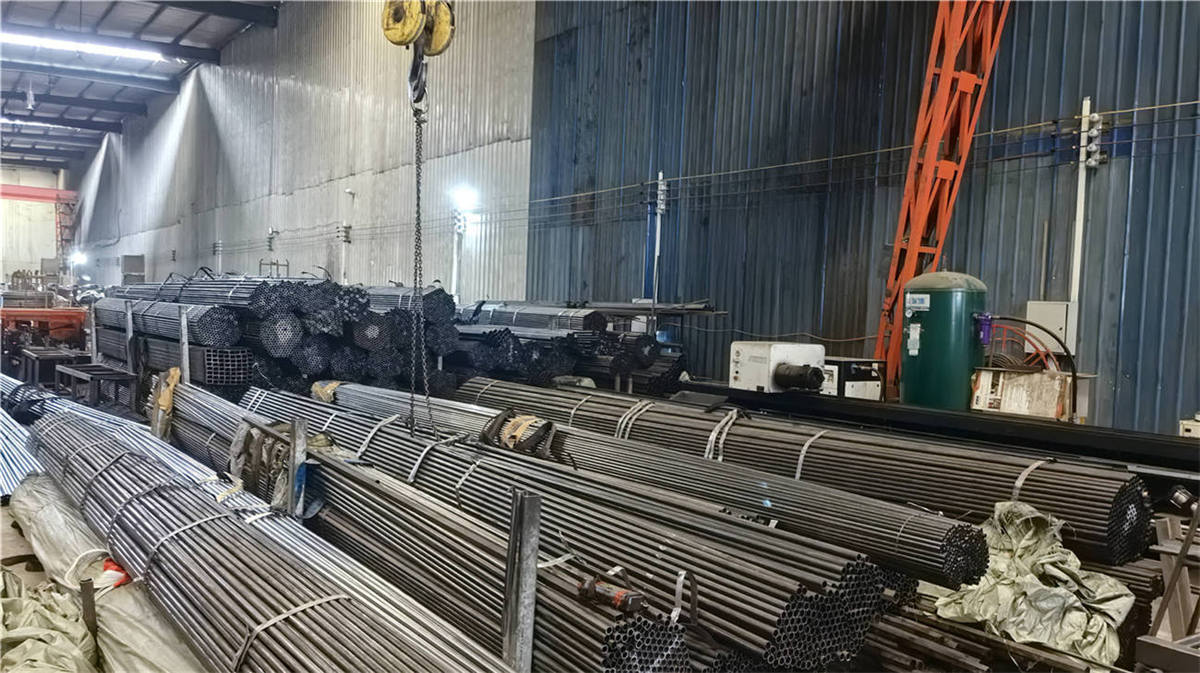
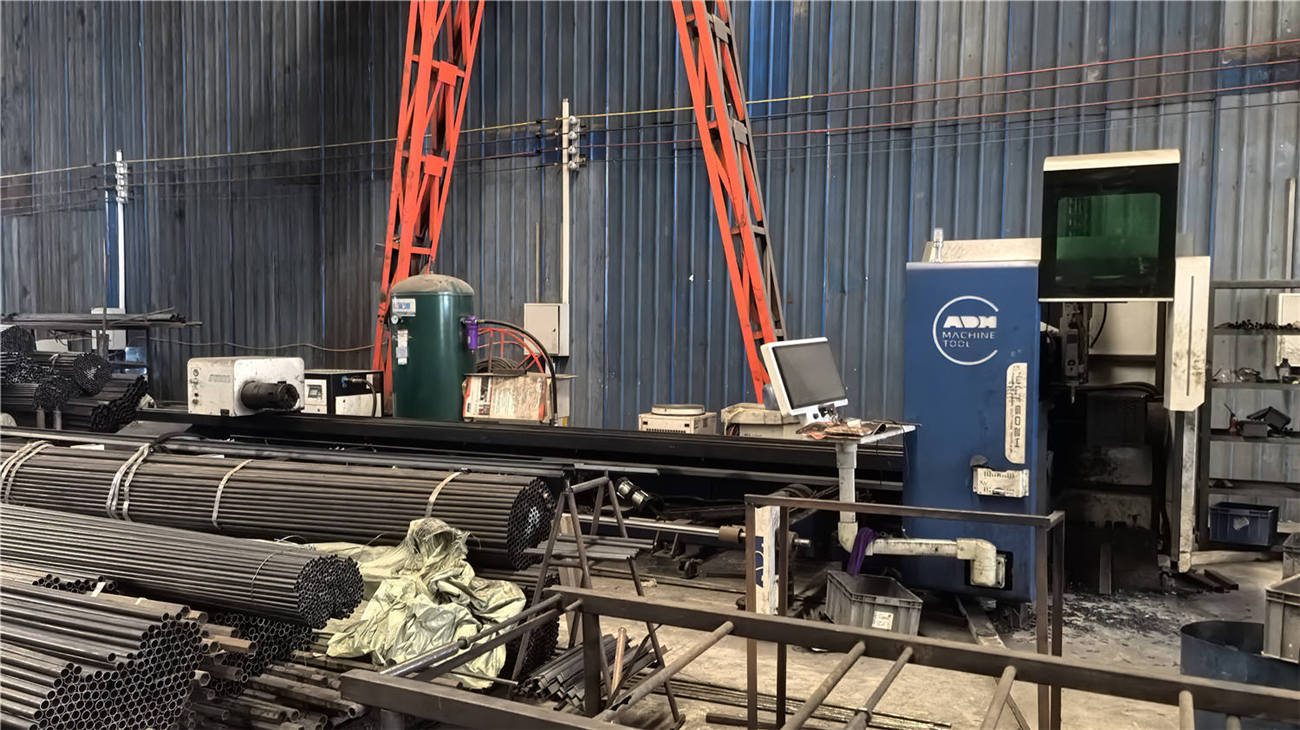
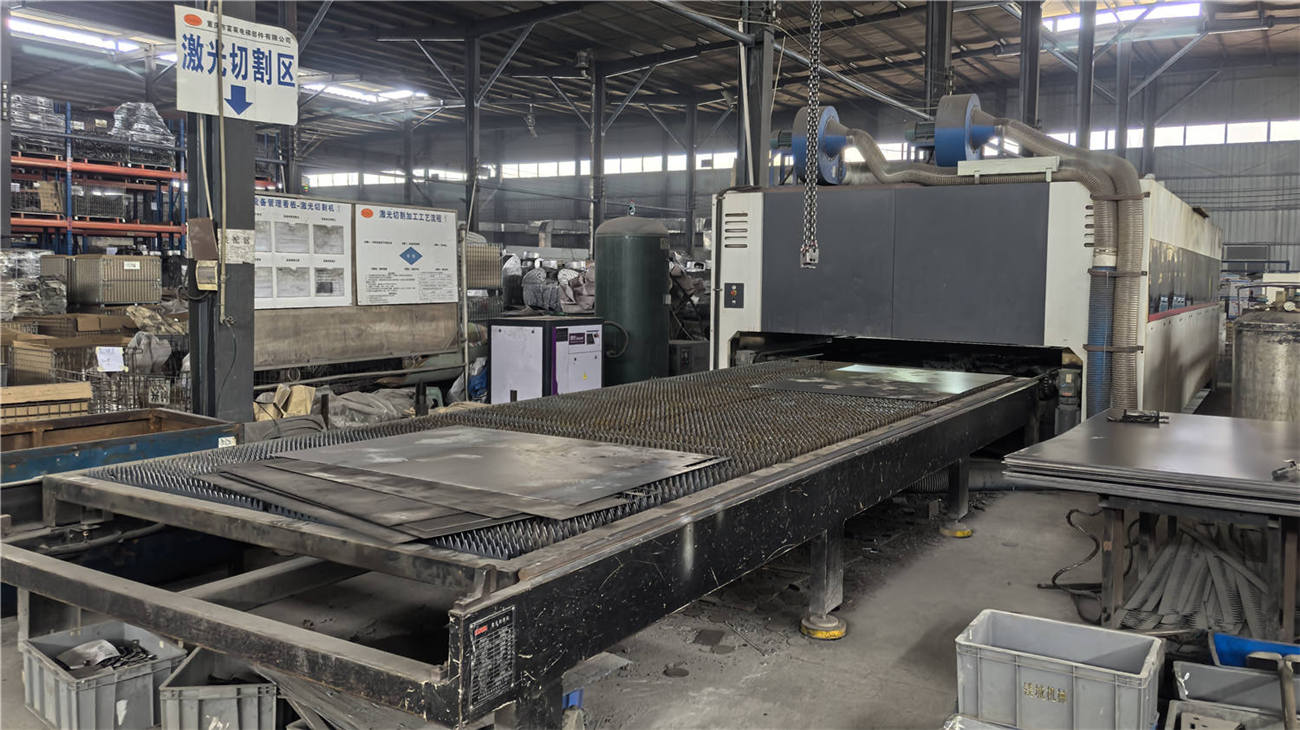
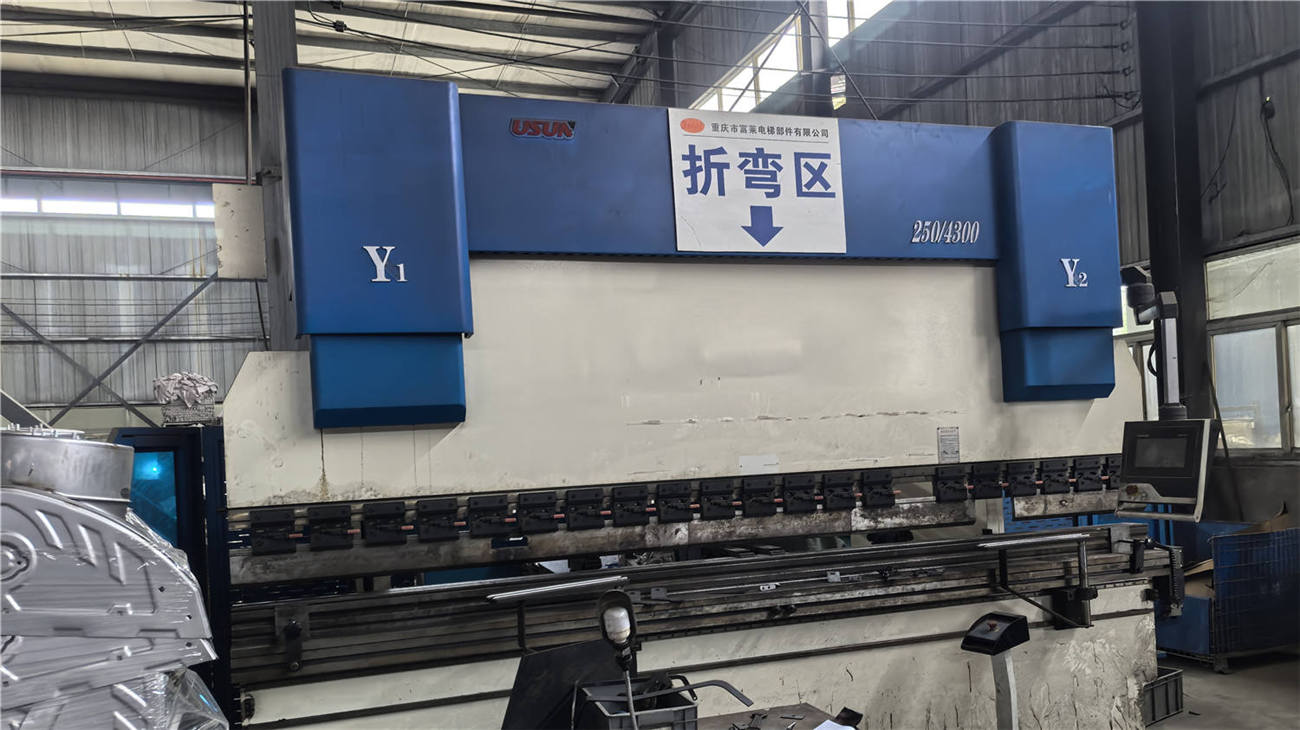
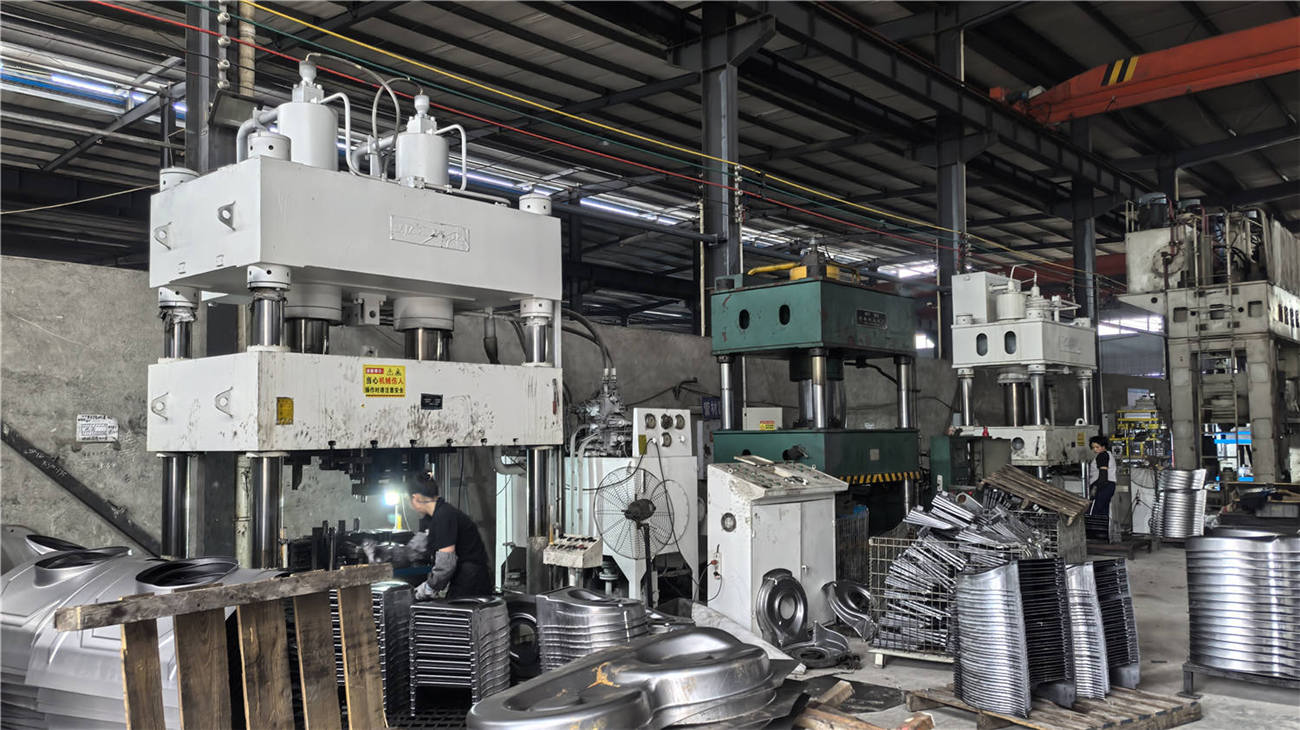
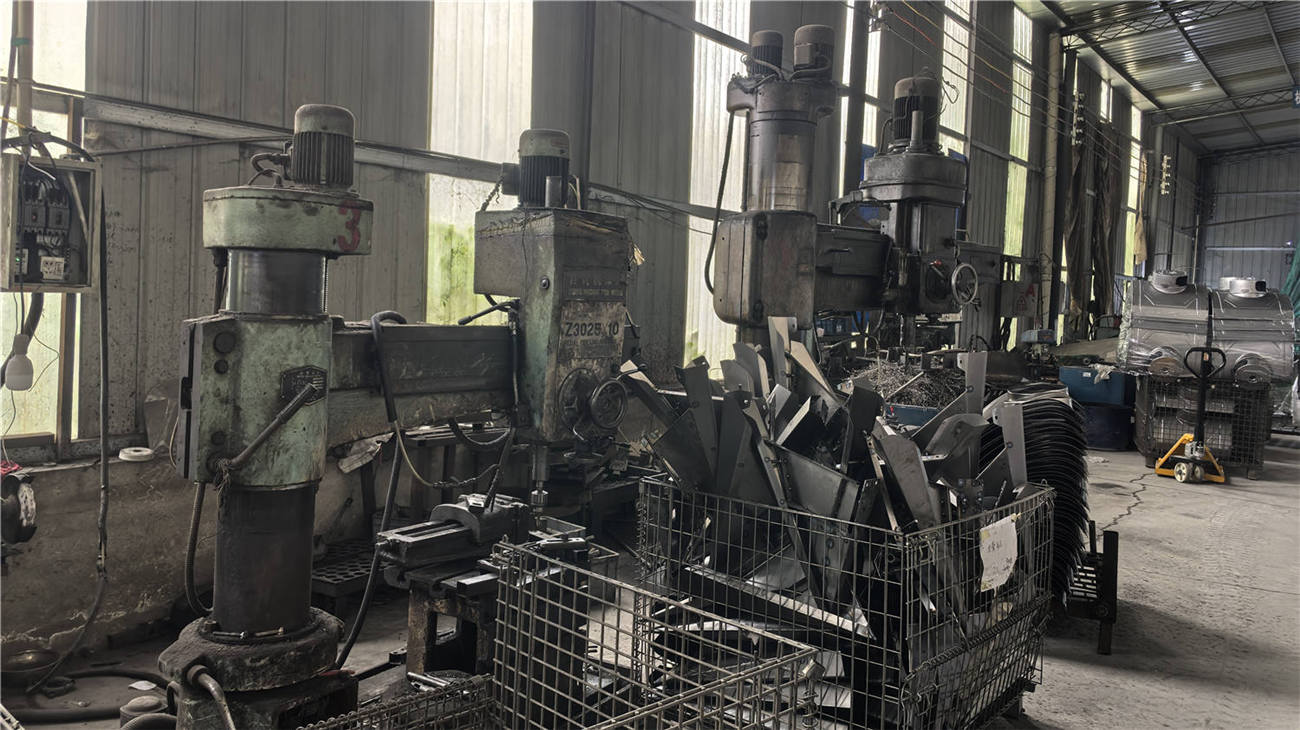
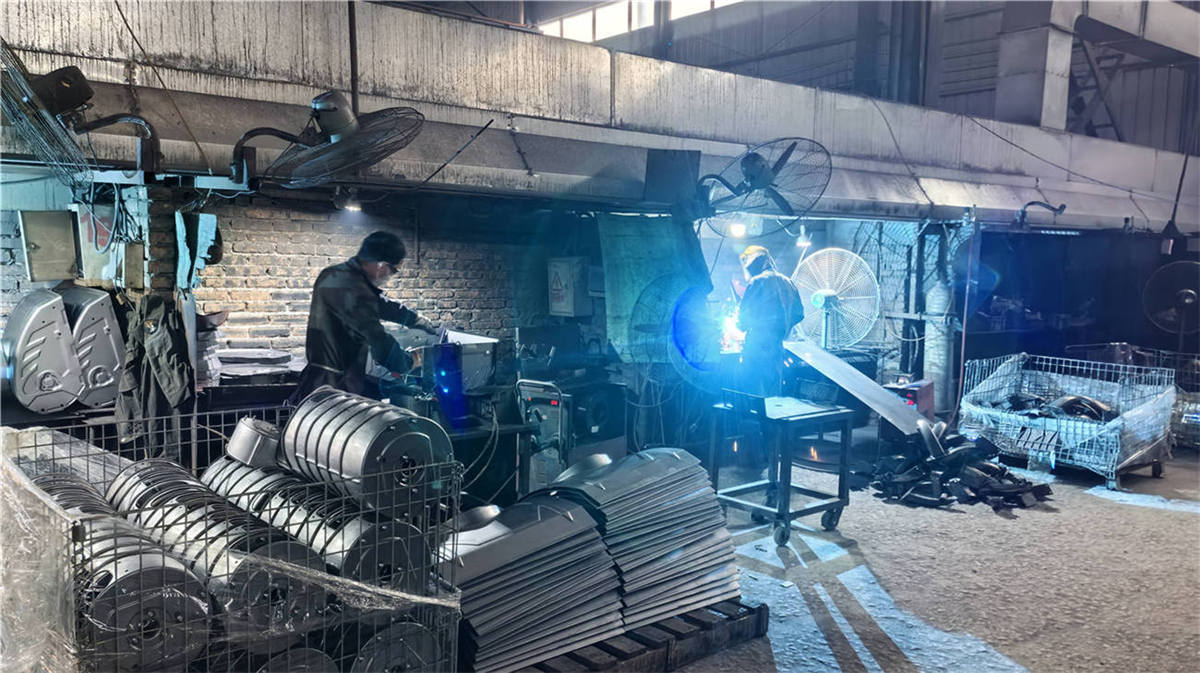
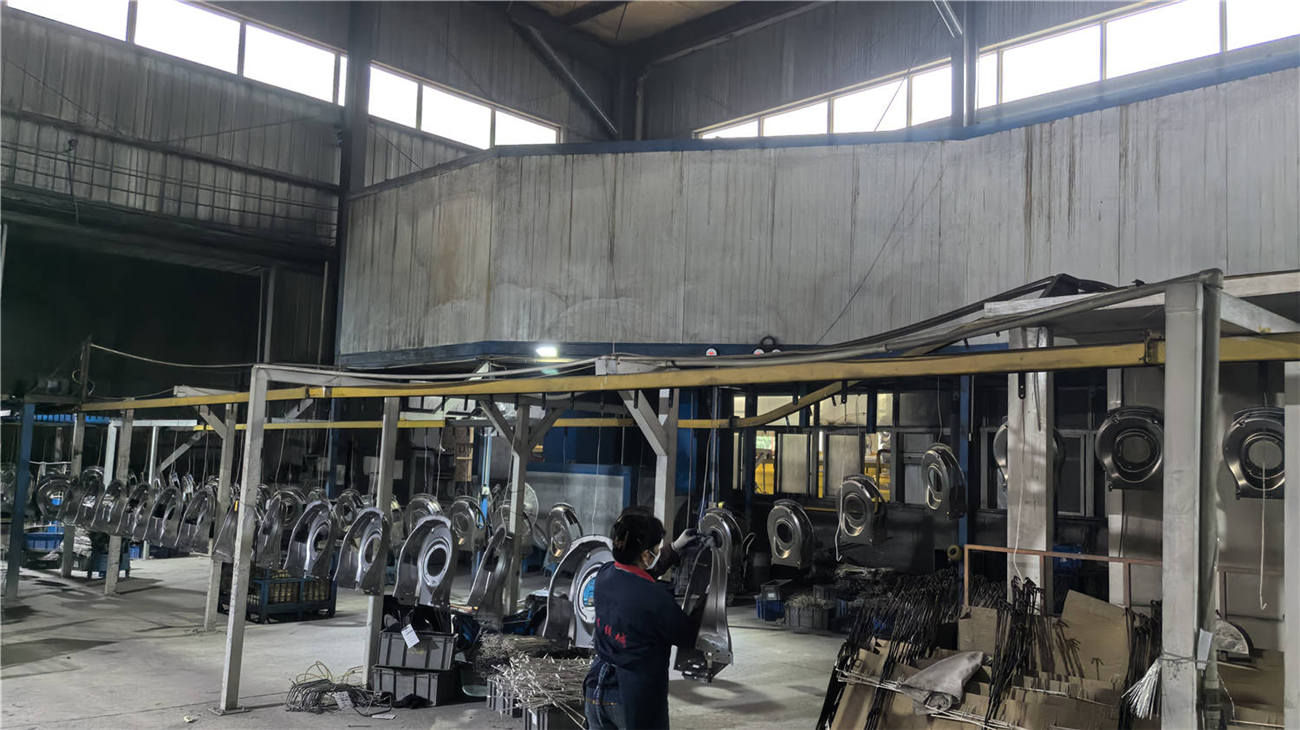
Weifang Gods Power Co., Ltd. is a leading enterprise specializing in the development, manufacturing, and sales of high-quality diesel and gaseous generator sets. With a registered capital of 26 million yuan, the company is equipped with advanced testing facilities, complete product assembly lines, and sophisticated mechanical processing equipment. Weifang Gods Power employs over 200 skilled professionals and maintains a highly capable technical team, supported by a robust and mature quality management system, ensuring that every product meets the highest standards of reliability and performance.
As a technology-driven company, Weifang Gods Power is committed to continuous innovation and research, integrating product design, development, production, and sales to provide comprehensive power solutions tailored to customer needs. The company’s strategic goal is to be market-oriented, technologically advanced, and guided by honesty and integrity, while continuously strengthening its technical capabilities and service excellence.
Guided by the business philosophy of “unity, diligence, pragmatism, and innovation,” Weifang Gods Power emphasizes the importance of product quality, operational efficiency, and customer satisfaction. Every product is crafted with meticulous attention to detail, and the company provides comprehensive after-sales support to ensure long-term reliability and peace of mind for its clients.
Weifang Gods Power aims to create mutually beneficial and lasting partnerships with customers worldwide. Through a combination of advanced technology, professional expertise, and unwavering commitment to quality, the company strives to deliver cutting-edge energy solutions, drive innovation in the power industry, and contribute to sustainable development globally.
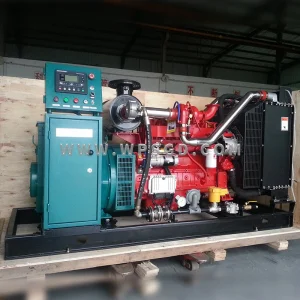
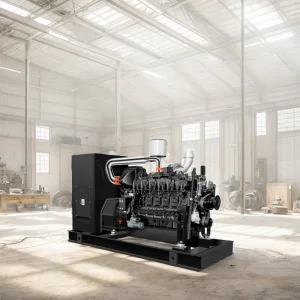
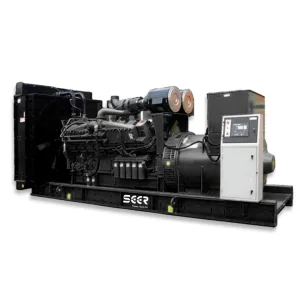
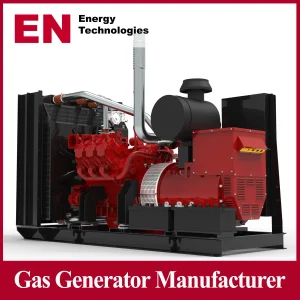
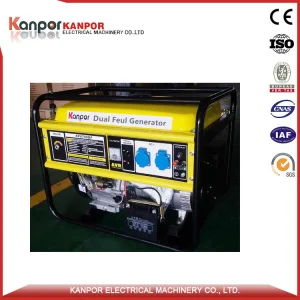
Explore our complete range of LPG, CNG, Syngas, and Multi-Fuel Generator systems configured for global and regional operations.
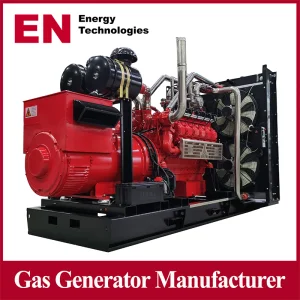
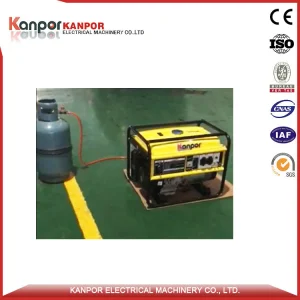
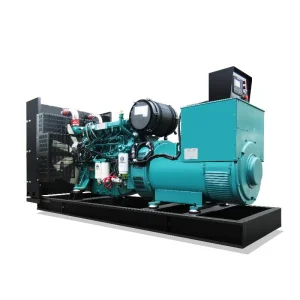
Answers to critical questions regarding the implementation, fuel consumption, and performance parameters of gas power generation in India.
On average, gaseous LPG contains approximately 46.1 MJ/kg of energy content compared to 45.5 MJ/kg for diesel. Under full electrical load (100% capacity), a spark-ignited LPG engine typically consumes roughly 0.35 to 0.42 kg of LPG per kilowatt-hour (kWh), depending on the thermal efficiency of the cylinder architecture and the compression ratio. While the raw volume consumed can be slightly higher than diesel, the cost per energy unit of LPG is significantly more stable in India, leading to lower net OPEX.
In regions like Rajasthan or Central India where summer ambient temperatures exceed 45°C, gas engines undergo thermal derating. Because hotter air is less dense, it limits oxygen mass within the cylinder during intake. We compensate for this by equipping our LPG generators with heavy-duty charge-air coolers (aftercoolers) and oversized water jackets to maintain intake air temperature around 25°C to 30°C, maintaining the engine’s power curves without severe derating.
Yes. Our control panels (such as Deep Sea or SmartGen components) are equipped with RS485 communication protocols and Modbus interfaces. They automatically synchronize output parameters with storage battery inverters and solar PV controllers, functioning as clean, immediate load-following baseline generators when solar irradiance drops.
Dual-fuel conversion is highly recommended for plants prioritizing reliability. Under dual-fuel mode, the engine initiates combustion using a small pilot spray of diesel, then introduces gaseous LPG to cover up to 70% to 80% of the total energy requirement. This guarantees that if the gaseous fuel supply drops momentarily, the system switches to 100% diesel operation without dropping the critical electrical load.
 Gods Power