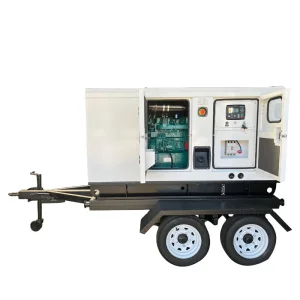
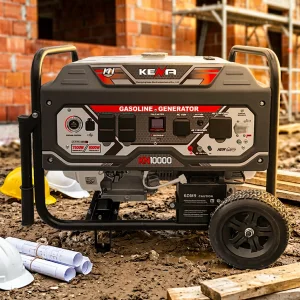
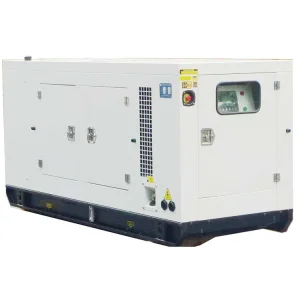
High-efficiency, fully compliant power generation systems engineered for continuous duty and standby operations.
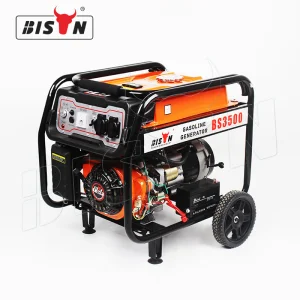
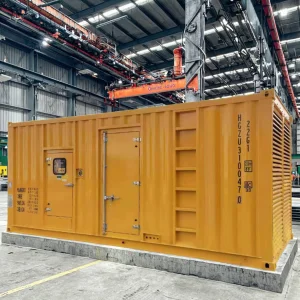
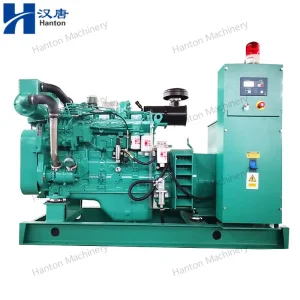
An authoritative analysis of compliance frameworks, quality assurance, and risk mitigation for global power infrastructure.
In the globalized industrial landscape, small generators (typically ranging from 3kW to 50kW, extending to specialized 250kW units) serve as the backbone of decentralized energy systems. Whether deployed for residential backup, off-grid telecom stations, agricultural irrigation, marine operations, or continuous duty at construction sites, the reliability of these units directly affects operational continuity and life safety. For procurement officers, engineers, and distributors, compliance is not merely a legal checkbox; it is a primary indicator of engineering integrity and structural safety.
The CE (Conformité Européenne) marking represents a manufacturer's declaration that the product complies with the essential requirements of the relevant European health, safety, and environmental protection legislation. For power generation machinery, this process involves a complex web of interrelated directives:
1. Machinery Directive (2006/42/EC): Mandates rigorous risk assessments regarding rotating components (flywheels, alternators), thermal insulation of exhaust manifolds, and structural structural rigidity to prevent mechanical failure during peak load transitions.
2. Low Voltage Directive (2014/35/EU): Applies to electrical equipment designed for use with a voltage rating of between 50 and 1000 V for alternating current. It dictates insulation values, creepage distances, and protection ratings (such as IP23 or IP54) to ensure operators are insulated from electrical arc and shock hazards.
3. Electromagnetic Compatibility (EMC) Directive (2014/30/EU): Ensures that the generator does not emit electromagnetic interference (EMI) that could disrupt local telecommunications, medical equipment, or control circuits, and conversely, that the generator's control unit (AVR, digital control panel) is immune to external EMI.
4. Noise Emission Directive (2000/14/EC): Crucial for small generators used in urban or residential areas. It sets strict acoustic power limits (LWA), requiring manufacturers to invest in acoustic enclosure engineering, utilizing high-density sound-absorbing cotton, baffled exhaust systems, and vibration-isolating mounts.
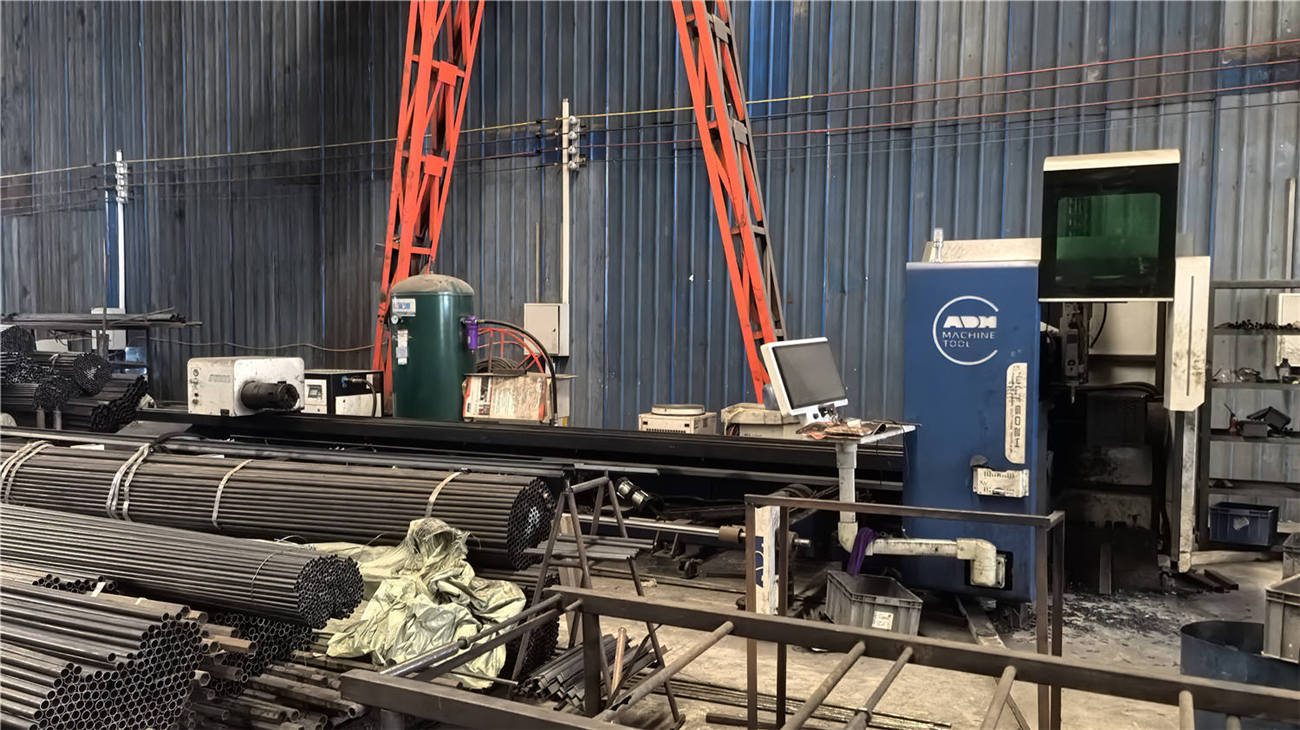
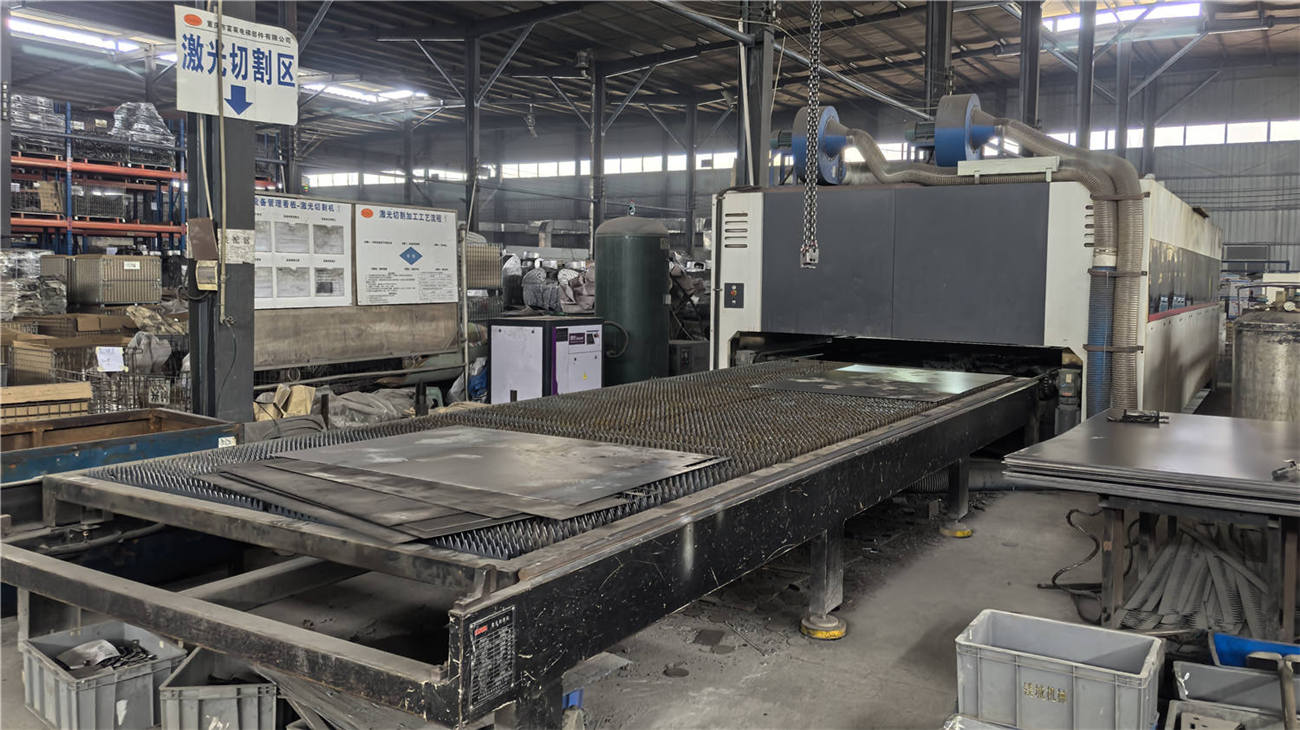
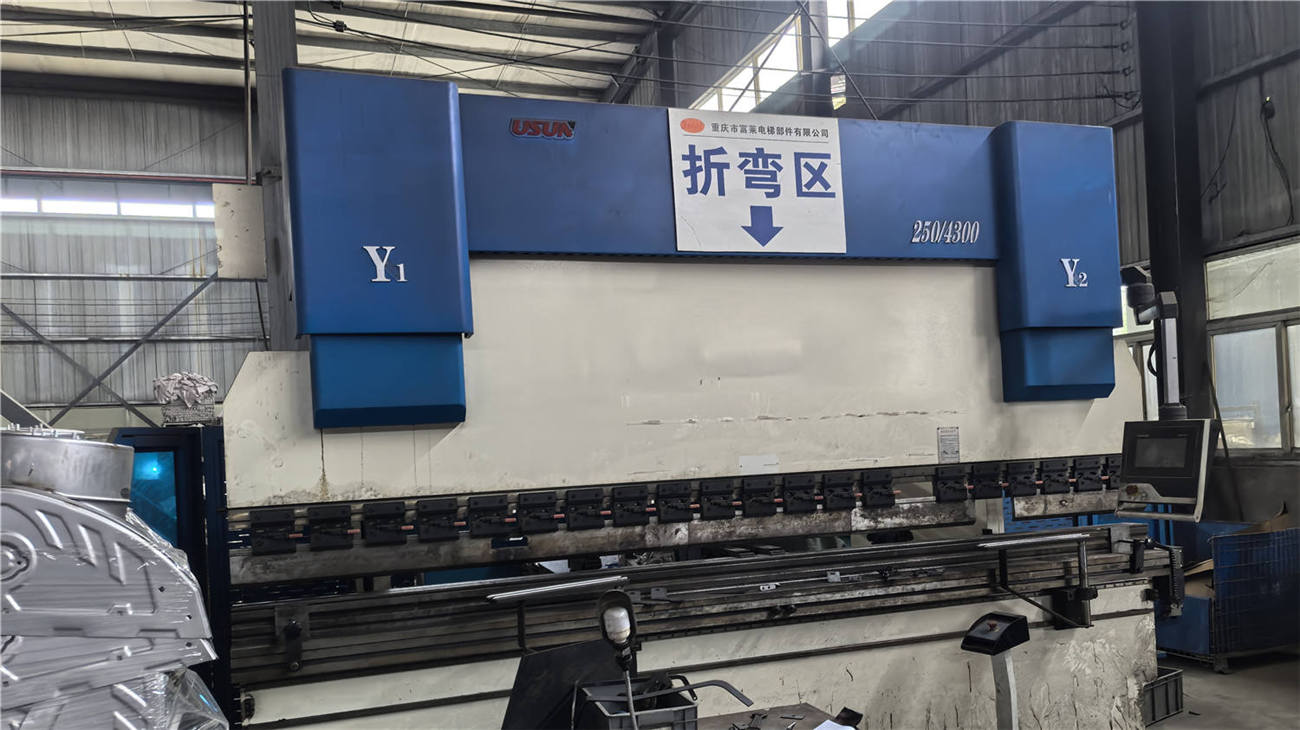
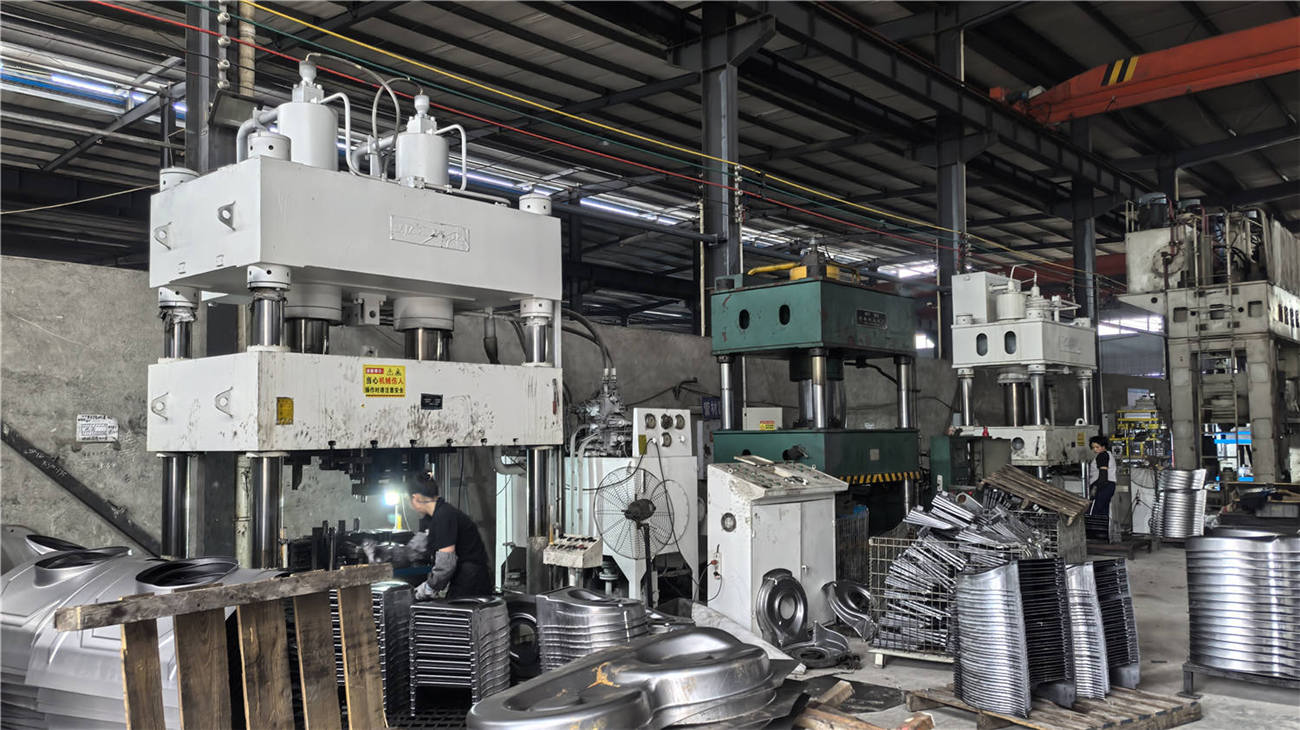
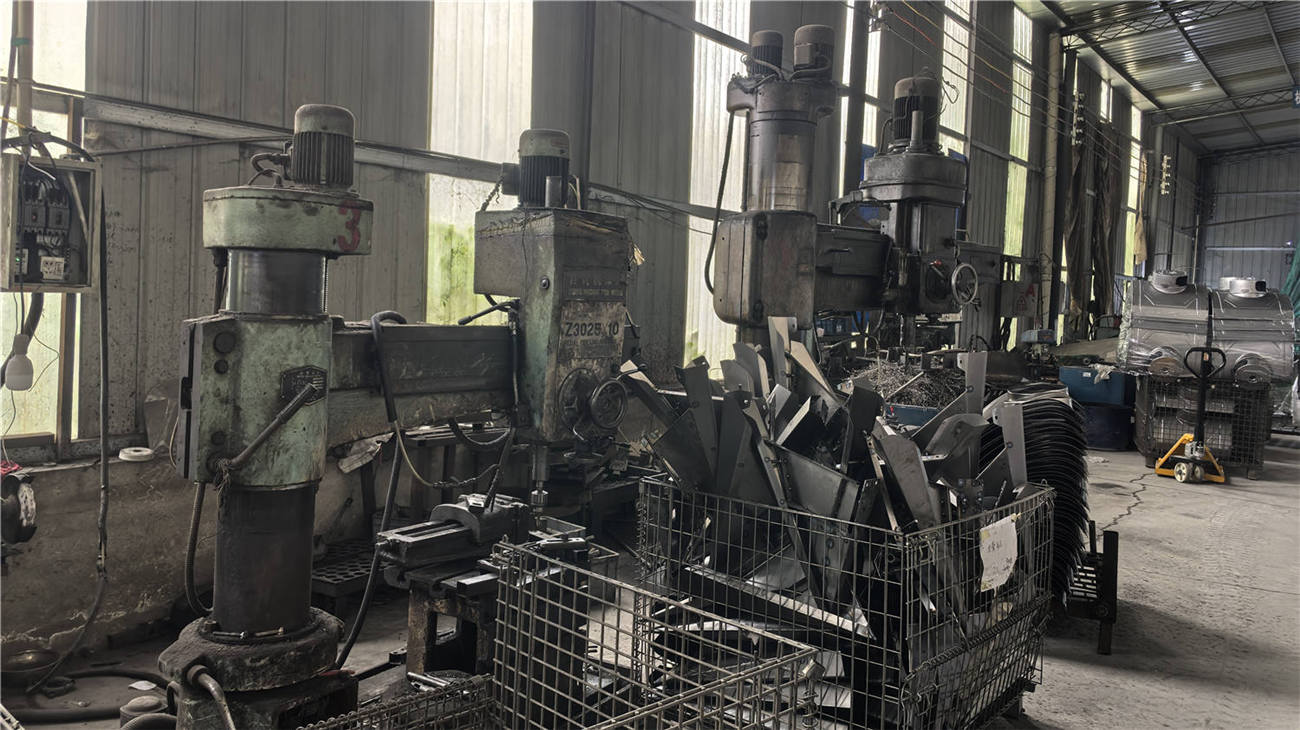
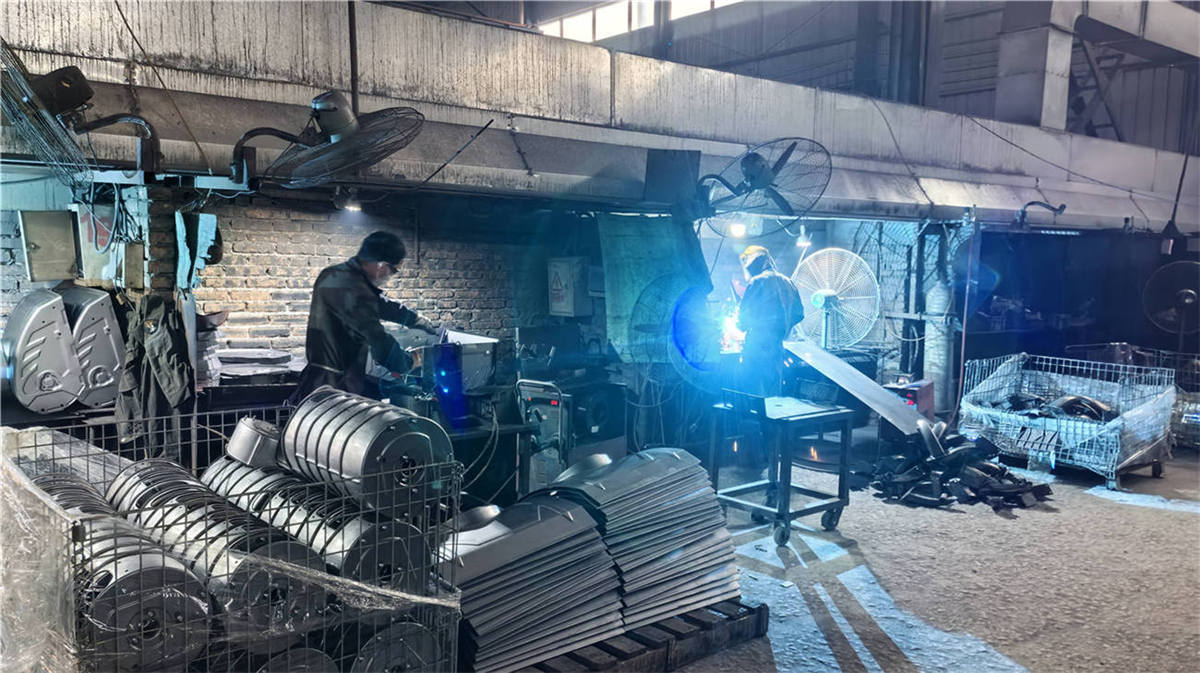
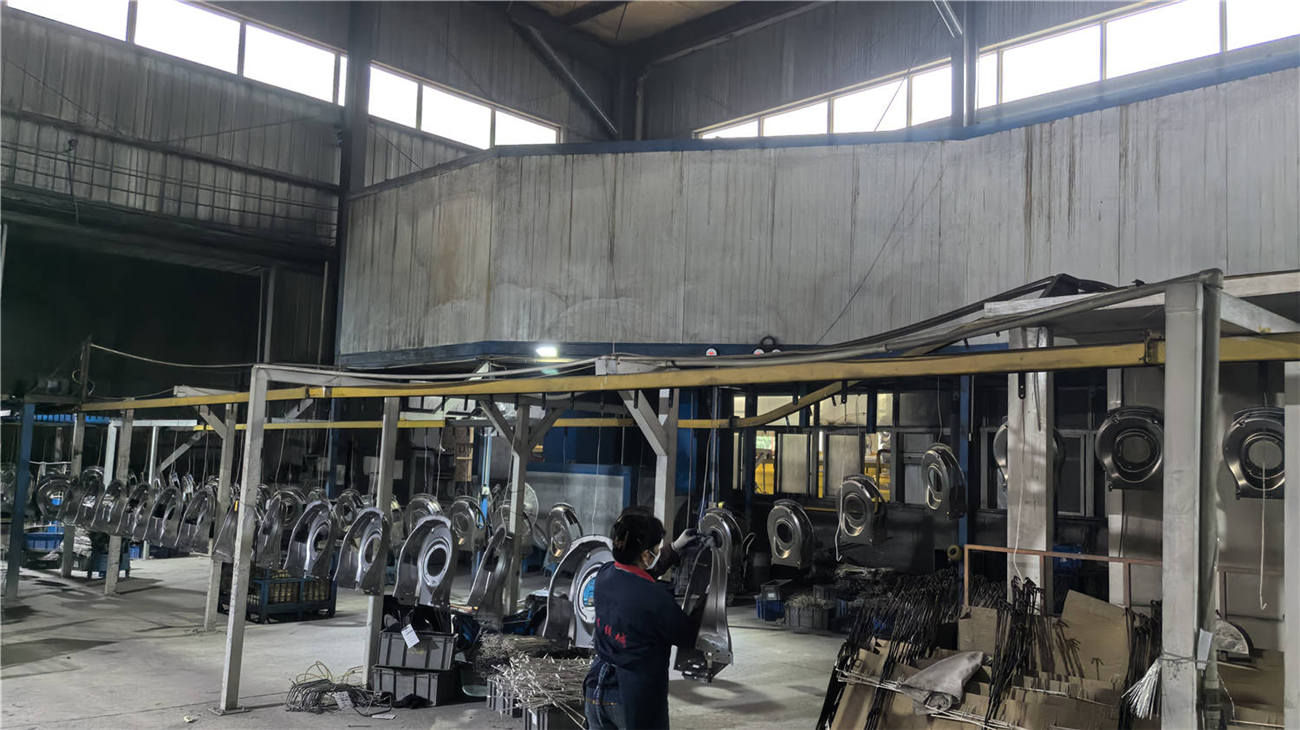
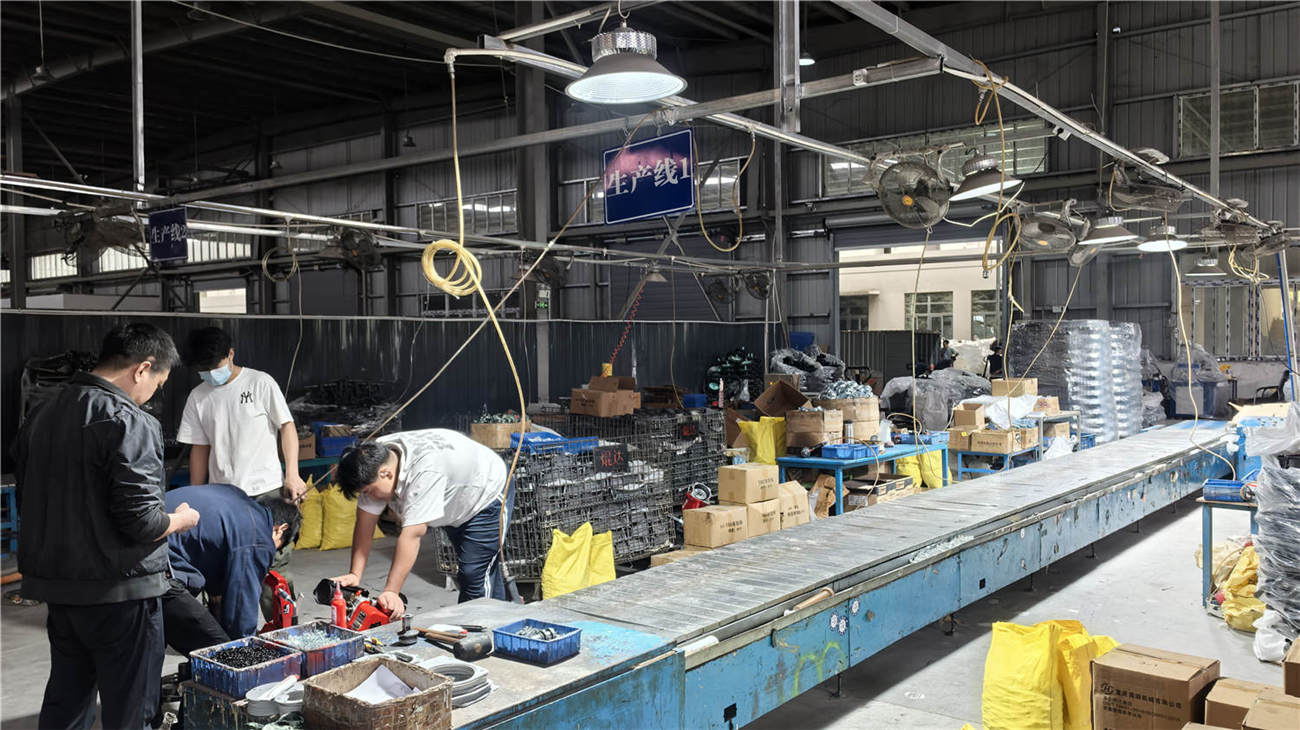
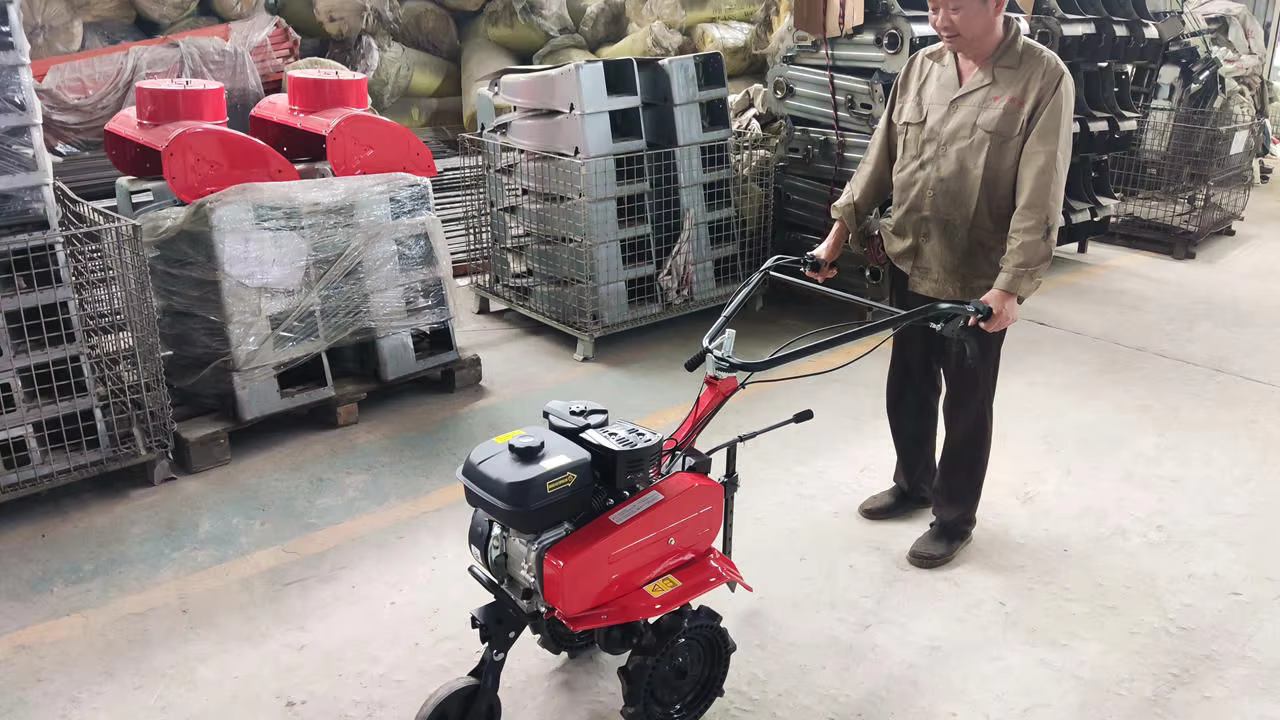
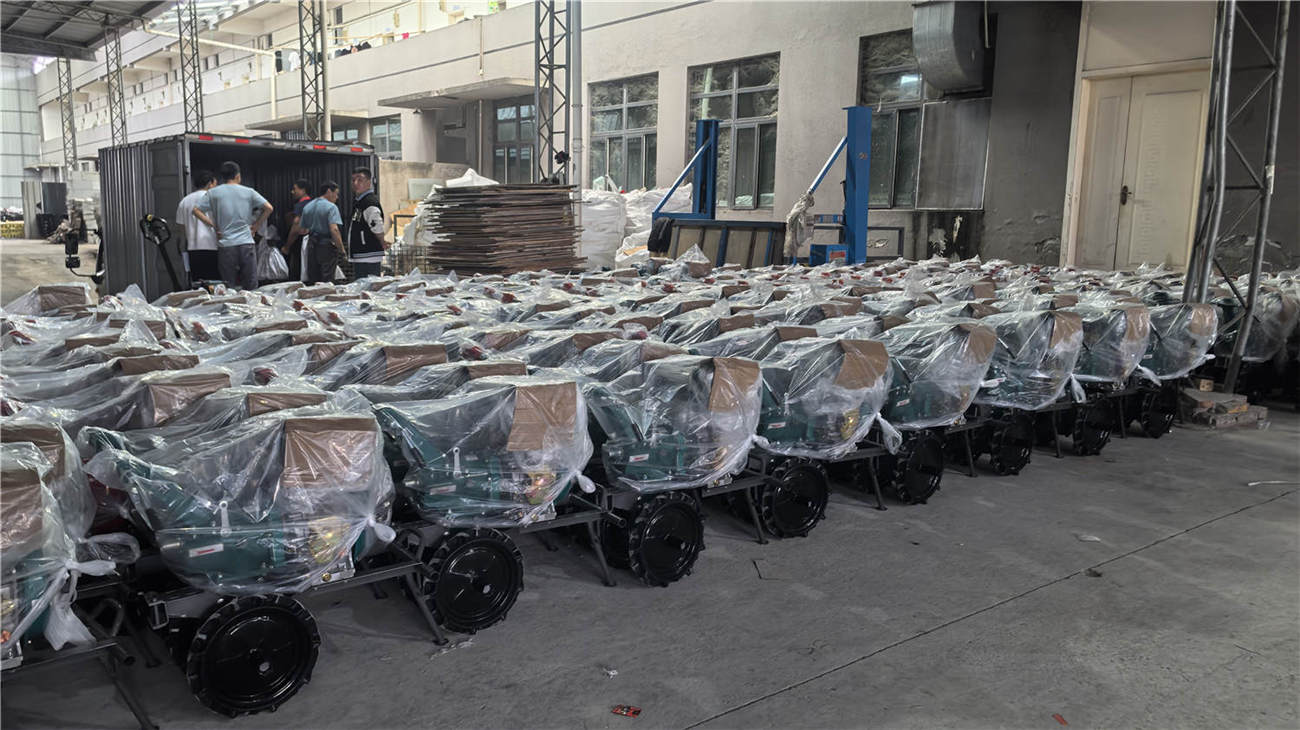
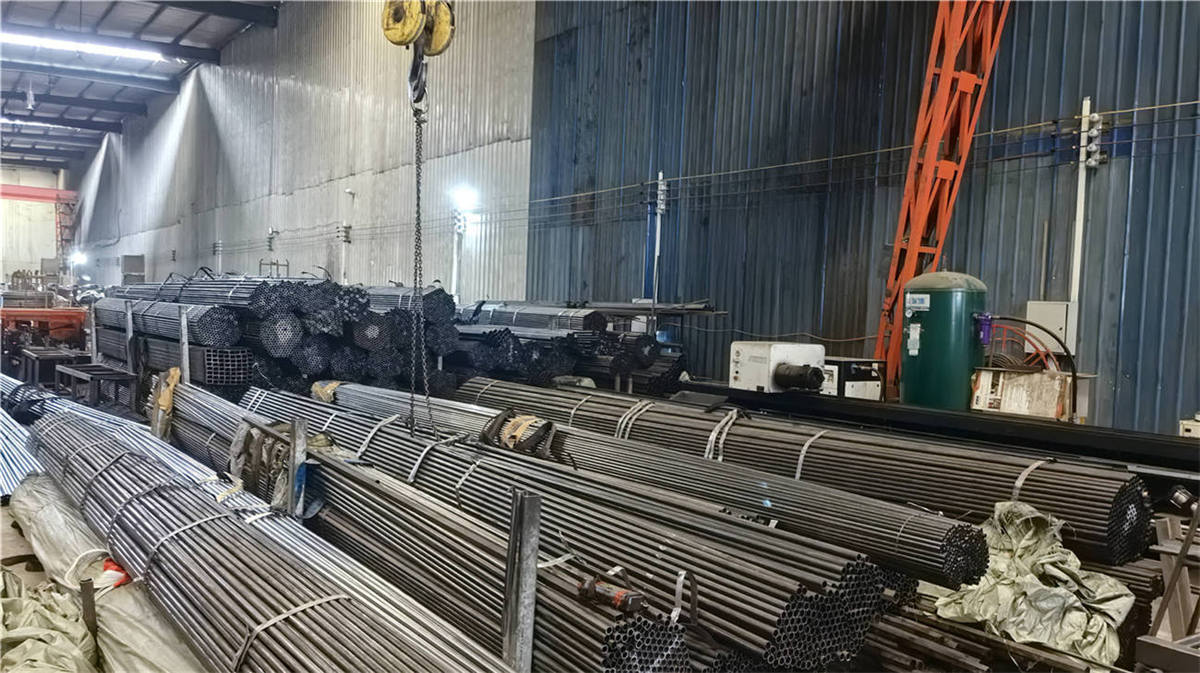
Deep dive into the advanced manufacturing facility of Weifang Gods Power Co., Ltd. and their strict quality control cycle.
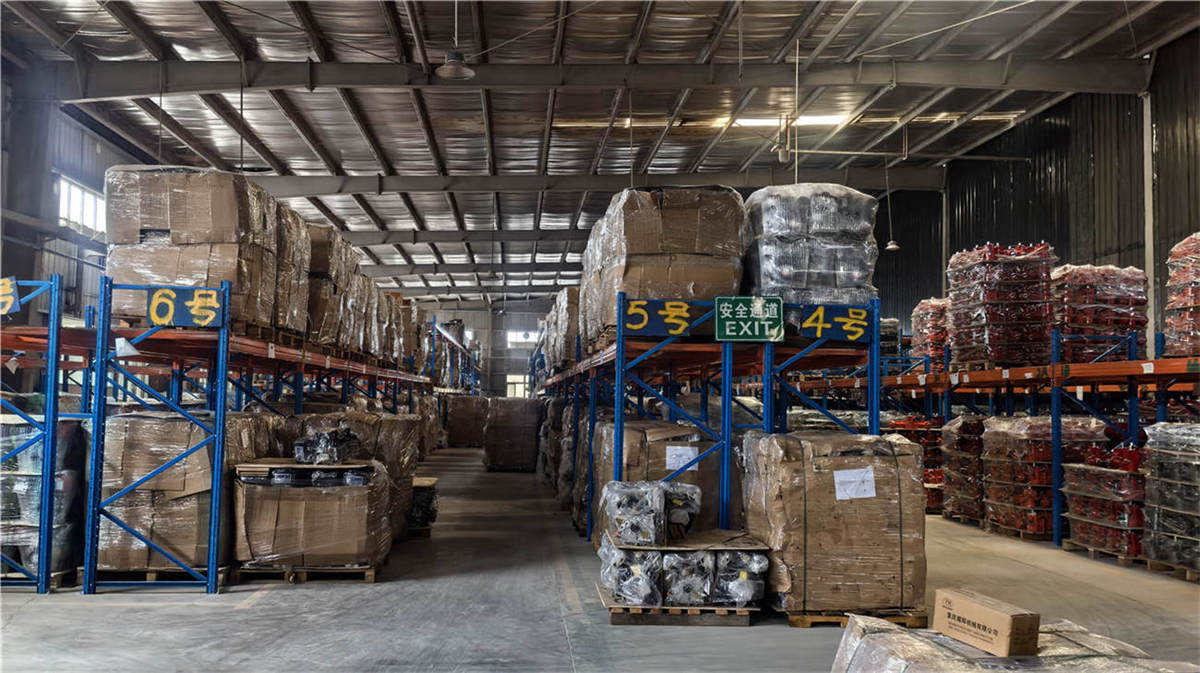
Weifang Gods Power Co., Ltd. is a leading enterprise specializing in the development, manufacturing, and sales of high-quality diesel generator sets. With a registered capital of 26 million yuan, the company is equipped with advanced testing facilities, complete product assembly lines, and sophisticated mechanical processing equipment. Weifang Gods Power employs over 200 skilled professionals and maintains a highly capable technical team, supported by a robust and mature quality management system, ensuring that every product meets the highest standards of reliability and performance.
As a technology-driven company, Weifang Gods Power is committed to continuous innovation and research, integrating product design, development, production, and sales to provide comprehensive power solutions tailored to customer needs. The company's strategic goal is to be market-oriented, technologically advanced, and guided by honesty and integrity, while continuously strengthening its technical capabilities and service excellence.
Guided by the business philosophy of "unity, diligence, pragmatism, and innovation," Weifang Gods Power emphasizes the importance of product quality, operational efficiency, and customer satisfaction. Every product is crafted with meticulous attention to detail, and the company provides comprehensive after-sales support to ensure long-term reliability and peace of mind for its clients. Through a combination of advanced technology, professional expertise, and unwavering commitment to quality, Weifang Gods Power delivers cutting-edge energy solutions, drives innovation in the power industry, and contributes to sustainable development globally.
Every step of production is optimized using advanced technology to guarantee mechanical stability and operational longevity.
Analyzing the convergence of digital controls, high-density alternators, and low-carbon fuels.
The global small-power generator industry is undergoing a monumental technological transition. Driven by strict environmental regulations (such as EU Stage V and US EPA Tier 4 Final emission limits) and the rise of distributed renewable energy grids, manufacturers are transitioning from simple mechanical combustion engines to highly smart, multi-fuel hybrid systems. Key components of this transition include:
Utilizing advanced microprocessors to convert raw DC current into clean AC power. Our inverter systems keep Total Harmonic Distortion (THD) under 2.5%, ensuring safe operation for sensitive laboratory equipment, communications terminals, and medical devices.
Adapting dual-fuel (Diesel/NG, Gasoline/LPG) and multi-fuel architectures. High-efficiency engines are engineered to support hydrogen-nitrogen mixtures and methane-rich biogas, minimizing particulate matter and greenhouse gas footprint.
Integrating small generators directly with Battery Energy Storage Systems (BESS). The engine acts as a dynamic charger, cycling on only at optimized fuel-to-kilowatt load profiles, which slashes carbon emissions and doubles mechanical lifespan.
From a metallurgy and design perspective, manufacturers are pushing the boundaries of power density. By integrating rare-earth permanent magnet alternators (PMA), we can reduce generator volume and weight by up to 30% while retaining structural durability. Additionally, computerized thermodynamic simulation tools (CFD) optimize coolant flow paths, allowing small generators to sustain maximum output even under extreme temperatures (up to 50°C ambient testing thresholds).
How modular energy generation systems meet critical demands across global industries.
Modern electrical infrastructure is highly vulnerable to climate disruptions, grid overloading, and geo-political energy constraints. In this landscape, modular, CE-certified small generators function as localized critical defense systems. The primary sectors relying on these systems include:
1. Telecommunications & Remote Infrastructure: Base Transceiver Stations (BTS) in rugged terrains require uninterrupted, clean current. Our dual-fuel and silent inverter systems feature Automatic Transfer Switches (ATS) and remote IoT tracking telemetry, ensuring off-grid base stations remain online with 99.999% reliability.
2. Marine Operations and Off-shore Vessels: Commercial and recreational vessels depend on marine generator sets equipped with heavy-duty heat exchangers (heat exchangers or keel cooling options) and corrosion-resistant alternators. Strict adherence to marine classification standards ensures safety in high-salinity and high-humidity environments.
3. Medical Facilities and Emergency Services: Mobile emergency clinics, field hospitals, and life support transport systems must have access to zero-fluctuation power. Inverter generator sets with automatic voltage regulation (AVR) provide the exact sinusoidal wave stability necessary to prevent sensitive medical monitoring equipment from rebooting or failing.
4. Smart Agriculture and Livestock Maintenance: Greenhouses, automated milking stations, and poultry climate control units must avoid power loss to prevent catastrophic inventory loss. Diesel generator setups integrated with smart start-up triggers provide immediate, automated switch-over during localized grid failures.
Evaluating Total Cost of Ownership (TCO), factory validation steps, and technical specifications.
Procuring industrial equipment at scale demands a structured framework that goes beyond comparing initial purchase prices. To build a resilient procurement model, global buyers must analyze several key metrics:
Global procurement teams should evaluate suppliers using the following critical metrics:
Navigating complex international shipping, regional safety mandates, and localized field service structures.
Exporting power equipment internationally requires a deep understanding of local laws. While CE certification covers European requirements, it is essential to align these specifications with other regional standards to ensure smooth market entry:
For example, in North America, units must comply with EPA Tier 4 and CARB regulations to control NOx and particulate emissions, alongside UL/CSA certifications for safety. In Saudi Arabia and the Gulf, generators must meet SASO standards and operate reliably at ambient temperatures exceeding 50°C. Leading manufacturers ensure their cooling packages, air intake filtration, and lubrication systems are optimized for these regional demands.
Furthermore, post-purchase technical support is a key pillar of operational reliability. A robust service framework must include localized parts distribution networks, direct access to qualified service centers, and detailed digital documentation (schematics, exploded-view part maps, troubleshooting protocols). Working with manufacturers that offer comprehensive documentation helps minimize downtime and extends the service life of your power assets.
Answering the most critical engineering, compliance, and sourcing questions raised by procurement professionals.
High-efficiency, environmentally compliant power systems for industrial and backup applications.
 Gods Power