Advanced backup generation systems engineered for high-demand maritime, commercial, and microgrid applications.
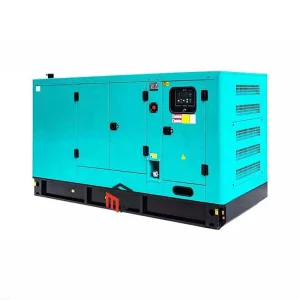
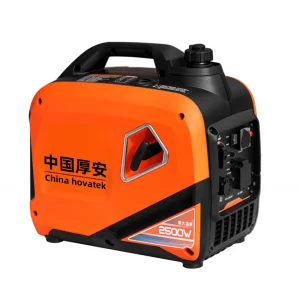
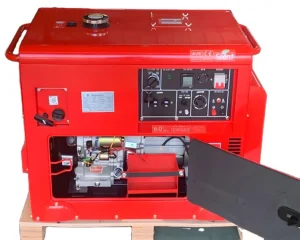
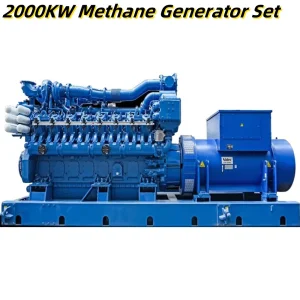
Bridging the gap between energy transmission grids, electrochemical battery systems, and mechanical backup generators.
In modern industrial and computational landscapes, the definition of an Uninterruptible Power Supply (UPS) has evolved far beyond localized battery arrays. Today's hyper-scale data centers, automated manufacturing systems, and critical maritime infrastructures rely on a dynamic hybrid network. This system coordinates high-capacity online double-conversion UPS modules with heavy-duty backup diesel and gas generator sets. As a global OEM/ODM designer and manufacturer, Weifang Gods Power Co., Ltd. plays a key role in this integration, engineering systems that handle zero-millisecond power switchovers and long-term standby power generation.
Driven by edge computing expansion, industrial IoT automation, and grid volatility from renewable energy transitions, the demand for custom UPS and generator combinations is growing rapidly. Our technical team works to ensure these components operate in harmony. By resolving challenges such as high total harmonic distortion (THD) and alternator sub-transient reactance, we build robust systems capable of powering continuous loads under the most demanding conditions.
Integrating uninterruptible power systems with diesel or gas generators requires careful engineering. Non-linear loads from UPS rectifiers often generate harmonic feedback. This feedback can cause voltage instability, frequency hunting, and premature component fatigue in standard alternators.
To address this, our engineers customize generator alternators to handle the specific input profiles of modern IGBT-based double-conversion UPS systems. Using Automatic Transfer Switches (ATS) with programmable delay times, we synchronize the start of the generator with the discharge cycle of the UPS battery bank. This creates a reliable power transition that protects sensitive equipment.
We follow detailed criteria to match generator capacity with the UPS system:
Maintained at 1.25 to 1.5 times the nominal UPS capacity for IGBT rectifiers, preventing voltage spikes and frequency variations during startup.
Utilizes Permanent Magnet Generator (PMG) excitation to isolate the regulator power circuit from harmonic load distortions, ensuring consistent voltage control.
Equipped with isochronous electronic governors to keep frequency fluctuations within +/- 0.25% during full-load steps.
How global industries combine critical energy storage with heavy duty continuous generation.
Modern data centers combine lithium-ion UPS cabinets with rapid-start diesel generator sets. In a grid outage, the UPS provides immediate power to prevent downtime, while the diesel generators start and assume the load within 8 to 12 seconds.
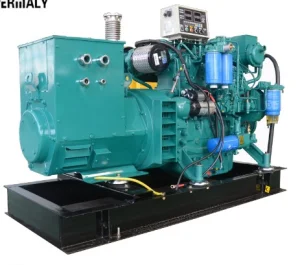
Naval and offshore engineering vessels require highly reliable power systems. Integrating marine diesel generator sets with onboard backup power controls helps protect vital navigation, radar, and positioning systems from voltage drops during heavy propulsion transitions.
Chemical processing and semiconductor manufacturing plants cannot tolerate power drops. Standard systems combine high-capacity UPS units with gas or biogas CHP (Combined Heat and Power) systems to maintain both electricity and thermal energy supply without interruption.
Integrating dynamic energy storage, renewable biogas generation, and local grids.
The backup power industry is transitioning from fossil fuels to cleaner energy alternatives. At Weifang Gods Power, we design our engine and alternator assemblies to work with alternative fuels such as biogas, natural gas, and LPG. These systems are engineered to achieve up to 95% efficiency when used in co-generation configurations.
Our roadmap focuses on integrating IoT-enabled controllers. These modules allow operators to monitor engine health, battery levels, and system parameters remotely. Built-in predictive maintenance software helps identify issues before they cause downtime, improving overall system reliability.
A detailed look at our production and quality assurance processes, designed to meet international standards.
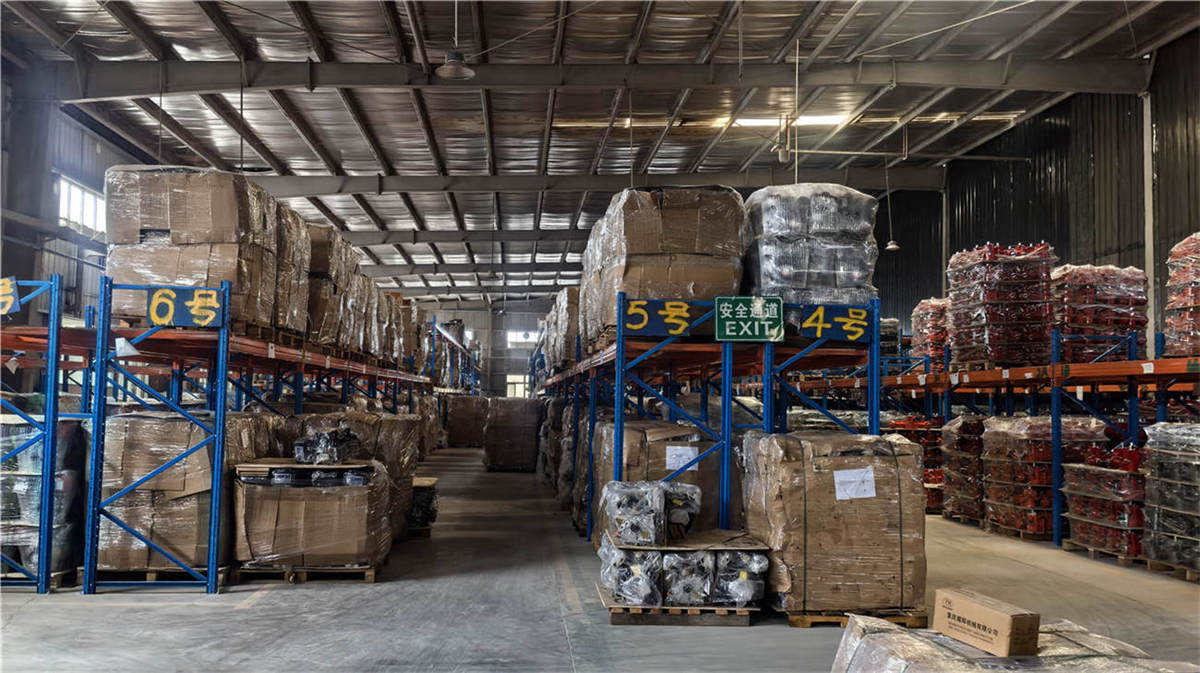
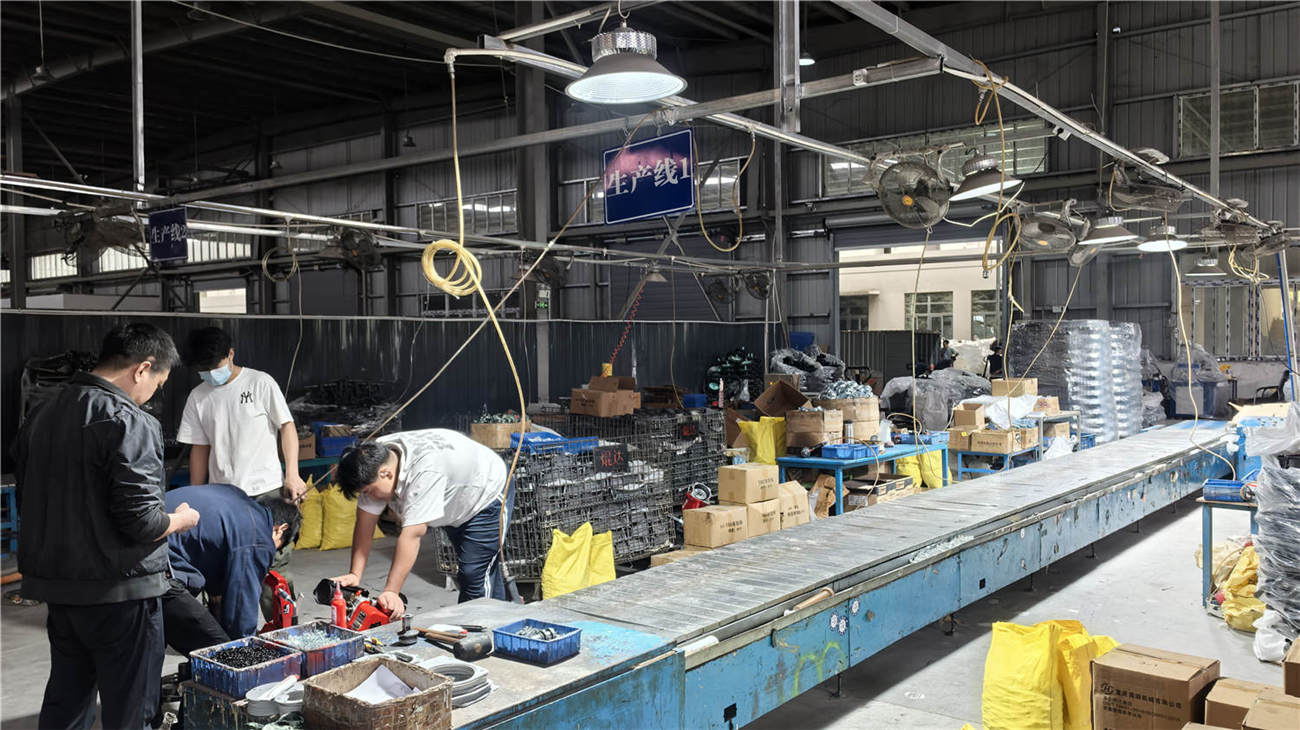
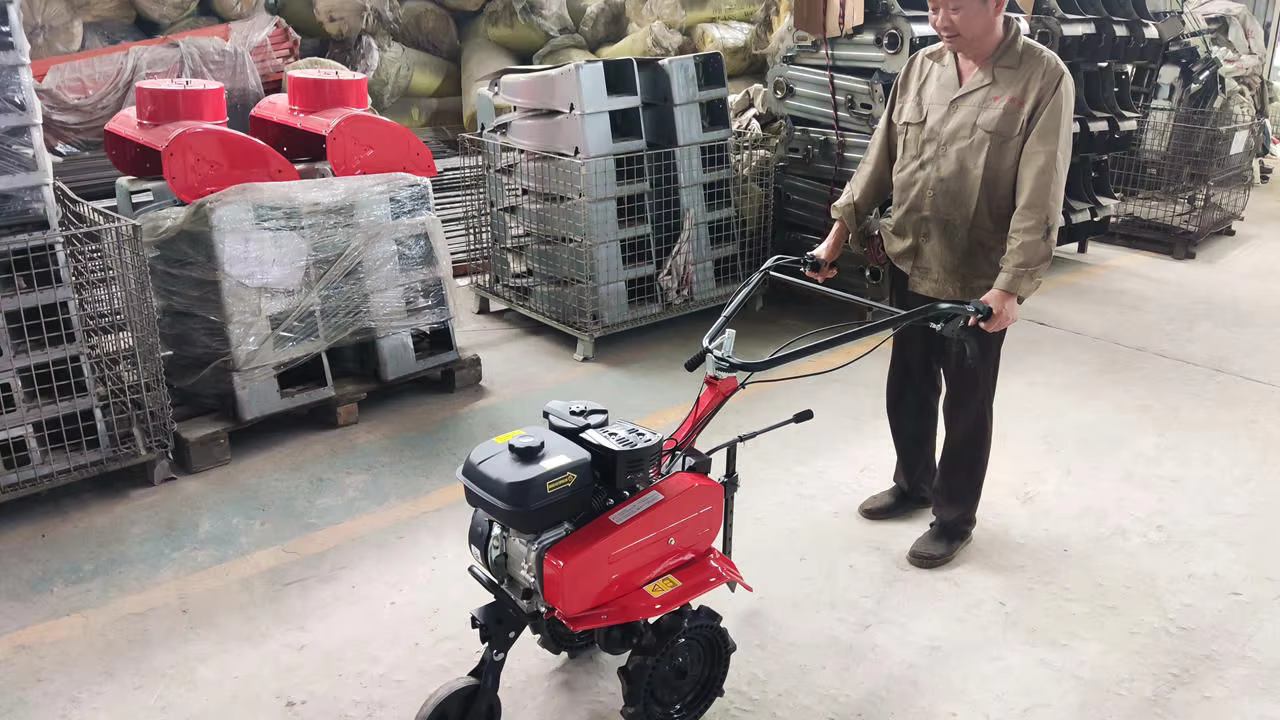
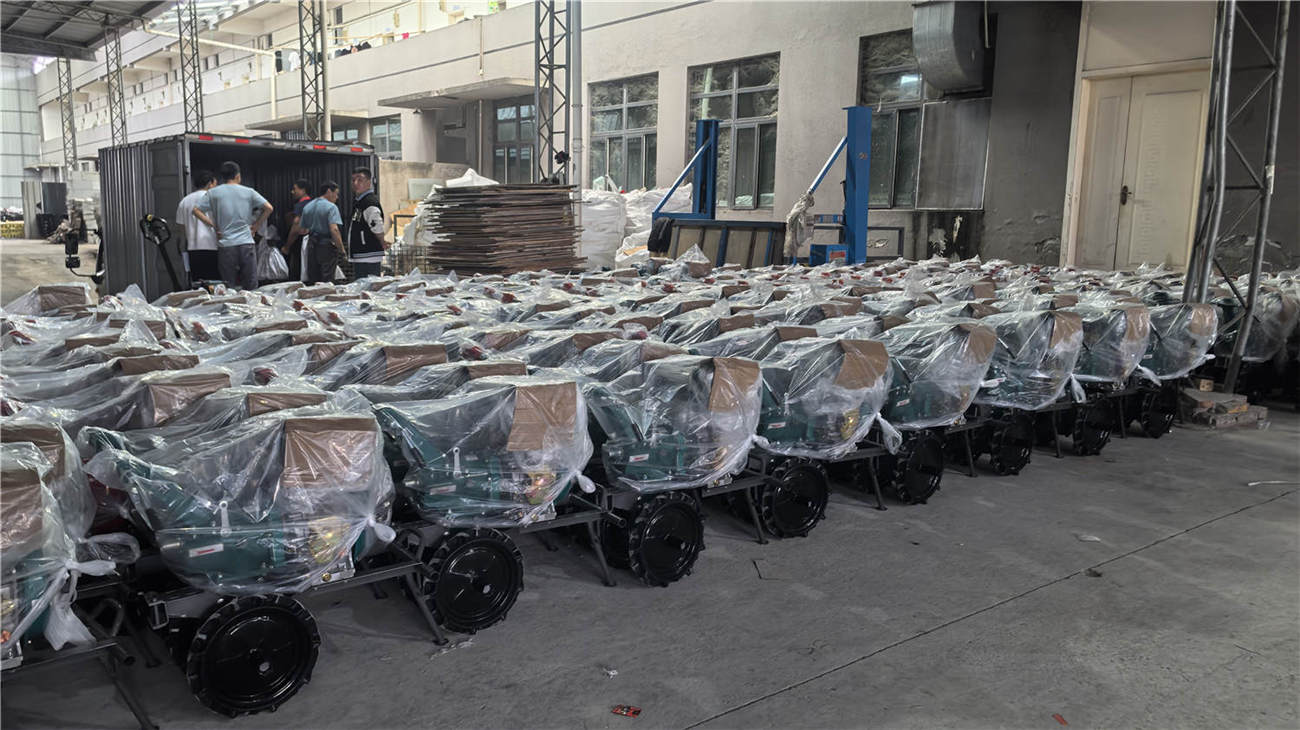
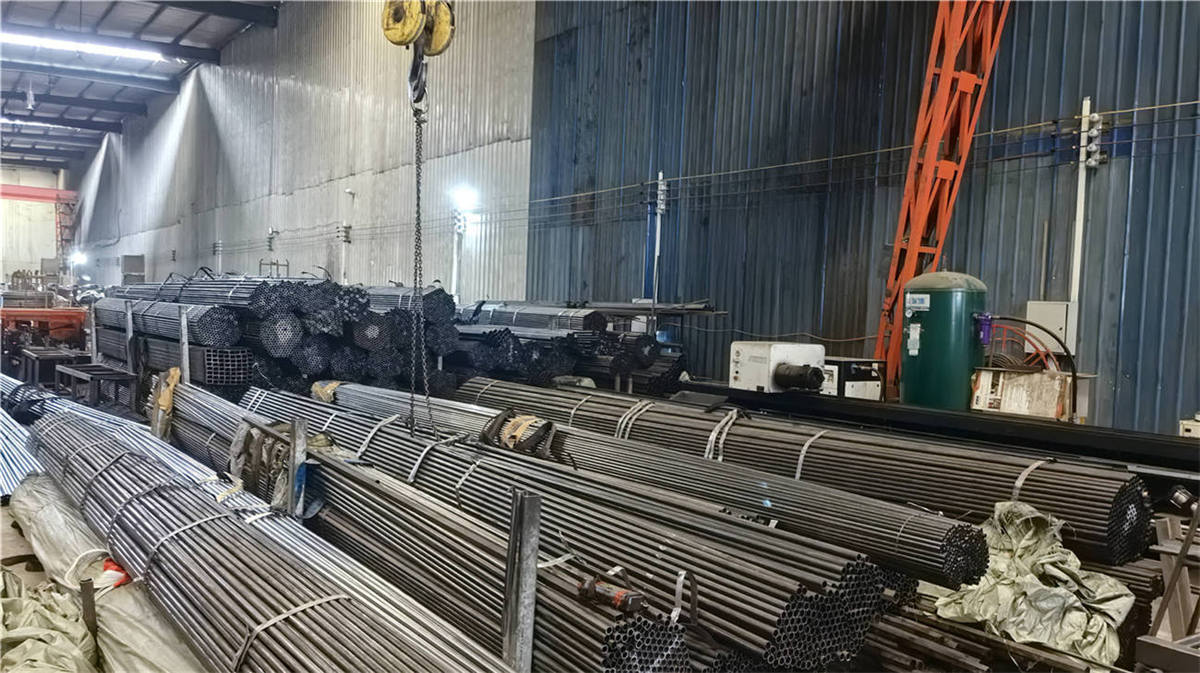
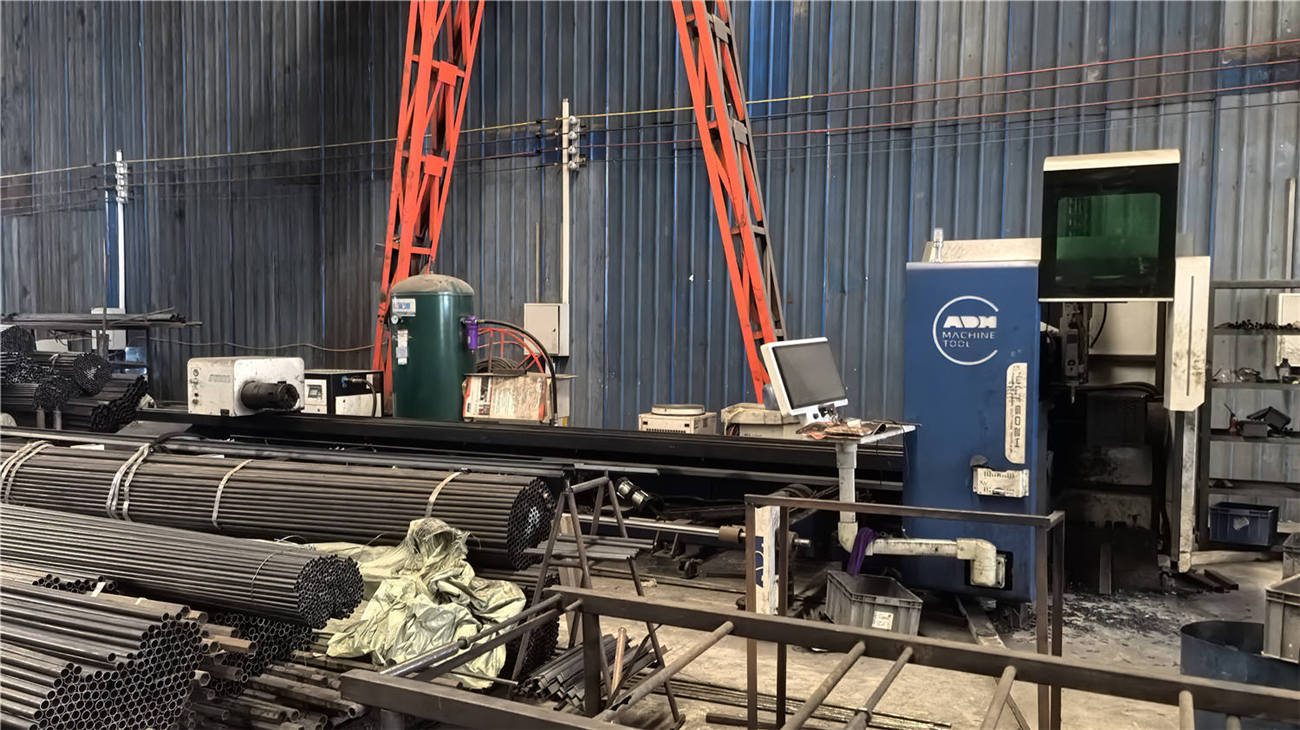
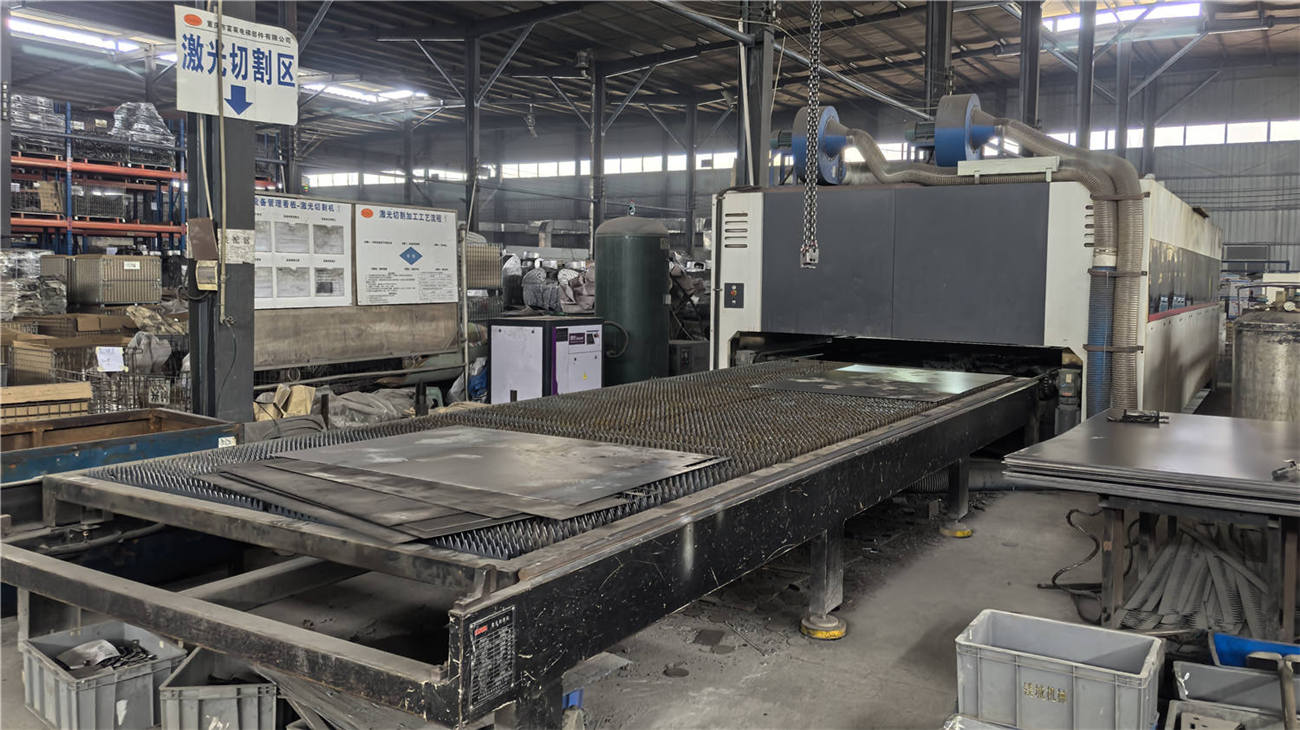
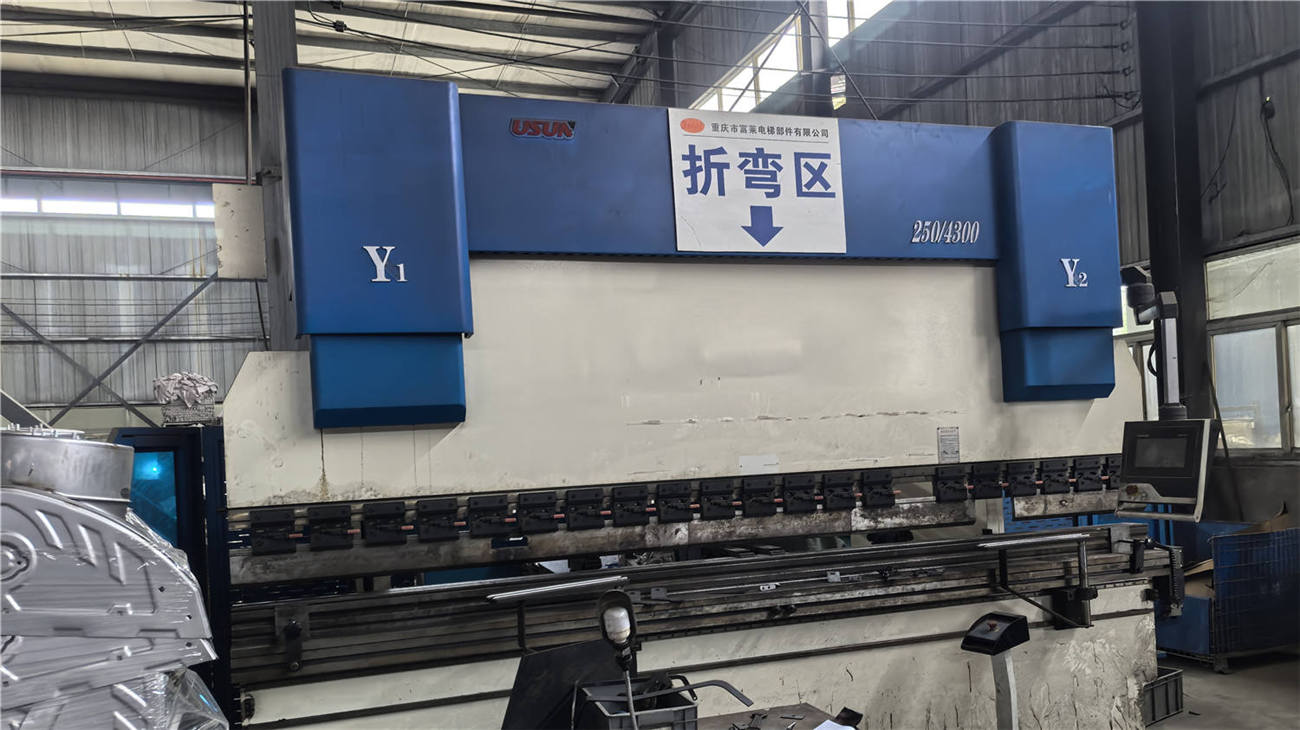
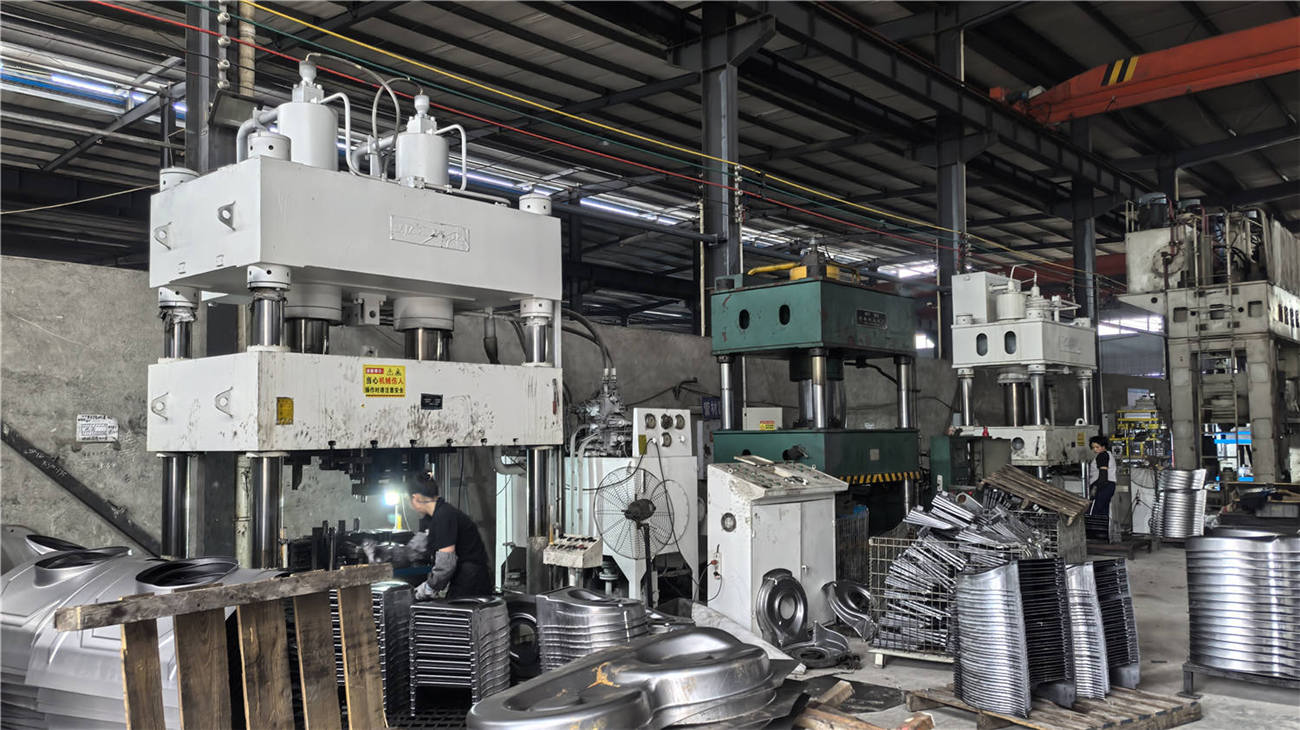
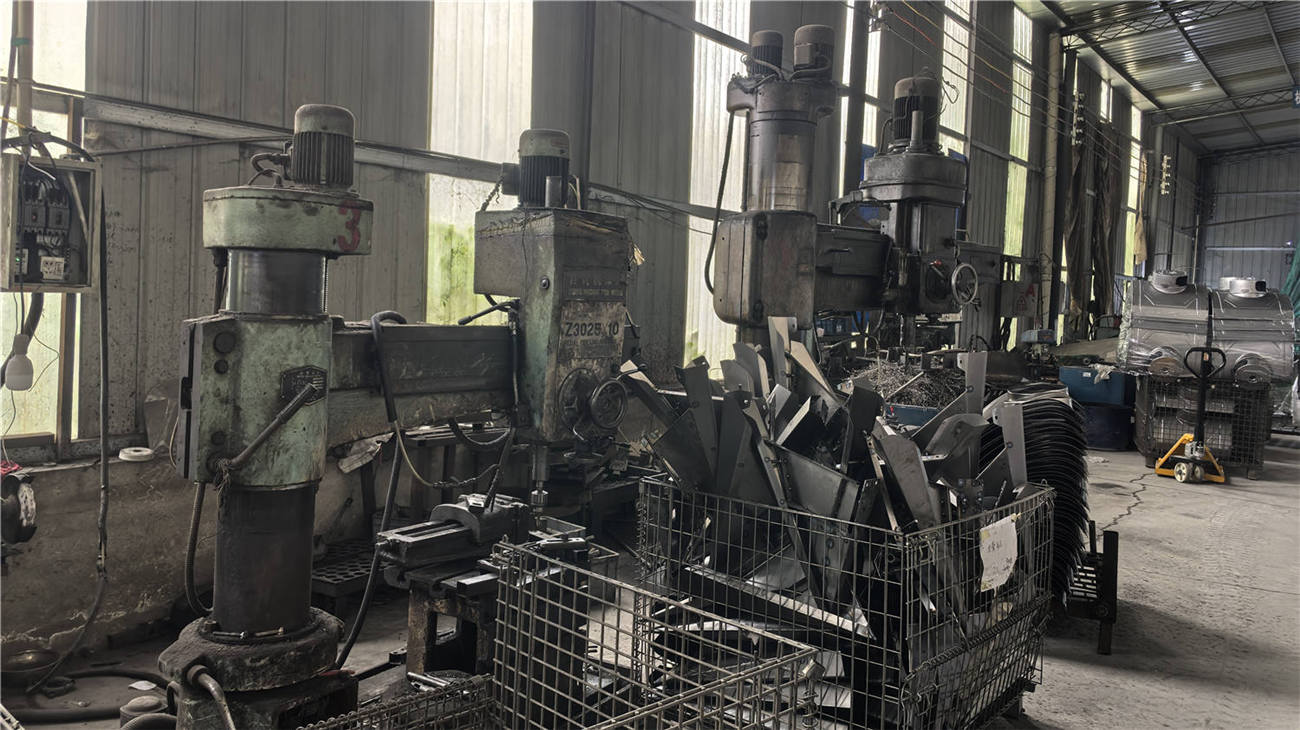
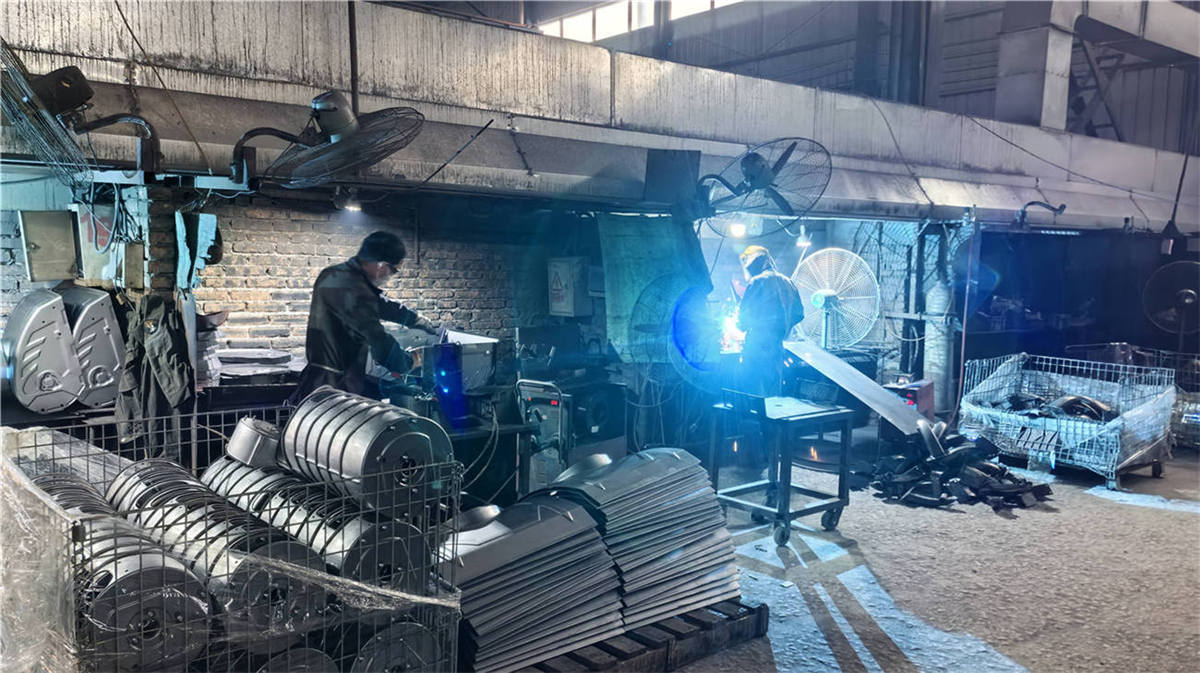
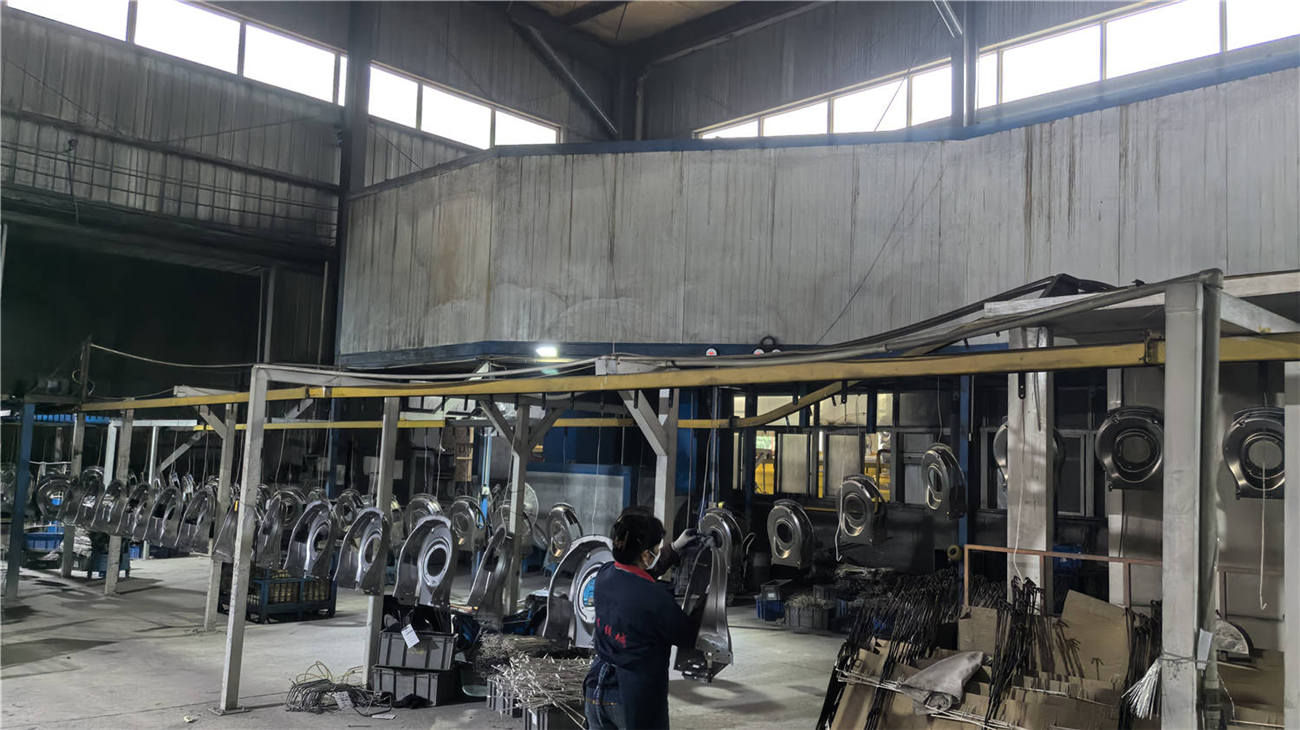
Weifang Gods Power Co., Ltd. is a specialized enterprise focused on the design, manufacturing, and distribution of diesel generator sets and backup power systems. Supported by a registered capital of 26 million yuan, the company operates advanced testing facilities, automated assembly lines, and mechanical processing workshops. Our workforce of over 200 skilled professionals, including a dedicated engineering division, ensures our products meet international quality and reliability standards.
Guided by a business approach centered on quality and engineering development, Weifang Gods Power integrates custom design, production, and sales to deliver backup power systems tailored to diverse client needs. Our goal is to provide reliable, efficient energy solutions that support sustainable development and operation across critical global industries.
We implement comprehensive quality control checks throughout the production process, from inspecting incoming raw materials to conducting load-bank and performance testing on completed assemblies. Our system is designed to verify that each generator set operates reliably under full load before dispatch, ensuring performance when needed.
Personnel
Capitalization
Expert answers addressing the design, operation, and integration of backup power systems.
Explore our range of heavy-duty commercial and residential backup power generation systems.
 Gods Power