Premium energy systems designed for continuous operation, critical backup, and complex micro-grid deployment globally.
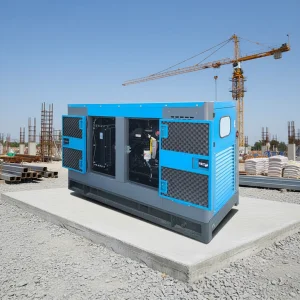
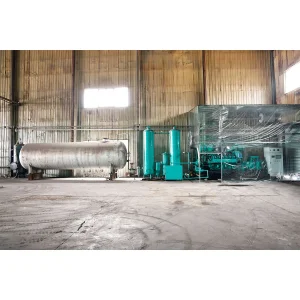
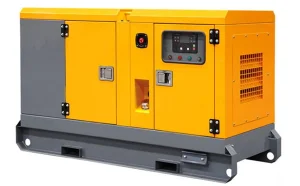
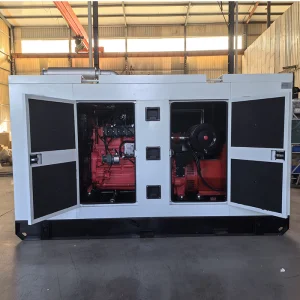
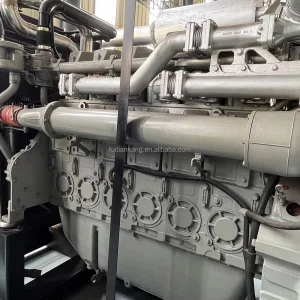
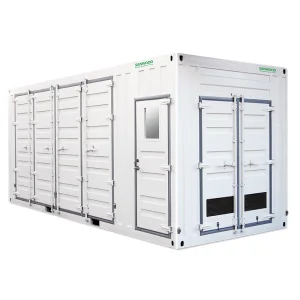
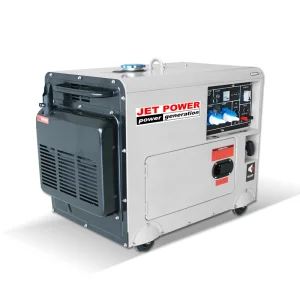
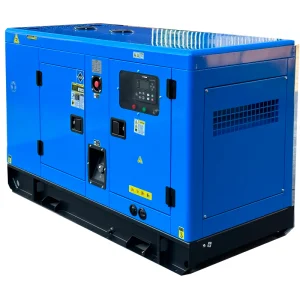
Analyzing the macro-economic forces, grid modernization pressures, and the role of localized air-cooled backup energy systems.
In the modern industrial landscape, energy continuity is no longer just a functional parameter; it is a vital pillar of business resilience. The global power system is undergoing a massive decentralization shift, driven by aging municipal grid infrastructures, the expansion of high-computing data centers, and extreme weather events that threaten standard transmission systems. Consequently, commercial operations, manufacturing factories, and essential infrastructure rely on robust local backup generators to mitigate risk.
Among various cooling topologies, air-cooled generator sets have carved out a critical niche. By eliminating the plumbing, radiator coolant leaks, and pump maintenance of liquid-cooled systems, air-cooled configurations present significant operational advantages in specific power bands. These systems are highly regarded for their mechanical simplicity, resistance to freezing temperatures, and minimal maintenance overhead, making them ideal for telecommunication relays, high-latitude commercial zones, and remote industrial outposts.
Globally, manufacturers are refining thermal dynamics to push the boundary of air-cooled generators. Traditionally confined to smaller residential units, modern engineering has enabled multi-cylinder air-cooled designs with optimized air duct flow, advanced thermal-conductive aluminum fin jackets, and sophisticated acoustic canopies. This allows units up to 20kW and beyond to operate continuously under harsh ambient conditions, challenging standard cooling paradigms and delivering significant capital expenditure (CAPEX) and operational expenditure (OPEX) savings over their operational lifecycle.
Exploring how air-cooled and multi-fuel backup units are integrated into distinct critical sectors.
Isolated cellular base stations require long-running power with minimal physical check-ups. High-efficiency air-cooled units operate reliably without the risk of radiator scale build-up or coolant evaporation in remote mountain ranges or desert outposts.
Integrating automatic transfer switches (ATS) allows localized generators to assume full facility electrical loads within seconds of grid disruption, maintaining life-support systems, medical refrigeration, and surgical lighting without interruption.
Modern farming systems depend on automated feeding, temperature regulation, and aeration. Sudden outages can ruin stocks. Dual-fuel gas and diesel generators provide the flexibility to run on local agricultural waste gases or propane/diesel reserves.
The integration of H-Class insulation systems on copper alternators ensures thermal resilience under maximum continuous loads. This provides safety parameters that conform to CE and UL certifications, preventing internal short circuits and thermal runaway during peak utility failures.
A global leader in high-performance power generation systems, utilizing state-of-the-art manufacturing and testing frameworks.
Weifang Gods Power Co., Ltd. is a leading enterprise specializing in the development, manufacturing, and sales of high-quality diesel generator sets. With a registered capital of 26 million yuan, the company is equipped with advanced testing facilities, complete product assembly lines, and sophisticated mechanical processing equipment. Weifang Gods Power employs over 200 skilled professionals and maintains a highly capable technical team, supported by a robust and mature quality management system, ensuring that every product meets the highest standards of reliability and performance.
As a technology-driven company, Weifang Gods Power is committed to continuous innovation and research, integrating product design, development, production, and sales to provide comprehensive power solutions tailored to customer needs. The company’s strategic goal is to be market-oriented, technologically advanced, and guided by honesty and integrity, while continuously strengthening its technical capabilities and service excellence.
Guided by the business philosophy of “unity, diligence, pragmatism, and innovation,” Weifang Gods Power emphasizes the importance of product quality, operational efficiency, and customer satisfaction. Every product is crafted with meticulous attention to detail, and the company provides comprehensive after-sales support to ensure long-term reliability and peace of mind for its clients.
Weifang Gods Power aims to create mutually beneficial and lasting partnerships with customers worldwide. Through a combination of advanced technology, professional expertise, and unwavering commitment to quality, the company strives to deliver cutting-edge energy solutions, drive innovation in the power industry, and contribute to sustainable development globally.
With a clear vision for the future, Weifang Gods Power continues to expand its global presence, uphold the highest standards of excellence, and deliver reliable, efficient, and environmentally responsible power solutions to meet the evolving demands of modern industries.
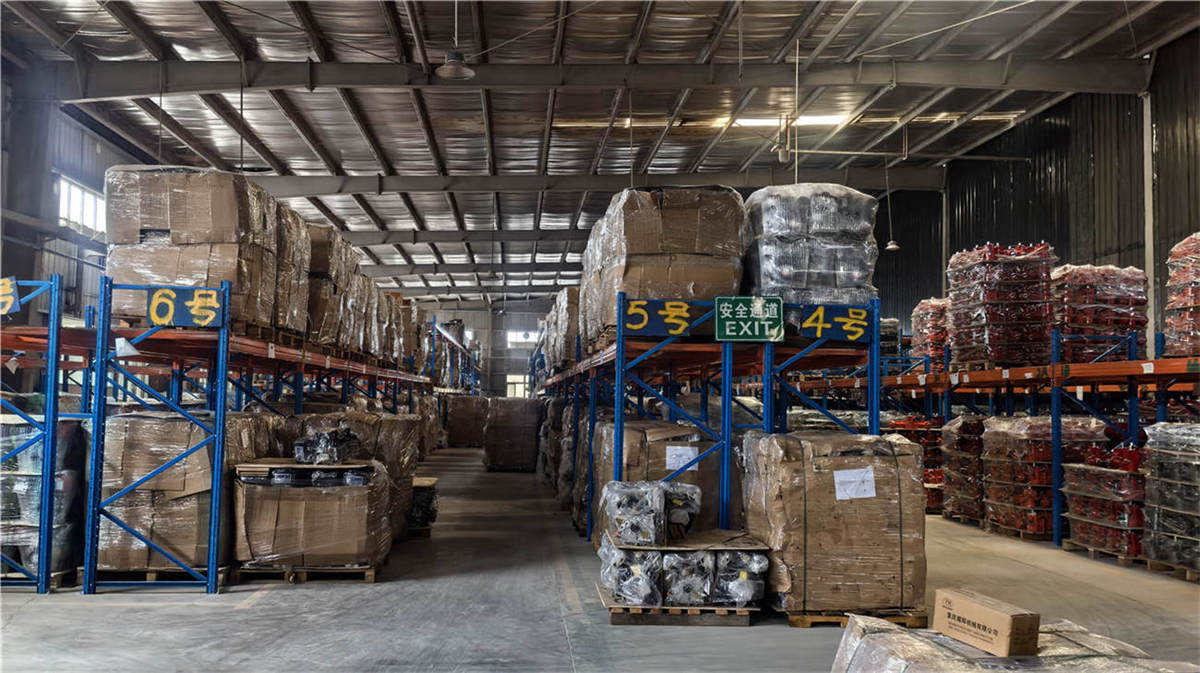
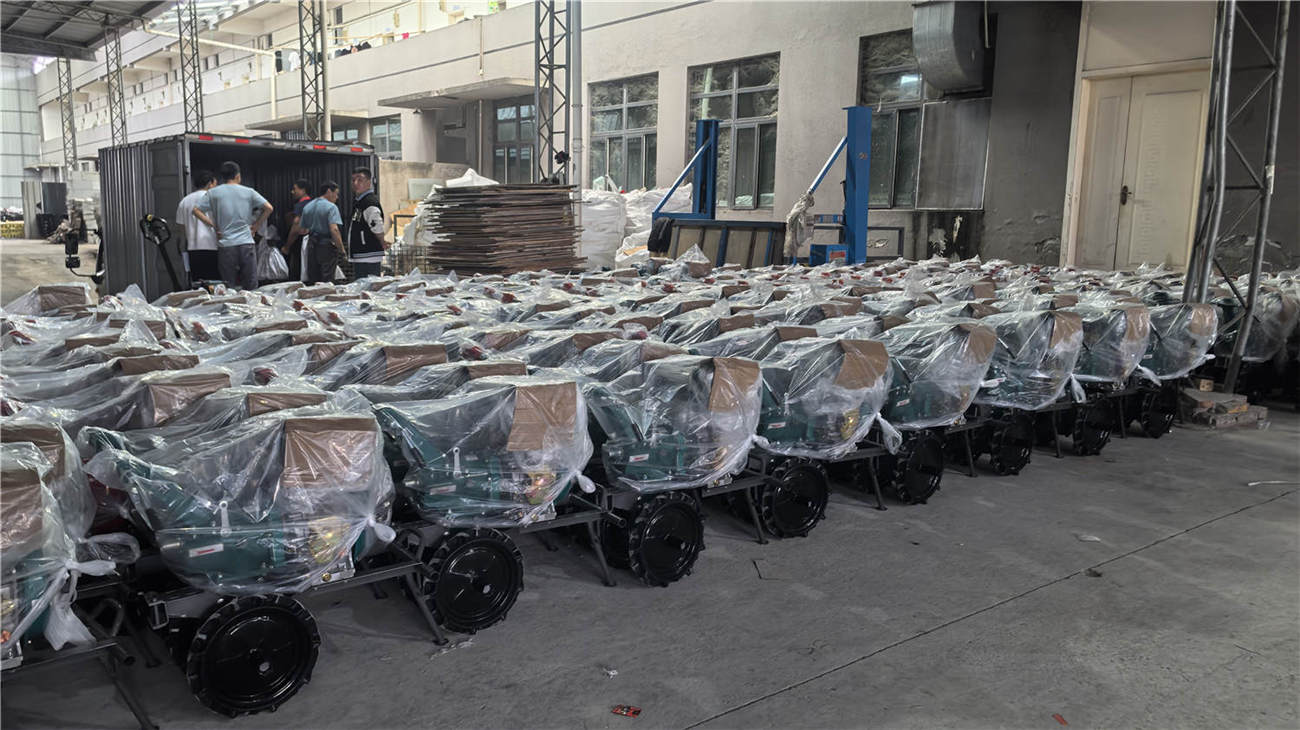
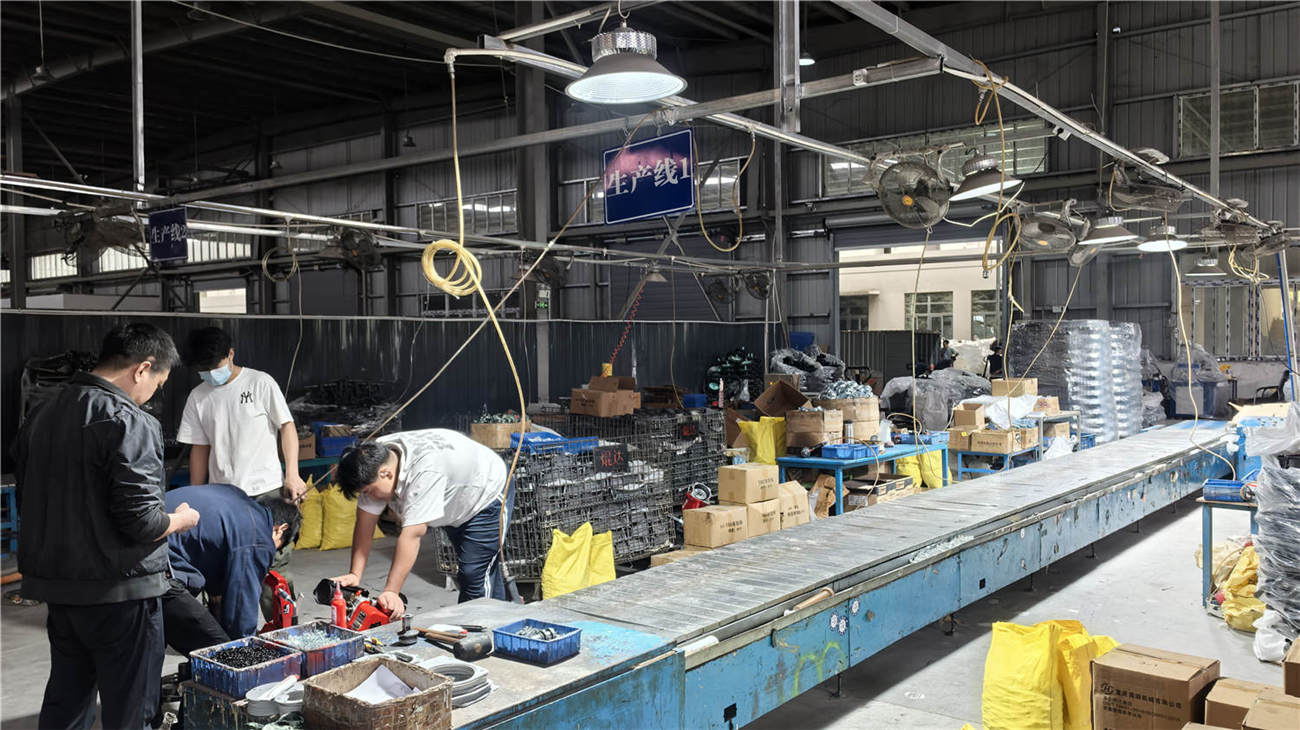
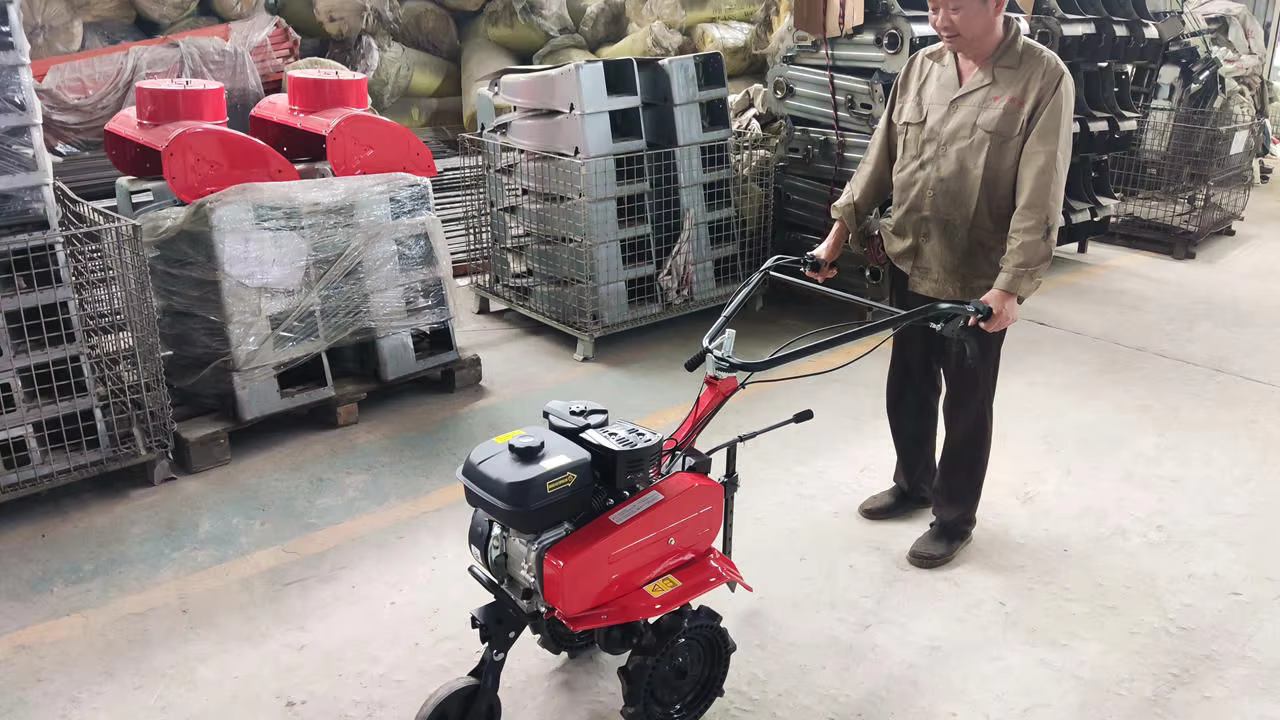
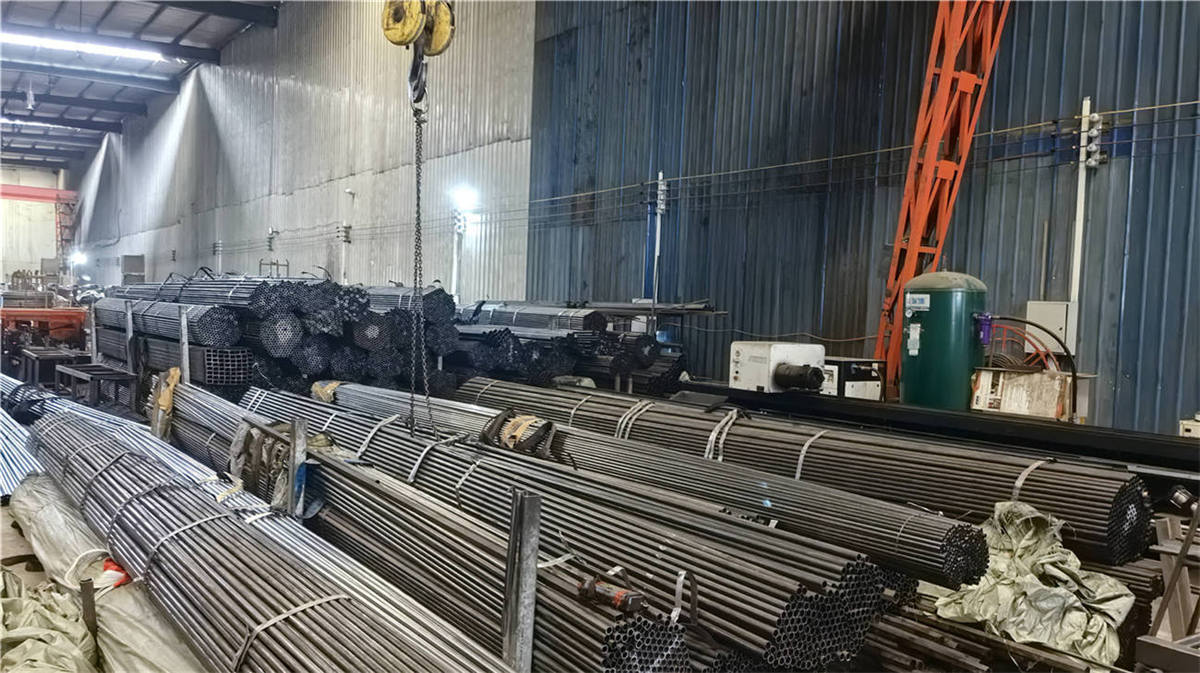
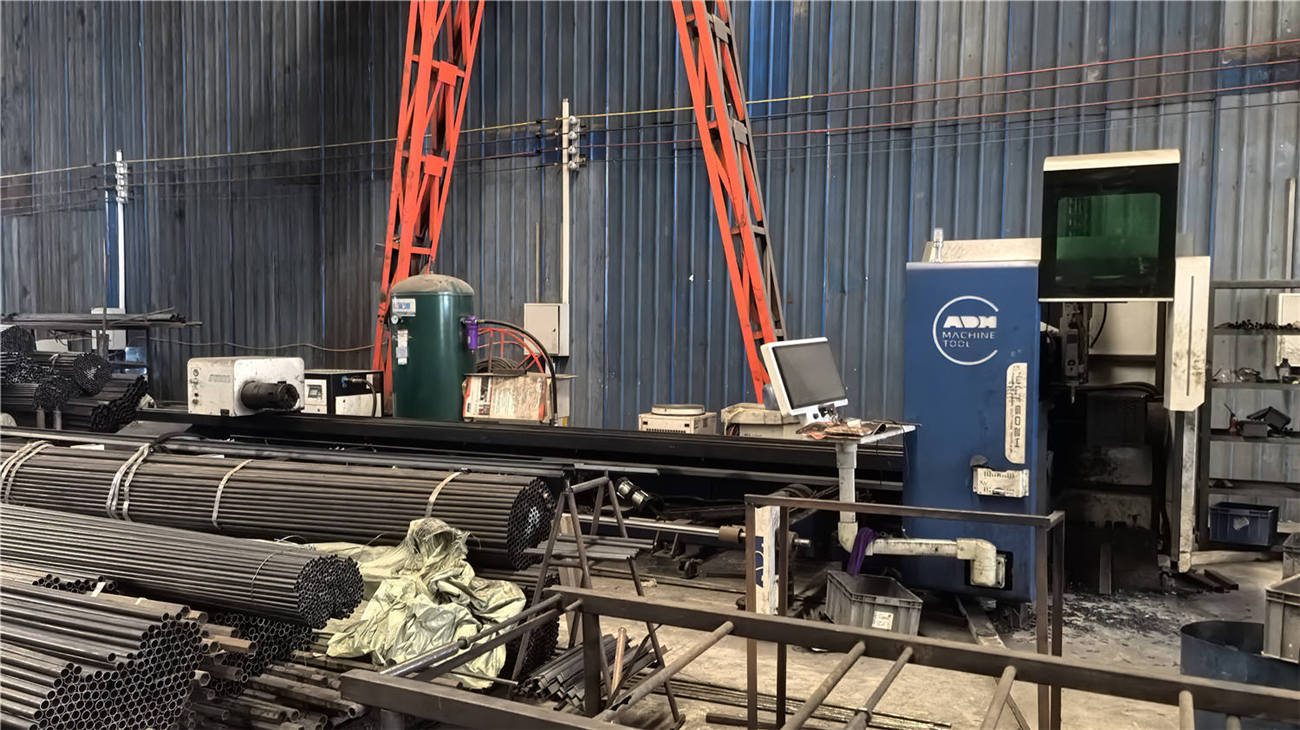
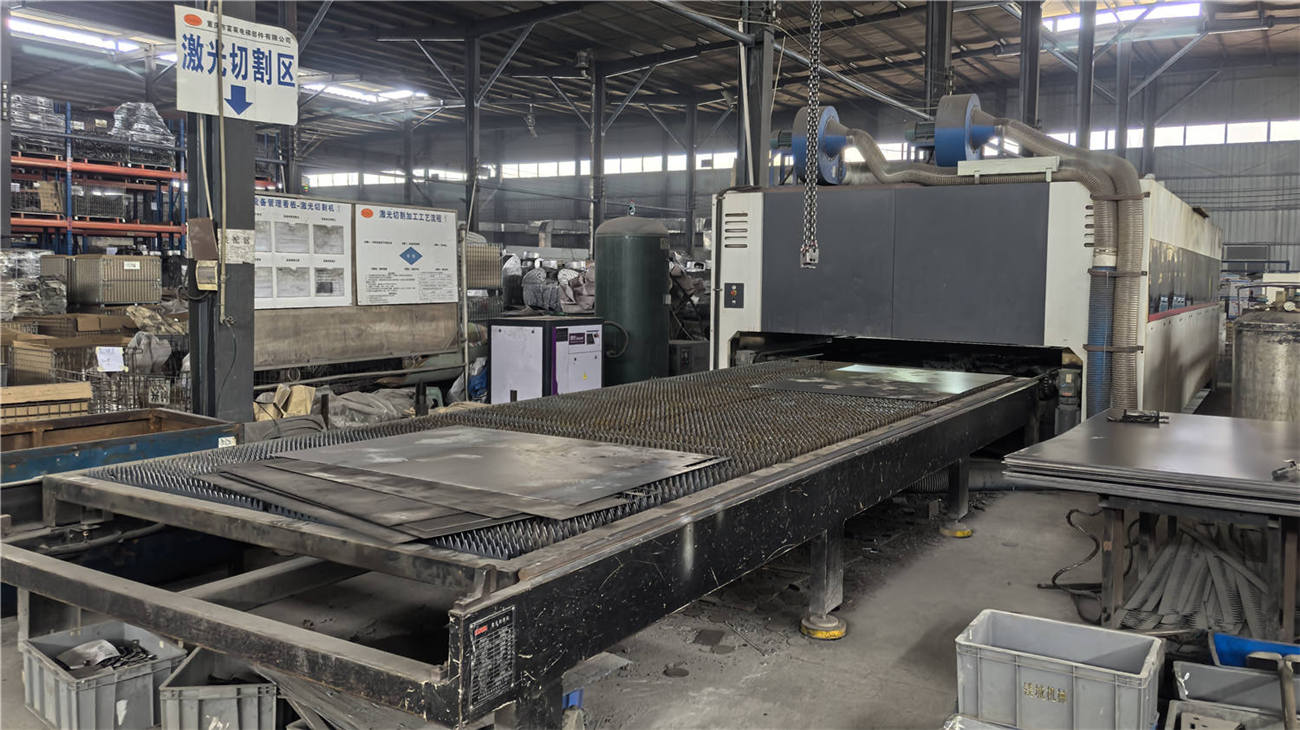
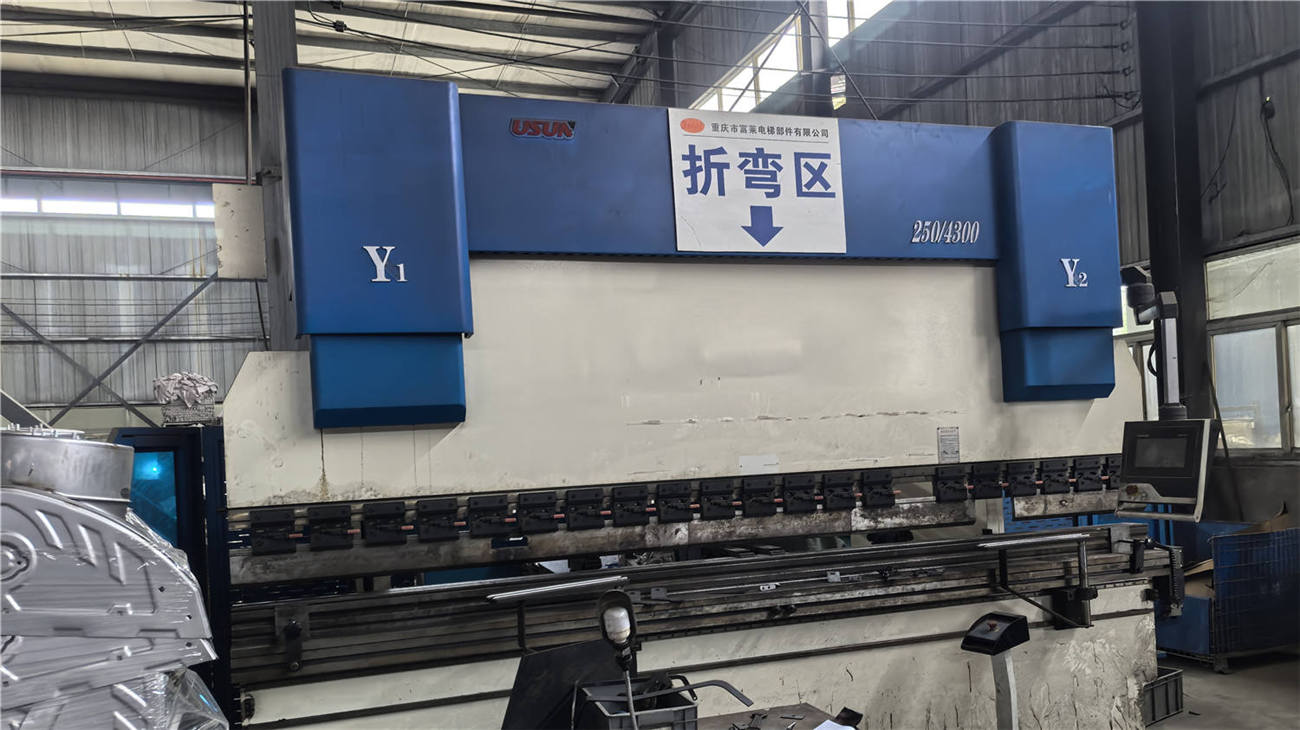
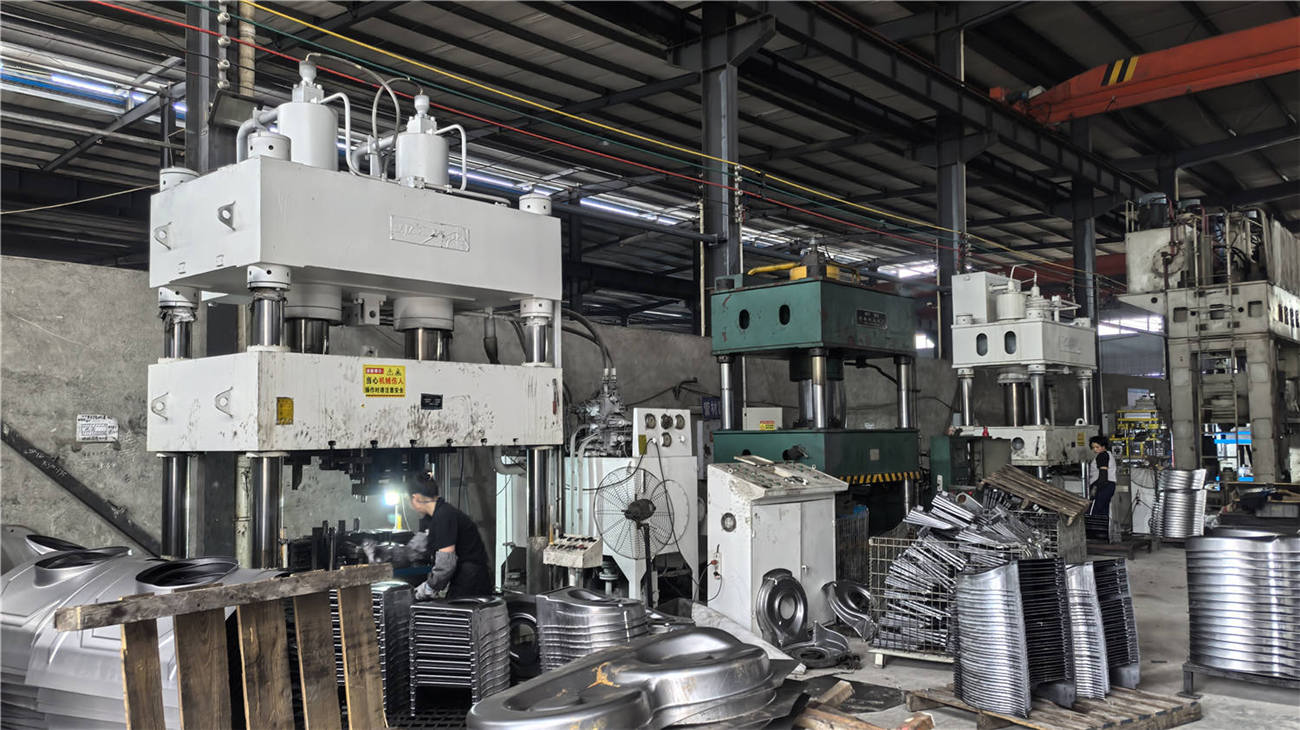
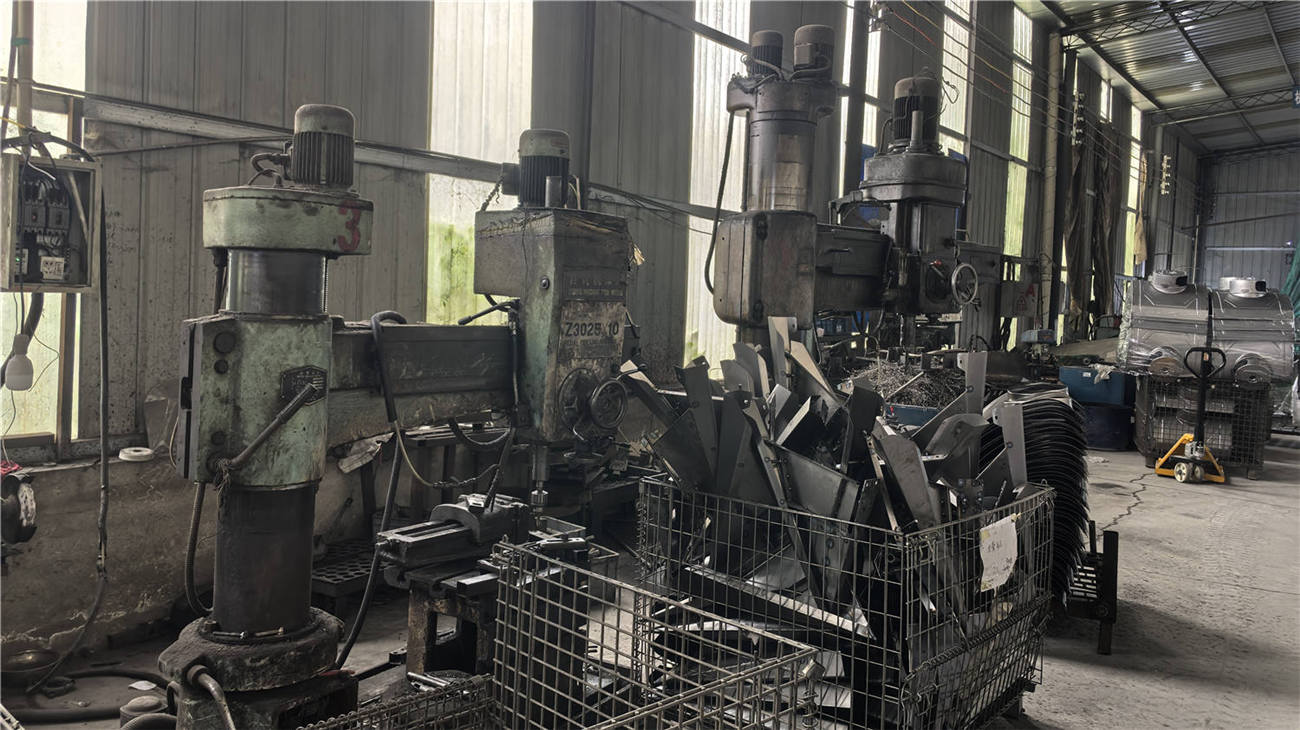
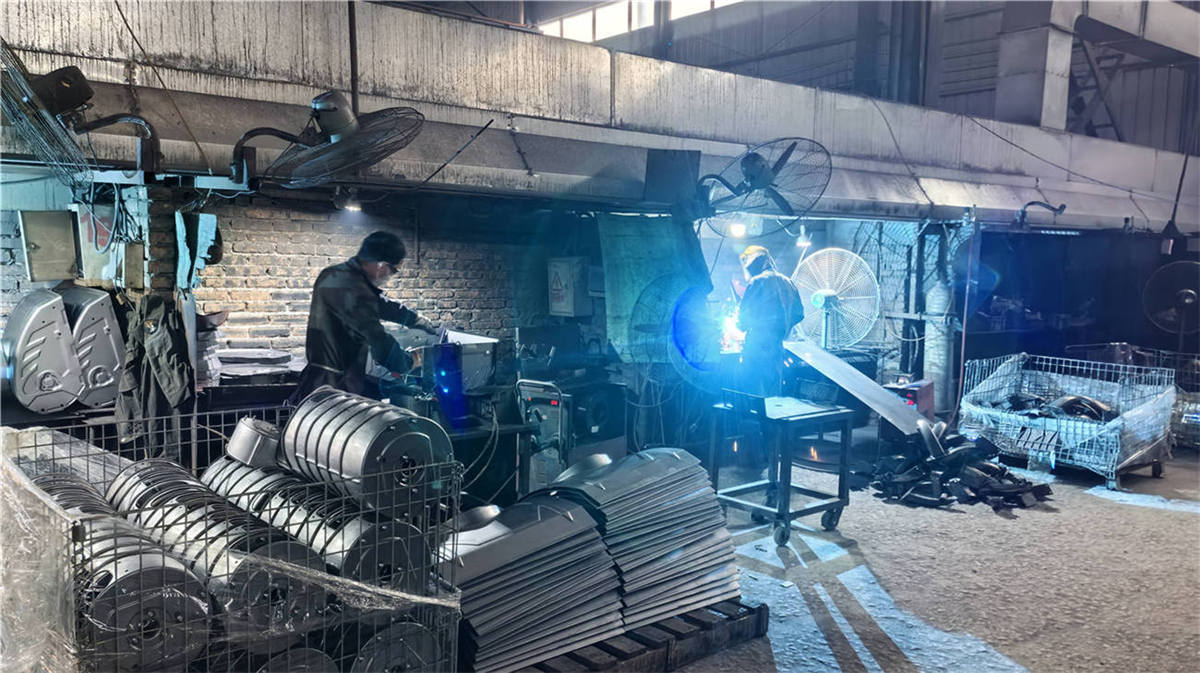
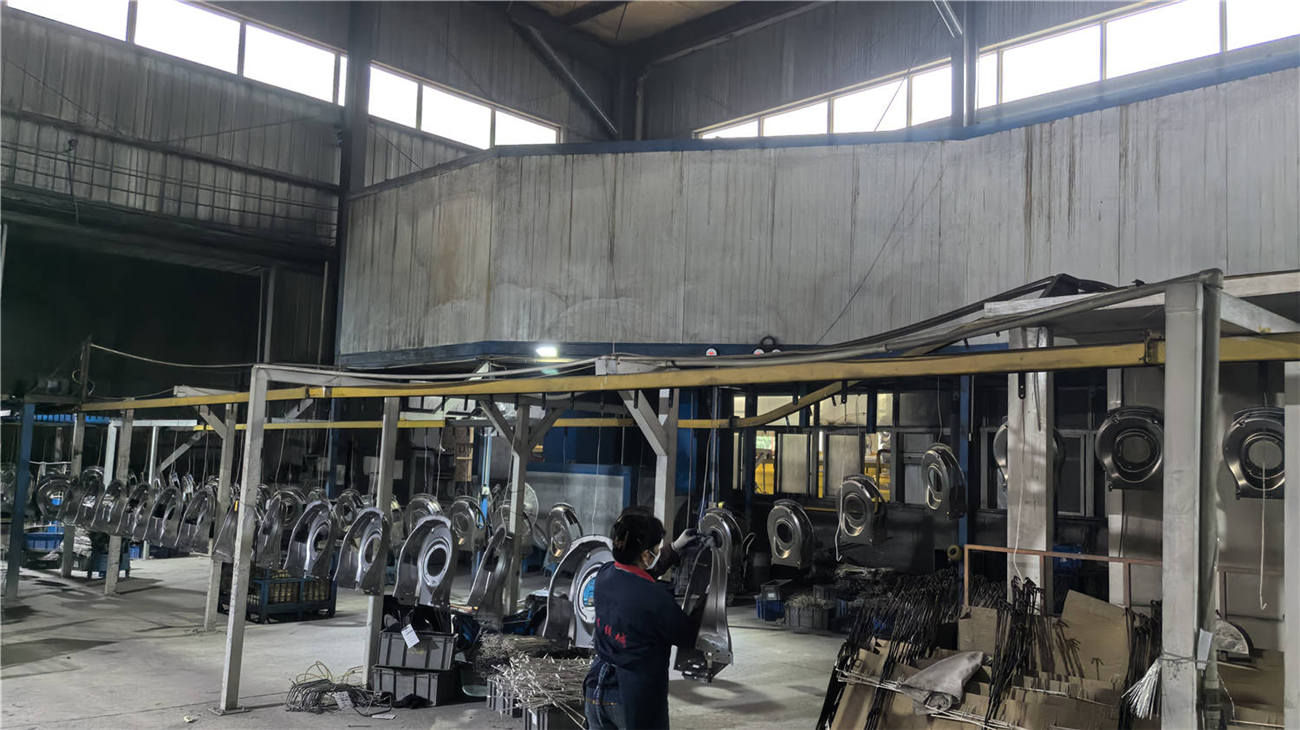
Touring the production facility steps that guarantee industrial-grade robustness and longevity for every unit.
Ensuring compliance with regional emissions standardizations, safety regulations, and smart-grid integration.
Shipping power generation systems internationally requires rigorous adherence to regional regulatory bodies. For European projects, compliance with CE (Conformité Européenne) directives and RoHS restrictions is essential. The UK market demands UKCA (UK Conformity Assessed) credentials, certifying compliance with localized British standards. For applications near urban centers, strict emissions laws—such as EPA Tier 4 in the United States and Euro Stage V in Europe—dictate engine configurations, forcing manufacturers to innovate around combustion efficiency and exhaust after-treatment.
Equally critical is localization engineering. Generators deployed in maritime environments require Eeda-level marinized coatings, anti-condensation space heaters, and specialized insulation to combat salt-air corrosion. In contrast, units running in high-dust agricultural zones need heavy-duty, multi-stage air filtration to prevent cylinder scouring. By engineering tailored solutions for specific microclimates, high-quality factories secure maximum operational uptime for global industrial clients.
Protects nearby telecommunications, high-frequency transmitters, and medical equipment from electrical noise generated by high-power alternators.
Provides 50Hz/60Hz switchable configurations, enabling swift redeployment across different country grids and multi-regional infrastructure projects.
Automates phase matching and safe transitions during utility failures, protecting sensitive industrial electronics from voltage spikes.
How the integration of hydrogen blends, bio-fuels, and localized battery storage systems (ESS) is shaping the next decade of power.
The global backup power landscape is rapidly evolving from stand-alone fossil fuel engines to integrated hybrid power centers. The next decade will see generator systems operating alongside localized Containerized Energy Storage Systems (ESS). In this configuration, lithium-iron-phosphate (LFP) battery packs handle transient load surges instantly, while an air-cooled or natural gas generator fires up to supply sustained power. This integration reduces engine start-stop cycles, optimizes fuel economy, and extends the overall mechanical life of the generator set.
Furthermore, research is rapidly advancing in dual-fuel and multi-fuel combustion engines. Future generator engines will support high-blend hydrogen-methane gases, biogas derived from agricultural landfills, and synthetic green diesels. These developments enable industrial complexes to transition toward net-zero targets while retaining the instant, reliable, grid-independent backup power that only a dedicated combustion engine and alternator system can deliver.
The integration of IoT gateways and AI-driven predictive maintenance models allows future generators to report sensor anomalies (vibration, heat signature variations, oil viscosity breakdown indicators) directly to operators before mechanical failures occur, bringing unplanned downtime to zero.
Expert engineering answers addressing common technical queries regarding air-cooled and backup generators.
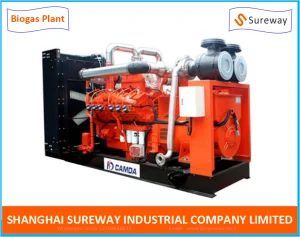
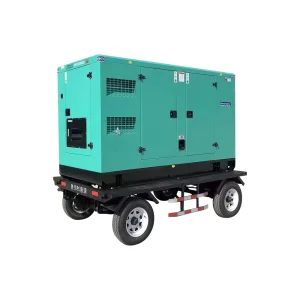
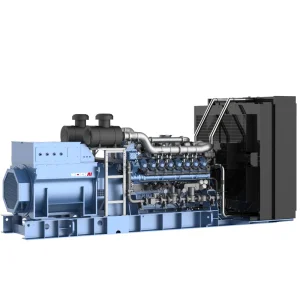
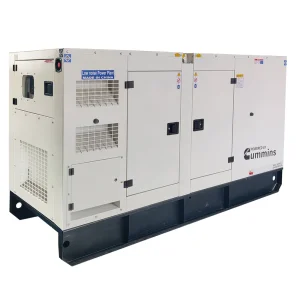
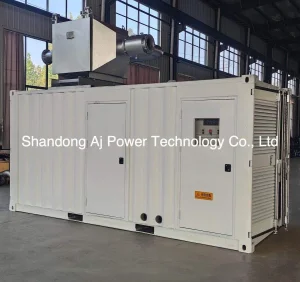
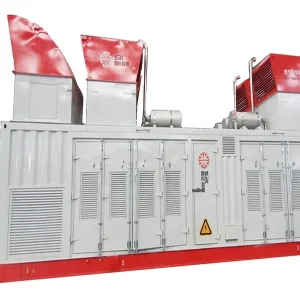
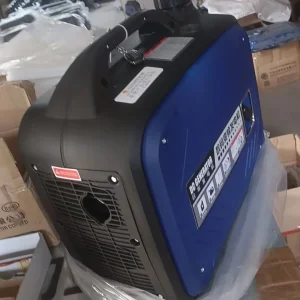
High-efficiency diesel, natural gas, and containerized power plants ready for international distribution.
 Gods Power