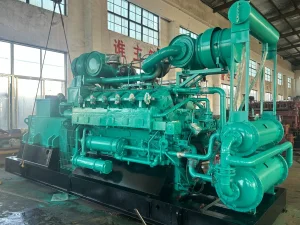
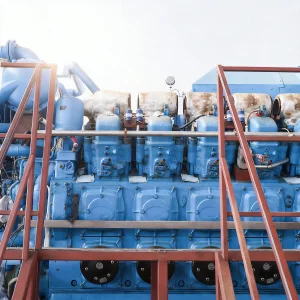
Premium grade, multi-gas capable configurations configured for critical installations including alpine data centers, municipal utilities, and Swiss hospitals.
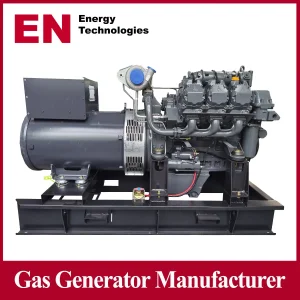
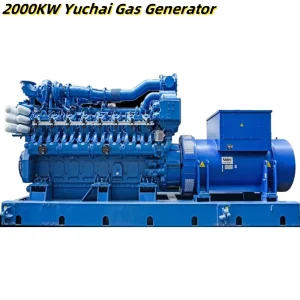
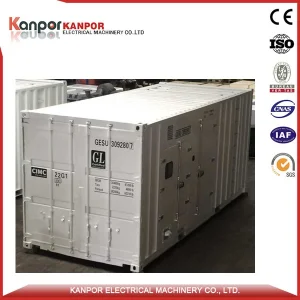
Switzerland stands at a critical juncture in its energy transition. With the phased decommissioning of nuclear power plants under the **Energy Strategy 2050** and the growing volatility of hydro-power reservoirs due to changing alpine weather patterns, Switzerland is facing seasonal electricity shortfalls, particularly during the winter months. To counter this, the Swiss Federal Council has heavily emphasized the establishment of emergency reserves, peak-shaving systems, and decentralized combined heat and power (CHP) installations.
In Switzerland, energy reliability is strictly paired with environmental compliance. The Swiss Federal Office for the Environment (FOEN / OFEV) enforces some of the world's most stringent clean air ordinances (OPair / LRV). Standard diesel generators run the risk of exceeding permissible NOx and particulate emissions, especially during extended runtime scenarios. Advanced dual-fuel generators resolve this structural conflict. They burn a mixture of clean gaseous fuel (typically 70% to 90% gas substitution rate) and a minimal pilot injection of diesel for ignition. This tech pathway results in a drastic reduction in greenhouse gases, particulate matter (PM), and sulfur oxides, perfectly aligning with Swiss federal climate policies.
Globally, the dual-fuel generator set market is expanding rapidly, fueled by the demand for fuel resilience and the expansion of the natural gas pipeline grid. As global exporters, we understand the specific nuances that set Swiss imports apart from standard European distributions. Switzerland does not merely adopt CE markings blindly; Swiss engineers demand rigorous validation of electrical safety (ESTI compliance), grid synchronization alignment with Swissgrid code regulations, and acoustic attenuation suitable for alpine valleys where noise echoes are heavily amplified.
The shift from traditional heavy-industry combustion engines towards high-speed, digitally managed dual-fuel sets is driven by dynamic pricing structures in the gas markets. During peak energy hours in Zurich, Geneva, or Basel, industrial facilities can deploy dual-fuel generators to sell power back to local distribution networks (grid feedback) using the cheapest available fuel source, executing real-time economic arbitrage between diesel, gas, and grid electricity.
The engineering behind dual-fuel system controllers is evolving towards complete digitization. Our current development pipeline introduces features optimized for both Swiss and international technical standards:
Real-time monitoring of gas quality fluctuations. The system automatically adjusts gas admission timing to prevent engine knocking under variable methane content in sewage or wood gas inputs.
Future-proofing industrial systems by allowing up to 20-30% hydrogen blending into standard natural gas streams without structural modification to the combustion chambers.
Highly compact Selective Catalytic Reduction (SCR) systems and Diesel Particulate Filters (DPF) engineered to reduce NOx emissions below the stringent Swiss LRV thresholds.
Dual-fuel generator sets provide tailored technical responses to unique Swiss geographic and infrastructural challenges:
Transitioning to dual-fuel technology is a practical intermediate step toward net-zero industrial targets. Our systems enable companies to reduce carbon outputs today without committing massive capital expenditures to non-existent hydrogen infrastructures or high-risk battery storage systems.
By utilizing dual-fuel sets, industrial operators gain the flexibility to purchase gas when rates are favorable and shift to diesel pilot fuel whenever gas line availability is constrained due to regional allocation protocols. This dual-redundancy model mitigates geopolitical and supply chain risks in Europe, providing a secure energy buffer for Swiss manufacturing lines, pharmaceutical cleanrooms, and chemical processing facilities.
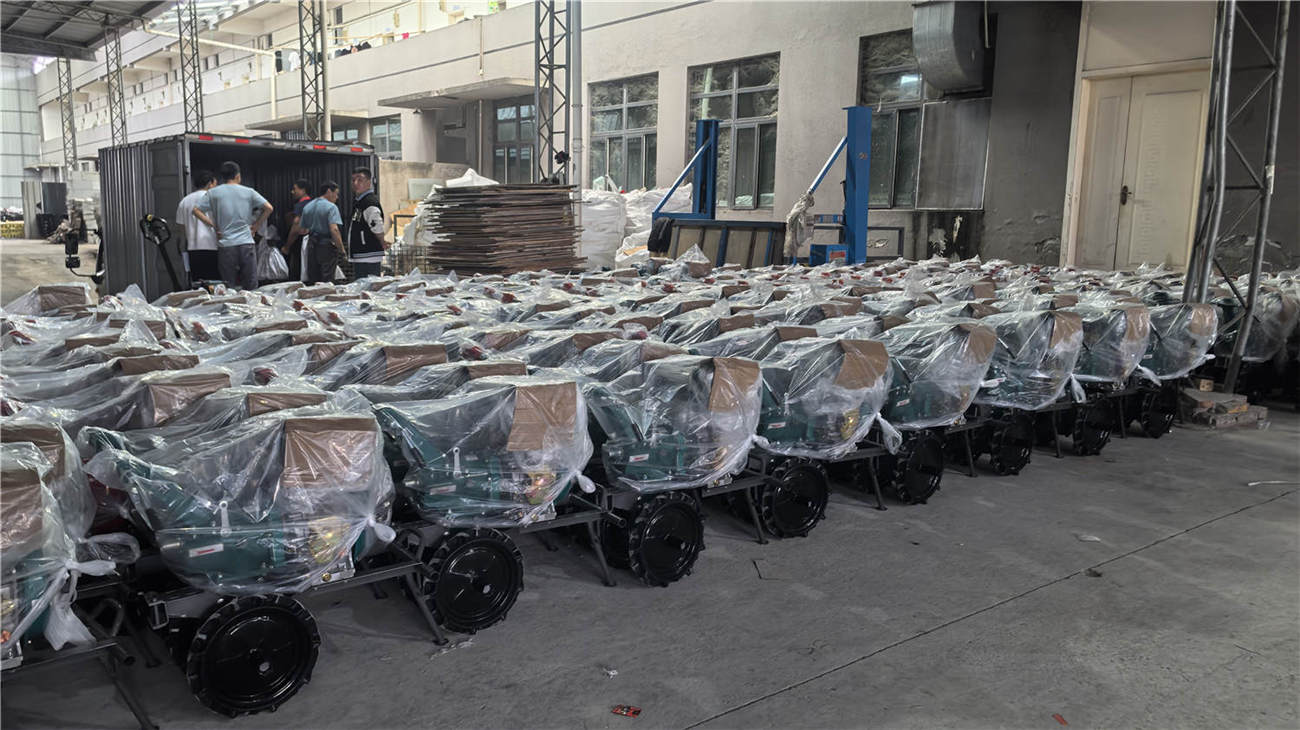
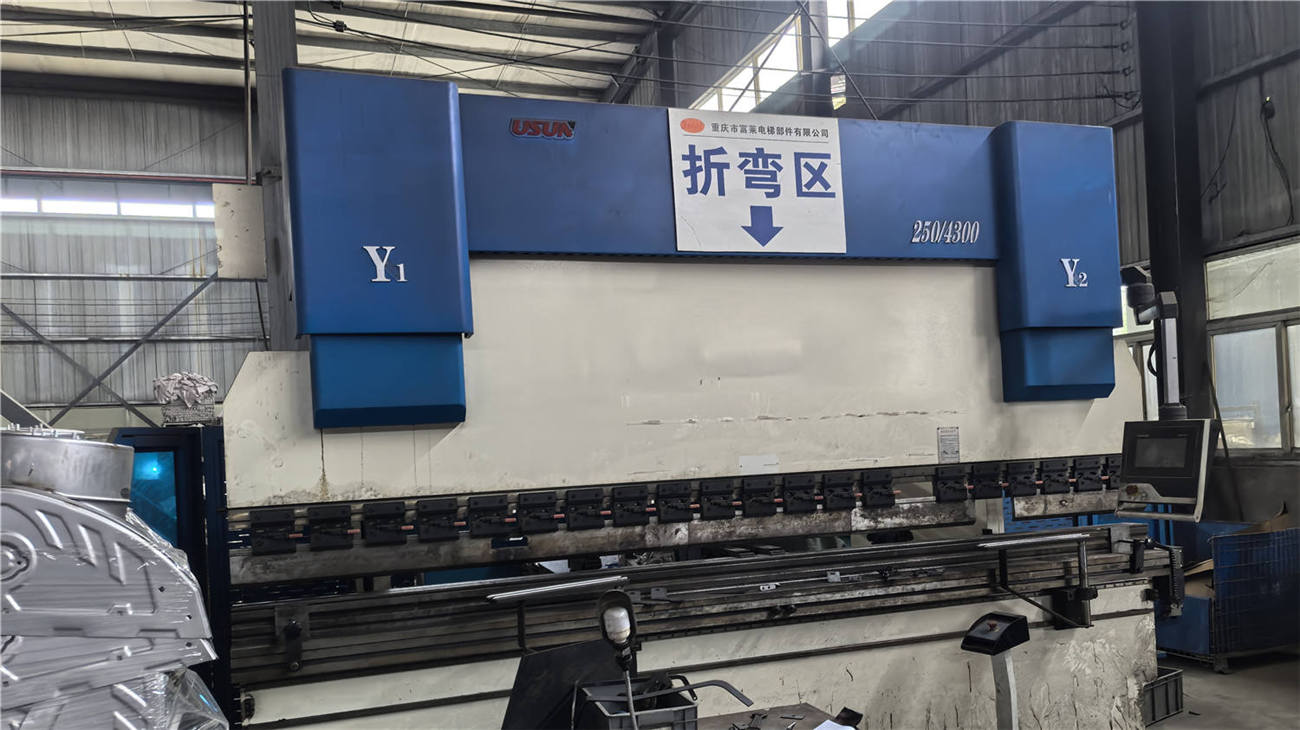
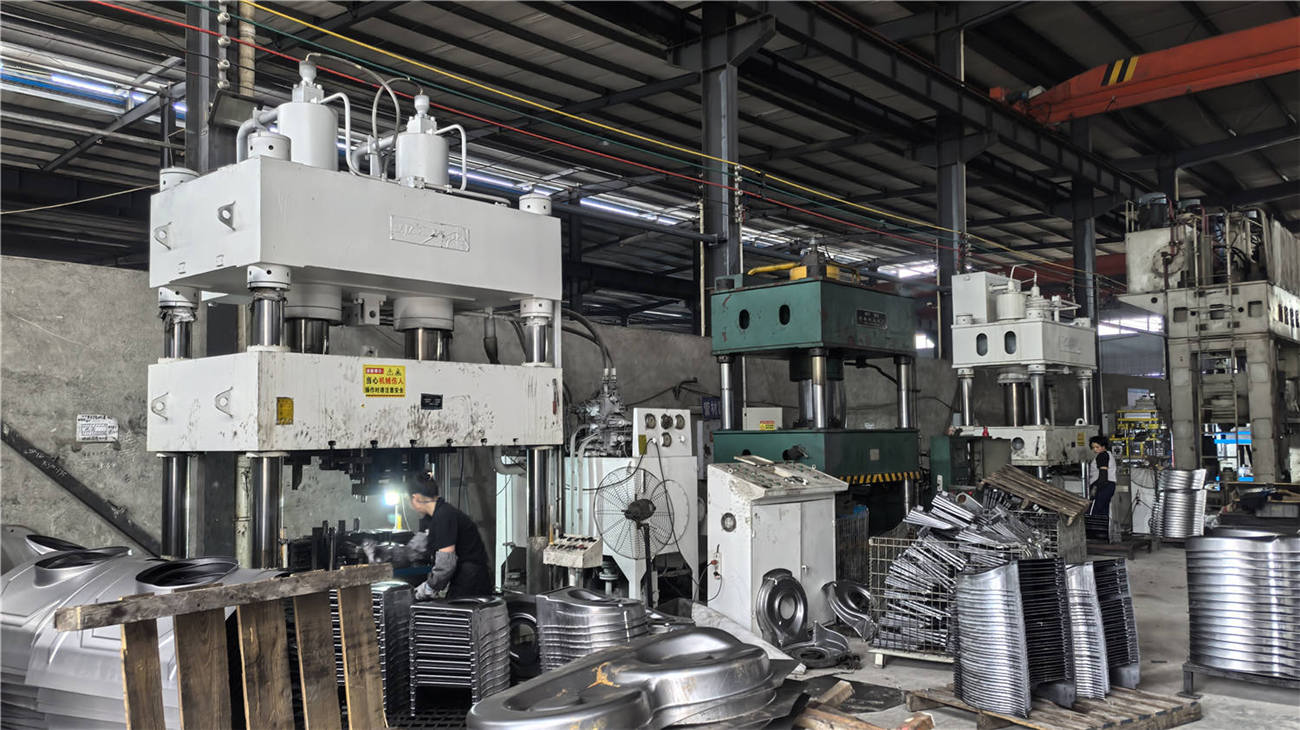
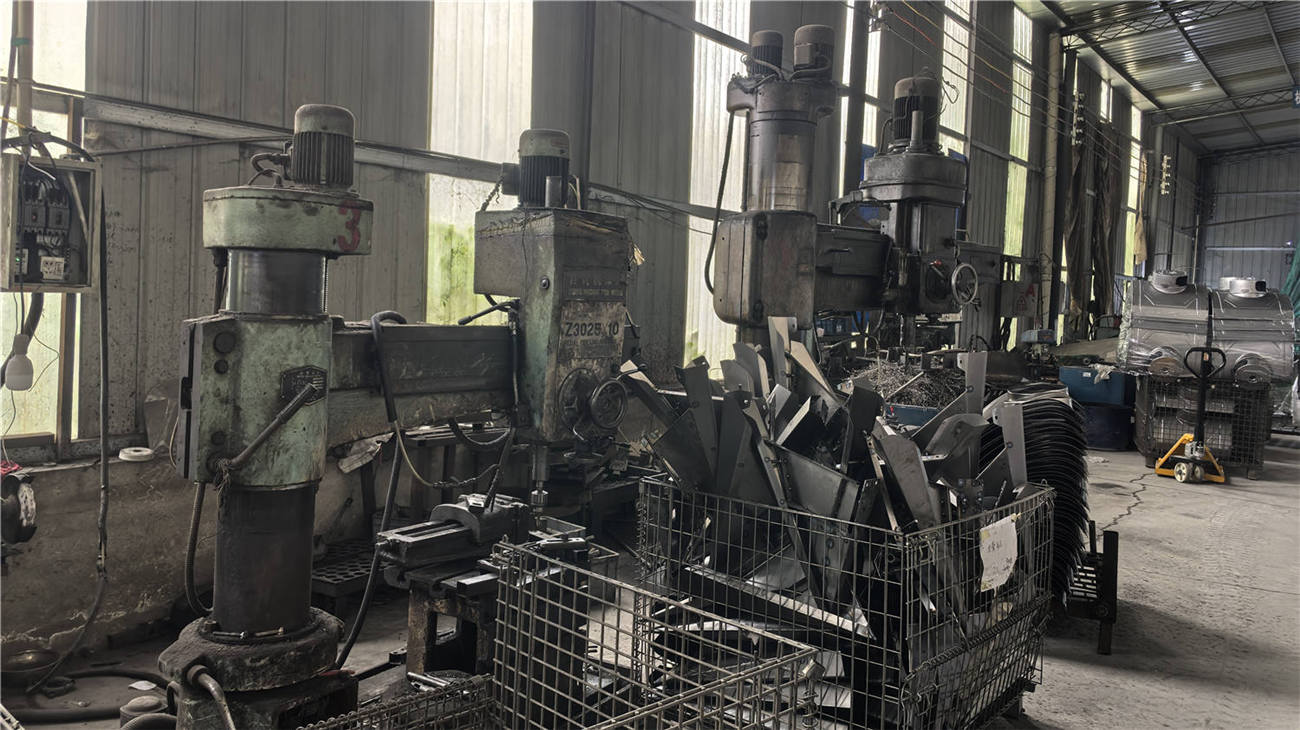
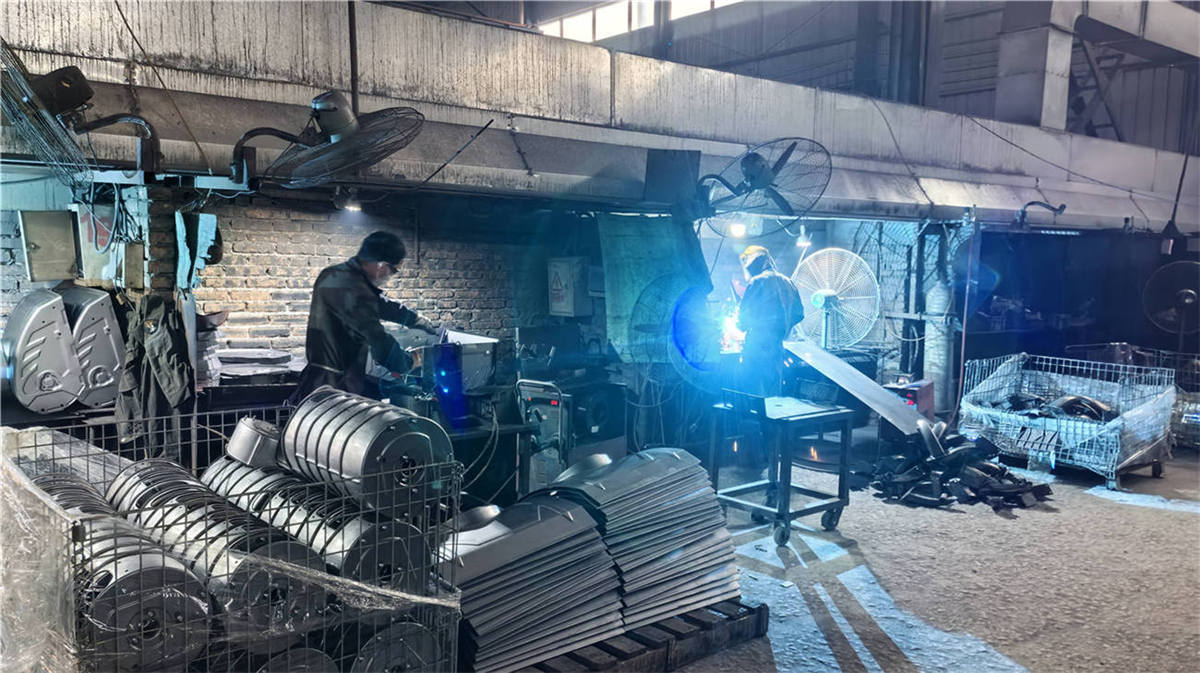
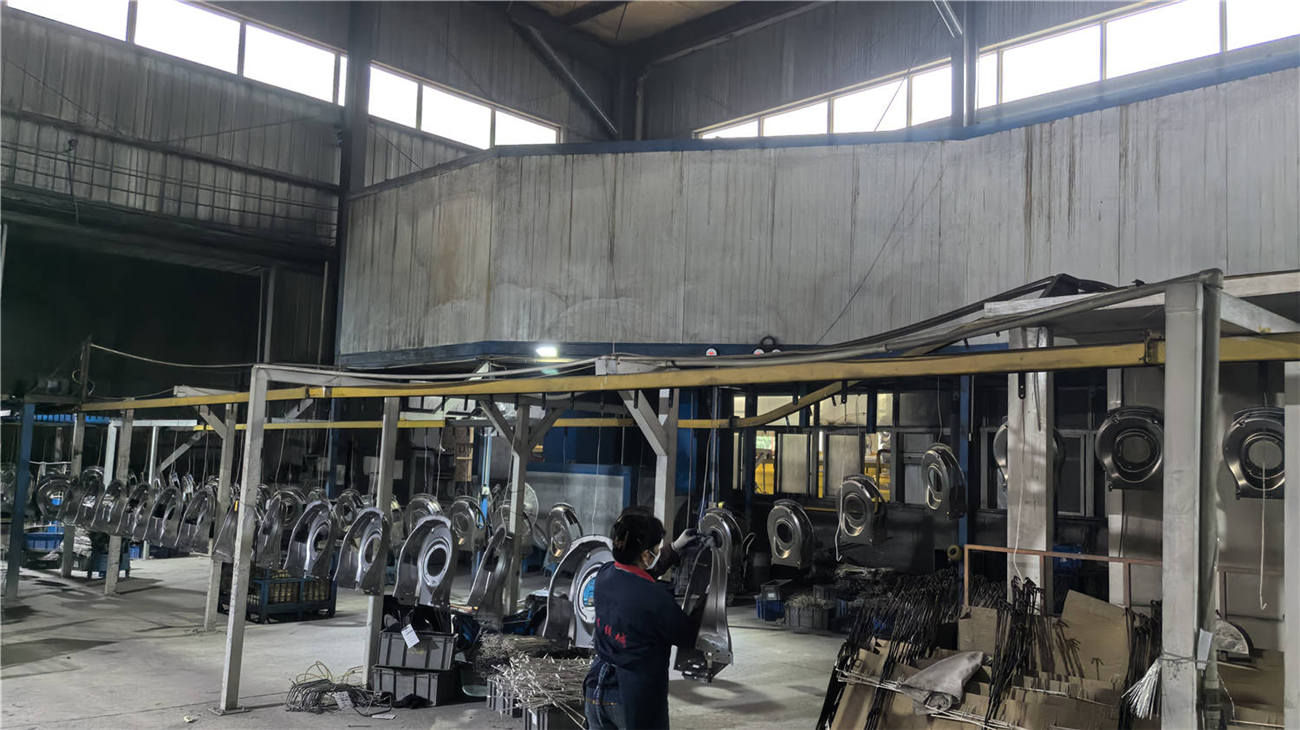
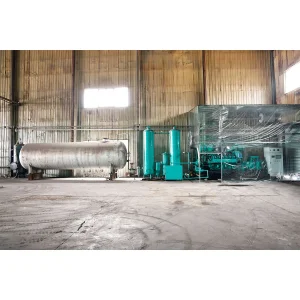
Weifang Gods Power Co., Ltd. is a leading enterprise specializing in the development, manufacturing, and sales of high-quality power generator sets. Let us take you through our advanced production pipeline supplying global markets including Switzerland.
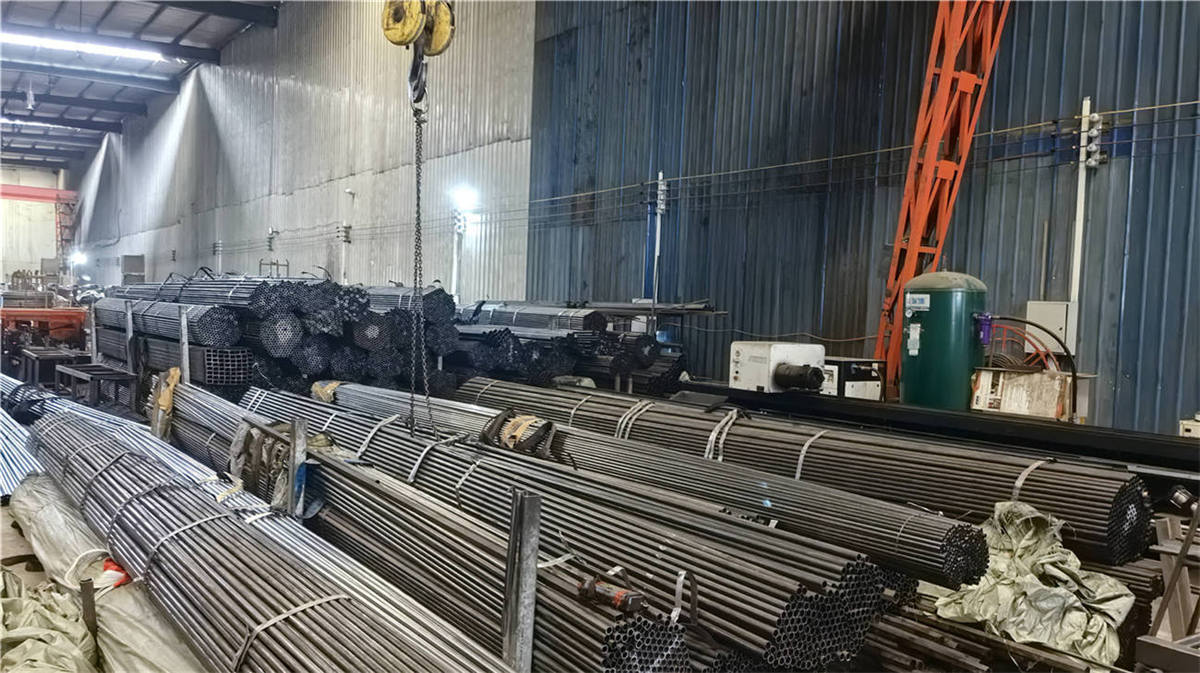
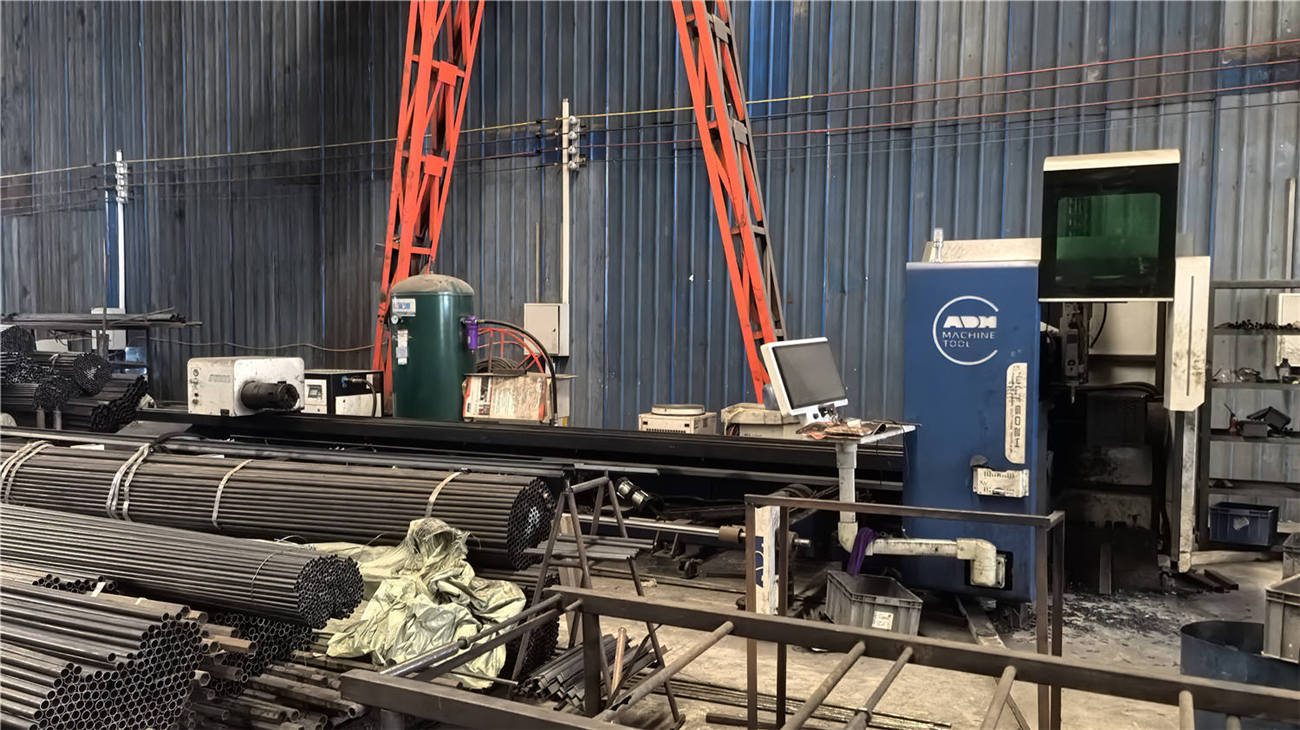
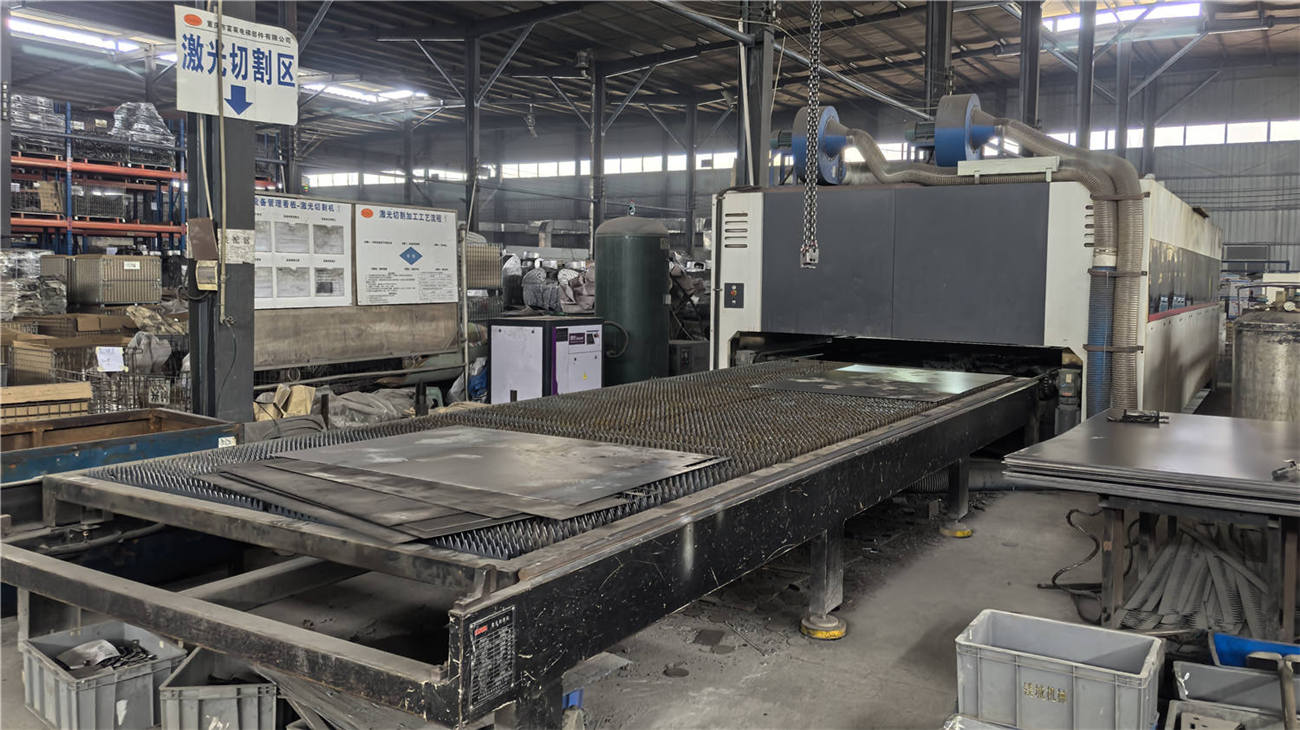
With a registered capital of 26 million yuan, Weifang Gods Power Co., Ltd. is fully equipped with advanced testing facilities, complete product assembly lines, and sophisticated mechanical processing equipment. We employ over 200 skilled professionals and maintain a highly capable technical team, supported by a robust and mature quality management system, ensuring that every product meets the highest standards of reliability and performance.
As a technology-driven company, Weifang Gods Power is committed to continuous innovation and research, integrating product design, development, production, and sales to provide comprehensive power solutions tailored to customer needs. The company's strategic goal is to be market-oriented, technologically advanced, and guided by honesty and integrity, while continuously strengthening its technical capabilities and service excellence.
Guided by our business philosophy of "unity, diligence, pragmatism, and innovation," Weifang Gods Power emphasizes the importance of product quality, operational efficiency, and customer satisfaction. Every product is crafted with meticulous attention to detail, and we provide comprehensive after-sales support to ensure long-term reliability and peace of mind for our clients worldwide, especially under strict European and Swiss standards.
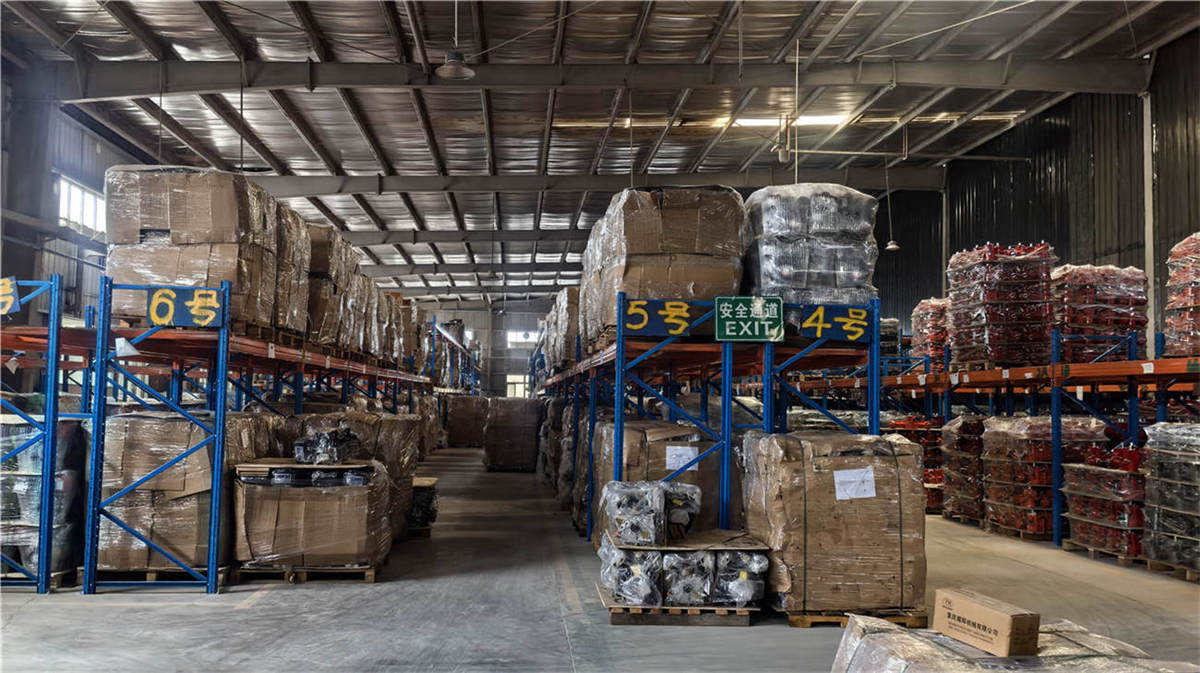
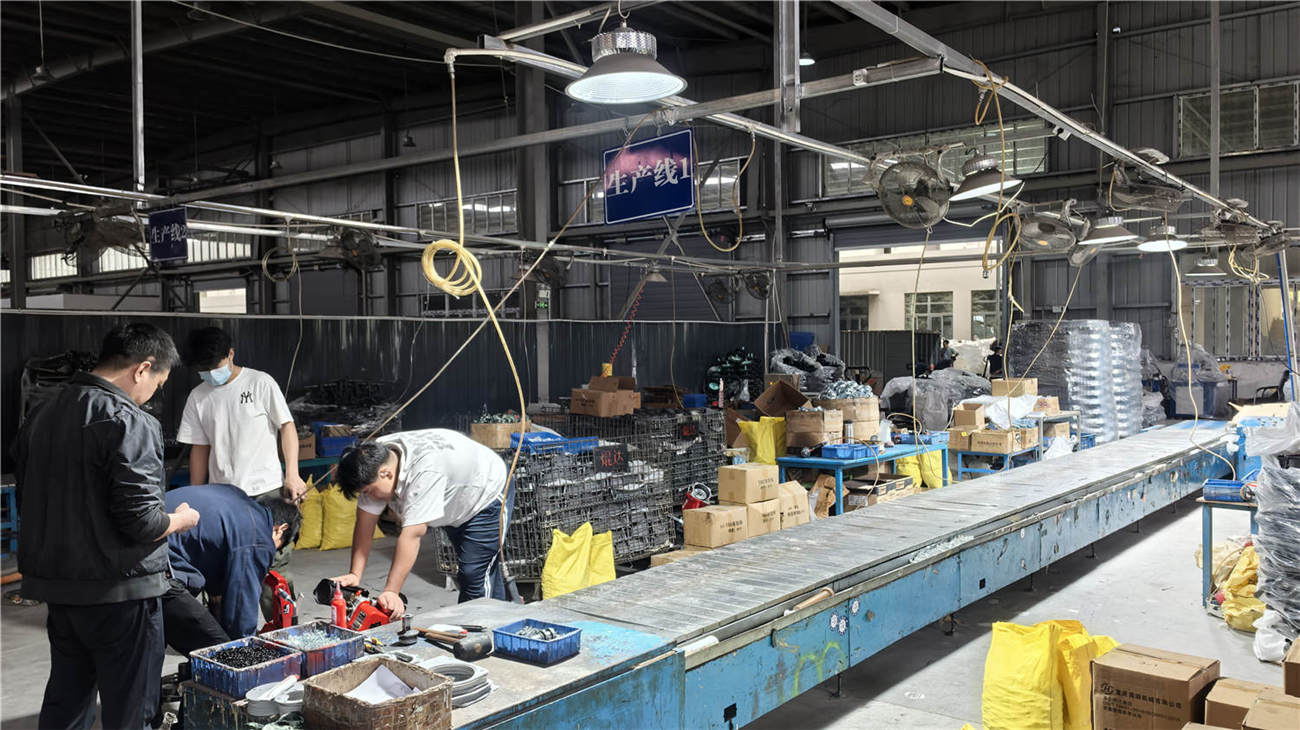
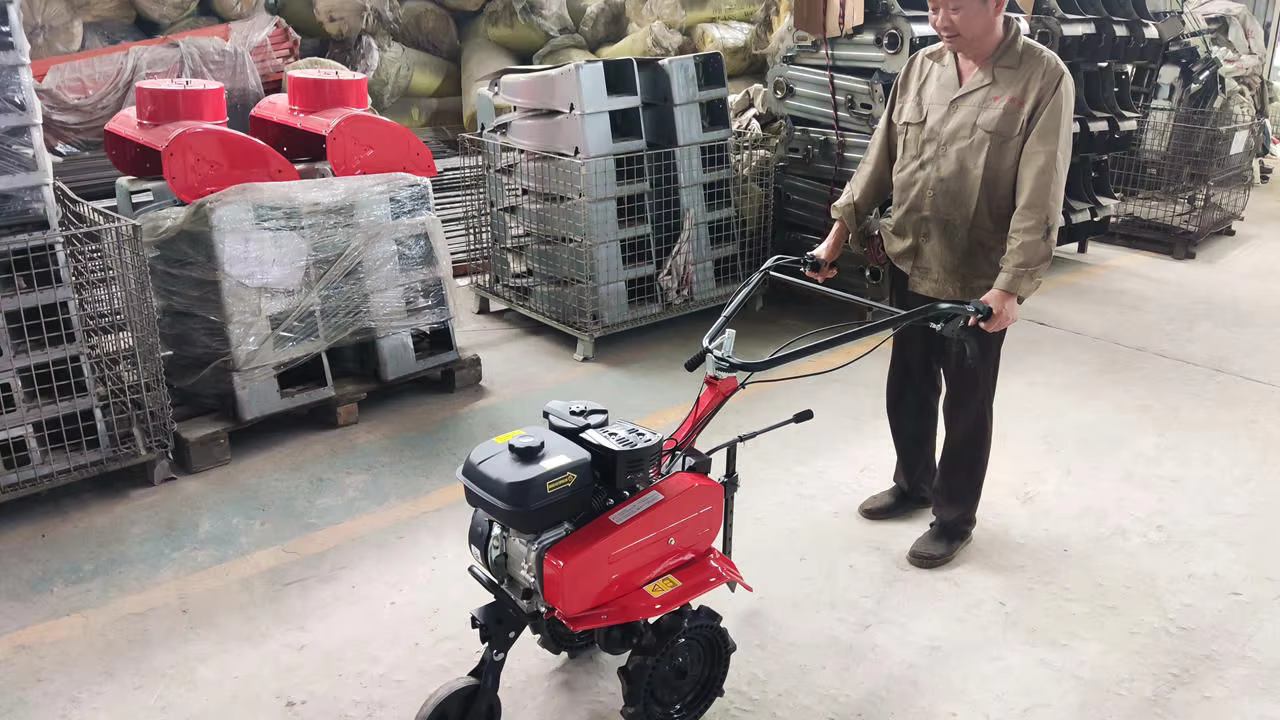
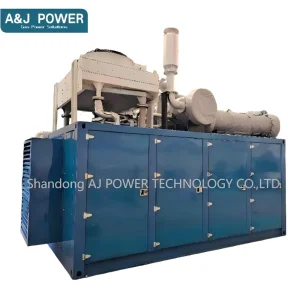
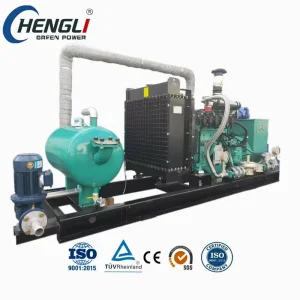
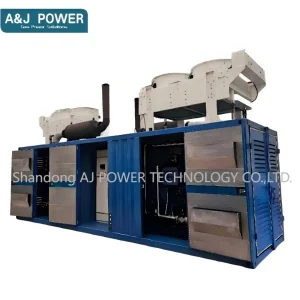
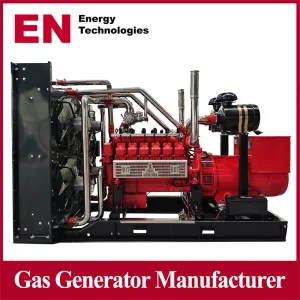
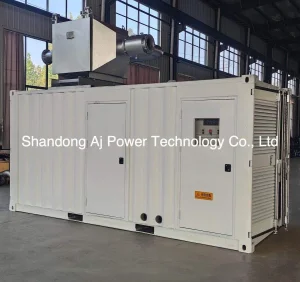
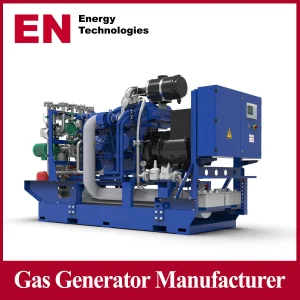
Explore our export-ready models engineered for grid synchronization, load sharing, and strict emission controls.
In-depth responses to critical engineering, installation, and import-related questions from Swiss project planners.
Whether you require grid-synchronized industrial peaking capacity or a critical backup configuration compliant with Swiss environmental regulations, Weifang Gods Power Co., Ltd. delivers the expertise you need.
Send Inquiry Now Gods Power