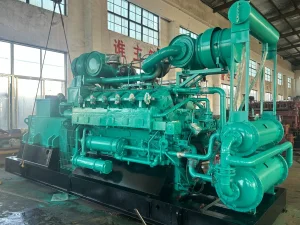
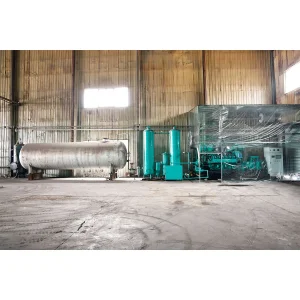
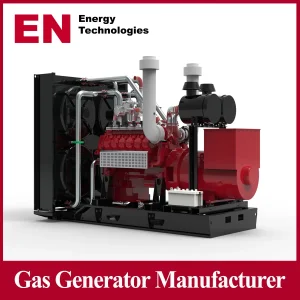
Our flagship configurations optimized for local grid challenges, supporting seamless transition between gaseous fuels (LPG, Natural Gas, Biogas, Syngas) and diesel under varying utility loads.
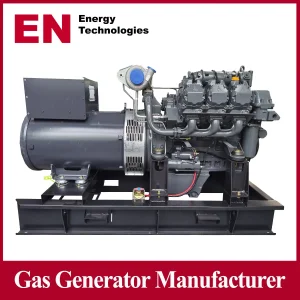
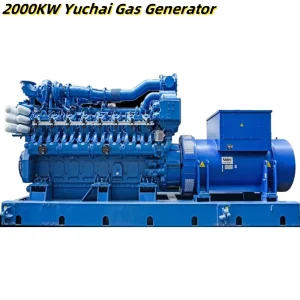
An in-depth whitepaper analysis on the deployment, economics, and technical viability of multi-gas / diesel co-combustion systems in South Africa's evolving power network.
South Africa's industrial sector operates under the persistent threat of load shedding, driven by capacity limitations within the state utility Eskom. To maintain continuity, commercial enterprises, food processing plants, cold storages, and deep-level mines rely heavily on backup generation. Historically, 100% diesel-powered generator sets were the default choice. However, the high price of low-sulfur diesel, combined with carbon taxation and logistics bottlenecks, has made continuous diesel runtimes financially unsustainable.
Our specialized dual-fuel generator sets solve this challenge by replacing up to 70% of diesel fuel consumption with cleaner, more cost-effective gaseous fuels, such as Liquefied Petroleum Gas (LPG), Compressed Natural Gas (CNG), Liquefied Natural Gas (LNG), or localized biogas.
By utilizing a micro-processor-controlled gas induction system, our engines introduce gas into the air intake manifold. The mixture is compressed and ignited by a minimal pilot injection of diesel. Under optimum loads (typically between 50% and 80% prime load), this achieves a high displacement ratio.
In South Africa, where LPG distribution networks are rapidly expanding and regional biogas pipelines are developing, transitioning to dual-fuel technology reduces hourly fuel operating costs by 30% to 50% compared to pure diesel systems. This leads to a payback period of less than 12–18 months for intensive heavy-industry operations.
Engineered to operate on diverse fuel gas qualities, maintaining transient response times during load fluctuations while maximizing the gas-to-diesel ratio.
Equipped with advanced synchronization control panels, compatible with South African grid regulations, smart micro-grids, and hybrid solar arrays.
Includes complete gas train systems with explosion-proof solenoid valves, gas pressure regulators, gas leakage alarms, and automated fail-safe return to 100% diesel mode.
Engineered to deliver high power output with low operational cost under rigorous mining, agricultural, and commercial operations.
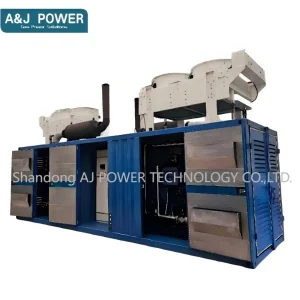
Integrating global manufacturing standards with the distinct geographic and industrial layout of South Africa.
In industrial nodes like Ekurhuleni and Midrand, our dual-fuel systems enable uninterrupted production lines during Stage 4 and Stage 6 load shedding. By connecting to municipal gas lines or bulk LPG setups, factories run continuously without incurring the high cost of pure diesel backup.
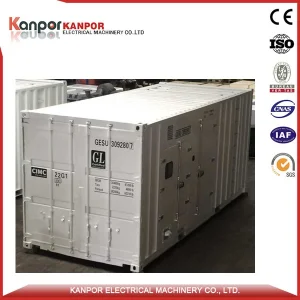
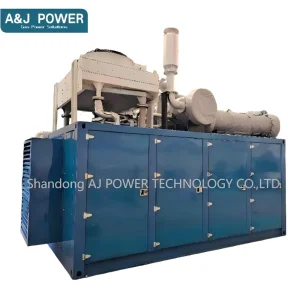
Deep shaft platinum, gold, and chrome mines require reliable standby power to operate ventilation systems and water pumps. Our large-scale containerized generators (1000kW to 5000kW) run efficiently on dual-fuel configurations, reducing fuel supply risks in remote mining regions.
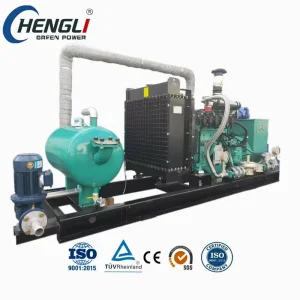
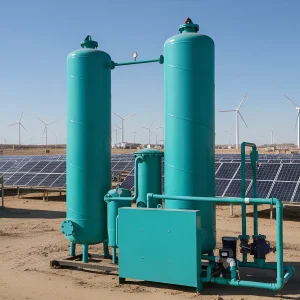
For cold chain storage, packaging facilities, and farms in rural South Africa, biogas produced from agricultural waste can be directed straight to our customized dual-fuel generator sets. This establishes a circular microgrid system, reducing reliance on the central utility.
As an established exporter, our production lines follow strict international certifications, including CE, ISO9001, and ISO14001. We cooperate with global engine houses and customize electronic gas control systems (such as Woodward, ComAp, and Deep Sea Electronics) to deliver precise fuel-to-air ratios, knock detection, and exhaust after-treatment.
Our dual-fuel sets are designed to meet strict emission parameters. Operating in dual-fuel mode reduces nitrogen oxide (NOx), sulfur dioxide (SOx), and particulate matter emissions by 20% to 40% compared to heavy-duty diesel engines. This helps South African corporations align with carbon reduction goals and carbon tax regulations.
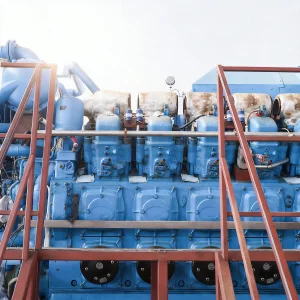
A look inside our advanced production workshops, testing bays, and precision machinery.
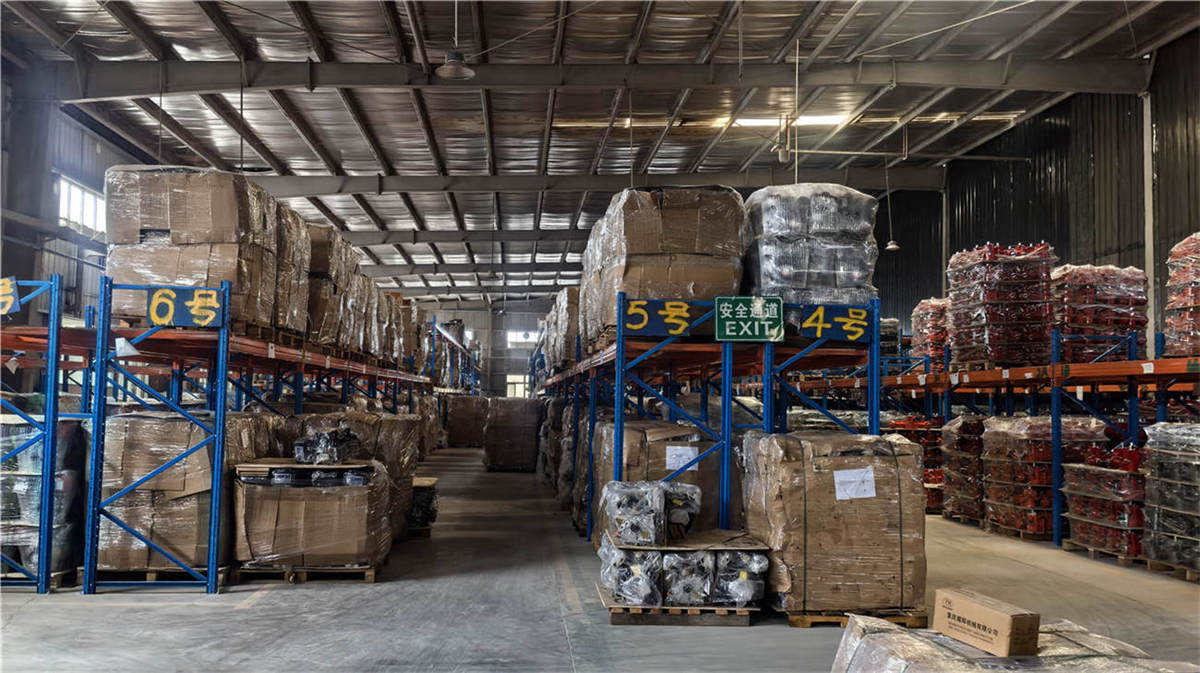
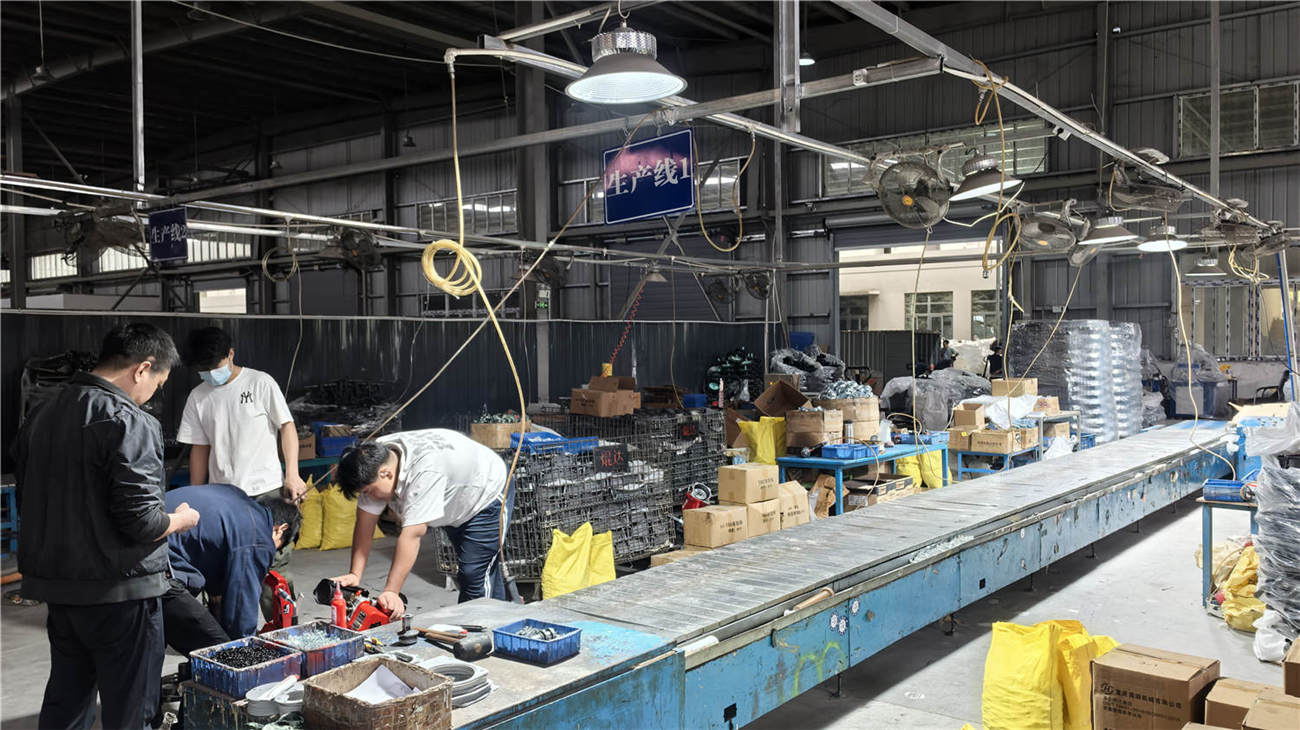
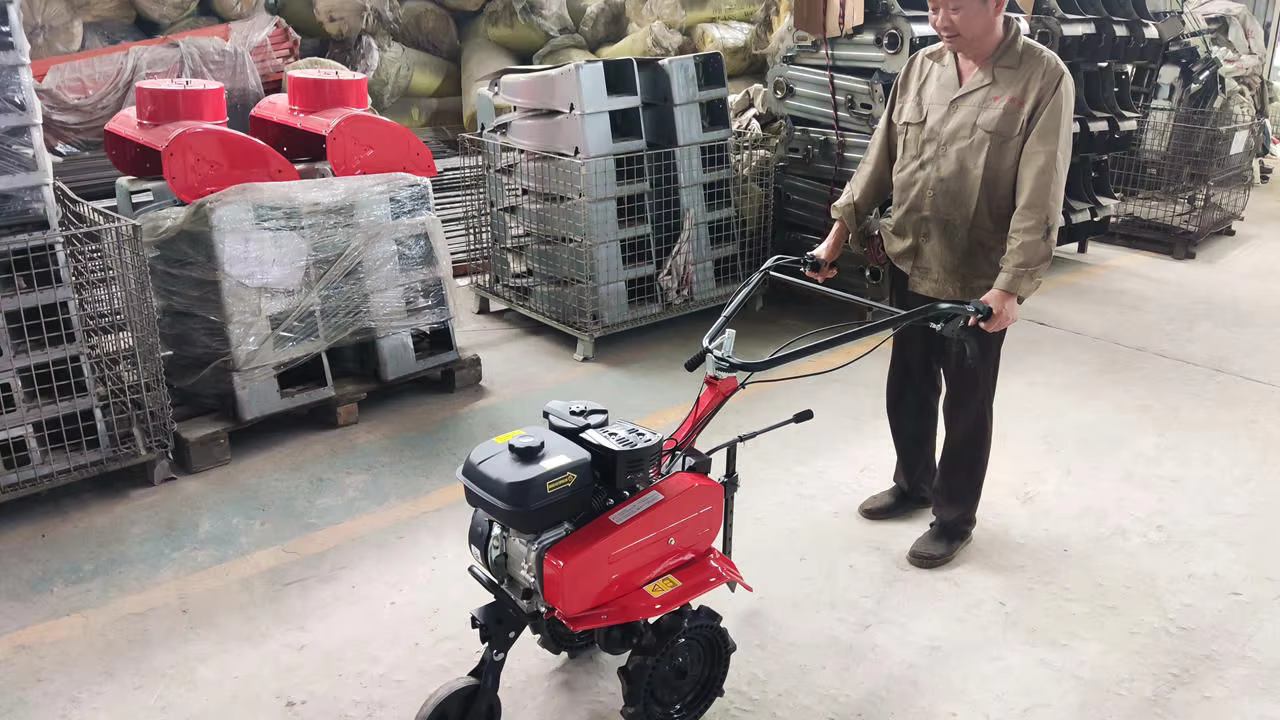
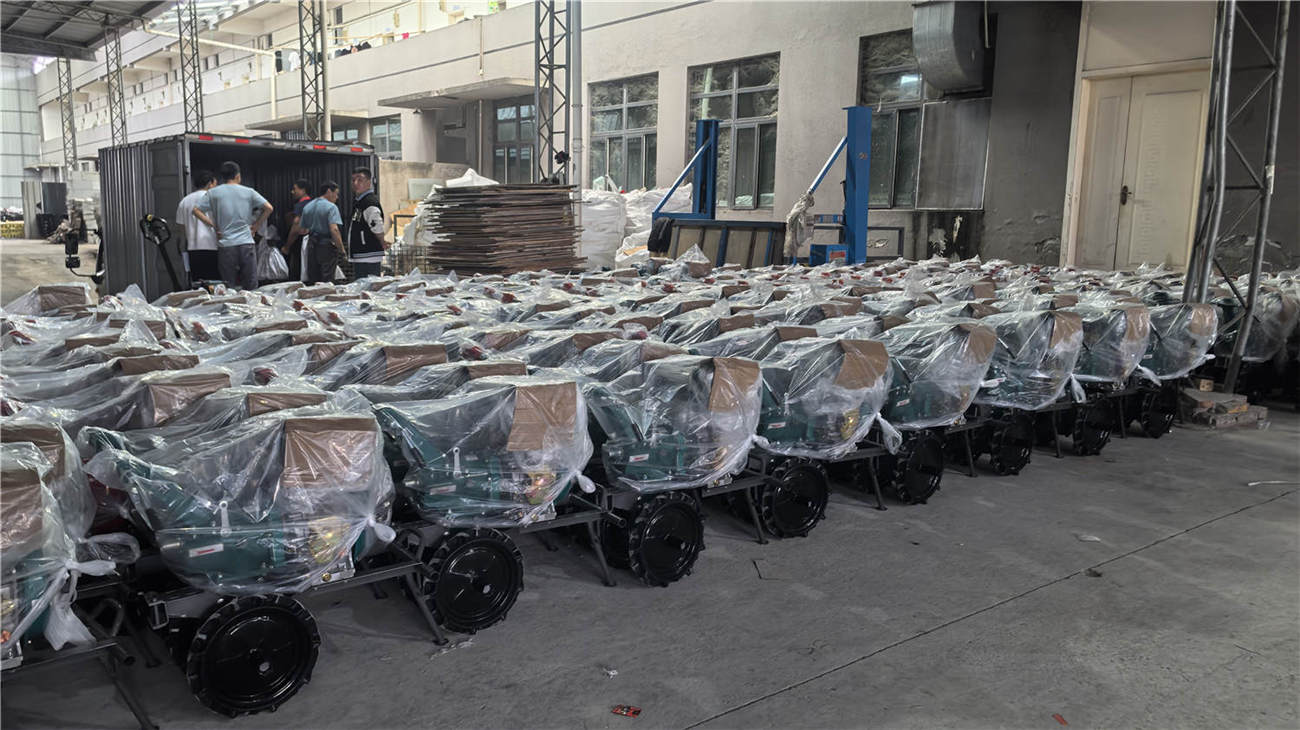
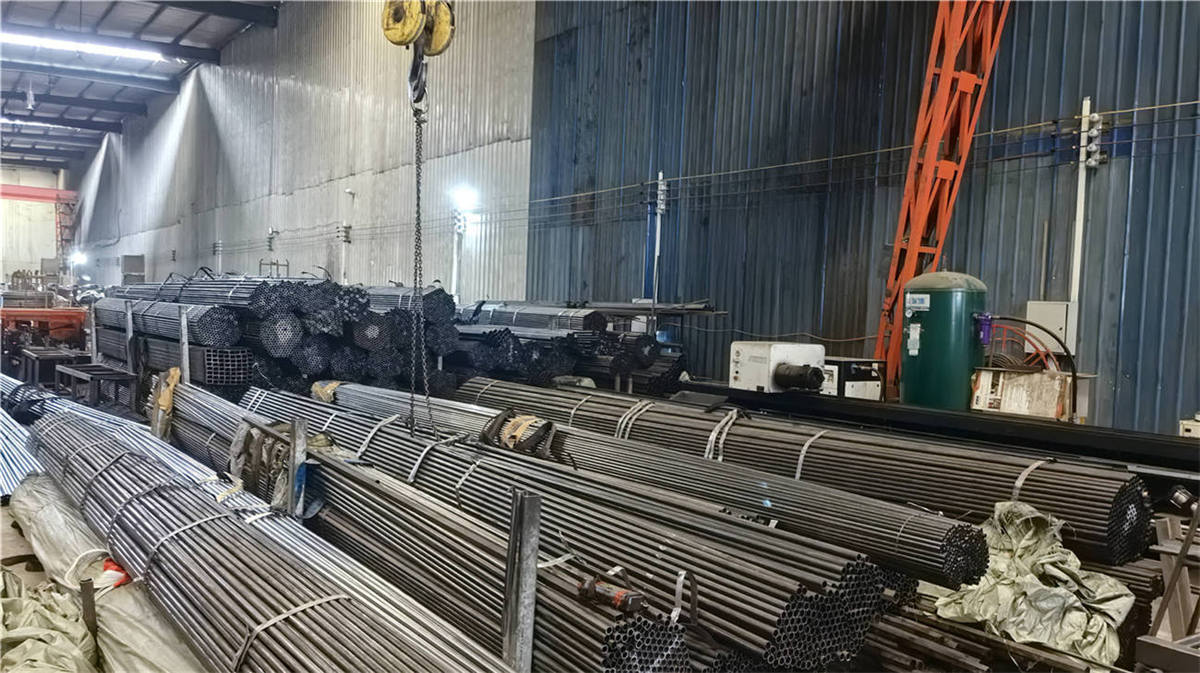
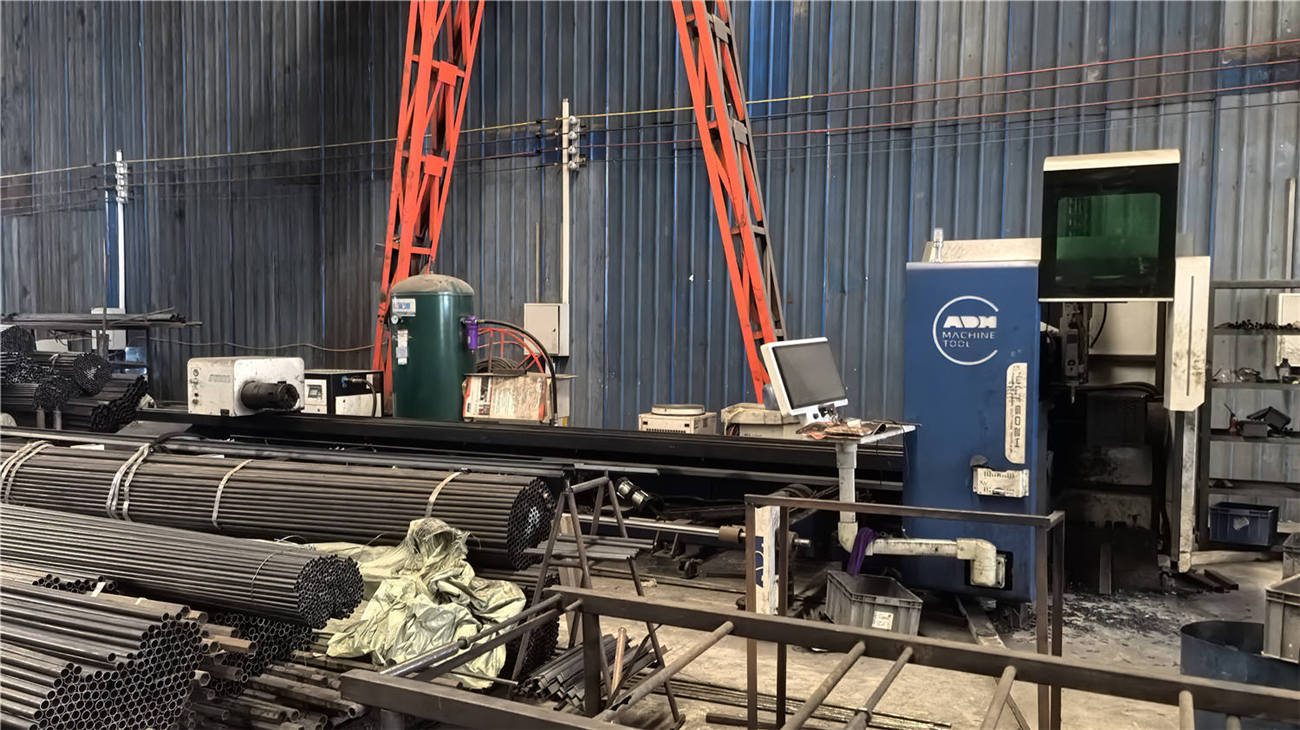
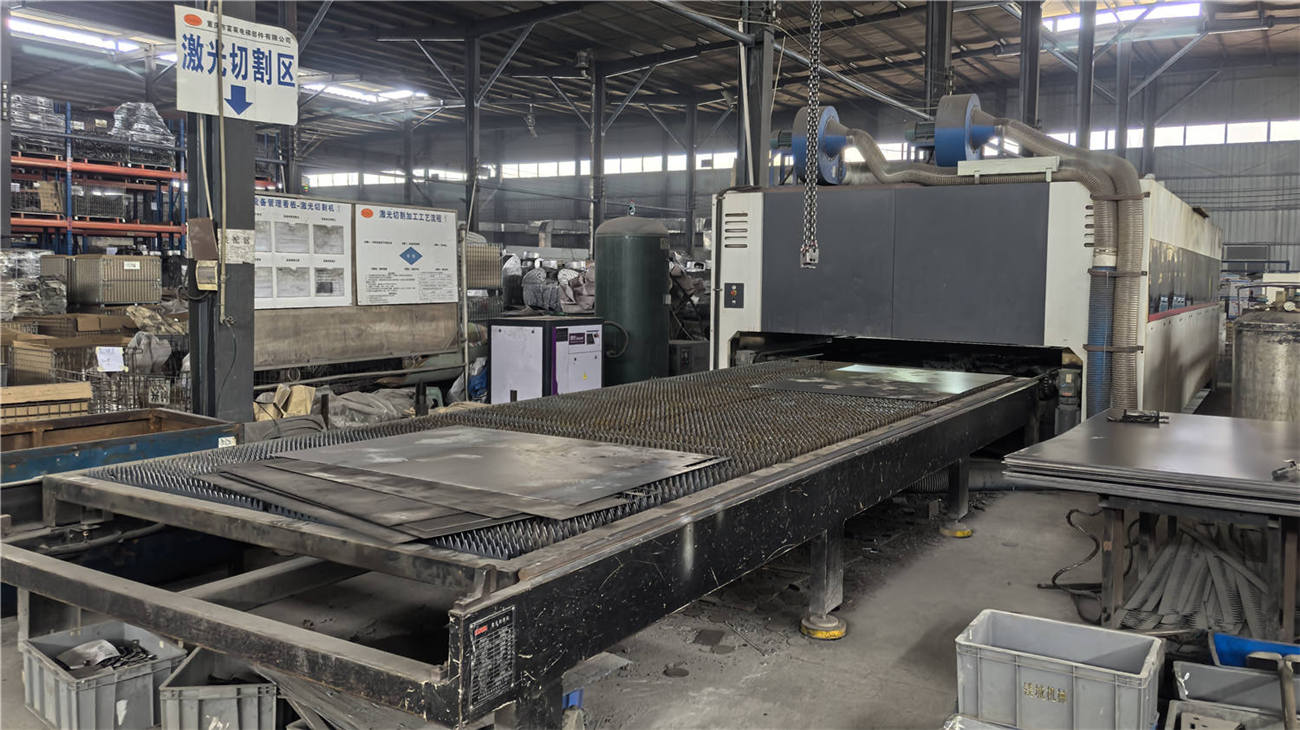
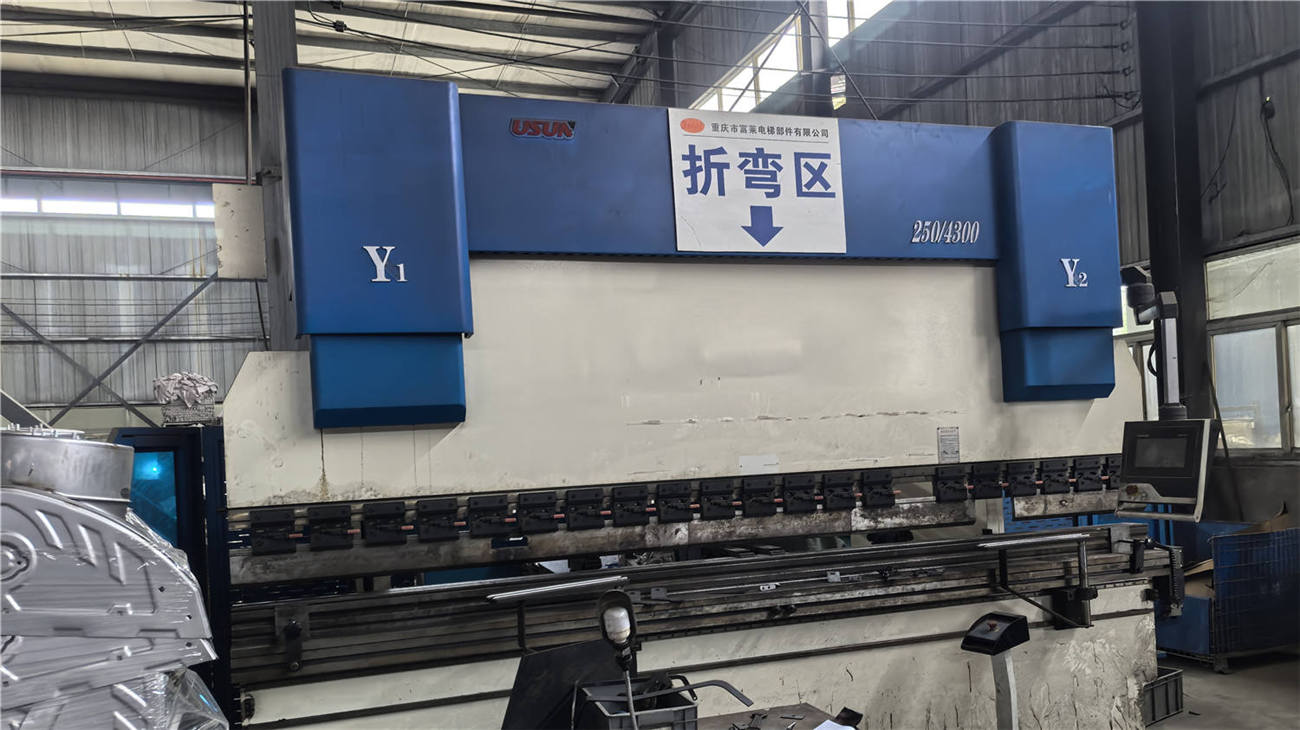
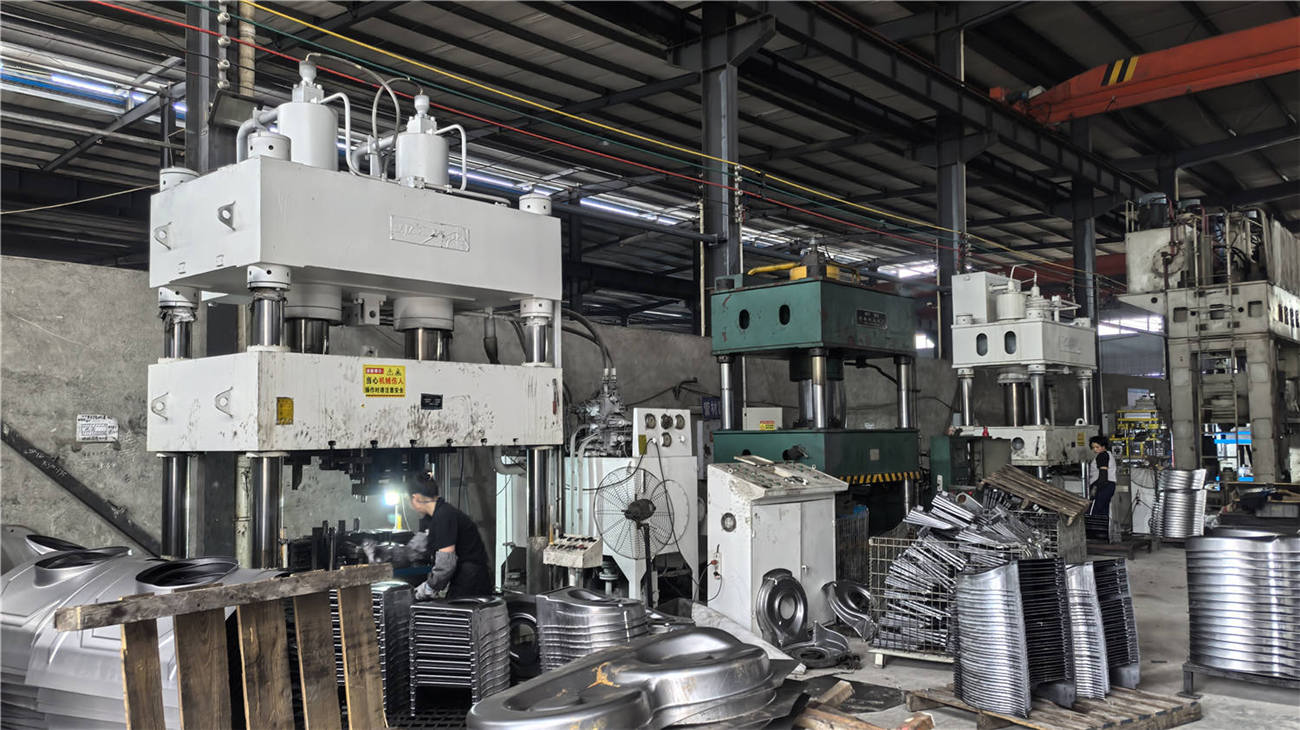
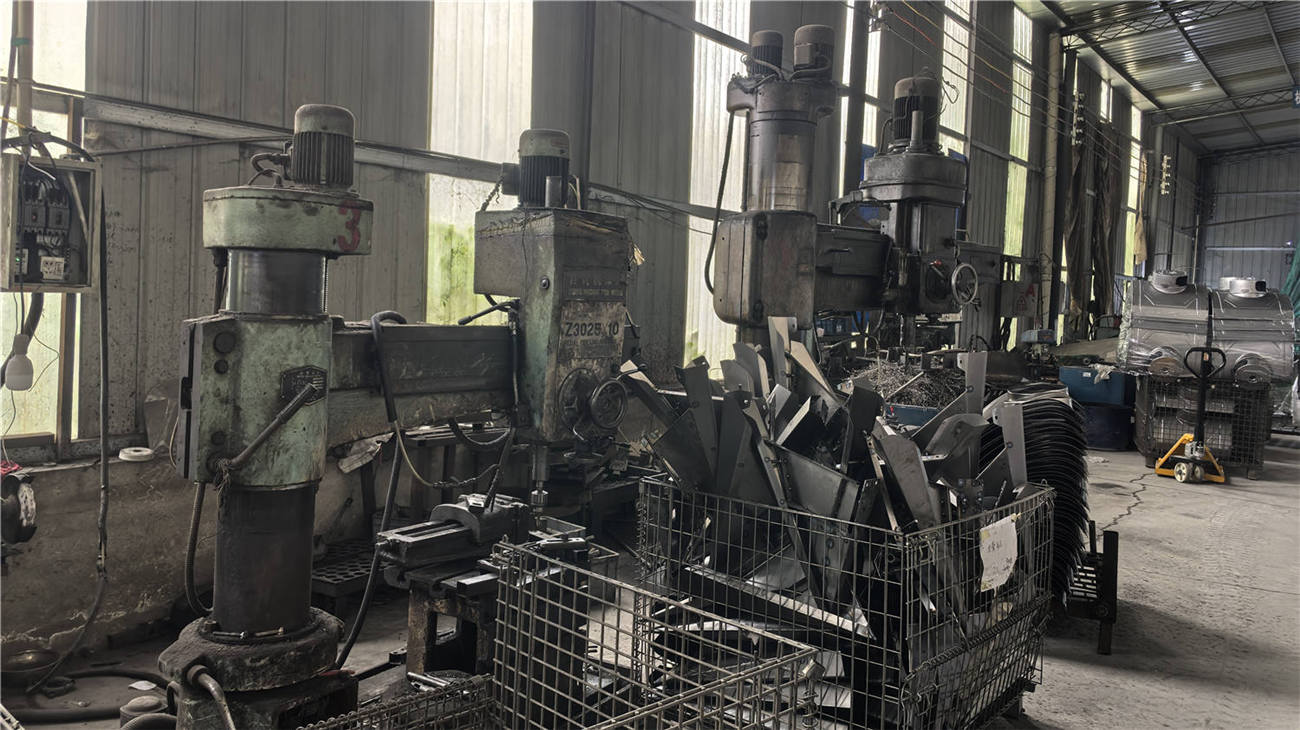
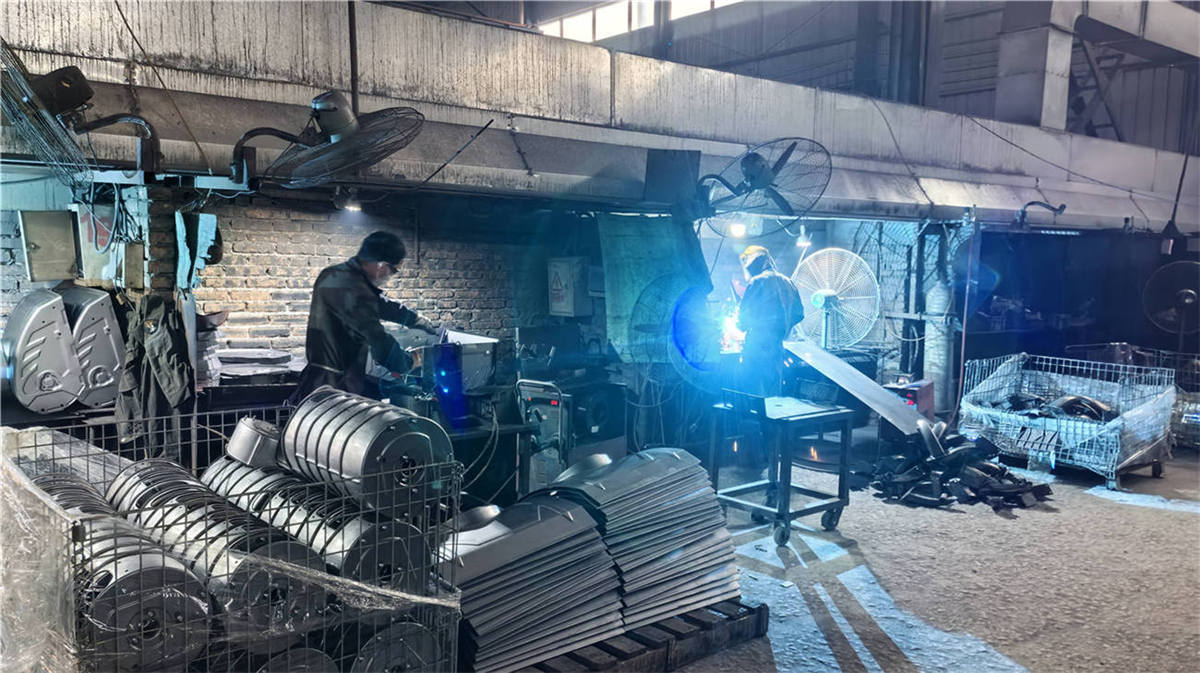
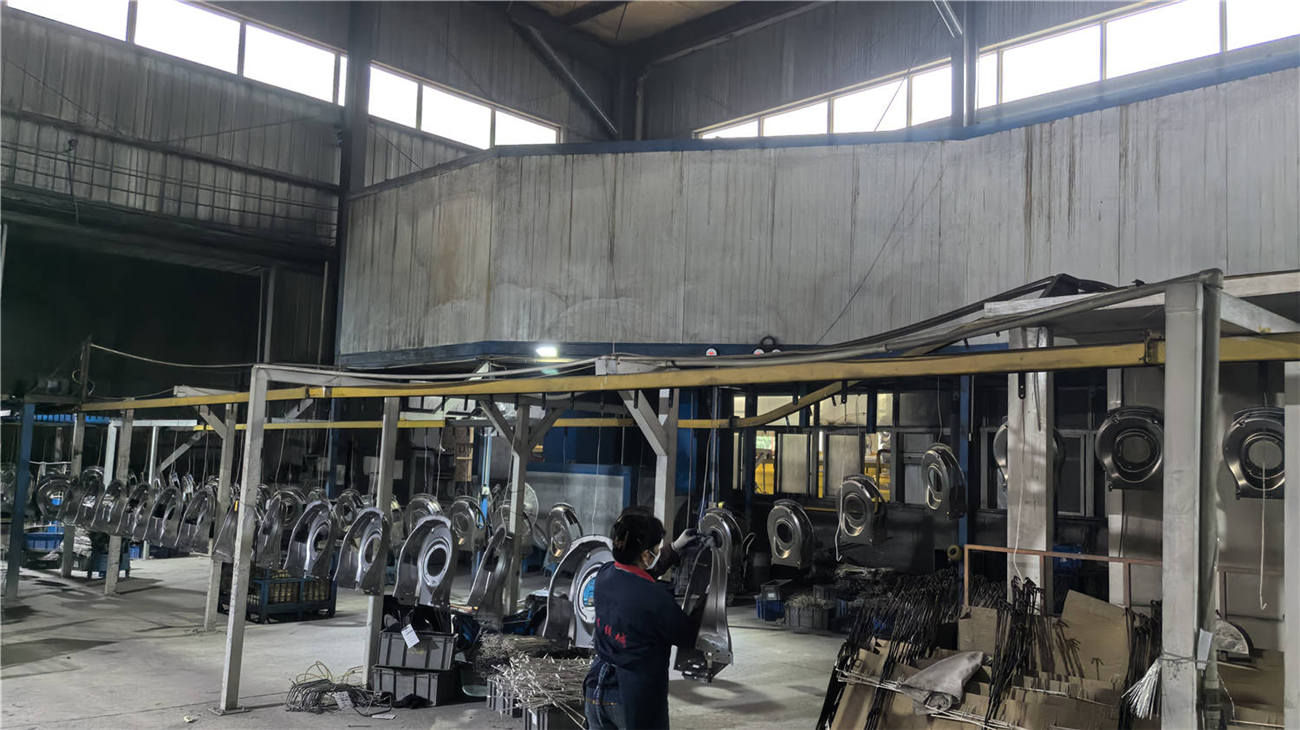
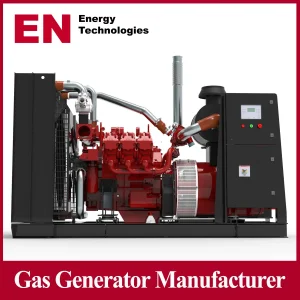
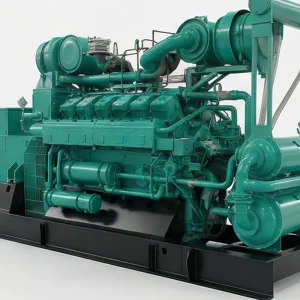
Our complete portfolio of high-output units designed for heavy duty load profiles, continuous operation, and smart micro-grid interfacing.
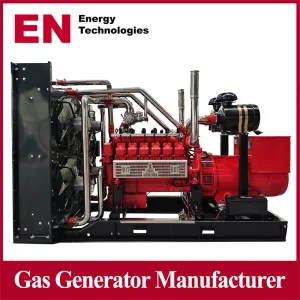
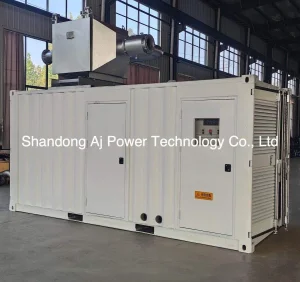
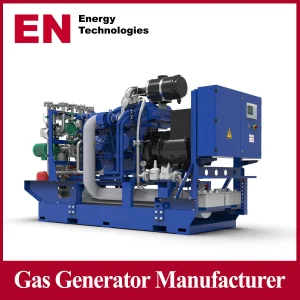
An engineering look into how our co-combustion systems transition between fuel sources and maintain power stability.
The primary challenge of dual-fuel conversion lies in controlling the air-fuel ratio to prevent engine knocking while maximizing diesel displacement. Our systems feature electronic control units (ECUs) that dynamically adjust gas flow based on real-time engine speed, intake manifold temperature, oil pressure, and exhaust temperature.
During startup and under very low loads (less than 20%), the generator runs entirely on diesel. As load increases, the ECU commands the gas induction valves to open. This allows gaseous fuel to enter the cylinder, reducing the diesel injection volume to a pilot level needed to initiate combustion.
Industrial loads, such as electric motors and mining winches, draw significant starting currents. Pure gas generators can struggle with these sudden load steps. By combining diesel with gas, our dual-fuel systems handle transient load steps effectively.
When a sudden load step is detected, the controller momentarily increases diesel injection to support the load. Once stable, it ramps the gas flow back up to restore the desired displacement ratio. This ensures stable power quality (frequency and voltage) for sensitive industrial operations.
Common technical questions regarding our dual-fuel generator sets for South African projects.
Get in touch with our engineering team to receive a customized dual-fuel configuration, payback analysis, and localized pricing for the South African market.
Send Inquiry Now Gods Power